
Proper vehicle care is a core component of responsible driving and road safety. This article details the specific maintenance requirements for the widely used 1.2 PureTech engine, helping drivers recognize the importance of the PSA B71 2312 oil standard and the potential dangers of a degrading wet timing belt system. Mastering this technical knowledge helps you better manage vehicle longevity and safety in real-world driving conditions.
Article content overview
For many drivers in Poland, the 1.2 PureTech engine—often referred to as the EB engine series—is a common feature in popular vehicle brands like Peugeot, Citroën, Opel, Fiat, and Jeep. While these engines are praised for their efficiency and power, they feature a specific technical design known as a "wet timing belt." Unlike traditional dry belts, this system operates within the engine's oil environment. For new drivers and used car owners, understanding how to maintain this system is a critical part of vehicle safety and responsible ownership. Failing to adhere to strict maintenance guidelines can lead to severe engine damage, which can be both costly and dangerous if it occurs while driving.
The most significant factor in maintaining a 1.2 PureTech engine is the consistent use of the manufacturer-recommended oil. The "wet" timing belt is constructed from materials that are specifically engineered to remain stable when submerged in oil, but only when that oil meets the exact chemical specifications defined by the manufacturer. The PSA B71 2312 oil standard was developed to ensure the longevity of both the engine components and the rubber compounds of the timing belt itself.
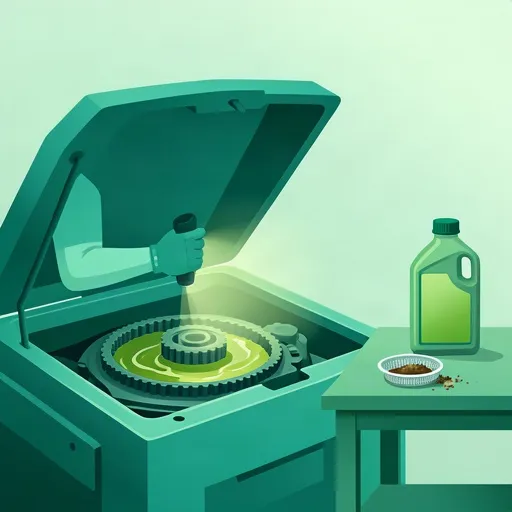
While professional mechanics typically perform a comprehensive inspection, owners can perform a basic assessment to monitor the condition of their belt. One practical method for identifying signs of wear is to inspect the belt’s appearance through the oil filler cap. If the belt surface appears cracked, frayed, or shows signs of swelling or significant color change, it is a strong indicator that the system requires immediate professional attention.
In the used car market, it is essential to distinguish between the earlier versions of the PureTech engine and the newer iterations that transitioned to a timing chain system. Understanding the internal configuration of the vehicle you are driving or planning to purchase is a fundamental skill for any responsible road user. While the newer chain-driven engines generally offer improved reliability regarding this specific issue, they still require diligent maintenance, including regular oil changes to ensure the chain tensioners and overall lubrication system function correctly.
In the context of the Polish driving theory exam, vehicle maintenance is frequently linked to the broader concept of safe driving. A vehicle that is not properly maintained poses a direct risk to road safety. Engine failure on a busy motorway or during a critical traffic maneuver can leave a driver stranded or unable to maintain the necessary speed to keep up with traffic flow, leading to hazardous situations for everyone on the road.
| Maintenance Aspect | Critical Requirement |
|---|---|
| Oil Standard | Must strictly meet PSA B71 2312 |
| Belt Inspection | Check for debris and surface integrity |
| Service Interval | Follow manufacturer time/distance limits |
| Warning Signs | Unusual noise or oil pressure light |
Article content overview
Explore related topics, search based questions, and concepts that learners often look up when studying 1.2 PureTech Maintenance and Belt Inspection. These themes reflect real search intent and help you understand how this topic connects to wider driving theory knowledge in Poland.
Find clear and practical answers to common questions learners often have about 1.2 PureTech Maintenance and Belt Inspection. This section helps explain difficult points, remove confusion, and reinforce the key driving theory concepts that matter for learners in Poland.
A wet timing belt runs directly inside the engine's oil system, meaning it is lubricated by engine oil rather than operating dry.
Using the specific PSA B71 2312 oil standard is crucial because incorrect oil can cause the timing belt material to degrade, leading to debris that can block the oil pump and destroy the engine.
While specific procedures vary, owners can often inspect the timing mechanism area through the oil filler cap to determine the type of system installed in their specific engine variant.
Neglecting the replacement interval can lead to the timing belt snapping while driving, resulting in catastrophic engine failure and immediate loss of vehicle power.
After finding your specific article, continue your targeted learning by exploring related topics or diving deeper into practice questions. Our extensive library ensures you have all the resources needed to confidently prepare for your Polish driving license theory exam. Discover more guides and solidify your understanding of Polish road rules.