
Properly protecting your vehicle during the Polish winter is about more than just aesthetics; it is vital for preventing long-term corrosion caused by road salt and grit. This guide provides actionable advice on effective washing techniques, the use of professional-grade car care products, and how to maintain protective coatings in freezing conditions. Understanding these maintenance habits helps ensure your vehicle remains safe and roadworthy throughout the year.
Article content overview
The Polish winter brings significant challenges for every driver, not only in terms of adjusting to snow and ice on the roads but also regarding the preservation of your vehicle. During the winter months, road authorities utilize extensive amounts of salt, grit, and chemicals to keep roads passable. While this improves traction, these substances are highly corrosive to a car’s chassis, paintwork, and electrical components. Understanding how to properly clean and protect your vehicle is essential for maintaining its safety, reliability, and market value throughout the year.
In the context of Polish road safety, a well-maintained vehicle is more than just an aesthetic preference; it is a technical necessity. Salt deposits that accumulate in wheel arches, on door sills, and within the undercarriage act as catalysts for corrosion. If left unchecked, this rust can weaken structural components and damage critical brake lines or suspension parts. Furthermore, dirty headlights and obscured license plates can lead to fines during police inspections, as maintaining visibility and readability is a legal requirement under Polish traffic regulations.
Neglecting to remove salt and mud from your headlights and turn signals significantly reduces your visibility to other drivers, increasing the risk of accidents during short winter days.
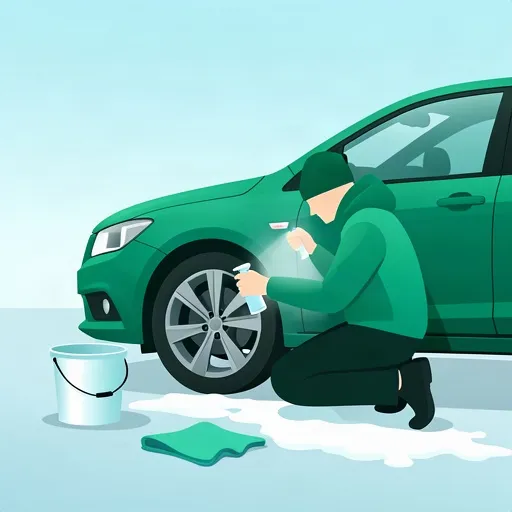
Cleaning a car in sub-zero temperatures requires a strategic approach. The most effective method is to wash your vehicle when temperatures rise above freezing or to utilize an indoor, heated car wash facility. When washing, prioritize the removal of salt from hidden areas like the undercarriage, door edges, and wheel wells. Using a pre-wash spray with warm water and a specialized cleaner can help loosen hardened mud and salt, making the process much safer for the clear coat.
When selecting automotive chemicals for the Polish winter, look for products that offer protective properties alongside cleaning power. Active foams that are pH-neutral are excellent for regular maintenance because they lift dirt without stripping away protective waxes or ceramic coatings. If your car is stored outside, consider using sealants or quick detailers, which create a hydrophobic layer. This layer prevents water and brine from sticking to the surface, making subsequent washes much easier and providing a secondary shield against corrosion.
While your driving theory exam focuses on traffic signs and priority rules, practical vehicle knowledge is crucial for a driver's daily responsibility. A driver is expected to ensure that their vehicle is always in a condition that does not endanger other road users or the environment. Understanding how environmental conditions—such as road salting—impact vehicle health is a fundamental part of responsible ownership in Poland.
In some advanced training scenarios or practical driving discussions, you might encounter questions about equipment requirements during the winter season. Always remember that the driver is responsible for the technical state of the car, including the functionality of wipers, lights, and the clear condition of windows. If you find yourself in a situation where your view is obstructed by salt-crusted residue, it is considered a safety hazard that should be rectified immediately.
Article content overview
Explore related topics, search based questions, and concepts that learners often look up when studying Winter Car Maintenance and Salt Protection. These themes reflect real search intent and help you understand how this topic connects to wider driving theory knowledge in Poland.
Find clear and practical answers to common questions learners often have about Winter Car Maintenance and Salt Protection. This section helps explain difficult points, remove confusion, and reinforce the key driving theory concepts that matter for learners in Poland.
Road salt is highly corrosive and accelerates the oxidation of metal parts, which can lead to rust on your car's undercarriage, sills, and exposed door edges.
The best approach is to wash your car in temperatures above freezing or in a heated facility. Use a two-bucket method to prevent scratching the paint with grit and focus on rinsing out wheel wells and sills where salt accumulates.
While convenient, touchless car washes are safer for your paint. If you use a manual wash, ensure you rinse the vehicle thoroughly and dry it with a microfiber towel to prevent moisture from freezing in seals and locks.
Quick detailers, wash and wax shampoos, and synthetic sealants create a protective layer that helps prevent salt and grime from bonding to your car's surface, making future cleaning easier.
After finding your specific article, continue your targeted learning by exploring related topics or diving deeper into practice questions. Our extensive library ensures you have all the resources needed to confidently prepare for your Polish driving license theory exam. Discover more guides and solidify your understanding of Polish road rules.