
Learning how to manage your vehicle's engine health is a vital component of responsible car ownership and safety. This guide explains the technical vulnerabilities of 1.2 PureTech engines, helping you distinguish between belt and chain versions and highlighting the importance of strict adherence to manufacturer-recommended oil standards for engine longevity.
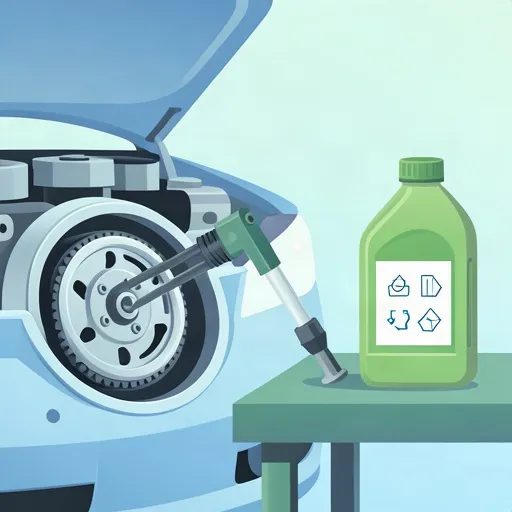
Article content overview
Owning a vehicle is not just about understanding traffic regulations or mastering the rules of the road; it is also about ensuring your vehicle remains in a safe, roadworthy condition. For many drivers in Poland, the 1.2 PureTech engine—found in a wide array of Peugeot, Citroën, Opel, Fiat, and Jeep models—has become a familiar, albeit technically sensitive, powertrain. Because this engine often utilizes a "wet" timing belt system, where the belt operates submerged in engine oil, improper maintenance can lead to catastrophic mechanical failure. As a responsible driver, understanding how to manage this specific component is essential to avoiding engine damage and ensuring your car remains reliable during your daily commute.
The primary technical vulnerability of the 1.2 PureTech (EB series) engine lies in the design of its timing system. Unlike traditional "dry" belts that operate in an open environment, this wet belt relies on the lubrication provided by the engine oil. While this design is intended to reduce friction and noise, it makes the engine exceptionally sensitive to the quality and chemical composition of the oil used. If the oil is not changed strictly according to the manufacturer’s schedule, or if the wrong oil is used, the rubber material of the timing belt begins to degrade prematurely. This degradation creates debris that can circulate through the oil system, potentially clogging the oil pickup strainer and leading to a loss of oil pressure and severe engine damage.
Using the incorrect oil specification for a 1.2 PureTech engine is the fastest way to cause internal engine failure. Always ensure the oil used is compliant with the PSA B71 2312 standard.
One of the most frequent questions from used car buyers is whether a specific 1.2 PureTech engine utilizes a belt or the newer chain-driven configuration. While professional diagnostic equipment is the most accurate way to confirm, there is a common, practical inspection method that experienced mechanics use. By carefully inspecting the area visible through the oil filler cap, you can often identify the presence of a belt. If the belt appears frayed, cracked, or shows signs of swelling, it requires immediate attention by a qualified service center. Furthermore, many specialized workshops use a dedicated gauge tool to measure the thickness of the belt; if the measurement falls below the manufacturer’s tolerance, the belt must be replaced regardless of the mileage covered.
In the context of the Polish traffic safety landscape, keeping your vehicle in top condition is a matter of both personal safety and financial responsibility. The PSA B71 2312 oil standard was specifically formulated to support the chemical environment required by the 1.2 PureTech wet timing belt. Substituting this with a lower-grade oil might save a small amount of money in the short term, but it almost invariably leads to the accelerated deterioration of the belt, oil pump clogging, and eventual engine seizure. When you take your car for a periodic technical inspection, or when you are preparing for a long journey, treat your oil choice as a fundamental safety decision rather than a simple maintenance task.
A specialized engine oil specification established by the manufacturer, specifically designed to protect the material of the wet timing belt and maintain clean oil passages in the 1.2 PureTech (EB) engine family.
Whether you are a new driver studying for your theory exam or a seasoned car owner, the principle of "preventative maintenance" is as important as the rules of the road. An unexpected engine failure on a high-speed road or in urban traffic can create a dangerous situation for you and other road users. By prioritizing regular timing belt inspections and strictly adhering to oil service intervals, you are actively contributing to higher road safety standards. Remember that modern vehicle technology demands a higher level of awareness from the driver.
Article content overview
Explore related topics, search based questions, and concepts that learners often look up when studying 1.2 PureTech Maintenance Guide. These themes reflect real search intent and help you understand how this topic connects to wider driving theory knowledge in Poland.
Find clear and practical answers to common questions learners often have about 1.2 PureTech Maintenance Guide. This section helps explain difficult points, remove confusion, and reinforce the key driving theory concepts that matter for learners in Poland.
A wet timing belt is a component designed to run submerged in engine oil, which requires specific oil standards to prevent the material from degrading prematurely.
Using the correct oil specification is crucial because the wrong oil can cause the timing belt material to break down, resulting in rubber debris that clogs the oil pump and leads to engine failure.
You can inspect the engine area through the oil filler cap. A visual check in this area allows you to distinguish whether the engine uses a belt-driven or chain-driven system based on the manufacturer's design updates.
Given the sensitivity of the wet belt system, it is recommended to strictly follow the manufacturer's service intervals and have a qualified mechanic perform periodic thickness checks using professional gauges.
After finding your specific article, continue your targeted learning by exploring related topics or diving deeper into practice questions. Our extensive library ensures you have all the resources needed to confidently prepare for your Polish driving license theory exam. Discover more guides and solidify your understanding of Polish road rules.