
Corrosion is more than an aesthetic issue; it is a fundamental concern for your vehicle's structural stability and legal compliance on Polish roads. This guide provides essential insights into how moisture, road salt, and modern design features can accelerate rust, potentially leading to a failed technical inspection or hazardous driving conditions. By learning to identify the warning signs early, you take an important step toward being a responsible and safe driver in accordance with Polish traffic standards.
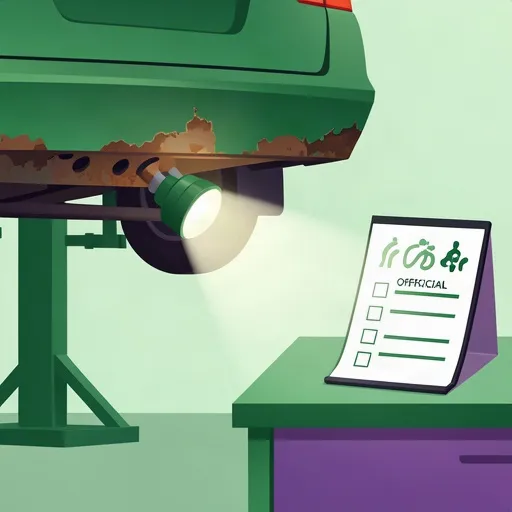
Article content overview
Owning a vehicle in Poland involves more than just mastering traffic regulations and passing the theory exam; it requires a deep understanding of vehicle maintenance and the legal requirements for roadworthiness. Corrosion is one of the most significant factors affecting a car's technical condition, directly impacting both the safety of the occupants and the vehicle's ability to pass the mandatory periodic technical inspection, known as badanie techniczne. For a learner driver or a new car owner, understanding how rust compromises structural integrity is essential for safe driving and long-term vehicle ownership.
Corrosion is often perceived as a mere aesthetic problem, but from the perspective of Polish traffic safety regulations, it is a structural failure. When rust attacks load-bearing components like the chassis, floor panels, or subframes, it fundamentally weakens the vehicle’s ability to protect passengers during a collision. Modern vehicle design often utilizes protective plastic covers and soundproofing materials, which can unfortunately trap moisture and road salt. This creates a hidden environment where corrosion thrives, going unnoticed until the damage has become severe enough to compromise the vehicle's structural stability.
In the context of the Polish przegląd techniczny, a diagnostic inspector will specifically look for excessive corrosion. If the chassis or vital structural elements show signs of advanced decay, the vehicle will be deemed unroadworthy. This is not just a regulatory hurdle; it is a clear indicator that the car is no longer safe to operate under the stress of daily traffic, including higher speeds on motorways or the physical demands of winter conditions.
Understanding how to perform a basic assessment of your vehicle’s condition is a valuable skill for any responsible driver. While deep structural inspections require professional equipment like endoscopes, there are visual and physical cues that owners can monitor to catch problems early.
If you notice that the metal feels soft or flaky, or if you see deep, orange-brown oxidation around joints and mounting points, it is time to consult a professional mechanic. DIY surface treatments can delay the process, but they cannot replace the structural strength lost to advanced degradation.
The Polish technical inspection process is rigorous. Inspectors are trained to identify corrosion that poses a threat to the vehicle's integrity. When an inspector finds that a vehicle’s main load-bearing structure is weakened by rust, they are legally obligated to issue a negative result. This ensures that only safe, stable vehicles occupy our roads.
Never attempt to cover up structural rust with paint or sealants before a technical inspection. Inspectors recognize these "masking" attempts immediately, and doing so can lead to an immediate rejection of your vehicle, potentially resulting in the loss of your registration document on the spot.
Maintaining your vehicle’s chassis is an ongoing process, especially in Poland, where road salt used during winter accelerates the chemical oxidation of metal. Proper maintenance involves regular cleaning of the undercarriage and the application of anti-corrosion agents by professionals who understand the specific needs of your car model's structural design. While some manufacturers rely on chemical primers, others use galvanized steel or wax-filled closed profiles; understanding your vehicle's specific anti-corrosion measures is part of being an informed owner.
Article content overview
Explore related topics, search based questions, and concepts that learners often look up when studying Car Corrosion and Safety Guide. These themes reflect real search intent and help you understand how this topic connects to wider driving theory knowledge in Poland.
Find clear and practical answers to common questions learners often have about Car Corrosion and Safety Guide. This section helps explain difficult points, remove confusion, and reinforce the key driving theory concepts that matter for learners in Poland.
Corrosion that affects the load-bearing components of the vehicle, such as the chassis, sills, or floor panels, compromises the structural integrity of the car. If these parts are significantly weakened by rust, the vehicle is considered unsafe and will fail the technical inspection.
Surface oxidation is typically cosmetic and affects the paint or outer metal layers. Structural rust involves the deep degradation of the metal itself, which reduces its load-bearing capacity and creates a direct risk to vehicle safety.
Closed profiles, such as inner sills and structural beams, are susceptible to moisture accumulation that cannot easily evaporate. Rust forming inside these areas often goes unnoticed until the metal has weakened significantly, posing a hidden danger to structural safety.
Yes, modern plastic covers and soundproofing materials can trap moisture, salt, and debris against the metal bodywork. This creates a persistent environment for corrosion to develop undetected, which is why regular professional inspections are necessary.
After finding your specific article, continue your targeted learning by exploring related topics or diving deeper into practice questions. Our extensive library ensures you have all the resources needed to confidently prepare for your Polish driving license theory exam. Discover more guides and solidify your understanding of Polish road rules.