Master the crucial Vortritt (priority) rules at Swiss junctions and intersections to ensure your safety and success on the road. This section covers everything from basic priority signs to complex situations involving trams, Postauto, and pedestrians, preparing you thoroughly for the Swiss theory test.
Navigate complex Swiss intersections with confidence by mastering critical Vortritt rules, including official regulations for trams, cyclists, and Postauto priority. These guides provide the essential knowledge required to safely manage junctions and priority situations in your Swiss theory exam.
Navigating intersections in Switzerland requires a clear grasp of whether you are on a priority road or subject to standard rules. This guide breaks down the legal definitions from the SVG and SSV, helping you differentiate between ongoing priority and single-junction yield situations. You will learn to recognize the signs that grant you the right of way and the exact markers that signal the return to general traffic rules.
Understanding priority is the cornerstone of safe driving and a critical component of the Swiss theory exam. This article explains the legal requirements for yielding at unmarked junctions, the impact of Hauptstrasse signs, and the specific duties drivers have toward pedestrians at marked crossings. You will gain a clear grasp of these essential traffic rules to navigate Swiss roads with confidence and precision.
Understanding how to interact with public transport is a critical component of safe driving and essential for passing the Swiss theory exam. This guide details when you must yield to a bus pulling away from a stop and explains the safety requirements when passing a stationary bus on roads without a lay-by. You will also learn the specific behavioral expectations for sharing narrow mountain routes with the iconic Swiss Postauto.
Understand the critical 'Vortritt' priority rules essential for passing your Swiss theory test and driving safely. This collection clarifies complex junction scenarios, road signs, and interactions with trams and pedestrians, offering essential guidance for all Swiss licence categories.
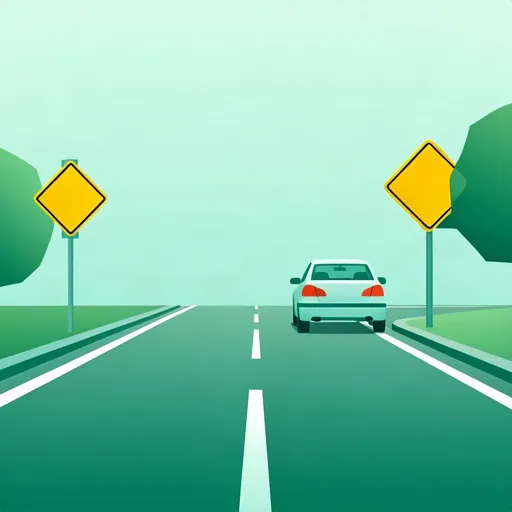
Navigating intersections in Switzerland requires a clear grasp of whether you are on a priority road or subject to standard rules. This guide breaks down the legal definitions from the SVG and SSV, helping you differentiate between ongoing priority and single-junction yield situations. You will learn to recognize the signs that grant you the right of way and the exact markers that signal the return to general traffic rules.
Updated on Oct 28, 2026

Understanding priority is the cornerstone of safe driving and a critical component of the Swiss theory exam. This article explains the legal requirements for yielding at unmarked junctions, the impact of Hauptstrasse signs, and the specific duties drivers have toward pedestrians at marked crossings. You will gain a clear grasp of these essential traffic rules to navigate Swiss roads with confidence and precision.
Updated on Oct 23, 2026
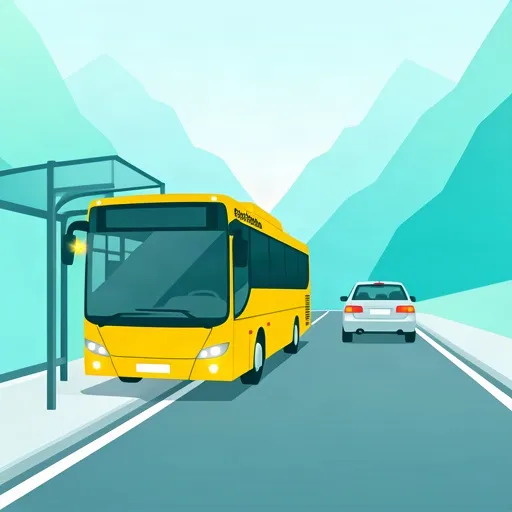
Understanding how to interact with public transport is a critical component of safe driving and essential for passing the Swiss theory exam. This guide details when you must yield to a bus pulling away from a stop and explains the safety requirements when passing a stationary bus on roads without a lay-by. You will also learn the specific behavioral expectations for sharing narrow mountain routes with the iconic Swiss Postauto.
Updated on Oct 19, 2026
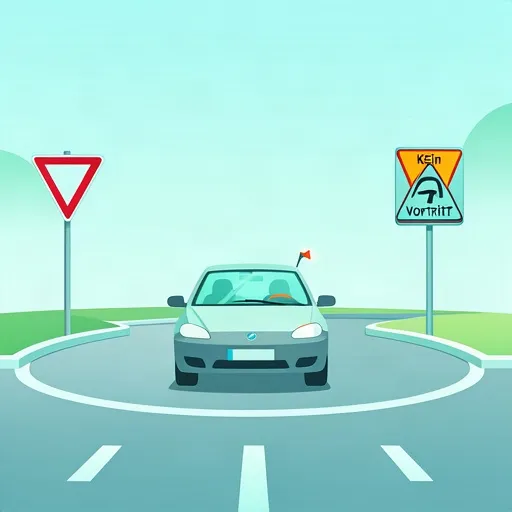
Understanding how to correctly navigate a roundabout is a fundamental requirement for every driver in Switzerland. This article explains the legal priority of circulating traffic, the mandatory signalling process for exits, and why specific signage dictates the flow of traffic in your favor. By learning these rules, you will avoid common exam traps and ensure safe, predictable behavior on Swiss roads.
Updated on Sep 30, 2026
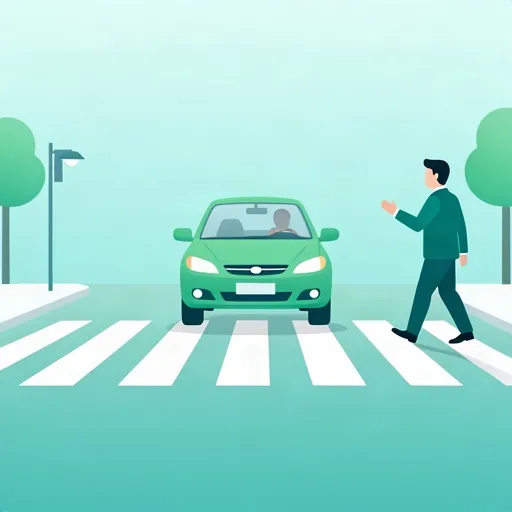
Understanding pedestrian priority is a fundamental pillar of Swiss traffic law and a common topic in the driving theory exam. This guide clarifies exactly when you must reduce speed or come to a complete stop, focusing on the legal distinction between pedestrians simply standing by the road and those showing a clear intent to cross. You will also learn about the specific rules concerning cyclists at these crossings and the financial penalties associated with failing to yield.
Updated on Sep 27, 2026

Drivers in Switzerland must understand specific rules and recommended practices for interacting with cyclists to ensure safety and pass their theory exam. This guide explains legal requirements and best practices for overtaking, yielding at junctions, and navigating roads designated for cyclists, such as Velostrassen. These insights are vital for becoming a responsible and competent driver in Switzerland.
Updated on Jul 1, 2026

Learn how to correctly apply Switzerland's 'Rechtsvortritt' (priority to the right) rule at unmarked junctions on rural roads, a key topic for your driving theory exam. This guide explains how to differentiate between public road connections and private entrances, even without clear signage. Mastering this concept is vital for safe navigation and successful exam performance in less-defined rural environments.
Updated on Jun 29, 2026
Discover other categories connected to Swiss Priority & Junction Rules. These sections help you explore additional topics, expand your understanding of driving theory in Swiss, and build a more complete picture of the rules and situations tested during the exam.
Find answers to common questions learners ask about Swiss Priority & Junction Rules. This section helps clarify difficult concepts, highlight critical exam information, and support your preparation for the Swiss driving theory exam in Switzerland.
The fundamental rule in Switzerland at unmarked junctions is 'Rechtsvortritt', meaning vehicles approaching from the right have priority. Always be aware of vehicles to your right, unless other signs or rules indicate otherwise.
Trams in Switzerland always have right of way, regardless of other traffic. On narrow mountain roads, Postauto buses have priority, often indicated by a three-tone horn, and drivers must yield to them.
As a driver in Switzerland, you must stop for any pedestrian on or clearly intending to use a pedestrian crossing (Fussgängerstreifen). Pedestrians have absolute priority here.
A yield triangle sign (often accompanied by a broken white line) means you must yield to all traffic on the road you are entering. You must only proceed when it is safe to do so, giving way to all other vehicles.
Yes, police hand signals or directions always override traffic lights, road signs, and priority rules. Always follow the instructions of a traffic police officer.
Dive deeper into the specific subject areas of Swiss driving theory by exploring our carefully curated article categories. Whether you need to revise road signs, understand complex traffic rules, or master hazard perception, our organized topics will guide your learning journey effectively for your licence.
Browse Article Categories