
Main road signs provide essential information, but supplementary panels give them precision. These panels, often found below main signs, clarify crucial details like distance, duration, scope, and exceptions. Understanding them is key to interpreting traffic regulations accurately and driving safely. This section will equip you to confidently decode these vital additions for your theory exam and real-world driving.
An explanation of how Swiss Supplementary Panels road signs apply in real traffic situations in Switzerland. Learn where these signs are typically placed, what drivers are expected to do when they appear, and how correct reactions help you stay safe, avoid fines, and succeed in your Swiss driving theory exam.
Supplementary panels are ubiquitous in Switzerland, appearing alongside primary traffic signs to refine their meaning. You'll encounter distance panels (like 5.01, 5.02) before hazards or regulated zones, indicating how far ahead they apply or their direction. Range panels (5.03) are crucial for understanding the full extent of a restriction, such as a speed limit that applies for a specific section of road. Look for start (5.05) and end panels (5.06) to know precisely when a regulation begins and ceases. Exception panels (5.10, 5.11) are vital for knowing when a general prohibition, like no stopping or parking, doesn't apply to you. Panels indicating lane width (5.15) or potential hazards like black ice (5.13) or shooting noise (5.16) help you adjust your speed and awareness accordingly. Always interpret these panels in conjunction with the main sign they accompany; they don't stand alone but provide essential context for safe and compliant driving.
An overview of the key learning outcomes when studying the Swiss Supplementary Panels road sign category. Understand the main concepts, sign meanings, and traffic situations covered here so you can recognise patterns, answer theory questions more confidently, and build a solid foundation for safe driving in Switzerland.
Master Swiss supplementary panels, crucial for precise driving decisions. These signs clarify distance, time, vehicle types, and lane usage, providing essential context to main road signs. Studying these panels together enhances your comprehension of specific traffic rules and improves your Swiss theory test revision.

The 5.01 'Distance' Panel: Modifying Main Signs for Clarity
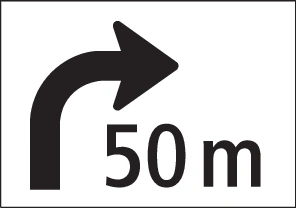
Decipher supplementary panels like the 'Distance and Direction' sign (5.02) with clarity
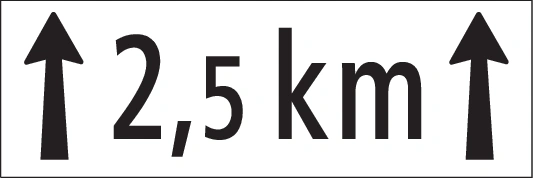
The 5.03 'Range of Validity' Supplementary Panel: Understanding Its Scope
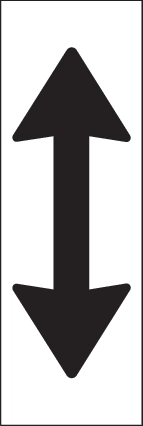
The 5.04 Repetition Panel: Confirming and Extending Traffic Rules
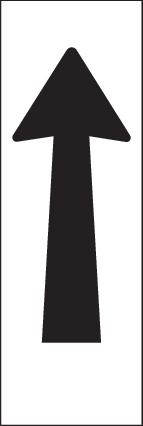
Understand the Swiss 5.05 Start Panel: Signalling the Beginning of a Traffic Regulation
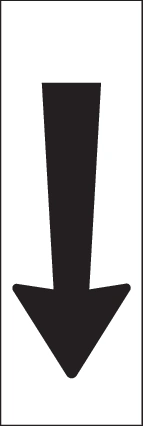
The 5.06 End Panel: Signalling the End of a Static Traffic Regulation

The 5.07 Direction Indicator Panel: Adding Context to Road Signs

Understand Sign 5.09: The Routing of a Principal Road
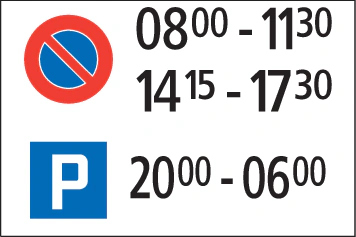
Understand Swiss Road Sign 5.10: Exceptions to Stopping Prohibitions
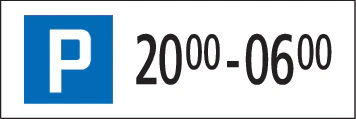
Sign 5.11: Understanding Parking Prohibition Exceptions in Switzerland

Understand the Swiss 'Turn Signal' Supplementary Panel (5.12)

Understand the 'Black Ice or Slippery Snow' Supplementary Road Sign (5.13)
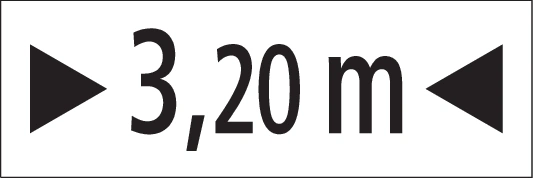
Understand the 5.15 'Width of lane/road' supplementary panel to correctly interpret traffic signs.
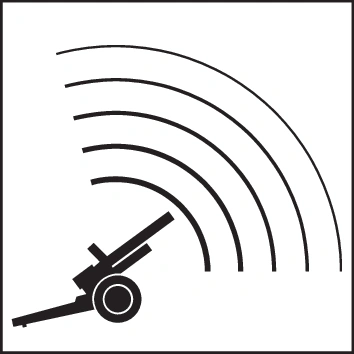
Understanding the 5.16 'Shooting Noise' Supplementary Panel in Switzerland
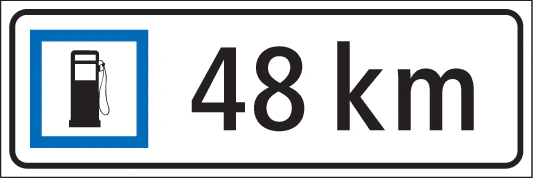
Understand the 'Distance to Second Next Petrol Station' supplementary panel (5.17)

Understand Swiss Supplementary Panel 5.18 to Correctly Interpret Main Road Signs
Clear answers to common questions about the Swiss Supplementary Panels road sign category. Use this FAQ to review tricky rules, understand how these signs appear in exam scenarios, and remove confusion that often leads to mistakes in the Swiss driving theory exam in Switzerland.
A supplementary panel provides additional information to a main traffic sign, making its meaning more specific and precise. It clarifies details such as the distance to the hazard or regulated zone, the length or duration of the sign's effect, the specific lanes it applies to, or any exceptions to the rule indicated by the main sign.
Distance panels, like sign 5.01, tell you how far away the situation described by the main sign is. For example, a warning sign with a distance panel below it means the hazard is located at that specified distance ahead. Directional panels (5.02) indicate the direction to follow or the direction of the hazard or regulated zone.
A start panel (5.05) indicates the beginning of a traffic regulation or restriction, such as a zone where parking is prohibited. An end panel (5.06) indicates where that same regulation or restriction finishes. Together, they clearly define the boundaries of the rule.
If a 'no stopping' sign has a supplementary panel indicating an exception (like 5.10), you need to read that panel carefully. It might specify that stopping is allowed under certain conditions, for a limited time, or in particular marked bays. If no exception panel is present, stopping is strictly forbidden in the area indicated by the main sign and any accompanying general supplementary panels.
Generally, supplementary panels apply to all vehicles unless the main sign or the supplementary panel itself specifies otherwise. Some panels might indicate exceptions for certain vehicle types, times, or conditions, so always read the entire sign combination to understand its scope.
Dive into the organized structure of Swiss road sign categories to enhance your driving theory knowledge. Explore each group, understand common contexts, and test your understanding of official traffic signs, from mandatory commands to specific hazard warnings. Build a solid foundation for your upcoming theory exam with confidence.
Swiss Road Sign Categories