
This group of signs provides crucial operational information to help you navigate safely and make informed decisions on the road. While they offer guidance on road types, facilities, parking, and services, remember they don't override existing priority rules, prohibitions, or traffic signals. Understanding these signs is essential for both passing your theory exam and driving confidently in various traffic situations.
An explanation of how Swiss Indication Signs road signs apply in real traffic situations in Switzerland. Learn where these signs are typically placed, what drivers are expected to do when they appear, and how correct reactions help you stay safe, avoid fines, and succeed in your Swiss driving theory exam.
Swiss indication signs are ubiquitous on roads and highways, designed to inform drivers about road conditions, facilities, and specific route information. You'll encounter signs like 'Motorway' (4.01) or 'Expressway' (4.03) as you transition to higher-speed roads, and their corresponding 'End of...' signs (4.02, 4.04) signal changes in regulations. Signs indicating 'Mountain postal road' (4.05) are specific to certain scenic and often challenging routes, while 'Tunnel' signs (4.07) prepare you for reduced visibility and potential ventilation requirements. You'll see signs for 'One-way street' (4.08), which are common in urban areas, and 'Dead end' (4.09) signs to alert you to roads with no through traffic. For pedestrian safety and convenience, signs for 'Pedestrian crossing location' (4.11) and mandatory 'underpass' or 'overpass' (4.12, 4.13) are important. When planning stops, signs for 'Parking allowed' (4.17), 'Parking with parking disc' (4.18), 'Paid parking' (4.20), and 'Parking garage' (4.21) guide your choices. Service-related signs like 'Petrol/gas station' (4.82), 'Hotel-Motel' (4.83), and 'Restaurant' (4.84) are vital for longer journeys. Additionally, signs related to road conditions on passes (4.75) or general speed limits (4.93) help you adapt your driving. It is crucial to note that these signs primarily provide information; they do not abolish existing rules like speed limits or right-of-way, which must always be observed.
An overview of the key learning outcomes when studying the Swiss Indication Signs road sign category. Understand the main concepts, sign meanings, and traffic situations covered here so you can recognise patterns, answer theory questions more confidently, and build a solid foundation for safe driving in Switzerland.
Master the meaning of Swiss indication signs, crucial for understanding road type, facilities, and services. Studying these together aids recognition and supports your theory test preparation for navigating Switzerland safely and efficiently. Learn vital information for safe choices on Swiss roads.
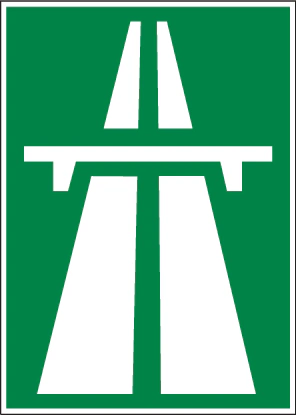
Understand the 'Motorway' indication sign (4.01) in Switzerland
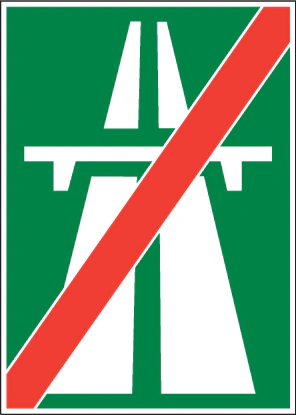
This sign signals the end of the motorway.
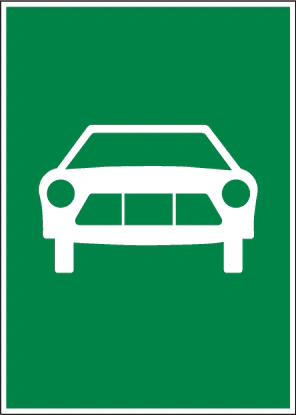
Understand the Expressway Sign (4.03) in Switzerland
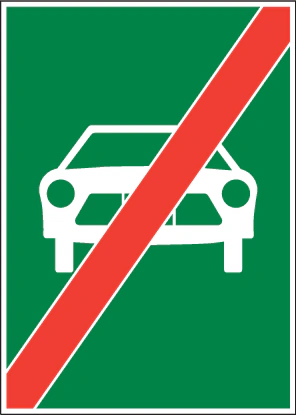
End of Expressway sign (4.04) informs you about the road ahead.

Understanding the Mountain Postal Road Sign (4.05) in Switzerland
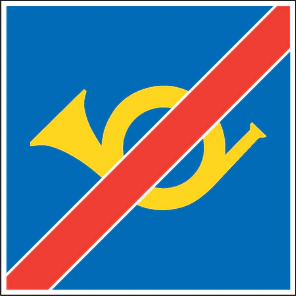
This sign marks the end of a designated mountain postal road.
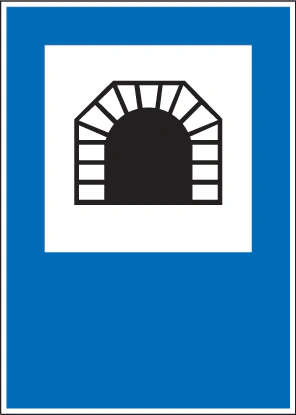
Understand the 'Tunnel' indication sign (4.07) for safe navigation in Switzerland.
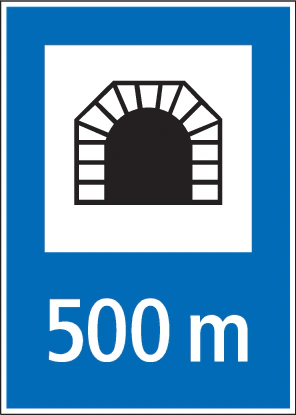
Identify Tunnels Ahead with the 'Tunnel (Variant 1)' Information Sign
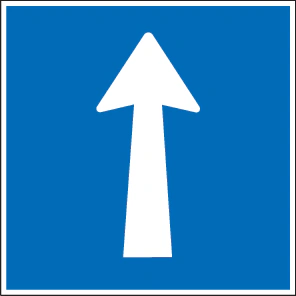
The 4.08 One-Way Street Sign: Navigate with Confidence
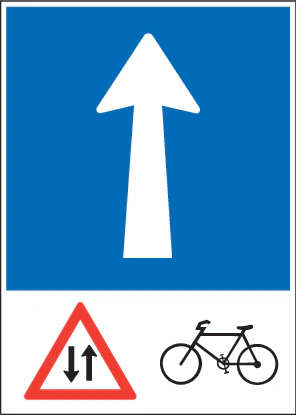
Learn the Meaning of the 'One-way Street with Oncoming Bicycle Traffic' Sign (4.08.1)
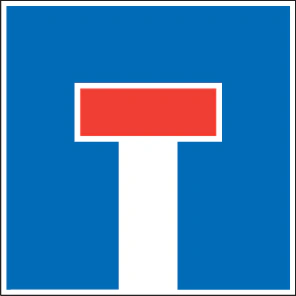
The 'Dead End' (4.09) Sign: What It Means and How to Navigate It
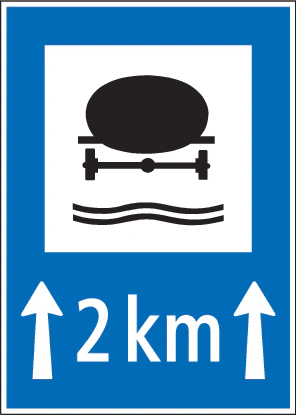
Learn About the Water Protection Area Indication Sign (4.10) in Switzerland
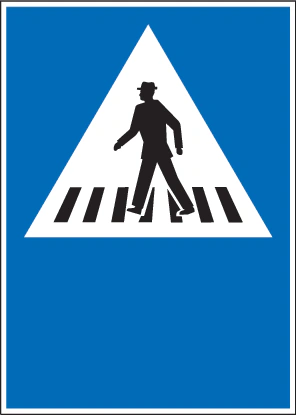
Sign 4.11: Informing You About Pedestrian Crossing Locations in Switzerland
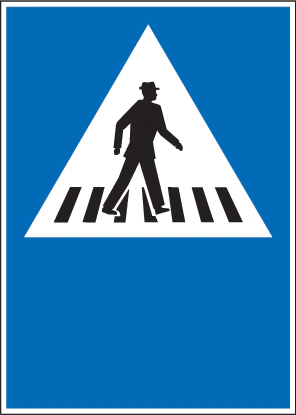
This sign indicates a pedestrian crossing location, guiding your awareness on the road.
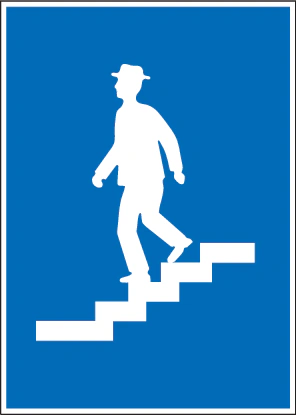
Navigate Safely: Understanding the Mandatory Pedestrian Underpass Sign (4.12)
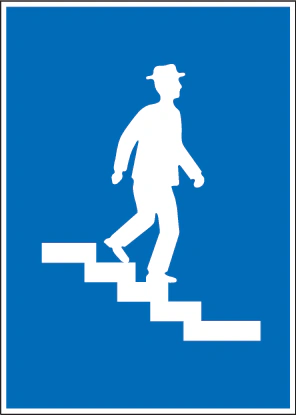
Know the Mandatory Pedestrian Underpass Sign (4.12-1)
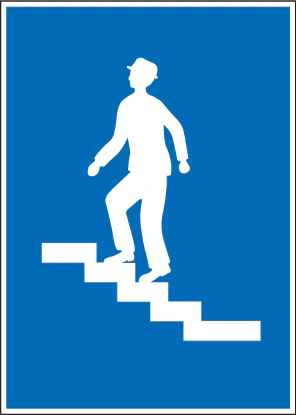
What does the 'Pedestrian Overpass (mandatory)' sign mean for you?
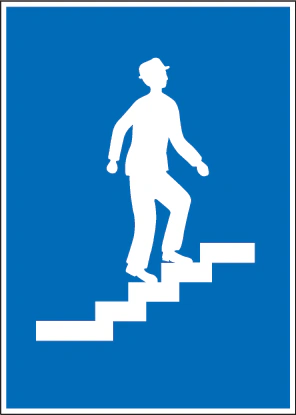
Understand the Pedestrian Overpass (Mandatory) Sign (4.13-1) in Switzerland.
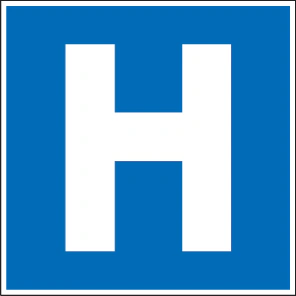
Understand Swiss Indication Sign 4.14: Your Guide to Road Facilities and Arrangements
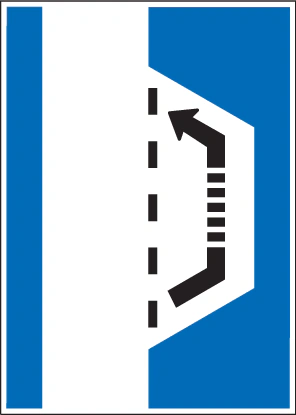
The 4.15 Passing Place sign indicates where to use a passing facility on narrow roads.
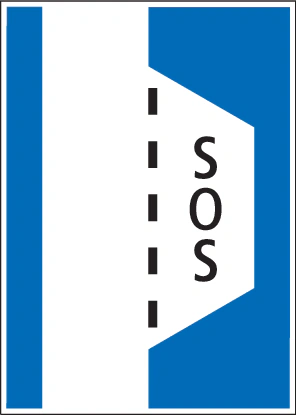
Breakdown Place for Accidental Vehicles: What This Sign Means for Your Drive
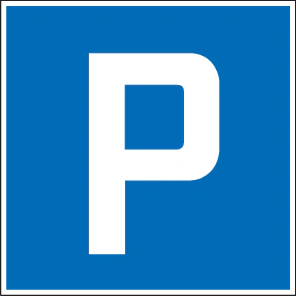
Sign 4.17 'Parking Allowed' Indicates Available Parking Areas
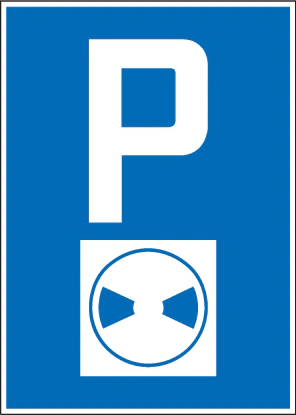
Sign 4.18: Understand Parking with Parking Disc regulations in Switzerland
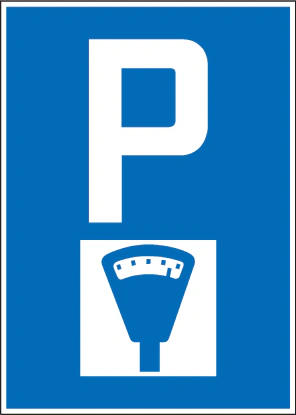
Understand the 'Paid Parking' Indication Sign (4.20)
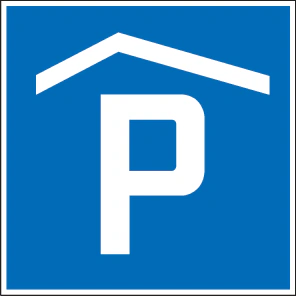
The Parking Garage sign (4.21) indicates available facilities ahead.
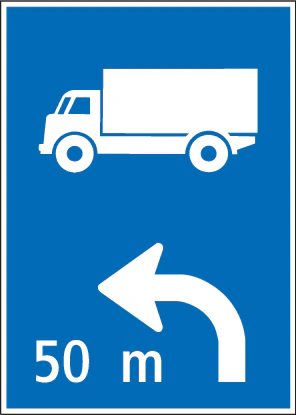
Understand the 4.23 Sign: Distance and Direction for Specific Vehicles
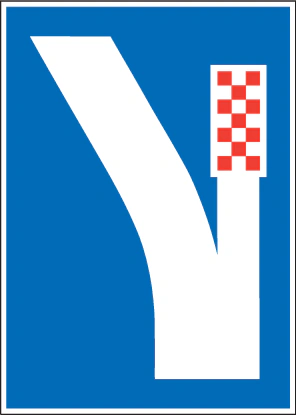
Understand the Escape Lane sign (4.24) for safe driving in Switzerland.
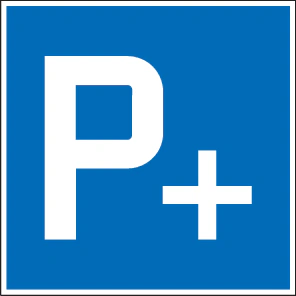
Navigate Seamlessly with the 'Park and Ride' Sign (4.25)
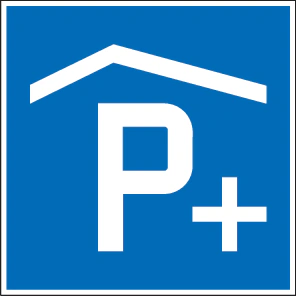
What Does the Park and Ride (variant 1) Sign Mean?
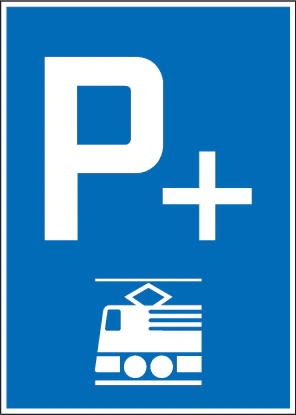
The Park and Ride (variant 2) sign indicates a facility to combine car and public transport.
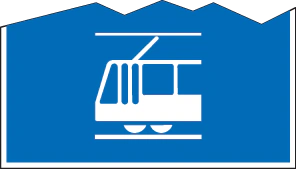
This 'Park and Ride' sign (4.25-3) points you to a facility for combining car travel with public transport.
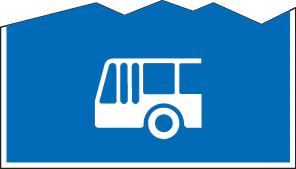
Learn the meaning of the Park and Ride (variant 4) road sign (4.25-4)
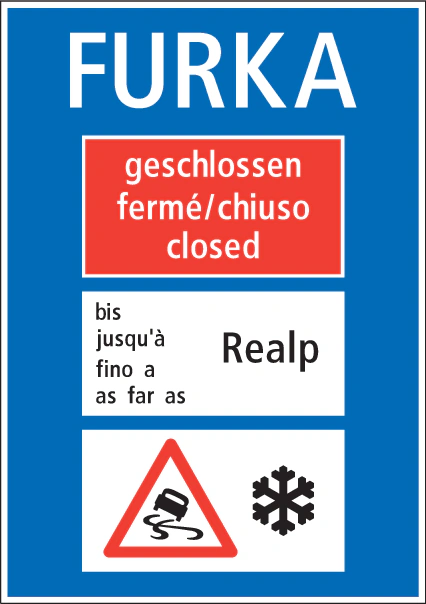
This sign provides crucial information about road conditions at mountain passes and ski resorts.
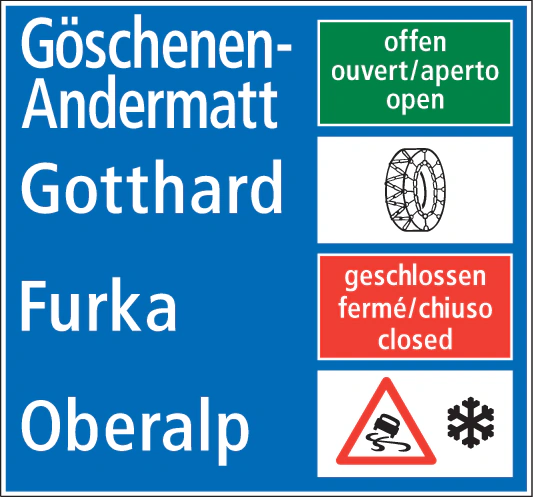
Advance Information About Road Conditions and Destination Requirements
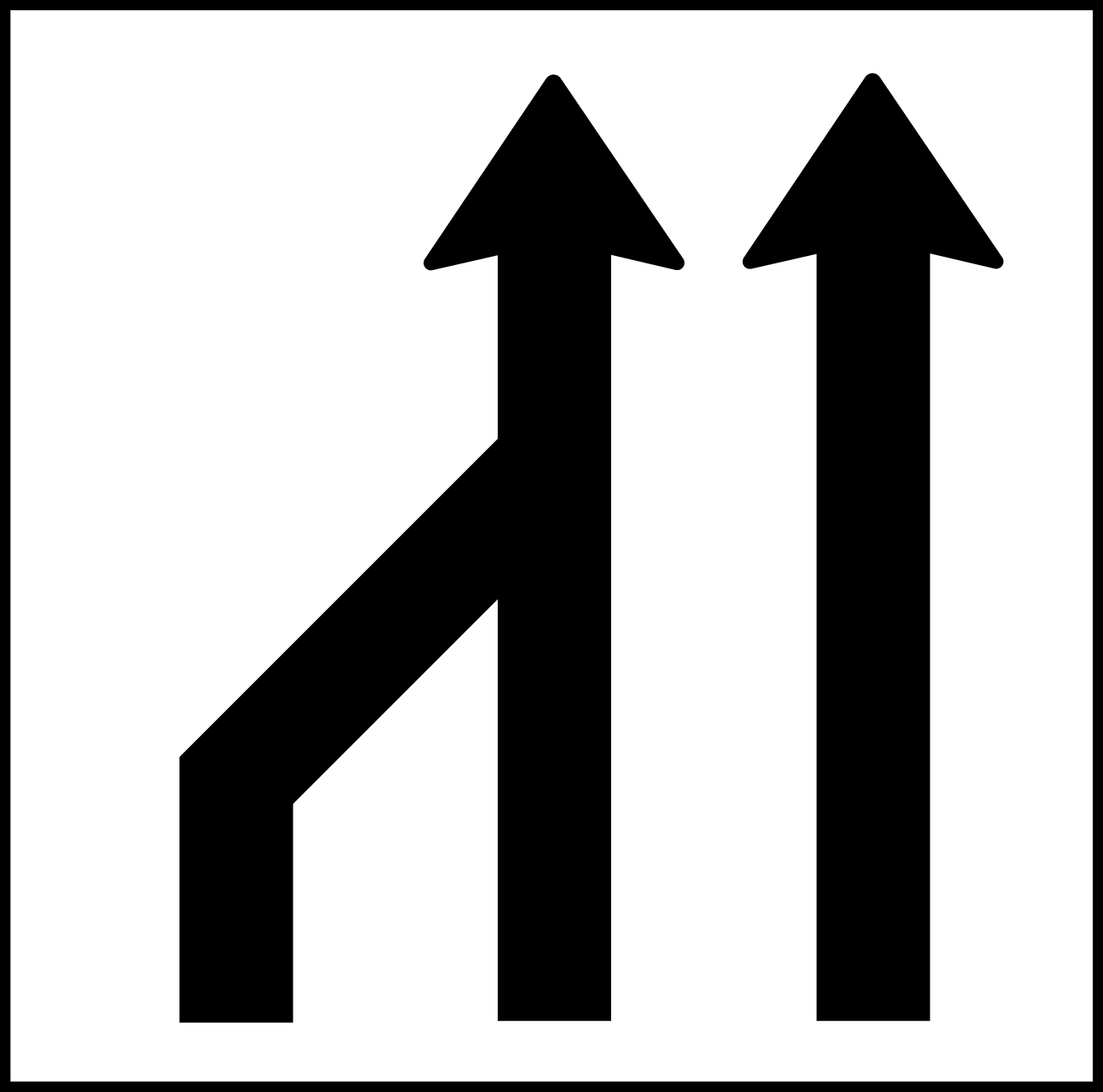
Sign 4.77-1: Informing you about changing lane configurations ahead.
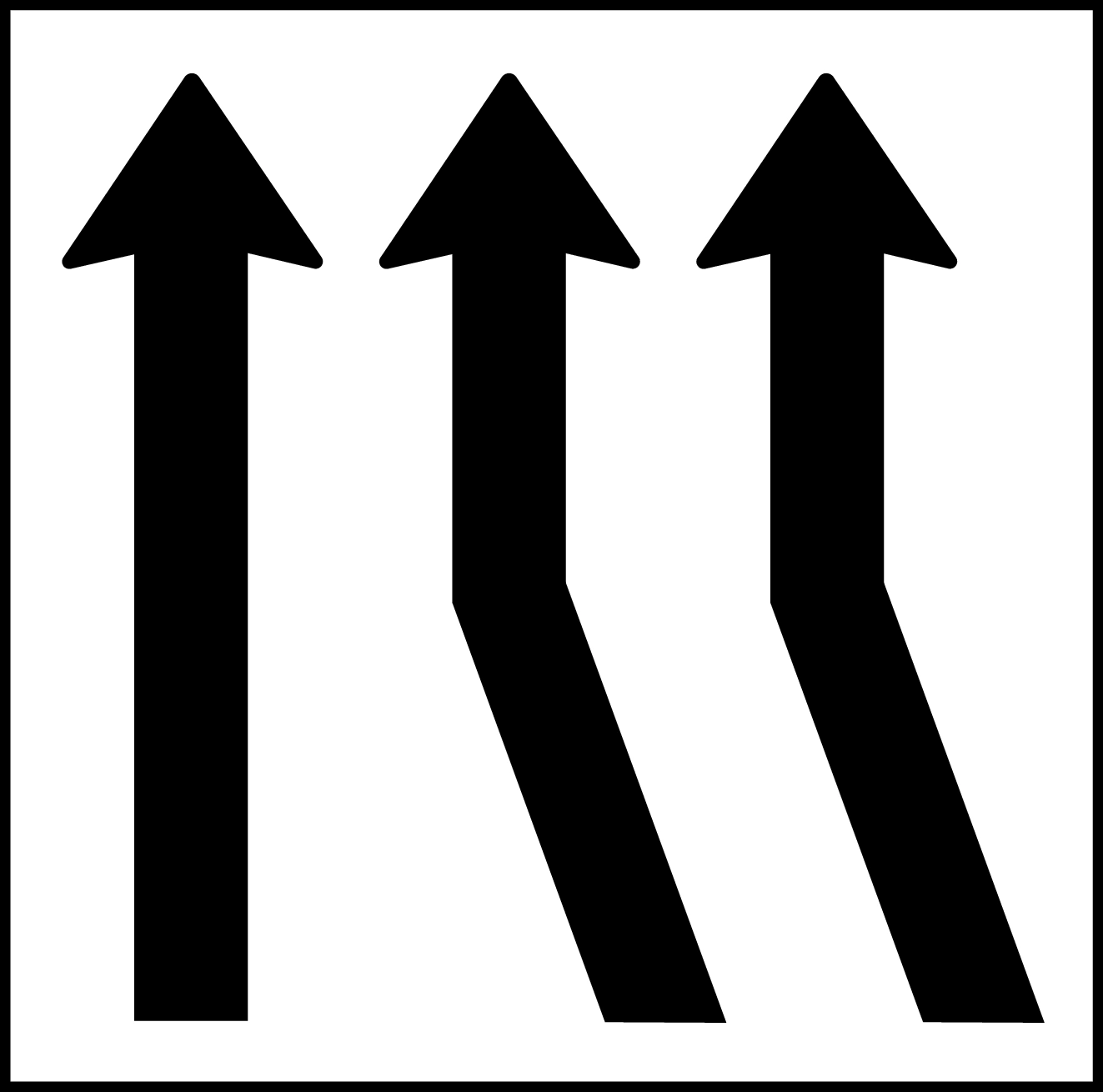
Learn to navigate lane changes with the 4.77-2 Lane Routing Information sign.
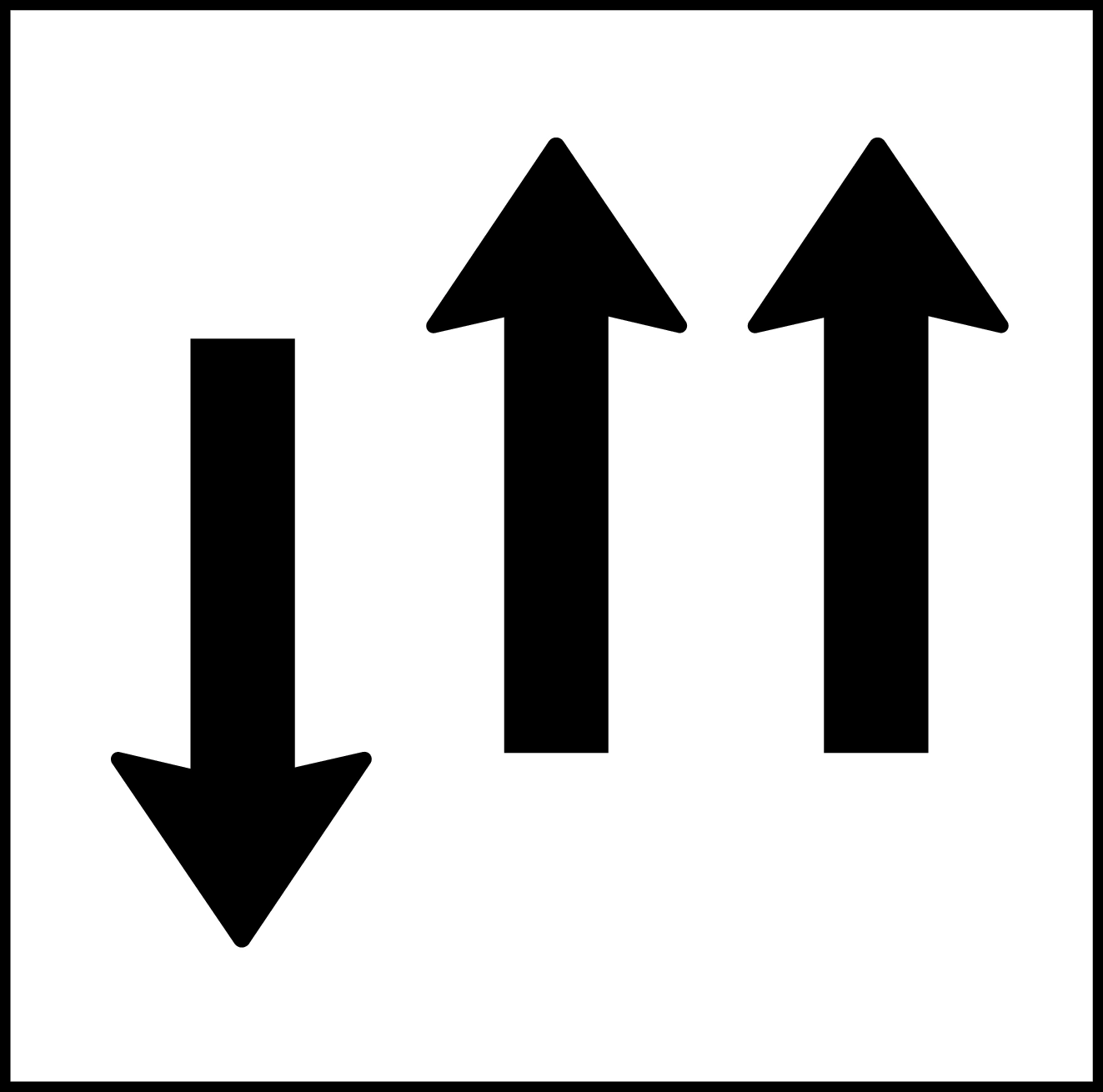
Learn about lane routing changes ahead with the 4.77-3 information sign.
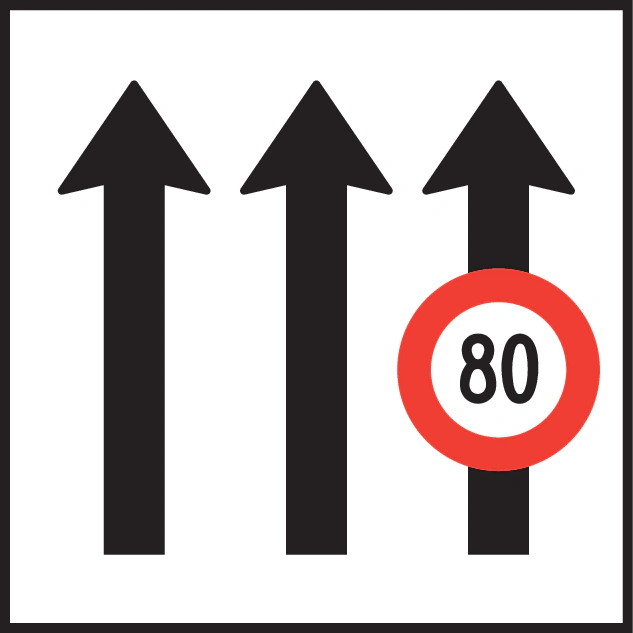
Understanding the 'Lane with Restriction' Road Sign (4.77.1) in Switzerland
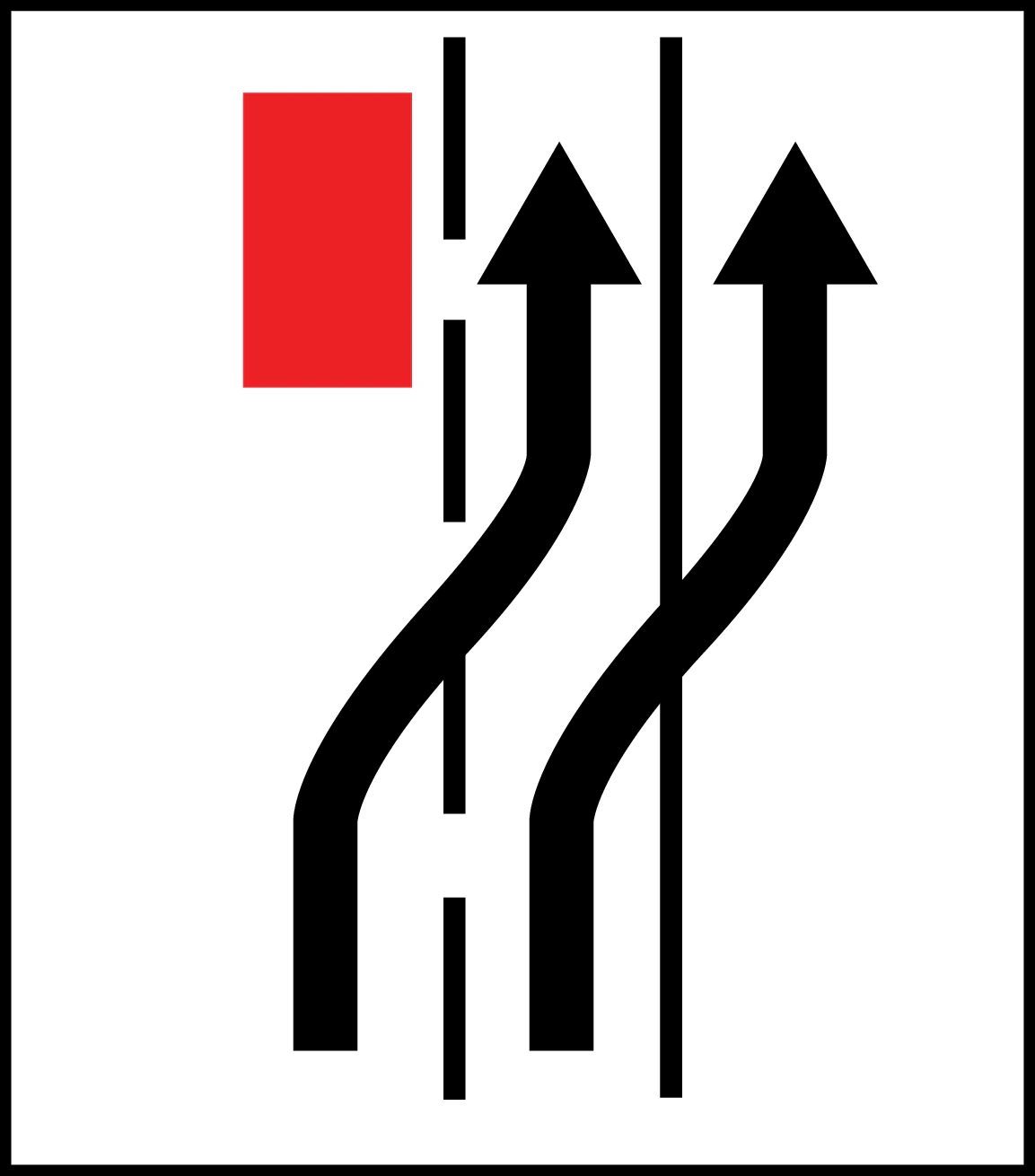
What Does the "Indication Sign 4.77.3 (variant 1)" Mean?
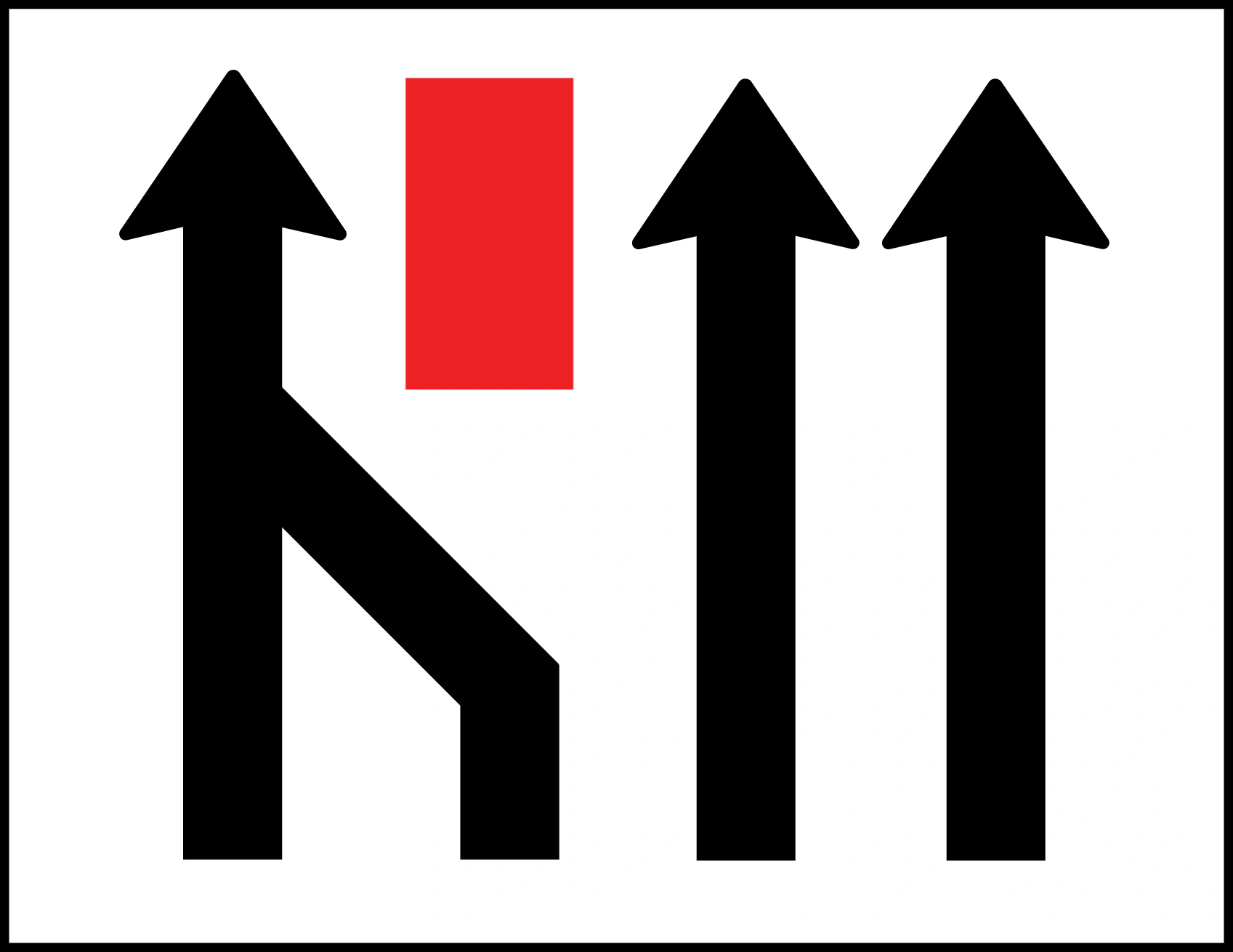
Understand the 4.77.3-2 Indication Sign for Road Facilities and Lane Arrangements
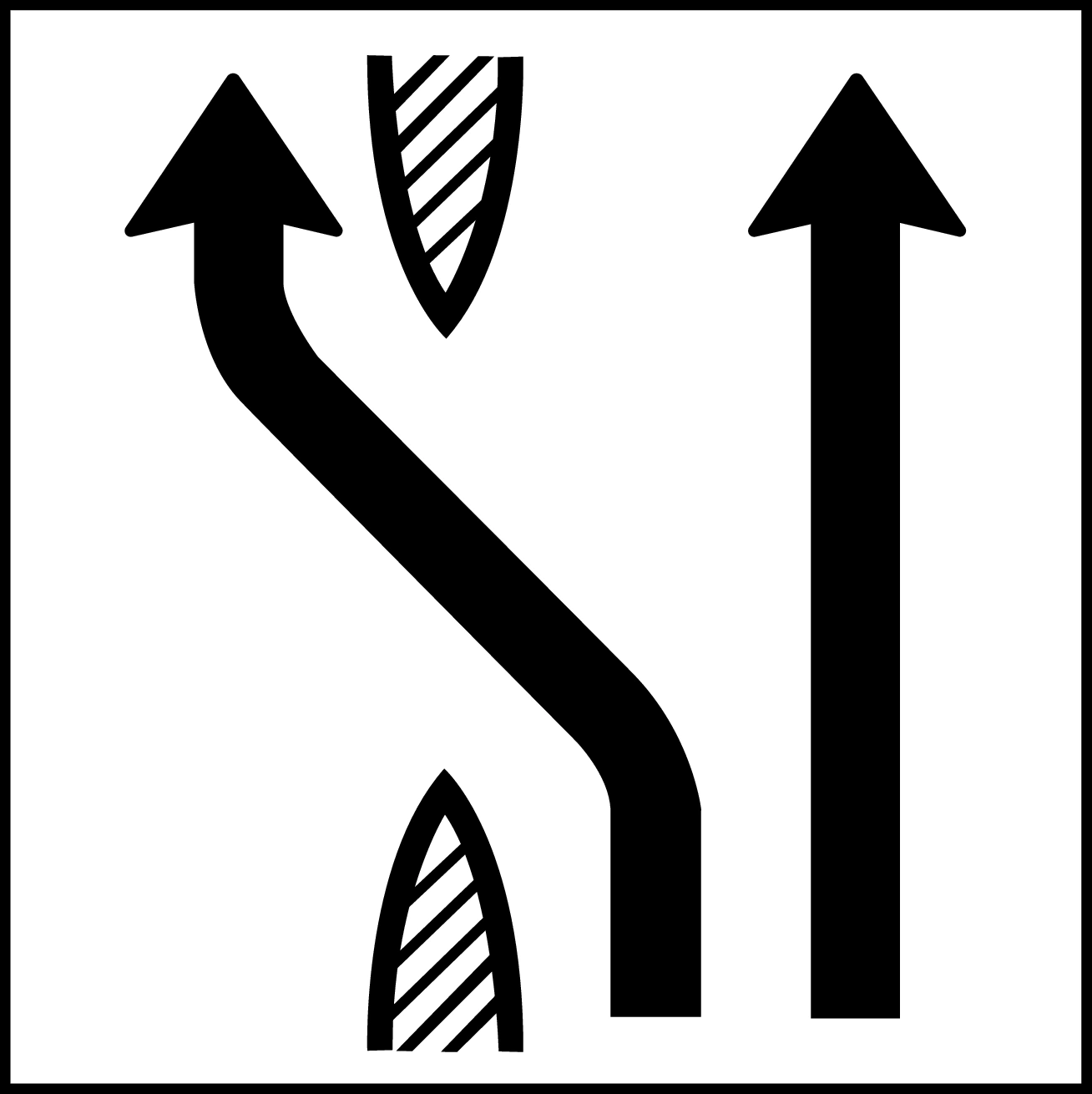
Sign 4.77.4: Your Guide to Road Facilities and Traffic Arrangements Ahead
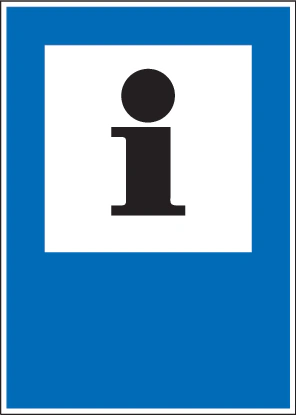
First Aid Sign (4.79): Practical Information for Your Journey
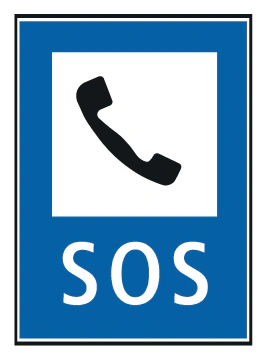
Understand the 'Roadside Assistance (variant 1)' indication sign (4.80-1)
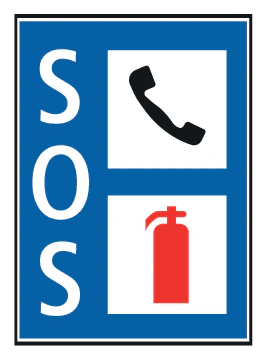
Roadside Assistance (variant 2) Sign: Your Guide to Services Ahead
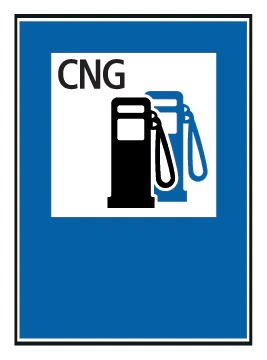
The Telephone Sign (4.81) Indicates Available Telephones Ahead
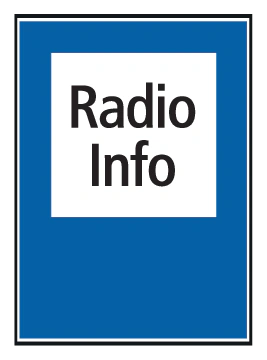
Recognise the Petrol/Gas Station Information Sign (4.82) in Switzerland
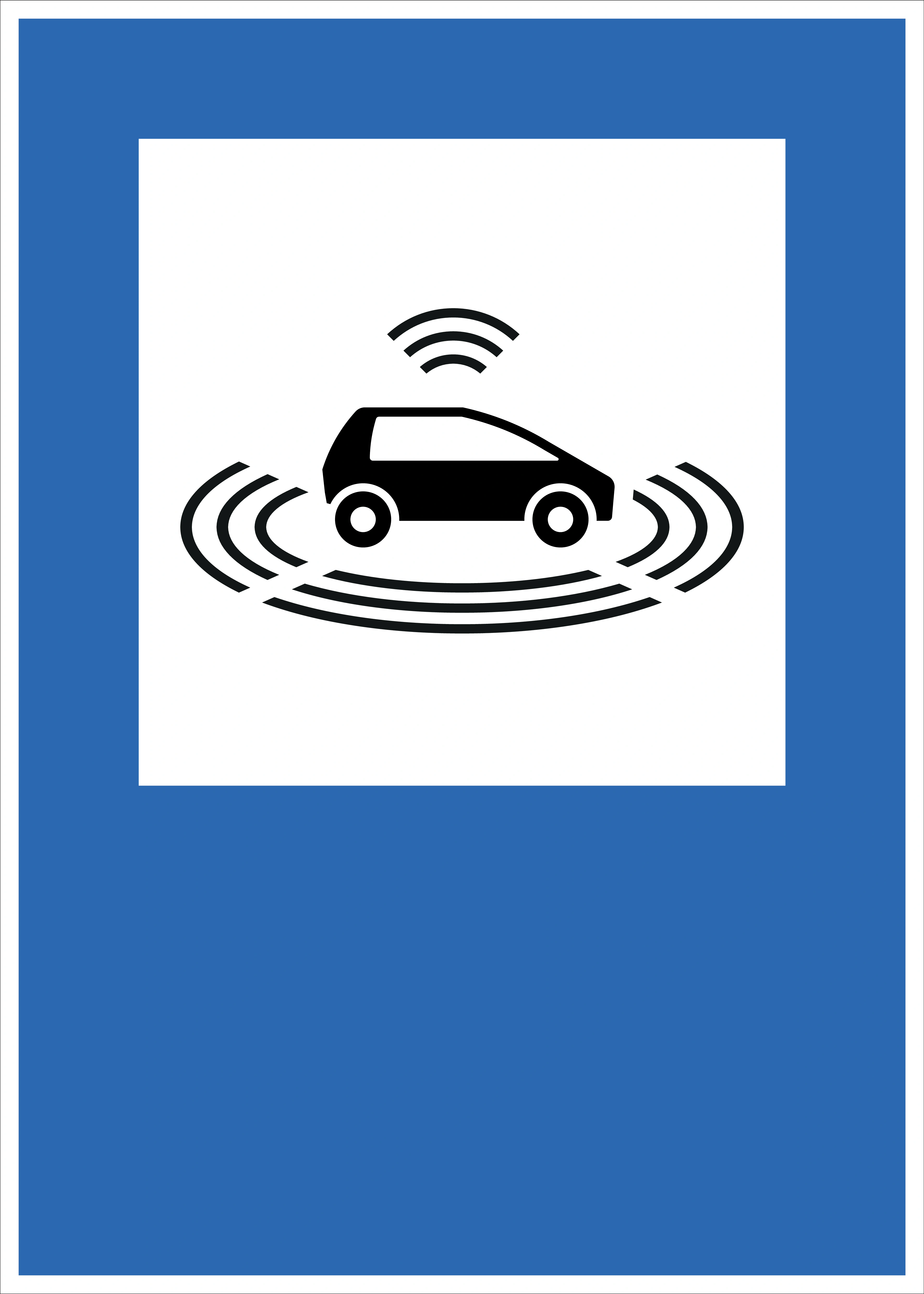
The "Hotel-Motel" sign points you towards accommodation and services.
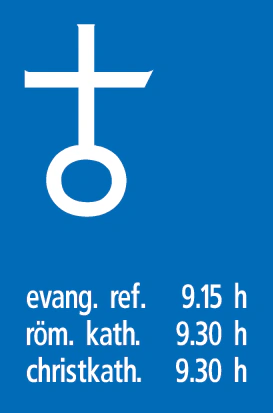
The 'Restaurant' indication sign (4.84-D German variant) guides you to dining facilities.
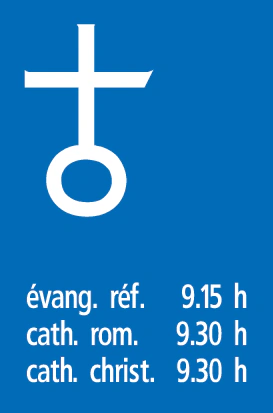
See the 'Restaurant' sign (4.84-F) for practical information on your route.
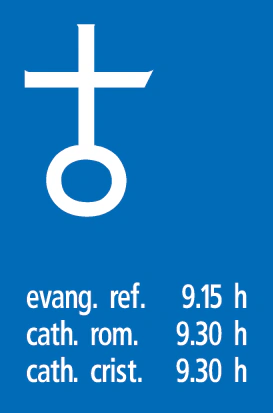
The 4.84-I 'Restaurant (Italian variant)' sign guides you to dining facilities.
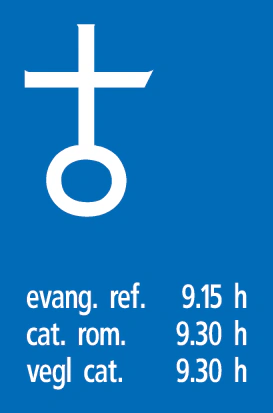
Understand the Restaurant (Romansh variant) Information Sign (4.84-R)
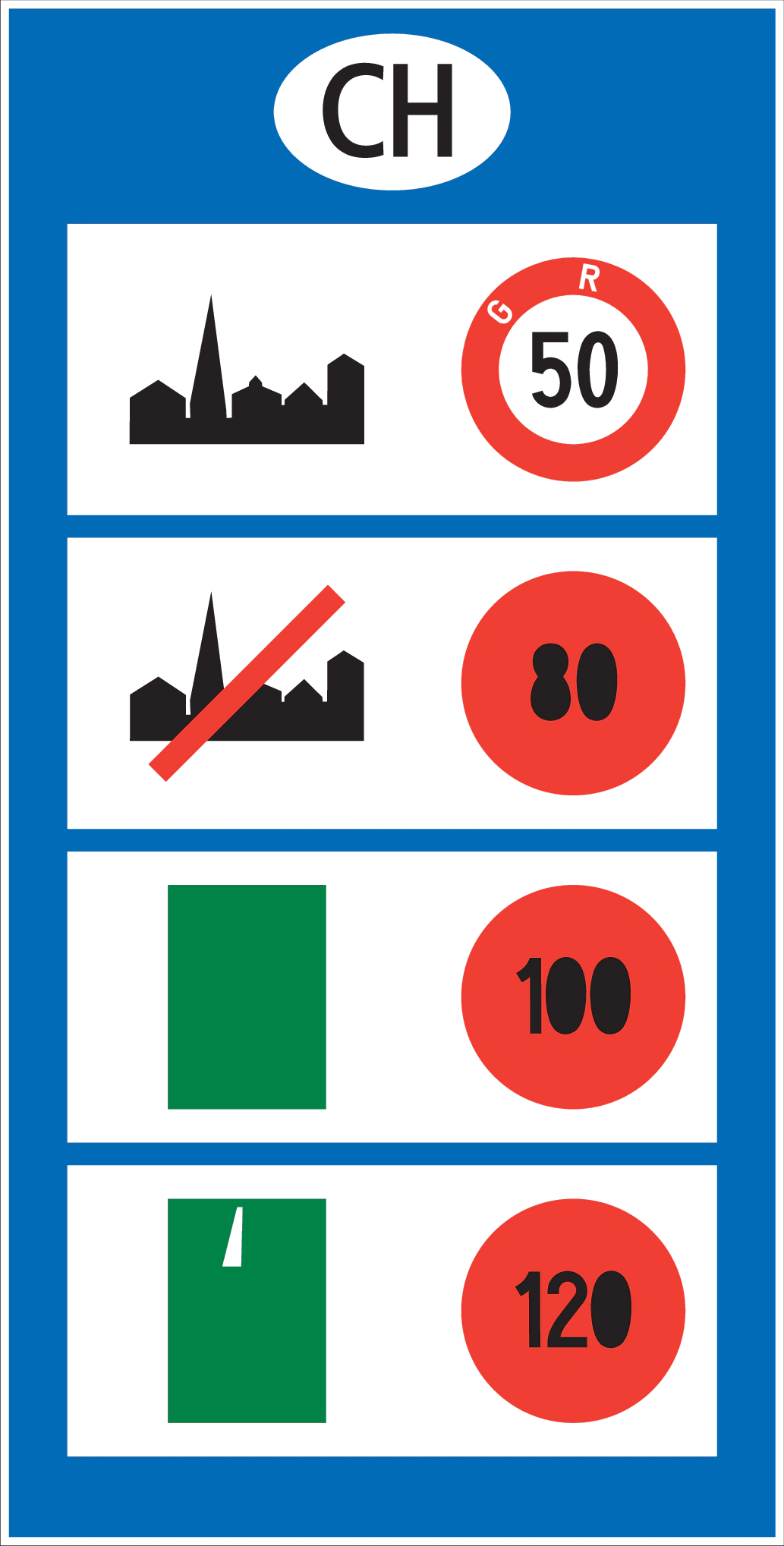
Sign 4.93 informs about general speed limits for different Swiss road categories.
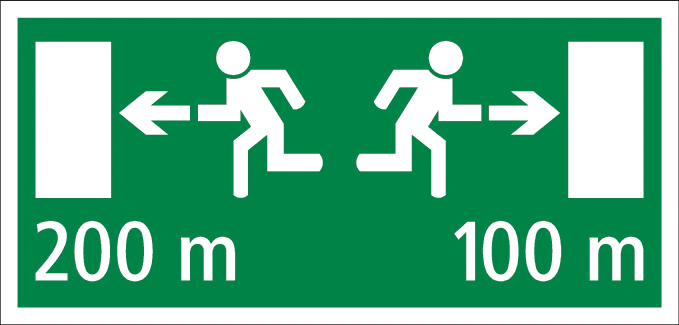
Emergency Exit Distances Sign (4.94) Provides Crucial Information Ahead

Understand the 'Emergency Exit' Information Sign (4.95)
Clear answers to common questions about the Swiss Indication Signs road sign category. Use this FAQ to review tricky rules, understand how these signs appear in exam scenarios, and remove confusion that often leads to mistakes in the Swiss driving theory exam in Switzerland.
Motorway signs (4.01) indicate roads with full access control, designed for high-speed traffic with no intersections. Expressway signs (4.03) indicate roads that are similar but may have some at-grade intersections or other features not found on a full motorway. Both are high-speed roads, but motorways generally have stricter access rules and higher design standards.
No, the 'Parking allowed' sign indicates that parking is permitted in the general area, but you must still adhere to other traffic rules. This means you cannot park in prohibited zones like bus stops, near intersections, or blocking driveways. Look for additional signs or road markings that might specify restrictions, such as time limits or the need for a parking disc (4.18).
These signs indicate that pedestrians are required to use the designated underpass or overpass to cross the road. Drivers should be aware that pedestrians will be using these facilities, and while the signs are primarily for pedestrians, drivers should anticipate their presence near these crossing points. Ensure you are not obstructing the entrance or exit of the underpass or overpass.
No, indication signs are purely informational. A 'Petrol station' sign tells you that a service station is available in a certain direction or distance, but it does not grant you any special privileges or change the speed limit. You must still adhere to all traffic laws, including speed limits and right-of-way rules, when following these signs.
An 'Escape lane' is a safety feature, typically found on steep downhill gradients, often leading into tunnels or sharp bends. If your brakes fail, this lane provides a safe area to stop your vehicle, often filled with sand or gravel. The sign warns you of its presence and location, so you know where to steer if you lose control of your vehicle due to brake failure.
Dive into the organized structure of Swiss road sign categories to enhance your driving theory knowledge. Explore each group, understand common contexts, and test your understanding of official traffic signs, from mandatory commands to specific hazard warnings. Build a solid foundation for your upcoming theory exam with confidence.
Swiss Road Sign Categories