
This unit covers the essential mechanical aspects of your motorcycle, from its core components like the engine and brakes to understanding critical controls such as the throttle and clutch. You'll also learn the vital process of pre-ride safety inspections, ensuring your bike is always road-ready and safe for Swiss roads.
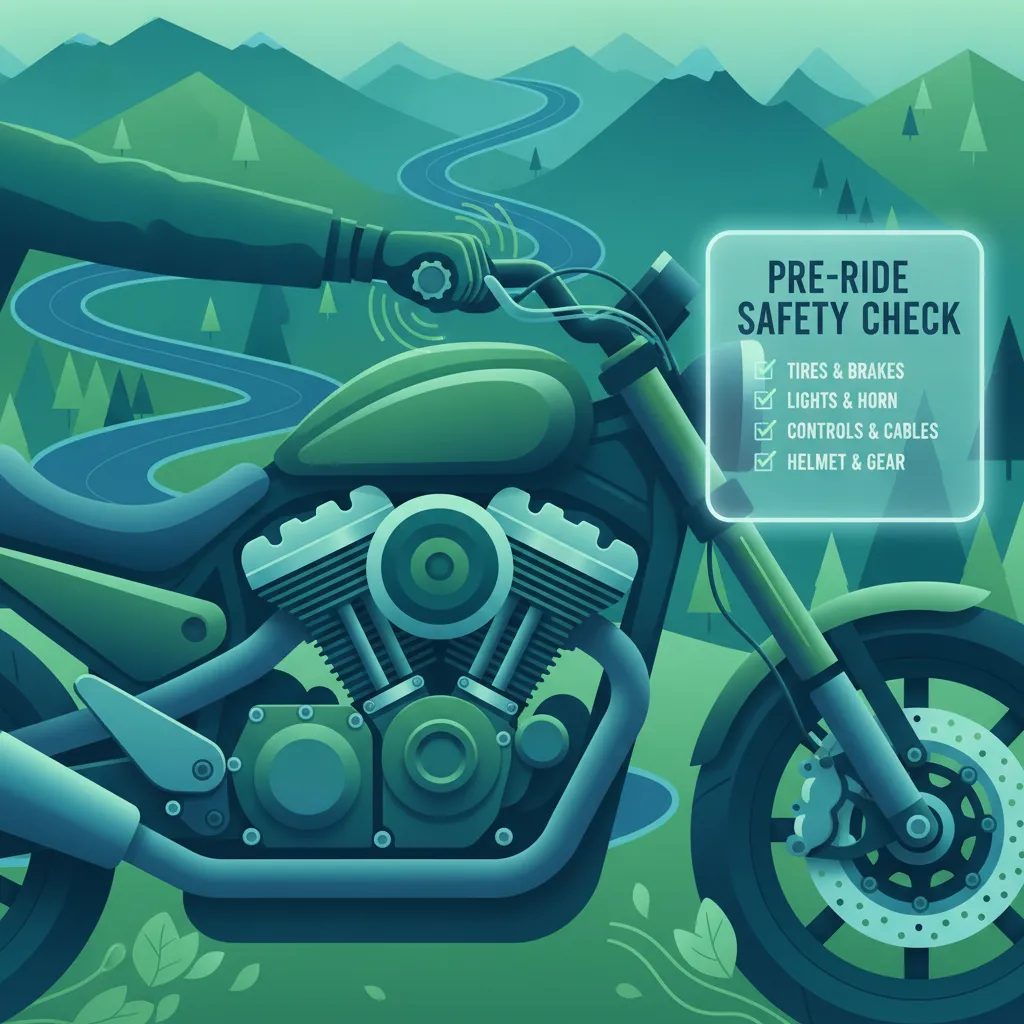
Browse all lessons that make up Motorcycle Construction, Controls, Equipment and Safety Checks. Each lesson focuses on specific topics, learning objectives, and core concepts, helping you build essential knowledge and follow a clear, structured progression toward your study goals in Switzerland.
This lesson introduces the essential components of a motorcycle, explaining the function of the chassis and frame in providing structural integrity. It covers various engine types, transmission systems, and braking components like disc and drum brakes. Learners will gain a foundational understanding of the vehicle's architecture and how its systems interact.
This lesson focuses on the control systems that translate rider inputs into action, covering throttle management, brake lever application, and clutch control. It details the process of shifting gears, explaining the typical patterns for upshifting and downshifting. Proper coordination of these controls is emphasized as essential for safe and efficient maneuvering in traffic.
This lesson examines motorcycle tyre specifications, explaining how correct pressure and adequate tread depth are crucial for optimal grip and handling. Learners will understand the relationship between tyre condition, road surfaces, and traction in both wet and dry conditions. The content reinforces the necessity of regular tyre inspection as a key part of rider safety.
This lesson introduces a methodical pre-ride inspection routine to verify that a motorcycle is in safe working order. It outlines a step-by-step process for checking tyres, brakes, lights, controls, and fluid levels. Following this comprehensive safety protocol helps identify potential issues before they become hazards on the road.
This lesson covers the routine maintenance of essential safety components, including lights, mirrors, and the drive chain. Learners will understand how to check light functionality, ensure mirrors are correctly aligned for maximum visibility, and properly inspect, clean, and lubricate the chain. Regular maintenance of these parts is crucial for safe and reliable motorcycle operation.
Explore high-intent keywords and long-tail search topics learners use when researching Motorcycle Construction, Controls, Equipment and Safety Checks. These terms reflect how people search for reliable study materials, structured explanations, and unit-level theory preparation support in Switzerland.
Find clear answers to the most common questions learners ask about Motorcycle Construction, Controls, Equipment and Safety Checks. Understand how the unit is organized, what learning goals it supports, and how it contributes to your study progression with structured explanations and practical guidance tailored for learners in Switzerland.
The Swiss theory exam for motorcycle licenses (A/A1) includes questions on vehicle construction and safety. Knowing your bike's components helps you understand its operation, identify potential issues, and recognize safety-critical parts, which is crucial for passing the exam and for safe riding.
The most critical controls include the throttle for acceleration, the clutch for gear changes and low-speed manoeuvring, and the brakes (front and rear) for stopping. Understanding how they work individually and in combination is essential for control and safety.
A pre-ride inspection, often remembered by a checklist (like for tyres, brakes, chain, lights), ensures your motorcycle is in safe operating condition before you ride. It helps prevent breakdowns and accidents by identifying problems like low tyre pressure, worn brakes, or faulty lights.
Tyre pressure and condition are paramount. Incorrect pressure affects handling, braking, and stability, especially on Swiss roads which can vary significantly. Worn tyres reduce grip, increasing the risk of skidding, particularly in wet or adverse conditions. Regularly checking them is a fundamental safety measure.
You should check that all lights (headlight high/low beam, taillight, brake lights, turn signals) are functioning correctly. Mirrors should be clean and properly adjusted to provide a clear view of your surroundings, crucial for observation and safety in Swiss traffic.
The theory test generally focuses on understanding the function of major components and their impact on safety and operation, rather than highly technical details. You should know what the engine, transmission, brakes, and suspension do and how they affect your riding.
All included lessons
Lessons in Motorcycle Construction, Controls, Equipment and Safety Checks
See who benefits most from studying Motorcycle Construction, Controls, Equipment and Safety Checks. This overview explains how the unit supports different learning needs, what level of knowledge is helpful before starting, and how it fits into the overall study path in Switzerland.
This unit is crucial for all aspiring motorcycle riders in Switzerland preparing for their A1 or A licence theory exam. It is particularly beneficial for those new to motorcycling who need to understand their vehicle's mechanics and safety protocols thoroughly before hitting the road.

Begin your structured preparation for the official Swiss driving licence theory test today. Browse our comprehensive curriculum, choose your ideal course, and start mastering essential traffic laws, road signs, and practical driving knowledge with confidence.
Browse Swiss Theory CoursesExplore all units and lessons included in this driving theory course.
Begin your structured preparation for the official Swiss driving licence theory test today. Browse our comprehensive curriculum, choose your ideal course, and start mastering essential traffic laws, road signs, and practical driving knowledge with confidence.
Browse Swiss Theory Courses