Understand the distinct Swiss driving licence categories (A, B, C, D, etc.) and essential learner regulations. This section covers the mandatory first-aid course, vision test, theory and practical exams, and the crucial probationary period rules for new drivers in Switzerland.
Master the distinct vehicle categories and mandatory steps required to obtain your Lernfahrausweis and eventual Swiss driving licence. This collection details the essential Nothelferkurs, vision testing, and probationary rules necessary to navigate the Swiss traffic system.
Failing your theory exam is a common step in the journey to obtaining a Swiss driving license, and understanding the recovery process is key to your future success. This guide explains the administrative steps for re-application, the importance of cantonal regulations, and how to effectively analyze your performance to ensure you are ready for your next visit to the Strassenverkehrsamt.
The Swiss probationary period is a critical phase for all new drivers in categories A and B, designed to ensure safe driving habits through mandatory education. This guide clarifies the specific legal obligations for new licence holders, including the 12-month window for the WAB training course and the serious repercussions of traffic violations. By understanding these regulations, you will be better prepared for your responsibilities on the road and avoid common administrative pitfalls.
Navigating the Swiss motorcycle licensing system requires a clear understanding of the 'Category A with power limitation' regulations defined by ASTRA. This guide breaks down the legal prerequisites, the importance of the mandatory 12-hour practical basic training, and the criteria for eventually upgrading to an unlimited category. By mastering these rules, you will be well-prepared to progress safely from a learner's permit to a full motorcycle license.
Delve into the specifics of Swiss driving licence categories (A, B, C, D) and essential learner regulations, including mandatory courses and exam procedures. These articles provide crucial guidance for understanding the Swiss licence process and preparing for your theory test.

Failing your theory exam is a common step in the journey to obtaining a Swiss driving license, and understanding the recovery process is key to your future success. This guide explains the administrative steps for re-application, the importance of cantonal regulations, and how to effectively analyze your performance to ensure you are ready for your next visit to the Strassenverkehrsamt.
Updated on Nov 19, 2026
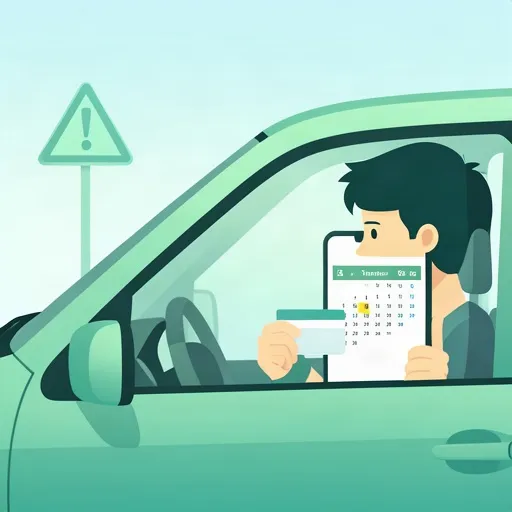
The Swiss probationary period is a critical phase for all new drivers in categories A and B, designed to ensure safe driving habits through mandatory education. This guide clarifies the specific legal obligations for new licence holders, including the 12-month window for the WAB training course and the serious repercussions of traffic violations. By understanding these regulations, you will be better prepared for your responsibilities on the road and avoid common administrative pitfalls.
Updated on Nov 11, 2026
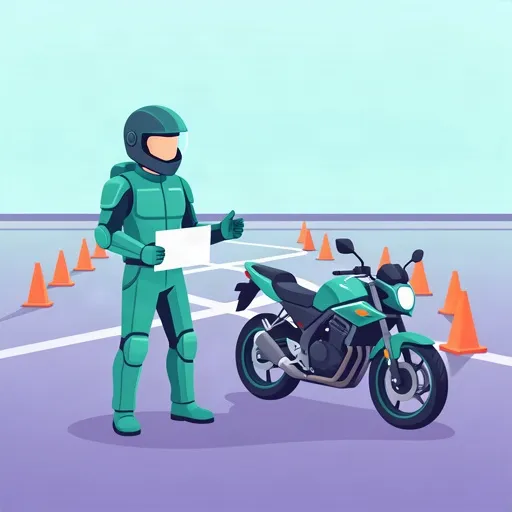
Navigating the Swiss motorcycle licensing system requires a clear understanding of the 'Category A with power limitation' regulations defined by ASTRA. This guide breaks down the legal prerequisites, the importance of the mandatory 12-hour practical basic training, and the criteria for eventually upgrading to an unlimited category. By mastering these rules, you will be well-prepared to progress safely from a learner's permit to a full motorcycle license.
Updated on Nov 10, 2026
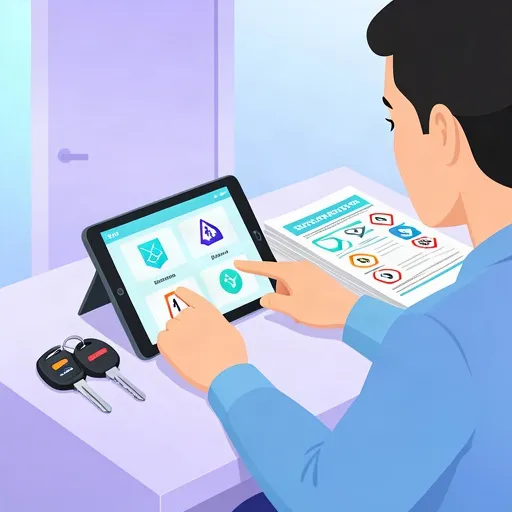
Obtaining your A1 motorcycle licence in Switzerland begins with a solid understanding of the theoretical assessment conducted at the cantonal traffic office. This guide walks you through the eligibility criteria, the structure of the exam, and the vital legal distinctions regarding power and age limits. By mastering these traffic conventions, you will gain the knowledge necessary to pass your theory test and progress confidently toward your motorcycle licence.
Updated on Nov 7, 2026

As technology evolves, your understanding of driver assistance and automation systems has become a formal part of the Swiss practical driving assessment. This guide explains how to balance modern vehicle technology with safe, responsible driving habits, ensuring you remain in control of your car and adhere to all traffic regulations during your exam.
Updated on Nov 4, 2026
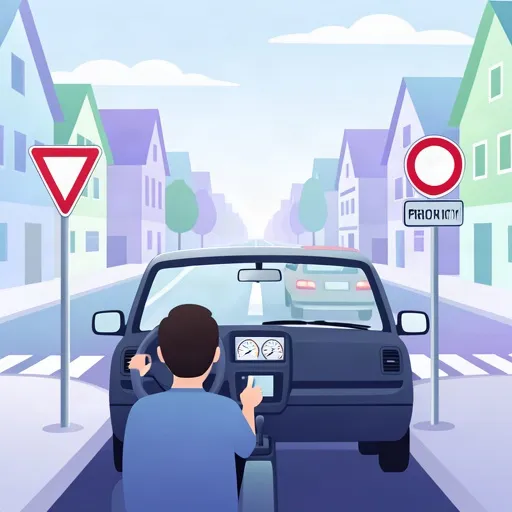
Achieving your driving license in Switzerland requires a deep understanding of federal traffic ordinances, particularly regarding priority and signage. This article guides you through the crucial distinctions between warning and prohibition signs while clarifying the specific rules governing roundabouts and unmarked intersections. You will learn how to accurately interpret official Swiss road signals and prioritize effectively, ensuring you are fully prepared for the theoretical requirements of the category B exam.
Updated on Oct 22, 2026
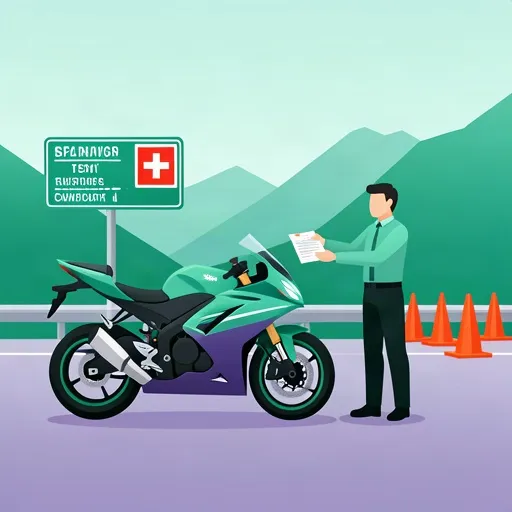
Transitioning to a full Category A license requires careful adherence to current Swiss regulations under OPERA-3. This guide explains the progression from the A35 category, defining what constitutes a blameless driving period and the precise technical specifications required for your final practical examination.
Updated on Oct 20, 2026
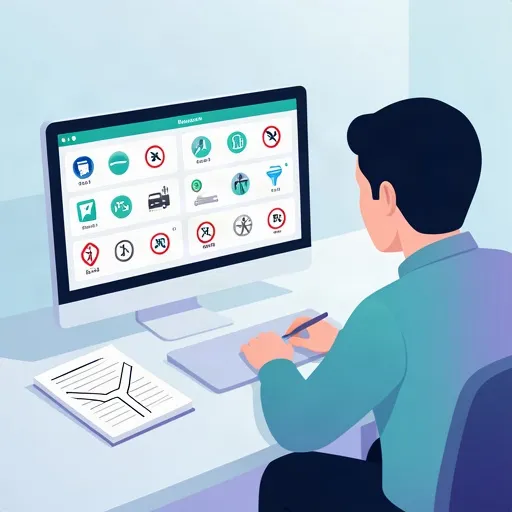
Preparing for the Swiss theory test requires a clear understanding of the official examination process and the core traffic regulations governed by Swiss law. This guide breaks down what to expect on your exam day, including how the computer-based assessment is structured for categories A, A1, and B, and why thorough preparation is essential for road safety. Readers will gain clarity on exam-day documentation, the scoring system, and the key theoretical topics necessary for success.
Updated on Oct 11, 2026
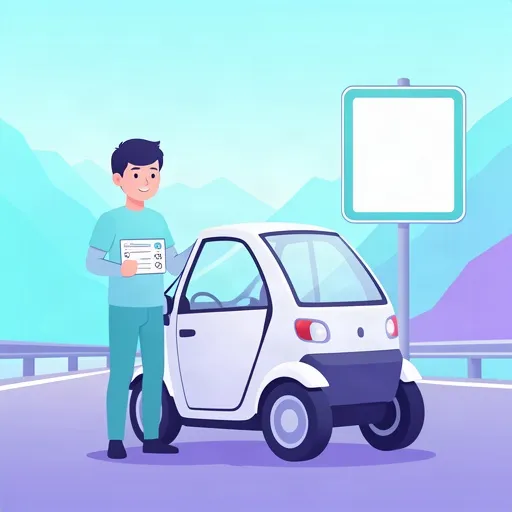
Obtaining a Category B1 licence in Switzerland involves meeting specific legal standards for light and three-wheeled motor vehicles weighing up to 670 kg. This guide clarifies the necessary steps for your application, including medical prerequisites and the distinctions between B1 and standard passenger vehicle licences. By understanding these rules, you will be well-prepared for your theory requirements and legal obligations on Swiss roads.
Updated on Oct 3, 2026
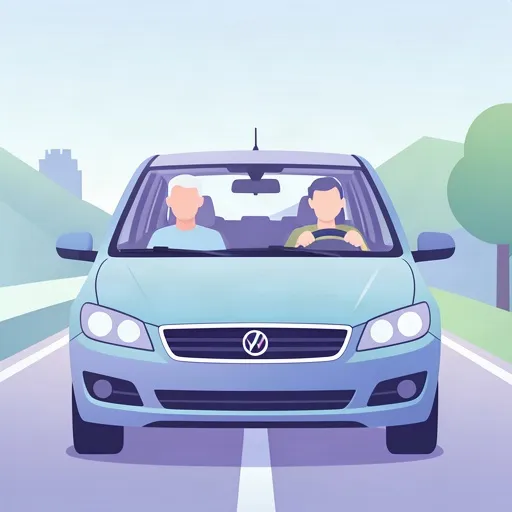
Many foreigners moving to Switzerland mistakenly search for mandatory external learner signage, but Swiss law focuses on documentation rather than visual alerts. This guide explains why no external plate is required for private practice and how the role of the accompanying driver acts as the core safety mechanism. You will gain clarity on vehicle requirements and the legal obligations of the learner during practice drives.
Updated on Oct 2, 2026
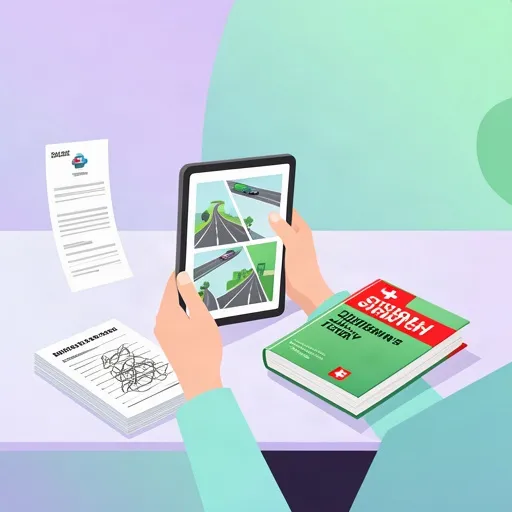
Navigating the Swiss path to a full driving licence involves a structured sequence of mandatory courses, administrative applications, and two critical examinations. This guide clarifies the requirements for the Lernfahrausweis, the theory exam, and the practical test, while also explaining the post-license obligations during your probationary period. By understanding these legal milestones, you will be well-prepared to successfully manage your journey toward becoming a fully licensed driver in Switzerland.
Updated on Oct 1, 2026
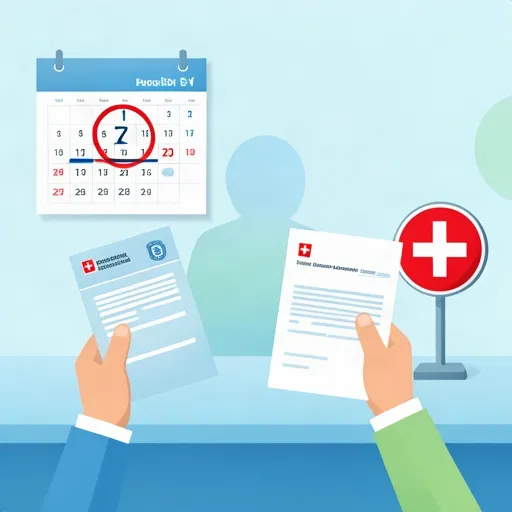
New residents in Switzerland must navigate specific administrative requirements to remain legally mobile on Swiss roads. This guide explains the critical 12-month grace period, the mandatory eye test, and the distinctions between license holders from EU/EFTA nations versus those from third countries. Readers will learn the importance of contacting their local cantonal Road Traffic Office to ensure compliance and avoid potential fines or loss of driving privileges.
Updated on Sep 29, 2026

Understanding the format of the official Swiss theory test is a critical step for any learner driver preparing for their provisional licence. This guide outlines the specific question counts, point allocations, and passing thresholds for different licence categories, ensuring you know exactly what to expect on test day. Read on to learn how the computer-based assessment evaluates your knowledge of Swiss traffic regulations, road signs, and safe driving principles.
Updated on Aug 23, 2026

Planning to drive outside Switzerland? This article details when a Swiss driver needs an International Driving Permit (IDP) and when their standard Swiss license suffices. We clarify its role as a translation, not a standalone license, and highlight the importance of checking country-specific regulations to ensure compliance and prepare effectively for any international driving scenarios covered in theory.
Updated on Jun 29, 2026

Embark on your journey to obtaining a Category C truck driver's license in Zurich with this comprehensive guide. We break down the age, existing license, and course requirements, alongside a detailed look at the theory exam content and effective preparation strategies. This information is vital for aspiring professional drivers in Switzerland to navigate the licensing process successfully.
Updated on Jun 29, 2026

Transitioning from a restricted Category A35 to an unlimited Category A motorcycle license in Switzerland involves specific steps and crucial prerequisites. This article clarifies the post-OPERA-3 regulations, focusing on the necessity of a clean driving record and the practical exam process. Master these requirements to confidently pursue your unrestricted Swiss motorcycle license.
Updated on Jun 29, 2026
Navigate the complexities of the Swiss driving licence system with this complete guide. Learn about each category, from motorcycles and cars to lorries, buses, and specialized vehicles like agricultural machinery, understanding the minimum age and vehicle restrictions for each. We also demystify the CZV professional driver qualification, essential for commercial transport in Switzerland.
Updated on Jun 29, 2026

Foreign visitors planning to drive rental cars in Switzerland will find essential information here to ensure compliance with local regulations. The article clarifies the minimum age for renters, the requirement for an International Driving Permit (IDP) if your license isn't in Latin script or from an EU/EFTA country, and the critical importance of the motorway vignette, including who is responsible for it. This knowledge is key to a stress-free driving experience and passing any on-road checks.
Updated on Jun 29, 2026

Learn the most effective study strategy for the Swiss driving theory test, focusing on proactive learning methods that ensure long-term retention. We will guide you through recommended study durations, optimal daily practice times, and a structured phased learning approach to help you confidently register for and pass your exam.
Updated on Jun 29, 2026
Navigate the requirements for Switzerland's Category A 35 kW motorcycle licence, often called 'A beschränkt'. This guide clarifies the age, vehicle power, and power-to-weight ratio criteria, alongside the mandatory Grundkurs (basic training). Understand the pathway to the unrestricted Category A and ensure you meet all VZV and ASTRA regulations for your licensing journey.
Updated on Jun 20, 2026

Discover the unique aspects of the Swiss Category B1 driving licence, including the specific vehicles you can operate and the mandatory prerequisites for obtaining your permit and licence. This guide breaks down the examination process, helping you prepare thoroughly for your theory test by understanding the distinctions between B1 and other licence categories.
Updated on Jun 16, 2026
Discover other categories connected to Swiss Licence Categories & Learner Rules. These sections help you explore additional topics, expand your understanding of driving theory in Swiss, and build a more complete picture of the rules and situations tested during the exam.
Find answers to common questions learners ask about Swiss Licence Categories & Learner Rules. This section helps clarify difficult concepts, highlight critical exam information, and support your preparation for the Swiss driving theory exam in Switzerland.
Switzerland has various licence categories, including A for motorcycles, B for cars, C for trucks, D for buses, and their subcategories (e.g., A1, BE). Each category has specific age requirements, training, and examination criteria.
The process involves completing a mandatory first-aid course (Nothelferkurs), passing an eye test (Sehtest), passing the theory exam (Theorieprüfung) at the cantonal Strassenverkehrsamt, obtaining a learner's permit (Lernfahrausweis), completing traffic lessons (Verkehrskundeunterricht - VKU), and finally passing the practical driving test (praktische Führerprüfung).
The Lernfahrausweis is a learner's permit that allows you to practice driving under supervision. It is typically valid for two years.
Upon passing your practical test, you receive a probationary licence valid for three years. During this period, serious traffic violations can extend the probation or lead to licence revocation, requiring you to restart the licensing process.
The Weiterbildungskurs, or 2-phase training, is a mandatory course that must be completed within the first year of your probationary period. It helps to further develop safe driving habits and reduce risks.
Dive deeper into the specific subject areas of Swiss driving theory by exploring our carefully curated article categories. Whether you need to revise road signs, understand complex traffic rules, or master hazard perception, our organized topics will guide your learning journey effectively for your licence.
Browse Article Categories