
Prepare thoroughly for your Swiss driving theory test by mastering advanced defensive driving techniques and critical emergency response protocols. This section covers everything from hazard perception and safe following distances to accident scene management and legal duties, ensuring you drive confidently and safely.
Master essential hazard perception techniques and understand your legal obligations during accidents on Swiss roads to ensure safe navigation. These guides provide the specialized knowledge required to pass your driving theory test and maintain safety in complex alpine or urban traffic.
Driving in Switzerland requires a thorough understanding of specific rules, especially when children are involved. This article details the nuances of encountering school buses and children near school routes, focusing on the general duty of care under Art. 26 SVG and the implications of 'Schulweg' signage. Learn when to reduce speed and when stopping is absolutely necessary to ensure the safety of young pedestrians and comply with Swiss traffic law.
Driving in Switzerland presents unique challenges, especially when a passenger suffers a medical emergency. This article clarifies your immediate legal obligations, including when and how to stop safely, the correct emergency numbers to call (144 for ambulance, 1414 for REGA), and the significant legal consequences of failing to provide assistance under Article 128 of the Swiss Criminal Code (StGB). Mastering these rules is vital for both safe driving and success in your theory test.
Learn the crucial procedures for vehicle breakdowns on Swiss motorways and national roads, including how to safely utilize the Pannenstreifen (hard shoulder). This guide explains the legal requirements for wearing a Warnweste (safety vest) and the vital role of SOS emergency phones. Mastering these safety protocols is essential for any driver preparing for the Swiss theory exam and for ensuring your safety in unexpected roadside situations.
Prepare thoroughly for your Swiss driving theory test by mastering advanced defensive driving techniques and critical emergency response protocols. This section covers everything from hazard perception and safe following distances to accident scene management and legal duties, ensuring you drive confidently and safely.

Driving in Switzerland requires a thorough understanding of specific rules, especially when children are involved. This article details the nuances of encountering school buses and children near school routes, focusing on the general duty of care under Art. 26 SVG and the implications of 'Schulweg' signage. Learn when to reduce speed and when stopping is absolutely necessary to ensure the safety of young pedestrians and comply with Swiss traffic law.
Updated on Jun 29, 2026

Driving in Switzerland presents unique challenges, especially when a passenger suffers a medical emergency. This article clarifies your immediate legal obligations, including when and how to stop safely, the correct emergency numbers to call (144 for ambulance, 1414 for REGA), and the significant legal consequences of failing to provide assistance under Article 128 of the Swiss Criminal Code (StGB). Mastering these rules is vital for both safe driving and success in your theory test.
Updated on Jun 29, 2026
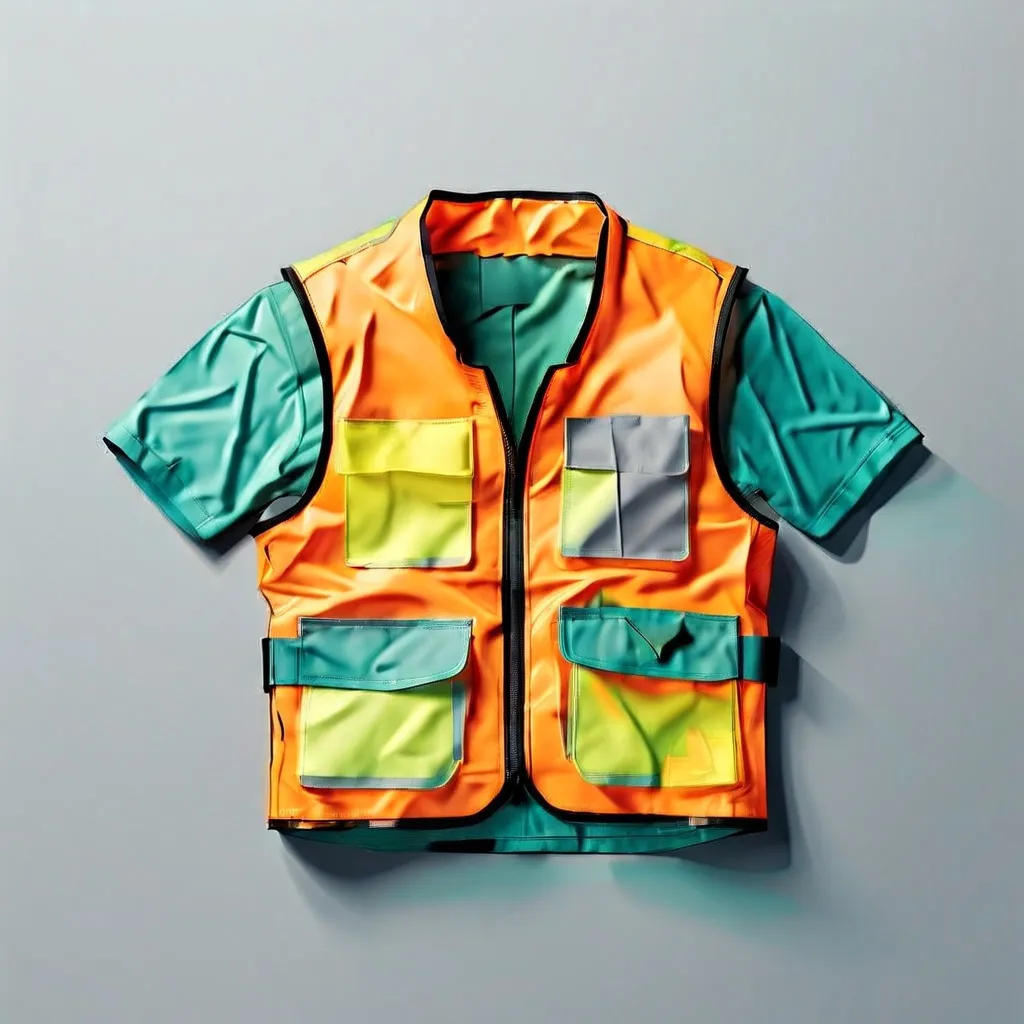
Learn the crucial procedures for vehicle breakdowns on Swiss motorways and national roads, including how to safely utilize the Pannenstreifen (hard shoulder). This guide explains the legal requirements for wearing a Warnweste (safety vest) and the vital role of SOS emergency phones. Mastering these safety protocols is essential for any driver preparing for the Swiss theory exam and for ensuring your safety in unexpected roadside situations.
Updated on Jun 29, 2026

Learn the essential Swiss regulations for maintaining a safe following distance to prevent accidents and penalties. This article covers the legal requirements, the practical 'half the speedometer' guideline, and the severe repercussions of tailgating, including potential license withdrawal, crucial knowledge for passing your Swiss driving theory test.
Updated on Jun 29, 2026

Learning how to react correctly after a car accident in Switzerland is vital for both safety and legal compliance. This article will guide you through the immediate actions required, including securing the scene and rendering aid, as well as the proper use of the European Accident Report (Unfallprotokoll). Understanding these protocols ensures you meet your obligations under Swiss traffic law and facilitates a smoother insurance claims process, preventing potential issues and penalties.
Updated on Jun 25, 2026
Discover other categories connected to Defensive Driving & Emergencies (CH). These sections help you explore additional topics, expand your understanding of driving theory in Swiss, and build a more complete picture of the rules and situations tested during the exam.
Find answers to common questions learners ask about Defensive Driving & Emergencies (CH). This section helps clarify difficult concepts, highlight critical exam information, and support your preparation for the Swiss driving theory exam in Switzerland.
The 2-second rule is the standard safe following distance in Switzerland during normal conditions. You must double this to 4 seconds in rain, snow, or fog, and specifically observe the 4-second rule signed in Alpine tunnels like Gotthard for increased safety.
In Switzerland, you have a legal duty to assist injured persons. You must also secure the accident scene by placing the 'Pannendreieck' (warning triangle) at least 50 meters behind your vehicle (100 meters on motorways) and call emergency services (117 Police, 144 Ambulance, or 112) if necessary. Use the Europäisches Unfallprotokoll for property-damage-only incidents.
The only legally mandatory safety item for cars in Switzerland is the 'Pannendreieck' (warning triangle). While a first-aid kit and a warning vest are strongly recommended for your safety and that of others, they are not legally required for cars.
Blind spots are critical, especially around heavy goods vehicles (HGVs) common on Swiss Alpine passes. Drivers must be extra vigilant, check their mirrors and surroundings thoroughly, and never assume a driver of a large vehicle sees them. Anticipate their movements and maintain a safe distance.
Switzerland has a very strict ban on handheld phone use while driving. Violating this rule results in significant fines and penalties, reflecting the Via Sicura framework's emphasis on strict consequences for traffic offenses to ensure road safety.
Dive deeper into the specific subject areas of Swiss driving theory by exploring our carefully curated article categories. Whether you need to revise road signs, understand complex traffic rules, or master hazard perception, our organized topics will guide your learning journey effectively for your licence.
Browse Article Categories