
This section covers a crucial set of signs in Switzerland: mandatory and parking signs. These signs are not suggestions; they dictate specific actions you must take or refrain from, such as compulsory directions, speed limits, or parking restrictions. Mastering these signs is essential for safe driving, smooth traffic flow, and successfully passing your driving theory exam.
An explanation of how Swiss Mandatory and Parking Signs road signs apply in real traffic situations in Switzerland. Learn where these signs are typically placed, what drivers are expected to do when they appear, and how correct reactions help you stay safe, avoid fines, and succeed in your Swiss driving theory exam.
Mandatory and parking signs are encountered in a wide variety of traffic situations. You'll see signs indicating required turns or straight-ahead directions at intersections and junctions, especially on complex roads or motorways where specific lanes must be used. Speed limits, both maximum (including specific urban area limits) and minimum, are common on highways, rural roads, and within built-up areas. Signs requiring or prohibiting overtaking, specifying minimum distances between large vehicles, or mandating snow chains appear on motorways and potentially challenging rural routes. Parking and stopping prohibition signs are ubiquitous in towns and cities, near business districts, residential areas, and along busy routes. Zone regulation signs can alter traffic rules for an entire area, often found entering or leaving specific districts or towns. Finally, signs for exclusive lanes like bicycle paths or bus lanes are clearly visible where these distinct traffic flows are managed.
An overview of the key learning outcomes when studying the Swiss Mandatory and Parking Signs road sign category. Understand the main concepts, sign meanings, and traffic situations covered here so you can recognise patterns, answer theory questions more confidently, and build a solid foundation for safe driving in Switzerland.
This group of Swiss traffic signs dictates essential actions and restrictions, from compulsory directions to parking rules. Understanding these mandatory and parking signs together is key for navigating traffic requirements and passing your theory test revision.
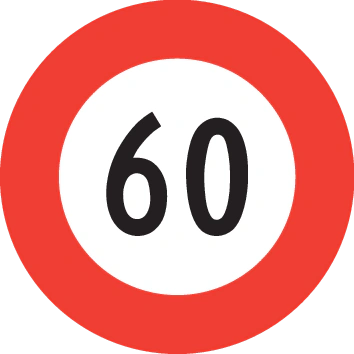
Understand the Maximum Speed Limit Sign (2.30)
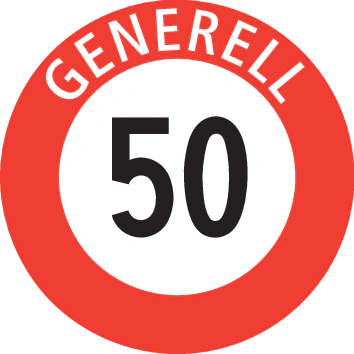
Understand the Generally Valid Speed Limit Sign in Built-up Areas (2.30.1-D)
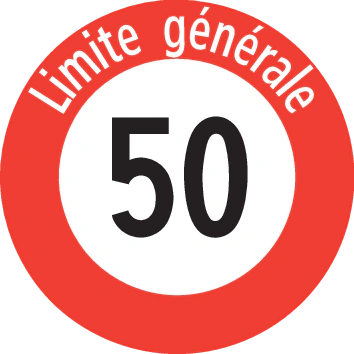
Obey the Generally Valid Speed Limit within Built-up Areas (French Variant)
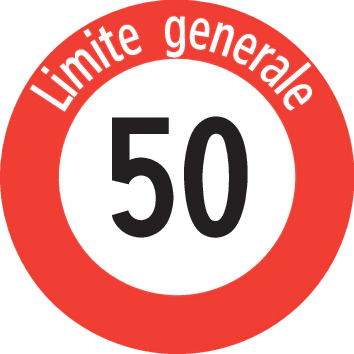
Understand the Generally Valid Speed Limit Sign within Built-Up Areas (Italian Variant)
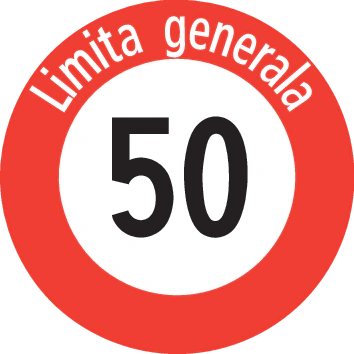
Understand the "Generally Valid Speed Limit Within Densely Built-Up Areas" Sign (2.30.1-R)
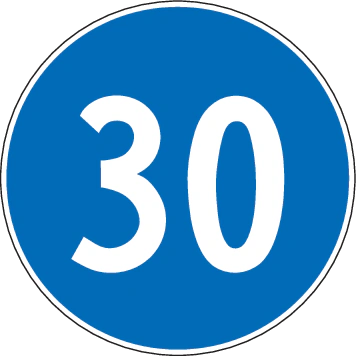
Obey the Minimum Speed Limit Sign (2.31) on Swiss Roads
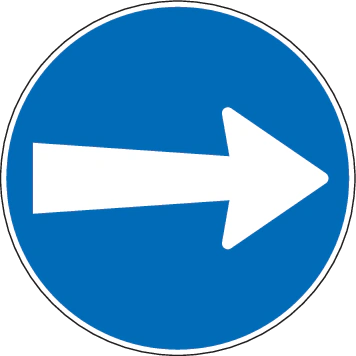
The 'Must Turn Right' sign (2.32) mandates your direction of travel.
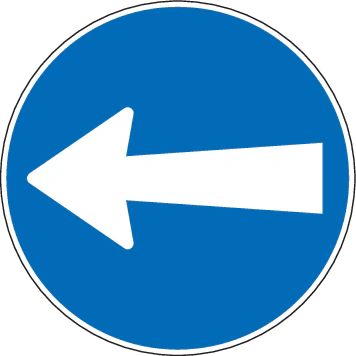
Mandatory Left Turn: This Sign Dictates Your Direction!
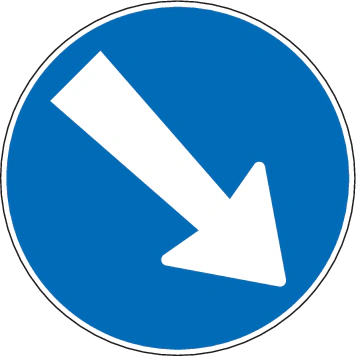
Mandatory Instruction: You must go around the obstacle on the right side (Sign 2.34).
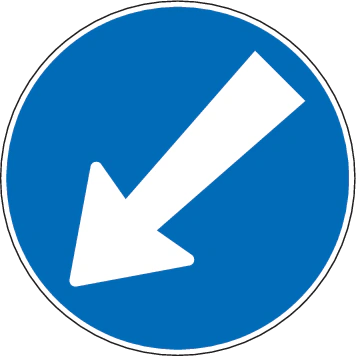
Circumvent the Obstacle on the Left Side: A Mandatory Direction Sign
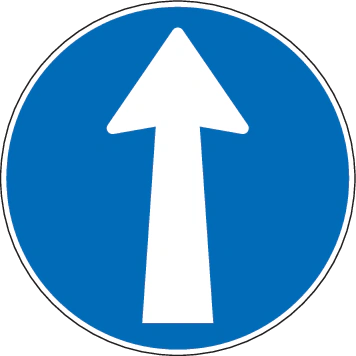
Mandatory Straight Ahead: Know Where You Must Go with Sign 2.36
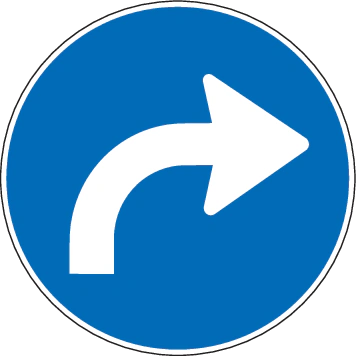
Understand the Mandatory 'Must Turn Right Ahead' Road Sign (2.37)
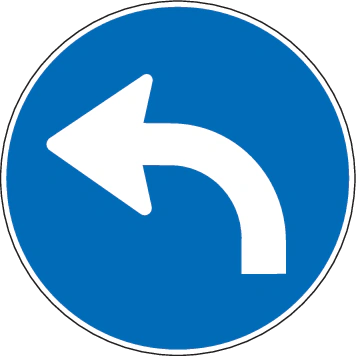
Mandatory Left Turn Ahead: What This Sign Requires
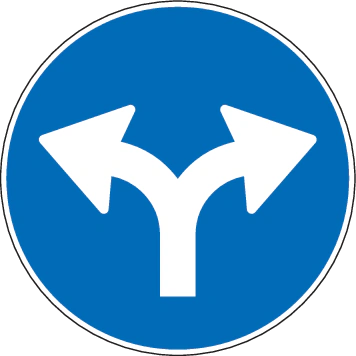
Mandatory Direction: You Must Turn Right or Left
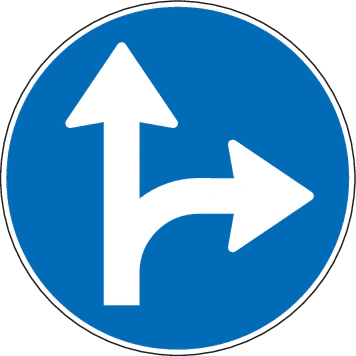
Mandatory Direction: Continue Straight Ahead or Turn Right
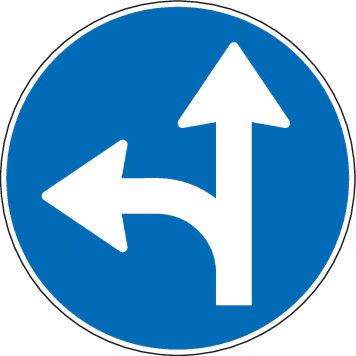
Mandatory Direction: You Must Continue Straight Ahead or Turn Left
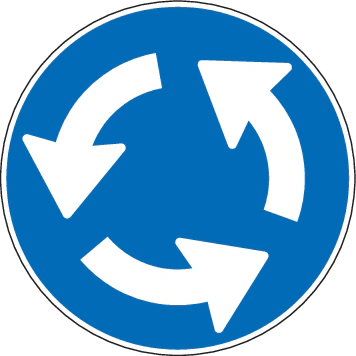
Understand the 'Roundabout' Mandatory Instruction Sign (2.41.1)
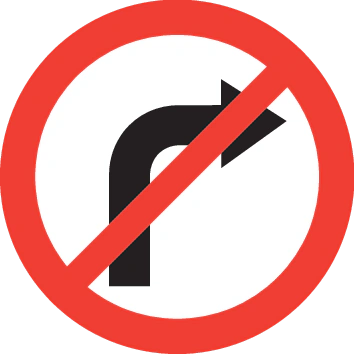
Understand the 'No Right Turn' Mandatory Instruction Sign (2.42)
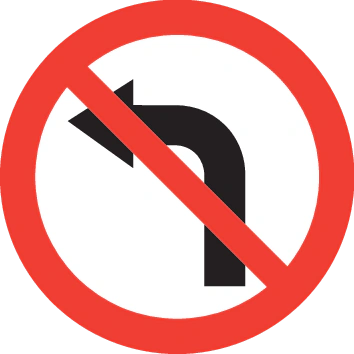
Understand the 'No Left Turn' Mandatory Instruction Sign (2.43)
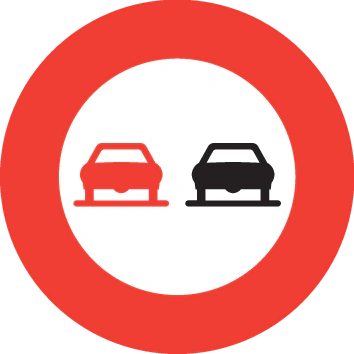
Master the 'No Overtaking' Traffic Sign (2.44)
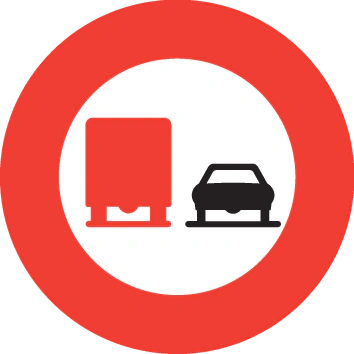
Understand the 'No Overtaking by Lorries' sign (2.45) in Switzerland.
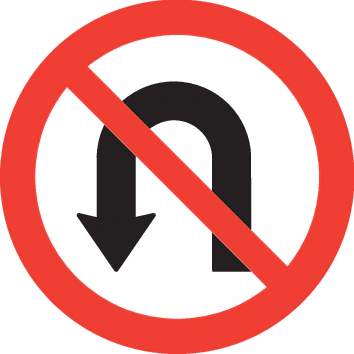
Understand the Mandatory 'No U-turns' Sign (2.46)
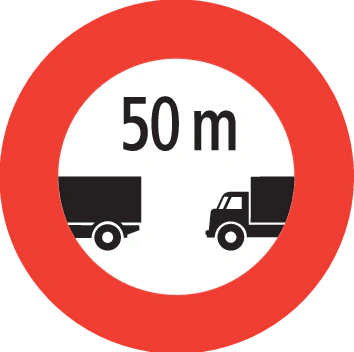
Mandatory Minimum Distance for Large Goods Vehicles (Sign 2.47)
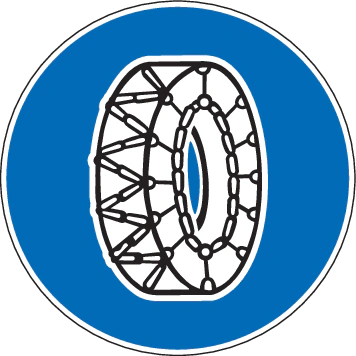
Mandatory Snow Chains Required Sign: What You Must Know
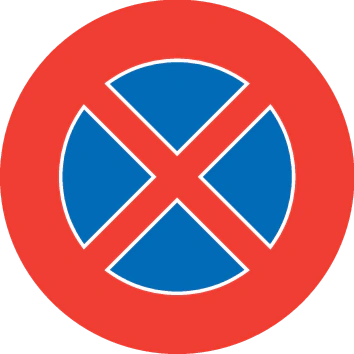
Understand the 'No Stopping' (2.49) Road Sign in Switzerland
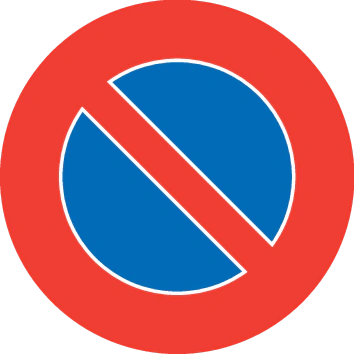
Understand the 'No Parking' Road Sign (2.50) in Switzerland
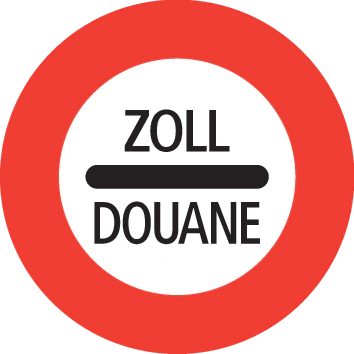
Understand the 2.51-D-F 'Customs' sign for mandatory instructions in Switzerland.
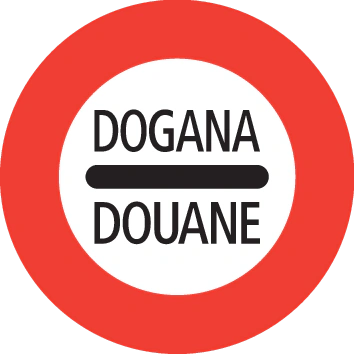
Understand the Customs Sign (French and Italian variant)
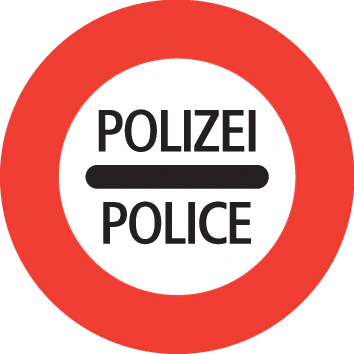
Mandatory Stop Instruction: The 'Police – Must Stop' Sign
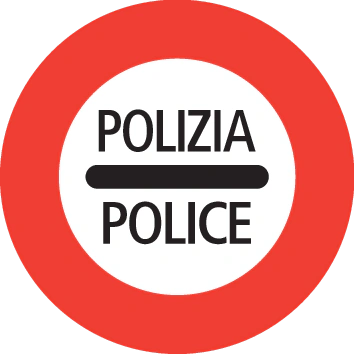
Police – Must Stop: Obey This Mandatory Instruction Sign
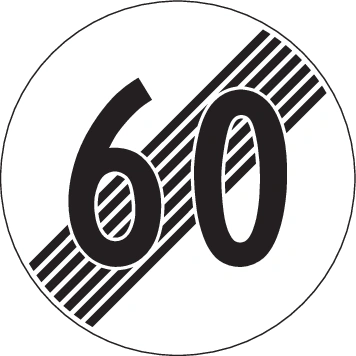
Sign 2.53: You've Reached the End of the Maximum Speed Limit
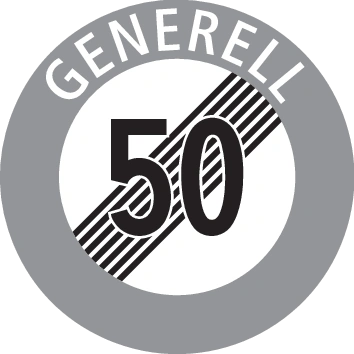
Sign 2.53.1-D: You're Now Leaving the Built-Up Area Speed Restriction
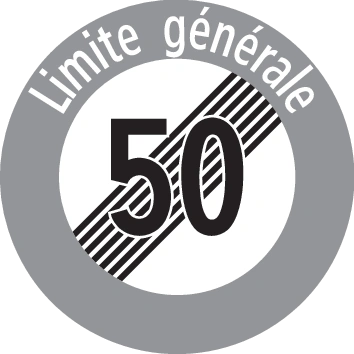
Sign 2.53.1-F: End of the Built-up Area Speed Limit (French Variant)
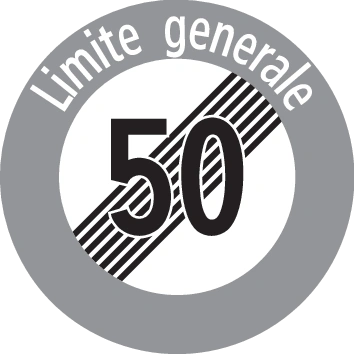
End of Built-up Area Speed Limit Zone Sign (2.53.1-I)
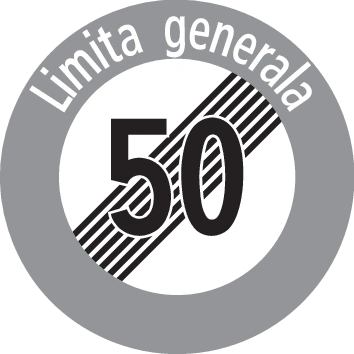
End of Generally Valid Speed Limit in Built-Up Areas (Romansh Variant) Sign
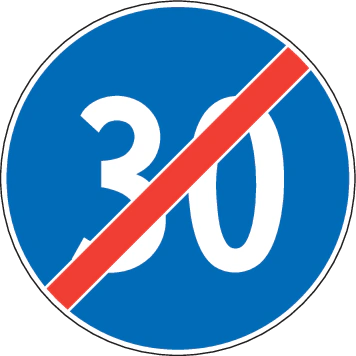
The 'End of Minimum Speed' sign means you no longer need to maintain a specific minimum speed.
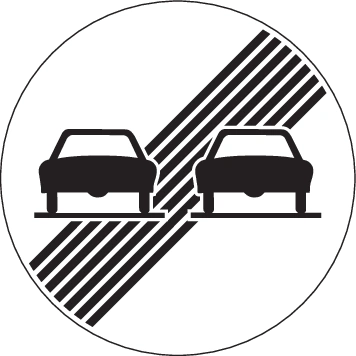
The 'End of no overtaking restriction' sign means you can resume normal overtaking.
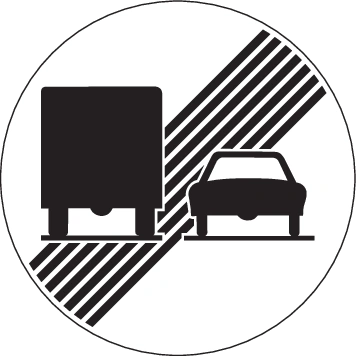
End of Restriction: Lorries Can Now Overtake
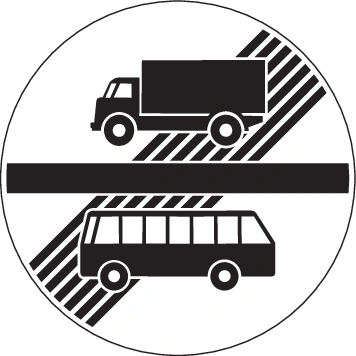
End of Partial Prohibition Sign (e.g., for Lorries or Buses on Lanes)
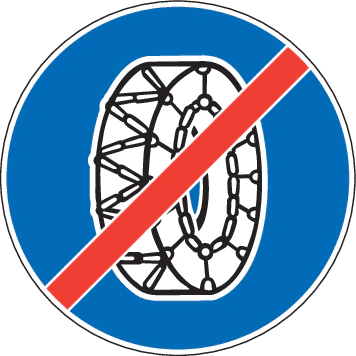
The 'End of Snow Chain Requirements' sign means you can now remove your snow chains.
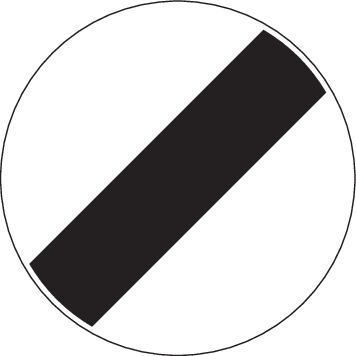
The "End of Previous Restriction(s)" sign tells you a prior rule no longer applies.
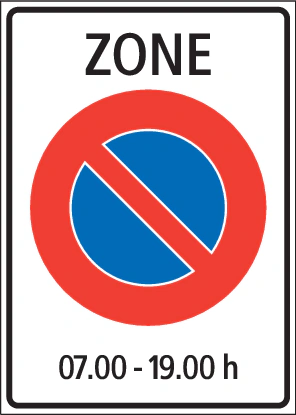
Understanding the Zone Regulation Sign 2.59.1-1: Mandatory Instructions and Zone Controls
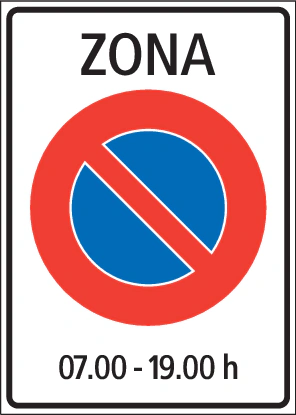
Understand Mandatory Zone Regulations with Sign 2.59.1-2
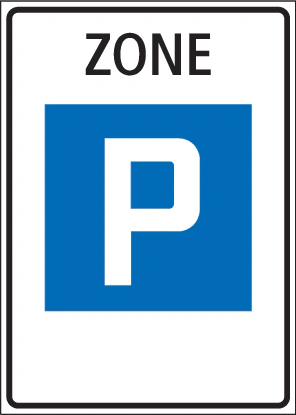
Master the Zone Regulation Sign 2.59.1 (variant 3) for Mandatory Instructions
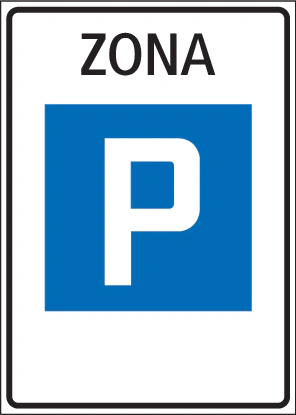
Understand Mandatory Zone Instructions with Sign 2.59.1-4
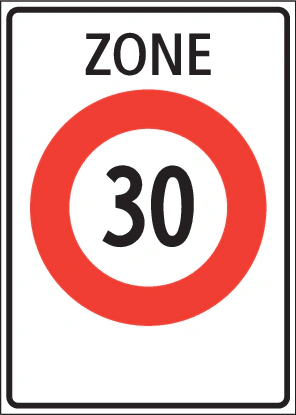
Understand the Swiss Zone Regulation Sign 2.59.1-D-F for Mandatory Instructions
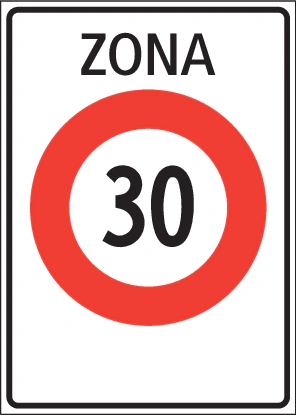
Understand Zone Regulation Sign 2.59.1-I: Mandatory Instructions and Zone Controls
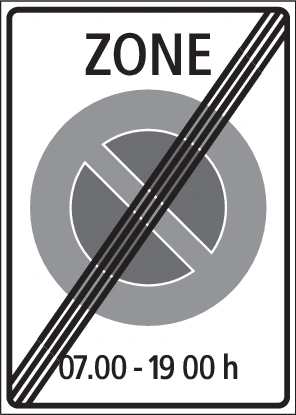
Understand and Obey Mandatory Zone Regulation Sign 2.59.2-1
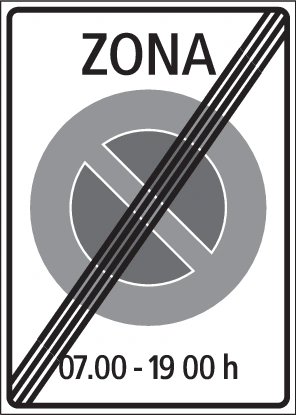
Understand Mandatory Zone Instructions with Sign 2.59.2-2
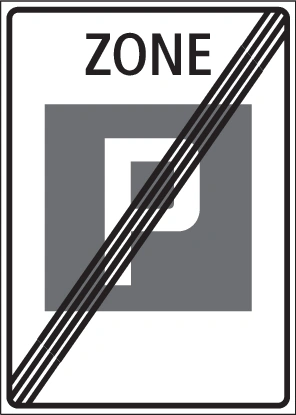
Deciphering the Zone Regulation Sign 2.59.2 (Variant 3) in Switzerland
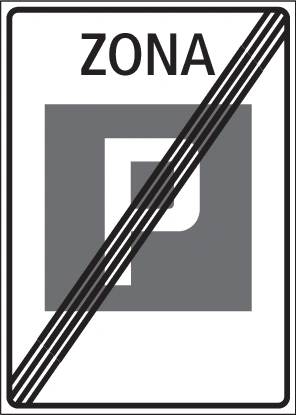
Understand the Zone Regulation Sign 2.59.2 (variant 4) for Mandatory Instructions
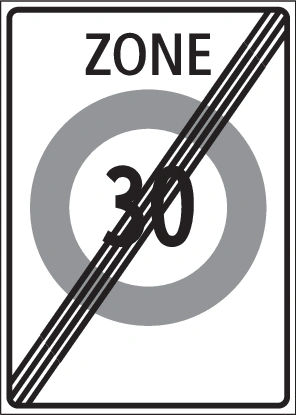
Master the Zone Regulation Sign 2.59.2-D-F for Mandatory Instructions
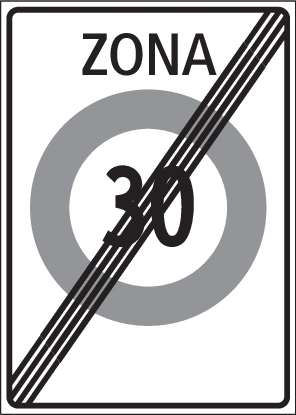
Understand Mandatory Instructions with Zone Regulation Sign 2.59.2-I (Italian Variant)
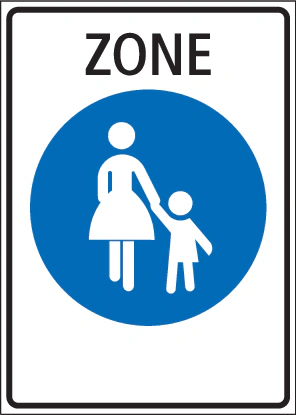
Understand Swiss Zone Regulation Sign 2.59.3-D-F for Mandatory Instructions
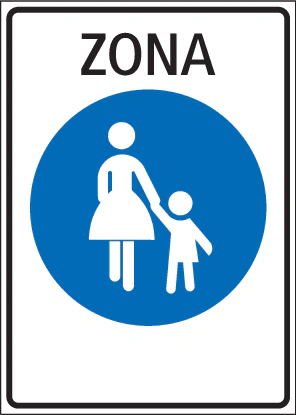
Understand the Zone Regulation Sign 2.59.3-I (Italian Variant) for Mandatory Instructions
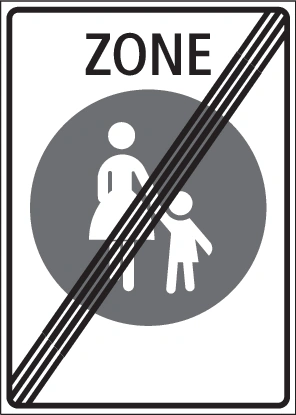
Master Zone Regulation Sign 2.59.4-D-F for Mandatory Instructions
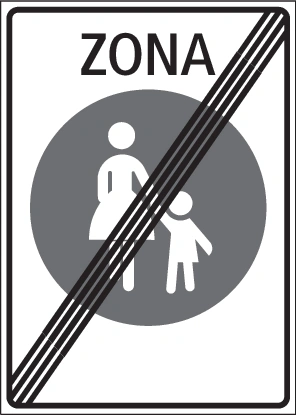
Master the Zone Regulation Sign 2.59.4-I (Italian Variant) for Swiss Roads
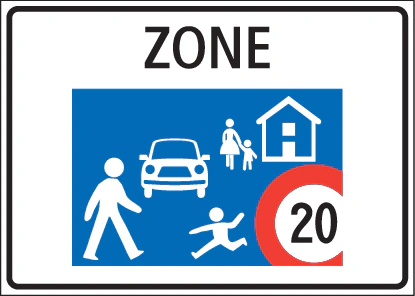
Understand the Mandatory Zone Regulation Sign 2.59.5 (German/French Variant)
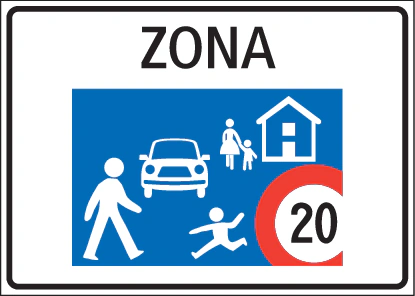
Understand Mandatory Instructions with Zone Regulation Sign 2.59.5-I (Italian Variant)
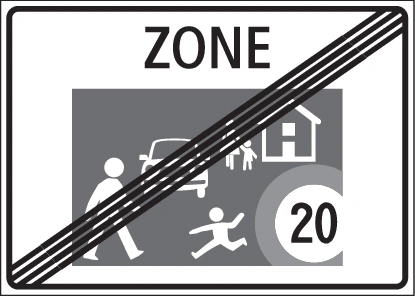
Understand Mandatory Instructions and Zone Regulations with Sign 2.59.6-D-F
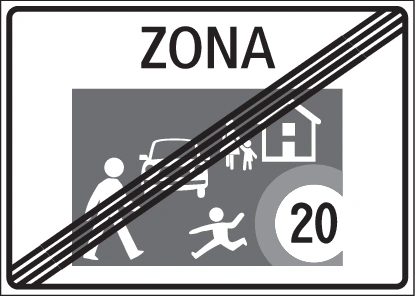
Understand the Zone Regulation Sign 2.59.6-I (Italian Variant) in Switzerland
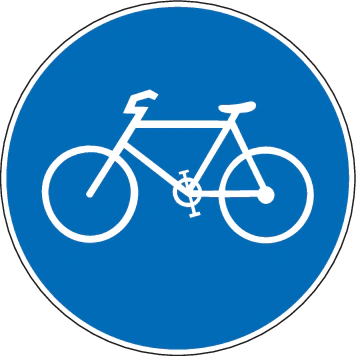
Understand the mandatory Bicycle Path sign (2.60), which also includes mopeds.
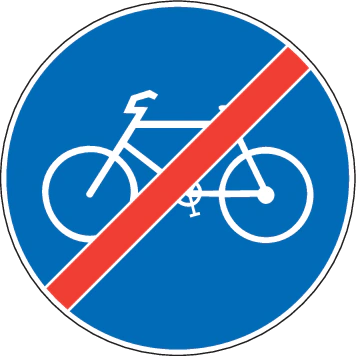
End of Bicycle Path Sign: Know When to Follow New Rules
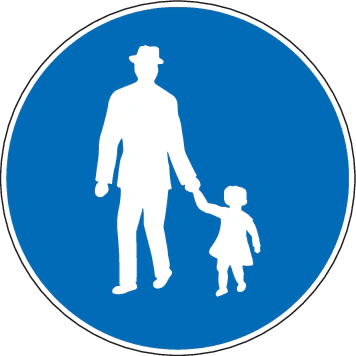
Understand the 'Pedestrian Path' Mandatory Sign (2.61)
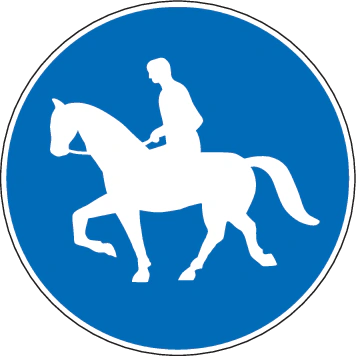
The Bridleway sign (2.62) is a mandatory instruction.
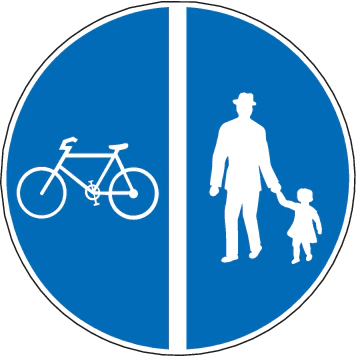
Understand the Mandatory Segregated Bicycle and Pedestrian Lanes Sign (2.63)
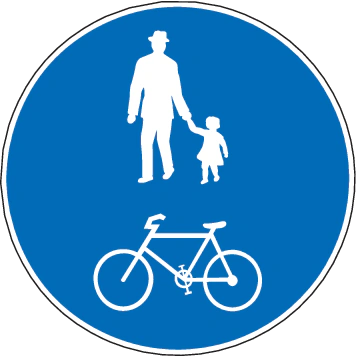
Mandatory Shared Bicycle and Pedestrian Path Ahead
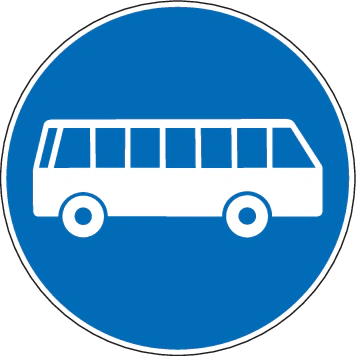
Master the 'Exclusive Public Bus/Transport Lane' sign (2.64) for Swiss theory exams.

Follow the Mandatory Lane Indicators Above Your Lane!
Clear answers to common questions about the Swiss Mandatory and Parking Signs road sign category. Use this FAQ to review tricky rules, understand how these signs appear in exam scenarios, and remove confusion that often leads to mistakes in the Swiss driving theory exam in Switzerland.
The 'No Stopping' sign (2.49) is a stricter prohibition. It means you are not allowed to stop your vehicle at all, even briefly to pick up or drop off passengers or to load/unload. The 'No Parking' sign (2.50) is less severe; it allows you to stop briefly for essential tasks like dropping off passengers, but you cannot leave your vehicle unattended or park there.
No, the language variants on signs like 'Generally valid speed limit within densely built-up areas' or 'Customs' indicate the official languages of the region where the sign is posted. The rule itself applies to all drivers regardless of their language. You need to understand the meaning of the sign itself, which is universal, and be aware of the local linguistic context.
Mandatory direction signs (like 'Must turn right' or 'Must continue straight ahead') usually apply to the lane you are currently in or the immediate path indicated. Always read the entire sign assembly, including any arrows or supplementary plates. If you are in doubt about which lane to be in for a particular direction, look for lane control signals or follow the signs indicating your intended route well in advance.
Zone regulation signs (2.59.1 to 2.59.6) indicate that specific rules apply to an entire defined area or zone, rather than just a single point. These rules can vary widely and might include speed limits, parking restrictions, or other specific prohibitions or requirements for vehicles entering that zone. You must pay close attention to the specific variant of the zone sign and any accompanying information to understand the exact regulations in effect for that zone. The end of the zone is usually indicated by a similar sign with a diagonal bar through it.
When you see the 'Snow chains required' sign (2.48), it means that for certain road conditions, especially snow or ice, you must use snow chains on at least the driven wheels of your vehicle. If you do not have snow chains or your vehicle is not equipped to use them, you should not proceed further on that road. This sign is typically displayed on mountain passes or roads prone to heavy snowfall and icy conditions.
Dive into the organized structure of Swiss road sign categories to enhance your driving theory knowledge. Explore each group, understand common contexts, and test your understanding of official traffic signs, from mandatory commands to specific hazard warnings. Build a solid foundation for your upcoming theory exam with confidence.
Swiss Road Sign Categories