
Learn everything you need to know to drive safely and legally during Switzerland's challenging winter months. From tire requirements to snow chain mandates on Alpine passes, this section prepares you for snow, ice, fog, and other seasonal hazards on Swiss roads.
Understand the specific Swiss traffic regulations regarding winter tire requirements, snow chain obligations on mountain passes, and essential techniques for handling snow, ice, and reduced visibility. This collection of guides ensures you are fully prepared for the unique technical and legal challenges of driving through Alpine terrain.
Navigating Swiss roads during extreme weather or environmental incidents requires knowing which measures are advisory and which are mandatory. This guide prepares you for theoretical exam scenarios involving seasonal alerts like the Ozonalarm, winter smog, and sudden road closures due to heavy snowfall. By mastering these protocols, you will be better equipped to make informed, safe decisions and effectively use resources like viasuisse.
Driving in the Swiss Mittelland fog presents unique challenges, especially on the busy A1 motorway during autumn and winter. This article will guide you through understanding fog behaviour, adhering to VMS-mandated speed limits, and mitigating the high risk of rear-end collisions. Learn essential planning strategies to ensure your safety and preparedness for theory exam scenarios related to adverse weather.
Navigating Switzerland's frequent fog, snow, and heavy rain requires a clear understanding of its specific fog light rules. This article details when front fog lights can be used and the strict 50-meter visibility requirement for rear fog lights, directly referencing Swiss traffic legislation. Mastering these rules is essential for safe driving and passing your theory test, ensuring you handle adverse weather conditions correctly.
Understand specific Swiss regulations for winter tires, snow chains, and driving in adverse weather like snow, ice, and fog. These articles provide essential learner guidance for safe and legal driving on Swiss Alpine roads and beyond during winter.
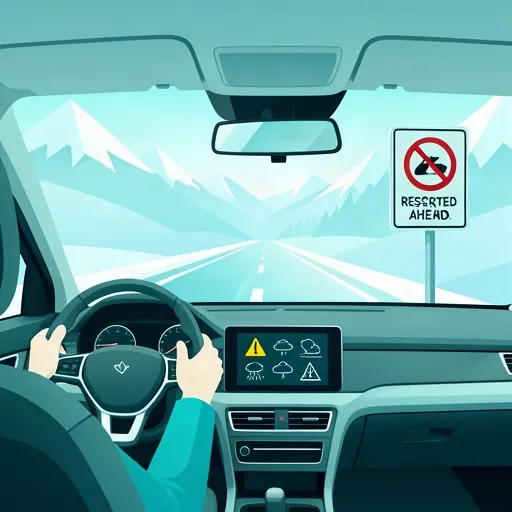
Navigating Swiss roads during extreme weather or environmental incidents requires knowing which measures are advisory and which are mandatory. This guide prepares you for theoretical exam scenarios involving seasonal alerts like the Ozonalarm, winter smog, and sudden road closures due to heavy snowfall. By mastering these protocols, you will be better equipped to make informed, safe decisions and effectively use resources like viasuisse.
Updated on Aug 26, 2026

Driving in the Swiss Mittelland fog presents unique challenges, especially on the busy A1 motorway during autumn and winter. This article will guide you through understanding fog behaviour, adhering to VMS-mandated speed limits, and mitigating the high risk of rear-end collisions. Learn essential planning strategies to ensure your safety and preparedness for theory exam scenarios related to adverse weather.
Updated on Jun 29, 2026

Navigating Switzerland's frequent fog, snow, and heavy rain requires a clear understanding of its specific fog light rules. This article details when front fog lights can be used and the strict 50-meter visibility requirement for rear fog lights, directly referencing Swiss traffic legislation. Mastering these rules is essential for safe driving and passing your theory test, ensuring you handle adverse weather conditions correctly.
Updated on Jun 29, 2026
Discover other categories connected to Swiss Winter & Weather Driving. These sections help you explore additional topics, expand your understanding of driving theory in Swiss, and build a more complete picture of the rules and situations tested during the exam.
Find answers to common questions learners ask about Swiss Winter & Weather Driving. This section helps clarify difficult concepts, highlight critical exam information, and support your preparation for the Swiss driving theory exam in Switzerland.
Switzerland does not have a blanket legal obligation for winter tires. However, drivers are legally responsible for ensuring their vehicle is adapted to winter conditions. Driving on summer tires in snow or ice can lead to fines if it causes obstruction or an accident, and potentially impact insurance coverage.
The 'Schneeketten obligatorisch' sign indicates that snow chains are legally required on that specific road section, typically on steep Alpine passes during winter. Entering this area without fitted snow chains is a fineable offense.
Key hazards include snow and ice (especially on mountain roads), freezing fog (Glatteis), dense fog in lower regions, heavy rain leading to aquaplaning, strong Föhn winds on passes, and sudden Alpine weather changes. Tunnel conditions can also differ significantly from outside weather.
Essential preparations include fitting appropriate winter or all-season tires (M+S, 3PMSF), checking antifreeze levels, ensuring washer fluid is winter-grade, verifying battery health, and carrying an ice scraper and shovel. Route planning using tools like SwissTopo or TCS is also advisable.
'Glatteis' refers to black ice or freezing fog, creating extremely slippery road surfaces. Drive at reduced speed, avoid sudden braking or steering, and maintain a larger following distance. Be particularly cautious on bridges and shaded areas where ice forms first.
Dive deeper into the specific subject areas of Swiss driving theory by exploring our carefully curated article categories. Whether you need to revise road signs, understand complex traffic rules, or master hazard perception, our organized topics will guide your learning journey effectively for your licence.
Browse Article Categories