
Navigate Switzerland's roads with confidence by thoroughly understanding official road signs, traffic signals, and pavement markings. This category prepares you for the Swiss theory exam, covering everything from standard regulatory signs to specific cantonal nuances and mountain road challenges.
These guides decode official Swiss traffic signals, priority rules, and pavement markings to ensure you recognize every hazard and regulatory instruction on the road. Mastering these concepts is critical for successfully navigating urban zones and mountain routes in Switzerland.
Road markings in Switzerland are legally binding instructions that dictate driver behavior at junctions, in parking areas, and on highways. This guide clarifies the specific rules surrounding white longitudinal and transverse lines, as well as the specialized meanings of yellow lines and symbols like the Sperrfläche and Haifischzähne. By grasping these rules, you will be better prepared to navigate Swiss roads safely and pass your theory exam with confidence.
This text-based guide clarifies the meaning and application of all Swiss traffic light signals, based on official regulations like Art. 68 of the SSV. Learn how to interpret standard sequences, understand the nuances of amber and flashing amber lights, and recognize the special provisions for pedestrians and cyclists, such as the 'Grünpfeil', to drive safely and confidently in Switzerland.
Driving on unclassified forest and agricultural tracks in Switzerland requires careful attention to signage and specific regulations. This article breaks down the meaning of the 'Motorfahrzeuge verboten' sign, outlines exceptions for authorised vehicles, and highlights the consequences of unauthorised entry, providing essential knowledge for safe driving and success in your Swiss theory exam.
Understand every official road sign, traffic signal, and road marking crucial for Swiss driving licence theory and safe navigation. Our detailed articles clarify Swiss traffic legislation, helping you prepare effectively for your theory exam and daily driving.
Road markings in Switzerland are legally binding instructions that dictate driver behavior at junctions, in parking areas, and on highways. This guide clarifies the specific rules surrounding white longitudinal and transverse lines, as well as the specialized meanings of yellow lines and symbols like the Sperrfläche and Haifischzähne. By grasping these rules, you will be better prepared to navigate Swiss roads safely and pass your theory exam with confidence.
Updated on Sep 16, 2026
This text-based guide clarifies the meaning and application of all Swiss traffic light signals, based on official regulations like Art. 68 of the SSV. Learn how to interpret standard sequences, understand the nuances of amber and flashing amber lights, and recognize the special provisions for pedestrians and cyclists, such as the 'Grünpfeil', to drive safely and confidently in Switzerland.
Updated on Jul 5, 2026
Driving on unclassified forest and agricultural tracks in Switzerland requires careful attention to signage and specific regulations. This article breaks down the meaning of the 'Motorfahrzeuge verboten' sign, outlines exceptions for authorised vehicles, and highlights the consequences of unauthorised entry, providing essential knowledge for safe driving and success in your Swiss theory exam.
Updated on Jun 29, 2026
This article details why Switzerland enforces a complete stop at all red lights for motor vehicles, prohibiting right turns on red. Learn the critical differences from other countries and the reasons behind this strict approach, which prioritises pedestrian safety and smooth traffic flow in Switzerland. Mastering this rule is essential for passing your Swiss driving theory exam and driving safely.
Updated on Jun 29, 2026
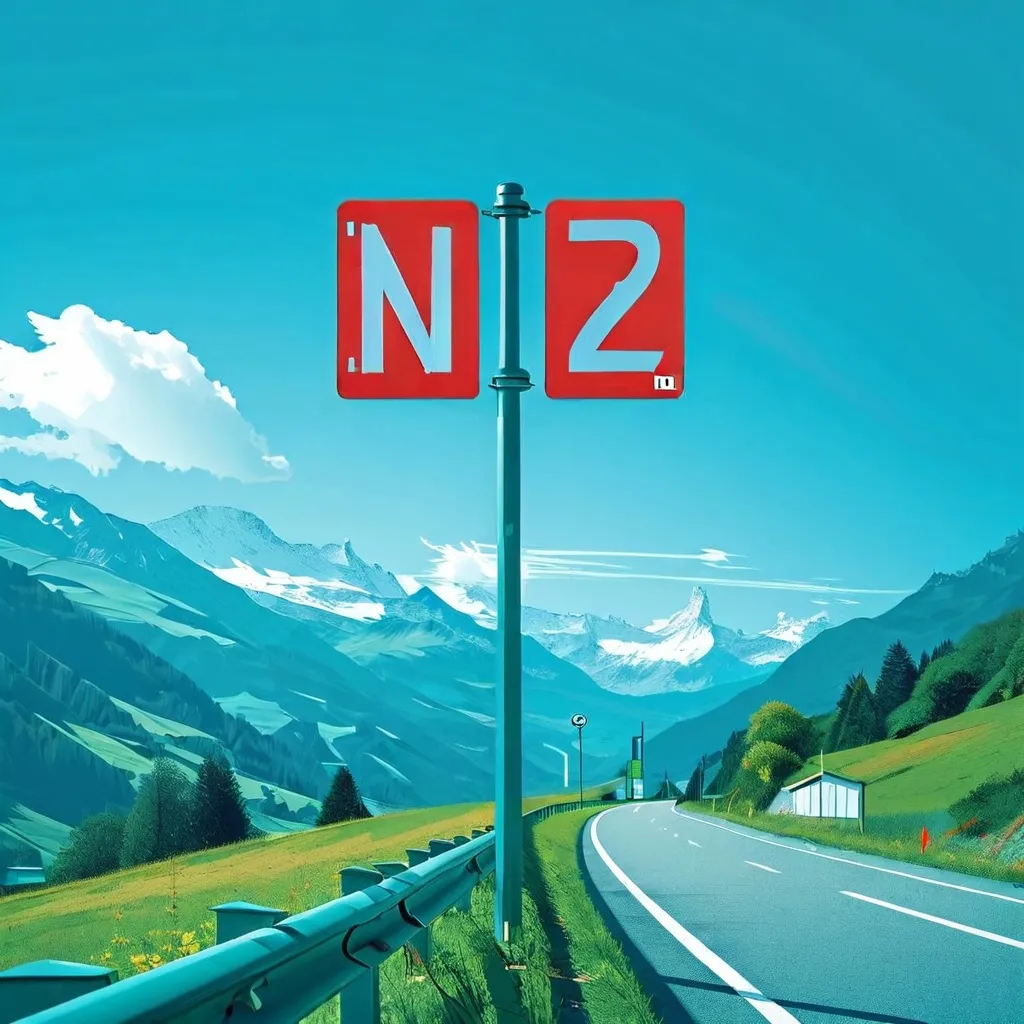
Navigate Switzerland's roads with confidence by understanding the differences between Nationalstrassen and Kantonsstrassen. This guide will demystify the numbering systems and signage for these key road types, helping you prepare effectively for your theory exam. Grasping these distinctions is fundamental for safe driving and recognizing your position on the network.
Updated on Jun 29, 2026

Prepare for your Swiss driving theory exam by mastering the rules for construction zones, known as 'Baustellen'. This guide deciphers temporary traffic signs, often featuring orange backgrounds, and explains how they are legally binding. You'll learn about temporary speed restrictions and the specific procedures for 'Einspurstrecken' managed by temporary traffic lights, ensuring you can navigate these situations confidently and correctly.
Updated on Jun 29, 2026
Discover other categories connected to Swiss Signs & Road Markings. These sections help you explore additional topics, expand your understanding of driving theory in Swiss, and build a more complete picture of the rules and situations tested during the exam.
Find answers to common questions learners ask about Swiss Signs & Road Markings. This section helps clarify difficult concepts, highlight critical exam information, and support your preparation for the Swiss driving theory exam in Switzerland.
Swiss road signs are categorised into Gefahrensignale (warning), Vorschriftssignale (regulatory/prescription), Vortrittssignale (priority), Hinweissignale (information), and Ergänzungstafeln (supplementary panels). Each type has specific shapes, colours, and meanings crucial for road safety.
Swiss road markings include priority lines like Wartelinie (yield) and Haltebalken (stop), lane dividers such as Sicherheitslinie (continuous) and Leitlinie (broken), and special markings like yellow lines for restricted areas and specific lanes for buses or bicycles.
A 'Begegnungszone' (encounter zone) sign indicates a reduced speed limit of 20 km/h and prioritises pedestrians. Drivers must be particularly attentive to pedestrians and cyclists who have priority within these zones.
Yes, Switzerland has specific signage for mountain roads, including warnings for Postauto (public bus) priority, and mandatory signs for snow chains ('Schneeketten obligatorisch') during winter conditions.
Understanding road signs, signals, and markings is fundamental to passing the Swiss driving theory test. Questions specifically assess your ability to interpret these visual cues correctly in various traffic scenarios.
Dive deeper into the specific subject areas of Swiss driving theory by exploring our carefully curated article categories. Whether you need to revise road signs, understand complex traffic rules, or master hazard perception, our organized topics will guide your learning journey effectively for your licence.
Browse Article Categories