
Understanding priority signs is crucial for safe driving, especially at junctions and conflict points where right-of-way isn't obvious. This group of signs clearly defines who should proceed and who should yield, preventing confusion and potential accidents. Mastering these priority rules will not only help you pass your theory exam but also ensure smoother, safer interactions with other road users in real traffic.
An explanation of how Swiss Priority Signs road signs apply in real traffic situations in Switzerland. Learn where these signs are typically placed, what drivers are expected to do when they appear, and how correct reactions help you stay safe, avoid fines, and succeed in your Swiss driving theory exam.
Priority signs are fundamental to traffic flow and are encountered frequently at virtually any location where roads meet or diverge. You'll see 'Give Way' (3.02) and 'Stop' (3.01) signs at intersections, exits from private property, and junctions where you need to yield to other traffic. The 'Principal road with priority' (3.03) and 'End of principal road' (3.04) signs help you understand your right-of-way on major routes and when that priority ends. Signs like 'Crossing with a road without priority ahead' (3.05) and 'Crossroad with priority to the right rule' (3.06) prepare you for specific junction layouts and the application of the priority-to-the-right rule. Signs warning of 'Give way to oncoming traffic' (3.09) and indicating 'Priority over oncoming traffic' (3.10) are vital for navigating narrow roads, bridges, or tunnels where vehicles cannot pass simultaneously. Finally, the various level crossing signs (3.20 to 3.24) are critical warnings alerting you to the presence of railway tracks and the need to be especially vigilant for approaching trains.
An overview of the key learning outcomes when studying the Swiss Priority Signs road sign category. Understand the main concepts, sign meanings, and traffic situations covered here so you can recognise patterns, answer theory questions more confidently, and build a solid foundation for safe driving in Switzerland.
Focus on Swiss priority signs to understand right-of-way at junctions and conflict points. Mastering these crucial traffic signs ensures smooth progression and safe navigation, vital for your theory test revision and Swiss licence process. Learn to recognise when to yield or proceed confidently.
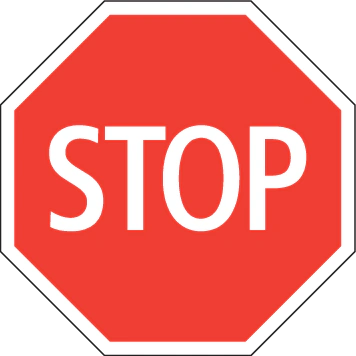
Stop Sign (3.01): Complete Stop and Yield Before Entering Traffic.
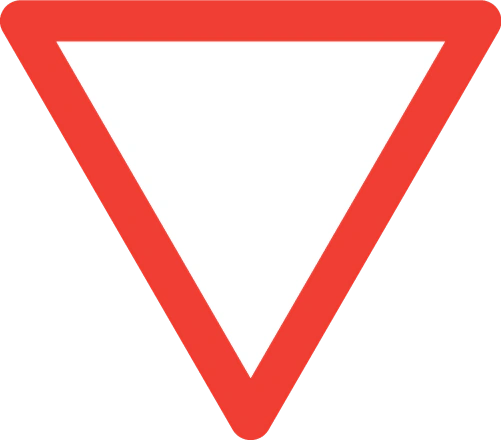
Understand the 'Give Way' Sign (3.02) in Switzerland
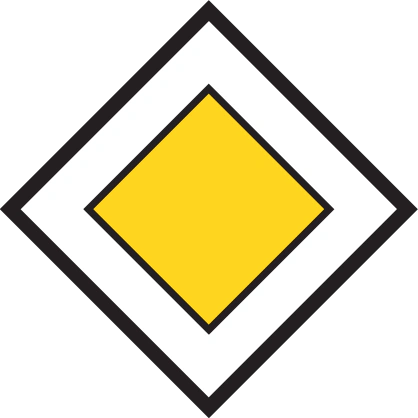
Master the Principal Road with Priority Sign (3.03) in Switzerland
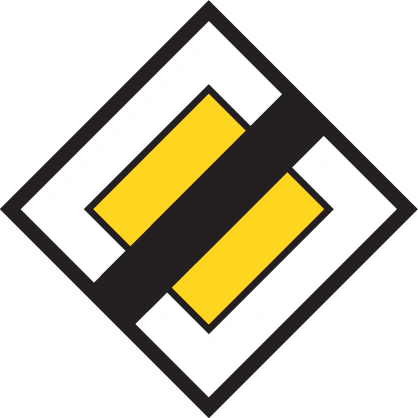
Understand the 'End of Principal Road' sign (3.04) and its priority rules.
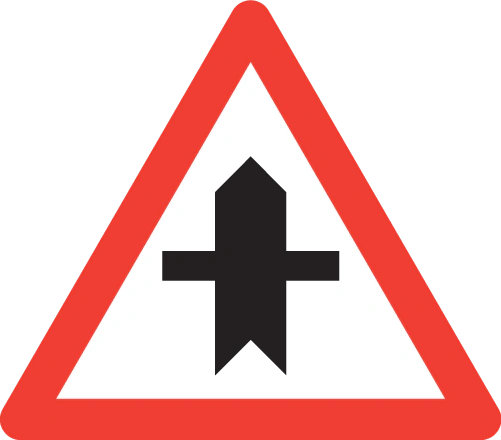
Understand the 'Crossing with a road without priority ahead' traffic sign (3.05)
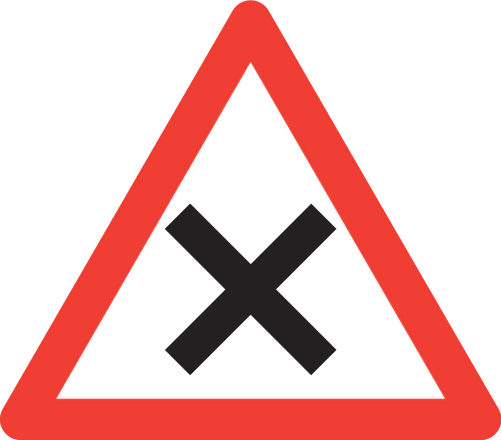
Master the 'Crossroad with Priority to the Right' Rule (Sign 3.06)
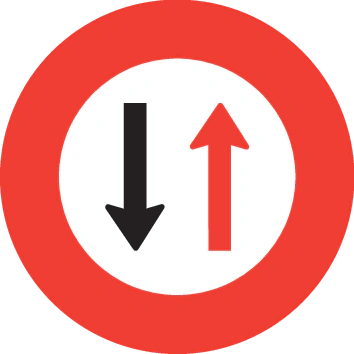
Understand the 'Give Way to Oncoming Traffic' Priority Sign (3.09)
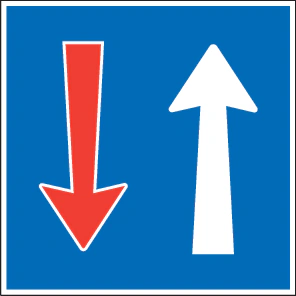
Master the 'Priority over Oncoming Traffic' Sign (3.10) in Switzerland
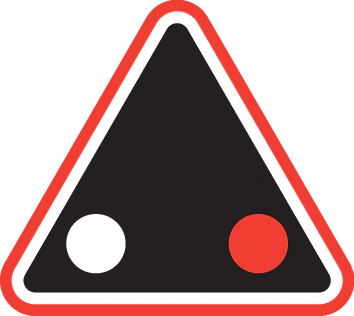
Understand the Level Crossing with Double Flashing Lights (Switzerland variant) priority sign.
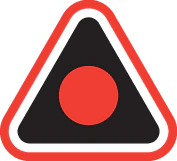
Understand the Level Crossing with Single Flashing Light (Switzerland Variant) Sign (3.21)
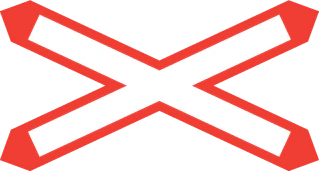
Understand the Swiss Single Track Level Crossing (3.22) Priority Sign
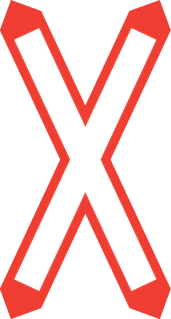
Understand the Swiss 'Multiple Track Level Crossing' Priority Sign (3.24)
Clear answers to common questions about the Swiss Priority Signs road sign category. Use this FAQ to review tricky rules, understand how these signs appear in exam scenarios, and remove confusion that often leads to mistakes in the Swiss driving theory exam in Switzerland.
The main purpose of Swiss priority signs is to clearly indicate the right-of-way at junctions, narrow sections, and other potential conflict points. They remove ambiguity, ensuring that all road users know who should proceed first, thereby preventing accidents and maintaining smooth traffic flow.
You must observe the 'priority to the right' rule at unmarked crossroads or junctions where no other priority signs are present. This means that the vehicle approaching from your right has priority. Signs like 'Crossroad with priority to the right rule' (3.06) reinforce this obligation.
A 'Give Way' sign (3.02) requires you to slow down and be prepared to stop if necessary to let other traffic pass before proceeding. A 'Stop' sign (3.01) is more demanding; you must come to a complete halt at the marked line or junction before checking for traffic and yielding if needed.
Signs for oncoming traffic (3.09, 3.10) tell you whether you have to yield to approaching vehicles or if you have priority. Level crossing signs (3.20-3.24) are critical warnings indicating you are approaching a railway line, often with active signals. They alert you to stop or be extremely cautious due to the high risk associated with trains.
When you see the 'Principal road with priority' sign (3.03), it means you have the right-of-way on the road you are currently on. Other roads joining yours will have 'Give Way' or 'Stop' signs. You can generally proceed without yielding, but always remain aware of your surroundings.
Dive into the organized structure of Swiss road sign categories to enhance your driving theory knowledge. Explore each group, understand common contexts, and test your understanding of official traffic signs, from mandatory commands to specific hazard warnings. Build a solid foundation for your upcoming theory exam with confidence.
Swiss Road Sign Categories