
Swiss guide devices are crucial for maintaining your path and awareness on the road, especially in complex situations. This section covers essential signs that provide visual guidance around road edges, obstacles, construction zones, and diversions. Understanding these devices is vital for safe driving and will significantly help you pass your theory exam by ensuring you can react appropriately to changing road layouts.
An explanation of how Swiss Guide Devices road signs apply in real traffic situations in Switzerland. Learn where these signs are typically placed, what drivers are expected to do when they appear, and how correct reactions help you stay safe, avoid fines, and succeed in your Swiss driving theory exam.
You will encounter Swiss guide devices in a variety of real-world traffic scenarios. They are most commonly used to mark temporary or permanent changes to the road layout. This includes areas with roadworks or construction, where lanes might be narrowed, diverted, or where unexpected obstacles are present. They are also deployed at road edges to guide drivers along the intended path, especially on bends or where the normal road boundary is unclear. You might see them on motorways, rural roads, and even in urban environments when temporary lane closures or diversions are in effect. Paying close attention to these signs is essential to maintain your lane, avoid hazards, and ensure smooth traffic flow, particularly in low visibility conditions or at night.
An overview of the key learning outcomes when studying the Swiss Guide Devices road sign category. Understand the main concepts, sign meanings, and traffic situations covered here so you can recognise patterns, answer theory questions more confidently, and build a solid foundation for safe driving in Switzerland.
Study these essential Swiss guide devices to recognise road edge markers, temporary diversions, and lane narrowing. Understanding their meaning is crucial for safe navigation, especially on Swiss alpine roads and during roadworks, aiding your theory test revision.
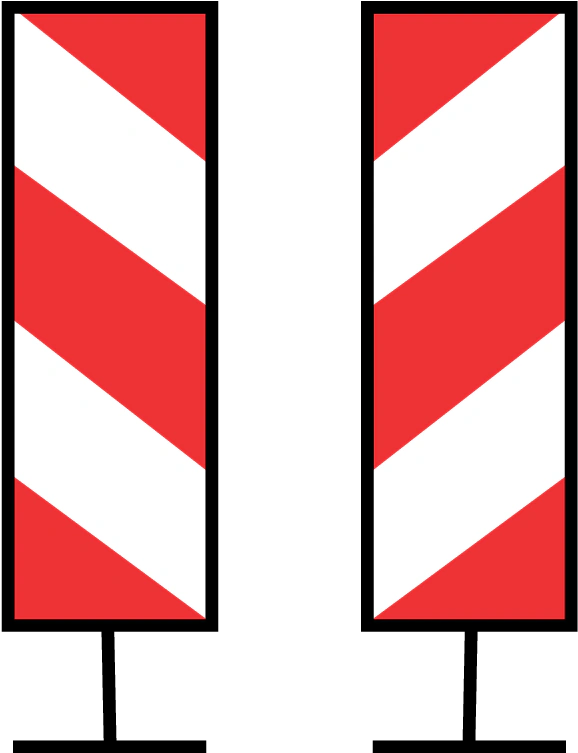
Follow the Swiss Guide Device 7.01-1 to navigate safely around obstacles or deviations.

Follow the path clearly marked by Guide Device 7.01-2
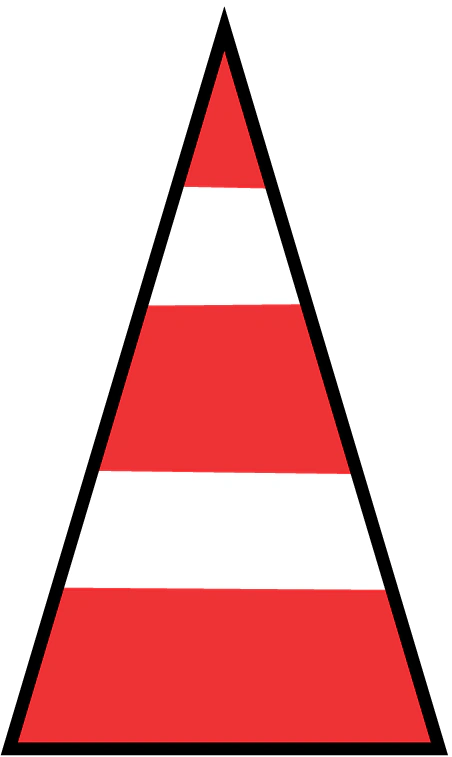
Follow the Guide Device 7.02 to safely navigate your path and maintain clearance.
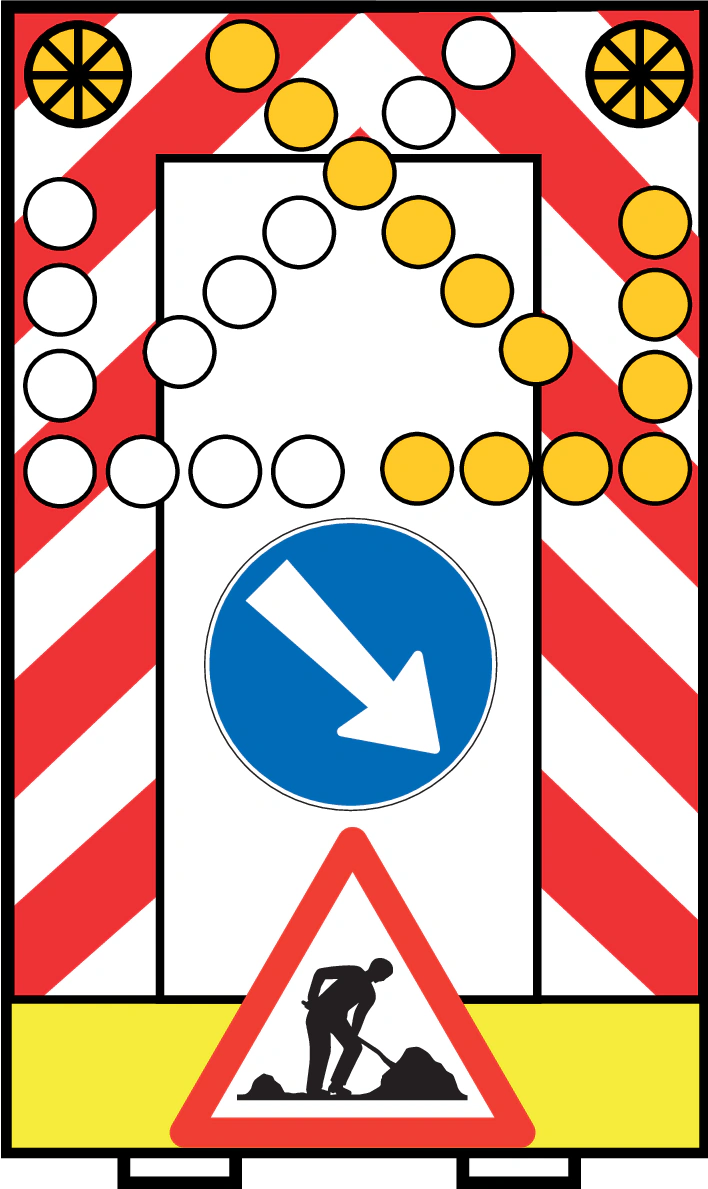
Understand the Guide device 7.03 for Safe Alignment and Clearance
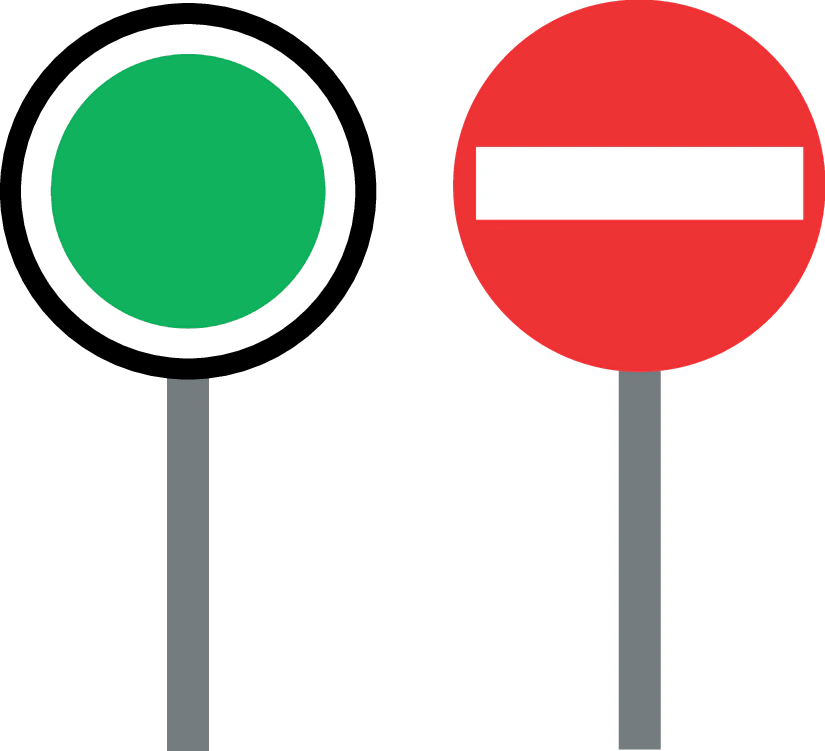
Follow the Guide Device 7.04 for Safe Alignment and Clearance
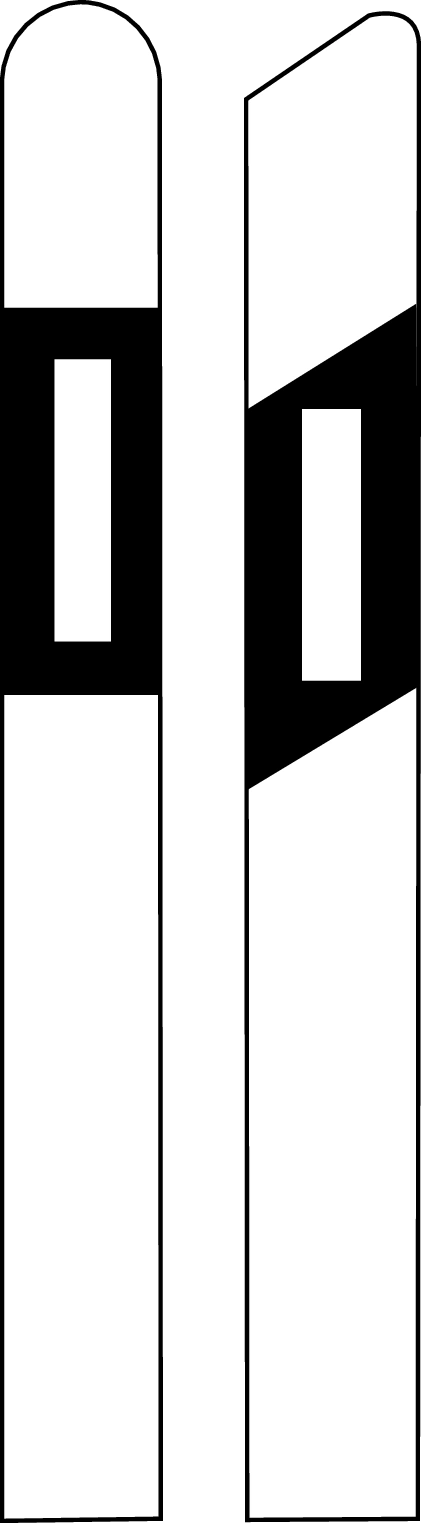
Follow the Guide Device 7.05 for a Clear and Safe Path
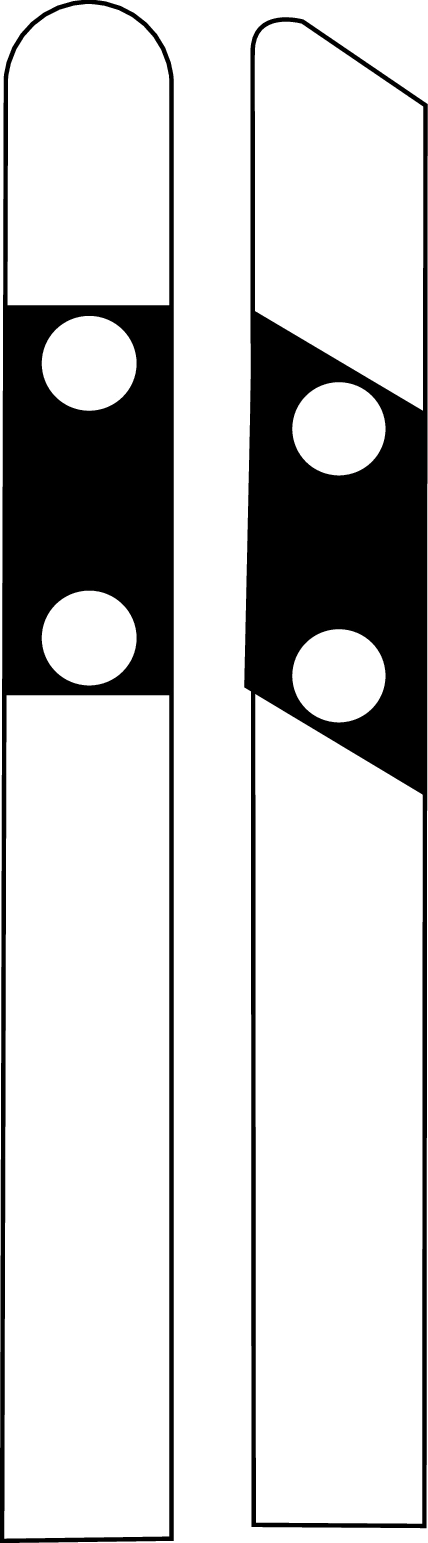
Follow the Path: Understanding Swiss Guide Device 7.06

Understand and Safely Navigate with Guide Device 7.07
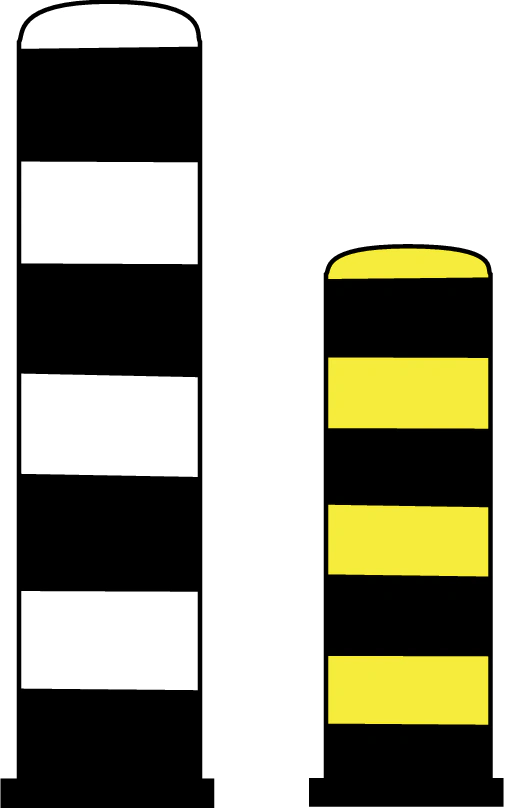
Follow the Guide Device 7.08 for Safe Path Alignment in Switzerland

Guide device 7.09: Follow the safe path around obstacles and roadworks.
Clear answers to common questions about the Swiss Guide Devices road sign category. Use this FAQ to review tricky rules, understand how these signs appear in exam scenarios, and remove confusion that often leads to mistakes in the Swiss driving theory exam in Switzerland.
The primary function of Swiss guide devices is to provide clear visual guidance to drivers. They help steer traffic safely around obstacles, through construction zones, along diversions, or where lanes are narrowed or permanently realigned. They ensure drivers maintain the correct path and are aware of any constraints on the normal road layout.
While commonly seen at roadworks and construction sites, Swiss guide devices can also indicate permanent changes to road alignment or mark hazards along the road edge. Their purpose is always to guide drivers and maintain safe clearance, whether the situation is temporary or permanent.
When you see Swiss guide devices, you should anticipate a change in the road ahead. This could mean narrowing lanes, a change in direction, or the presence of an obstacle. Reduce your speed if necessary, pay close attention to the visual cues provided by the devices, and steer accordingly to stay within the designated path. Always be prepared for other drivers to also be navigating these changes.
Most Swiss guide devices primarily serve to guide your path and do not directly indicate priority rules or specific speed limits. However, they often appear in areas where temporary speed limits are in place or where caution is required due to traffic conditions or the nature of the works. Always look for accompanying signs that might specify speed restrictions or priority changes.
The different variants of guide devices, such as 7.01-1 and 7.01-2, are typically used to indicate the side on which to pass an obstacle or a diversion. They often employ directional arrows or specific shapes to show whether to keep the device on your left or right. Understanding these directional cues is key to following the intended safe path.
Dive into the organized structure of Swiss road sign categories to enhance your driving theory knowledge. Explore each group, understand common contexts, and test your understanding of official traffic signs, from mandatory commands to specific hazard warnings. Build a solid foundation for your upcoming theory exam with confidence.
Swiss Road Sign Categories