
This lesson guides you through your role as a responsible rider within the Turkish urban traffic ecosystem. You will learn how vehicle maintenance and fuel-efficient riding directly contribute to a cleaner environment and safer streets for all road users.
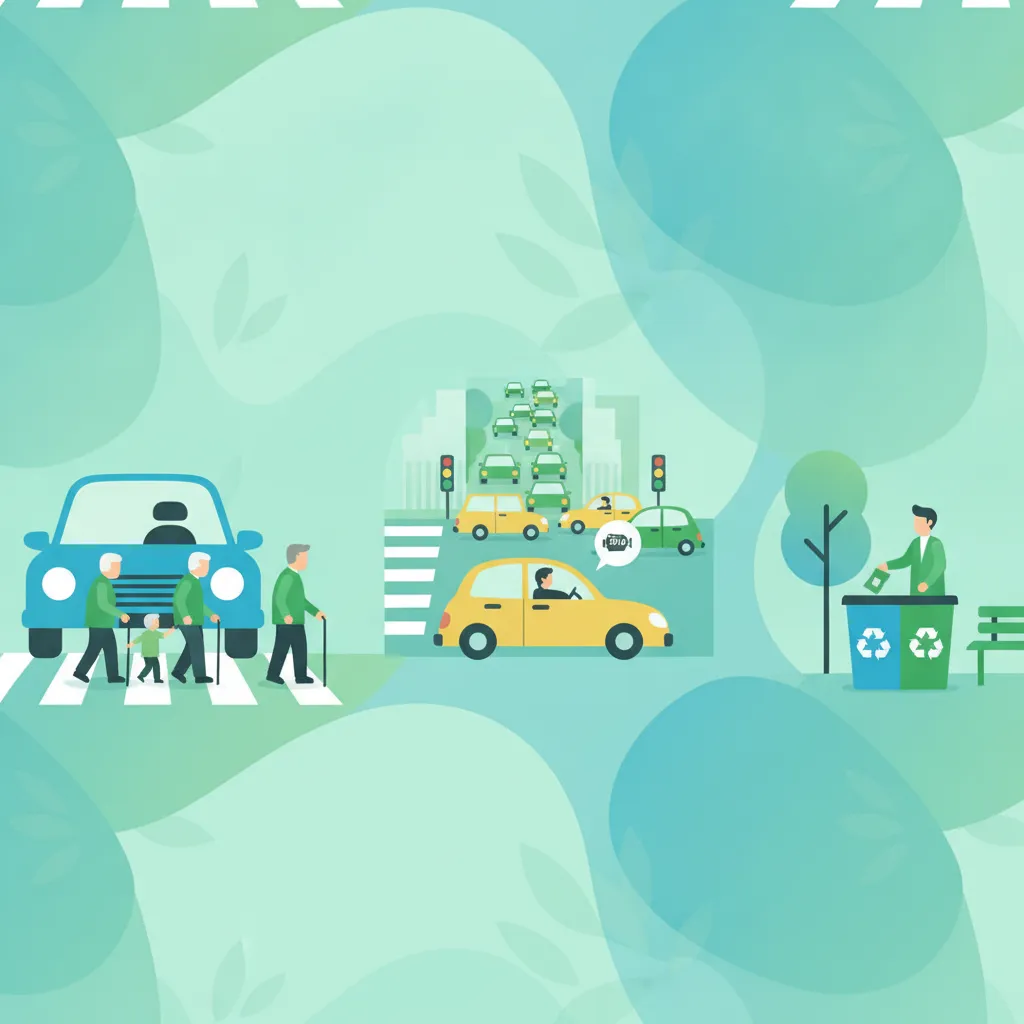
Lesson content overview
Operating a moped (motorlu bisiklet) under the Category AM licence in Turkey's dense urban centers requires more than just mastering physical vehicle control. Modern traffic management, as highlighted in the Turkish Ministry of National Education (MEB) driving curriculum, places immense weight on "Çevre Bilinci" (environmental awareness) and community safety. Highly populated metropolitan areas like Istanbul, Ankara, and Izmir suffer from severe air pollution, noise congestion, and high rates of traffic-related accidents involving vulnerable road users.
As a Category AM rider, you share the road with pedestrians, cyclists, children, and larger motor vehicles. Because your moped is lightweight and highly maneuverable, it is easy to forget that you operate a motorized vehicle subject to the same strict environmental and civil laws as passenger cars. This lesson covers how to minimize your ecological footprint, maintain your vehicle to reduce emissions and noise, apply fuel-efficient riding techniques, and respect the social space of the community.
Environmental stewardship refers to the responsible use and protection of the natural environment through conservation and sustainable practices. In the context of the Turkish Highway Traffic Law (Karayolları Trafik Kanunu), every driver has a legal and moral duty to prevent damage to public health, property, and the ecosystem.
For moped riders, this responsibility is particularly critical. Mopeds often operate in close proximity to residential areas, parks, shopping districts, and schools. Irresponsible riding or a poorly maintained moped directly degrades the quality of life for thousands of urban residents. By reducing pollutants, conserving fuel, and keeping noise levels to a minimum, you actively contribute to a cleaner, safer, and more cooperative traffic ecosystem.
Noise pollution (gürültü kirliliği) is one of the most widespread yet overlooked environmental hazards in Turkish cities. Continuous exposure to high decibel levels is linked to sleep disturbances, chronic stress, cardiovascular issues, and cognitive impairment in children.
Mopeds are frequent sources of noise complaints, often due to illegal modifications or neglected exhaust systems. Understanding the components of moped noise and how to minimize them is essential for community respect and passing your MTSK e-sınav theory test.
The exhaust silencer (muffler) is specifically designed to dampen the high-pressure sound waves produced during the engine's combustion cycle. Modifying the exhaust system to make the moped sound louder—often colloquially referred to in Turkey as installing an "abarth egzoz" or removing the inner silencer—is strictly illegal.
Illegal Modifications: Operating a Category AM vehicle with a modified, damaged, or missing exhaust silencer is a major violation under Turkish traffic law. If caught by traffic police during roadside inspections, you will face hefty administrative fines, and your vehicle may be immediately towed and banned from traffic until it is restored to its factory-approved state.
Regular wear and tear can cause mechanical parts to rattle, squeak, or hum loudly. A dry, unlubricated drive chain, worn-out transmission rollers, or loose body panels significantly increase the overall decibel output of your moped. Regular cleaning, tensioning, and oiling of your chain and sprockets prevent these unnecessary metal-on-metal sounds.
Mopeds are powered by small internal combustion engines (either two-stroke or four-stroke) or electric motors. While gasoline-powered AM vehicles are highly fuel-efficient due to their lightweight design, they can still emit disproportionately high levels of harmful gases if they are not running optimally.
The chemical compounds and particulate matter released into the atmosphere as bypass products of fuel combustion. The primary harmful elements include Carbon Monoxide (CO), Hydrocarbons (HC), Nitrogen Oxides (NOx), and Particulate Matter (PM).
Many older or vintage mopeds utilize two-stroke engines, which burn a mixture of gasoline and two-stroke oil. These engines are notoriously high emitters of hydrocarbons and particulate matter because oil is directly combusted in the cylinder.
If you operate a two-stroke moped, it is vital to use the exact fuel-to-oil ratio recommended by the manufacturer and to select high-quality, low-smoke oils. Modern four-stroke engines and electric mopeds are much cleaner alternatives, with electric models producing zero tailpipe emissions.
Under Turkish traffic regulations, every vehicle owner is legally responsible for keeping their machine in a roadworthy, environmentally compliant condition. Neglecting routine maintenance is a primary cause of high emissions, increased fuel consumption, and excessive noise.
Check and Adjust Tire Pressure: Low tire pressure increases the rolling resistance between your tires and the road surface. This forces the engine to work harder, directly increasing both fuel consumption and exhaust emissions. Check your tire pressure at least once a month using a reliable gauge when the tires are cold.
Clean or Replace the Air Filter: A clogged air filter restricts the flow of oxygen into the engine. This leads to a "rich" fuel mixture (too much fuel and not enough air), resulting in incomplete combustion, dark exhaust smoke, high CO emissions, and wasted fuel.
Inspect and Clean the Spark Plug: The spark plug (buji) must provide a strong, consistent spark to ignite the air-fuel mixture cleanly. A fouled or worn spark plug causes engine misfires, poor throttle response, and unburned fuel being pumped straight out of the exhaust pipe.
Perform Regular Oil Changes: For four-stroke engines, dirty engine oil increases internal friction, reducing engine efficiency and lifespan. Change the oil according to your manufacturer’s specified intervals.
Inspect the Exhaust System for Leaks: Rust holes or loose manifold bolts allow untreated, loud exhaust gases to escape before they pass through the silencer or catalytic converter.
Adopting an eco-friendly driving style, known as "Eco-Driving," is one of the most effective ways to lower your emissions and save money on fuel. Your physical inputs on the throttle and brakes directly dictate how much fuel your engine consumes.
Rapidly twisting the throttle open forces the carburetor or fuel injection system to dump excess fuel into the combustion chamber. This sudden surge often leads to incomplete combustion and a spike in emissions. Always accelerate gradually and smoothly when pulling away from stops or climbing hills.
Similarly, abrupt braking wastes the kinetic energy that your engine just consumed fuel to produce. By looking far ahead and anticipating traffic flow, you can ease off the throttle early, allowing the vehicle’s natural engine braking or rolling resistance to slow you down gradually.
Mopeds are designed to operate most efficiently within a specific speed range, typically between 30 km/h and 40 km/h. Consistently riding at the vehicle's maximum design speed of 45 km/h pushes the small engine to its physical limits, drastically increasing fuel consumption per kilometer. Try to maintain a steady, moderate pace whenever traffic conditions allow.
If you are waiting at a long railway crossing, waiting for a passenger, or parked on the side of the road, turn off your engine. Letting your moped idle unnecessarily for more than 30 seconds wastes fuel and creates concentrated air and noise pollution in the immediate area.
A clean and safe urban traffic ecosystem relies heavily on how motorized vehicle operators treat non-motorized, vulnerable road users (VRUs). Because Category AM mopeds are quiet, narrow, and operate close to the curbs and bike paths, they present a unique hazard to pedestrians and cyclists if ridden carelessly.
In recent years, the Turkish government has heavily enforced "Yaya Öncelikli Trafik" (Pedestrian Priority Traffic) campaigns. By law, pedestrians always have the right of way at marked crosswalks (yaya geçidi) and school crossings (okul geçidi), regardless of whether there is a traffic light present.
When approaching a crosswalk, you must proactively scan the sidewalks for pedestrians waiting to cross. If a pedestrian steps onto the crosswalk, you must come to a complete stop before the crosswalk lines and wait until they have safely cleared your lane.
Children are highly unpredictable. They have limited spatial awareness, struggle to judge the speed of approaching vehicles, and may suddenly dart into the street after a ball or a friend.
As a moped rider, you often share the right-hand side of the lane with cyclists. However, you must never ride in designated bicycle lanes (bisiklet yolu) if they are physically separated or clearly marked for non-motorized bicycles only.
When overtaking a cyclist on a standard road, treat them as a full vehicle. Never squeeze past them in the same lane. Change lanes or move over completely, leaving a safe lateral passing distance of at least 1.5 meters. Cyclists may need to swerve suddenly to avoid potholes, sewer grates, or debris on the shoulder.
Urban harmony is built on mutual respect and courtesy. Poor driving habits and aggressive behaviors not only lead to physical danger but also escalate road rage and urban stress.
In Turkey, many drivers use the horn excessively to express anger, signal their presence, or demand that the driver in front move faster at a green light. This is a direct violation of traffic laws and a major contributor to urban noise.
The horn must only be used as a safety warning to prevent an imminent accident. For example, if a car is reversing out of a driveway and clearly does not see your moped, a short, sharp tap on the horn is appropriate. Using your horn to express frustration or to greet acquaintances is prohibited and punishable by fines.
Between dusk and dawn, or during periods of reduced visibility (such as heavy rain, fog, or dust storms), you must use your low beam (dipped) headlights (yakını gösteren farlar).
While it is critical to be seen, you must never use your high beam headlights (uzağı gösteren farlar) in urban areas or when following closely behind another vehicle. High beams dazzle oncoming drivers and pedestrians, temporarily blinding them and creating highly dangerous situations. Ensure your headlight is correctly aligned so that the beam patterns illuminate the road surface without shining directly into the eyes of oncoming traffic.
Mopeds are highly convenient because they can be parked easily in tight spaces. However, this convenience does not give you the right to park your vehicle on sidewalks (kaldırım), in front of wheelchair ramps, or blocking building entrances.
Parking on a pedestrian pathway forces disabled users, parents with strollers, and elderly citizens to step onto the active roadway to bypass your vehicle. Always park in designated motorcycle parking areas, or on the shoulder of the road where it is legally permitted and does not obstruct any pedestrian or vehicular traffic.
Under the Turkish Highway Traffic Law (Karayolları Trafik Kanunu), several specific articles address environmental and community violations. Failing to adhere to these rules results in administrative fines, penalty points (ceza puanı), and potential suspension of your driving privileges.
You are riding your Category AM moped home at 23:00 through a quiet residential neighborhood. The streets are narrow and dimly lit.
You are riding down a main street in the afternoon. Up ahead, you spot the "School Crossing Ahead" sign and notice school buses parked on the shoulder, with children gathering near the curb.
This lesson covers the environmental and community responsibilities of Turkish Category AM moped riders under the Karayolları Trafik Kanunu. Riders must maintain their vehicles properly to minimize harmful exhaust emissions (CO, HC, NOx, PM) and noise, avoiding illegal exhaust modifications that result in immediate fines and impoundment. The content emphasizes pedestrian priority through Turkey's Yaya Öncelikli Trafik law, requiring full stops at marked crossings and reduced speeds in school zones. Eco-driving techniques—smooth acceleration, steady 30-40 km/h speeds, and engine-off idling elimination—help reduce both environmental footprint and fuel costs. Additionally, proper headlight use, horn restrictions, and community parking etiquette form the basis of responsible urban moped operation in Turkey.
A short set of high-value points that capture the most important learning from this lesson.
Turkish law mandates that Category AM riders prevent damage to public health and ecosystems under the Karayolları Trafik Kanunu.
Modifying or removing the exhaust silencer is a major traffic violation carrying hefty fines and immediate vehicle impoundment.
Well-maintained mopeds produce lower CO, HC, NOx, and particulate matter emissions, directly improving urban air quality.
Pedestrians have absolute right of way at all marked crosswalks (yaya geçidi) and school crossings (okul geçidi) under Yaya Öncelikli Trafik legislation.
Eco-driving techniques like smooth acceleration, steady speeds of 30-40 km/h, and avoiding unnecessary idling reduce both costs and environmental impact.
Explore all units and lessons included in this driving theory course.
Article 30 prohibits modified exhausts; Article 74 mandates pedestrian yield; Article 72 restricts horn use; Article 66 bans sidewalk/bike lane riding.
Optimal moped efficiency occurs at 30-40 km/h; exceeding 45 km/h drastically increases fuel consumption per kilometer.
A clogged air filter causes rich fuel mixture, leading to incomplete combustion and dark exhaust smoke.
High beam headlights must never be used in urban areas or when following other vehicles to avoid blinding road users.
When overtaking cyclists, maintain a minimum lateral passing distance of 1.5 meters and change lanes completely.
Assuming that because a moped is small and quiet, it can legally ride in bicycle lanes or on sidewalks.
Revving the engine at red lights or idle unnecessarily, creating localized noise and air pollution.
Failing to reduce speed in school zones, not covering brake levers when children are present.
Using the horn to express frustration or greet others instead of only as a safety warning to prevent imminent accidents.
Parking on sidewalks or blocking wheelchair ramps instead of using designated motorcycle parking areas.
Lesson content overview
A short set of high-value points that capture the most important learning from this lesson.
Turkish law mandates that Category AM riders prevent damage to public health and ecosystems under the Karayolları Trafik Kanunu.
Modifying or removing the exhaust silencer is a major traffic violation carrying hefty fines and immediate vehicle impoundment.
Well-maintained mopeds produce lower CO, HC, NOx, and particulate matter emissions, directly improving urban air quality.
Pedestrians have absolute right of way at all marked crosswalks (yaya geçidi) and school crossings (okul geçidi) under Yaya Öncelikli Trafik legislation.
Eco-driving techniques like smooth acceleration, steady speeds of 30-40 km/h, and avoiding unnecessary idling reduce both costs and environmental impact.
Explore all units and lessons included in this driving theory course.
Article 30 prohibits modified exhausts; Article 74 mandates pedestrian yield; Article 72 restricts horn use; Article 66 bans sidewalk/bike lane riding.
Optimal moped efficiency occurs at 30-40 km/h; exceeding 45 km/h drastically increases fuel consumption per kilometer.
A clogged air filter causes rich fuel mixture, leading to incomplete combustion and dark exhaust smoke.
High beam headlights must never be used in urban areas or when following other vehicles to avoid blinding road users.
When overtaking cyclists, maintain a minimum lateral passing distance of 1.5 meters and change lanes completely.
Assuming that because a moped is small and quiet, it can legally ride in bicycle lanes or on sidewalks.
Revving the engine at red lights or idle unnecessarily, creating localized noise and air pollution.
Failing to reduce speed in school zones, not covering brake levers when children are present.
Using the horn to express frustration or greet others instead of only as a safety warning to prevent imminent accidents.
Parking on sidewalks or blocking wheelchair ramps instead of using designated motorcycle parking areas.
Explore search topics learners often look for when studying Environmental and Community Responsibilities. These topics reflect common questions about road rules, driving situations, safety guidance, and lesson level theory preparation for learners in Turkey.
Browse additional driving theory lessons that cover connected traffic rules, road signs, and common driving situations related to this topic. Improve your understanding of how different rules interact across everyday traffic scenarios.
Learn how to effectively manage risks in busy Turkish city centers while riding a moped. This guide covers scanning techniques, covering your brakes, and maintaining safe road positioning to protect yourself and other road users from common hazards found in dense urban traffic environments.
Defensive riding is the practice of anticipating potential road conflicts and acting early to prevent accidents before they occur. This lesson teaches you how to systematically scan the road ahead for changing conditions, keep an adequate safety cushion around your moped, and pre-plan exit routes in tight spots. You will learn to assume you are invisible to other drivers and adapt your speed and road position proactively to protect yourself against sudden maneuvers.
Proper road positioning is your primary shield against being squeezed, sideswiped, or overlooked by larger motor vehicles in daily traffic. This lesson explains how to ride in the center or slightly off-center of your lane to prevent unsafe overtaking within the same lane. You will study how to identify the massive blind spots of buses and trucks, maintain appropriate following distances, and execute overtaking maneuvers with maximum safety margin and clear signal warning.
In this lesson, learners will discover the principles of defensive riding, focusing on hazard anticipation, maintaining safe distances, and practicing proactive avoidance techniques. It emphasizes developing a vigilant riding posture, constantly scanning the environment, and preparing to react to potential dangers from other road users, road conditions, or unexpected traffic events.
Riding an exposed lightweight vehicle in busy Turkish cities requires exceptional personal conduct, patience, and absolute control over your emotional reactions. This lesson discusses the psychological aspects of riding, teaching you how to avoid aggressive behaviors and stay calm under stressful traffic situations. It covers proper non-verbal communication, polite road sharing practices, and maintaining safe buffers from other motorists to establish a safe, predictable presence on any public street.
Learners will examine the complexities of operating in environments where various road users, including pedestrians, cyclists, and motorcyclists, coexist. The lesson emphasizes the need for heightened situational awareness, defensive driving techniques, and proactive hazard anticipation. Strategies for navigating mixed traffic safely, especially in congested urban areas, are highlighted.
This lesson delves into specific manoeuvring strategies required when navigating both tight urban environments and open rural roads with large passenger vehicles. Learners will explore techniques for handling narrow streets, tight turns, and intersections, while maintaining safety and efficiency. The content emphasizes planning and execution of manoeuvres based on road conditions and vehicle dimensions.
Low-speed riding maneuvers require precise coordination of throttle control, body balance, and subtle steering inputs to maintain vehicle stability. This lesson guides you through techniques for performing tight U-turns, navigating dense traffic queues, and parking your moped safely in designated urban areas. Additionally, you will learn to scan for immediate hazards, allowing you to execute steering corrections smoothly without risking tip-overs or collisions with low obstacles.
Roundabouts require a clear understanding of yield regulations and precise signaling to avoid conflicts with larger vehicles. This lesson details the legal requirements under Turkish road rules, which demand that entering vehicles yield to traffic already circulating inside the roundabout. You will learn how to select the appropriate lane upon entry, maintain a steady speed, signal your exit intentions clearly with your indicators, and remain alert to drivers who cut across lanes.
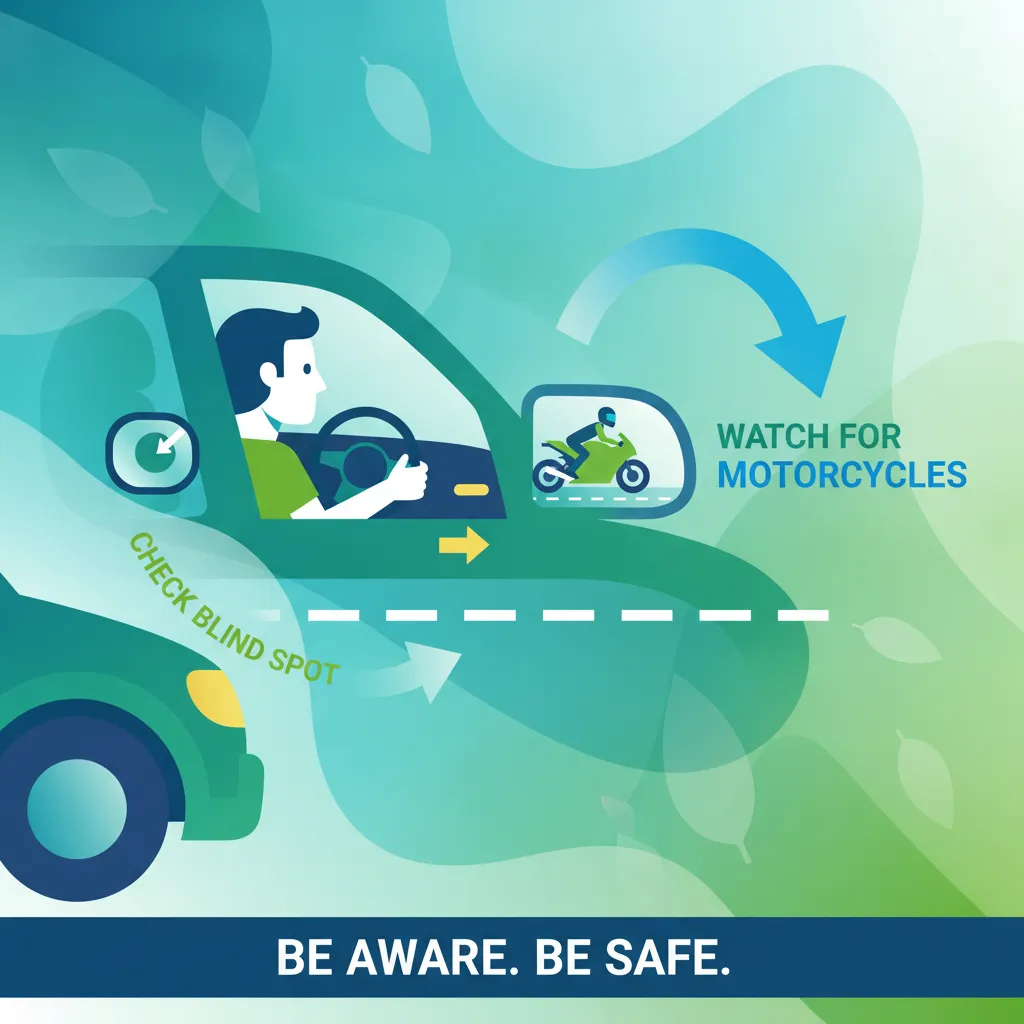
Learners will gain insight into the unique challenges posed by motorcycles and scooters sharing the road with passenger vehicles. The lesson highlights the importance of checking blind spots, maintaining safe following distances, and being aware of the faster acceleration and maneuverability of two-wheeled vehicles. Strategies for anticipating their movements and preventing collisions are discussed.
This lesson focuses on protecting vulnerable road users, such as pedestrians, cyclists, and motorcyclists, in mixed traffic environments. Learners will examine specific strategies for increased vigilance, anticipatory driving, and properly yielding to these users. The lesson also covers high-risk zones, such as school areas and public transport stops, emphasizing the need for heightened safety.
Understand the critical role of traffic signs and priority regulations when operating a moped under Turkish traffic law. This lesson explores how to interpret regulatory and warning signs, and how to correctly handle priority situations at intersections and crossings to ensure safe and legal travel.
Correctly interpreting traffic signal sequences and priority rules is crucial for preventing devastating right-angle collisions at intersections. This lesson breaks down the phase progression of standard lights, the meanings of flashing amber or red indicators, and the hierarchy of traffic control when a police officer is directing vehicles. You will also master the basic legal default rules of right-of-way, such as yielding to vehicles coming from the right at uncontrolled junctions.
Regulatory traffic signs convey absolute legal commands that riders must obey to avoid heavy fines and ensure safe, orderly movement. This lesson walks through prohibitory indicators, mandatory speed limits, turn restrictions, and specific moped bans on motorways or designated high-speed corridors. You will learn to recognize the distinctive shapes and colors of these signs, enabling rapid, accurate decision-making while operating your lightweight vehicle under Turkish highway laws.
This lesson focuses on priority rules at controlled intersections equipped with traffic signals, stop signs, or yield signs. Learners will understand how to interpret traffic light phases, comply with stop and yield indications, and assess right-of-way at these intersections. The lesson also covers pedestrian and cyclist considerations, as well as emergency vehicle priority.
This lesson focuses on the identification and interpretation of traffic signs and road markings that are particularly relevant to passenger vehicle drivers, such as bus lane indications, priority road signs, and specific speed limits. Learners will explore how these signs affect route planning, compliance, and the overall flow of traffic. Mastery of sign interpretation ensures safe and lawful operation in various traffic conditions.
In this lesson, learners explore priority rules specific to uncontrolled intersections, where traffic signals or signs are absent. Topics include determining right-of-way based on vehicle classification, approach angle, and arrival sequence. The lesson emphasizes the importance of stopping, yielding, and assessing potential hazards before proceeding.
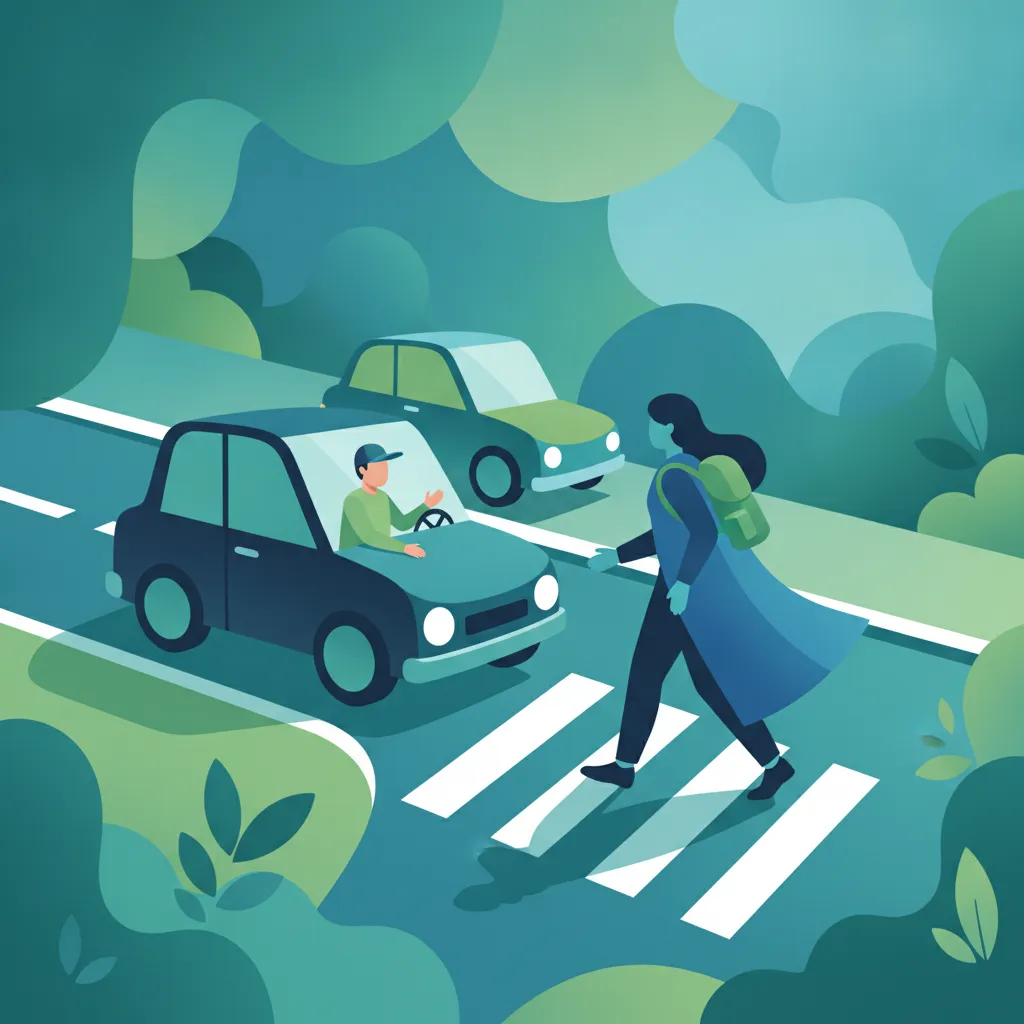
This lesson provides an overview of the general priority principles that dictate right-of-way on Turkish roads. Topics include the hierarchy of road users, such as pedestrians, cyclists, and emergency vehicles, and how these hierarchies apply at various intersections. Learners will understand the fundamental concepts of yielding, stopping, and proceeding, as well as the importance of clear decision-making.
Roundabouts require a clear understanding of yield regulations and precise signaling to avoid conflicts with larger vehicles. This lesson details the legal requirements under Turkish road rules, which demand that entering vehicles yield to traffic already circulating inside the roundabout. You will learn how to select the appropriate lane upon entry, maintain a steady speed, signal your exit intentions clearly with your indicators, and remain alert to drivers who cut across lanes.
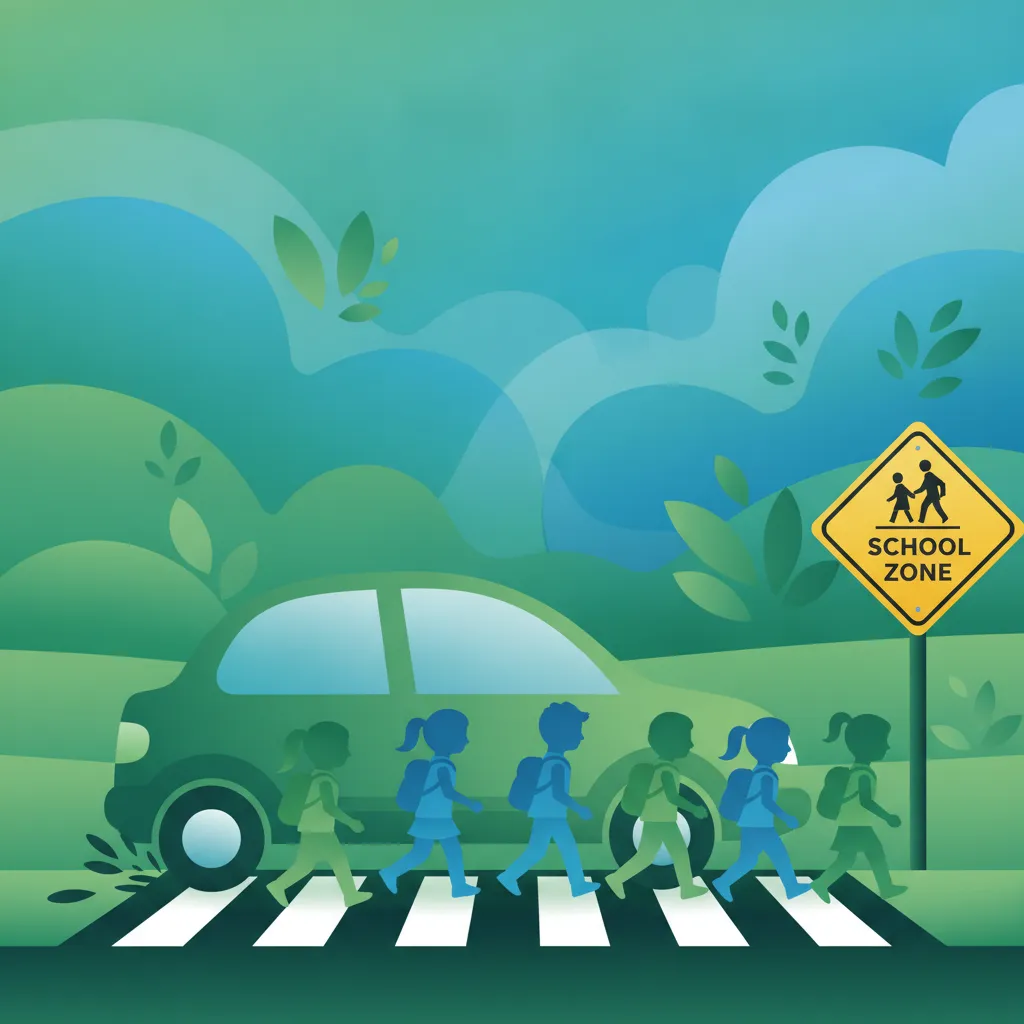
Protecting vulnerable road users is a core legal and ethical responsibility for all motorized vehicle operators in Turkey. This lesson covers the absolute requirement to yield to pedestrians at marked crosswalks, zebra crossings, and designated school zones. You will learn how to identify these zones early, reduce your speed proactively, and maintain heightened situational awareness for children or distracted pedestrians who may step onto the road unexpectedly.
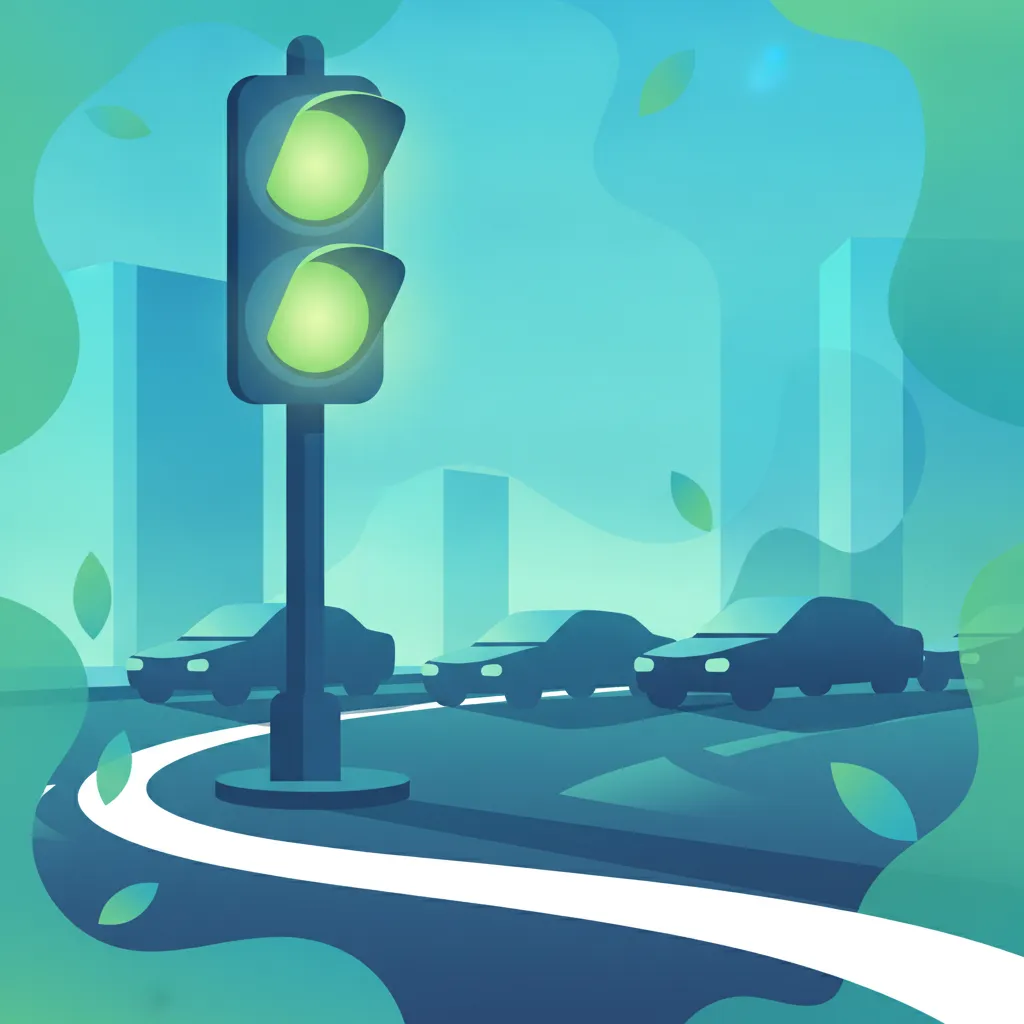
This lesson provides an in-depth understanding of traffic light signals and their role in regulating intersection traffic. Learners will study the meanings of red, yellow, and green lights, as well as pedestrian and bicycle signals. The lesson also covers special conditions such as flashing signals and signal malfunctions. Emphasis is placed on the correct driver response to each signal phase.
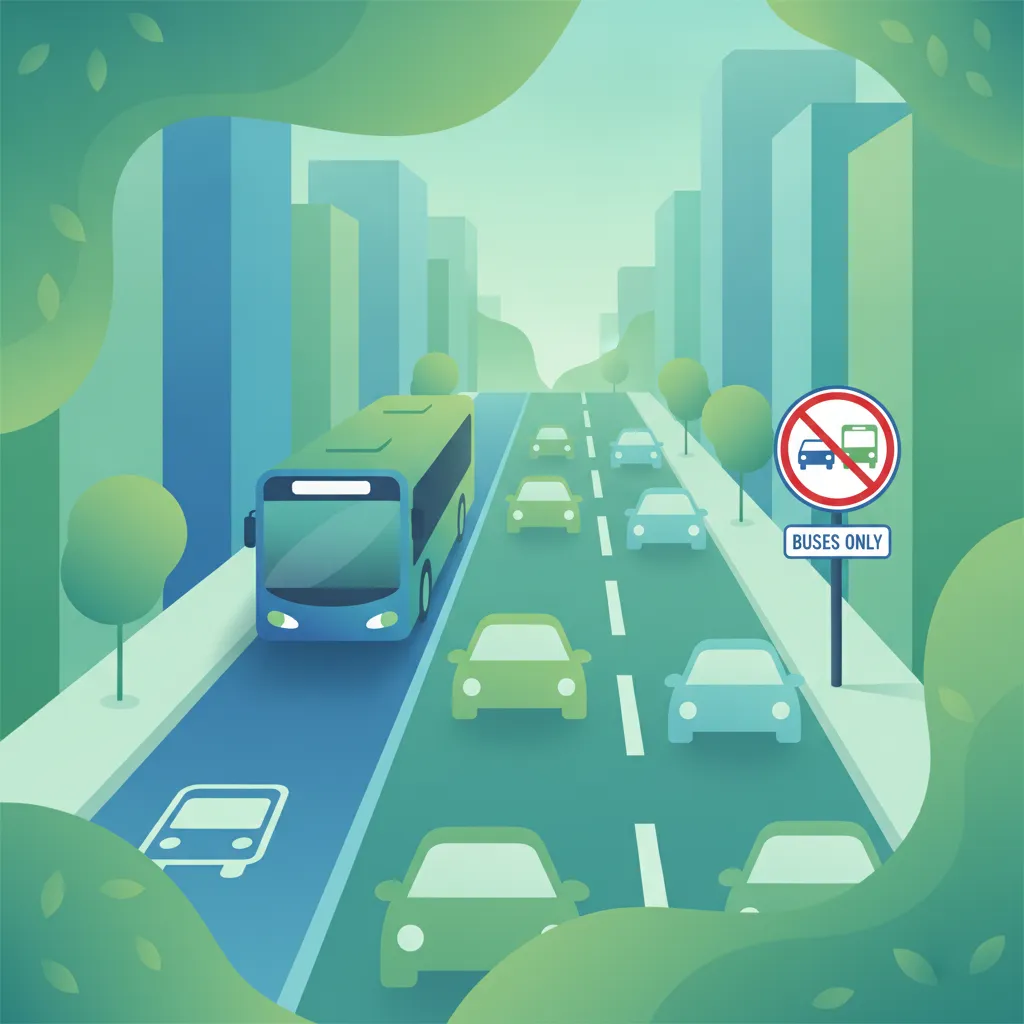
Learners will explore the specific regulations governing bus lanes, priority routes, and other legal restrictions applicable to passenger vehicles. The lesson covers the conditions under which buses may use dedicated lanes, how to navigate priority roadways, and the penalties associated with misuse. Understanding these rules is essential for efficient operation and avoiding violations in high-traffic areas.
Find clear answers to common questions learners have about Environmental and Community Responsibilities. Learn how the lesson is structured, which driving theory objectives it supports, and how it fits into the overall learning path of units and curriculum progression in Turkey. These explanations help you understand key concepts, lesson flow, and exam focused study goals.
The exam tests your understanding of traffic as a public system. As a rider, your vehicle maintenance and riding style directly affect urban air quality, noise levels, and overall road safety, all of which are covered by Turkish traffic regulations.
You can significantly reduce your footprint by ensuring your engine is well-maintained, avoiding excessive idling, and practicing smooth, gradual acceleration rather than sudden bursts of speed.
Prioritizing the safety of vulnerable road users like pedestrians, children, and the elderly is paramount. This includes yielding correctly, staying alert in crowded zones, and maintaining a non-threatening driving style.
Yes, excessive noise is often linked to illegal modifications and poor maintenance. Questions may ask about the legality of altered exhaust systems or the importance of keeping noise levels within legal limits.
Use our comprehensive practice search to find exactly the Turkish driving theory questions you need to master. Whether reviewing specific road signs, traffic rules, or first aid scenarios, select your perfect practice set and boost your confidence for the official ehliyet sınavı.