
This lesson explores how the physical characteristics of heavy goods vehicles influence road usage, lane discipline, and interactions with infrastructure. Understanding these parameters is essential for professional drivers to navigate Turkish roads safely and legally.
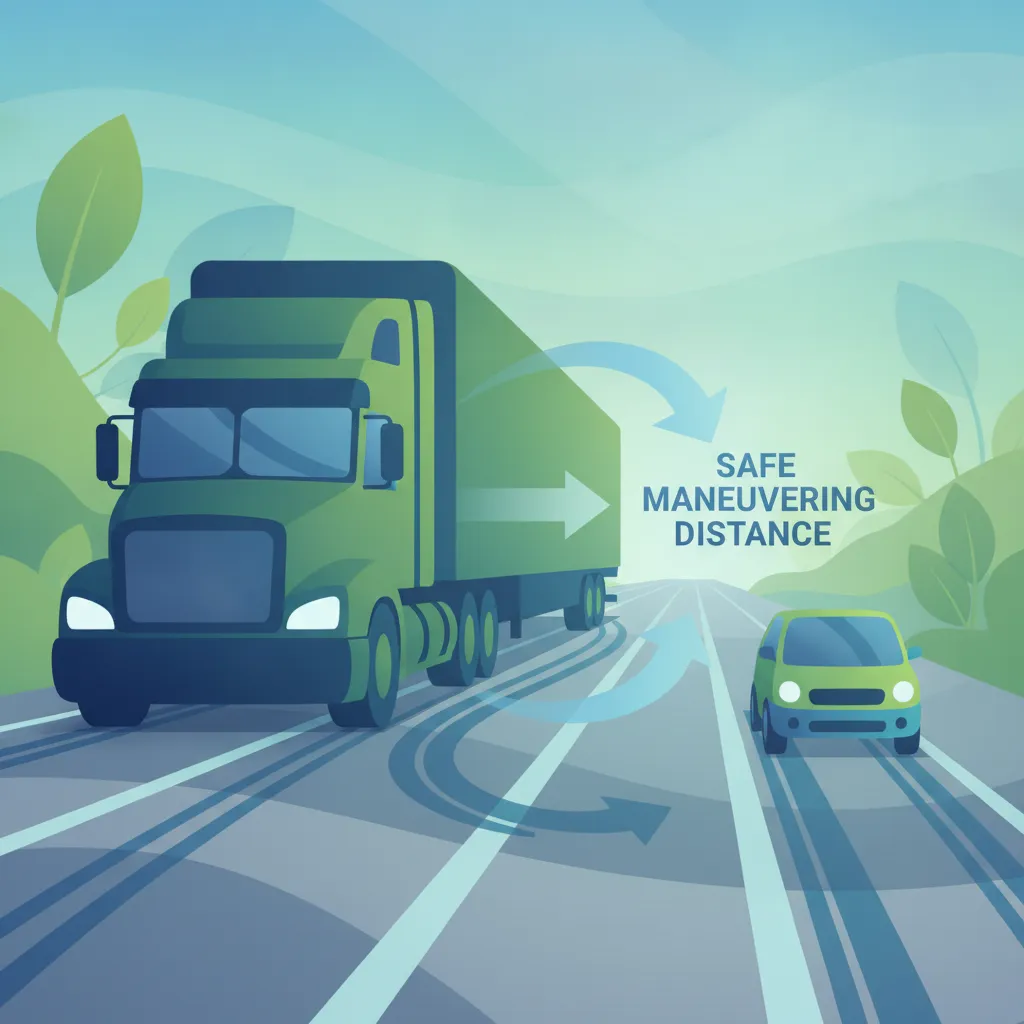
Lesson content overview
Operating a large commercial vehicle requires a comprehensive understanding of how its physical dimensions interact with the physical environment and other traffic. In the context of the Turkey Professional Goods Vehicle Theory Course, drivers seeking C1, C, C1E, or CE licenses must master the principles of road space consumption, infrastructure limitations, and the mechanical impact their vehicles have on road networks.
Large goods vehicles (heavy goods vehicles or kamyon / çekici in Turkish) do not behave like passenger cars. Their height, width, length, and weight create unique physical demands that dictate where they can travel, how they must turn, and how they impact public infrastructure. Failing to respect these physical limits can lead to devastating structural collisions, severe traffic congestion, rapid road deterioration, and significant legal penalties under the Turkish Highway Traffic Regulation (Karayolları Trafik Yönetmeliği).
Road space consumption refers to the physical portion of the roadway occupied by a vehicle, both when stationary and when in motion. For professional drivers, managing this space requires transitioning from a "static" mindset to a "dynamic" one.
The actual volume of space a vehicle occupies while in motion, which includes its static physical dimensions plus the extra clearance needed for lateral movement, body roll, wind drift, and turning maneuvers.
While parked, a standard commercial vehicle occupies a fixed envelope of space. However, as soon as the vehicle moves, its spatial footprint increases dramatically:
A primary challenge of driving a large vehicle is managing its turning radius. Because the rear wheels of a long vehicle or trailer combination do not follow the exact track of the front steering wheels, the vehicle requires a much wider path to complete turns safely.
When negotiating a curve or a corner, the rear wheels of a vehicle pull closer to the inside of the turn than the front wheels. This phenomenon is known as off-tracking or trailer cut-in. The longer the distance between the front steering axle and the rear axle (the wheelbase), the greater the off-tracking effect.
While the rear of the vehicle cuts inward, the front outer corner of the cab or trailer swings outward. Professional drivers must manage both ends of the vehicle simultaneously during a maneuver:
Assess the Space: Observe the intersection early. Look for narrow lanes, pedestrian crossings, traffic islands, and low-hanging signs.
Check Mirrors Constantly: Verify the position of both the front outer swing and the inner rear wheels. Watch out for vulnerable road users (cyclists, motorcyclists, and pedestrians) who may try to squeeze into the open space on your inside flank.
Adjust Your Approach: Position your vehicle to maximize the available turning radius. For a right turn, this may involve positioning the vehicle further to the left of your lane before starting the turn, provided it is safe and properly signaled.
Maintain Low Speed: Slower speeds reduce the rate of lateral shift and give you more time to react if an obstacle or pedestrian appears in your blind spots.
Striking an overhead structure—such as a bridge, tunnel, or utility cable—is one of the most severe and preventable accidents a professional driver can cause. Bridge strikes lead to massive structural damage, long-term traffic disruption, and immediate loss of professional driving privileges.
In Turkey, the maximum legal height limit (yükseklik gabarisi) for standard vehicles on public roads is 4.00 metres under the Karayolları Trafik Yönetmeliği. However, drivers must never assume that every road or bridge accommodates this height.
Never rely solely on GPS navigation systems. Standard consumer GPS systems do not account for commercial vehicle dimensions. Always plan your route using specialized heavy vehicle route planners and remain highly attentive to road signs.
The weight of a commercial vehicle is transferred to the road surface through its axles and tires. Improperly loaded vehicles or those exceeding legal axle weight limits (aks yükü) cause exponential damage to asphalt and concrete road surfaces.
Road damage is not linearly proportional to vehicle weight. According to engineering principles often referred to as the "fourth-power law," road wear increases exponentially with axle load. For example, doubling the weight on an axle causes roughly sixteen times more wear to the pavement.
To protect the country's road network, Turkey enforces strict axle weight limitations. Drivers are held responsible for ensuring their vehicle's axle distribution matches legal requirements, which vary depending on whether the axle is steering, driving, single, tandem, or triple-axle groups.
Due to their width, large goods vehicles occupy a substantial portion of standard driving lanes. Under Turkish traffic rules, a standard lane is designed to accommodate general traffic, but in historic urban areas, older roads, or temporary construction zones, lanes can be extremely narrow.
Standard heavy vehicles can be up to 2.55 metres wide (or 2.60 metres for refrigerated bodies/isothermal vehicles), excluding side mirrors. On a narrow 3.00-metre lane, this leaves only 20 to 25 centimetres of clearance on either side of the vehicle.
Large vehicles significantly affect the flow of traffic in dense city centers. Their slower acceleration rates, wide turning requirements, and frequent loading stops can easily trigger gridlock if not managed properly.
The physical impact of a large vehicle’s size and weight is highly sensitive to external conditions. Professional drivers must adjust their driving style based on the environment, weather, and the state of the vehicle's load.
The driving dynamics of your vehicle change completely depending on whether you are carrying a full payload or traveling empty (boş):
Failing to manage vehicle size and its impact on infrastructure leads to severe consequences. Below is a summary of frequent driver errors and how to avoid them:
To deepen your preparation for the Turkey Professional Goods Vehicle Theory Exam, explore these related structural, regulatory, and maneuver-focused topics.
To test your practical knowledge of vehicle dimensions, height clearances, and urban driving maneuvers under pressure, try our dedicated practice modules.
This lesson covers how the physical dimensions of heavy goods vehicles interact with Turkish road infrastructure, including the critical difference between static vehicle footprint and dynamic envelope during motion. Key topics include height limits under Turkish gabari regulations, off-tracking mechanics during turns, and the exponential relationship between axle load and road wear. Professional drivers must master route planning for narrow urban spaces, understand UKOME entry restrictions for city centres, and recognise how weather and load state affect vehicle stability. The lesson prepares learners for MTSK e-sınav questions on bridge clearance, axle limits, and safe maneuvering of C-category vehicles.
A short set of high-value points that capture the most important learning from this lesson.
Large vehicles have a dynamic envelope that extends beyond their static dimensions due to lateral sway, mirror extensions, and rear overhang swing during turns.
The maximum legal vehicle height in Turkey is 4.00 metres, but drivers must verify actual clearance at every bridge and tunnel as posted signs may be outdated after resurfacing.
Road damage increases with the fourth power of axle load, meaning doubling axle weight causes roughly sixteen times more pavement wear.
Off-tracking causes rear wheels to cut inside the turn path, requiring drivers to swing wide and monitor both inner mirrors and outer corners simultaneously.
Heavy vehicle entry into Turkish city centres is regulated by UKOME decisions, with specific time windows for delivery scheduling to avoid fines.
Explore all units and lessons included in this driving theory course.
Bridge arches are lower at the edges than at centre; high vehicles may clear the middle but strike the sides when forced to drive offset.
Loaded vehicles have longer braking distances and higher rollover risk on curves; empty vehicles are more susceptible to wind and suspension bounce.
Standard lane width leaves only 20-25 cm clearance on each side for a 2.55m-wide truck in a 3.00m lane—precise centering is essential.
Consumer GPS systems do not account for commercial vehicle dimensions; specialised heavy vehicle route planners must be used.
Axle weight distribution must be checked before departure to prevent fines at Ulaştırma Hizmetleri weight stations.
Relying solely on GPS navigation instead of checking physical height clearance signs at every low bridge or tunnel.
Assuming a vehicle with adjustable suspension is at maximum height when the measurement should always be taken at the actual travel height.
Cutting corners too sharply without accounting for rear overhang swing, risking damage to curbs, pedestrians, or roadside structures.
Failing to adjust driving speed before low bridges, as suspension bounce at higher speeds can cause a vehicle to strike an overhead structure.
Not checking local UKOME entry restrictions before entering city centres, resulting in fines and legal penalties.
Lesson content overview
A short set of high-value points that capture the most important learning from this lesson.
Large vehicles have a dynamic envelope that extends beyond their static dimensions due to lateral sway, mirror extensions, and rear overhang swing during turns.
The maximum legal vehicle height in Turkey is 4.00 metres, but drivers must verify actual clearance at every bridge and tunnel as posted signs may be outdated after resurfacing.
Road damage increases with the fourth power of axle load, meaning doubling axle weight causes roughly sixteen times more pavement wear.
Off-tracking causes rear wheels to cut inside the turn path, requiring drivers to swing wide and monitor both inner mirrors and outer corners simultaneously.
Heavy vehicle entry into Turkish city centres is regulated by UKOME decisions, with specific time windows for delivery scheduling to avoid fines.
Explore all units and lessons included in this driving theory course.
Bridge arches are lower at the edges than at centre; high vehicles may clear the middle but strike the sides when forced to drive offset.
Loaded vehicles have longer braking distances and higher rollover risk on curves; empty vehicles are more susceptible to wind and suspension bounce.
Standard lane width leaves only 20-25 cm clearance on each side for a 2.55m-wide truck in a 3.00m lane—precise centering is essential.
Consumer GPS systems do not account for commercial vehicle dimensions; specialised heavy vehicle route planners must be used.
Axle weight distribution must be checked before departure to prevent fines at Ulaştırma Hizmetleri weight stations.
Relying solely on GPS navigation instead of checking physical height clearance signs at every low bridge or tunnel.
Assuming a vehicle with adjustable suspension is at maximum height when the measurement should always be taken at the actual travel height.
Cutting corners too sharply without accounting for rear overhang swing, risking damage to curbs, pedestrians, or roadside structures.
Failing to adjust driving speed before low bridges, as suspension bounce at higher speeds can cause a vehicle to strike an overhead structure.
Not checking local UKOME entry restrictions before entering city centres, resulting in fines and legal penalties.
Explore search topics learners often look for when studying Impact of Size on Road Usage and Infrastructure. These topics reflect common questions about road rules, driving situations, safety guidance, and lesson level theory preparation for learners in Turkey.
Browse additional driving theory lessons that cover connected traffic rules, road signs, and common driving situations related to this topic. Improve your understanding of how different rules interact across everyday traffic scenarios.
Learn the legal requirements for planning routes with large goods vehicles in Turkey. This guide covers how to identify access restrictions, navigate height clearances, and comply with urban entry regulations for professional drivers.
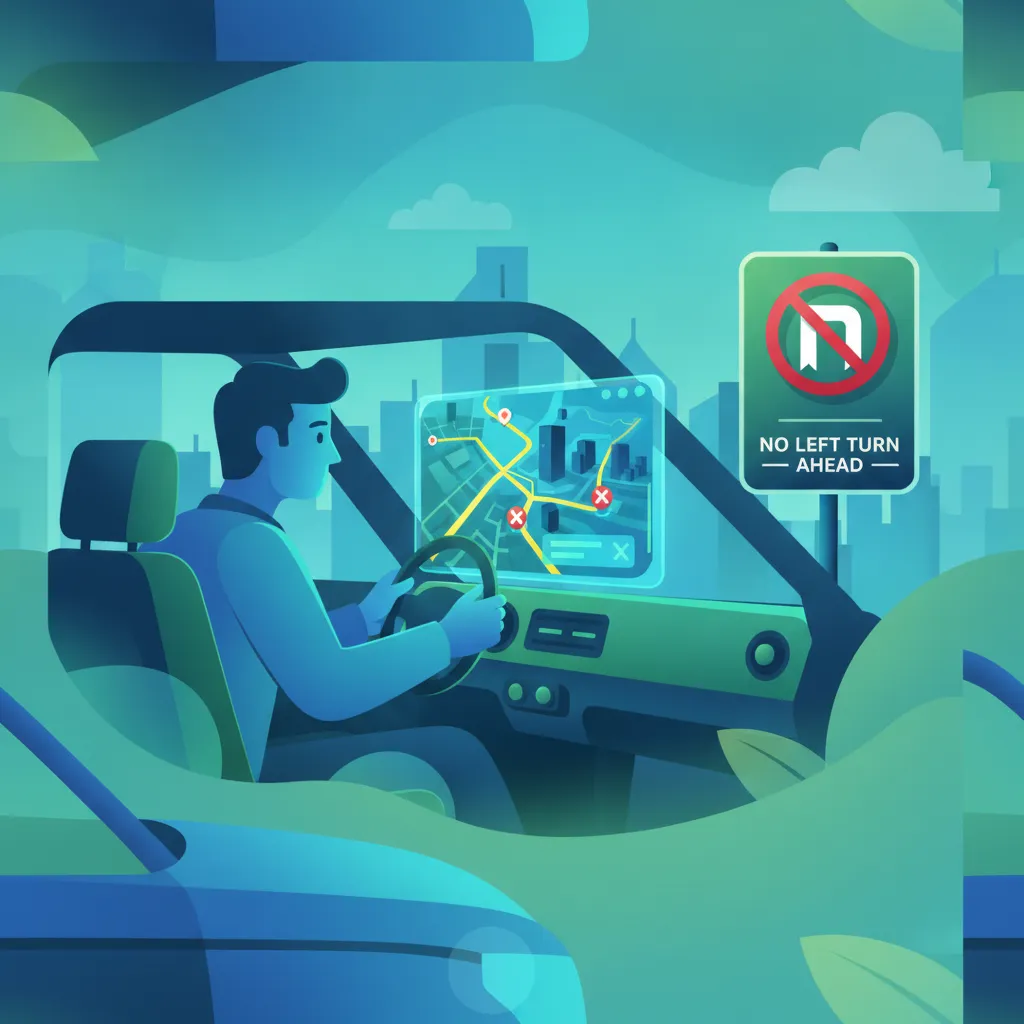
This lesson explores the legal and practical aspects of route planning for goods vehicles, emphasizing the importance of selecting suitable routes that adhere to road restrictions. Learners will learn how to identify roads with weight limits, height clearance, and prohibited zones for heavy vehicles. They will also discover how to use navigation systems and truck-specific GPS effectively.
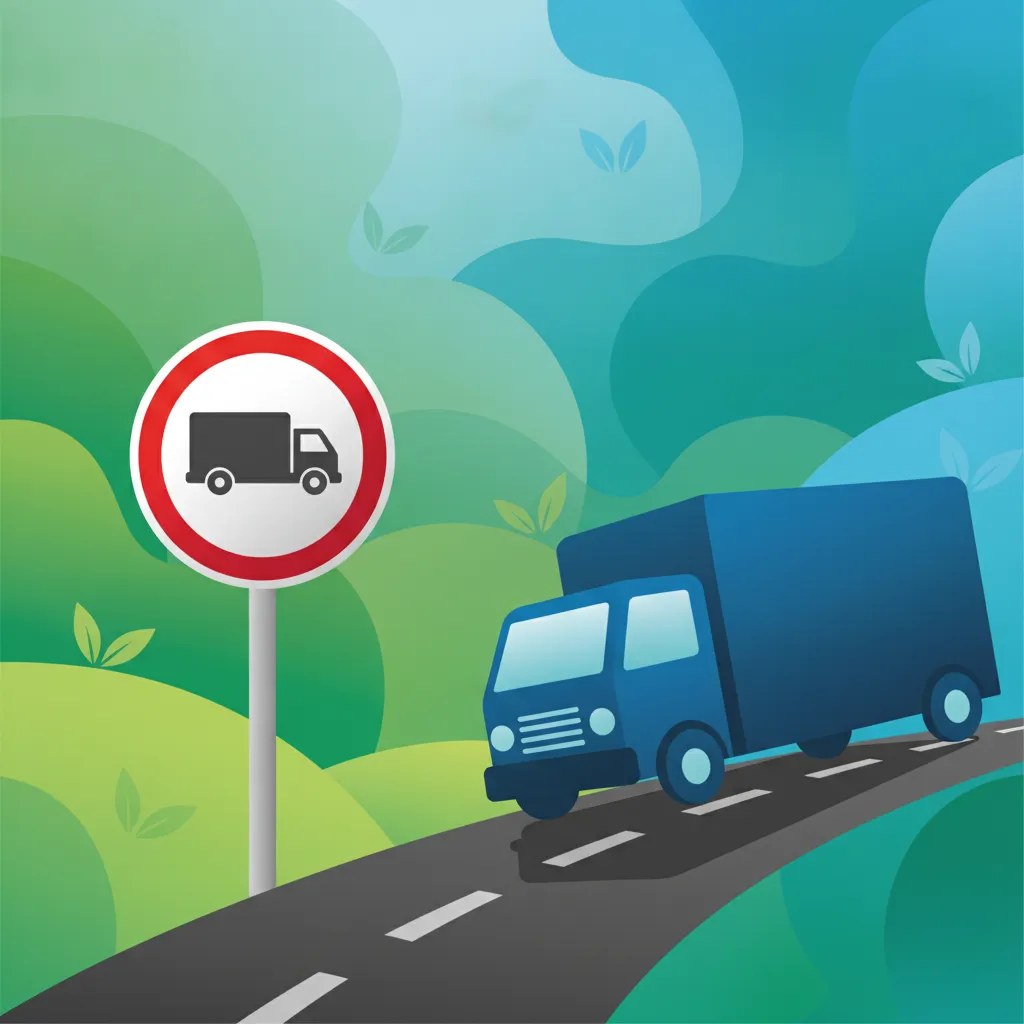
This lesson focuses on traffic signs and road markings that are specifically relevant to goods vehicles in Turkey. Learners will become familiar with signs indicating prohibited routes, weight limits, height restrictions, hazardous material transport, and lane usage regulations. The lesson emphasizes the importance of accurately interpreting these signs to ensure compliance with traffic laws.
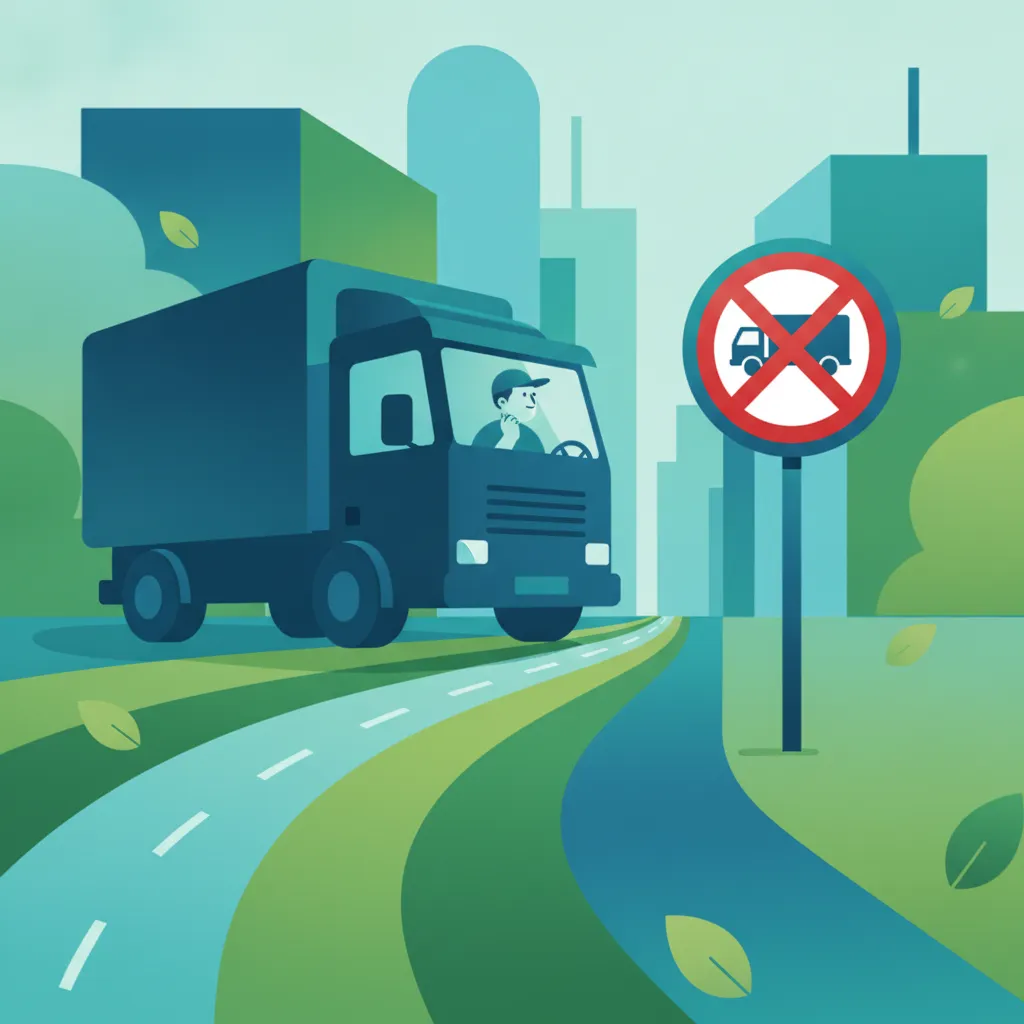
This lesson focuses on the various access restrictions imposed on heavy goods vehicles within Turkish road networks. Learners will understand the reasons for restrictions such as low bridge clearances, tunnel usage, construction zones, and urban delivery area limitations. The lesson also covers how to recognize and comply with legal notices and signage indicating restricted commercial zones.

This lesson provides a detailed overview of the classification system for goods vehicles in Turkey, focusing on the specific dimensional limits for each category. Learners will become familiar with the maximum allowable length, width, and height for these vehicles, as defined by Turkish law. Understanding these limits is crucial for ensuring compliance with road regulations and avoiding serious violations.

This lesson focuses on the importance of maintaining safe following distances for goods vehicles, taking into account longer braking distances and increased load. Learners will learn how to calculate appropriate gaps based on speed, road conditions, and vehicle dynamics. The lesson emphasizes safe following practices to prevent rear-end collisions and improve overall traffic safety in Turkey.
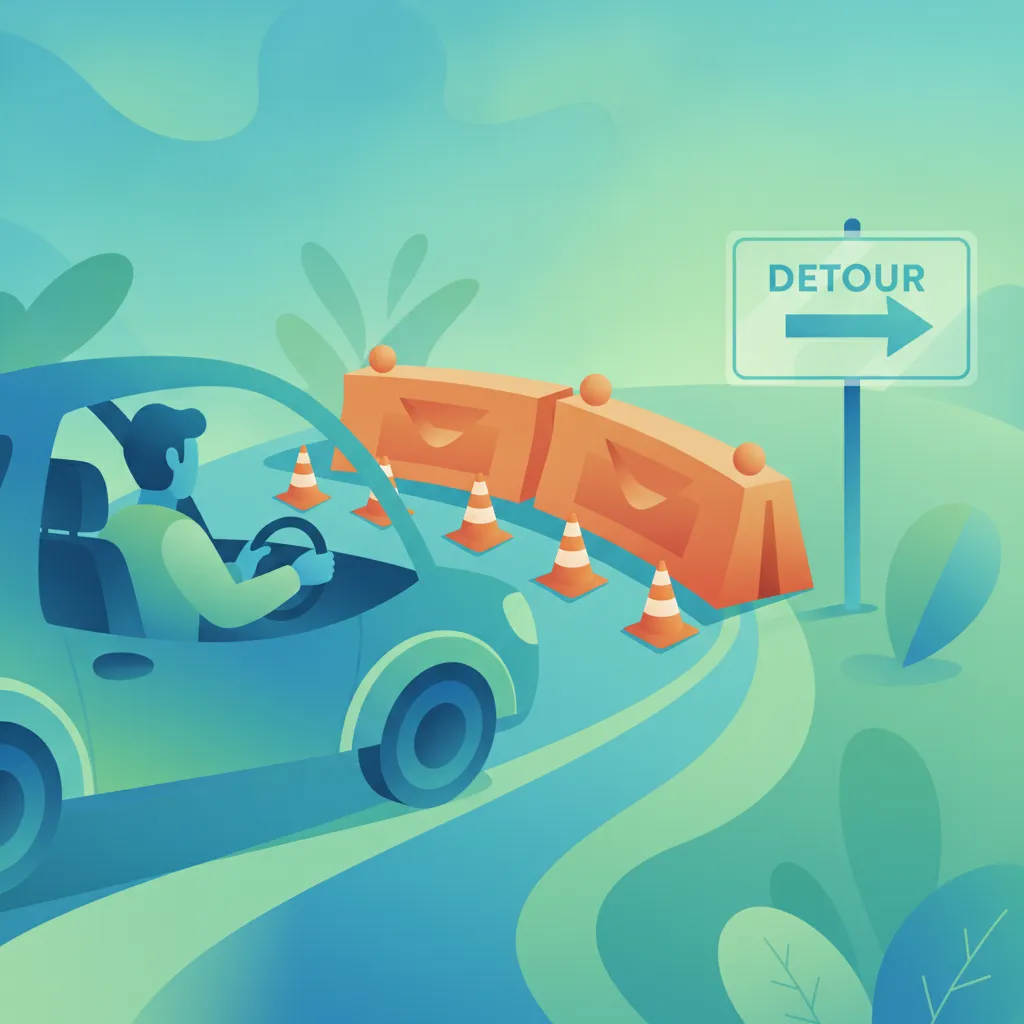
This lesson focuses on effectively managing road closures and detours that affect goods vehicle routes. Learners will explore strategies for obtaining real-time information, updating navigation systems, and planning alternate routes to maintain efficiency and compliance. Emphasis is placed on safety considerations, communication with dispatch centers, and adhering to traffic management.
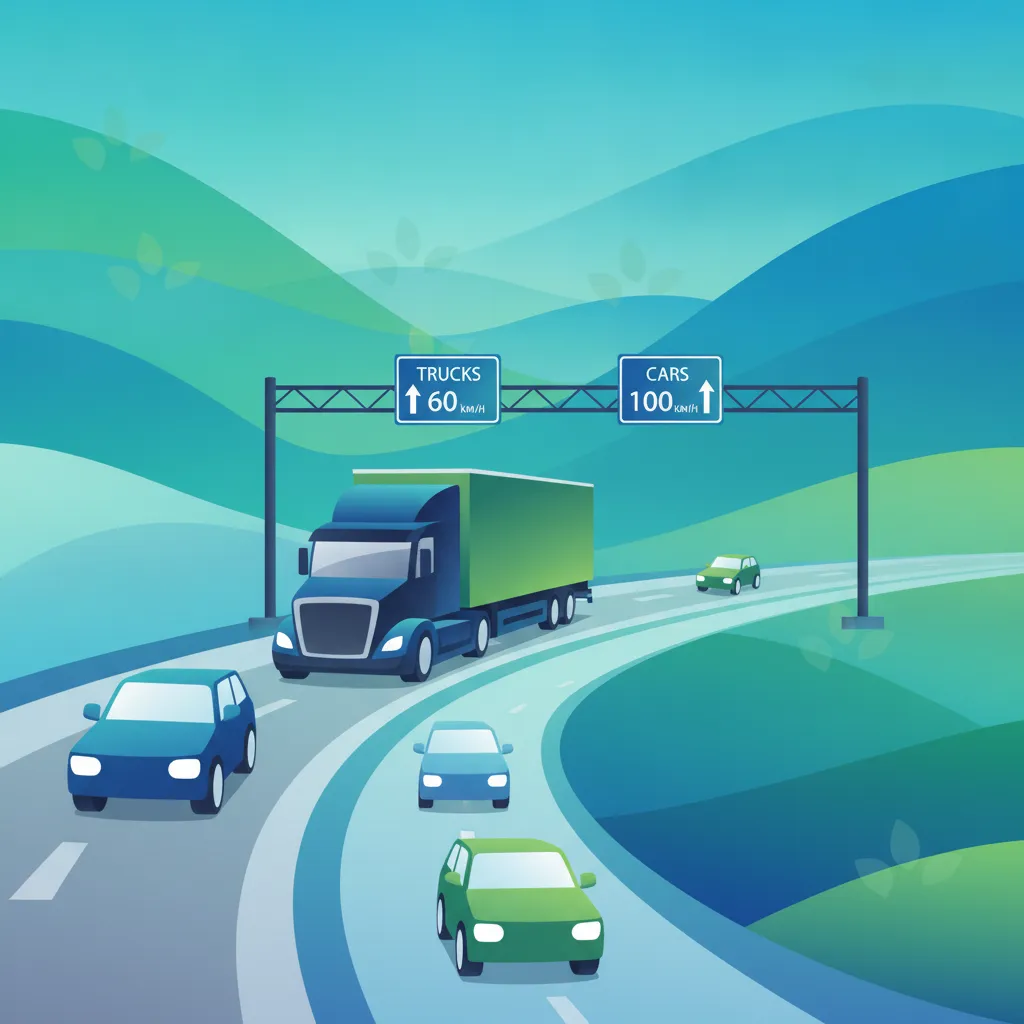
This lesson focuses on speed regulation for goods vehicles, highlighting how vehicle weight, load, and road conditions influence safe operating speeds. Learners will understand legal speed limits for various road types and the necessity of adapting speed to traffic flow and environmental conditions. The lesson also emphasizes the importance of maintaining appropriate speed to ensure vehicle control.
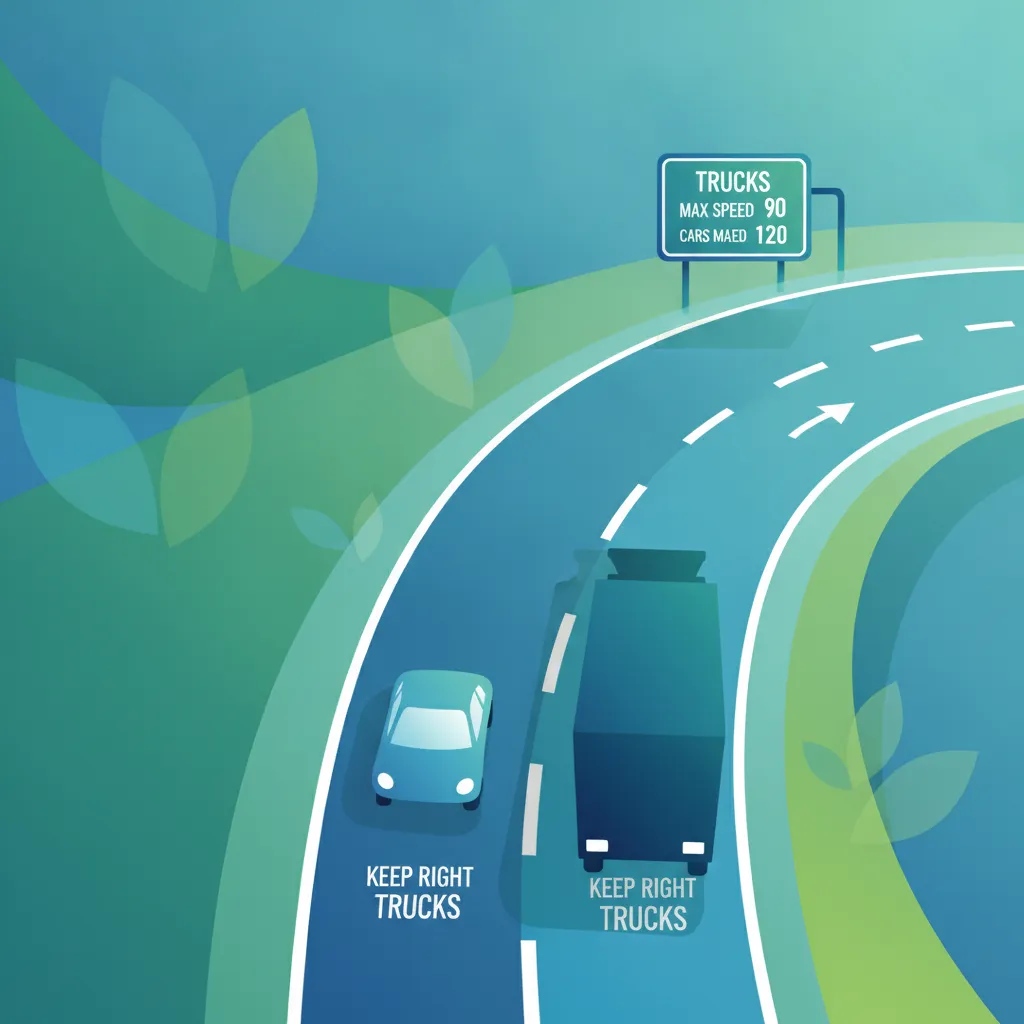
This lesson addresses the specific considerations for goods vehicle operation on highways and expressways, covering speed limits, lane discipline, safe merging, and overtaking. Learners will learn how to adapt to traffic flow, manage heavy vehicle dynamics at higher speeds, and ensure safe operation. The lesson emphasizes the importance of vigilance and proper lane usage to prevent accidents.

This lesson focuses on the essential principles of load planning and weight distribution for goods vehicles. Learners will understand how to assess cargo weight, determine optimal placement, and maintain a low centre of gravity to ensure vehicle stability. The lesson emphasizes legal load limits, the dangers of overloading, and the impact of uneven load distribution on handling and braking.
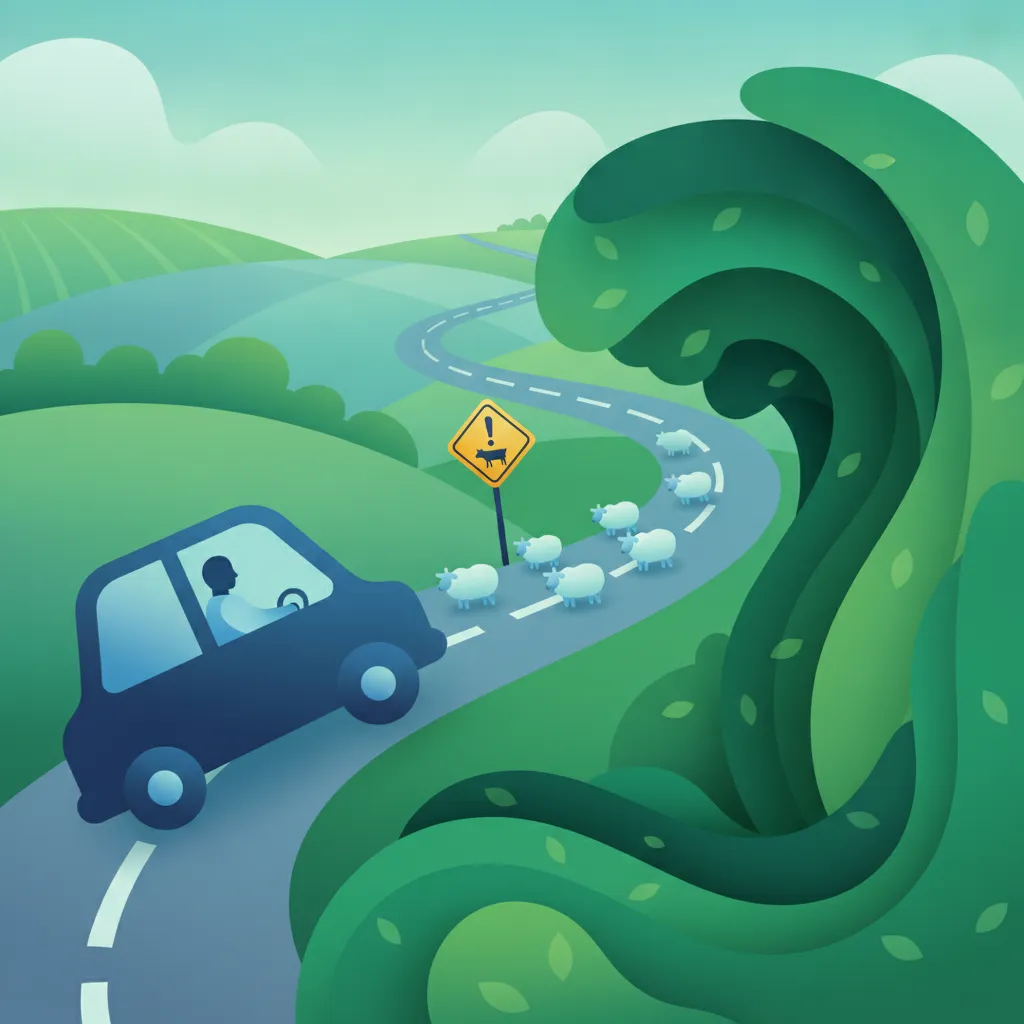
This lesson explores the unique challenges encountered when driving goods vehicles on rural roads, including narrow widths, sharp curves, animal crossings, and varying road surface conditions. Learners will understand the importance of adjusting speed, maintaining vigilance, and respecting road markings. Emphasis is placed on safe navigation practices to mitigate risks associated with rural areas.
Explore the physical dynamics of operating large vehicles on public roads. Understand the principles of off-tracking, rear overhang swing, and how to safely negotiate narrow intersections and turns without endangering vulnerable road users or property.
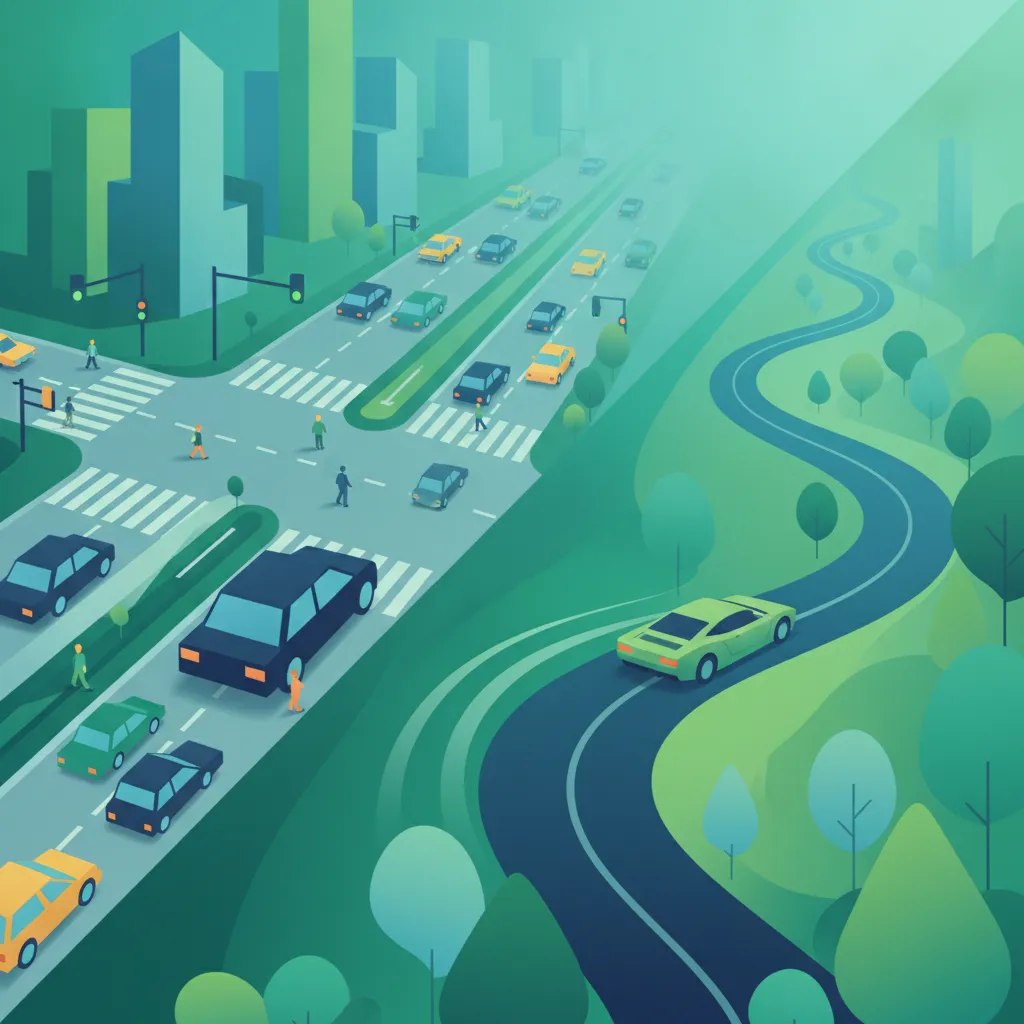
This lesson delves into specific manoeuvring strategies required when navigating both tight urban environments and open rural roads with large passenger vehicles. Learners will explore techniques for handling narrow streets, tight turns, and intersections, while maintaining safety and efficiency. The content emphasizes planning and execution of manoeuvres based on road conditions and vehicle dimensions.
This lesson focuses on the challenges and techniques required when maneuvering goods vehicles in confined spaces such as loading docks, narrow streets, and urban environments. It addresses the importance of spatial awareness, precision driving, and understanding vehicle dimensions to avoid collisions. Learners will explore strategies for effective parking, reversing, and handling blind spots safely.

The lesson examines how the physical dimensions of passenger vehicles influence their handling, maneuverability, and blind spot areas. Learners will understand the effects of length, width, height, and wheelbase on turning radius, lane changes, and overall vehicle stability. Grasping these concepts is essential for safe operation in varied traffic environments and tight spaces.
Find clear answers to common questions learners have about Impact of Size on Road Usage and Infrastructure. Learn how the lesson is structured, which driving theory objectives it supports, and how it fits into the overall learning path of units and curriculum progression in Turkey. These explanations help you understand key concepts, lesson flow, and exam focused study goals.
Driving a heavy vehicle requires strict adherence to vertical clearances. Miscalculating height can lead to severe accidents, significant structural damage, and legal penalties under Turkish traffic law.
Roads are categorized by their weight-bearing capacity. Choosing a route that exceeds the legal axle weight limit can cause road surface degradation and result in heavy fines or license points.
Yes, different vehicle categories have varying maximum dimensions and weight limits. Always consult your vehicle's registration documentation against the specific signage on your planned route.
If your vehicle's width exceeds the limit indicated on the sign, you must find an alternative route immediately. Do not attempt to bypass such signs, as they are placed to prevent collisions in narrow passages.
Use our comprehensive practice search to find exactly the Turkish driving theory questions you need to master. Whether reviewing specific road signs, traffic rules, or first aid scenarios, select your perfect practice set and boost your confidence for the official ehliyet sınavı.