
This lesson explores the physics of traction and road surface hazards for AM vehicle operators. By understanding how different textures and conditions affect your tire grip, you will learn to adjust your riding style to maintain stability and prevent accidents in various French traffic environments.
Lesson content overview
For riders of light motorized vehicles under the French Category AM licence (such as 50cc scooters, mopeds, and light quadricycles), maintaining tyre grip is the single most important factor in staying upright and in control. Because light two-wheelers rely on an incredibly small contact area with the road surface, even minor changes in the environment can dramatically alter vehicle stability.
Understanding how different surfaces affect your tyres, and knowing how to adapt your speed and riding techniques, is a core safety requirement of the French Code de la route. This lesson provides a detailed look at the physics of traction, how to optimize your tyre contact patch, and how to safely navigate the varying road surfaces you will encounter in both urban and rural France.
Traction is governed by the physical interaction between your tyres and the road surface. This interaction is measured by the friction coefficient (represented by the Greek letter or "mu"). The friction coefficient is the ratio between the force of traction and the downward gravitational load (normal force) acting on the tyres.
The numerical ratio describing the friction between two bodies—specifically, the vehicle's rubber tyres and the road surface. A higher coefficient represents more grip, while a lower coefficient indicates a slicker surface with a high risk of skidding.
The friction coefficient is highly dynamic and changes constantly as you ride. Understanding its typical values on different surfaces allows you to anticipate hazards before your vehicle begins to slide.
A common mistake among new riders is assuming that a road is safe simply because it looks dry. Micro-layers of dust, freshly laid gravel (gravillons), or even polished asphalt at busy city intersections can significantly lower the friction coefficient without any obvious visual warning.
For a standard 50cc scooter, the total surface area of rubber contacting the asphalt at any given moment—known as the contact patch—is no larger than the size of a small credit card. Maximizing the efficiency of this tiny contact patch is your primary defense against sliding.
Correct tyre inflation is mandatory for both legal compliance and basic safety.
Under French safety guidelines, Category AM riders must understand how carrying extra weight (such as a passenger or heavy luggage in a top box) alters the contact patch. Added weight increases the downward load, which can slightly increase traction on the rear wheel, but it also increases the vehicle’s overall momentum. This means it will take much longer to stop, and the front tyre may feel light and lose steering authority.
Always check your tyres weekly. Ensure there are no cracks, bulges, or embedded objects, and verify that the tread depth is well above the legal limit to ensure effective water evacuation on wet French roadways.
How you operate your scooter's controls directly dictates whether your tyres maintain grip or slip. Every acceleration, brake application, and turn shifts the vehicle's weight, changing the load—and therefore the available traction—on each tyre.
Whenever you change speed, weight transfers across the chassis:
To avoid breaking traction during weight transfer, you must practice progressive braking. This technique involves a two-stage application of the brake levers.
The Setup (Initial Squeeze): Gently apply the brake levers. This light pressure initiates weight transfer, compressing the front suspension and widening the front tyre's contact patch.
The Squeeze (Increasing Force): Once the weight has shifted forward and the front tyre is firmly pressed into the road, progressively increase your braking force to bring the vehicle to a controlled stop.
The Release: Smoothly ease off the brakes as you come to a complete stop to prevent a sudden rebound of the suspension, which can destabilize the scooter.
Abruptly snatching or slamming the brakes does not allow time for this weight transfer to occur. The tyre is forced to handle maximum braking force while still light, leading to an instant wheel lock and a crash.
On low-grip surfaces, sudden torque can easily break the traction of your drive wheel (the rear wheel). When accelerating from a stop on wet asphalt, gravel, or painted road markings, apply the throttle smoothly and progressively. If you feel the rear wheel spin, gently roll off the throttle to allow the tyre to regain its grip before gently reapplying power.
When a two-wheeler turns, it must lean. This lean angle balances the gravitational pull pulling the scooter down with the lateral (centrifugal) force pushing it outward.
The Golden Rule of Cornering: As your lean angle increases, the amount of traction available for braking or accelerating decreases. On low-grip surfaces, you must minimize your lean angle to keep your tyres within their traction limits.
If you attempt to turn sharply on a low-grip surface (such as wet pavement or gravel), the lateral force required to complete the turn will quickly exceed the maximum grip offered by a low friction coefficient (). The result is an instant "slide-out" or low-side crash, where the tyres slip out from underneath the vehicle.
To corner safely on compromised surfaces:
The road environment in France presents unique traction hazards depending on whether you are riding in a dense city or along rural routes.
Urban environments feature frequent transitions between highly slippery surfaces. Category AM riders must constantly scan the road for:
On French country roads (routes départementales), the hazards change:
After a collision or fluid spill, emergency services or road crews often spread sand or absorbent powder over the roadway.
Treat any sanded area or dusty intersection exactly as you would a gravel road. Reduce your speed significantly before reaching the sand, keep your scooter upright, and coast through with minimal control inputs.
The French Code de la route places a strict legal obligation on all drivers to adapt their speed to environmental conditions, regardless of the posted speed limit.
Under French law, the maximum speed limits (such as 45 km/h for Category AM vehicles) are set for optimal conditions. Article R413-17 states that drivers must reduce their speed when safety conditions require it, specifically noting:
Failure to adapt your speed to these conditions is a traffic violation. If you lose control of your vehicle on a wet or gravel road because you were driving at the maximum limit of 45 km/h, police can cite you for "speed excessive for the circumstances" (vitesse excessive eu égard aux circonstances), resulting in a class 4 fine (amende forfaitaire of €135).
Explore all units and lessons included in this driving theory course.
Lesson content overview
Explore all units and lessons included in this driving theory course.
Explore search topics learners often look for when studying Maintaining Grip on Various Surfaces. These topics reflect common questions about road rules, driving situations, safety guidance, and lesson level theory preparation for learners in France.
Browse additional driving theory lessons that cover connected traffic rules, road signs, and common driving situations related to this topic. Improve your understanding of how different rules interact across everyday traffic scenarios.
Learn the legal requirements under Article R413-17 of the French Code de la route. This guide explains your responsibility as an AM licence holder to adjust your speed based on weather, visibility, and surface quality to maintain vehicle control and comply with safety regulations.
This lesson focuses on the skill of adjusting speed according to real-time road conditions, visibility, and traffic density. Learners will learn to assess factors such as weather, road surface quality, and pedestrian activity to determine a safe riding speed under French regulatory expectations. By mastering adaptive speed control, riders can enhance safety and reduce the likelihood of accidents caused by inappropriate speed.
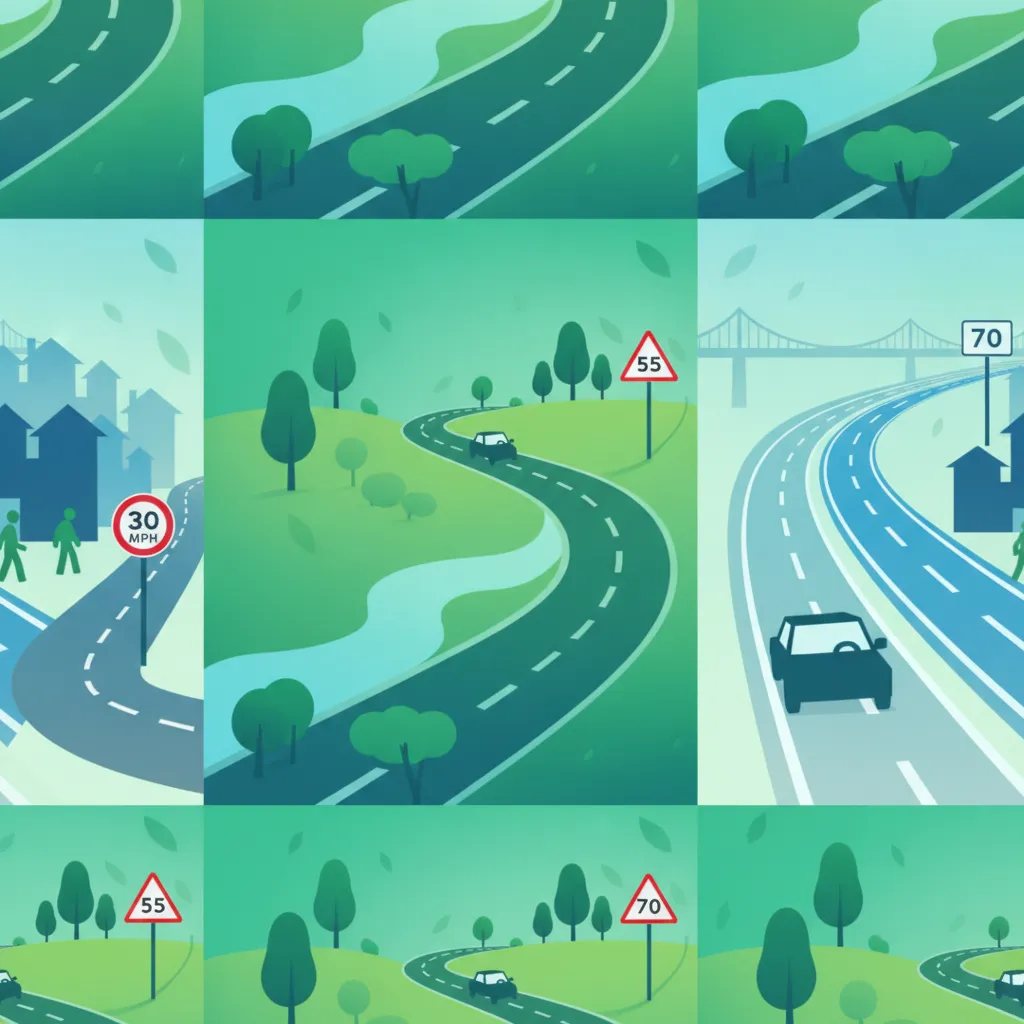
Speed limits in France are strictly regulated based on road category, weather conditions, and the driver's licensing status. This lesson covers standard speeds: 50 km/h in urban areas, 80 km/h on two-lane rural roads, 110 km/h on dual carriageways, and 130 km/h on motorways. You will also learn how these limits drop during rain or fog, and the reduced speed limits applicable to probationary drivers.

Adverse weather reduces tyre traction and limits visibility, dramatically raising the risk of multi-car accidents on highways. This lesson details speed reductions required during rainfall, techniques for avoiding aquaplaning, and demisting windshields for visibility. You will learn how to maintain extra stopping distance on snow-covered roads and the correct headlight adjustments to make during fog.
This lesson details the specific legal speed limits for passenger transport vehicles on motorways, rural trunk roads, and urban streets under French law. Drivers will learn how speed limits shift depending on overall vehicle weight, towing arrangements, and poor weather conditions like heavy rain. Developing a proactive approach to speed management helps maintain stable vehicle control and ensures full regulatory compliance.
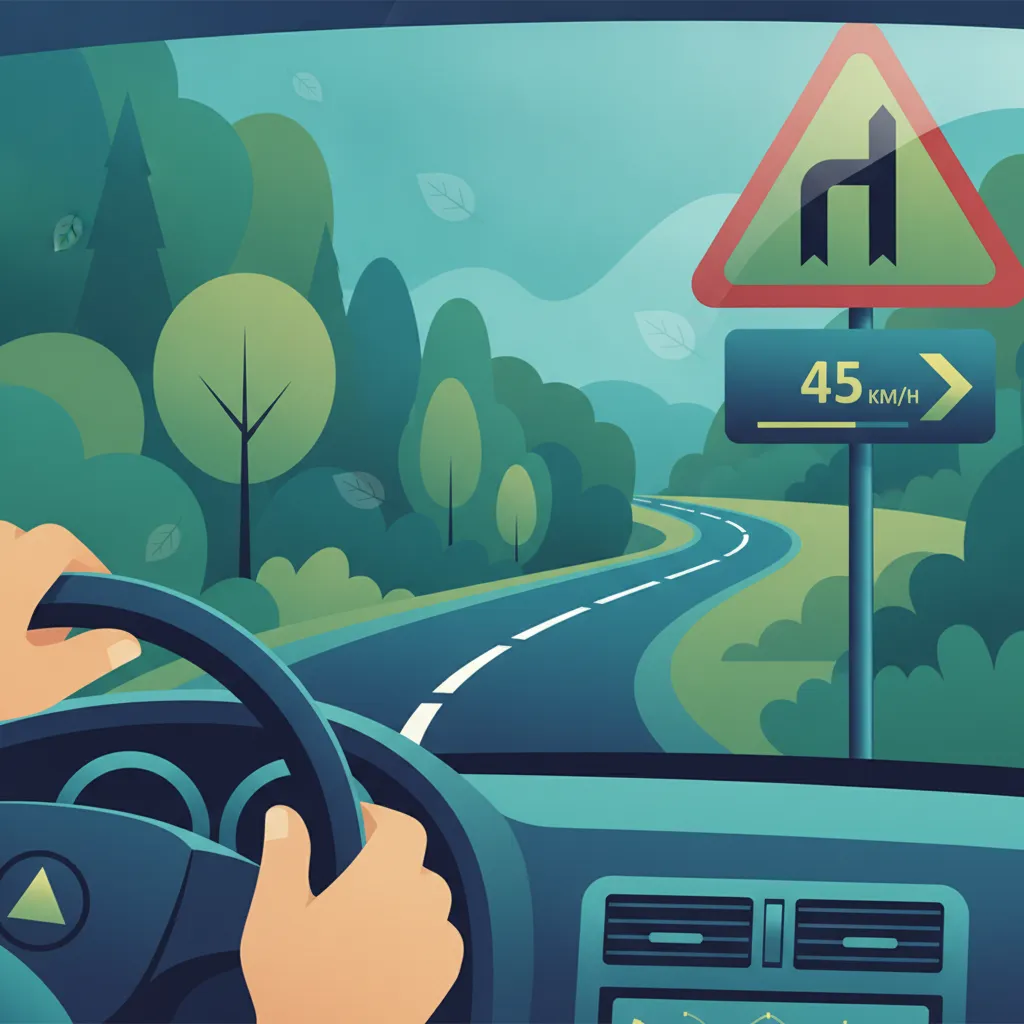
The legal speed limit is a maximum threshold, not a target speed that is always safe to maintain. This lesson teaches you how to select an appropriate, safe speed based on visibility, traffic congestion, and road topography. You will learn how to negotiate blind turns, approach summits with caution, and reduce speeds in heavy traffic to ensure you always maintain complete control of your vehicle.

Learners will explore the specific speed limits applicable to AM vehicles across different road environments, including urban streets, residential zones, school areas, and highways in France. The lesson emphasizes interpreting speed sign information and adhering to the legally mandated maximum speeds, particularly the 45 km/h cap for light mopeds. Understanding and respecting these limits is vital for lawful and safe operation of AM vehicles.

In this lesson, drivers will learn how to adjust their driving techniques in response to adverse weather conditions such as rain, fog, snow, ice, and strong winds. The content covers strategies for maintaining visibility, managing reduced traction on wet or icy surfaces, and adjusting speed and braking distances accordingly. Learners will also be introduced to the use of anti-skid and stability control systems under challenging weather.
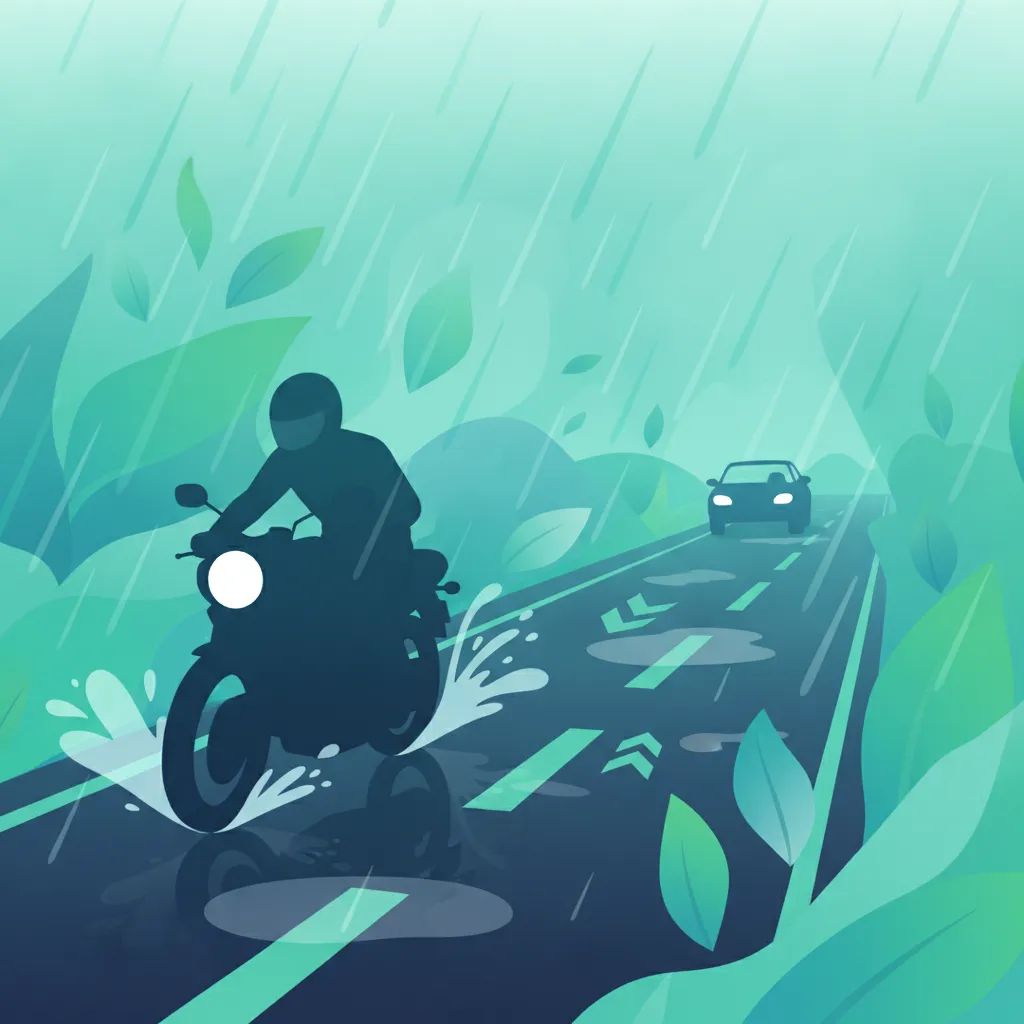
Learners will explore techniques for maintaining control and safety while riding in rain, focusing on reduced braking efficiency, hydroplaning prevention, and visibility challenges. The lesson emphasizes appropriate speed reduction, tire condition checks, and the use of rain gear to enhance rider comfort and protection. By mastering these adaptations, riders can navigate wet French conditions with confidence.
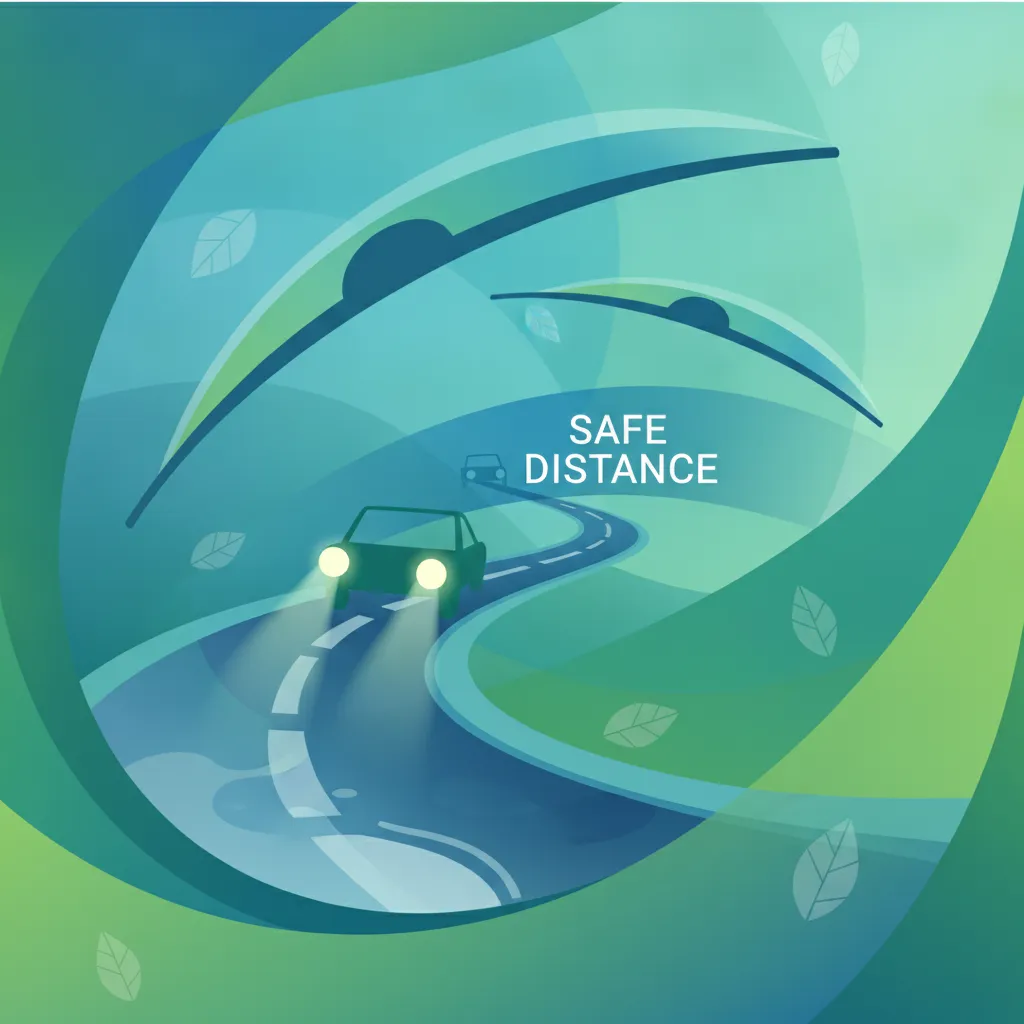
This lesson covers the mechanical and physical adaptations required to drive a passenger coach in rain, heavy fog, snow, and crosswinds. Drivers will learn to recognize signs of aquaplaning and understand the dramatic traction loss associated with wet or icy roads. It also details French winter equipment regulations (Loi Montagne) requiring snow tires or chains in designated mountainous regions.

This lesson addresses the distinct safety considerations for riding during daylight hours versus nighttime, covering topics such as managing glare from the sun and ensuring adequate lighting after dark. Learners will learn strategies to maintain visibility, stay alert, and adapt riding techniques to varying light conditions, including the use of reflective gear. Emphasis is placed on proactive planning to mitigate risks associated with reduced visibility, thereby fostering safe riding practices.
Explore strategies for identifying and navigating hazards like painted markings, manhole covers, gravel, and agricultural runoff. This overview covers the specific physical risks these obstacles pose to two-wheeled vehicles and provides techniques for maintaining stability while navigating diverse urban and rural French road environments.
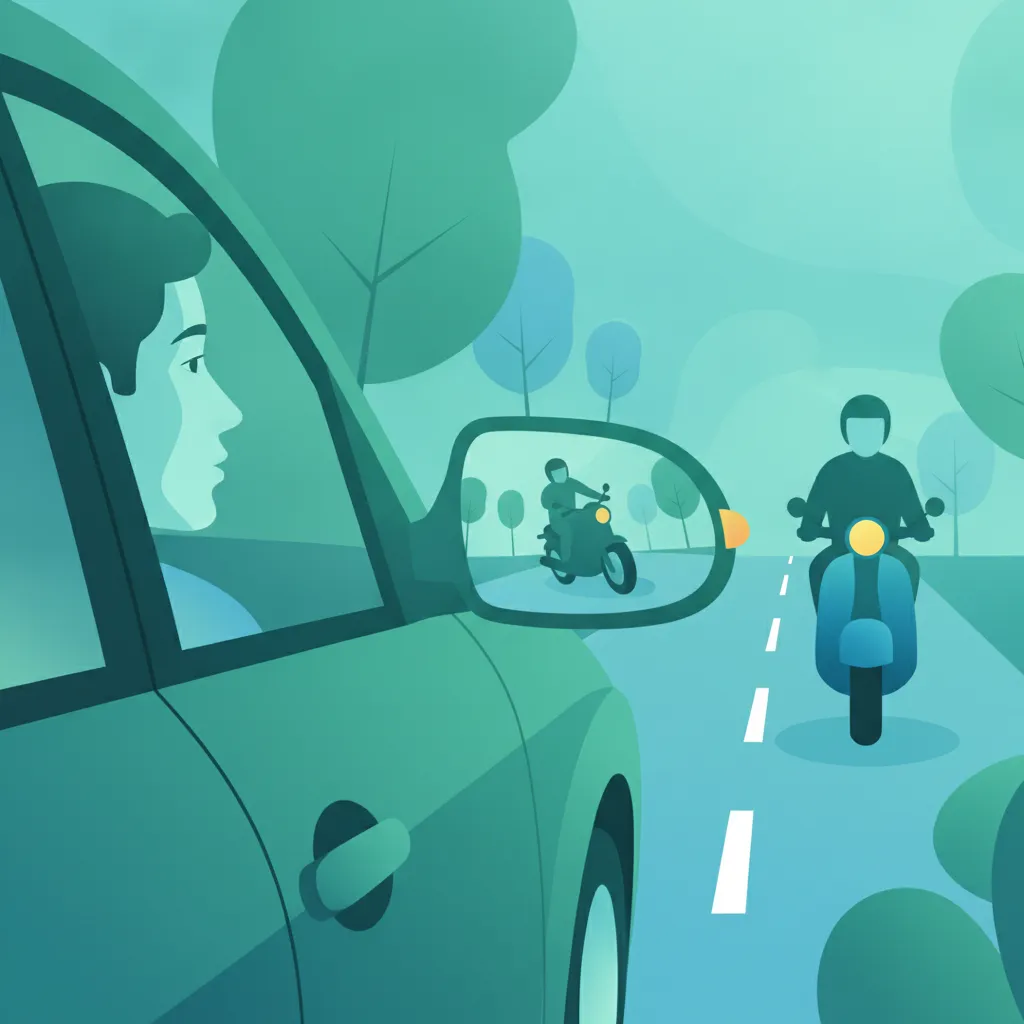
In this lesson, drivers will learn how to safely share the road with motorcycles and scooters, focusing on the specific blind spots and speed differentials that create risk. The content highlights proper lane positioning, caution when overtaking, and strategies for predicting motorcycle trajectories. Learners will also be introduced to the importance of being aware of scooter movements, especially in narrow streets.

This lesson focuses on French warning signs that alert drivers to potential hazards ahead, such as curves, animal crossings, or slippery surfaces, with particular attention to signs relevant to AM riders. Learners will examine how to interpret these signs, understand the associated risks, and adapt riding behavior accordingly. By mastering warning sign recognition, riders can proactively manage safety risks in diverse road conditions.
Find clear answers to common questions learners have about Maintaining Grip on Various Surfaces. Learn how the lesson is structured, which driving theory objectives it supports, and how it fits into the overall learning path of units and curriculum progression in France. These explanations help you understand key concepts, lesson flow, and exam focused study goals.
AM vehicles typically have two wheels and less weight, making them significantly more sensitive to surface changes. A loss of traction that a car might absorb could lead to a fall or loss of control on a moped or scooter.
You should reduce your speed well before the hazard, keep your vehicle upright, and avoid any sudden braking or acceleration. Smooth inputs are key to maintaining the limited traction available on slippery surfaces.
Yes, the theory exam may include questions on how to react to road markings, wet leaves, or gravel. You need to identify these risks in provided scenarios and choose the safest speed and positioning.
Leaning is necessary for cornering, but it must be adjusted based on road conditions. On low-grip surfaces like gravel or wet paint, you must use a shallower lean angle and lower your speed to keep your tires firmly planted.
Ready to focus your study? Use the practice search to find exactly the French driving theory questions you need for the Code de la route and permis de conduire ETG. Refine your knowledge on specific topics or challenging rules to boost your confidence and exam readiness.