
This lesson provides essential training on adjusting your driving technique for adverse weather conditions, a critical requirement for professional C and CE licence holders. You will explore how to manage heavy goods vehicles safely during rain, fog, snow, ice, and strong winds to meet the requirements of the French Code de la route.
Lesson content overview
Operating a heavy goods vehicle (HGV) or an articulated combination under the French Code de la route requires a sophisticated understanding of vehicle dynamics, legal requirements, and defensive driving techniques. When adverse weather strikes, the physical risks associated with Category C (rigid trucks) and Category CE (articulated vehicles) increase exponentially due to their substantial weight, high centre of gravity, and expansive surface areas.
This lesson covers the critical adjustments required to maintain safety, legality, and vehicle stability when navigating rain, fog, ice, snow, and severe crosswinds across the French road network.
Traction, or adhesion (adhérence), is the friction between the vehicle's tyre tread and the road surface. This physical connection is the sole mechanism allowing a vehicle to accelerate, steer, and brake. For a heavy goods vehicle, which can weigh up to 44 tonnes in France, maintaining optimal traction is paramount because of the immense kinetic energy the vehicle carries.
When water, snow, or ice covers the road, the coefficient of friction drops dramatically. Under normal dry conditions, asphalt provides high grip. On a wet surface, this grip can be cut in half, while packed snow or glaze ice (verglas) can reduce traction to less than ten percent of its dry value.
Hydroplaning occurs when a layer of water builds up between the tyre tread and the road surface, leading to a complete loss of traction and steering control. While heavy vehicles are less susceptible to hydroplaning than passenger cars due to their high axle loads, it remains a severe hazard under the following conditions:
If you experience hydroplaning, you must never brake abruptly or steer violently. Doing so can lock the wheels or cause a sudden, uncontrollable pivot when the tyres regain traction. Instead, ease off the accelerator, maintain a firm grip on the steering wheel, keep the wheels pointed in your direction of travel, and allow the vehicle’s speed to drop naturally until traction is restored.
In France, driver visibility is governed by strict legal frameworks under the Code de la route. Failing to use the correct lighting configuration in poor visibility not only reduces your ability to identify hazards but can also result in heavy fines and penalty points.
The French Code de la route strictly dictates which lights must be used under specific atmospheric conditions. It is a common point of failure on driving theory examinations to confuse when front and rear fog lights (feux de brouillard) are legally permitted.
In Heavy Rain (Pluie forte): You must use dipped beam headlights (feux de croisement). You are legally permitted to use front fog lights to supplement your visibility. However, you are strictly prohibited from using rear fog lights, as their intense red glare reflects off the wet road surface and blinds drivers behind you.
In Dense Fog (Brouillard): You must use dipped beam headlights. You may also use front fog lights. Rear fog lights are mandatory in dense fog to ensure high-sided vehicles are visible from a distance.
In Falling Snow (Chute de neige): You must activate your dipped beam headlights. Both front and rear fog lights may be used to increase visibility and warn trailing traffic of your slow-moving vehicle.
The Rear Fog Light Trap: Never activate your rear fog lights (feux de brouillard arrière) during rain. This is a severe violation of the French traffic code. Rear fog lights are reserved solely for fog and snow conditions.
To maintain maximum visibility, windscreen wipers must be kept in excellent operational condition. Before departure, verify that the wiper blades are not cracked or torn and that the washer fluid reservoir is full, preferably with an anti-freeze solution during winter months.
Additionally, heavy vehicles have large glass surfaces that fog up quickly due to temperature differentials. You must use the vehicle's heating, ventilation, and air conditioning (HVAC) systems, alongside heated mirrors, to keep all windows completely clear of mist and ice before pulling away.
The French Code de la route mandates reduced speed limits during wet weather or when visibility is restricted. These speed limits are designed to compensate for increased stopping distances and the reduced reaction times inherent in adverse conditions.
For heavy vehicles, speed limits are already restricted based on vehicle weight and configuration (e.g., Category C vs. Category CE). However, general speed reduction rules apply to all drivers on public roads during precipitation:
If you encounter a speed limit sign combined with a wet weather subplate (panonceau de signalisation par temps de pluie), you must reduce your speed to the indicated value as soon as the road is wet, even if it is not actively raining at that exact moment.
Modern commercial vehicles are equipped with sophisticated active safety systems designed to assist drivers in maintaining control on low-friction surfaces. Understanding how these systems behave in adverse weather is critical to avoiding overreliance and dangerous driving habits.
A safety system that prevents the vehicle's wheels from locking up during emergency braking. By preventing wheel lock, ABS allows the driver to maintain steering control, enabling them to guide the vehicle around obstacles while decelerating.
A computerized technology that improves a vehicle's stability by detecting and reducing loss of traction. When ESP detects a discrepancy between the driver's steering input and the vehicle's actual direction of travel, it applies individual wheel braking to correct oversteer or understeer.
A system designed to prevent the drive wheels from spinning during acceleration on slippery surfaces. TCS coordinates with the engine control unit and the brakes to transfer torque to the wheels with the most grip.
While ABS, ESP, and TCS are highly effective at preventing catastrophic skids and jackknifing, they cannot override the laws of physics. Many drivers mistakenly believe that having ABS allows them to stop in the same distance on wet or icy roads as they would on dry asphalt. This is a dangerous misconception.
Stopping distance (distance d'arrêt) consists of two distinct phases: reaction distance (distance de réaction) and braking distance (distance de freinage).
On a wet road, the braking distance of a heavy vehicle increases by a factor of two (2x) compared to dry conditions. On icy or snow-covered roads, the braking distance can increase by up to ten times (10x).
Under normal, dry driving conditions, professional drivers are trained to maintain a minimum following distance of 2 seconds behind the vehicle ahead.
In adverse weather (rain, fog, snow, or ice), this following distance must be doubled to a minimum of 4 seconds. To calculate this gap, select a stationary object on the roadside (such as a signpost or bridge). Once the vehicle ahead passes it, count slowly: "one thousand one, one thousand two, one thousand three, one thousand four." Your vehicle should not pass the same marker until you have finished counting.
Furthermore, under Article R412-12 of the French Code de la route, goods vehicles with a total authorized weight (GVW/PTAC) exceeding 3.5 tonnes, or measuring more than 7 metres in length, must maintain a minimum physical distance of 50 metres from the vehicle ahead when traveling outside built-up areas at a constant speed. This rule applies regardless of weather, but becomes even more critical when road surfaces are slick.
Strong crosswinds (vent latéral) present a severe hazard to Category C and CE vehicles. Because of their large vertical profiles, high-sided vehicles, such as box trucks, container carriers, and curtain-sided trailers (camions bâchés), act like giant sails in windy conditions.
Professional drivers must remain highly vigilant for sudden wind gusts when traversing known high-risk zones, which are often marked with wind socks (manches à air):
To manage the impact of strong winds and prevent lane drift or rollover, you must apply the following strategies:
The stability of a heavy vehicle in adverse weather is intimately connected to how its cargo is loaded and secured. An improperly secured load can shift during a minor slide or emergency manoeuvre, turning a recoverable traction loss into a catastrophic rollover.
A high center of gravity reduces a vehicle’s lateral stability. On wet or icy roads, any sudden shift in weight caused by sliding cargo can easily overcome the remaining tyre grip.
To cement these concepts, let us analyze real-world driving situations that require immediate, proactive adjustments.
You are driving a fully loaded Category C vehicle on a national road at night. The air temperature is 1°C, and there is light precipitation. Up ahead, you approach a bridge crossing a river.
While driving an articulated Category CE vehicle on a French motorway, you suddenly enter a dense bank of fog. Visibility drops rapidly to approximately 40 metres.
This lesson covers the critical adjustments required for driving heavy goods vehicles in adverse weather under French traffic law. Key topics include traction physics (hydroplaning risks, grip reduction percentages), mandatory lighting configurations distinguishing rain from fog and snow conditions, weather-specific speed limits including the 50 km/h absolute maximum when visibility is below 50 metres, and the limitations of modern safety systems (ABS, ESP, TCS) which cannot overcome physics on slippery surfaces. Learners also cover stopping distance calculations with specific multipliers (2x for wet, 10x for ice), crosswind management for high-sided vehicles, and cargo security requirements that affect lateral stability in low-traction conditions. Two practical scenarios reinforce protocols for black ice on bridge decks and sudden dense fog on motorways.
A short set of high-value points that capture the most important learning from this lesson.
Traction on wet roads drops to approximately half of dry conditions, while ice or packed snow can reduce grip to less than ten percent of normal values
Rear fog lights are strictly prohibited during rain under French traffic law and must only be used in fog or falling snow
When visibility drops below 50 metres, all vehicles must reduce to a maximum speed of 50 km/h regardless of road type
Braking distance for heavy vehicles doubles on wet roads and can increase tenfold on icy surfaces compared to dry conditions
ABS, ESP, and TCS cannot override physics; they do not shorten stopping distances on slippery surfaces and cannot prevent rollovers caused by excessive speed
Explore all units and lessons included in this driving theory course.
In heavy rain: dipped beams mandatory, front fog lights permitted, rear fog lights prohibited
In dense fog: dipped beams mandatory, front fog lights permitted, rear fog lights mandatory
In falling snow: dipped beams mandatory, both front and rear fog lights permitted
Heavy vehicles over 3.5 tonnes GVW or 7m length must maintain a minimum 50m gap outside built-up areas under Article R412-12
Bridge decks freeze before ground-level roads because cold air circulates both above and below the structure
Activating rear fog lights during rain, which is illegal in France and can blind following drivers through reflected glare on wet surfaces
Assuming ABS allows shorter stopping distances on wet or icy roads, when in fact ABS may increase stopping distance on low-friction surfaces
Attempting to steer or brake sharply when experiencing hydroplaning, which can cause sudden loss of control when traction is regained
Failing to increase following distance appropriately, not accounting for the 2x (wet) or 10x (icy) increase in braking distance
Not reducing speed before reaching a bridge deck in cold conditions, exposing the vehicle to black ice without preparation
Lesson content overview
A short set of high-value points that capture the most important learning from this lesson.
Traction on wet roads drops to approximately half of dry conditions, while ice or packed snow can reduce grip to less than ten percent of normal values
Rear fog lights are strictly prohibited during rain under French traffic law and must only be used in fog or falling snow
When visibility drops below 50 metres, all vehicles must reduce to a maximum speed of 50 km/h regardless of road type
Braking distance for heavy vehicles doubles on wet roads and can increase tenfold on icy surfaces compared to dry conditions
ABS, ESP, and TCS cannot override physics; they do not shorten stopping distances on slippery surfaces and cannot prevent rollovers caused by excessive speed
Explore all units and lessons included in this driving theory course.
In heavy rain: dipped beams mandatory, front fog lights permitted, rear fog lights prohibited
In dense fog: dipped beams mandatory, front fog lights permitted, rear fog lights mandatory
In falling snow: dipped beams mandatory, both front and rear fog lights permitted
Heavy vehicles over 3.5 tonnes GVW or 7m length must maintain a minimum 50m gap outside built-up areas under Article R412-12
Bridge decks freeze before ground-level roads because cold air circulates both above and below the structure
Activating rear fog lights during rain, which is illegal in France and can blind following drivers through reflected glare on wet surfaces
Assuming ABS allows shorter stopping distances on wet or icy roads, when in fact ABS may increase stopping distance on low-friction surfaces
Attempting to steer or brake sharply when experiencing hydroplaning, which can cause sudden loss of control when traction is regained
Failing to increase following distance appropriately, not accounting for the 2x (wet) or 10x (icy) increase in braking distance
Not reducing speed before reaching a bridge deck in cold conditions, exposing the vehicle to black ice without preparation
Explore search topics learners often look for when studying Adapting to Adverse Weather Conditions. These topics reflect common questions about road rules, driving situations, safety guidance, and lesson level theory preparation for learners in France.
Browse additional driving theory lessons that cover connected traffic rules, road signs, and common driving situations related to this topic. Improve your understanding of how different rules interact across everyday traffic scenarios.
Understand the function and limitations of active safety systems like ABS, ESP, and TCS in French road transport. This guide details how these technologies assist with vehicle control during emergency braking or traction loss and why professional drivers must remain aware of their physical limitations on the road.
In this lesson, learners will explore the functions and benefits of ABS and ESP systems in goods vehicles, including how they enhance braking stability and prevent skids. The content explains the technology behind these systems, their activation conditions, and their role in emergency braking scenarios. Learners will also be introduced to the maintenance requirements and limitations of ABS and ESP in heavy vehicle operation.
This lesson focuses on the various braking systems used in goods vehicles, including air brakes, hydraulic brakes, and advanced safety systems such as ABS and ESP. Learners will understand how these systems function, their impact on braking performance, and the importance of regular brake inspection and maintenance. The content also addresses brake wear, brake fade, and how these factors affect stopping distances, especially under heavy load conditions.
Learn the specific rules for navigating French motorways and temporary roadwork zones with a heavy goods vehicle. This lesson covers lane discipline, safe following distances, and how to manage the unique risks posed by changing road layouts and restricted space while operating high-sided vehicles in traffic.
This lesson focuses on the specific considerations for operating goods vehicles on French motorways, including lane selection, speed management, and proper merging techniques. Learners will understand the importance of maintaining lane discipline, using appropriate overtaking practices, and respecting motorway-specific speed limits for heavy vehicles. The content also covers the use of emergency lanes and the handling of traffic flow.

This lesson examines how goods vehicle drivers should approach and navigate roadworks zones and temporary traffic restrictions. Learners will be taught to recognize temporary speed limit signs, follow detour routes safely, and respect lane closures. The content also highlights the importance of maintaining safe distances from workers, adjusting for reduced lane width, and ensuring compliance with temporary regulations to avoid penalties.
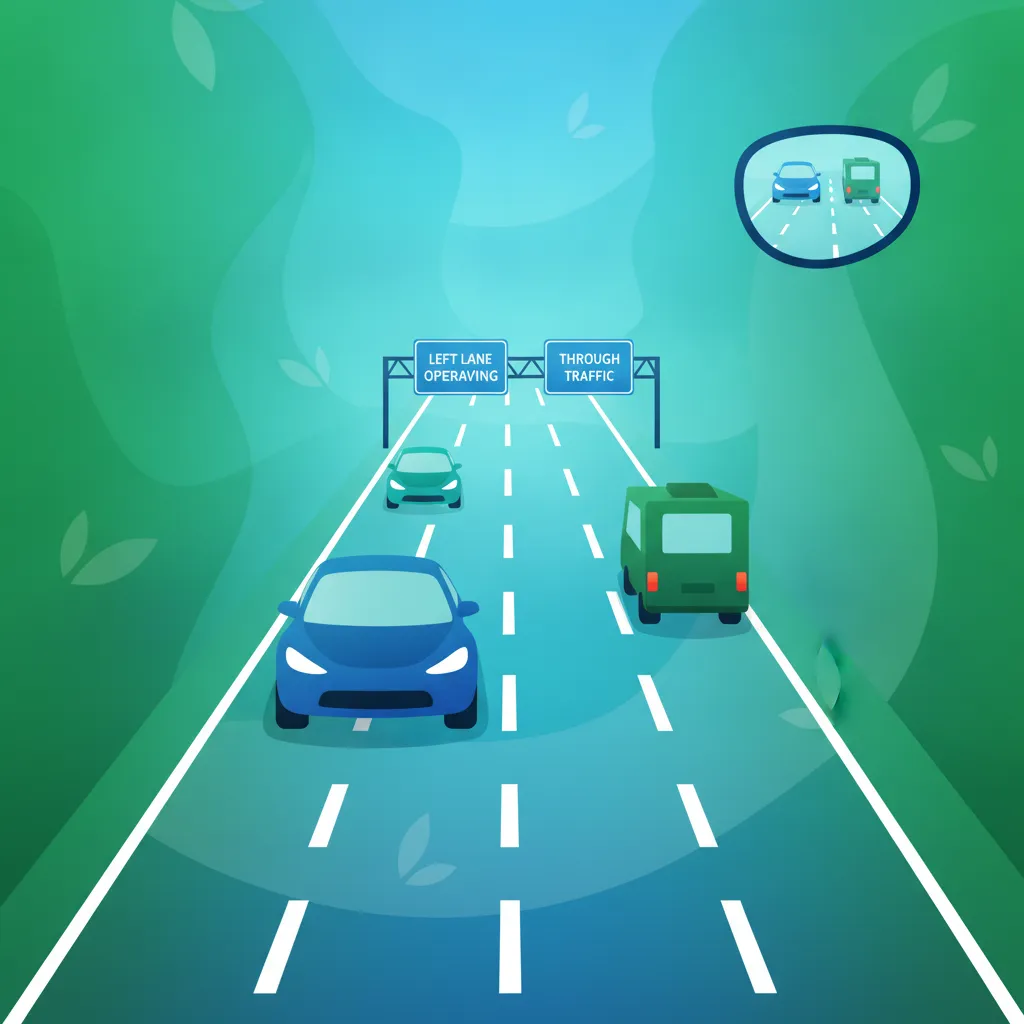
This lesson covers the rules of driving passenger vehicles on high-speed French motorways (autoroutes). Learners will study entry-ramp merging protocols, lane restrictions for vehicles over 3.5 tonnes, and motorway-specific speed limits. The lesson also highlights the correct use of toll booths (péages), emergency hard-shoulder safety procedures, and accessing dedicated coach rest areas.
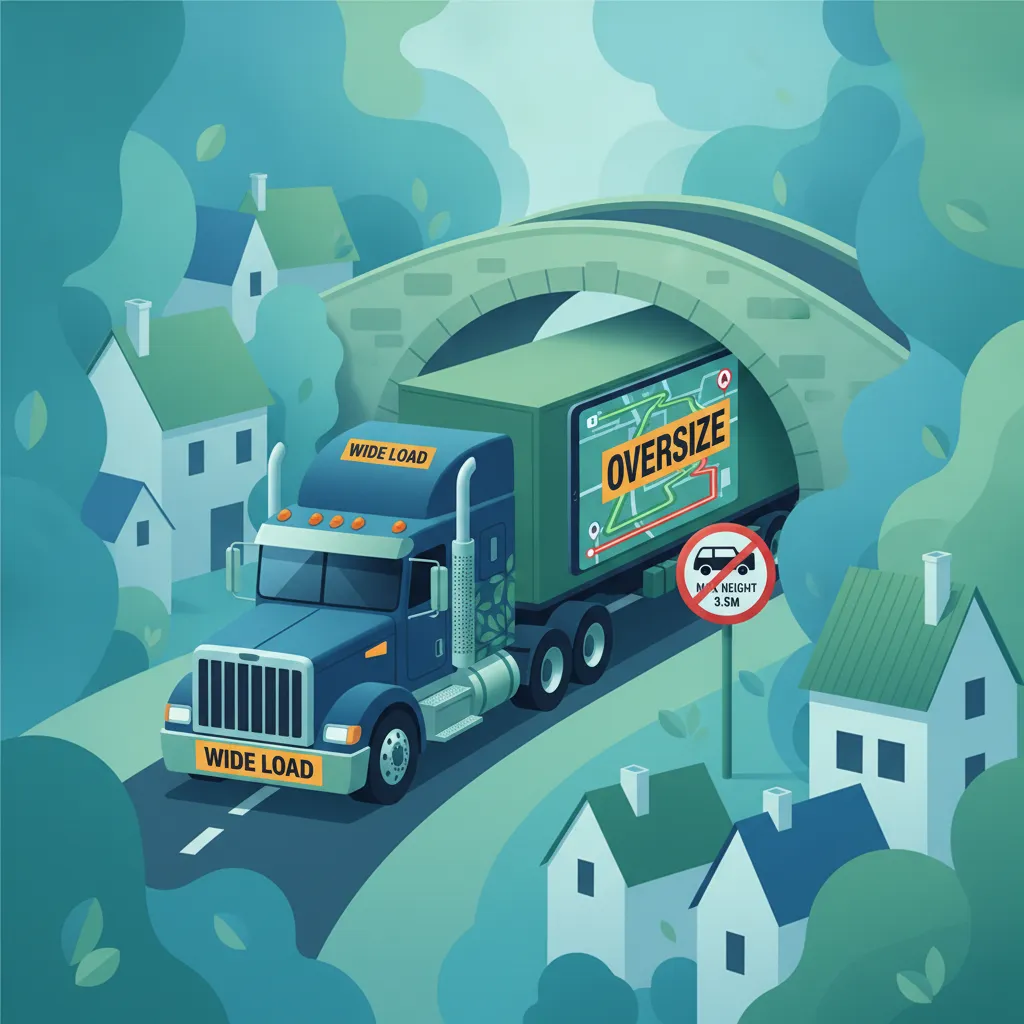
This lesson provides strategies for planning routes that accommodate oversized goods vehicles while complying with French road restrictions. Learners will learn how to identify prohibited routes, evaluate bridge and tunnel limitations, and obtain necessary access permits. The content also addresses the use of specialised GPS systems for heavy vehicle routing and the importance of contingency planning for detours, ensuring safe and efficient transport operations.
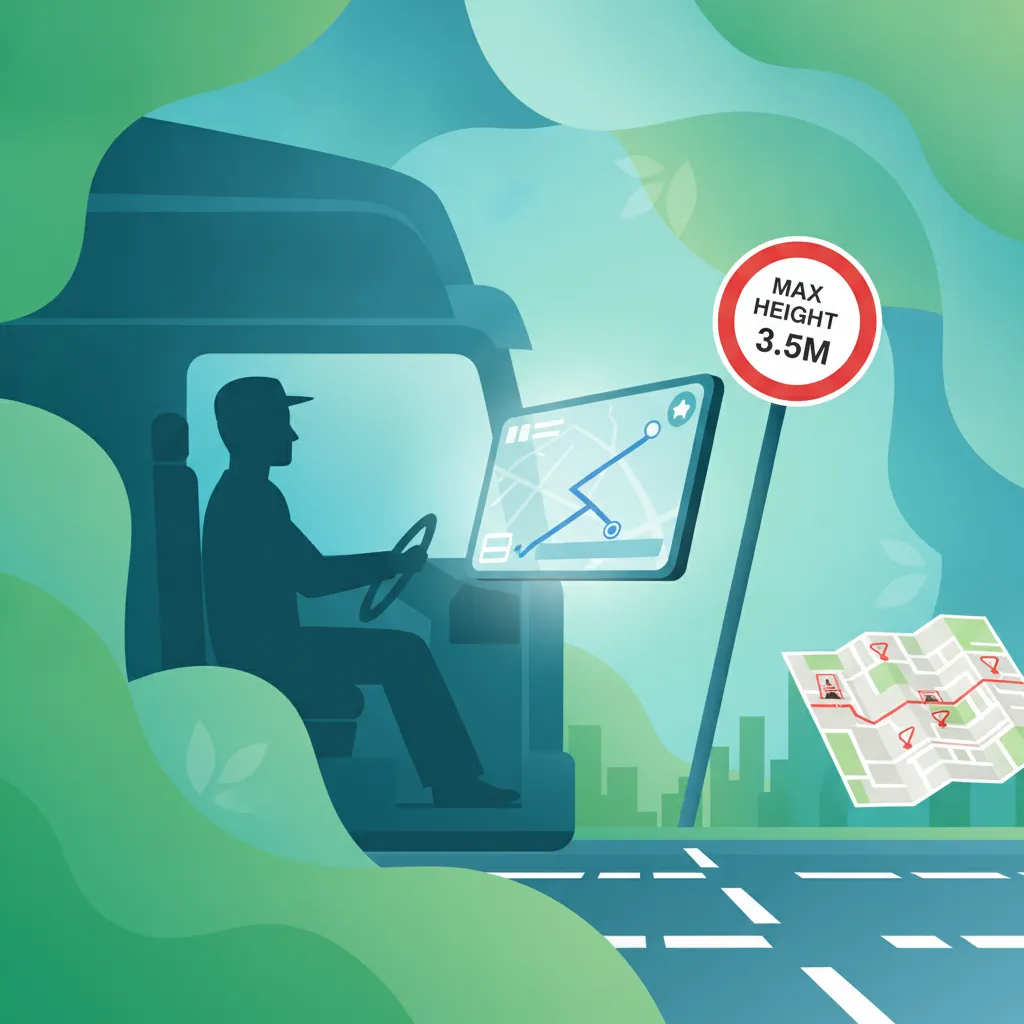
This lesson provides guidance on selecting preferred routes for heavy vehicles, taking into account freight corridors, toll roads, and restricted zones. Learners will be introduced to practical tools for route optimization, including GPS systems tailored for goods vehicles, and strategies for minimizing travel time while adhering to legal constraints. Emphasis is placed on balancing delivery efficiency with compliance to French transport policies.
This lesson examines the effects that heavy goods vehicles have on road infrastructure, including pavement wear, bridge stress, and tunnel clearance issues. Learners will understand how increased weight and dimensions contribute to accelerated road degradation, leading to higher maintenance costs and potential restrictions on vehicle access. The material also highlights the importance of infrastructure capacity assessments and the role of weight restrictions in protecting road assets.
French motorways (autoroutes) are fast, controlled-access roads with unique laws regulating lane discipline and emergencies. This lesson teaches standard lane-use: cruising in the right lane and reserving the middle or left lanes exclusively for passing. You will study emergency procedures, the use of orange emergency call boxes, safety barrier rules, and navigating toll booths (peages) safely.

This lesson focuses on identifying the signs of driver fatigue and understanding its impact on reaction times, decision-making, and overall safety. Learners will be introduced to legal limits on continuous driving and required rest periods as stipulated by French regulations. The content also provides practical strategies for managing fatigue, such as scheduling regular breaks, employing alertness techniques, and recognizing when to cease driving.
This lesson delves into the dual aspects of civil and criminal liability that professional goods vehicle drivers face in the event of traffic violations or accidents. Learners will explore the range of penalties, including fines, licence suspension, vehicle seizure, and potential imprisonment for severe offenses under French law. The discussion also covers the impact of negligence on insurance coverage, the accrual of penalty points, and the broader consequences for both the driver and their employer.
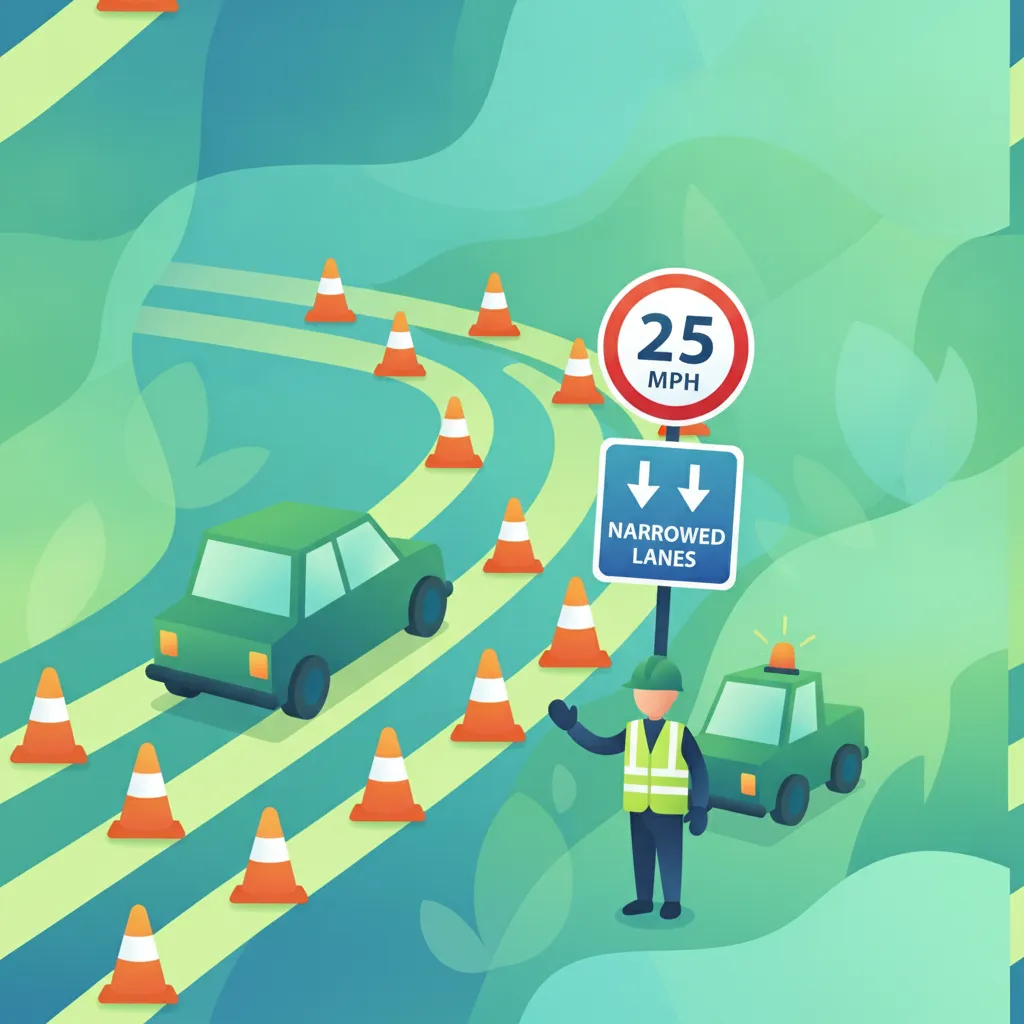
Active roadworks demand heightened vigilance to protect workers and guide vehicles through modified, narrow traffic lanes. This lesson covers how to recognize yellow horizontal road lines, which supersede standard white lines, and temporary traffic signals. You will learn to obey reduced construction-zone speed limits, negotiate lane shifts, and execute detours (deviations) systematically.
Find clear answers to common questions learners have about Adapting to Adverse Weather Conditions. Learn how the lesson is structured, which driving theory objectives it supports, and how it fits into the overall learning path of units and curriculum progression in France. These explanations help you understand key concepts, lesson flow, and exam focused study goals.
Heavy goods vehicles have significantly longer stopping distances than passenger cars, especially on wet surfaces. Because of their mass and the reduced coefficient of friction, you must allow extra space to avoid the risk of hydroplaning or jackknifing.
Yes, on French motorways, speed limits are often reduced during rain. Signs will indicate these specific limits for all vehicles, but as a professional driver, you must be extra vigilant in applying these limits for your weight class.
Rear fog lights must only be used in case of fog or heavy snowfall. You must turn them off immediately if visibility improves, as they can dazzle drivers behind you in heavy goods vehicles.
A light or poorly distributed load is highly unstable on ice. Always ensure your cargo is secured correctly, as a sudden shift during an emergency maneuver in poor weather can cause your vehicle to lose control or rollover.
Ready to focus your study? Use the practice search to find exactly the French driving theory questions you need for the Code de la route and permis de conduire ETG. Refine your knowledge on specific topics or challenging rules to boost your confidence and exam readiness.