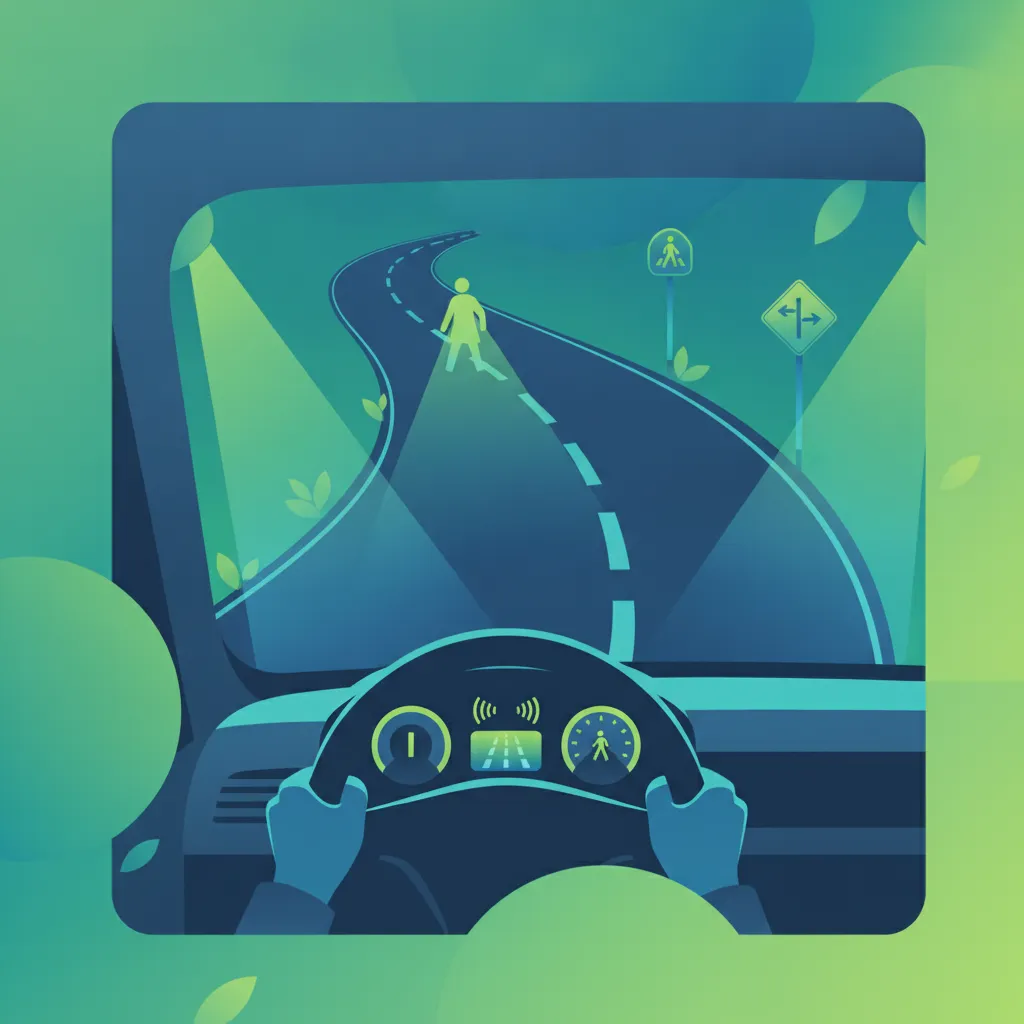
This lesson explores the specific challenges of driving at night, focusing on visibility and safety measures mandated by the French Code de la route. You will learn how to manage headlight glare and recognise the physical signs of fatigue to maintain safety on rural and urban roads. Mastery of these rules is vital for both your practical safety and success on the ETG exam.
Lesson content overview
Explore all units and lessons included in this driving theory course.
Lesson content overview
Explore all units and lessons included in this driving theory course.
Explore search topics learners often look for when studying Night Driving: Visibility and Safety Measures. These topics reflect common questions about road rules, driving situations, safety guidance, and lesson level theory preparation for learners in France.
Browse additional driving theory lessons that cover connected traffic rules, road signs, and common driving situations related to this topic. Improve your understanding of how different rules interact across everyday traffic scenarios.
Learn how to adapt your driving and lighting usage during reduced visibility caused by heavy rain, fog, or snow. This lesson covers safety protocols for maintaining vehicle control and visibility on French roads when environmental conditions become challenging for drivers.

Adverse weather reduces tyre traction and limits visibility, dramatically raising the risk of multi-car accidents on highways. This lesson details speed reductions required during rainfall, techniques for avoiding aquaplaning, and demisting windshields for visibility. You will learn how to maintain extra stopping distance on snow-covered roads and the correct headlight adjustments to make during fog.
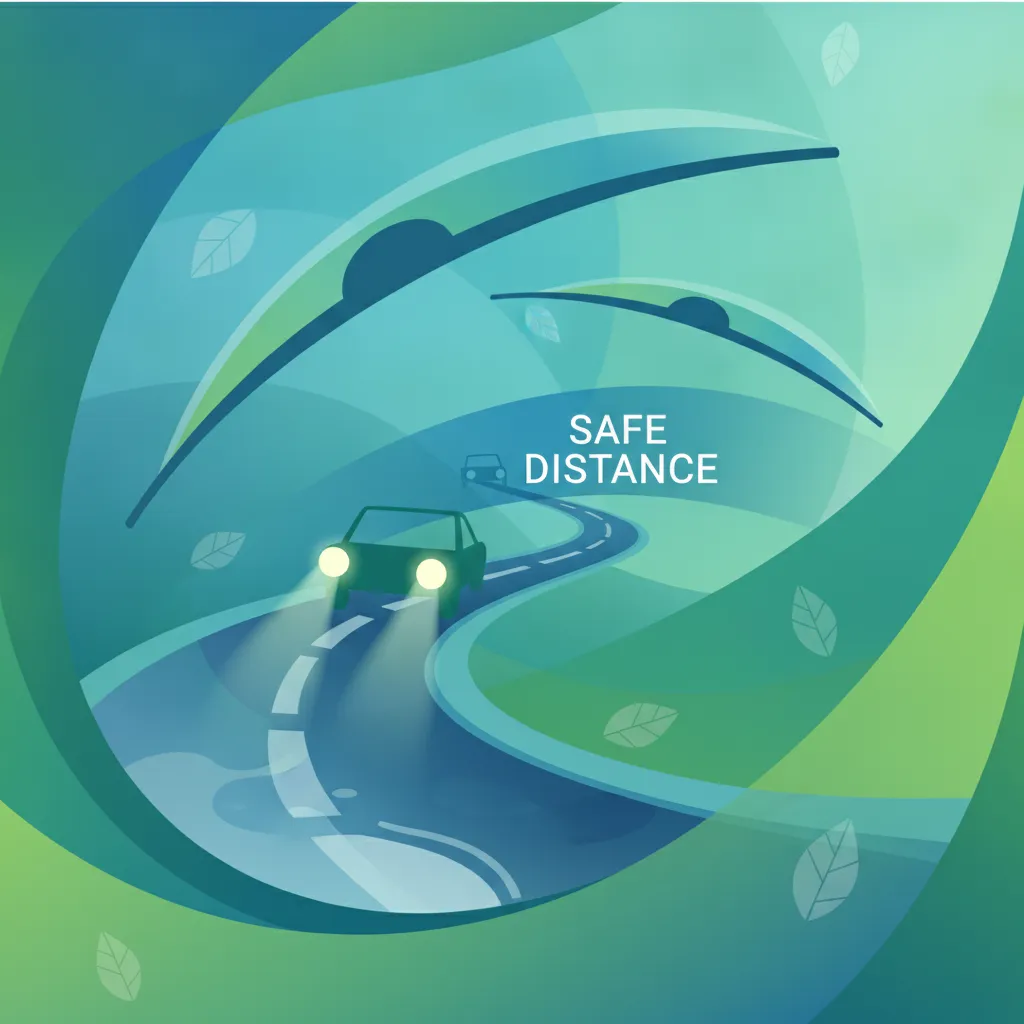
This lesson covers the mechanical and physical adaptations required to drive a passenger coach in rain, heavy fog, snow, and crosswinds. Drivers will learn to recognize signs of aquaplaning and understand the dramatic traction loss associated with wet or icy roads. It also details French winter equipment regulations (Loi Montagne) requiring snow tires or chains in designated mountainous regions.

Learners will explore techniques for maintaining control and safety while riding in rain, focusing on reduced braking efficiency, hydroplaning prevention, and visibility challenges. The lesson emphasizes appropriate speed reduction, tire condition checks, and the use of rain gear to enhance rider comfort and protection. By mastering these adaptations, riders can navigate wet French conditions with confidence.
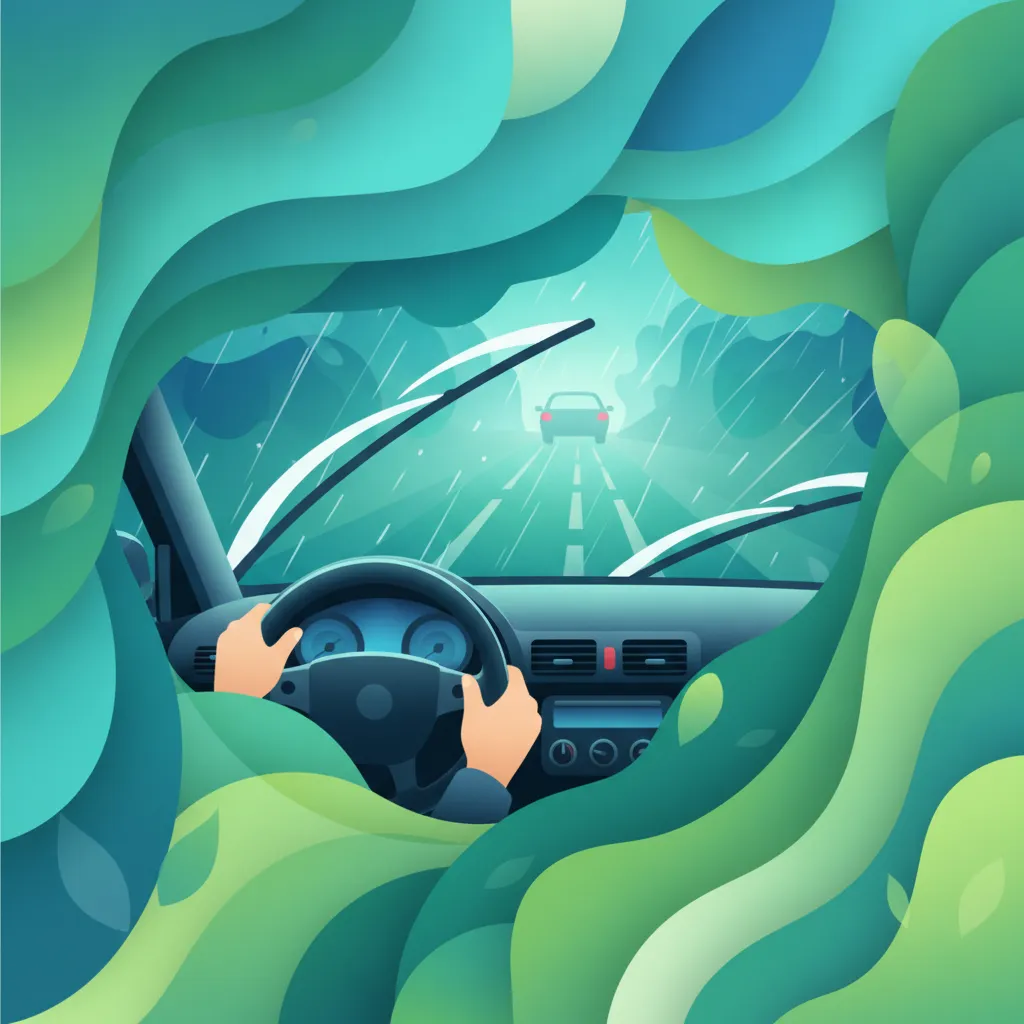
In this lesson, drivers will learn how to adjust their driving techniques in response to adverse weather conditions such as rain, fog, snow, ice, and strong winds. The content covers strategies for maintaining visibility, managing reduced traction on wet or icy surfaces, and adjusting speed and braking distances accordingly. Learners will also be introduced to the use of anti-skid and stability control systems under challenging weather.

Correctly using your vehicle's lighting system is critical for visibility and communicating with other drivers on the road. This lesson explains when to use low beams (feux de croisement), high beams (feux de route), position lights, and specialized front and rear fog lights. You will learn the legal lighting configurations for driving in urban tunnels, rainy weather, dense fog, and dark rural roads.

This lesson focuses on adapting your riding behavior to sudden environmental shifts, such as heavy fog or strong crosswinds on exposed bridges. You will learn specific technical adjustments, including leaning slightly into crosswinds and widening your safety margins during low-visibility fog. The lesson also highlights how seasonal temperature drops affect your tires' ability to warm up and achieve reliable, safe levels of road adhesion.
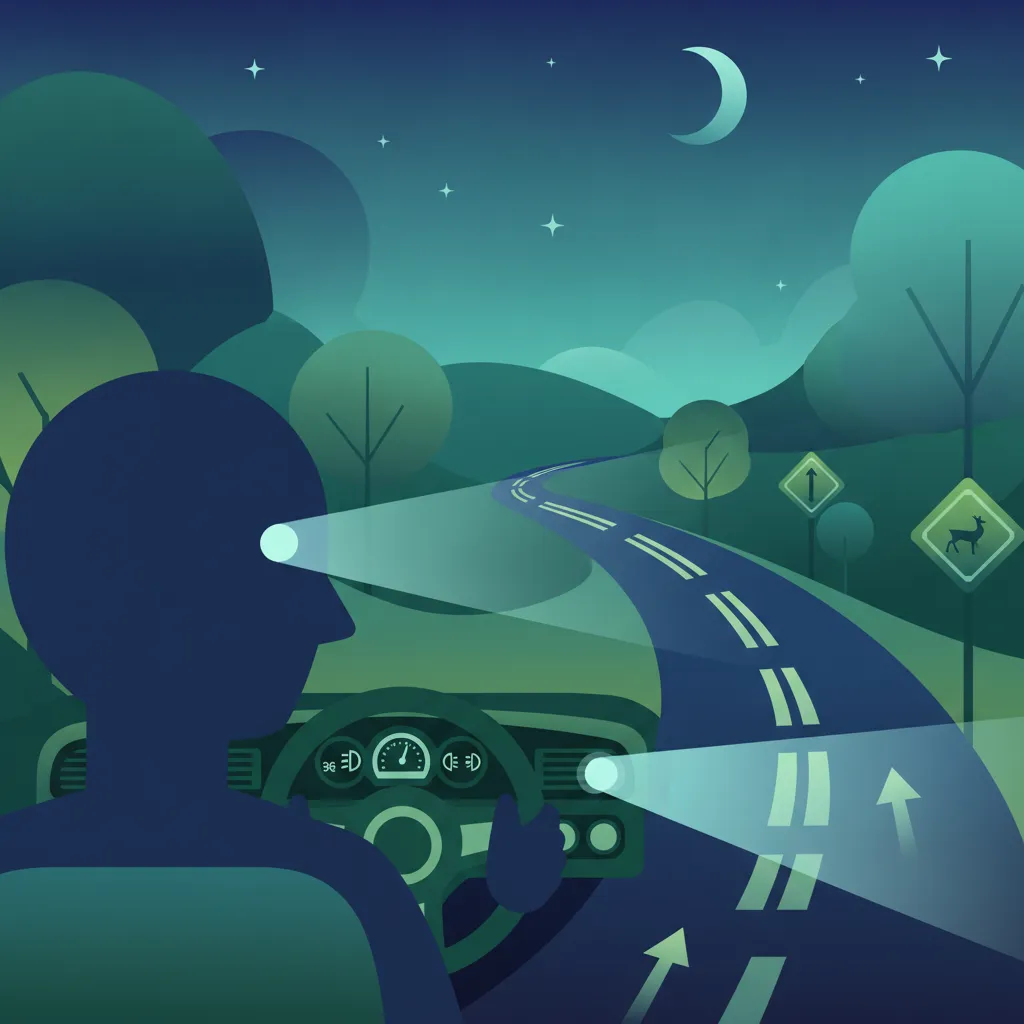
This lesson provides guidance on safe riding practices during nighttime, emphasizing proper headlamp usage, reflective clothing, and strategies to manage glare from oncoming traffic. Learners will learn to compensate for reduced peripheral vision and increased fatigue, as well as to identify common night road hazards in France. By applying these techniques, riders can enhance their visibility and safety after dark.

This lesson addresses the distinct safety considerations for riding during daylight hours versus nighttime, covering topics such as managing glare from the sun and ensuring adequate lighting after dark. Learners will learn strategies to maintain visibility, stay alert, and adapt riding techniques to varying light conditions, including the use of reflective gear. Emphasis is placed on proactive planning to mitigate risks associated with reduced visibility, thereby fostering safe riding practices.

This lesson explores practical methods to make yourself visible to other road users, preventing the classic 'sorry mate, I didn't see you' hazard. You will analyze the use of high-visibility yellow or orange retro-reflective waistcoats, which are legally required to be carried on board in France. Additionally, you will study optimal headlight utilization and correct placement of auxiliary indicators to capture driver attention.
This lesson focuses on the skill of adjusting speed according to real-time road conditions, visibility, and traffic density. Learners will learn to assess factors such as weather, road surface quality, and pedestrian activity to determine a safe riding speed under French regulatory expectations. By mastering adaptive speed control, riders can enhance safety and reduce the likelihood of accidents caused by inappropriate speed.
Understand the essential regulations for navigating motorways safely, including lane allocation, merging techniques, and high-speed driving strategies. This lesson provides an overview of the French Code de la route requirements for motorway traffic to ensure you can manage lane changes and following distances effectively.
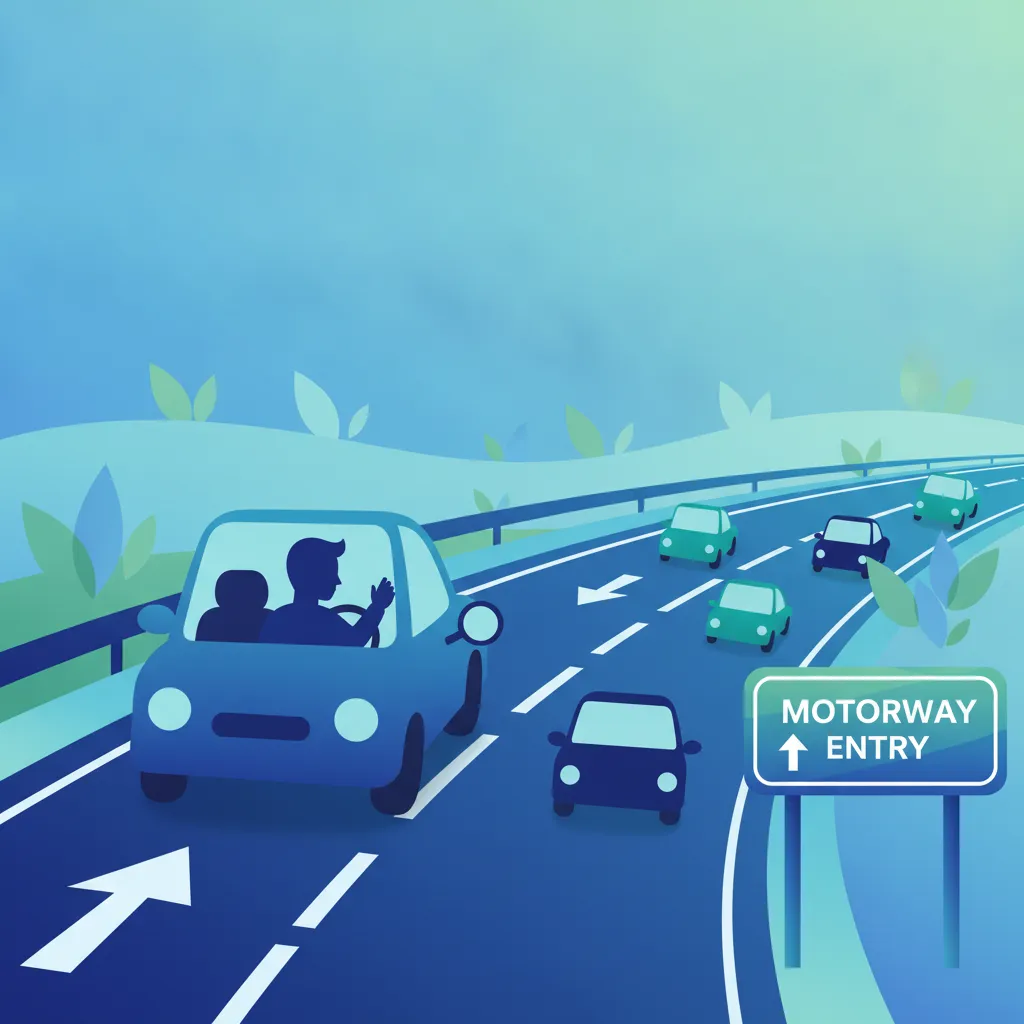
Merging onto a motorway or dual carriageway requires precise coordination of speed, lane observation, and indicator signalling. This lesson explains how to utilize the acceleration lane (voie d'insertion) to match the speed of highway traffic before merging. You will learn how to assess traffic gaps in your side mirrors, signal your intentions, and execute the merge without disrupting the traffic flow.
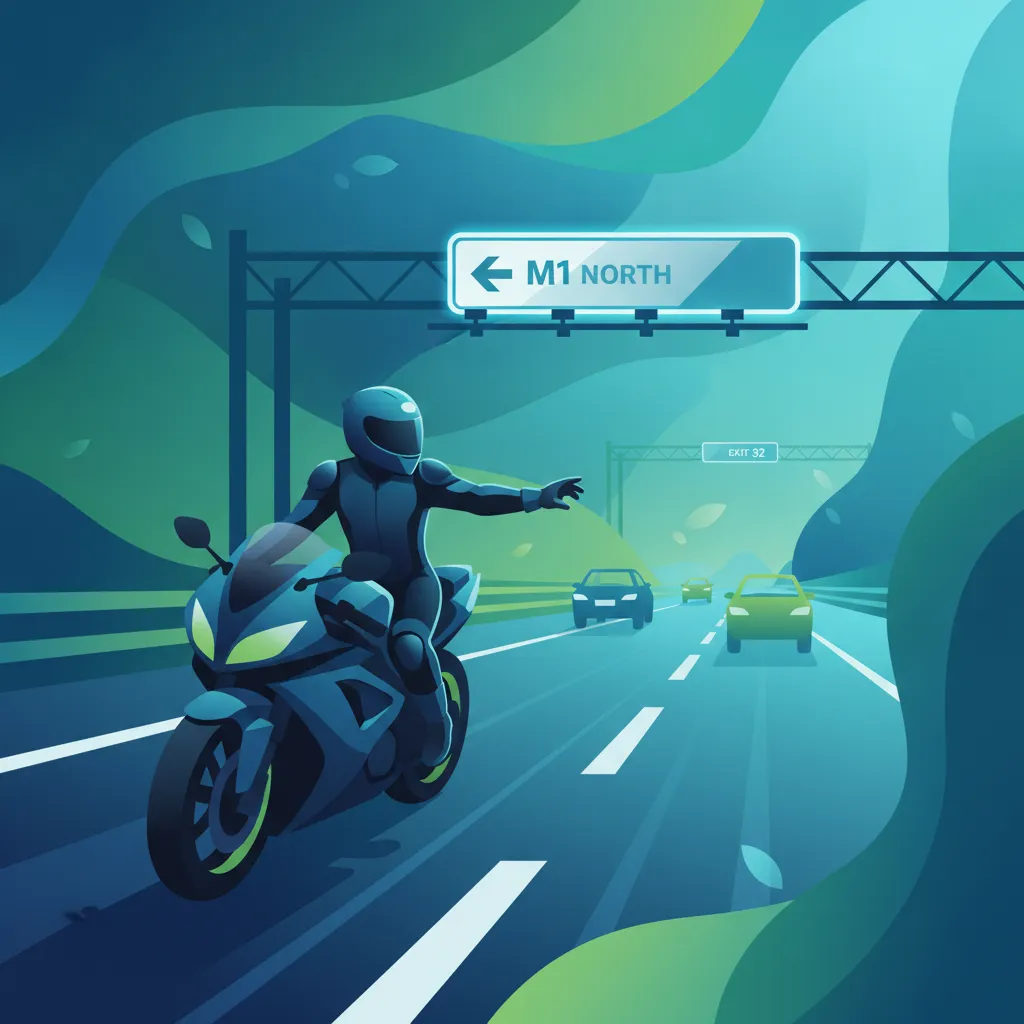
This lesson details how to safely enter, cruise on, and exit French motorways, known as autoroutes, which feature high-speed traffic flows. You will master the process of matching highway speeds in the acceleration lane and performing blind spot checks before merging. The lesson also explains correct lane positioning to avoid aerodynamic turbulences from large semi-trucks, and how to safely prepare for decelerating at exit ramps.

French motorways (autoroutes) are fast, controlled-access roads with unique laws regulating lane discipline and emergencies. This lesson teaches standard lane-use: cruising in the right lane and reserving the middle or left lanes exclusively for passing. You will study emergency procedures, the use of orange emergency call boxes, safety barrier rules, and navigating toll booths (peages) safely.
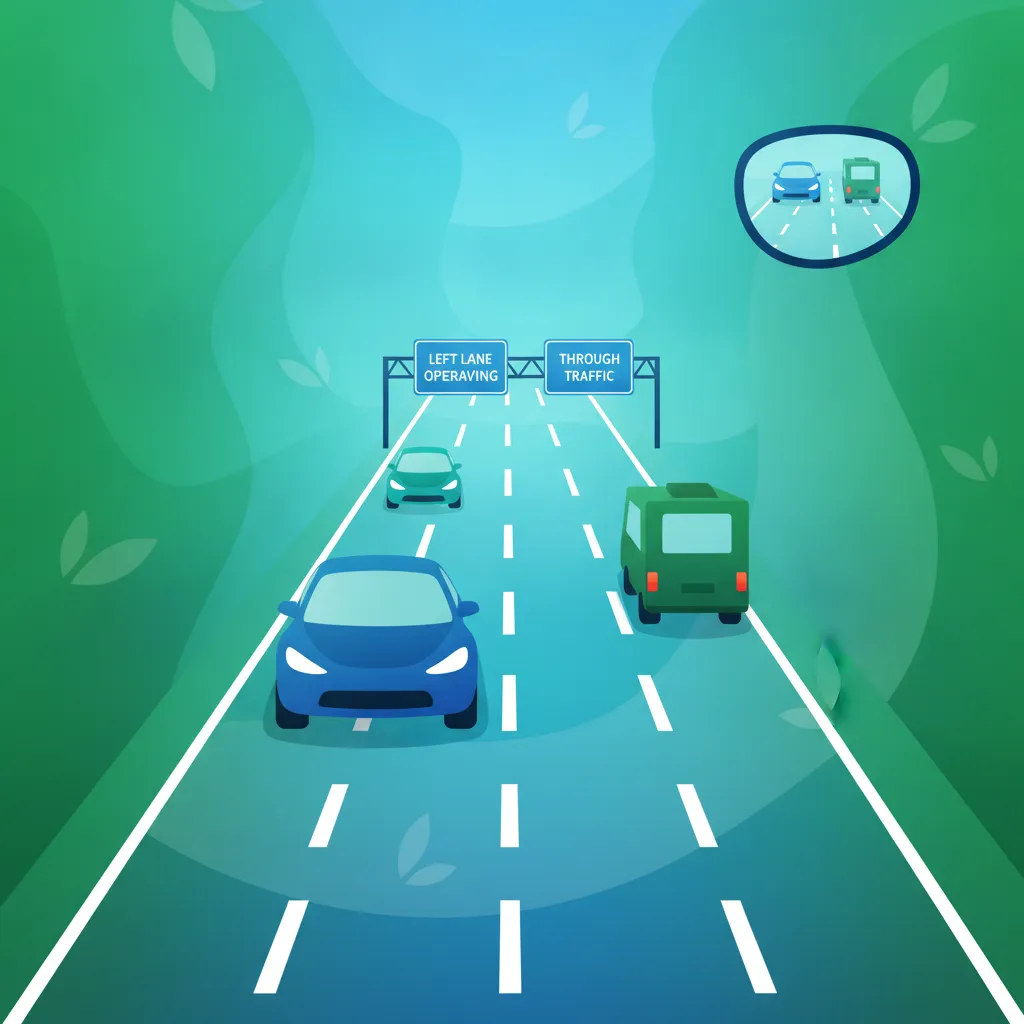
This lesson covers the rules of driving passenger vehicles on high-speed French motorways (autoroutes). Learners will study entry-ramp merging protocols, lane restrictions for vehicles over 3.5 tonnes, and motorway-specific speed limits. The lesson also highlights the correct use of toll booths (péages), emergency hard-shoulder safety procedures, and accessing dedicated coach rest areas.
This lesson focuses on the specific considerations for operating goods vehicles on French motorways, including lane selection, speed management, and proper merging techniques. Learners will understand the importance of maintaining lane discipline, using appropriate overtaking practices, and respecting motorway-specific speed limits for heavy vehicles. The content also covers the use of emergency lanes and the handling of traffic flow.
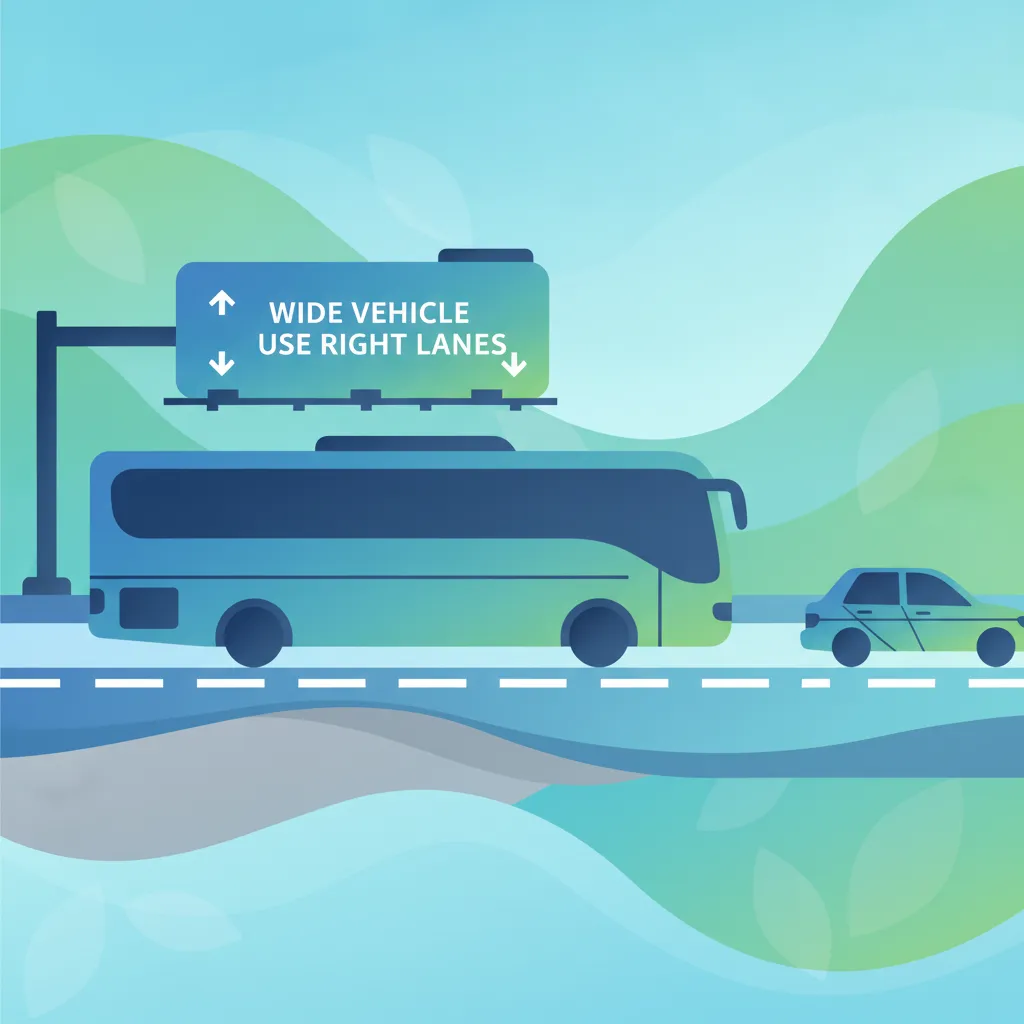
This lesson details the rules of lane discipline for operating wider and longer passenger transport vehicles on highway and city networks. Learners will explore proper lane positioning to prevent encroachment on adjacent lanes or sidewalks. It also covers the step-by-step visual and signaling sequence required to perform safe lane changes, avoiding sudden movements that could startle other drivers.
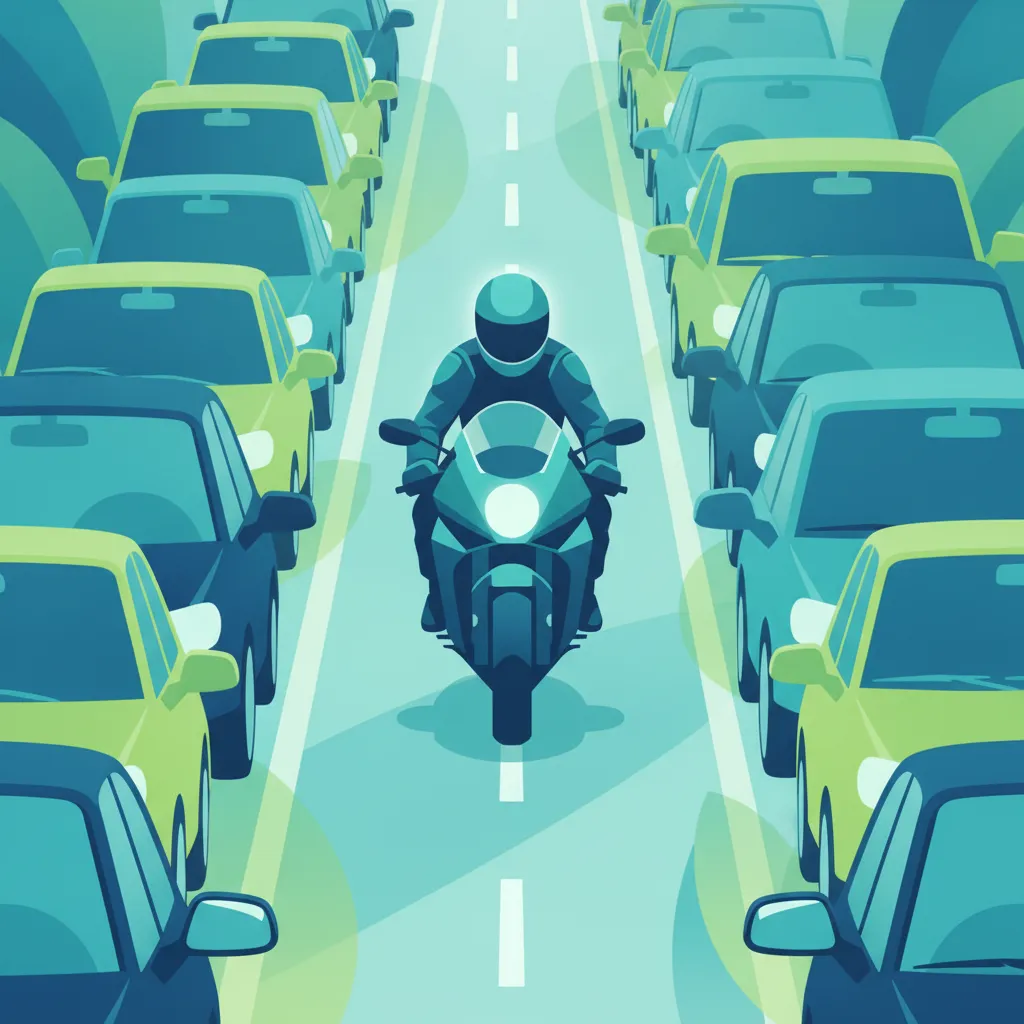
This lesson outlines the rules and practical safety limits of lane filtering, known as 'inter-files' riding, under French road guidelines. You will study the specific speed limits allowed during filtering, the conditions of high congestion where it is permitted, and where it remains completely banned. The lesson also highlights the critical need to anticipate sudden lane changes from frustrated car drivers stuck in stationary traffic queues.
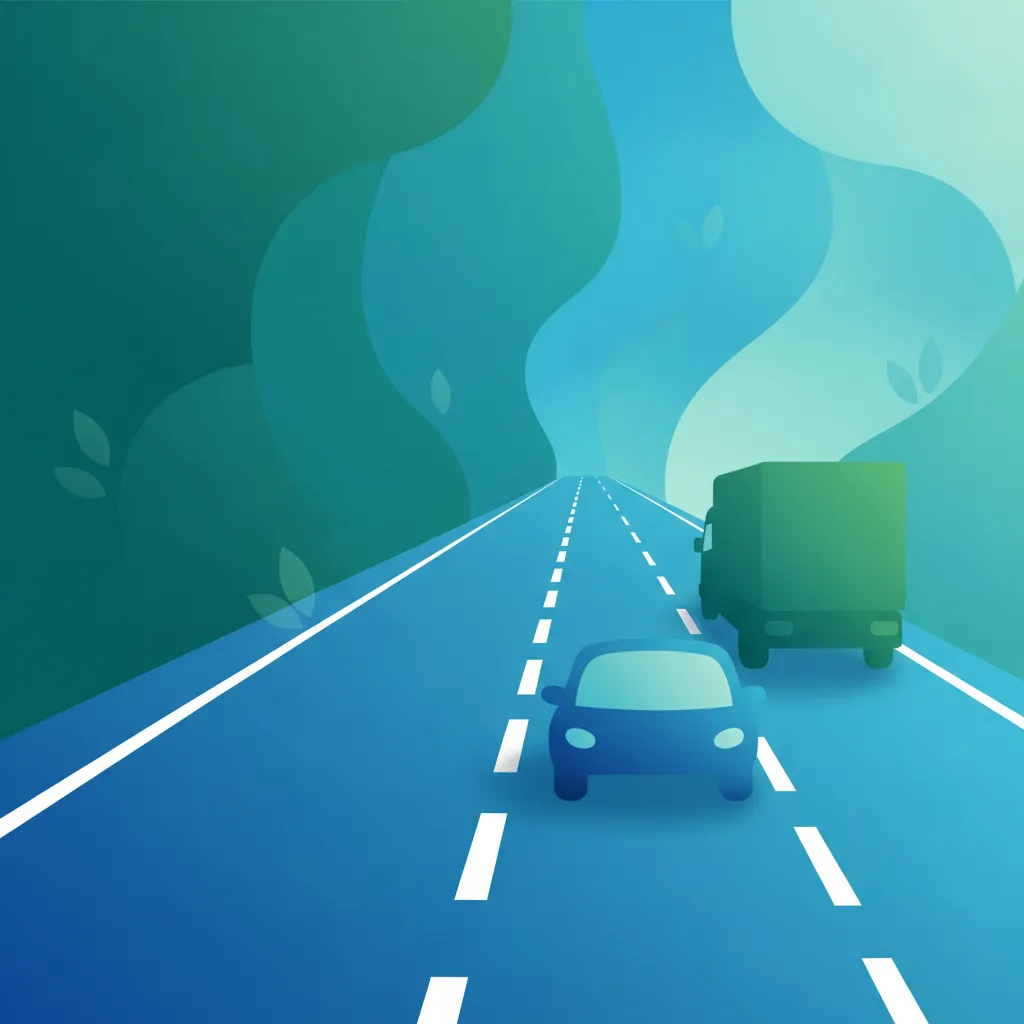
Longitudinal road markings are painted along the length of the road to divide lanes and regulate overtaking maneuvers. This lesson teaches the strict legal prohibition of crossing solid white lines and the specific spacing of broken lines that permit lane changes. You will also learn how to interpret dual lines, warning arrows, and how to maintain proper lane discipline in heavy traffic.
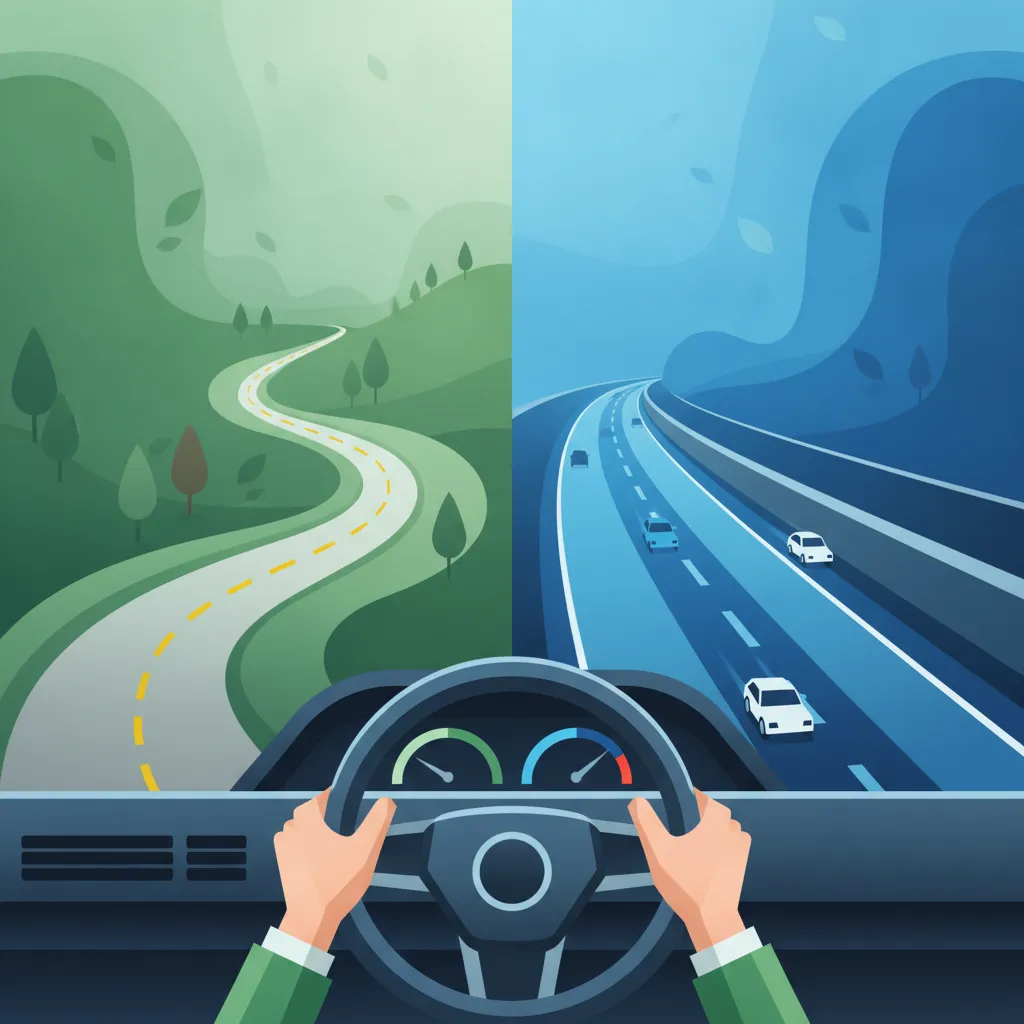
This lesson details the specific legal speed limits for passenger transport vehicles on motorways, rural trunk roads, and urban streets under French law. Drivers will learn how speed limits shift depending on overall vehicle weight, towing arrangements, and poor weather conditions like heavy rain. Developing a proactive approach to speed management helps maintain stable vehicle control and ensures full regulatory compliance.
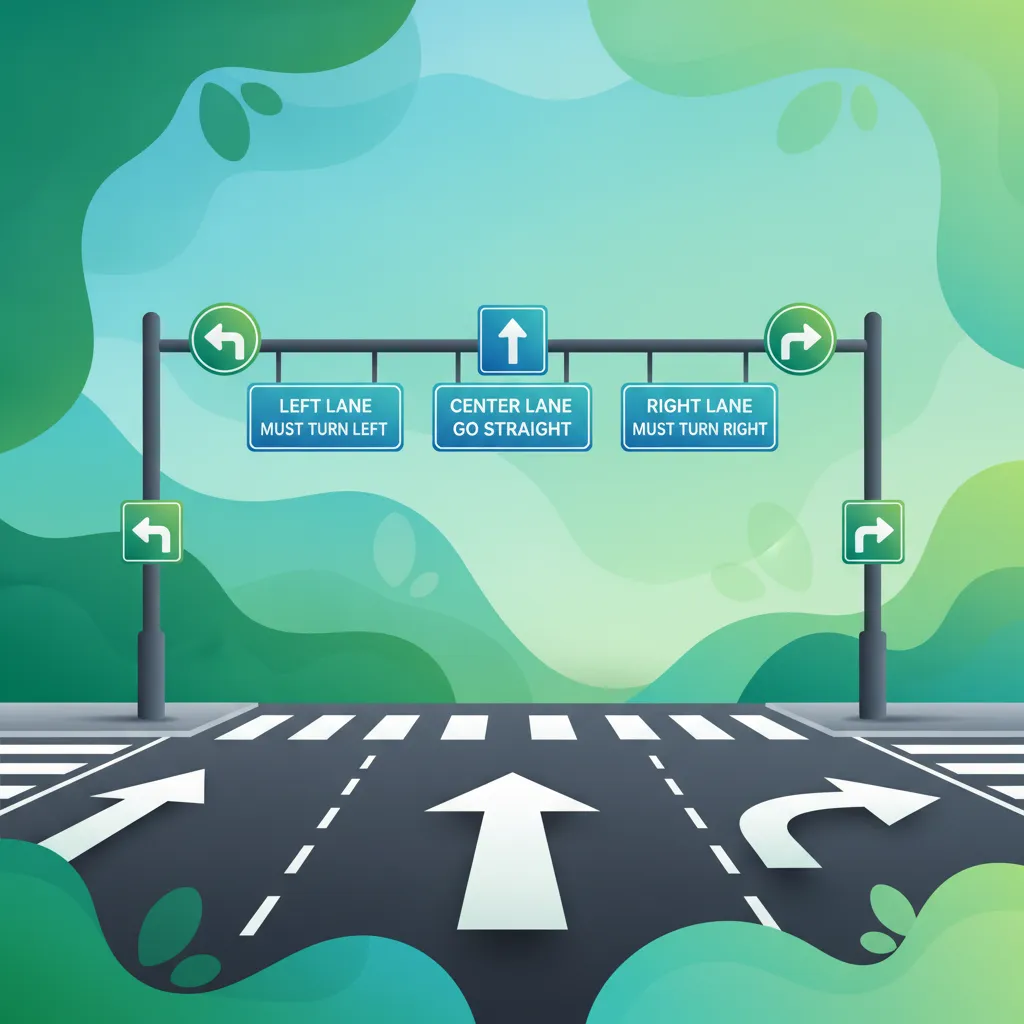
Preselection and direction arrows painted on the road surface instruct drivers on lane-specific movements at upcoming intersections or merges. This lesson teaches you how to interpret these arrows so you can position your vehicle correctly well in advance of a turn. You will learn the rules for lane merging, following curved guidance lines, and avoiding sudden, dangerous lane adjustments.
Find clear answers to common questions learners have about Night Driving: Visibility and Safety Measures. Learn how the lesson is structured, which driving theory objectives it supports, and how it fits into the overall learning path of units and curriculum progression in France. These explanations help you understand key concepts, lesson flow, and exam focused study goals.
You must switch to low beams as soon as you encounter another vehicle to avoid dazzling the driver, whether they are approaching you from the front or you are following behind them. Failure to do so is a common cause of accidents and exam point penalties.
To minimise the impact of glare, shift your gaze toward the right-side edge line of the road. This helps you maintain your lane position and tracking without looking directly into the intense lights of the oncoming vehicle.
Early signs include frequent blinking, heavy eyelids, difficulty focusing on road markings, and a feeling of 'zoning out'. In the context of the French exam, any sign of fatigue requires an immediate stop for a rest break.
Yes. At night, your visible range is limited to the distance illuminated by your headlights. You must adjust your speed so that your stopping distance is always within the distance you can clearly see to be clear.
Ready to focus your study? Use the practice search to find exactly the French driving theory questions you need for the Code de la route and permis de conduire ETG. Refine your knowledge on specific topics or challenging rules to boost your confidence and exam readiness.