
This lesson covers the essential rules for navigating French motorways, or autoroutes, as required for your Category B licence. You will learn the mechanics of lane discipline, how to handle emergency situations, and the proper procedure for approaching toll booths safely. This knowledge is vital for your ETG theory exam and for driving with confidence on high-speed roads.

Lesson content overview
Driving on French motorways (les autoroutes) is a core component of the French Driving Licence Category B Theory Course. Known for being fast, highly efficient, and safe, the French motorway network is governed by strict rules under the Code de la route.
Understanding lane discipline, weather-adjusted speed limits, emergency procedures, toll booths (les péages), and service areas (les aires d'autoroute) is essential for passing your official ETG (Examen de l'Éthique Générale) exam and navigating French highways safely.
French motorways are controlled-access, dual-carriageway roads designed for high-speed travel. They are identified by blue signs and road numbers prefixed with the letter A (e.g., A1, A10, A6).
To ensure safety and maintain a smooth flow of traffic, certain road users and slow-moving vehicles are strictly prohibited from entering motorways.
The following cannot use French motorways:
Proper lane discipline is one of the most strictly enforced rules on French high-speed roads. Maintaining lane discipline prevents traffic bottlenecks, reduces the temptation for dangerous right-side overtaking, and keeps traffic flowing predictably.
According to Article R412-9 of the French Code de la route, you must always drive in the right-hand lane during normal cruising conditions. Even if the motorway has three, four, or more lanes in your direction, you must not remain in the middle or left-hand lanes unless you are actively overtaking a slower vehicle.
Remaining in the middle lane when the right lane is empty is a common and dangerous driving error. It forces faster drivers to make multiple lane changes to overtake you safely on the left.
Legal Penalty: Driving continuously in the middle or left lane without an active overtaking maneuver is an offense under French law. You can be fined and receive a penalty on your driving record.
Overtaking (le dépassement) at speeds up to 130 km/h requires extreme caution, precise timing, and absolute adherence to traffic laws.
In France, overtaking on the right is strictly prohibited on motorways. You must always pass slower vehicles on their left.
There is only one major exception to this rule: when traffic is heavily congested and vehicles have formed continuous lines of slow-moving traffic (files ininterrompues). If your lane happens to move faster than the lane to your left due to traffic flow, this is not considered illegal overtaking.
Check mirrors and blind spots: Look at your interior rear-view mirror, your left side-mirror, and perform a quick shoulder check to cover your blind spot (l'angle mort).
Signal your intention: Activate your left indicator light before you begin moving out of your lane.
Execute the move smoothly: Steer gently into the passing lane, accelerate to complete the maneuver promptly, but do not exceed the speed limit.
Signal your return: Once you can see the entire front of the overtaken vehicle in your interior rear-view mirror, activate your right indicator.
Return to the right lane: Smoothly steer back into the right lane and deactivate your indicator.
The area of the road behind and to the sides of your vehicle that cannot be seen in your rearview or side mirrors. Drivers must physically turn their heads to check this space before changing lanes.
Speed limits on French motorways are highly structured and change dynamically based on weather conditions, road surface state, and driver experience.
| Environmental Condition | Standard Speed Limit | Probationary Driver (Jeune Conducteur) |
|---|---|---|
| Dry Weather & Good Visibility | 130 km/h | 110 km/h |
| Wet Weather / Rain / Damp Road | 110 km/h | 100 km/h |
| Severe Visibility (under 50 meters) | 50 km/h | 50 km/h |
Most French motorways are privately operated and require payment via toll plazas (les péages). Approaching a toll plaza requires early planning and proper lane selection.
As you approach a toll plaza, large overhead digital signs indicate which lanes are open and what payment methods they accept:
France is increasingly transitioning some motorway routes (such as sections of the A79 and A13/A14) to free-flow tolling systems. These motorways do not have physical toll barriers. Instead, overhead cameras scan your license plate or your Télépéage transponder as you drive under them at regular speeds.
If you drive on a free-flow motorway without an electronic badge, you must pay your toll online, via an approved payment terminal, or at a partner tobacco shop (Bureau de tabac) within 72 hours to avoid heavy fines.
Fatigue is one of the leading causes of fatal accidents on French motorways. The French road safety authority actively promotes the rule: "La pause s'impose toutes les deux heures" (A break is mandatory every two hours).
To facilitate this, French motorways are equipped with two distinct types of roadside stops, positioned approximately every 10 to 15 kilometers:
Designed purely for stretching, resting, and basic hygiene.
Larger facilities designed for complete vehicle and driver maintenance.
If your vehicle suffers a mechanical breakdown or you are involved in an accident, you must act rapidly and systematically to protect yourself and your passengers.
The hard shoulder is the emergency lane located on the far right of the motorway. It is strictly illegal to drive, park, or stop on the hard shoulder for non-emergency reasons (e.g., making a phone call, checking GPS, or taking a nap).
Pull over to the right: Park your vehicle as far to the right of the hard shoulder as possible. Turn the front wheels slightly toward the right-hand safety barrier.
Turn on hazard lights: Activate your warning lights (feux de détresse) immediately to alert oncoming traffic.
Put on high-visibility vests: Every occupant must put on a retro-reflective yellow safety vest (gilet jaune) before exiting the vehicle. These vests must be kept within the cabin, not in the boot.
Exit through the passenger side: All passengers must exit the vehicle through the right-side doors (passenger side), away from active traffic.
Stand behind the safety barrier: Move immediately behind the metal safety barrier (glissière de sécurité) and stand on the grass embankment. Never remain inside a stationary vehicle on the hard shoulder.
Call for assistance: Walk safely behind the barrier to the nearest orange emergency call box or use an authorized motorway assistance app.
Orange emergency call boxes are spaced precisely every 2 kilometers along French motorways.
Using an orange call box is highly recommended over using your personal mobile phone because it automatically geolocates your exact position on the network, allowing emergency services and recovery trucks to find you faster.
No Warning Triangles on Motorways: While a warning triangle is mandatory safety equipment in France, you should NOT place it on the motorway lane or the hard shoulder. Doing so puts your life in extreme danger due to high-speed traffic. Your hazard lights and vehicle positioning are sufficient warning.
The table below summarizes critical rules, their rationales, and the consequences of non-compliance under French traffic law.
| Rule | Rationale | Incorrect Behavior | Consequences of Violation |
|---|---|---|---|
| Keep Right Rule | Keeps passing lanes free; ensures smooth, predictable traffic flow. | Staying in the middle or left lane when the right lane is empty. | Fine; increased risk of rear-end collisions. |
| No Right-Side Overtaking | Prevents collisions in blind spots; maintains predictable lane changes. | Passing a slower vehicle on its right-hand side. | Severe fine, 4 points deducted from French licence, suspension risk. |
| Speed Limit Compliance | High speeds drastically increase stopping distances and impact force. | Exceeding 130 km/h (or 110 km/h in wet conditions). | Tiered fines, point deductions, immediate licence confiscation for extreme speed. |
| Emergency Lane Restraints | Keeps the hard shoulder open for emergency services and broken-down vehicles. | Stopping on the hard shoulder to read a map, rest, or make a phone call. | Heavy fine, 4 points deducted, high risk of being struck by moving vehicles. |
| Toll Payment | Funds the upkeep and high safety standards of the private motorway network. | Intentionally bypassing toll payment or utilizing lanes without matching tags. | Monetary fine and administrative recovery penalties. |
This lesson covers the essential rules for driving on French autoroutes, including the legal requirement under Article R412-9 to keep the right-hand lane during normal cruising and use middle or left lanes exclusively for overtaking. You must always pass on the left and never occupy the middle lane when the right lane is available, as doing so is a finable offense. Speed limits vary with conditions, dropping from 130 km/h to 110 km/h in wet weather and to 50 km/h when visibility falls below 50 meters, with probationary drivers held to lower maximums. Emergency procedures on the hard shoulder are strict: activate hazards, wear your yellow vest before exiting through the passenger side, and stand behind the safety barrier while using the orange call boxes rather than a personal phone. Toll booth navigation requires selecting the correct lane type based on your payment method, with France increasingly adopting free-flow tolling that demands online payment within 72 hours.
A short set of high-value points that capture the most important learning from this lesson.
French motorway lane discipline requires keeping the right-hand lane as your default cruising lane at all times
Overtaking on French motorways must always be done from the left; passing on the right is strictly prohibited except in continuous traffic queues
Speed limits on autoroutes dynamically adjust: 130 km/h in dry conditions, 110 km/h in wet weather, and 50 km/h when visibility drops below 50 meters
When approaching toll plazas, select the correct lane based on payment method: green arrow for all vehicles, blue card symbol for cards only, orange 't' for Télépéage transponders
In emergencies on the hard shoulder, you must exit the vehicle through the passenger side, stand behind the safety barrier, and use the orange emergency call boxes rather than a personal phone for faster location services
Explore all units and lessons included in this driving theory course.
The BAU (Bande d'Arrêt d'Urgence) is reserved exclusively for genuine breakdowns and emergencies; stopping for non-emergencies such as checking a GPS or making a phone call results in fines and point deductions
Orange emergency call boxes are positioned every 2 kilometers and automatically geolocate your position, making them preferable to mobile phones for summoning assistance
No warning triangle should ever be placed on the motorway hard shoulder or lane due to the extreme danger posed by high-speed traffic
Probationary drivers (Jeune Conducteur) face reduced speed limits: 110 km/h instead of 130 km/h in dry conditions and 100 km/h instead of 110 km/h in wet weather
Free-flow toll sections require payment within 72 hours online or at a Bureau de tabac to avoid heavy fines; no physical stopping is required at toll barriers
Remaining in the middle lane when the right lane is clear (squatting), which causes dangerous lane changes by faster drivers behind you
Attempting to overtake slower vehicles on their right side, which can result in severe fines and a 4-point deduction from your French licence
Failing to reduce speed appropriately when road conditions change, such as not dropping from 130 km/h to 110 km/h when it rains
Exiting the vehicle through the driver's door on the hard shoulder instead of the passenger side, exposing yourself to oncoming traffic
Wearing the high-visibility gilet jaune after exiting the vehicle instead of before, which violates French safety regulations
Lesson content overview
A short set of high-value points that capture the most important learning from this lesson.
French motorway lane discipline requires keeping the right-hand lane as your default cruising lane at all times
Overtaking on French motorways must always be done from the left; passing on the right is strictly prohibited except in continuous traffic queues
Speed limits on autoroutes dynamically adjust: 130 km/h in dry conditions, 110 km/h in wet weather, and 50 km/h when visibility drops below 50 meters
When approaching toll plazas, select the correct lane based on payment method: green arrow for all vehicles, blue card symbol for cards only, orange 't' for Télépéage transponders
In emergencies on the hard shoulder, you must exit the vehicle through the passenger side, stand behind the safety barrier, and use the orange emergency call boxes rather than a personal phone for faster location services
Explore all units and lessons included in this driving theory course.
The BAU (Bande d'Arrêt d'Urgence) is reserved exclusively for genuine breakdowns and emergencies; stopping for non-emergencies such as checking a GPS or making a phone call results in fines and point deductions
Orange emergency call boxes are positioned every 2 kilometers and automatically geolocate your position, making them preferable to mobile phones for summoning assistance
No warning triangle should ever be placed on the motorway hard shoulder or lane due to the extreme danger posed by high-speed traffic
Probationary drivers (Jeune Conducteur) face reduced speed limits: 110 km/h instead of 130 km/h in dry conditions and 100 km/h instead of 110 km/h in wet weather
Free-flow toll sections require payment within 72 hours online or at a Bureau de tabac to avoid heavy fines; no physical stopping is required at toll barriers
Remaining in the middle lane when the right lane is clear (squatting), which causes dangerous lane changes by faster drivers behind you
Attempting to overtake slower vehicles on their right side, which can result in severe fines and a 4-point deduction from your French licence
Failing to reduce speed appropriately when road conditions change, such as not dropping from 130 km/h to 110 km/h when it rains
Exiting the vehicle through the driver's door on the hard shoulder instead of the passenger side, exposing yourself to oncoming traffic
Wearing the high-visibility gilet jaune after exiting the vehicle instead of before, which violates French safety regulations
Explore search topics learners often look for when studying Motorway Driving: Rules, Lane Use, and Service Areas. These topics reflect common questions about road rules, driving situations, safety guidance, and lesson level theory preparation for learners in France.
Browse additional driving theory lessons that cover connected traffic rules, road signs, and common driving situations related to this topic. Improve your understanding of how different rules interact across everyday traffic scenarios.
Understand the legal requirements for using the hard shoulder, the function of orange emergency call boxes, and the essential safety steps to take during a vehicle breakdown. This guide explains how to remain safe on high-speed roads according to the French Code de la route.
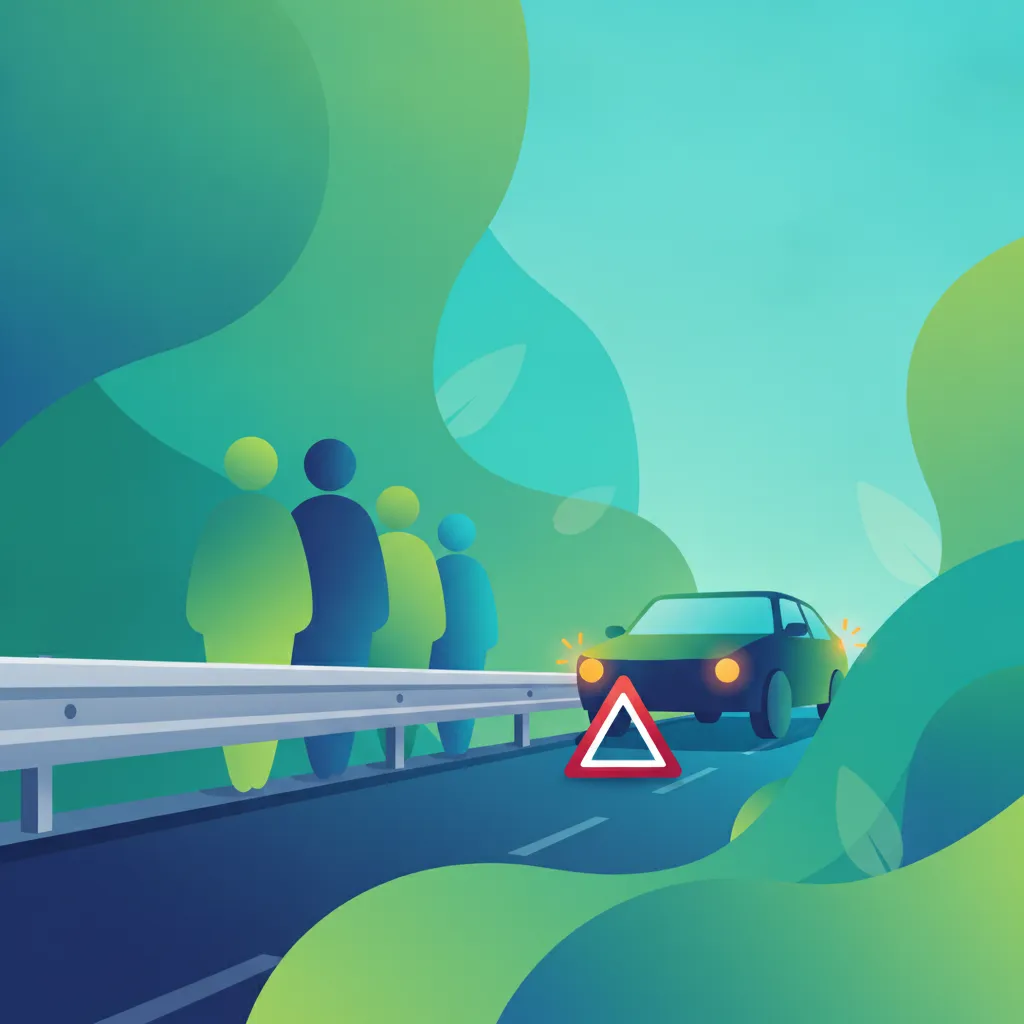
This lesson details the emergency protocols for handling mechanical breakdowns or tire blowouts on public highways and motorways. Drivers will learn how to park the vehicle in the safest possible location, activate hazard warning lights, and deploy the reflective warning triangle. It teaches precise commands and steps for evacuating passengers quickly through safety exits, positioning them behind protective guardrails.
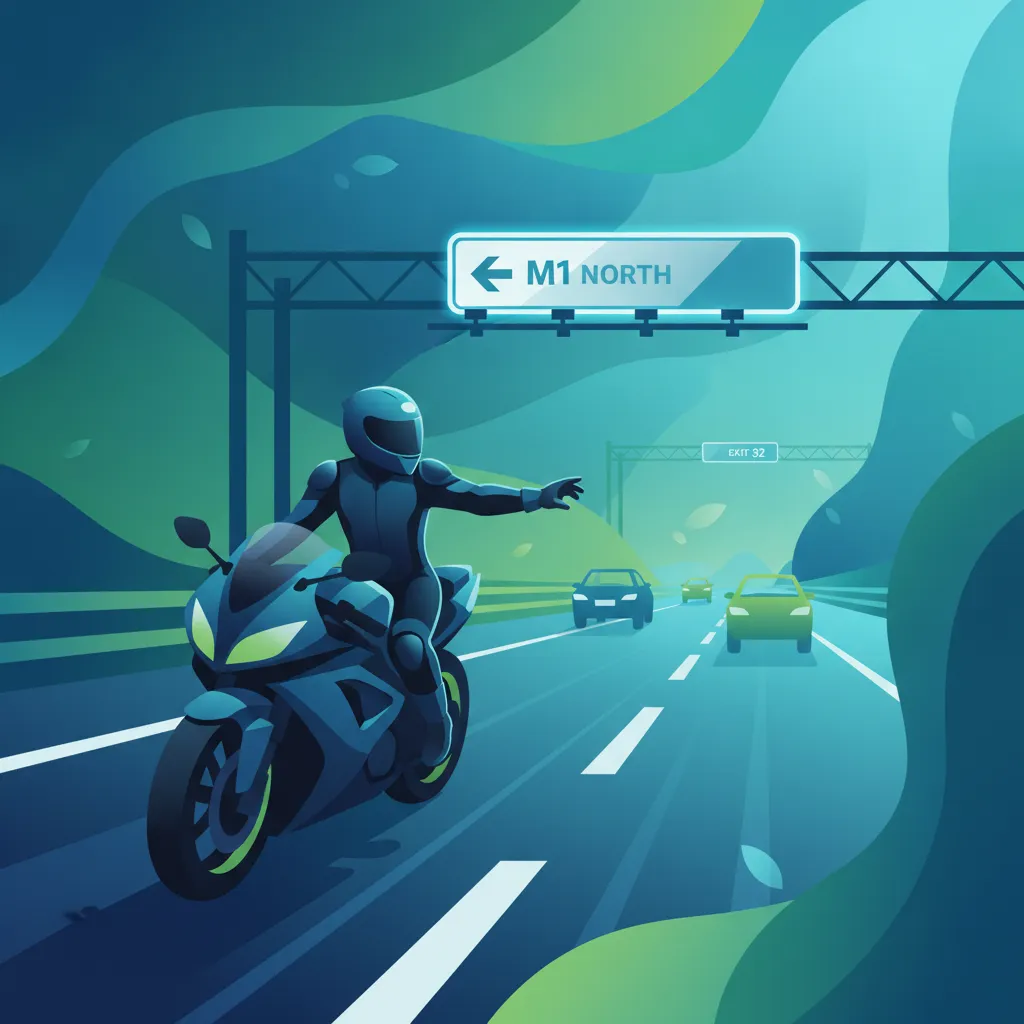
This lesson details how to safely enter, cruise on, and exit French motorways, known as autoroutes, which feature high-speed traffic flows. You will master the process of matching highway speeds in the acceleration lane and performing blind spot checks before merging. The lesson also explains correct lane positioning to avoid aerodynamic turbulences from large semi-trucks, and how to safely prepare for decelerating at exit ramps.

This lesson covers the rules of driving passenger vehicles on high-speed French motorways (autoroutes). Learners will study entry-ramp merging protocols, lane restrictions for vehicles over 3.5 tonnes, and motorway-specific speed limits. The lesson also highlights the correct use of toll booths (péages), emergency hard-shoulder safety procedures, and accessing dedicated coach rest areas.
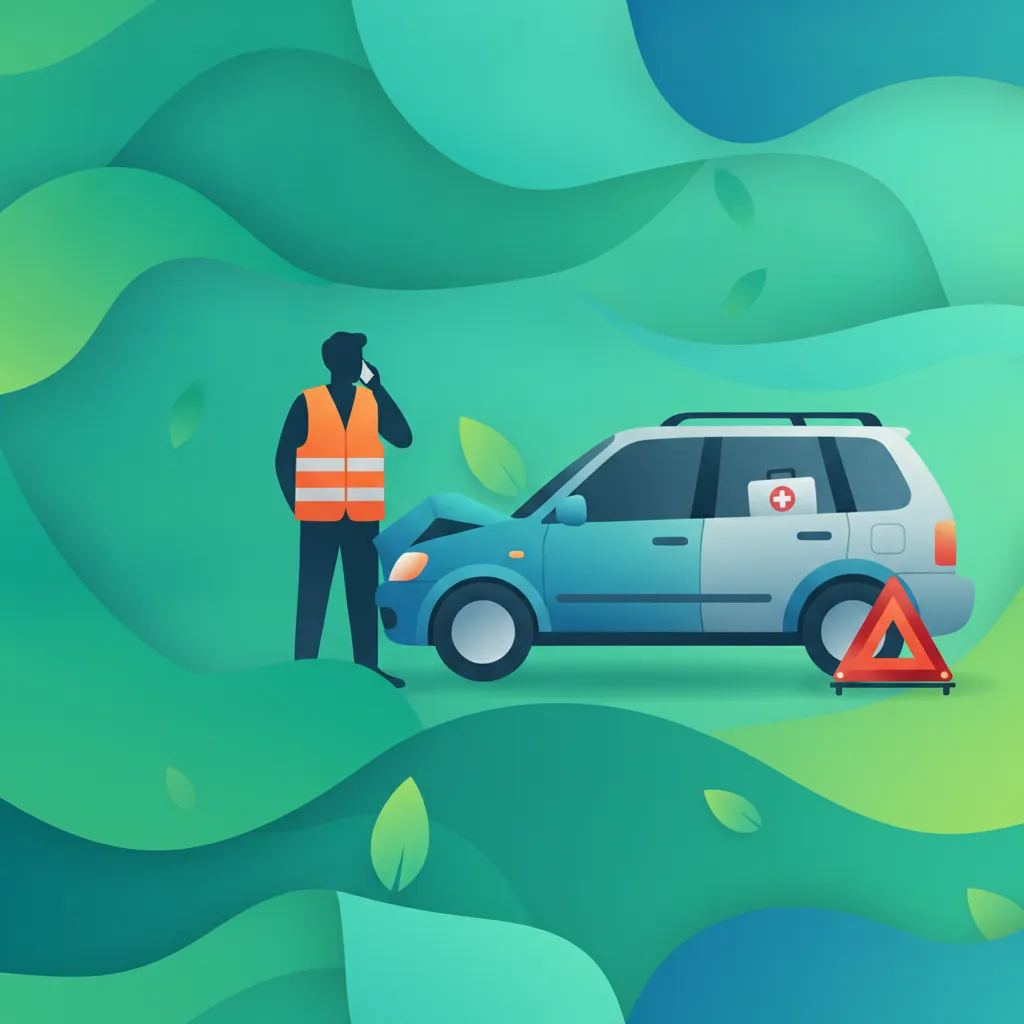
This lesson provides a clear, step-by-step procedure to follow if you witness or are involved in a traffic accident in France. You will learn how to secure the scene using your mandatory hazard triangle and yellow vest to prevent secondary collisions. Crucially, it explains how to contact emergency services via 112 and covers basic first-aid rules, including the absolute ban on removing an injured rider's helmet unless necessary.
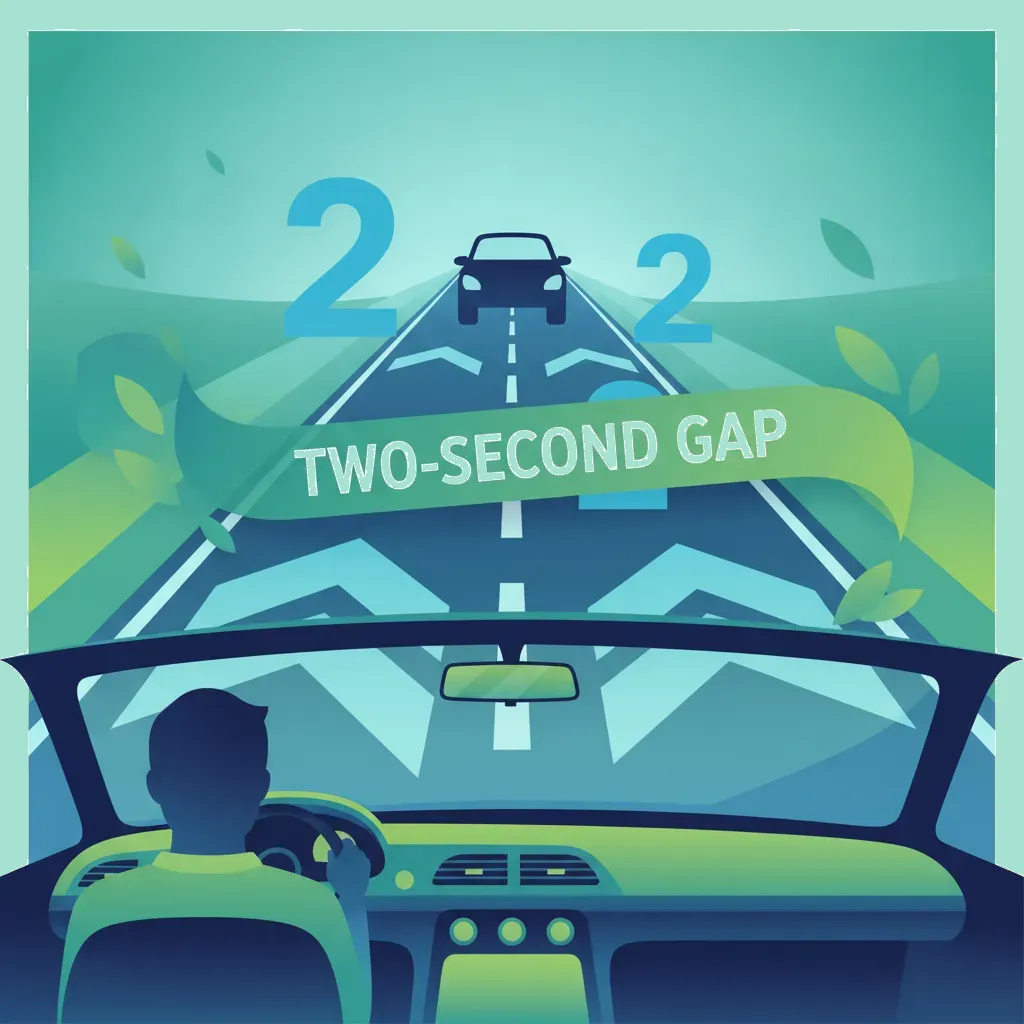
Maintaining a safe distance behind the lead vehicle is essential to prevent rear-end collisions during sudden braking maneuvers. This lesson teaches you the two-second safety rule and how to calculate this gap at different highway speeds. You will also study unique safety margin requirements, such as maintaining minimum distance intervals in road tunnels or doubling your following distance on wet roads.
This lesson focuses on the specific considerations for operating goods vehicles on French motorways, including lane selection, speed management, and proper merging techniques. Learners will understand the importance of maintaining lane discipline, using appropriate overtaking practices, and respecting motorway-specific speed limits for heavy vehicles. The content also covers the use of emergency lanes and the handling of traffic flow.
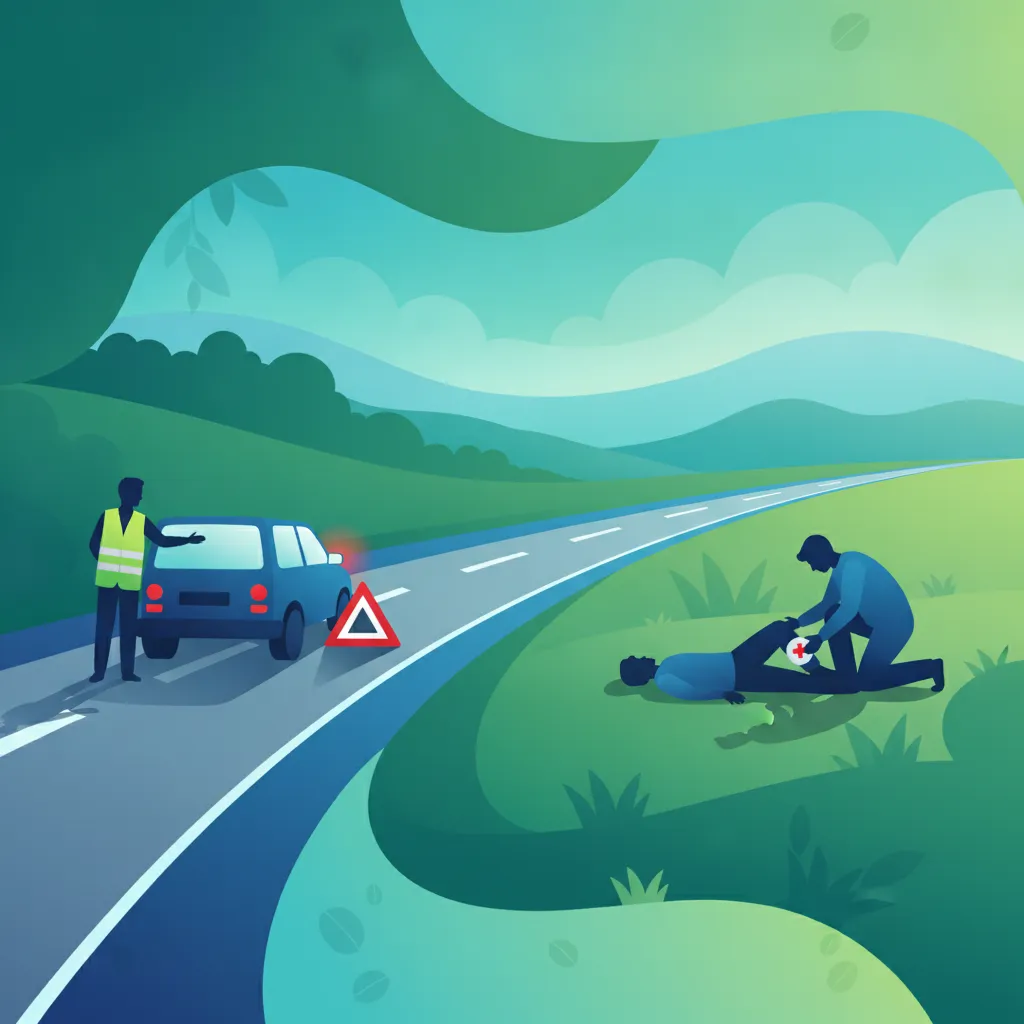
When encountering or participating in a road accident, following a strict safety protocol protects lives and prevents secondary crashes. This lesson covers the essential 'Protect, Alert, Rescue' (PAS) protocol, which involves wearing a yellow high-visibility vest, placing a warning triangle, and calling 112. You will also learn basic first-aid practices, how to secure victims, and the correct way to fill out an accident report.
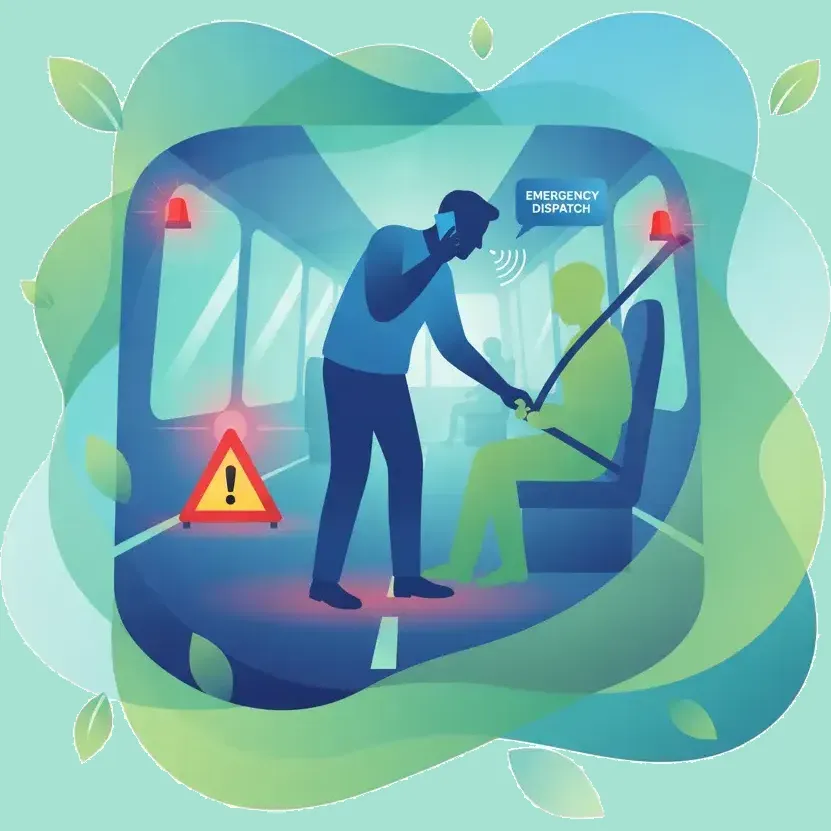
This lesson covers immediate response steps for critical on-board events, including passenger medical emergencies and engine compartment fires. Learners will study the location and proper application of fire extinguishers, safety hammers, and first aid kits. It also explains how to coordinate effectively with French emergency services (SAMU, Fire Brigade) and reassure passengers to maintain calm during an incident.

This lesson focuses on the defensive value of CE-certified motorcycle apparel, including jackets, trousers, gloves, and boots. You will learn about the technical properties of abrasion-resistant materials like Cordura or leather, and the integration of armor inserts. Crucially, the lesson covers the French legal mandate requiring riders and passengers to wear certified protective gloves, detailing the legal fines for non-compliance.

Adverse weather reduces tyre traction and limits visibility, dramatically raising the risk of multi-car accidents on highways. This lesson details speed reductions required during rainfall, techniques for avoiding aquaplaning, and demisting windshields for visibility. You will learn how to maintain extra stopping distance on snow-covered roads and the correct headlight adjustments to make during fog.
Learn how official French speed limits vary depending on weather conditions, road surface state, and driver experience levels. This lesson clarifies the rules for variable speed signs and the mandatory speed reductions required during rain, fog, and low visibility to maintain safe driving standards.
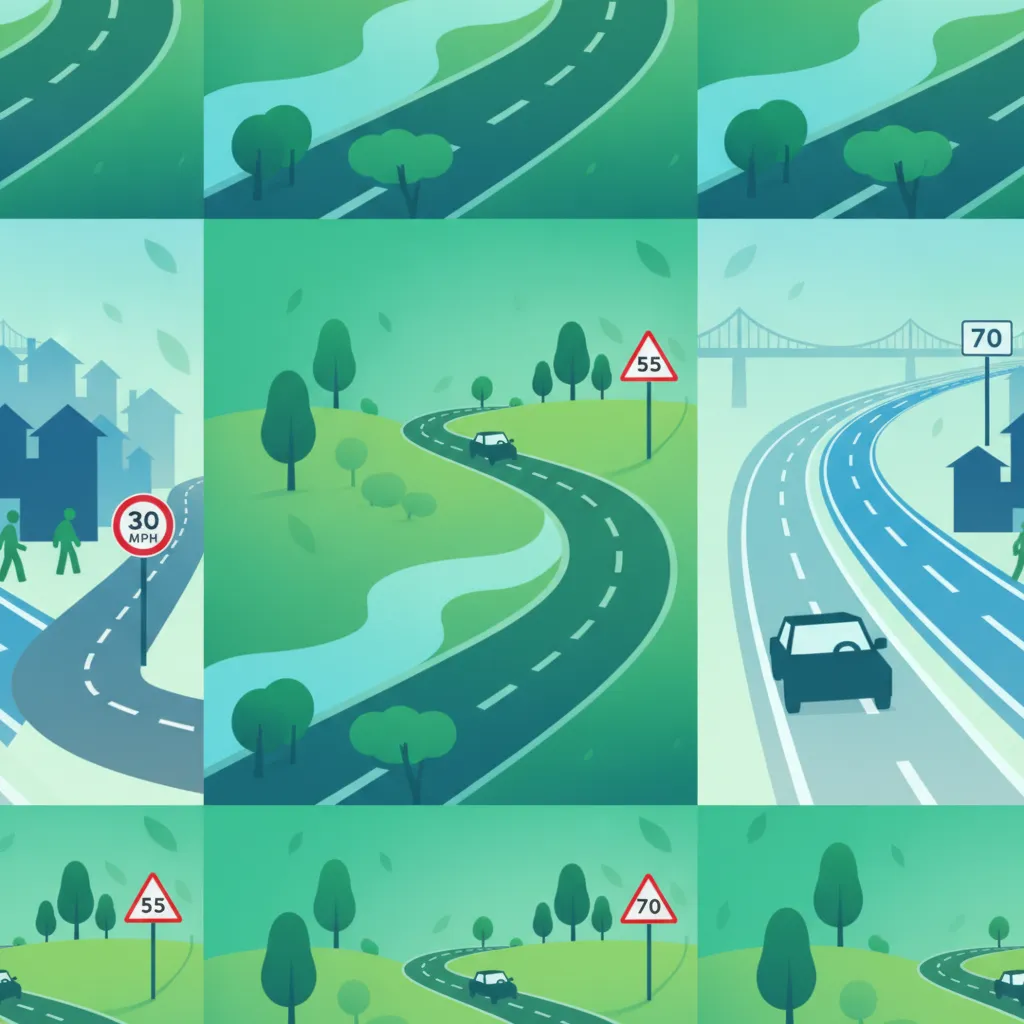
Speed limits in France are strictly regulated based on road category, weather conditions, and the driver's licensing status. This lesson covers standard speeds: 50 km/h in urban areas, 80 km/h on two-lane rural roads, 110 km/h on dual carriageways, and 130 km/h on motorways. You will also learn how these limits drop during rain or fog, and the reduced speed limits applicable to probationary drivers.
This lesson focuses on the skill of adjusting speed according to real-time road conditions, visibility, and traffic density. Learners will learn to assess factors such as weather, road surface quality, and pedestrian activity to determine a safe riding speed under French regulatory expectations. By mastering adaptive speed control, riders can enhance safety and reduce the likelihood of accidents caused by inappropriate speed.
Adverse weather reduces tyre traction and limits visibility, dramatically raising the risk of multi-car accidents on highways. This lesson details speed reductions required during rainfall, techniques for avoiding aquaplaning, and demisting windshields for visibility. You will learn how to maintain extra stopping distance on snow-covered roads and the correct headlight adjustments to make during fog.
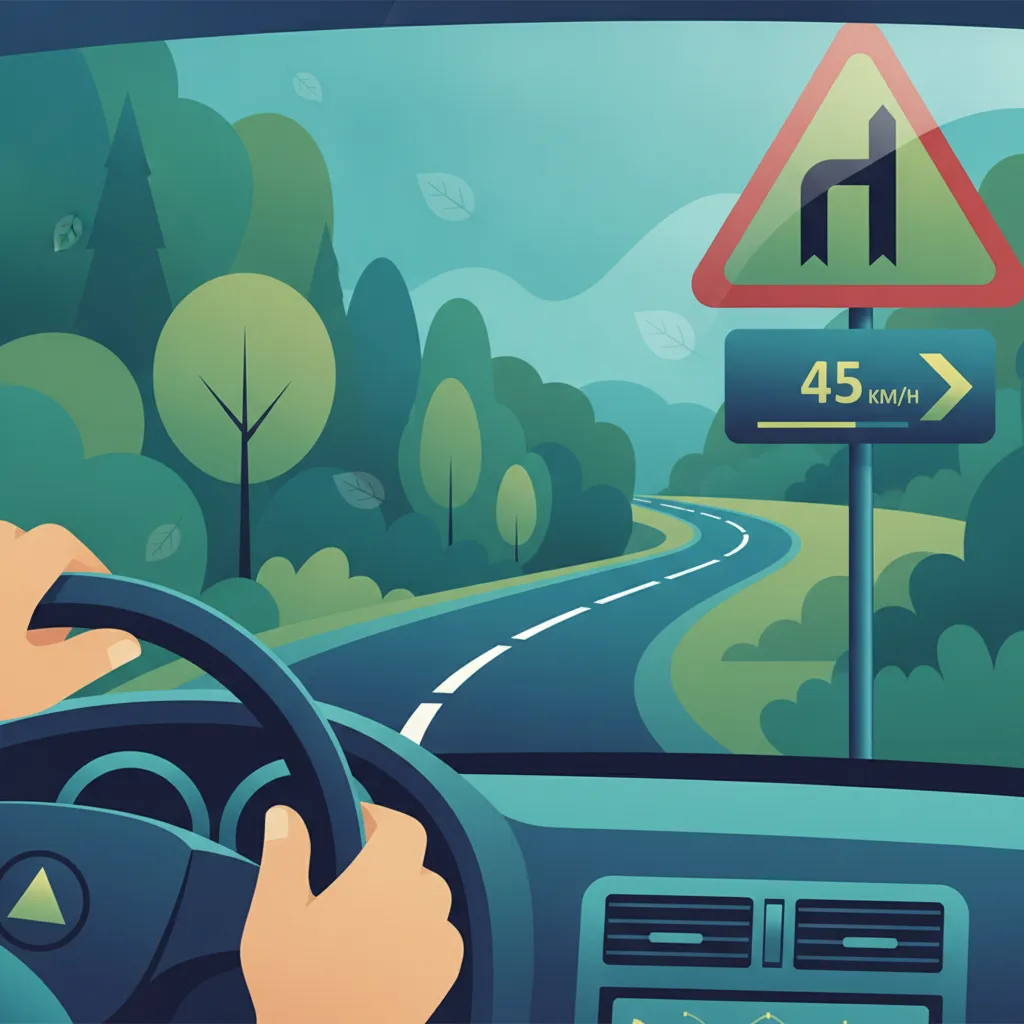
The legal speed limit is a maximum threshold, not a target speed that is always safe to maintain. This lesson teaches you how to select an appropriate, safe speed based on visibility, traffic congestion, and road topography. You will learn how to negotiate blind turns, approach summits with caution, and reduce speeds in heavy traffic to ensure you always maintain complete control of your vehicle.
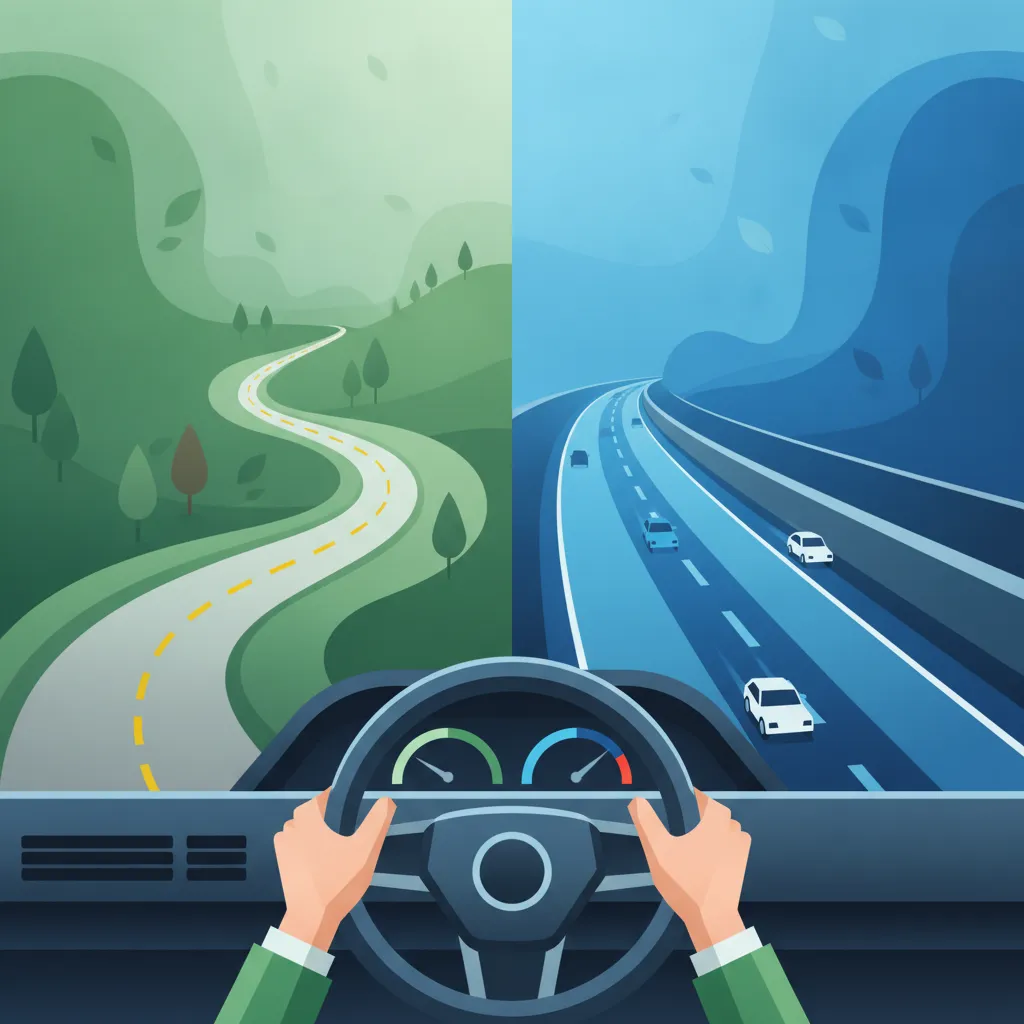
This lesson details the specific legal speed limits for passenger transport vehicles on motorways, rural trunk roads, and urban streets under French law. Drivers will learn how speed limits shift depending on overall vehicle weight, towing arrangements, and poor weather conditions like heavy rain. Developing a proactive approach to speed management helps maintain stable vehicle control and ensures full regulatory compliance.
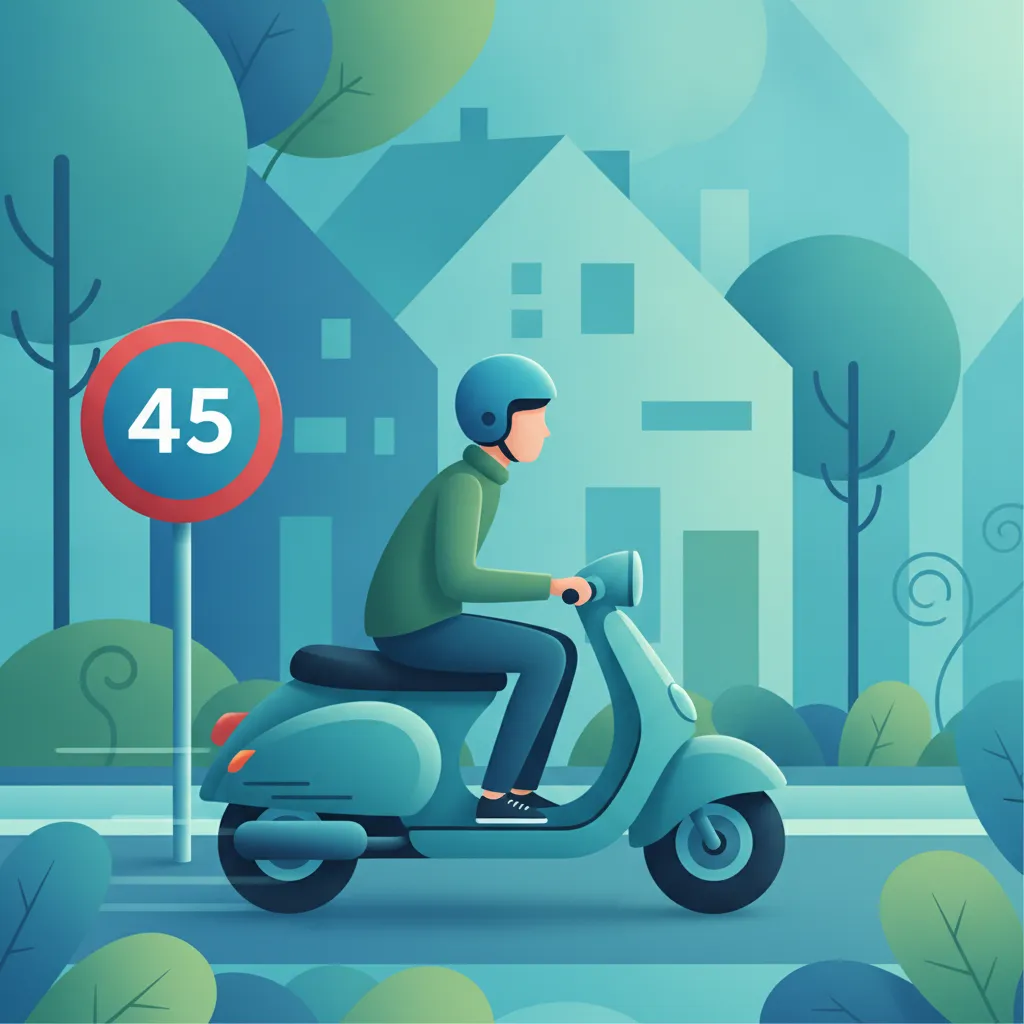
Learners will explore the specific speed limits applicable to AM vehicles across different road environments, including urban streets, residential zones, school areas, and highways in France. The lesson emphasizes interpreting speed sign information and adhering to the legally mandated maximum speeds, particularly the 45 km/h cap for light mopeds. Understanding and respecting these limits is vital for lawful and safe operation of AM vehicles.

This lesson focuses on adapting your riding behavior to sudden environmental shifts, such as heavy fog or strong crosswinds on exposed bridges. You will learn specific technical adjustments, including leaning slightly into crosswinds and widening your safety margins during low-visibility fog. The lesson also highlights how seasonal temperature drops affect your tires' ability to warm up and achieve reliable, safe levels of road adhesion.
Find clear answers to common questions learners have about Motorway Driving: Rules, Lane Use, and Service Areas. Learn how the lesson is structured, which driving theory objectives it supports, and how it fits into the overall learning path of units and curriculum progression in France. These explanations help you understand key concepts, lesson flow, and exam focused study goals.
No. Under the French Code de la route, you must always drive in the right-hand lane unless you are overtaking another vehicle. Staying in the middle lane is considered a traffic offense and can lead to a fine.
Move your vehicle to the hard shoulder, put on your hazard lights, and ensure all passengers exit through the passenger doors away from traffic. Walk behind the safety barrier to reach an orange emergency call box to alert authorities; never attempt to repair the car yourself on the motorway.
Look for the symbols above the lanes. A green arrow indicates the lane is open, a red cross means it is closed, and symbols like coins or cards indicate which payment methods are accepted. Telepéage lanes are reserved for vehicles with an electronic tag.
Absolutely not. The hard shoulder is strictly reserved for emergency stops and authorized service vehicles. Using it for any other purpose is illegal and extremely dangerous.
Ready to focus your study? Use the practice search to find exactly the French driving theory questions you need for the Code de la route and permis de conduire ETG. Refine your knowledge on specific topics or challenging rules to boost your confidence and exam readiness.