
This lesson focuses on the critical skills required to navigate active roadwork zones safely and legally according to the French Code de la route. You will learn how to prioritize temporary signage, adjust your speed, and handle lane changes during construction. Mastery of these rules is essential for both your ETG exam and daily driving safety.
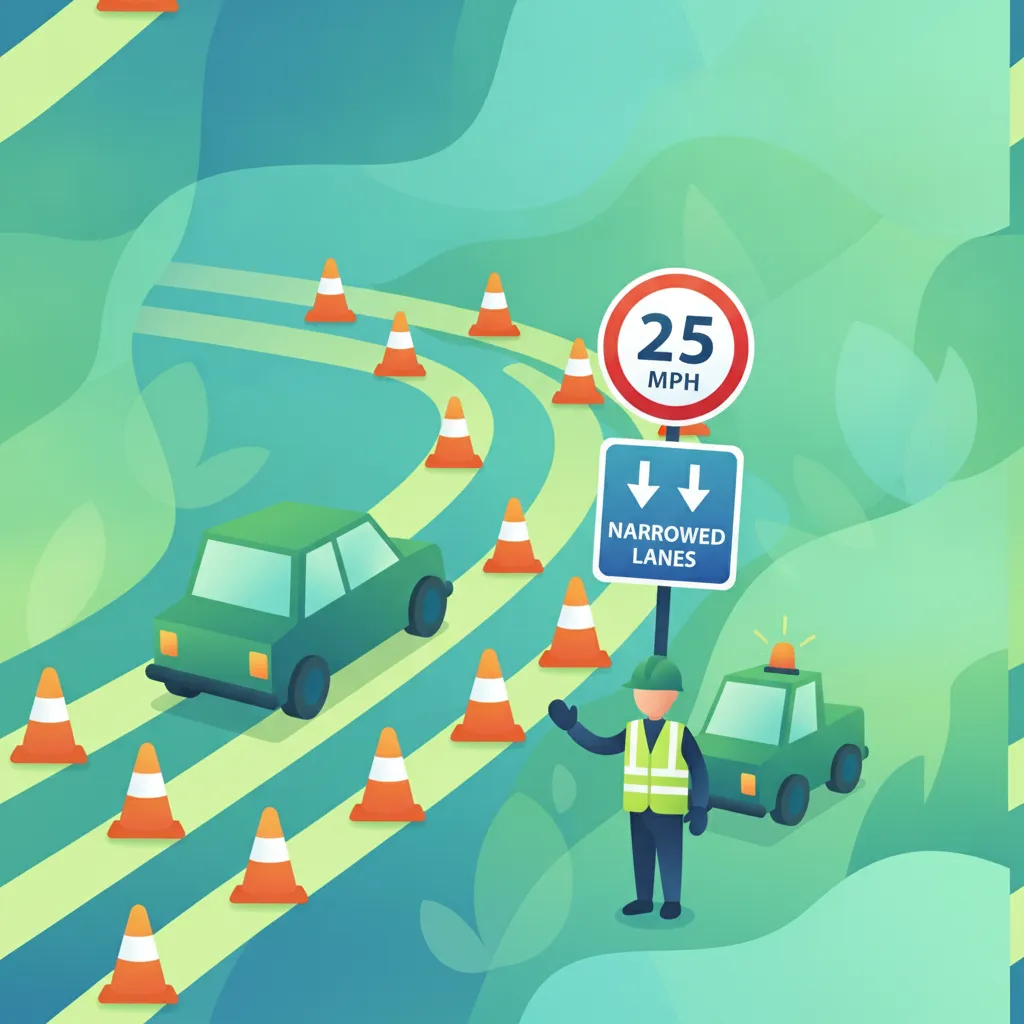
Lesson content overview
Navigating French roadworks requires understanding that temporary yellow road markings legally override permanent white lines, with solid yellow prohibiting crossing and broken yellow permitting lane changes. Temporary warning signs distinguish themselves through yellow backgrounds with red borders, while the alternat system manages single-lane bottlenecks through portable lights, manual paddles, or priority signs. Construction-zone speed limits are drastically reduced (often to 30 km/h) to protect workers, and violations carry severe penalties including fines and point deductions. Drivers must also master the zipper merge technique, respect worker safety obligations under Article R413-28, and maintain appropriate passing distances from cyclists and pedestrians displaced by construction.
A short set of high-value points that capture the most important learning from this lesson.
Yellow temporary road markings always supersede permanent white markings and must be obeyed without exception
Temporary warning signs use a yellow background with red border to distinguish them from permanent signs
The alternat system regulates single-lane bottlenecks using portable lights, manual paddles, or priority signs
Construction-zone speed limits are legally binding and strictly enforced regardless of visible workers
Drivers must yield to construction vehicles with flashing lights and maintain maximum lateral distance from roadworkers
Explore all units and lessons included in this driving theory course.
Solid yellow lines prohibit crossing; broken yellow lines permit lane changes when safe
AK5 = roadworks warning, KD1 = detour direction, B14 = temporary speed limit, K16 = lane edge beacon
At 30 km/h stopping distance is ~13m; at 50 km/h it doubles to ~26m on dry pavement
Article R413-28 obligates drivers to adjust speed and behavior in response to worker presence
The zipper merge (fermeture éclair) requires alternating entry at the merge point, not early merging
Assuming a temporary speed limit is advisory when no workers are visible, leading to fines and penalties
Crossing a solid yellow line because the white line underneath allows it, resulting in the same penalties as crossing solid white
Treating mobile traffic lights with less respect than permanent lights; both require absolute obedience
Relying solely on GPS navigation during detours, which may lack real-time updates for temporary routes
Not adjusting headlight use at night—high beams reflect off temporary signs and blind workers
Lesson content overview
A short set of high-value points that capture the most important learning from this lesson.
Yellow temporary road markings always supersede permanent white markings and must be obeyed without exception
Temporary warning signs use a yellow background with red border to distinguish them from permanent signs
The alternat system regulates single-lane bottlenecks using portable lights, manual paddles, or priority signs
Construction-zone speed limits are legally binding and strictly enforced regardless of visible workers
Drivers must yield to construction vehicles with flashing lights and maintain maximum lateral distance from roadworkers
Explore all units and lessons included in this driving theory course.
Solid yellow lines prohibit crossing; broken yellow lines permit lane changes when safe
AK5 = roadworks warning, KD1 = detour direction, B14 = temporary speed limit, K16 = lane edge beacon
At 30 km/h stopping distance is ~13m; at 50 km/h it doubles to ~26m on dry pavement
Article R413-28 obligates drivers to adjust speed and behavior in response to worker presence
The zipper merge (fermeture éclair) requires alternating entry at the merge point, not early merging
Assuming a temporary speed limit is advisory when no workers are visible, leading to fines and penalties
Crossing a solid yellow line because the white line underneath allows it, resulting in the same penalties as crossing solid white
Treating mobile traffic lights with less respect than permanent lights; both require absolute obedience
Relying solely on GPS navigation during detours, which may lack real-time updates for temporary routes
Not adjusting headlight use at night—high beams reflect off temporary signs and blind workers
Explore search topics learners often look for when studying Navigating Roadworks and Temporary Traffic Arrangements. These topics reflect common questions about road rules, driving situations, safety guidance, and lesson level theory preparation for learners in France.
Browse additional driving theory lessons that cover connected traffic rules, road signs, and common driving situations related to this topic. Improve your understanding of how different rules interact across everyday traffic scenarios.
Understand the legal significance of longitudinal markings and how they dictate lane usage on French roads. This lesson explores proper lane positioning, the meaning of various road markings, and how to maintain safe lane discipline in high-traffic environments to improve your overall understanding of traffic flow regulations.

Longitudinal road markings are painted along the length of the road to divide lanes and regulate overtaking maneuvers. This lesson teaches the strict legal prohibition of crossing solid white lines and the specific spacing of broken lines that permit lane changes. You will also learn how to interpret dual lines, warning arrows, and how to maintain proper lane discipline in heavy traffic.

This lesson details the legal and physical implications of horizontal markings, including solid white lines, broken warning lines, and cycle lane dividers. You will learn about the strict prohibition against crossing solid lines and how directional arrows dictate correct lane choices at complex junctions. Importantly, the lesson teaches you to recognize the physical hazard of wet road paint, which drastically reduces tire grip during braking.
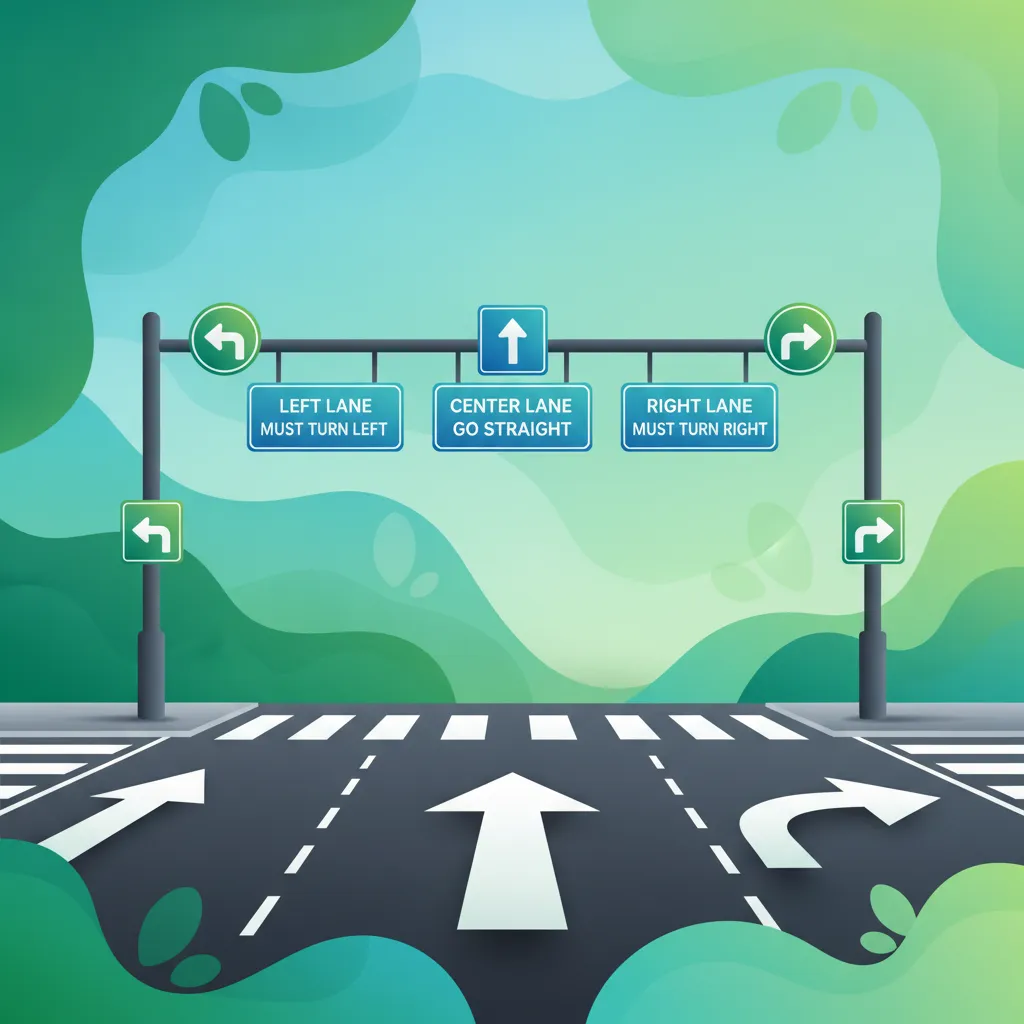
Preselection and direction arrows painted on the road surface instruct drivers on lane-specific movements at upcoming intersections or merges. This lesson teaches you how to interpret these arrows so you can position your vehicle correctly well in advance of a turn. You will learn the rules for lane merging, following curved guidance lines, and avoiding sudden, dangerous lane adjustments.
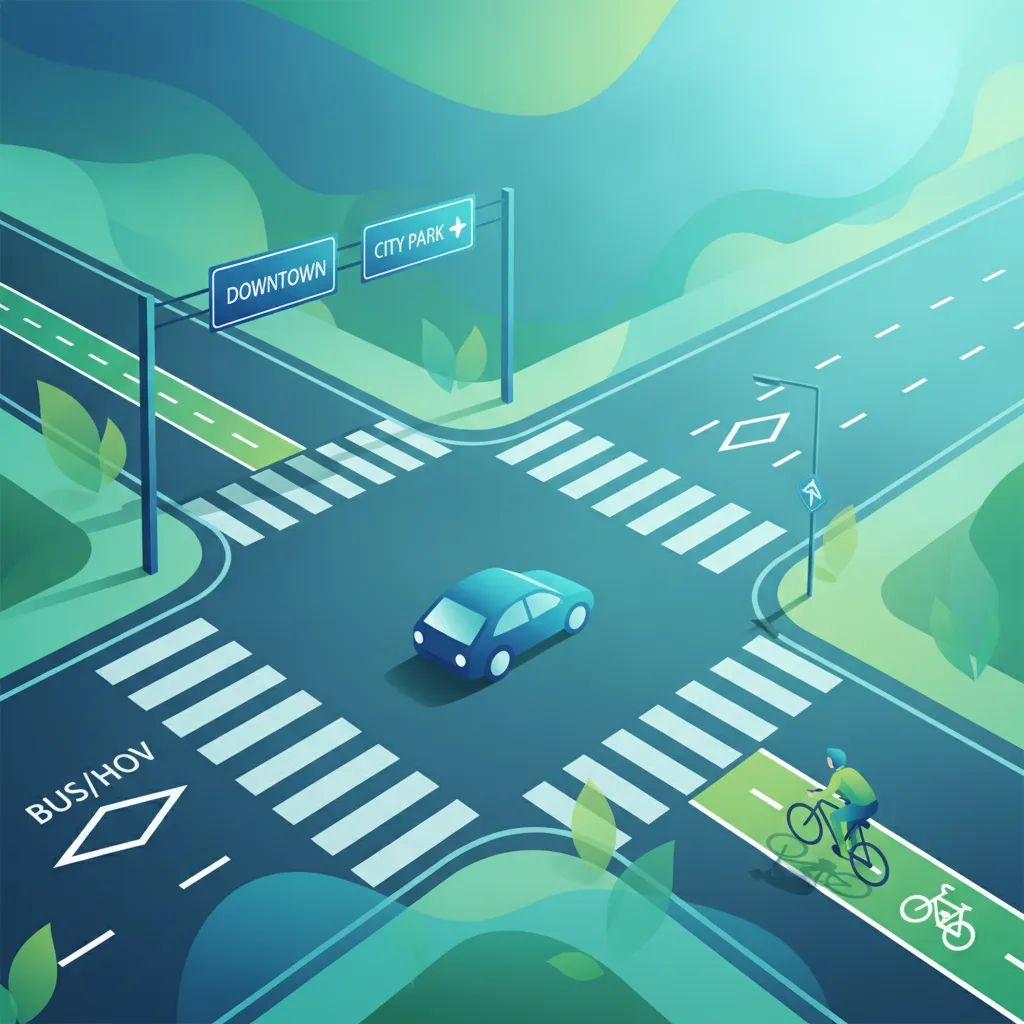
Learners will explore the variety of road surface markings that indicate lane boundaries, reserved spaces for different users, and pedestrian crossings in France. The lesson emphasizes how AM riders should interpret solid and broken lines, bike lane markings, and zebra crossings, ensuring appropriate lane usage and adherence to traffic flow. Understanding these markings is essential for maintaining order and safety on shared roadways.
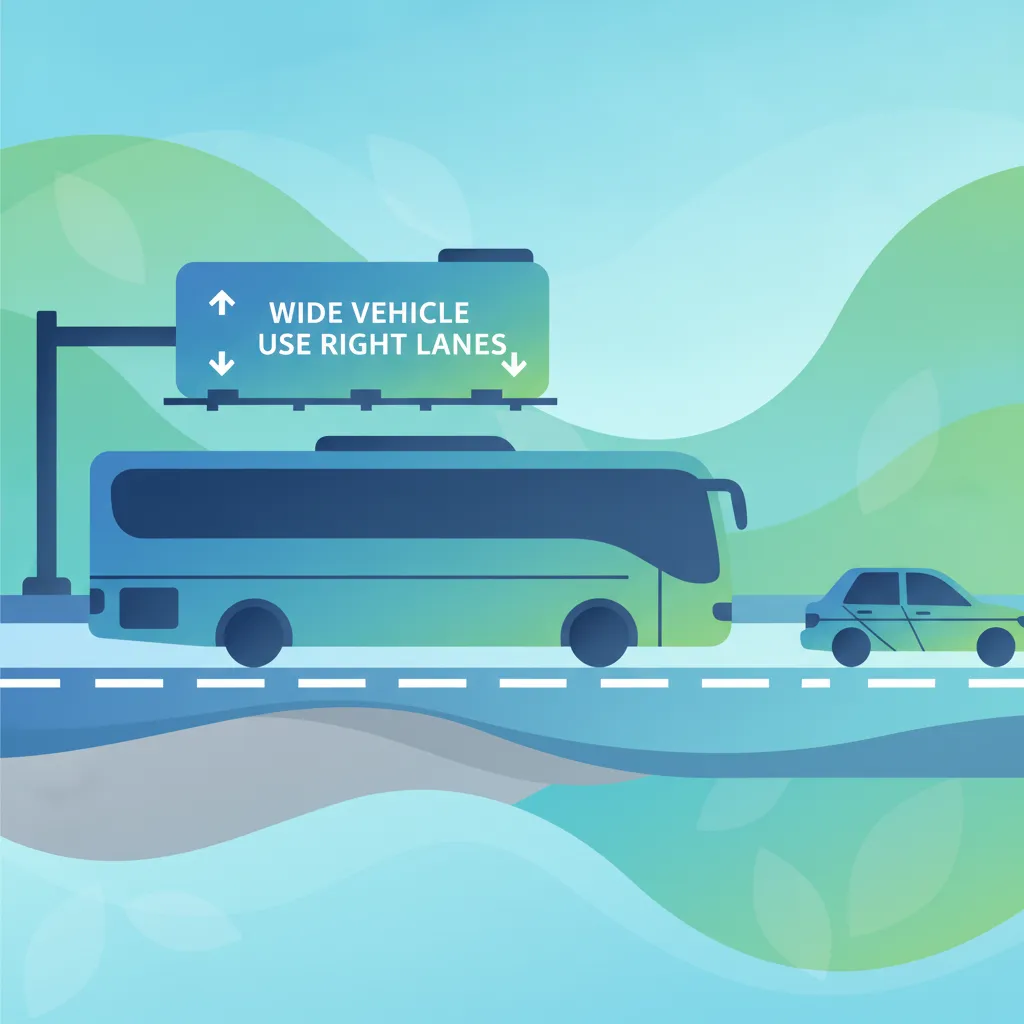
This lesson details the rules of lane discipline for operating wider and longer passenger transport vehicles on highway and city networks. Learners will explore proper lane positioning to prevent encroachment on adjacent lanes or sidewalks. It also covers the step-by-step visual and signaling sequence required to perform safe lane changes, avoiding sudden movements that could startle other drivers.

Lateral road markings run across or along the sides of roadways, signaling limits such as stop lines, yield lines, and pedestrian zones. This lesson explains how painted curbs restrict parking, including continuous or broken yellow lines which signal stopping or parking prohibitions. You will learn how to identify pedestrian zone boundaries and ensure you never obstruct pedestrian or cyclist paths.
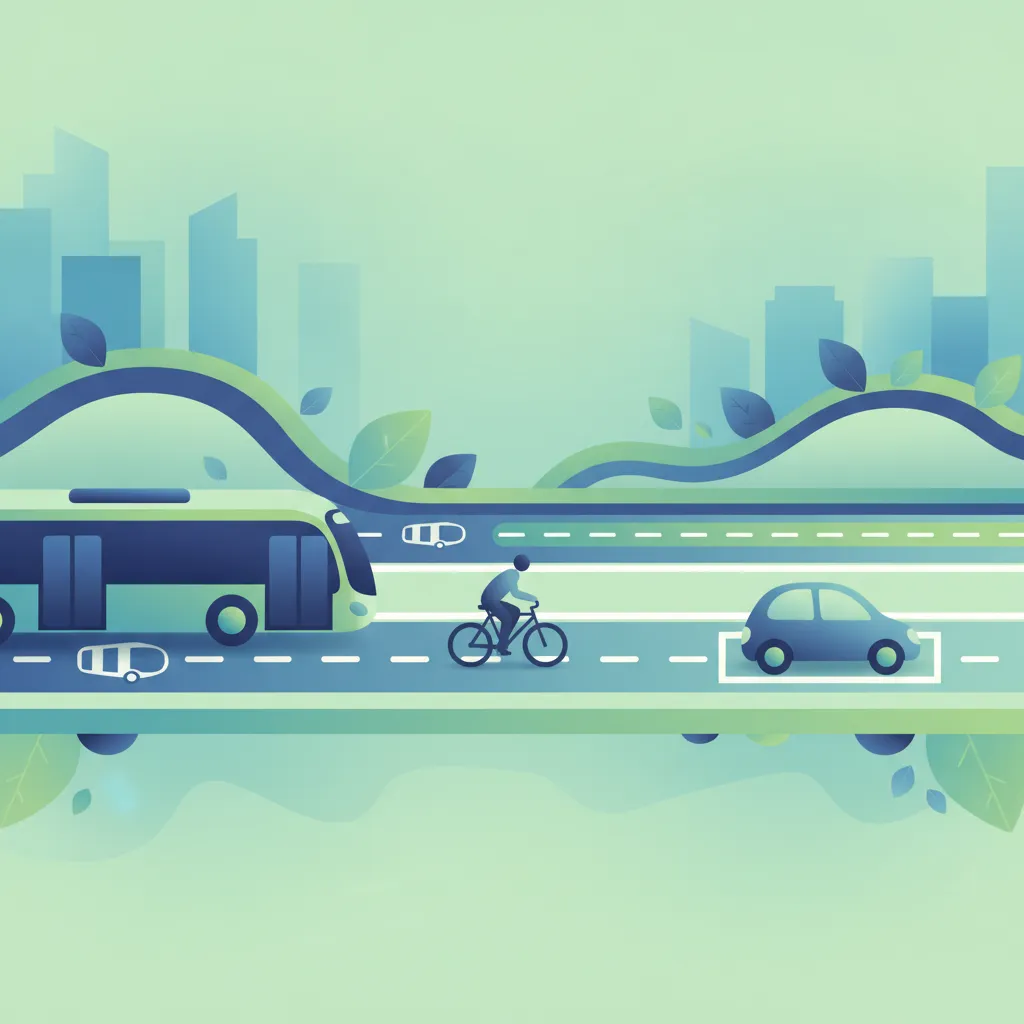
Urban roads in France feature specialized lanes reserved for public transit, micro-mobility, and distinct parking options. This lesson covers how to recognize bus lanes, cycling lanes, and the specific rules that prohibit general traffic from blocking them. You will also learn to interpret parking bay outlines, loading zones, and spots reserved for electric charging or drivers with disabilities.

This lesson covers the specific lane usage rules and best practices for articulated goods vehicles, emphasizing the correct positioning within lane markings and the impact of vehicle length on lane width. Learners will understand how to navigate lane changes safely, the importance of maintaining appropriate gaps with other road users, and the challenges posed by narrow lanes in urban environments. The content also addresses the French road markings standard.

French motorways (autoroutes) are fast, controlled-access roads with unique laws regulating lane discipline and emergencies. This lesson teaches standard lane-use: cruising in the right lane and reserving the middle or left lanes exclusively for passing. You will study emergency procedures, the use of orange emergency call boxes, safety barrier rules, and navigating toll booths (peages) safely.

France features a vast network of roundabouts (carrefours a sens giratoire) governed by specific entry and lane-use regulations. This lesson explains that vehicles entering a roundabout must yield to traffic already circulating inside. You will learn how to select the correct lane depending on your exit, use direction indicators properly, and yield to pedestrians and cyclists near roundabout exits.
Learn the core principles of proactive hazard perception on French roads. This guide covers how to anticipate the movements of vulnerable road users, interpret environmental changes, and maintain safe distances in complex traffic situations to enhance your situational awareness and decision-making skills while driving in France.

Proactive drivers scan the road constantly, detecting potential dangers before they turn into real-world emergency situations. This lesson teaches scanning techniques, the use of rear-view mirrors, and the interpretation of visual cues from other road users. You will learn to anticipate hazards like child play near roads, merging vehicles, and sudden lane changes, helping you drive defensively.

Certain groups of road users require heightened defensive attention from drivers due to physical limitations or unpredictable behaviors. This lesson covers how to recognize signs of visual impairment (white canes), mobility challenges, and the unpredictability of young children. You will learn to reduce your speed, extend yielding patience, and proactively secure extra space to protect these vulnerable users.

Learners will develop the ability to anticipate potential hazards on the road, enhancing reaction times and defensive riding strategies. The lesson emphasizes constant scanning, early identification of threats such as sudden stops, pedestrian crossings, or unexpected lane changes, and appropriate response measures. By cultivating proactive risk assessment, AM riders can significantly reduce accident likelihood.
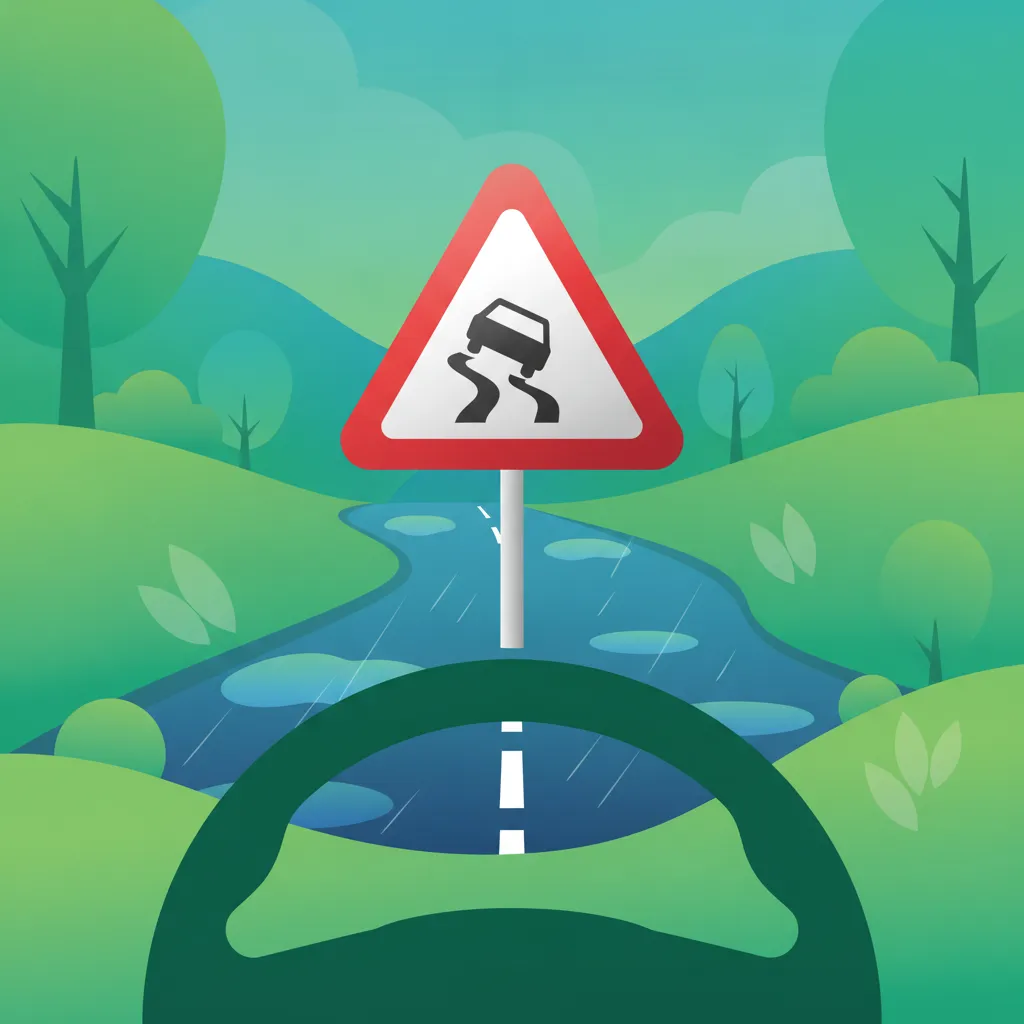
Warning signs on French roads are triangular with a red border, designed to alert drivers to upcoming dangers. This lesson teaches you how to interpret warnings for sharp curves, slippery surfaces, narrowing lanes, and wildlife or animal crossing hazards. You will understand the safety adjustments needed when approaching school zones, active roadworks, or crossings where vulnerable pedestrians are present.

Rural roads account for a high percentage of severe accidents due to narrow widths, winding geometries, and sudden hazards. This lesson teaches strategies for negotiating sharp bends, handling agricultural machinery, and reacting to wildlife warning signs. You will learn to manage your vehicle's lane placement on roads with soft shoulders and understand speed limits on rural networks.

In this lesson, drivers will explore the specific challenges presented by rural road environments, including narrower lanes, shared space with agricultural vehicles, and frequent wildlife crossings. The content emphasizes adapting speed to road curvature, surface conditions, and visibility while navigating hills and bends. Learners will also learn to interpret rural road signage and understand the importance of maintaining vigilance.
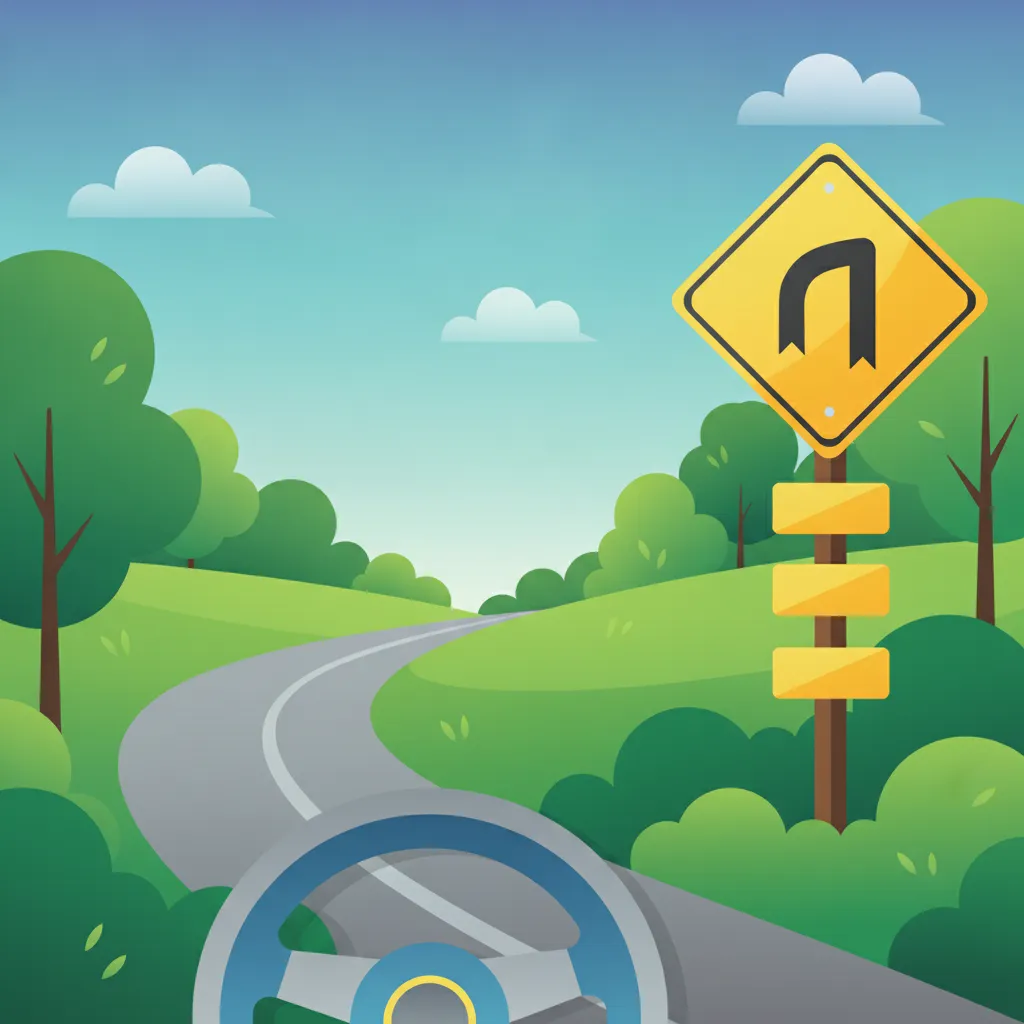
This lesson focuses on French warning signs that alert drivers to potential hazards ahead, such as curves, animal crossings, or slippery surfaces, with particular attention to signs relevant to AM riders. Learners will examine how to interpret these signs, understand the associated risks, and adapt riding behavior accordingly. By mastering warning sign recognition, riders can proactively manage safety risks in diverse road conditions.
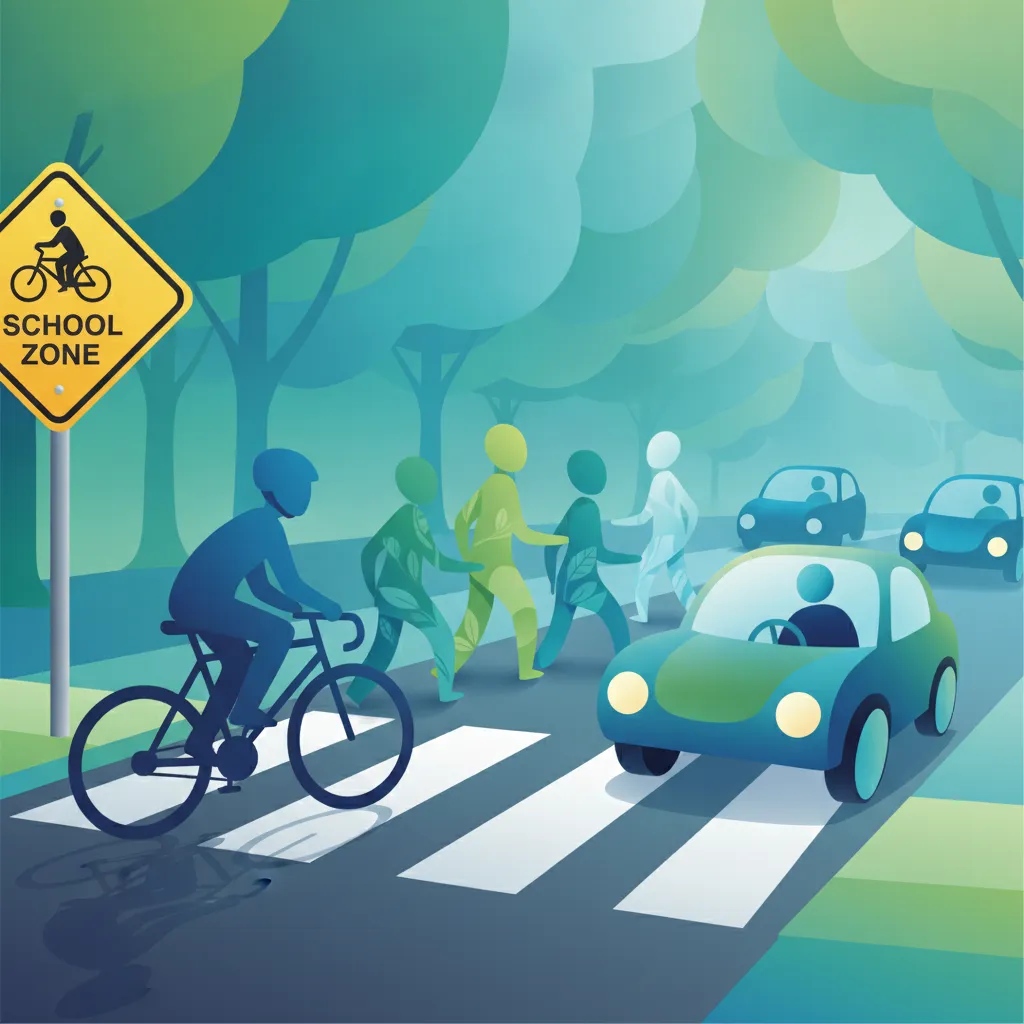
This lesson focuses on the legal requirement to yield to pedestrians on or about to step onto zebra crossings, a major focus of French road safety. You will learn how to approach school zones and pedestrian islands with heightened vigilance and reduced speed. Additionally, the lesson explores shared urban spaces, explaining how to maintain safe lateral distances when overtaking cyclists or personal electric scooters.

This lesson provides global defensive driving strategies to minimize collision risks for all non-motorized and vulnerable road users. Drivers will learn to systematically lower vehicle speed in dense pedestrian zones, even when no active hazards are visible. By cultivating an anticipatory mindset and maintaining generous safety margins, professional drivers establish a protective safety envelope around their vehicle.

Adverse weather reduces tyre traction and limits visibility, dramatically raising the risk of multi-car accidents on highways. This lesson details speed reductions required during rainfall, techniques for avoiding aquaplaning, and demisting windshields for visibility. You will learn how to maintain extra stopping distance on snow-covered roads and the correct headlight adjustments to make during fog.
Find clear answers to common questions learners have about Navigating Roadworks and Temporary Traffic Arrangements. Learn how the lesson is structured, which driving theory objectives it supports, and how it fits into the overall learning path of units and curriculum progression in France. These explanations help you understand key concepts, lesson flow, and exam focused study goals.
Yes. When roadworks are in place, temporary yellow lines take precedence over existing permanent white lines. You must follow the direction and restrictions indicated by the yellow markings.
Yes. Any speed limit posted on a temporary sign within a construction zone is legally binding and must be strictly followed to ensure the safety of road workers and traffic flow.
Always prioritize the temporary sign. Temporary traffic signals and signs are specifically installed to manage the current, modified traffic situation, which may be different from standard road rules.
Merge early and smoothly if you see signs indicating a lane closure. Respect the zipper merge principle if traffic is heavy, but always prioritize the guidance provided by temporary arrows or cones.
Ready to focus your study? Use the practice search to find exactly the French driving theory questions you need for the Code de la route and permis de conduire ETG. Refine your knowledge on specific topics or challenging rules to boost your confidence and exam readiness.