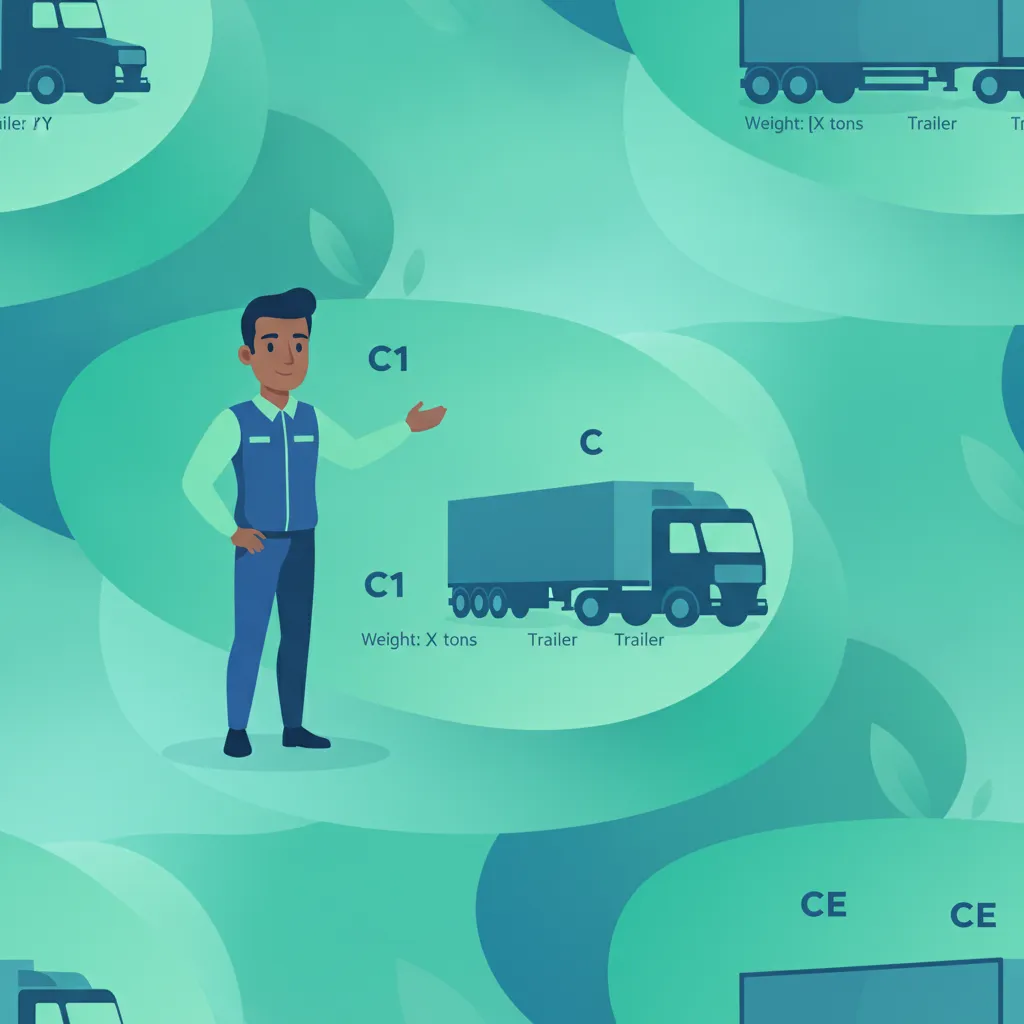
This lesson provides a comprehensive overview of the four primary goods vehicle licence categories in France, distinguishing them by gross mass and combination weight. It forms the foundation for your professional driver training, ensuring you understand the legal thresholds and requirements set by the Code de la route for heavy vehicle operation.
Lesson content overview
Operating a goods vehicle on public roads in France requires specialized training, heightened safety awareness, and a clear understanding of the legal classifications under the French Highway Code (Code de la route). Unlike standard passenger cars, large transport vehicles have distinct handling dynamics, massive weight profiles, and massive blind spots. To regulate these vehicles and ensure public safety, French and European authorities have established a tiered licensing structure.
This system divides goods transport licences into four primary categories: C1, C, C1E, and CE. Each category corresponds to specific vehicle dimensions, maximum weights, and towing capabilities. Navigating these requirements is essential for anyone aspiring to enter the transport sector or upgrade their existing driving credentials.
To understand heavy vehicle categories in France, you must first master the official terms used to calculate vehicle weight. The Code de la route relies on two fundamental metrics to determine licence requirements and road accessibility.
The maximum allowable weight of a single vehicle when fully loaded. This is equivalent to Gross Vehicle Weight (GVW) and includes the chassis, body, fluids, fuel, driver, passengers, and the maximum cargo capacity.
The maximum allowable weight of a combined vehicle train (the towing vehicle plus any trailers or semi-trailers). This is equivalent to Gross Combination Weight (GCW).
A vehicle's weight limits are determined by the manufacturer and validated by national registration bodies. These figures are printed on the vehicle's registration certificate (Carte Grise) under sections F.2 (PTAC) and F.3 (PTRA). Operating a vehicle that exceeds either of these ratings, or operating a vehicle that exceeds the weight limits of your licence category, is a severe legal infraction.
The C1 licence is the entry-level heavy goods category. It bridges the gap between standard passenger car transport (Category B) and heavy duty long-haul trucks.
The C1 licence authorizes you to drive a goods vehicle with a PTAC between 3.5 tonnes and 7.5 tonnes. Additionally, the overall vehicle length must not exceed 15 metres.
A standard Category B licence only permits driving vehicles up to 3.5 tonnes PTAC. Any vehicle designed for goods transport that exceeds 3,500 kg requires at least a C1 category licence.
If you hold a basic C1 licence, you are permitted to tow a light trailer behind your vehicle. However, the trailer's PTAC must not exceed 750 kg. If you need to tow a heavier trailer, you must obtain a C1E licence.
The C1 category is ideal for urban delivery vans, municipal service vehicles, and medium-sized removal trucks. To obtain a C1 licence, you must be at least 21 years old (or 18 years old if you are undergoing professional driver training, such as a CAP or Bac Professionnel in transport). Furthermore, if you are under 21, you must be accompanied by a Category B licence holder under certain regulatory frameworks.
The C licence is the core qualification for professional truck drivers operating rigid-body vehicles. There is no upper limit on the weight of the rigid truck itself under this category, making it the standard credential for heavy goods transport.
The C licence authorizes you to drive a goods vehicle with a PTAC exceeding 3.5 tonnes. Unlike the C1 licence, there is no maximum weight limit of 7.5 tonnes; you can drive large multi-axle rigid trucks weighing 26 tonnes or more, provided the vehicle does not feature an articulated coupling or a heavy trailer.
Similar to the C1 category, the basic C licence only allows you to tow a trailer with a PTAC not exceeding 750 kg.
To apply for a Category C licence, you must already hold a valid Category B licence. In France, the minimum age to take the Category C exam is 21 years, though this is reduced to 18 years for candidates enrolled in comprehensive professional transport programs.
All applicants and holders of the Category C licence must undergo a rigorous medical examination conducted by a certified physician. This medical check evaluates visual acuity, hearing, cardiovascular health, and physical reflexes to ensure you can safely control a high-mass vehicle in emergency situations.
The C1E licence is an extension of the C1 category. It is specifically designed for drivers who operate medium-sized trucks coupled with heavy trailers, where the combined weight of both units demands specialized handling skills.
The C1E category permits you to drive a towing vehicle that falls within the C1 category (PTAC up to 7.5 tonnes) coupled with a trailer or semi-trailer whose PTAC exceeds 750 kg.
However, two strict regulatory limits apply to this combination:
Assuming a C1 licence allows you to pull a heavy trailer is a common and costly mistake. If the trailer's PTAC exceeds 750 kg, you must hold a C1E licence, even if your total combination weight remains below 7.5 tonnes.
A typical example of a C1E combination is a 7.5-tonne commercial moving truck towing a 4.5-tonne trailer. This brings the combined weight to exactly 12 tonnes. To operate this setup legally, the driver must pass a specific C1E theoretical and practical examination.
The CE licence represents the highest level of goods vehicle qualification. It allows you to operate massive articulated lorries, road trains, and tractor-semitrailer combinations that form the backbone of national and international logistics.
The CE licence authorizes you to drive a Category C towing vehicle (PTAC exceeding 3.5 tonnes) coupled with a trailer or semi-trailer with a PTAC exceeding 750 kg. Under European and French regulations, while the standard CE combination weight frequently scales up to 40 or 44 tonnes for professional freight transport, specific combination configurations are restricted to a maximum PTRA of 12 tonnes under basic CE parameters unless extended by professional qualification.
Operating a CE combination requires a completely different skill set than driving a rigid truck. The presence of an articulation point (the fifth wheel coupling on a tractor unit or the drawbar hitch on a road train) fundamentally alters vehicle dynamics:
Holding a C, C1E, or CE licence automatically places you under a heightened legal framework in France. Operating these vehicles means you are legally classified as a professional driver if you transport goods for remuneration.
Your heavy vehicle licence is not permanently valid. Under the Code de la route, drivers must renew their medical fitness periodically. The renewal frequency depends on the driver's age:
Failure to complete this medical assessment before your current certificate expires renders your licence legally invalid, and driving under these conditions carries the same penalties as driving without a licence.
To work legally as a professional goods driver in France, holding the licence itself is not enough. You must also obtain professional qualifications:
Law enforcement agencies in France strictly monitor heavy vehicle operations. Ignorance of weight categories or licensing thresholds is never accepted as a defense.
A Category C1 licence restricts you to vehicles with a maximum length of 15 metres. Operating a rigid vehicle that exceeds 15 metres on a C1 licence is treated as driving without the appropriate category, resulting in heavy fines and the potential impounding of the vehicle.
Towing a trailer with a PTAC of 1,200 kg behind a 5-tonne truck using only a C1 licence is a common violation. Because the trailer exceeds 750 kg, this setup requires a C1E licence.
Even if you hold the correct licence category, you must never operate a vehicle that exceeds its registered PTAC or the combination's PTRA. Overloading severely compromises braking systems, damages public infrastructure, and alters the vehicle's centre of gravity, making it highly susceptible to rollovers.
Check the vehicle's registration certificate (Carte Grise) to identify the maximum PTAC (Field F.2) and PTRA (Field F.3).
Compare the vehicle's actual loaded weight against these limits using a weighbridge or by calculating the sum of the unladen vehicle weight, cargo, passengers, and fuel.
Verify that your physical driving licence category (C1, C, C1E, or CE) covers the specific weight configuration of your vehicle or vehicle combination.
Inspect your medical certificate's expiration date to ensure your licence is legally active.
The physical size of vehicles in categories C1, C, C1E, and CE means that drivers must adapt their driving habits to accommodate the laws of physics.
A fully loaded heavy vehicle has immense kinetic energy. The braking distance of a 40-tonne CE combination can be up to four times longer than that of a standard passenger car. Rain, snow, or ice can double this distance again. Professional drivers must maintain a minimum safe following distance (often regulated as a time gap of at least two seconds, or a fixed distance of 50 metres on motorways for heavy vehicles).
Heavy goods vehicles have huge blind spots on all four sides: directly in front of the cab, directly behind the trailer, and along both flanks. In France, heavy vehicles operating in urban environments must display official "Attention Angles Morts" (Warning: Blind Spots) stickers to alert pedestrians, cyclists, and motorcycle riders of these hazardous areas.
| Licence Category | Towing Vehicle PTAC | Max Trailer PTAC | Max Combined Weight (PTRA) | Max Vehicle Length | Key Requirements |
|---|---|---|---|---|---|
| C1 | 3.5t to 7.5t | 750 kg | 7.5t | 15 metres | Min age 21 (18 with training), Medical check |
| C | > 3.5t (No upper limit) | 750 kg | Equal to truck PTAC | Standard rigid limits | Min age 21 (18 with training), Medical check |
| C1E | 3.5t to 7.5t | > 750 kg | 12t | Standard combination limits | C1E exam, Medical check |
| CE | > 3.5t (No upper limit) | > 750 kg | 12t (standard default limit) | Standard combination limits | CE exam, Medical check, Professional status |
Understanding the limits and regulations governing the C1, C, C1E, and CE categories is the first step toward a safe and compliant career in goods transport. By respecting weight thresholds, maintaining your physical fitness credentials, and understanding the physical dynamics of heavy vehicles, you play a vital role in keeping French roads safe for all users.
Explore all units and lessons included in this driving theory course.
Lesson content overview
Explore all units and lessons included in this driving theory course.
Explore search topics learners often look for when studying Overview of C1, C, C1E, and CE Licences. These topics reflect common questions about road rules, driving situations, safety guidance, and lesson level theory preparation for learners in France.
Browse additional driving theory lessons that cover connected traffic rules, road signs, and common driving situations related to this topic. Improve your understanding of how different rules interact across everyday traffic scenarios.
Understand the regulatory requirements and professional responsibilities for HGV drivers in France. This guide explains legal liability, ethical driving standards, and the administrative obligations mandated by the Code de la route for those operating heavy transport vehicles professionally.

In this lesson, learners examine the heightened duty of care that applies to professional goods vehicle drivers, focusing on how legal obligations extend beyond basic road rules to include ethical considerations and public safety responsibilities. The content outlines expectations for compliance with French traffic laws, the importance of maintaining a professional image through courteous conduct, and the implications of negligent behavior. By integrating ethical decision-making with legal compliance, drivers are prepared to uphold the standards expected of professional operators.
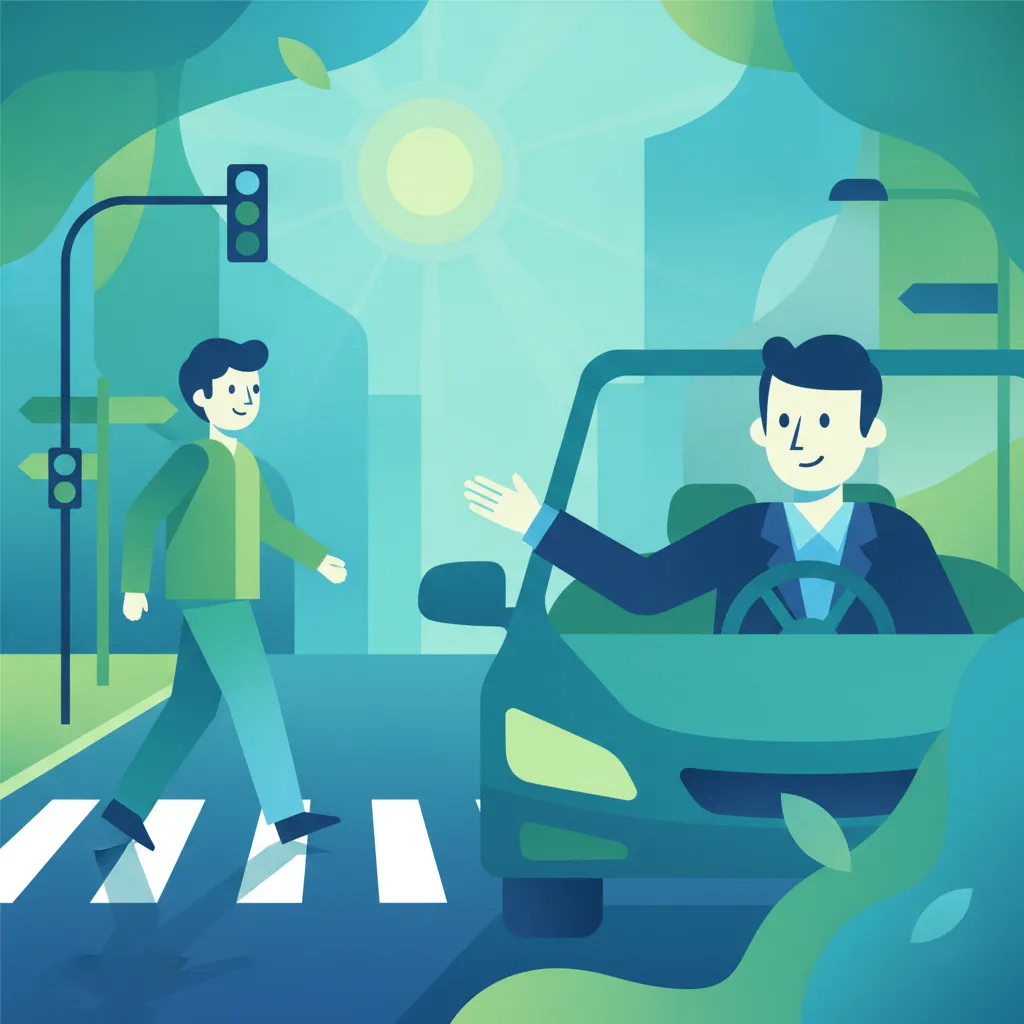
In this lesson, drivers will explore the expectations for professional behavior and ethical decision-making while operating a goods vehicle. The content emphasizes the importance of a safety-first mindset, respectful interaction with other road users, and adherence to a code of conduct. Learners will also consider the environmental impact of their operations, strategies for effective communication, and the role of continuous professional development.
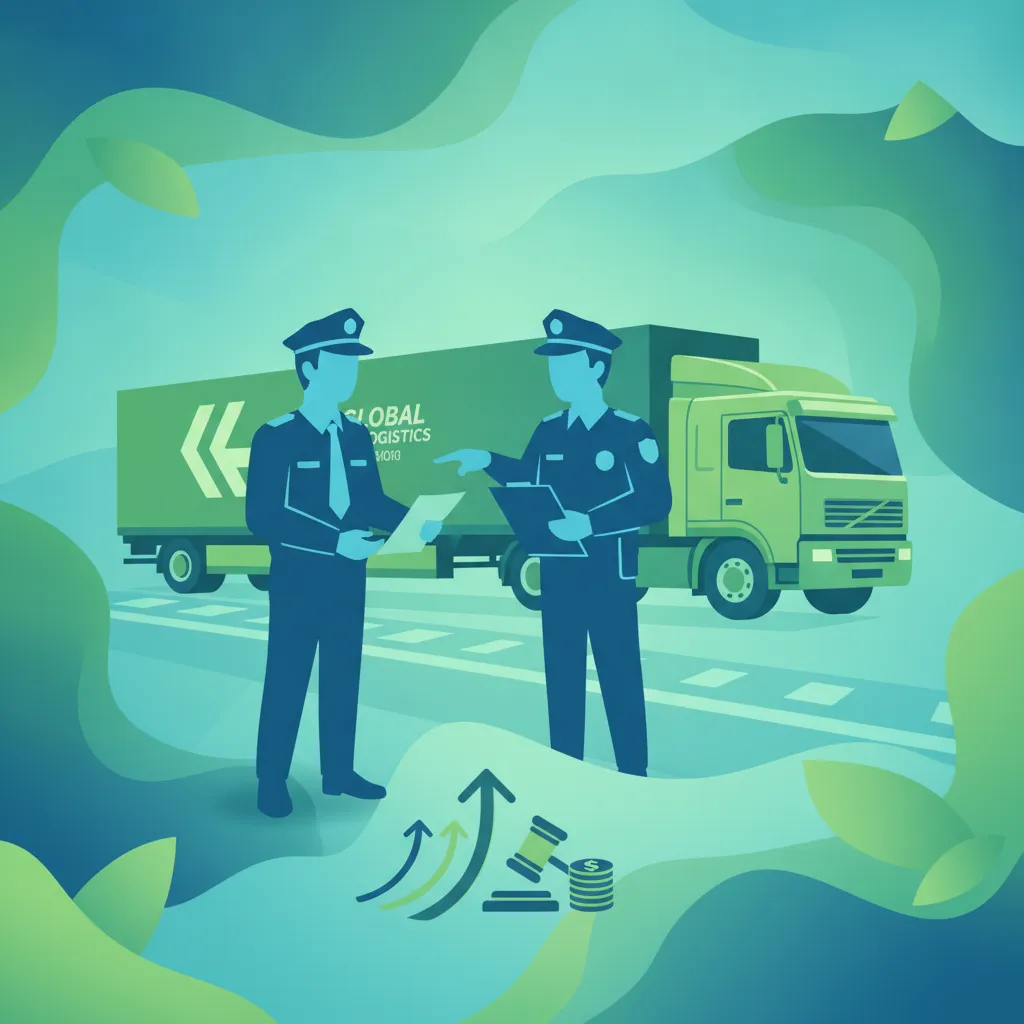
This lesson delves into the dual aspects of civil and criminal liability that professional goods vehicle drivers face in the event of traffic violations or accidents. Learners will explore the range of penalties, including fines, licence suspension, vehicle seizure, and potential imprisonment for severe offenses under French law. The discussion also covers the impact of negligence on insurance coverage, the accrual of penalty points, and the broader consequences for both the driver and their employer.

This lesson highlights the critical ethical framework governing public and private passenger transport services within the French Republic. Drivers are trained to provide equitable, non-discriminatory assistance to all travelers while fully respecting passenger privacy and dignity. Understanding these moral obligations helps prevent conflicts, enhances service accessibility, and reinforces the high standard of social responsibility expected of professional coach operators.

This lesson examines the rigorous legal duties imposed on passenger vehicle operators by the French Code de la route and professional transport guidelines. Drivers must balance tight scheduling demands with the absolute priority of passenger safety and general public security. By studying real-world legal scenarios, candidates will learn how to maintain professional conduct, resolve on-board issues, and protect public trust during transit.
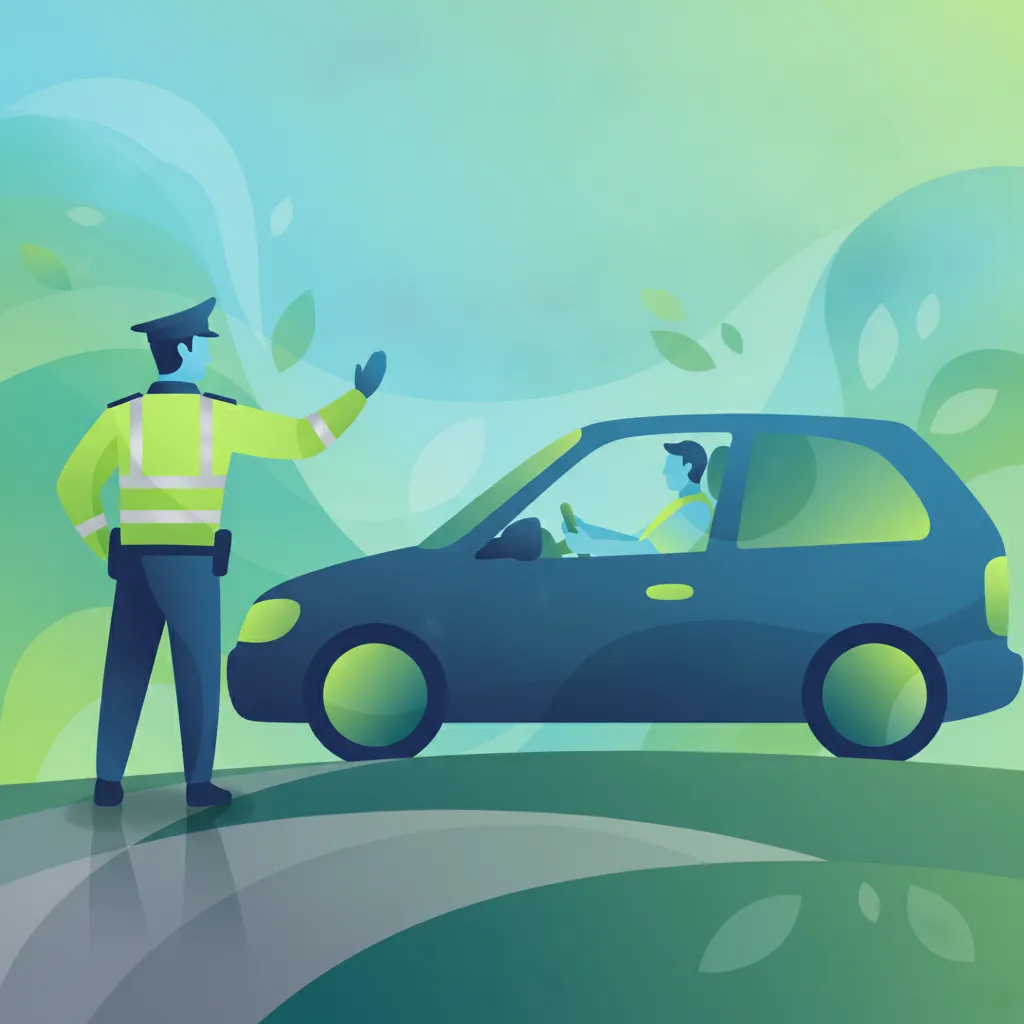
This lesson addresses the procedures and expectations when professional drivers encounter law enforcement or customs officials in France. Topics include the types of checks that may be performed, required documentation, rights and obligations of drivers, and the consequences of non-compliance. Learners will be guided on best practices for interacting with authorities, emphasizing cooperation, transparency, and the importance of maintaining valid and up-to-date documents for both the vehicle and driver.

In this lesson, drivers will learn about the mandatory documentation required for operating a goods vehicle in France. The content covers the NEPH number needed for licence applications, vehicle registration certificates (carte grise), and proof of insurance. Learners will also explore the technical inspection process, load and customs documentation for cross-border transport, and the importance of maintaining an up-to-date driver logbook.

Operating a passenger vehicle in France requires strict compliance with dynamic safety laws and maintenance rules. This lesson explains your duty of care toward other road users, mandatory child restraint and seatbelt laws, and strict prohibitions on phone use while driving. You will also learn about the required periodic technical vehicle inspections (controle technique) and third-party insurance mandates.

This lesson outlines the core operational roles that drivers must perform, from ensuring safe passenger boarding to maintaining precise vehicle control throughout the journey. It details the active risk assessments required to identify hazards on the road and handle unexpected delays safely. Additionally, candidates will understand the specific procedures for reporting accidents and communicating effectively with both passengers and operations hubs.
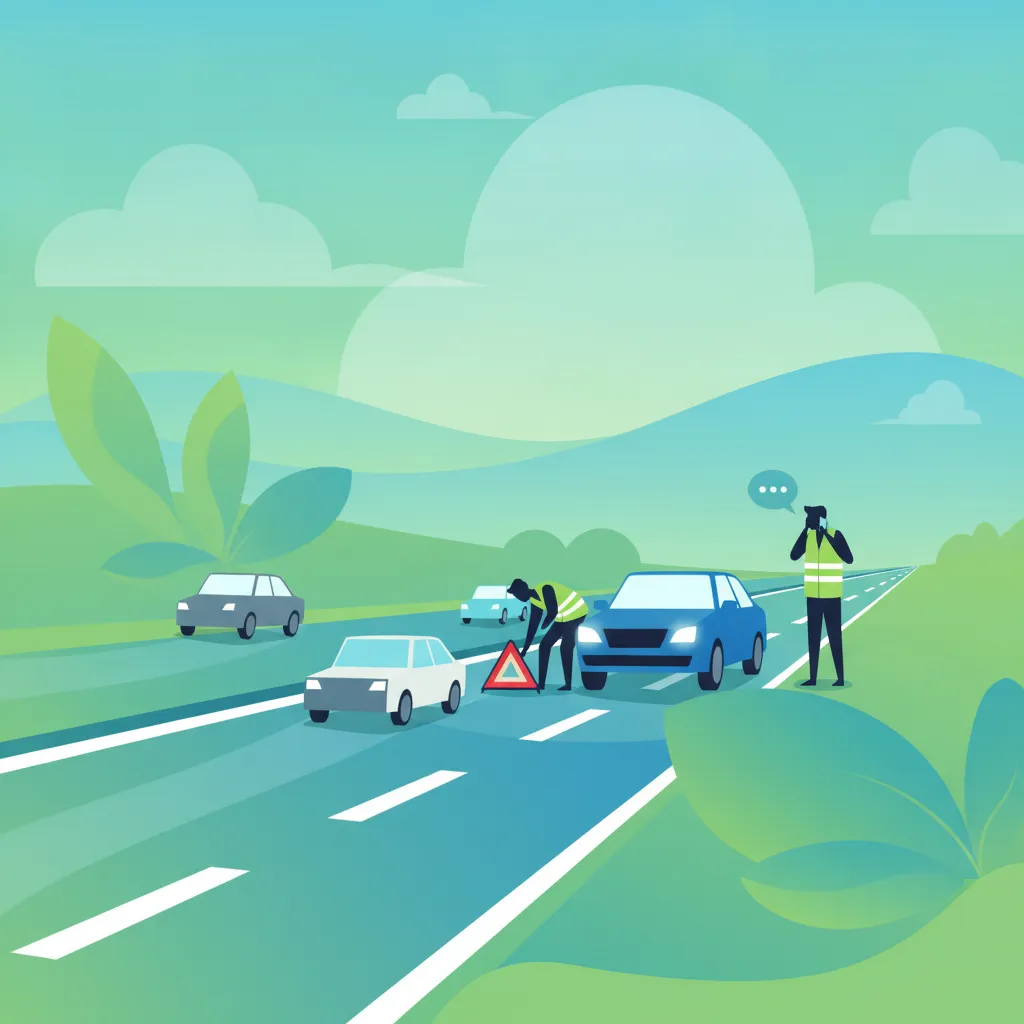
In this lesson, drivers will learn the essential steps to take following an accident involving a goods vehicle. The content covers contacting emergency services via 112, providing first aid, and safely positioning the vehicle to protect other road users. Learners will be instructed on documenting the incident, notifying insurance providers, and fulfilling legal obligations for accident reporting, including gathering witness statements.
Learn the essential metrics for heavy goods vehicles including PTAC and PTRA. This lesson breaks down how these weight thresholds influence route planning, bridge clearance, and the specific classification of goods vehicles under French transport regulations.
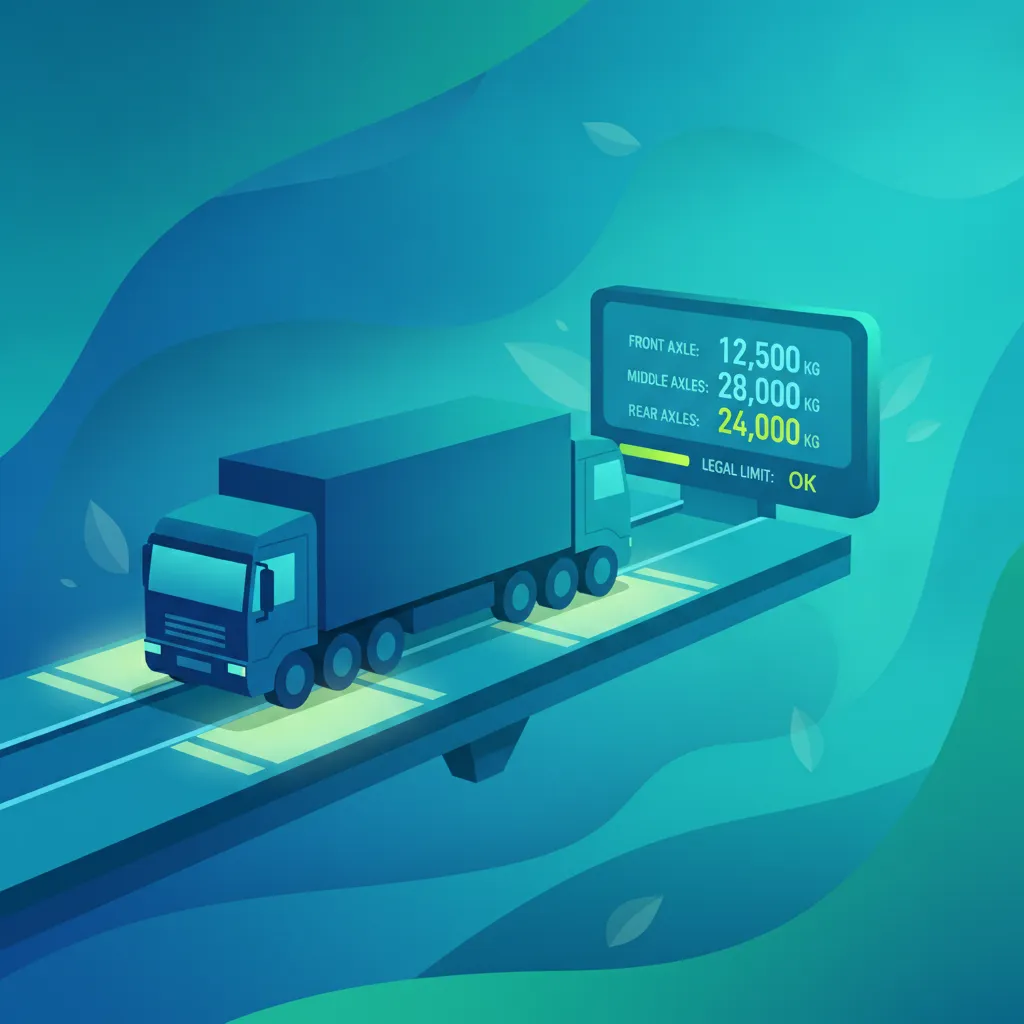
In this lesson, the focus is on understanding weight limits for goods vehicles, including total gross vehicle weight and individual axle load restrictions. Learners will explore how French weight regulations define permissible loads and the consequences of exceeding these limits, such as increased wear on road surfaces and safety hazards. The lesson also discusses load balancing techniques to ensure optimal axle distribution, enhancing vehicle stability and compliance with legal standards.
Find clear answers to common questions learners have about Overview of C1, C, C1E, and CE Licences. Learn how the lesson is structured, which driving theory objectives it supports, and how it fits into the overall learning path of units and curriculum progression in France. These explanations help you understand key concepts, lesson flow, and exam focused study goals.
The C1 licence is intended for vehicles with a gross vehicle weight between 3.5 tonnes and 7.5 tonnes. The C licence is for vehicles exceeding 3.5 tonnes without an upper limit on the weight, making it the standard for heavier lorries.
The E designation signifies that the licence holder is authorized to tow a trailer exceeding 750kg. It modifies the combination weight limit rather than the primary vehicle's weight limit.
Yes, professional goods vehicle licences in France require a specific medical examination to ensure physical fitness, which is a mandatory prerequisite for obtaining and renewing these categories.
No, a C1 licence does not permit you to drive a vehicle that falls under the C category criteria. You must obtain the specific licence category for the weight class of the vehicle you are operating.
Ready to focus your study? Use the practice search to find exactly the French driving theory questions you need for the Code de la route and permis de conduire ETG. Refine your knowledge on specific topics or challenging rules to boost your confidence and exam readiness.