
This lesson details the critical actions required after an incident involving a heavy goods vehicle in France. You will learn how to secure the scene, contact authorities, and manage necessary documentation to comply with the Code de la route.
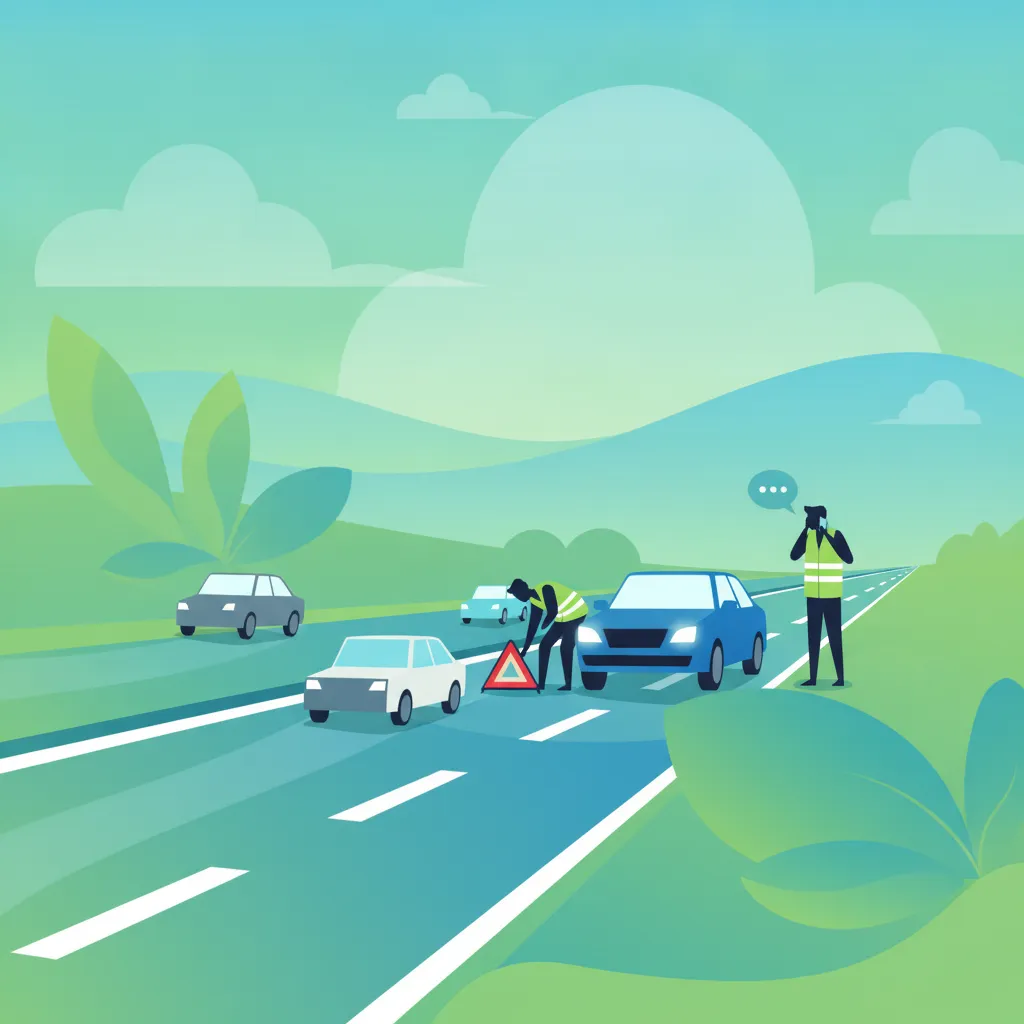
Lesson content overview
Operating heavy goods vehicles (HGVs) under Category C and CE licences carries significant responsibility. Due to the sheer mass, dimensions, and potential hazard of the cargo, a collision involving a commercial vehicle can escalate rapidly. Secondary collisions, environmental contamination, and multi-vehicle pile-ups are much more common when large vehicles are compromised.
As a professional driver in France, you must master the precise legal, administrative, and safety protocols required immediately following an incident. This guide details your legal obligations under the French Code de la route and provides the operational steps needed to protect human life, secure the scene, and document the accident properly.
When a vehicle weighing upwards of 3.5 tonnes (and up to 44 tonnes for articulated combinations) is involved in an accident, the kinetic energy transferred is immense. The consequences of even low-speed impacts can be severe.
Several risk factors unique to goods vehicles require immediate attention:
In France, the universal emergency framework is known as PAS: Protéger (Protect), Alerter (Alert), Secourir (Rescue). This sequence must be followed strictly to ensure you do not become a casualty yourself while trying to assist others.
Protéger (Protect): Secure the accident scene to prevent secondary collisions. This involves hazard lights, high-visibility clothing, and placing safety triangles.
Alerter (Alert): Contact the emergency services immediately using the universal European number 112. Provide structured, precise information.
Secourir (Rescue): Administer essential first aid within the limits of your competence while waiting for professional emergency responders.
Your absolute priority after bringing the vehicle to a stop is securing the scene. You must make the accident visible to oncoming traffic to prevent further impact.
Before stepping out of your cab, you must activate the vehicle's hazard warning lights (feux de détresse). This is a legal requirement under the French Code de la route for any stationary vehicle causing an obstruction.
Put on your high-visibility safety vest (gilet de haute sécurité) before exiting the cab. Under French law, this vest must be kept within reach in the driver's compartment, not stored in an external tool locker or in the rear cargo area.
The warning triangle must be positioned on the roadway to give oncoming drivers sufficient time to react, decelerate, and stop.
If your vehicle is carrying hazardous materials, check the integrity of the containment tanks or packaging. Note the hazard identification numbers on the orange plates (plaques orange) at the front and rear of your vehicle.
A reflective orange rectangular plate displayed on vehicles carrying dangerous goods. It contains two sets of numbers: the top number represents the Hazard Identification Number (Kemler Code), and the bottom number represents the Substance Identification Number (UN Number).
If there is a cargo spill, do not attempt to clean it up yourself. Note the codes, evacuate the immediate area upwind, and report these numbers directly to the emergency services.
Once the scene is secured, immediately contact emergency services. The universal European emergency number is 112. It is free to call from any mobile phone, even without a local SIM card or active network subscription.
When speaking with the dispatcher, remain calm and provide the following structured details:
As a professional goods vehicle driver, basic first aid awareness is part of your training. While waiting for emergency services, you have a civic and legal duty to assist, provided you do not put yourself in danger. Under French law, failing to assist a person in danger (non-assistance à personne en danger) is a serious criminal offense.
If the accident is minor, has resulted in no physical injuries, and the vehicles are drivable, you must try to clear the driving lanes to restore normal traffic flow. Blocking traffic on a busy thoroughfare can trigger secondary collisions.
Before moving your truck to the hard shoulder or a safe side area, inspect your load. The force of the collision may have broken straps, chains, or shifting barriers. Moving the vehicle with an unstable load could cause it to tip over or spill cargo.
Verify that:
Once satisfied, slowly move the vehicle to the nearest safe location. Keep your hazard lights activated during this manoeuvre. If the vehicles cannot be moved, leave them as they are and focus entirely on warning oncoming traffic.
To protect yourself against fraudulent claims and to comply with French law and insurance requirements, you must document the incident thoroughly.
The constat amiable is a standardized European accident report form. It is the primary document used by insurance companies to determine civil liability.
Do not rely solely on the drivers' accounts. Identify independent bystanders, pedestrians, or other motorists who saw the collision.
Use your smartphone to take comprehensive photos of the scene. Ensure you capture:
Under the French Code de la route, certain accidents require direct, immediate reporting to official authorities.
<VerifyLocally title="Are there specific regional reporting forms or digital platforms required by French Prefectures for Category C carrier accident declarations?" />
You must contact the National Police (Police Nationale) or the Gendarmerie immediately if:
When the police arrive, they will establish an official accident report (procès-verbal or PV d'accident). This document is essential for legal proceedings and high-value insurance claims.
For commercial drivers, serious accidents—particularly those involving dangerous goods (ADR), heavy environmental pollution, or fatalities—must be reported by the transport company or driver to the local Prefecture or the DREAL (Direction Régionale de l'Environnement, de l'Aménagement et du Logement) within 5 days. This ensures compliance with professional carriage regulations in France.
The following table summarizes the legal requirements, safety rules, and correct applications under French road traffic law:
| Rule | Applicability | Legal Status | Rationale | Correct Application | Incorrect Application |
|---|---|---|---|---|---|
| Hazard Lights Activation | All stationary vehicles causing an obstruction | Mandatory | Instant warning to approaching traffic to prevent rear-end collisions. | Turn on hazard warning lights immediately upon stopping. | Leaving the vehicle without hazard lights active. |
| Warning Triangle Placement | Standard public roads (outside motorways) | Mandatory | Provides stopping distance warnings to drivers before they reach the obstacle. | Place at least 30m behind the truck (further in bad weather). | Placing the triangle too close (e.g., 5m) or ignoring it. |
| Motorway Triangle Rule | Motorways (Autoroutes) | Conditional | Stepping onto an active motorway lane to place a triangle is highly lethal. | Do not place a triangle if it endangers your life; evacuate behind barriers. | Walking along the active traffic lanes to place a triangle. |
| High-Visibility Vest | Prior to exiting the vehicle | Mandatory | Ensures the driver is visible to other traffic immediately upon stepping out. | Put the vest on inside the cab before opening the door. | Keeping the vest in the external toolbox or trailer. |
| Reporting Injuries (112) | Any collision resulting in injury or death | Mandatory | Ensures rapid medical care and fulfills criminal law obligations. | Call 112 immediately; provide precise coordinates and casualty details. | Agreeing to handle injury accidents privately without calling police. |
| Insurance Claim Filing | Any accident involving material or bodily damage | Mandatory | Fulfills contractual obligation to your insurer to preserve coverage. | Submit the constat amiable to your insurer within 5 business days. | Waiting several weeks to report the collision to the insurer. |
| Cargo Stability Check | Before moving a compromised truck | Recommended | Prevents secondary rollover or dangerous cargo spills during relocation. | Inspect strapping and cargo layout prior to moving onto the shoulder. | Moving the vehicle immediately without checking if the cargo is loose. |
If you are involved in an accident, you must stop. Leaving the scene of an accident in France to evade civil or criminal liability is a severe offense (délit de fuite). For professional drivers, this violation leads to immediate suspension of your Category C/CE licence, hefty fines, potential imprisonment, and the loss of your professional driver qualification (FIMO/FCO).
Under French traffic regulations, exiting a stationary vehicle on a roadway without wearing an approved high-visibility safety vest is punishable by a class 4 fine. Keep this vest in your driver's door pocket or glove compartment.
Placing the warning triangle right next to your rear bumper does not give oncoming drivers enough time to react. An 80-tonne truck-trailer combination traveling at 80 km/h requires substantial distance to stop. Always walk the required distance (at least 30 to 50 metres) while keeping an eye on oncoming traffic.
Understanding the direct consequences of your actions during an emergency can save lives and protect your professional standing.
<Callout type="tip">
  <strong>Pro-Tip for Professional Drivers:</strong> When operating a Category CE vehicle, always carry spare *constats amiables* in your cab. In the event of an accident involving a trailer, you may need to fill out separate forms for the towing vehicle and the trailer if different insurers or owners are involved.
</Callout>
This lesson covers the critical emergency response procedures for professional goods vehicle drivers in France following the PAS Protocol (Protect, Alert, Rescue). Learners must master the correct use of hazard lights, high-visibility vests, and warning triangles—including the important motorway exception where triangles should not be placed if it endangers the driver's life. The lesson details the legal requirements for contacting emergency services via 112, administering basic first aid without moving casualties, and the mandatory completion of the Constat Amiable accident report form within 5 business days. Additional obligations include reporting injuries to police immediately, notifying the Prefecture or DREAL for serious commercial accidents, and preserving photographic evidence and witness statements to protect against fraudulent insurance claims.
A short set of high-value points that capture the most important learning from this lesson.
The PAS Protocol (Protéger, Alerter, Secourir) is the mandatory emergency sequence that must always be followed in order.
Hazard lights must be activated and the high-visibility vest worn inside the cab BEFORE exiting the vehicle.
The European emergency number 112 works without a SIM card and is free from any mobile phone.
The Constat Amiable must be completed at the scene, signed by all parties, and submitted to your insurer within 5 business days.
On French motorways, do not place a warning triangle if doing so endangers your life—evacuate behind safety barriers instead.
Explore all units and lessons included in this driving theory course.
Warning triangle placement: 30 metres on standard roads, 50–100 metres in adverse weather, and never on motorways when it puts you at risk.
The high-visibility vest must be stored in the driver's compartment (door pocket or glove box), not in an external toolbox or trailer.
Never move injured casualties unless they face immediate danger from fire, explosion, or another imminent threat.
The orange ADR plates display two numbers: the Kemler code (top) for hazard type and the UN number (bottom) for the substance.
Serious accidents involving dangerous goods, environmental harm, or fatalities must be reported to the Prefecture or DREAL within 5 days.
Placing the warning triangle too close to the vehicle—30 metres minimum is required to give approaching drivers adequate stopping distance.
Keeping the high-visibility vest in an external toolbox instead of the cab, which violates French law and delays safe exit.
Assuming minor injuries do not require calling 112—internal bleeding or concussions can worsen hours later with serious legal consequences.
Failing to photograph the scene and collect witness details before vehicles are moved, leaving you with weak evidence for insurance claims.
Forgetting that passengers in your own vehicle are not considered independent witnesses by insurers or courts.
Lesson content overview
A short set of high-value points that capture the most important learning from this lesson.
The PAS Protocol (Protéger, Alerter, Secourir) is the mandatory emergency sequence that must always be followed in order.
Hazard lights must be activated and the high-visibility vest worn inside the cab BEFORE exiting the vehicle.
The European emergency number 112 works without a SIM card and is free from any mobile phone.
The Constat Amiable must be completed at the scene, signed by all parties, and submitted to your insurer within 5 business days.
On French motorways, do not place a warning triangle if doing so endangers your life—evacuate behind safety barriers instead.
Explore all units and lessons included in this driving theory course.
Warning triangle placement: 30 metres on standard roads, 50–100 metres in adverse weather, and never on motorways when it puts you at risk.
The high-visibility vest must be stored in the driver's compartment (door pocket or glove box), not in an external toolbox or trailer.
Never move injured casualties unless they face immediate danger from fire, explosion, or another imminent threat.
The orange ADR plates display two numbers: the Kemler code (top) for hazard type and the UN number (bottom) for the substance.
Serious accidents involving dangerous goods, environmental harm, or fatalities must be reported to the Prefecture or DREAL within 5 days.
Placing the warning triangle too close to the vehicle—30 metres minimum is required to give approaching drivers adequate stopping distance.
Keeping the high-visibility vest in an external toolbox instead of the cab, which violates French law and delays safe exit.
Assuming minor injuries do not require calling 112—internal bleeding or concussions can worsen hours later with serious legal consequences.
Failing to photograph the scene and collect witness details before vehicles are moved, leaving you with weak evidence for insurance claims.
Forgetting that passengers in your own vehicle are not considered independent witnesses by insurers or courts.
Explore search topics learners often look for when studying Accident Procedures and Reporting. These topics reflect common questions about road rules, driving situations, safety guidance, and lesson level theory preparation for learners in France.
Browse additional driving theory lessons that cover connected traffic rules, road signs, and common driving situations related to this topic. Improve your understanding of how different rules interact across everyday traffic scenarios.
Learn the professional emergency response framework for C and CE licence holders. This guide details the mandatory PAS protocol of protecting, alerting, and rescuing when faced with mechanical breakdowns or accidents on public roads while ensuring full compliance with French traffic regulations and professional driving standards.
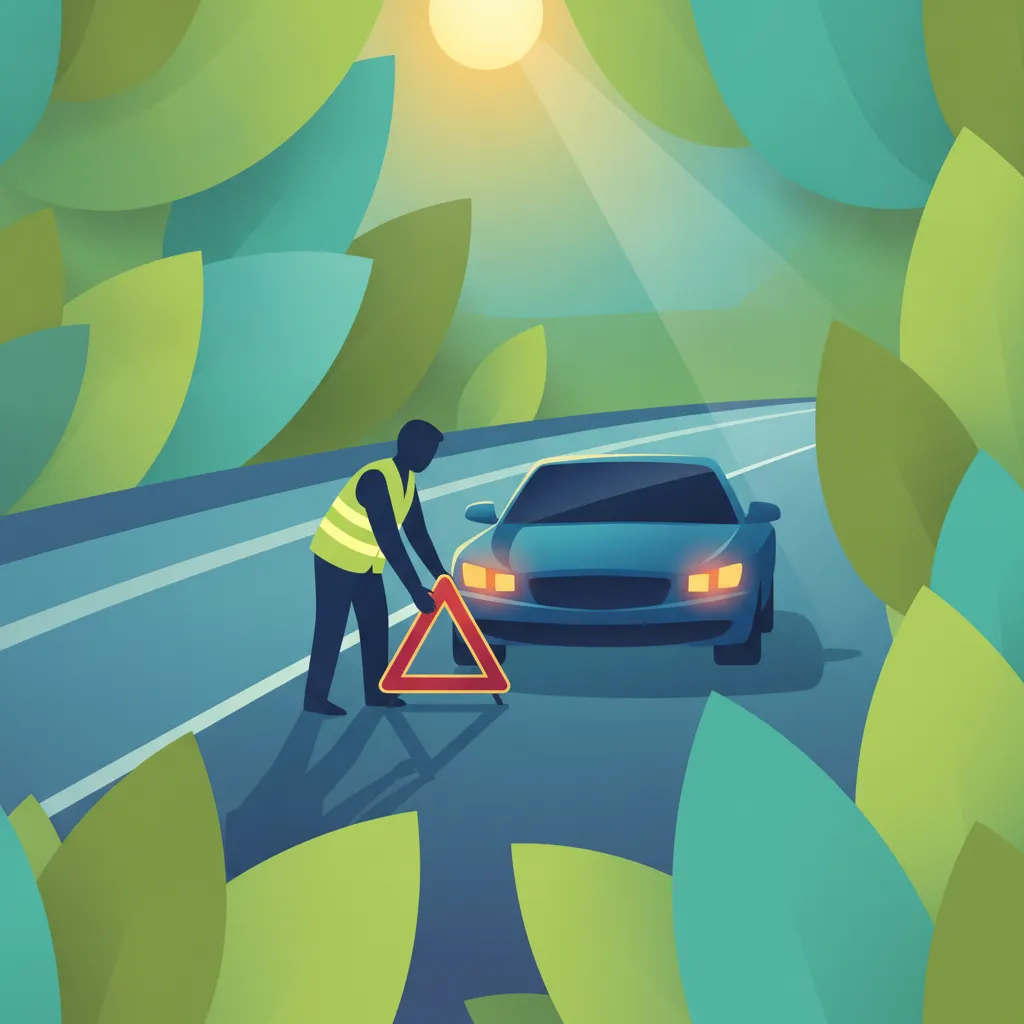
In this lesson, learners will be equipped with the essential steps to take in the event of an emergency involving their goods vehicle, such as accidents, spills, or fires. The content covers the correct usage of the European emergency number 112, immediate safety measures to protect the scene, and the required use of driver emergency equipment like fire extinguishers and spill kits. Additionally, the lesson details the obligatory reporting processes, documentation of incidents, and cooperation with emergency services and law enforcement.
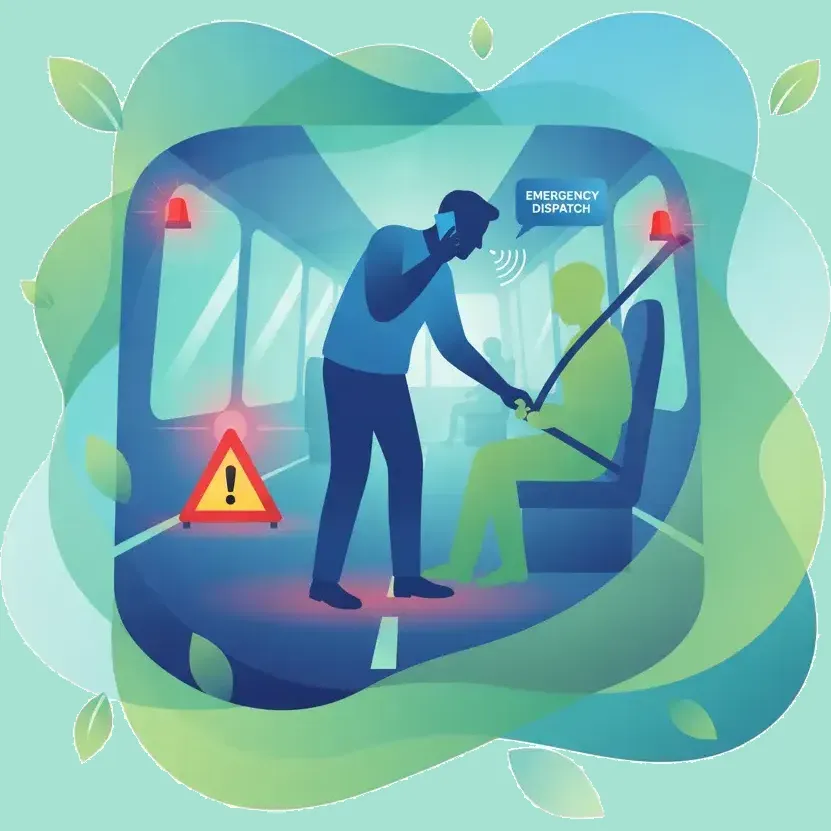
This lesson covers immediate response steps for critical on-board events, including passenger medical emergencies and engine compartment fires. Learners will study the location and proper application of fire extinguishers, safety hammers, and first aid kits. It also explains how to coordinate effectively with French emergency services (SAMU, Fire Brigade) and reassure passengers to maintain calm during an incident.
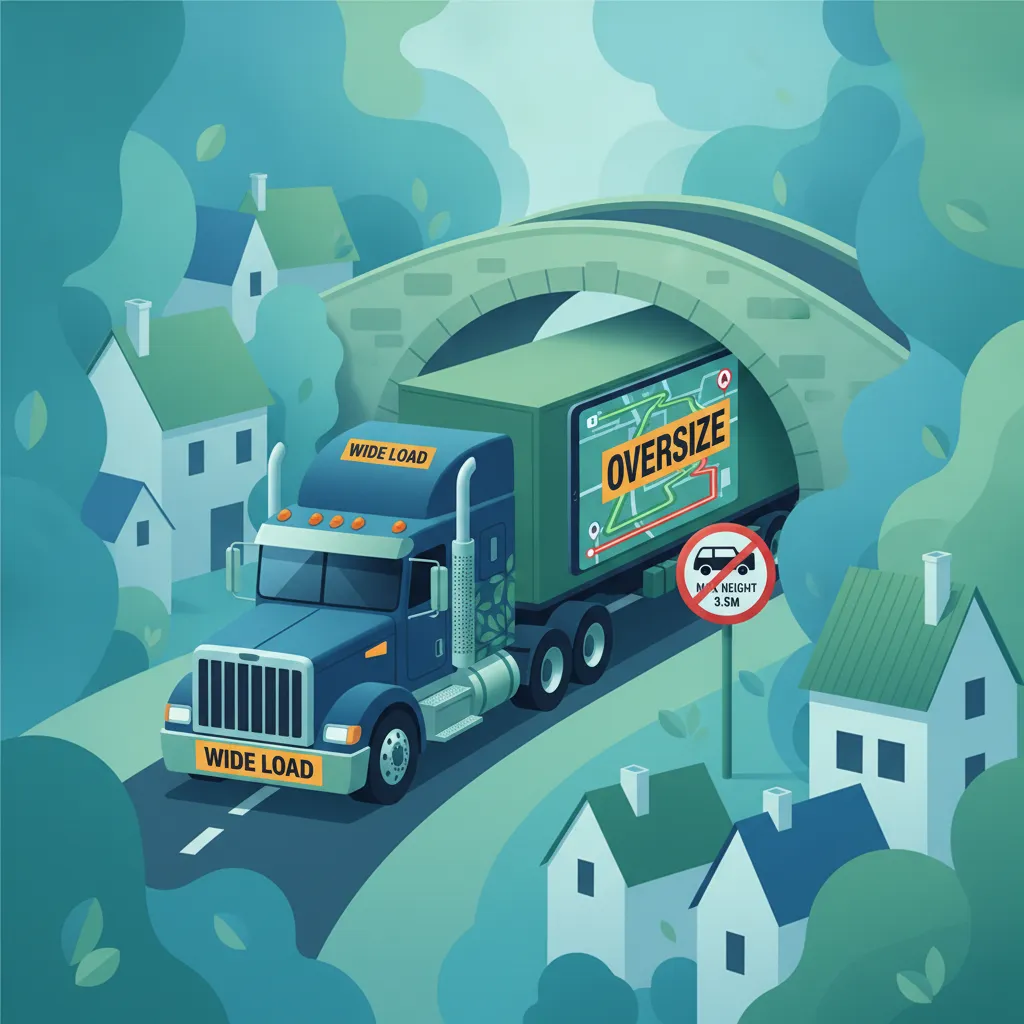
This lesson provides strategies for planning routes that accommodate oversized goods vehicles while complying with French road restrictions. Learners will learn how to identify prohibited routes, evaluate bridge and tunnel limitations, and obtain necessary access permits. The content also addresses the use of specialised GPS systems for heavy vehicle routing and the importance of contingency planning for detours, ensuring safe and efficient transport operations.
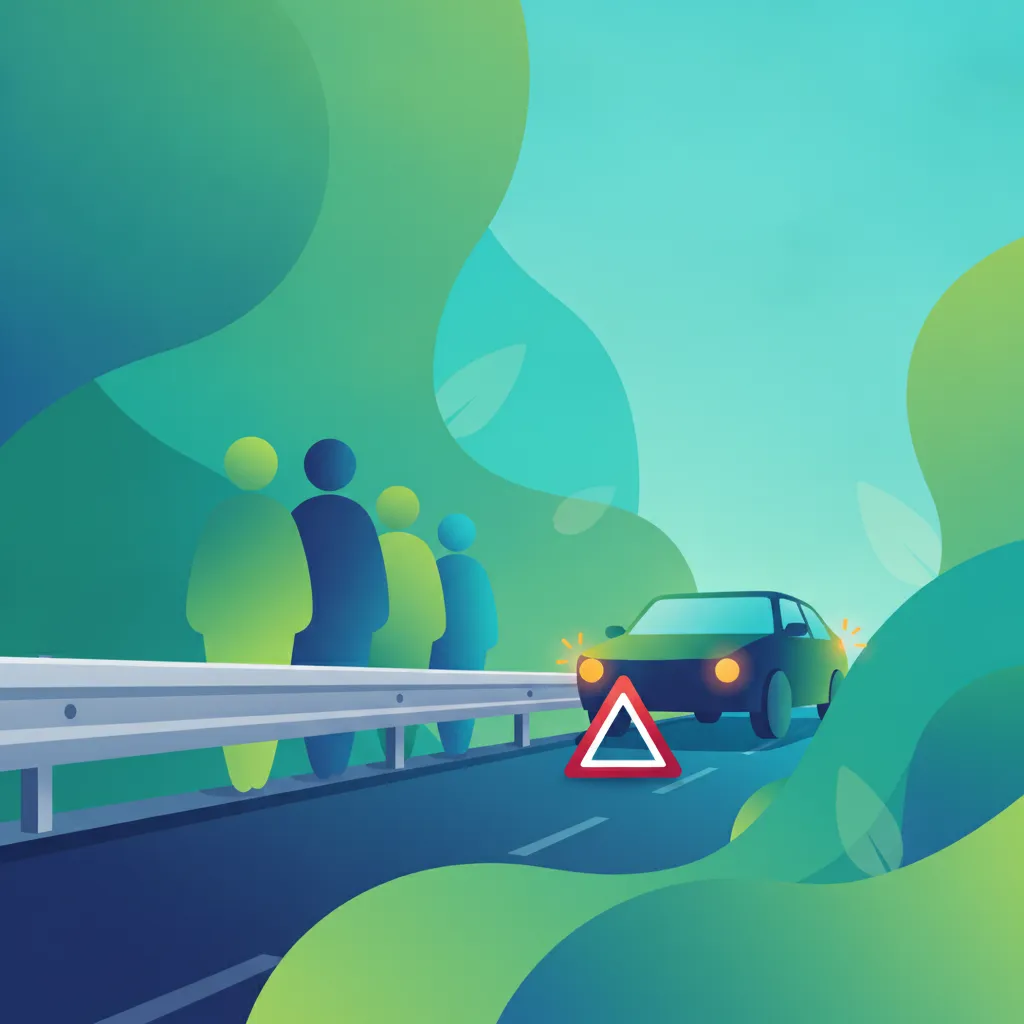
This lesson details the emergency protocols for handling mechanical breakdowns or tire blowouts on public highways and motorways. Drivers will learn how to park the vehicle in the safest possible location, activate hazard warning lights, and deploy the reflective warning triangle. It teaches precise commands and steps for evacuating passengers quickly through safety exits, positioning them behind protective guardrails.
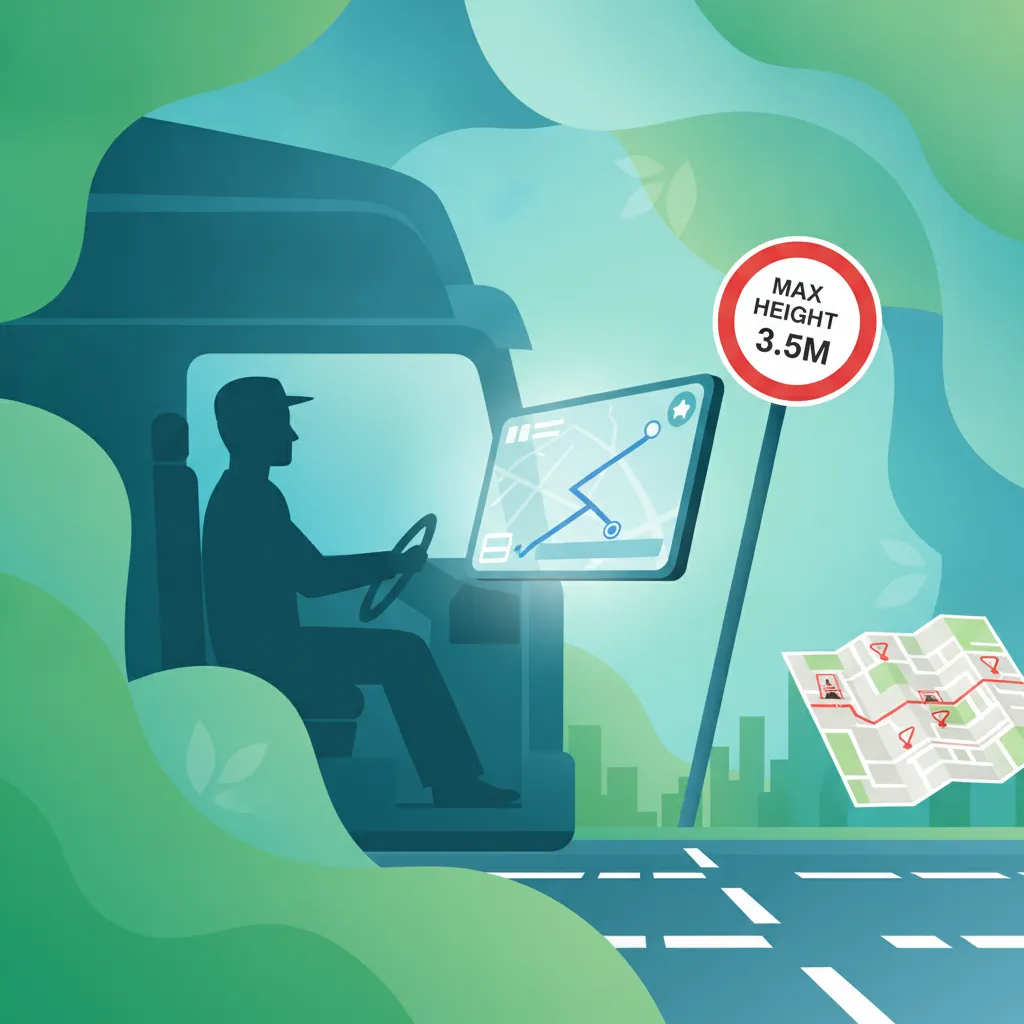
This lesson provides guidance on selecting preferred routes for heavy vehicles, taking into account freight corridors, toll roads, and restricted zones. Learners will be introduced to practical tools for route optimization, including GPS systems tailored for goods vehicles, and strategies for minimizing travel time while adhering to legal constraints. Emphasis is placed on balancing delivery efficiency with compliance to French transport policies.

In this lesson, drivers will learn how to calculate safe following distances based on vehicle speed, load, road conditions, and traffic density. The content explains the components of total stopping distance, including reaction time and braking distance, and how these are affected by factors such as wet road surfaces and heavy loads. Learners will also be introduced to French road safety guidelines for maintaining appropriate gaps to ensure sufficient time to react.

Carrying heavy loads or pulling trailers significantly alters a passenger vehicle's braking distances and stability characteristics. This lesson covers how to read weight limits (like gross vehicle weight ratings), distribute cargo weight evenly, and secure items inside the boot or on roof racks. You will learn to use specialized cargo straps and understand the risks of overloading your suspension and tyres.
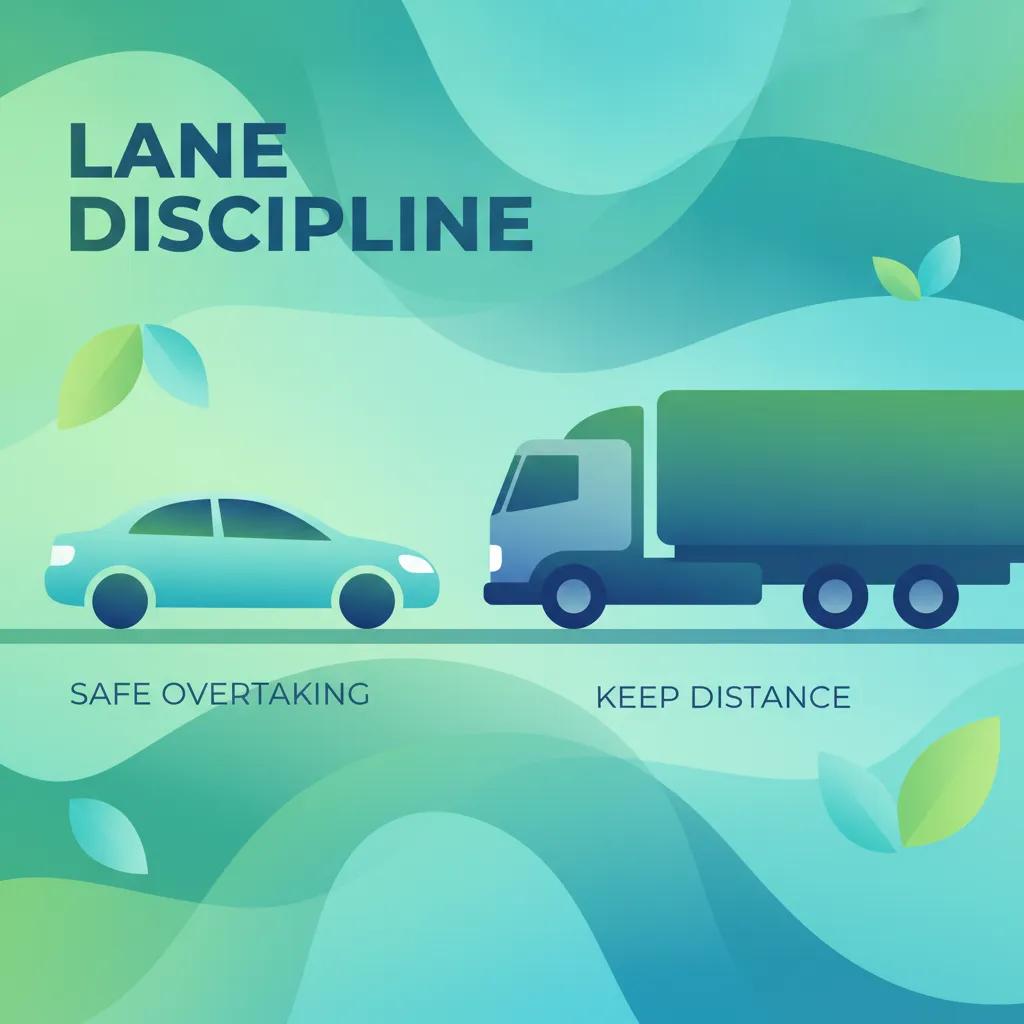
This lesson focuses on the specific considerations for operating goods vehicles on French motorways, including lane selection, speed management, and proper merging techniques. Learners will understand the importance of maintaining lane discipline, using appropriate overtaking practices, and respecting motorway-specific speed limits for heavy vehicles. The content also covers the use of emergency lanes and the handling of traffic flow.
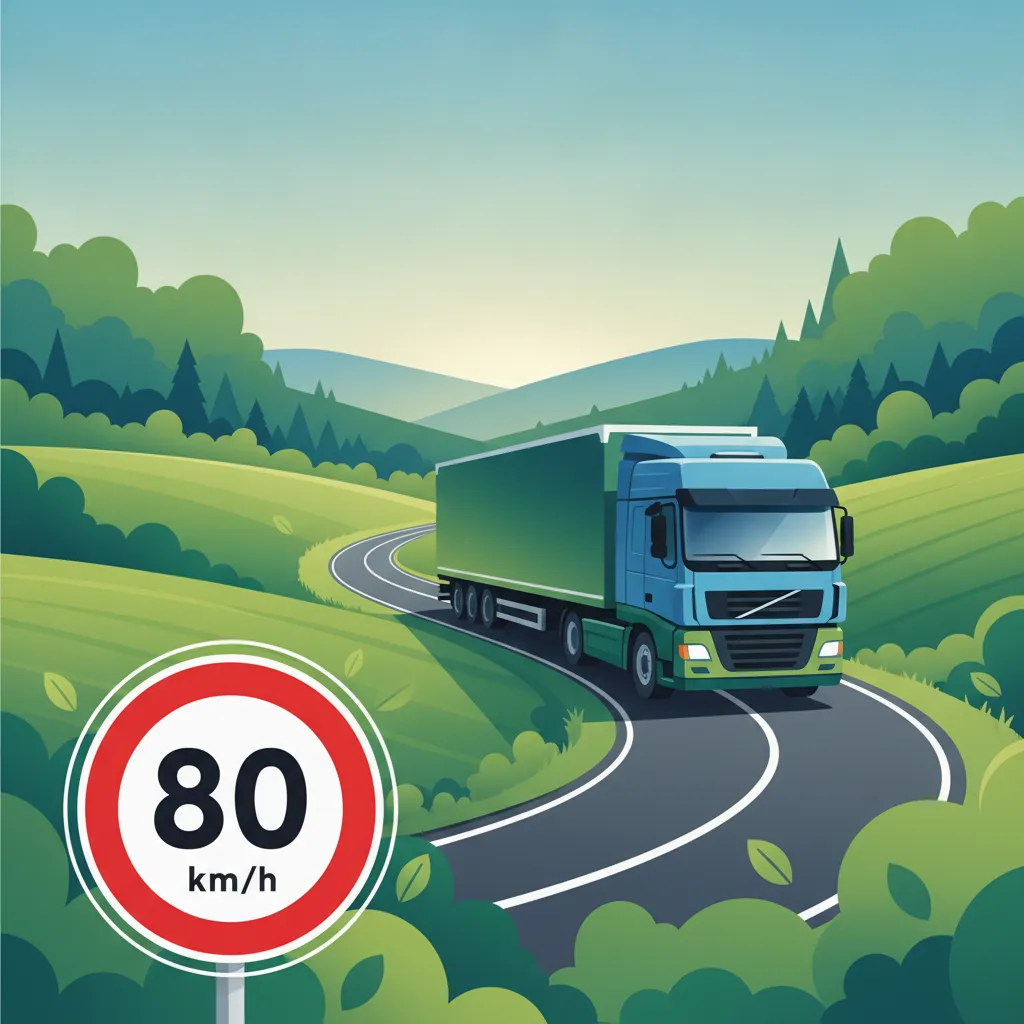
In this lesson, drivers will learn the specific speed limits that apply to goods vehicles across different road types in France, including urban areas, rural roads, and motorways. The content covers the differences between speed limit signs for heavy vehicles and standard passenger cars, the legal basis for these limits, and the importance of speed adaptation based on vehicle category and load. Learners will also be introduced to speed enforcement methods used in France, such as radar and speed cameras.

In this lesson, drivers will learn about the mandatory documentation required for operating a goods vehicle in France. The content covers the NEPH number needed for licence applications, vehicle registration certificates (carte grise), and proof of insurance. Learners will also explore the technical inspection process, load and customs documentation for cross-border transport, and the importance of maintaining an up-to-date driver logbook.
Understand the essential administrative requirements for documenting accidents as a professional driver. This guide explains how to complete a European joint accident report properly, gather valid witness statements, and fulfill notification duties to insurance providers and authorities to maintain professional compliance under French road transport law.
This lesson explains the critical documentation required to be kept onboard every passenger vehicle under French and European transport regulations. Learners will explore requirements for passenger manifests, insurance policies, valid transport permits, and official logbooks like the chronotachygraphe. Crucially, the lesson covers proper procedures for presenting these documents during routine roadside inspections by French law enforcement agencies.
In this lesson, drivers will learn about the mandatory documentation required for operating a goods vehicle in France. The content covers the NEPH number needed for licence applications, vehicle registration certificates (carte grise), and proof of insurance. Learners will also explore the technical inspection process, load and customs documentation for cross-border transport, and the importance of maintaining an up-to-date driver logbook.
In this lesson, learners will be equipped with the essential steps to take in the event of an emergency involving their goods vehicle, such as accidents, spills, or fires. The content covers the correct usage of the European emergency number 112, immediate safety measures to protect the scene, and the required use of driver emergency equipment like fire extinguishers and spill kits. Additionally, the lesson details the obligatory reporting processes, documentation of incidents, and cooperation with emergency services and law enforcement.
This lesson provides a clear, step-by-step procedure to follow if you witness or are involved in a traffic accident in France. You will learn how to secure the scene using your mandatory hazard triangle and yellow vest to prevent secondary collisions. Crucially, it explains how to contact emergency services via 112 and covers basic first-aid rules, including the absolute ban on removing an injured rider's helmet unless necessary.
Learners will learn the immediate steps to take following an accident or vehicle breakdown, including contacting emergency services (112), providing first aid, and securing the accident scene. The lesson also covers the necessary administrative actions such as completing the official French 'constat amiable' and reporting the incident to insurance providers. Knowing these procedures ensures that riders respond effectively in emergencies.
This lesson delves into the dual aspects of civil and criminal liability that professional goods vehicle drivers face in the event of traffic violations or accidents. Learners will explore the range of penalties, including fines, licence suspension, vehicle seizure, and potential imprisonment for severe offenses under French law. The discussion also covers the impact of negligence on insurance coverage, the accrual of penalty points, and the broader consequences for both the driver and their employer.
This lesson covers immediate response steps for critical on-board events, including passenger medical emergencies and engine compartment fires. Learners will study the location and proper application of fire extinguishers, safety hammers, and first aid kits. It also explains how to coordinate effectively with French emergency services (SAMU, Fire Brigade) and reassure passengers to maintain calm during an incident.
This lesson addresses the procedures and expectations when professional drivers encounter law enforcement or customs officials in France. Topics include the types of checks that may be performed, required documentation, rights and obligations of drivers, and the consequences of non-compliance. Learners will be guided on best practices for interacting with authorities, emphasizing cooperation, transparency, and the importance of maintaining valid and up-to-date documents for both the vehicle and driver.
Find clear answers to common questions learners have about Accident Procedures and Reporting. Learn how the lesson is structured, which driving theory objectives it supports, and how it fits into the overall learning path of units and curriculum progression in France. These explanations help you understand key concepts, lesson flow, and exam focused study goals.
Immediately secure the vehicle by activating hazard lights, applying the parking brake, and, if safe, wearing your high-visibility vest. Before exiting, ensure it is safe to do so to avoid secondary accidents, then set up your warning triangle at the required distance.
You must contact emergency services (112) if there are injuries, significant property damage, or if the accident blocks traffic flow on a major road or motorway. For minor property damage without injuries, you can proceed with an amicable report (constat amiable).
You need to record the location, date, time, vehicle registration numbers, insurance details of the other parties, and a clear description of the incident. Taking photos of the vehicle positions and damage is highly recommended for your insurance claim.
Yes, professional drivers have a higher duty of care. You must ensure all cargo safety documentation is maintained and, if the accident involves hazardous materials or significant load shifts, you are legally required to report this to your employer and potentially relevant authorities.
Ready to focus your study? Use the practice search to find exactly the French driving theory questions you need for the Code de la route and permis de conduire ETG. Refine your knowledge on specific topics or challenging rules to boost your confidence and exam readiness.