
This lesson details the critical safety measures and legal obligations for professional drivers in the event of an emergency. Understanding these protocols is vital for both your category C and CE theory exam and your future as a professional driver on French roads.
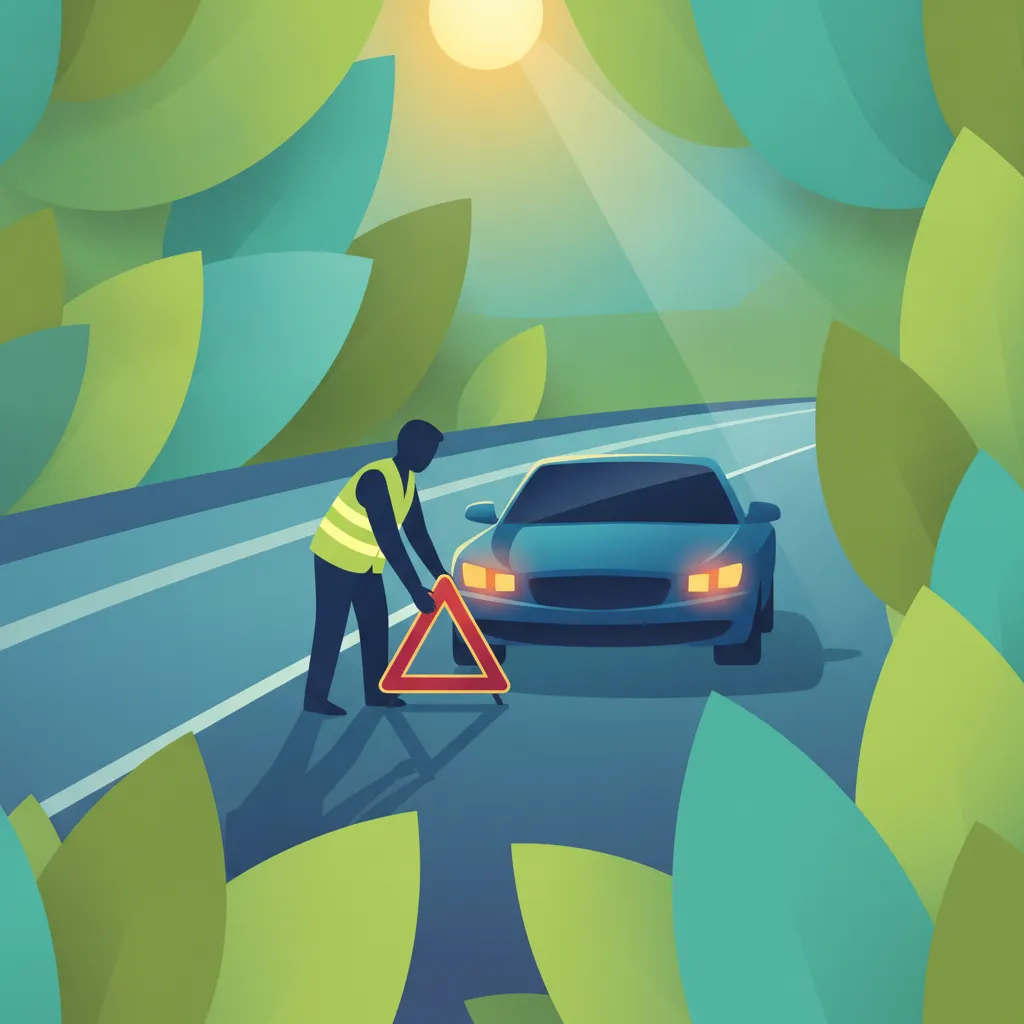
Lesson content overview
As a professional driver operating a heavy goods vehicle (HGV) under Category C or CE in France, your responsibilities extend far beyond transporting cargo from point A to point B. Due to the massive weight, large dimensions, and potentially hazardous nature of the cargo carried by commercial vehicles, any road incident can quickly escalate into a severe crisis.
This lesson covers the essential emergency response protocols required by the French Code de la route and European safety directives. Developing a deep understanding of these protocols ensures that if you are involved in or encounter an accident, fire, or spill, you can act systematically to preserve human life, minimize environmental damage, and meet your stringent legal obligations.
The fundamental approach to handling any roadside emergency is summarized by the classic French emergency response sequence: Protéger, Alerter, Secourir (PAS) — Protect, Alert, Rescue. For drivers of heavy vehicles, this systematic cycle must be adapted to account for the unique physics, cargo properties, and risks associated with vehicles exceeding 3.5 tonnes.
When an incident occurs, panic can easily cloud clinical decision-making. Adhering to a standardized, practiced sequence of actions ensures that critical steps are not missed. Professional drivers are held to a higher standard of duty of care; failing to secure an emergency scene or omitting to report an accident can lead to severe criminal penalties under French law, including charges of délit de fuite (hit-and-run) or non-assistance à personne en danger (failure to assist a person in danger).
Before any call is placed or rescue is attempted, you must secure the scene to prevent secondary collisions. A secondary accident involving oncoming traffic crashing into a stationary heavy vehicle is often far more destructive than the initial incident.
Before stepping out of your vehicle onto a live road or hard shoulder (bande d'arrêt d'urgence), you must ensure your own visibility.
Engage Safety Systems: Pull the parking brake firmly, shut off the engine, and immediately switch on the hazard warning lights (feux de détresse).
Don High-Visibility Gear: Retrieve and put on your high-visibility reflective vest (gilet de haute sécurité) while still inside the cab. It is a legal violation under the French Code de la route to step onto the roadway without wearing this vest.
Assess the Exterior: Check your mirrors and blind spots for oncoming traffic or passing motorcycles before opening the cab door.
Exit Safely: Maintain three points of contact while descending from the cab to prevent slips or falls onto the roadway.
Once outside, your primary objective is to make the vehicle and the scene visible to other road users. This is achieved through the strategic deployment of warning triangles (triangles de présignalisation).
A portable, highly reflective red triangle used to warn oncoming drivers of a stationary vehicle or obstruction ahead. Heavy goods vehicles under Category C and CE are legally required to carry functional, approved warning triangles.
The placement of warning triangles is highly regulated and varies based on the type of road and prevailing environmental conditions:
On French motorways (autoroutes), your personal safety is paramount. If placing a warning triangle on the active carriageway puts your life in immediate danger due to narrow shoulders or heavy traffic, prioritize evacuating behind the safety barriers (glissières de sécurité) instead of walking along the live lane.
Once the scene is as secure as possible, you must immediately contact emergency services. In France and across the European Union, the primary point of contact is the European emergency number 112.
The 112 number is free of charge and can be dialed from any operational mobile phone, even without a local SIM card or active credit. When operating on French motorways, you should also utilize the orange roadside emergency telephone cabins placed every 2 km, as these instantly transmit your exact geographical coordinate marker (point de repère hectométrique or PR) to the motorway operator’s control center.
When you speak to the 112 operator, you must provide structured, precise, and professional information. Emergency operators rely on your description to dispatch the correct resources (e.g., heavy rescue cranes, chemical hazard units, or specialized medical teams).
Exact Location: Provide the road number (e.g., A10, N10, D910), direction of travel, and nearest kilometer marker (PR) or exit number.
Vehicle Description: Specify that a heavy goods vehicle (Category C/CE) is involved. Mention if it is a rigid truck, an articulated tractor-trailer, or a road train.
Cargo Details: State clearly what you are transporting. If carrying hazardous materials, read the Hazard Identification Number and UN Number directly from the orange ADR plates mounted on your vehicle.
Nature of the Incident: Describe whether there is an active fire, a cargo spill, structural damage to road infrastructure, or a blockage of traffic lanes.
Victim Assessment: State the number of injured persons, their apparent condition, and whether anyone is trapped inside a vehicle cab or crushed under cargo.
Under French law, Category C and CE vehicles must be outfitted with specific on-board emergency equipment. Knowing how and when to deploy this gear can prevent a minor incident from turning into an environmental or human catastrophe.
Vehicle fires in HGVs can originate from electrical failures, overheated braking systems (especially on long downward gradients), or tyre blowouts. You must understand the classes of fire to ensure you use the correct extinguishing agent. Using the wrong agent can exacerbate the fire or cause toxic chemical reactions.
| Fire Class | Fuel Source | Correct Extinguisher Type | HGV Application / Risk |
|---|---|---|---|
| Class A | Solid materials (wood, paper, textiles, tyres) | Water-additive or Dry Powder | Cargo area, cabin upholstery, tyre fires |
| Class B | Flammable liquids (diesel, petrol, oils) | Foam, CO₂ or Dry Powder | Fuel tank leaks, engine oil fires |
| Class C | Flammable gases | Dry Powder | Gas-powered vehicles, specific pressurized cargo |
| Class E (Electrical) | Live electrical components | CO₂ or Dry Powder | Engine bay wiring, dashboard electrical faults |
Standard dry powder (ABC) extinguishers are the most versatile for heavy vehicles because they can safely suppress solid, liquid, and electrical fires. Always check that your vehicle's extinguishers are within their annual inspection expiry dates and that the pressure gauge needle sits within the green operational zone.
If a fire breaks out while driving:
A spill of fuel, hydraulic oil, or liquid cargo poses an immediate threat to road grip levels and the local ecosystem. If you are hauling hazardous substances governed by the ADR (Accord européen relatif au transport international des marchandises Dangereuses par Route), you must carry a specialized spill kit (kit antipollution).
To manage a minor spill safely:
Every commercial vehicle accident in France must be meticulously documented. This ensures legal compliance, establishes clear liability, and facilitates insurance processing.
For any accident involving another vehicle, you should complete the standard European Joint Accident Report (Constat Amiable d'Accident Automobile).
Use One Form: Utilize a single form for a two-vehicle collision. Side A is for Vehicle A (e.g., your truck) and Side B is for Vehicle B.
Record Precise Details: Write down exact dates, times, locations, and registration numbers. Note driver's licence details and insurance policy numbers.
Sketch the Scene: Draw a clear, simple diagram showing the direction of travel, point of impact, road layout, lane markings, and relevant road signs.
Tick the Correct Circumstance Boxes: These boxes carry significant weight in determining liability. Ensure you only tick boxes that precisely match your actions (e.g., "was overtaking", "was stationary").
Sign Cooperatively: Both drivers must sign the front of the form. Once signed, the sheets are separated, and no further changes can be made to the front. If you disagree with the other driver's version of events, write your reservations in the "Observations" box before signing.
Under the French Code de la route and standard insurance regulations, you must adhere to strict reporting timelines:
When French law enforcement (Gendarmerie Nationale or Police Nationale) and emergency services arrive on the scene, your role transitions to active facilitation and support.
+-------------------------------------------------------------+
|               ON-SITE COOPERATION WORKFLOW                  |
+-------------------------------------------------------------+
|                                                             |
|  1. STAND BY SAFETY PERIMETER                               |
|     Remain at a safe distance; do not leave the scene.       |
|                                                             |
|  2. PRESENT REQUIRED DOCUMENTATION                           |
|     - Driver's Licence (Permis C/CE)                        |
|     - Vehicle Registration (Carte Grise)                    |
|     - Tachograph Card (Carte Chronotachygraphe)             |
|     - Transport Documents (CMR / Consignment Note)          |
|                                                             |
|  3. PROVIDE CARGO SPECIFICATIONS                            |
|     Deliver cargo manifests and ADR instructions to fire   |
|     crews to assist in safe hazard mitigation.              |
|                                                             |
+-------------------------------------------------------------+
Under European transport regulations, enforcement officers will require access to your digital tachograph card (carte chronotachygraphe) to verify your driving times, speed, and rest periods prior to the incident.
Do not attempt to eject the card or tamper with the tachograph unit after an accident, as this can be interpreted as an attempt to destroy evidence, carrying heavy criminal penalties including large fines and imprisonment.
Your emergency response must adapt dynamically to your physical environment. Standard procedures can fail if they do not account for external variables.
This lesson covers the complete emergency response protocol for Category C and CE heavy goods vehicle drivers in France, centred on the PAS framework (Protect, Alert, Rescue). Learners must master scene security procedures including hazard light activation, high-visibility vest requirements, and precise warning triangle placement distances that vary by road type. The lesson details how to contact emergency services via 112 with structured information including location, vehicle description, cargo details, and casualty assessment. Critical equipment knowledge includes fire extinguisher classifications for different fuel types and mandatory spill kit procedures for hazardous cargo. Legal documentation requirements cover the Constat Amiable accident report and strict reporting deadlines to employers and insurers, while cooperation protocols with French law enforcement and tachograph data preservation obligations complete the professional driver's responsibilities during roadside emergencies.
A short set of high-value points that capture the most important learning from this lesson.
The PAS sequence (Protéger, Alerter, Secourir) is the mandatory framework: secure the scene with hazard lights and warning triangles before calling emergency services.
Warning triangle placement distances are legally defined: 30m on rural roads, 100m on motorways, with increased distances required in poor visibility conditions.
The European emergency number 112 provides free access to emergency services across France and the EU, even without a SIM card.
When calling 112, you must provide precise location (road number, direction, PR kilometer marker), vehicle category, cargo details, incident type, and victim assessment.
All HGV drivers must preserve tachograph data after an accident; tampering with or ejecting the card constitutes a criminal offense.
Explore all units and lessons included in this driving theory course.
The high-visibility vest must be donned inside the cab before stepping onto any roadway—it is a legal requirement under the French Code de la route.
Standard ABC dry powder extinguishers handle Class A (solid), Class B (liquid), and electrical fires, making them versatile for heavy vehicle applications.
Never use water on hot brake drums or fuel fires; water can cause metal shattering or spread burning liquids.
The Constat Amiable must be submitted to your insurer within 5 business days; environmental or structural damage reports require submission within 24 hours.
When transporting ADR hazardous materials, specialized spill kits must be used to contain leaks and protect nearby storm drains and watercourses.
Exiting the vehicle without wearing the high-visibility vest first, which constitutes a legal violation even if done briefly.
Placing warning triangles at inadequate distances on motorways, where 100 metres is required rather than the 30 metres sufficient for rural roads.
Attempting to drive a vehicle with an active brake fire to a safer location, allowing airflow to fan the flames and spread to the cargo.
Ejecting or tampering with the tachograph card after an accident, as this can be interpreted as evidence tampering carrying criminal penalties.
Leaving vehicles blocking a traffic lane to complete paperwork, creating dangerous secondary collision risks on high-speed roads.
Lesson content overview
A short set of high-value points that capture the most important learning from this lesson.
The PAS sequence (Protéger, Alerter, Secourir) is the mandatory framework: secure the scene with hazard lights and warning triangles before calling emergency services.
Warning triangle placement distances are legally defined: 30m on rural roads, 100m on motorways, with increased distances required in poor visibility conditions.
The European emergency number 112 provides free access to emergency services across France and the EU, even without a SIM card.
When calling 112, you must provide precise location (road number, direction, PR kilometer marker), vehicle category, cargo details, incident type, and victim assessment.
All HGV drivers must preserve tachograph data after an accident; tampering with or ejecting the card constitutes a criminal offense.
Explore all units and lessons included in this driving theory course.
The high-visibility vest must be donned inside the cab before stepping onto any roadway—it is a legal requirement under the French Code de la route.
Standard ABC dry powder extinguishers handle Class A (solid), Class B (liquid), and electrical fires, making them versatile for heavy vehicle applications.
Never use water on hot brake drums or fuel fires; water can cause metal shattering or spread burning liquids.
The Constat Amiable must be submitted to your insurer within 5 business days; environmental or structural damage reports require submission within 24 hours.
When transporting ADR hazardous materials, specialized spill kits must be used to contain leaks and protect nearby storm drains and watercourses.
Exiting the vehicle without wearing the high-visibility vest first, which constitutes a legal violation even if done briefly.
Placing warning triangles at inadequate distances on motorways, where 100 metres is required rather than the 30 metres sufficient for rural roads.
Attempting to drive a vehicle with an active brake fire to a safer location, allowing airflow to fan the flames and spread to the cargo.
Ejecting or tampering with the tachograph card after an accident, as this can be interpreted as evidence tampering carrying criminal penalties.
Leaving vehicles blocking a traffic lane to complete paperwork, creating dangerous secondary collision risks on high-speed roads.
Explore search topics learners often look for when studying Emergency Response Protocols. These topics reflect common questions about road rules, driving situations, safety guidance, and lesson level theory preparation for learners in France.
Browse additional driving theory lessons that cover connected traffic rules, road signs, and common driving situations related to this topic. Improve your understanding of how different rules interact across everyday traffic scenarios.
Learn the essential documentation procedures for commercial vehicle incidents under French road law. This guide explains the use of the Constat Amiable, mandatory reporting timelines for insurance and authorities, and the legal obligations of professional drivers following an accident on national roads or motorways.

In this lesson, drivers will learn about the mandatory documentation required for operating a goods vehicle in France. The content covers the NEPH number needed for licence applications, vehicle registration certificates (carte grise), and proof of insurance. Learners will also explore the technical inspection process, load and customs documentation for cross-border transport, and the importance of maintaining an up-to-date driver logbook.
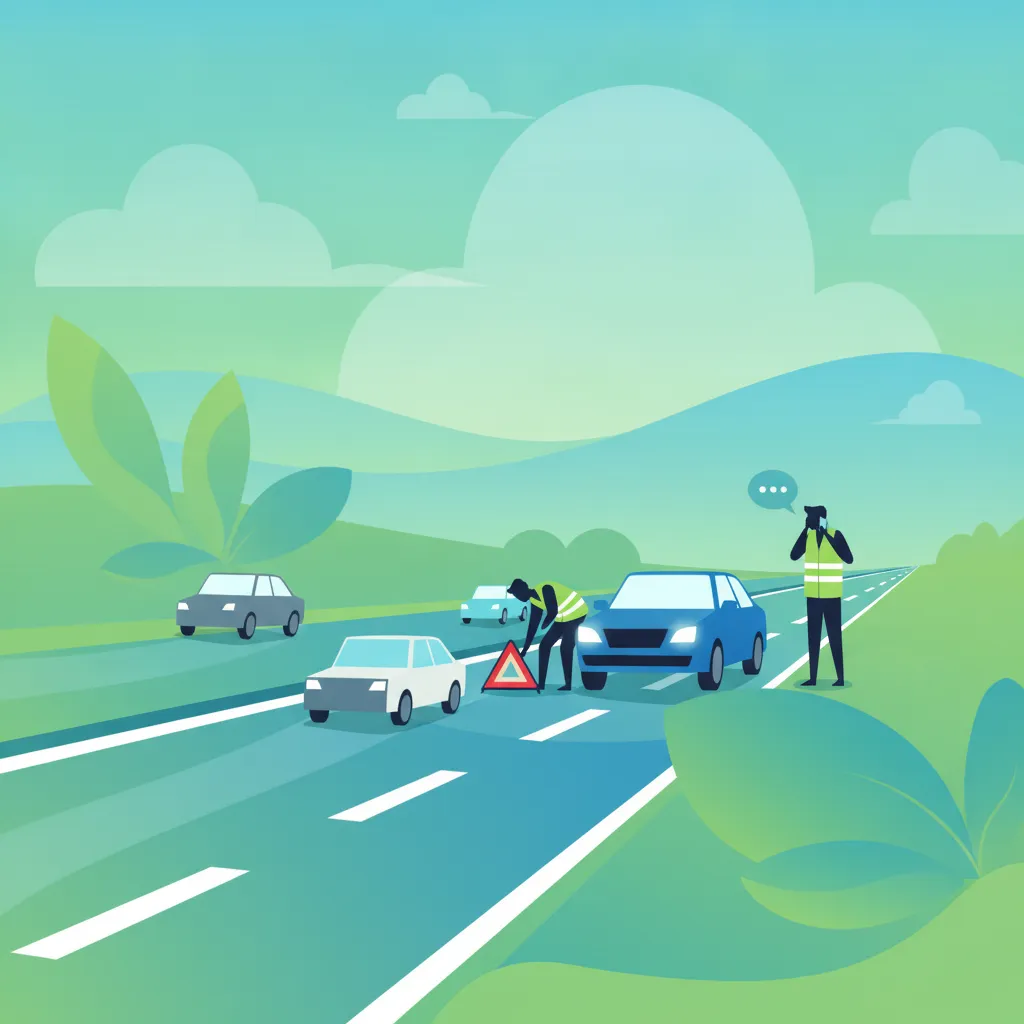
In this lesson, drivers will learn the essential steps to take following an accident involving a goods vehicle. The content covers contacting emergency services via 112, providing first aid, and safely positioning the vehicle to protect other road users. Learners will be instructed on documenting the incident, notifying insurance providers, and fulfilling legal obligations for accident reporting, including gathering witness statements.
This lesson delves into the dual aspects of civil and criminal liability that professional goods vehicle drivers face in the event of traffic violations or accidents. Learners will explore the range of penalties, including fines, licence suspension, vehicle seizure, and potential imprisonment for severe offenses under French law. The discussion also covers the impact of negligence on insurance coverage, the accrual of penalty points, and the broader consequences for both the driver and their employer.
This lesson explains the critical documentation required to be kept onboard every passenger vehicle under French and European transport regulations. Learners will explore requirements for passenger manifests, insurance policies, valid transport permits, and official logbooks like the chronotachygraphe. Crucially, the lesson covers proper procedures for presenting these documents during routine roadside inspections by French law enforcement agencies.
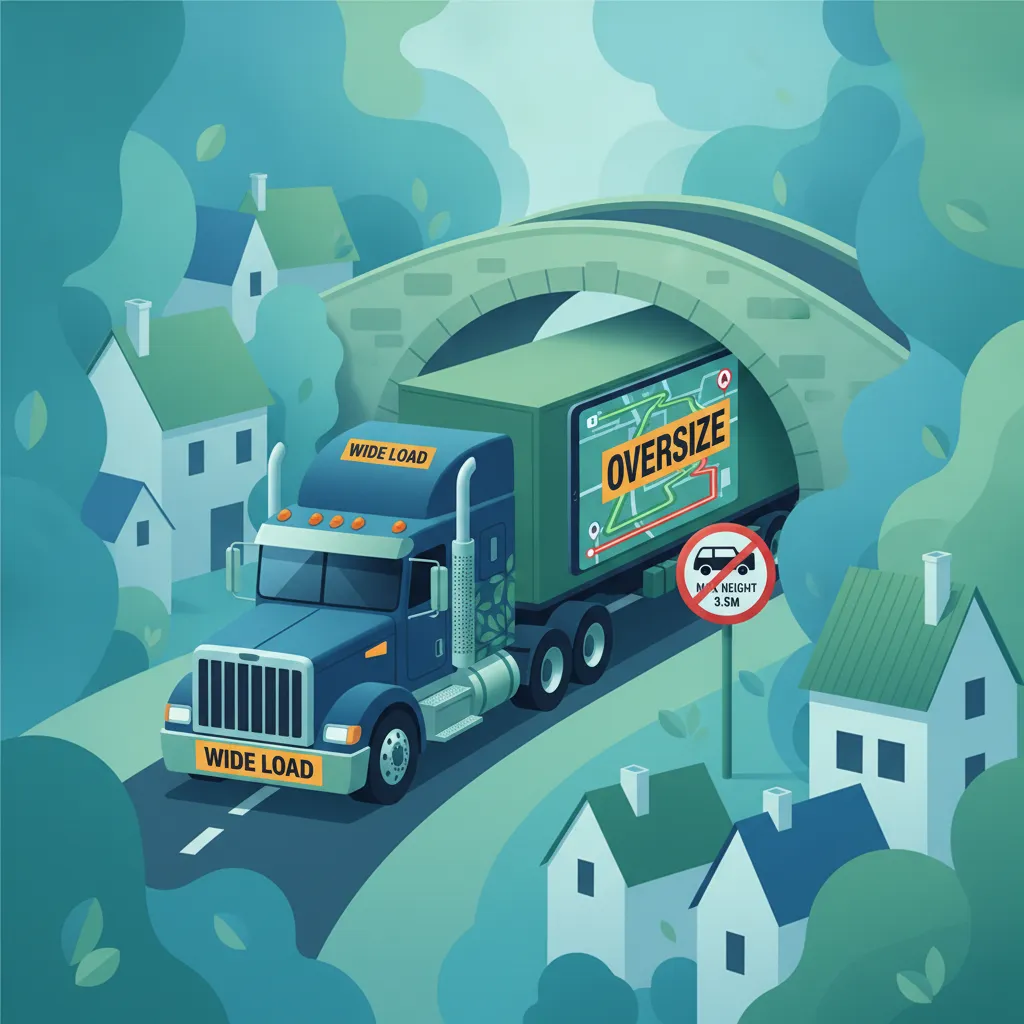
This lesson provides strategies for planning routes that accommodate oversized goods vehicles while complying with French road restrictions. Learners will learn how to identify prohibited routes, evaluate bridge and tunnel limitations, and obtain necessary access permits. The content also addresses the use of specialised GPS systems for heavy vehicle routing and the importance of contingency planning for detours, ensuring safe and efficient transport operations.

In this lesson, the focus is on understanding weight limits for goods vehicles, including total gross vehicle weight and individual axle load restrictions. Learners will explore how French weight regulations define permissible loads and the consequences of exceeding these limits, such as increased wear on road surfaces and safety hazards. The lesson also discusses load balancing techniques to ensure optimal axle distribution, enhancing vehicle stability and compliance with legal standards.
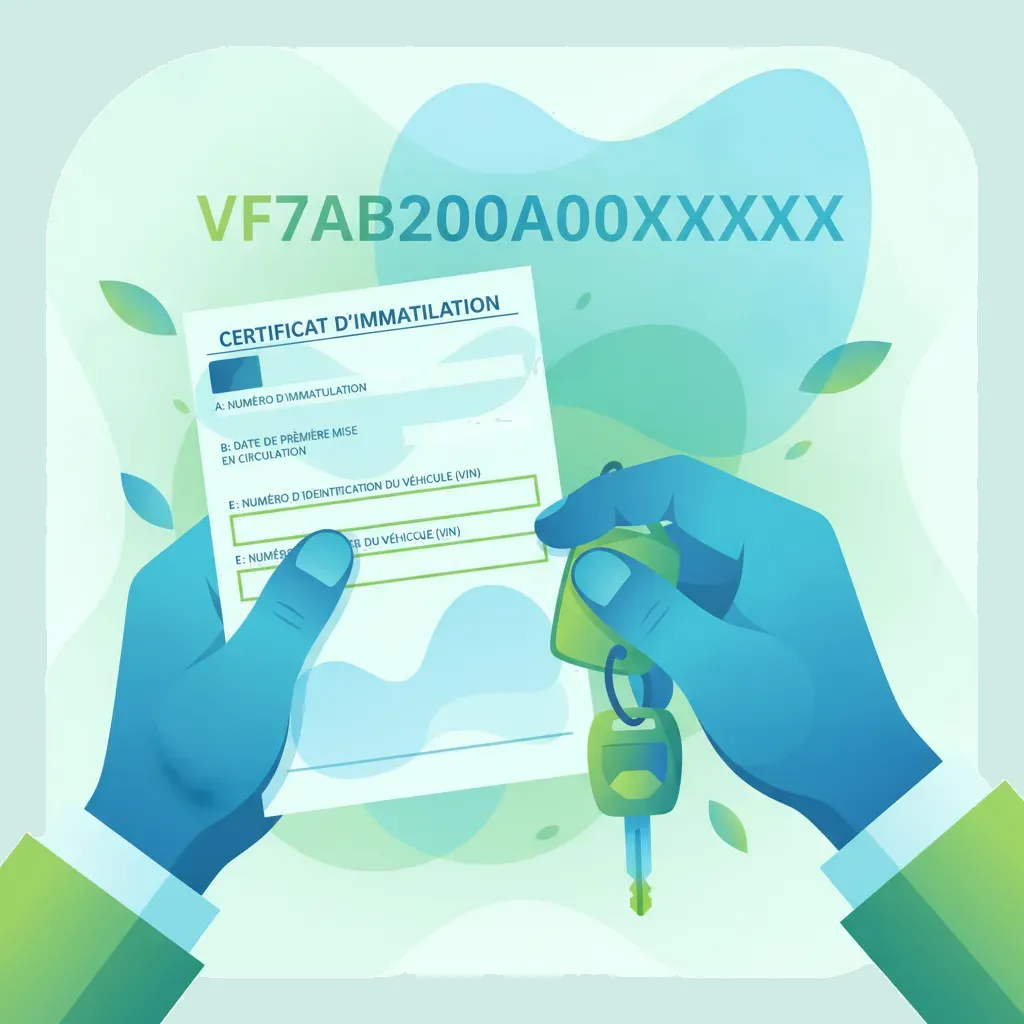
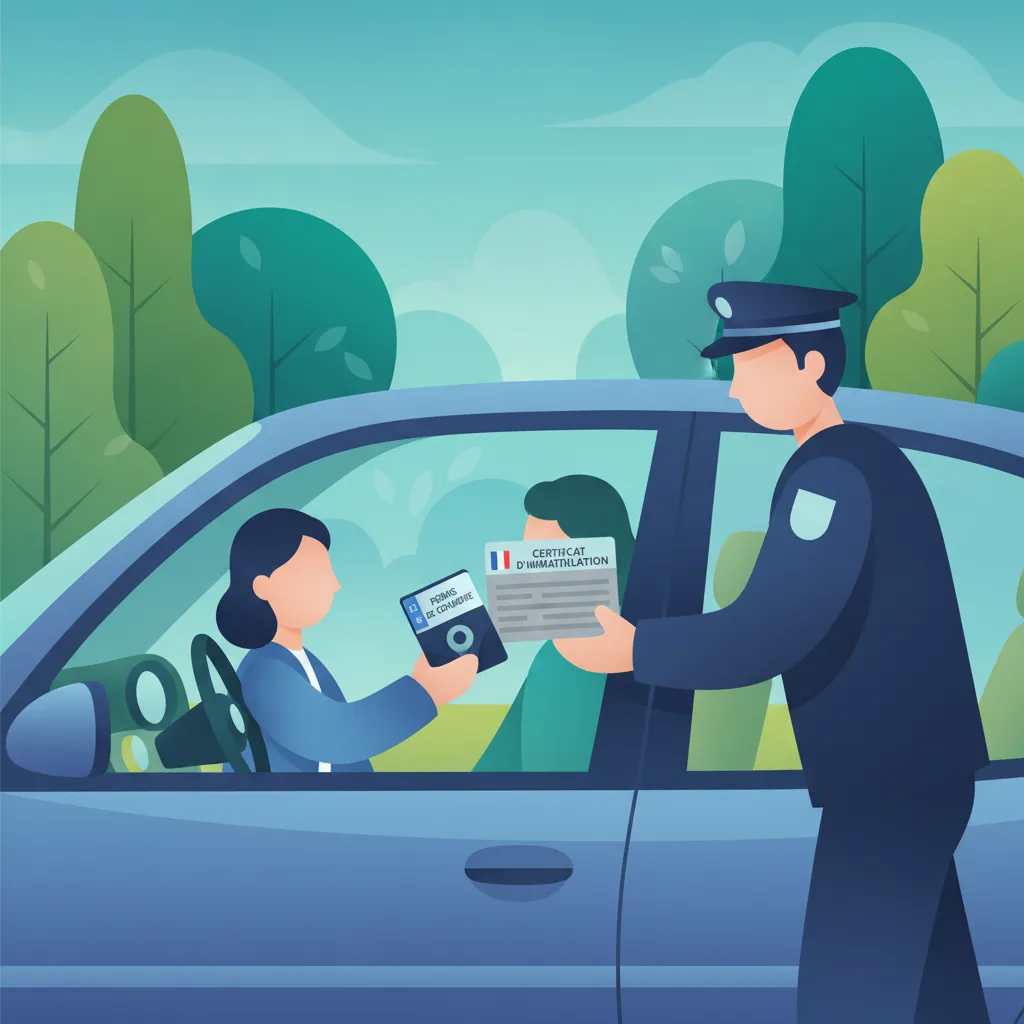
Every driver in France must be able to present official, up-to-date documentation during routine roadside police checks. This lesson details the certificat d'immatriculation (commonly known as the carte grise), valid insurance documents, and the Crit'Air environmental vignette required in low-emission zones. It explains how to complete transfers of ownership and update addresses using the official ANTS digital portal.
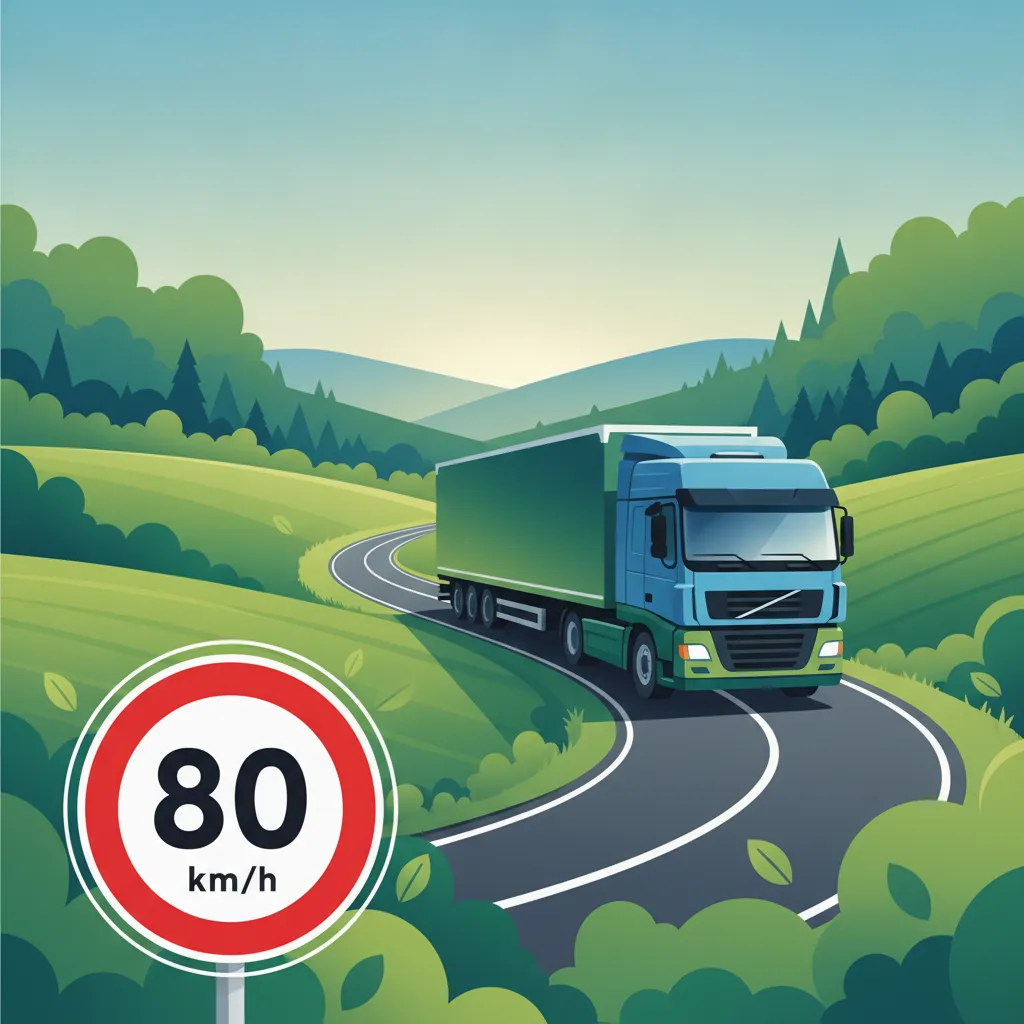
In this lesson, drivers will learn the specific speed limits that apply to goods vehicles across different road types in France, including urban areas, rural roads, and motorways. The content covers the differences between speed limit signs for heavy vehicles and standard passenger cars, the legal basis for these limits, and the importance of speed adaptation based on vehicle category and load. Learners will also be introduced to speed enforcement methods used in France, such as radar and speed cameras.
Understand the technical protocols for containing fires and environmental hazards involving heavy vehicles. This lesson provides an overview of fire extinguisher classifications, proper deployment of ADR spill kits, and professional techniques for managing cargo-related risks to ensure safety and regulatory compliance on public roads.
In this lesson, drivers will learn best practices for manoeuvring goods vehicles into loading docks and other confined spaces. The content covers the use of spotting aids, guidance markings, and reverse assistance technologies. Learners will understand how to align the vehicle and trailer correctly with dock doors, maintain situational awareness, and use proper signaling for safety. The lesson also emphasizes the importance of communication with dock personnel.
Find clear answers to common questions learners have about Emergency Response Protocols. Learn how the lesson is structured, which driving theory objectives it supports, and how it fits into the overall learning path of units and curriculum progression in France. These explanations help you understand key concepts, lesson flow, and exam focused study goals.
The primary role is to ensure personal and public safety by alerting other road users, using designated emergency equipment, and contacting authorities via 112 while remaining in a safe location.
Yes, French law mandates specific equipment such as reflective high-visibility vests for all occupants, hazard warning triangles, and functional fire extinguishers, which must be readily accessible.
Professional drivers must adhere to strict administrative reporting, including documenting the incident in company records and ensuring all relevant transport documents are available for inspection by law enforcement.
You must immediately warn other road users using hazard lights and triangles, avoid contact with potentially hazardous substances, and report the spill to emergency services via 112, specifying the nature of the cargo if known.
Ready to focus your study? Use the practice search to find exactly the French driving theory questions you need for the Code de la route and permis de conduire ETG. Refine your knowledge on specific topics or challenging rules to boost your confidence and exam readiness.