This lesson explores the essential standards of professional behaviour and ethical responsibility required for operating heavy goods vehicles in France. As you near the end of your C and CE licence training, understanding these non-technical obligations is critical for both your theory exam success and your future career as a professional driver.

Lesson content overview
Operating a heavy goods vehicle (HGV) under Category C or CE is more than a technical skill; it is a highly regulated profession that demands exceptional ethical standards, social responsibility, and strict adherence to the French Code de la route. Professional drivers are ambassadors of the transport sector. Because of the sheer mass, dimension, and inertia of vehicles like rigid trucks (porteurs) and articulated road trains (véhicules articulés), any lapse in professional conduct can have catastrophic safety, environmental, and economic consequences.
This lesson details the ethical frameworks, legal obligations, and professional habits required to safely and sustainably navigate French and European road networks.
Professional driving relies on a foundation of mutual respect, proactive safety, and compliance. To maintain public trust and protect lives, HGV drivers must align their actions with several core pillars of ethical driving.
A safety-first mindset means actively prioritizing public safety over operational pressures, delivery deadlines, or personal convenience. Professional transport operates within tight logistics windows, but safety must never be compromised for speed.
Operational Pressure Warning: Under French labor and transport laws, an employer cannot legally force a driver to violate safety regulations, speed limits, or mandatory rest times to complete a delivery. If pressured, the driver is legally obligated to refuse and prioritize compliance with safety laws.
Vulnerable road users (VRUs)—including pedestrians, cyclists, motorcyclists, and micro-mobility users (such as e-scooter riders)—lack structural protection. Due to the high seating position in Category C and CE vehicles, these road users are easily lost in the vehicle's massive blind spots (angles morts).
The areas around a heavy vehicle that cannot be directly or indirectly observed by the driver through windows or standard mirrors. On an articulated truck, these blind zones can extend several metres to the front, rear, and diagonally along both sides of the vehicle.
A professional driver represents their employer and the transport industry at large. Adhering to a professional code of conduct involves:
Professional driving is governed by strict statutory rules. Violating these rules results in severe administrative, financial, and criminal penalties.
Under Article R412-1 of the French Code de la route, the use of seat belts is strictly mandatory for all occupants of a goods vehicle. This applies to both long-distance highway transport and short-range urban delivery runs. The kinetic energy generated by an HGV in a collision is immense; a seat belt is the primary defense against ejection and severe steering column injuries.
Hazard lights must be activated whenever a vehicle represents a sudden, unexpected obstacle or danger to other road users.
Heavy vehicles require significantly longer distances to stop due to their mass and momentum. In France, goods vehicles exceeding 3.5 tonnes (Category C) and articulated vehicle combinations (Category CE) must adhere to specific, lowered speed limits.
| Vehicle Type & Weight | Built-up Areas (Cities) | Two-Lane Rural Roads | Highways / Dual Carriageways (Voies rapides) | Motorways (Autoroutes) |
|---|---|---|---|---|
| Rigid Truck (Category C > 3.5t up to 12t) | 50 km/h | 80 km/h | 90 km/h | 90 km/h |
| Rigid Truck (Category C > 12t) | 50 km/h | 80 km/h | 80 km/h | 90 km/h |
| Articulated Vehicle (Category CE > 12t) | 50 km/h | 80 km/h | 80 km/h | 90 km/h (80 km/h for dangerous goods) |
Speed limit regulations are strictly enforced in France via automated speed cameras and tachograph audits. Exceeding these limits compromises control, overheats drum or disc brakes, and dramatically increases the risk of jackknifing (mise en portefeuille).
When overtaking a cyclist or pedestrian in France, the Code de la route dictates clear safety distances:
If oncoming traffic or road layout makes it impossible to maintain this distance, the professional driver must slow down and wait behind the cyclist until it is safe to overtake.
At all times while operating a Category C or CE vehicle, the driver must carry and present the following original documents to law enforcement (Gendarmerie or Police Nationale) upon request:
To combat driver fatigue, European Regulation (EC) No 561/2006 dictates precise driving and rest hours.
Continuous Driving Limit: A driver must not exceed 4.5 hours of continuous driving without taking an uninterrupted break of at least 45 minutes (which can be split into a 15-minute break followed by a 30-minute break).
Daily Driving Limit: The standard daily driving limit is 9 hours. This may be extended to 10 hours up to twice in a single week.
Daily Rest Period: Drivers must take a regular daily rest period of at least 11 consecutive hours within every 24-hour period (or a reduced daily rest of 9 hours, up to three times between any two weekly rest periods).
Many French metropolitan areas (such as Paris, Lyon, Marseille, Toulouse, and Strasbourg) have implemented Zones à Faibles Émissions (ZFE-m). Heavy goods vehicles entering these zones must display a valid Crit'Air vignette (windshield sticker ranging from green/1 to 5 based on vehicle Euro emission class and fuel type). Older, highly polluting diesel trucks are banned from entering these zones during specific hours.
Ethical driving includes environmental stewardship. The transport sector accounts for a significant portion of greenhouse gas emissions. Through eco-driving (éco-conduite), a professional driver can reduce fuel consumption and CO₂ emissions by up to 15%, while simultaneously reducing mechanical wear on the brakes, tires, and engine.
Clear communication prevents misunderstandings, avoids gridlock, and ensures rapid response to emergencies.
In France, a heavy vehicle licence is not a lifetime pass to drive commercially. Professional competence must be regularly validated.
This is the mandatory initial minimum training. Anyone wishing to drive a vehicle with a GVWR (Poids Total Autorisé en Charge - PTAC) exceeding 3.5 tonnes must complete this 140-hour course, which covers safety rules, eco-driving, regulations, and health/safety at work.
This is the mandatory periodic retraining. Every five years, professional drivers must undergo a 35-hour refresher course (FCO) to update their knowledge of safety regulations, eco-driving techniques, and changes in transport legislation.
To keep Category C or CE licences valid, drivers must pass a periodic medical examination performed by an authorized doctor (médecin agréé). The doctor assesses vision, hearing, cardiovascular health, and general physical fitness. The frequency of this exam increases with age.
Understanding the consequences of poor professional conduct is vital for risk mitigation.
On French motorways, goods vehicles over 3.5 tonnes must maintain a minimum safe distance of 50 metres from the vehicle in front when traveling at highway speeds. This is visually represented by the line markings on the right edge of the motorway (drivers should keep at least two white lines of distance). Failing to do so carries a heavy fine and a loss of license points.
Attempting to bypass driving time regulations using duplicate cards, magnet manipulation, or software hacking is a severe criminal offense in France. It can result in a fine of up to €30,000, one year of imprisonment, and the immediate impoundment of the vehicle.
Operating a mobile phone, even while stationary in traffic, is highly dangerous and illegal under French law. If a driver is caught using a handheld device while committing another traffic infraction, their license can be suspended immediately.
Operating a vehicle that exceeds its maximum authorized mass (Masse Maximale Autorisée) or individual axle weight limits destabilizes steering, overheats tires, increases braking distance, and damages road infrastructure. In France, overload violations are penalized per excess tonne or fraction thereof.
Professional conduct requires adapting your driving behavior to environmental variables.
Explore all units and lessons included in this driving theory course.
Lesson content overview
Explore all units and lessons included in this driving theory course.
Explore search topics learners often look for when studying Professional Conduct and Ethical Driving. These topics reflect common questions about road rules, driving situations, safety guidance, and lesson level theory preparation for learners in France.
Browse additional driving theory lessons that cover connected traffic rules, road signs, and common driving situations related to this topic. Improve your understanding of how different rules interact across everyday traffic scenarios.
Learn the legal requirements for continuous driving, mandatory break intervals, and daily rest periods under European social regulations. This guide explains how to manage professional driving times and maintain compliance with logbook and tachograph standards for Category C and CE licence holders operating within the French transport sector.

This lesson focuses on identifying the signs of driver fatigue and understanding its impact on reaction times, decision-making, and overall safety. Learners will be introduced to legal limits on continuous driving and required rest periods as stipulated by French regulations. The content also provides practical strategies for managing fatigue, such as scheduling regular breaks, employing alertness techniques, and recognizing when to cease driving.
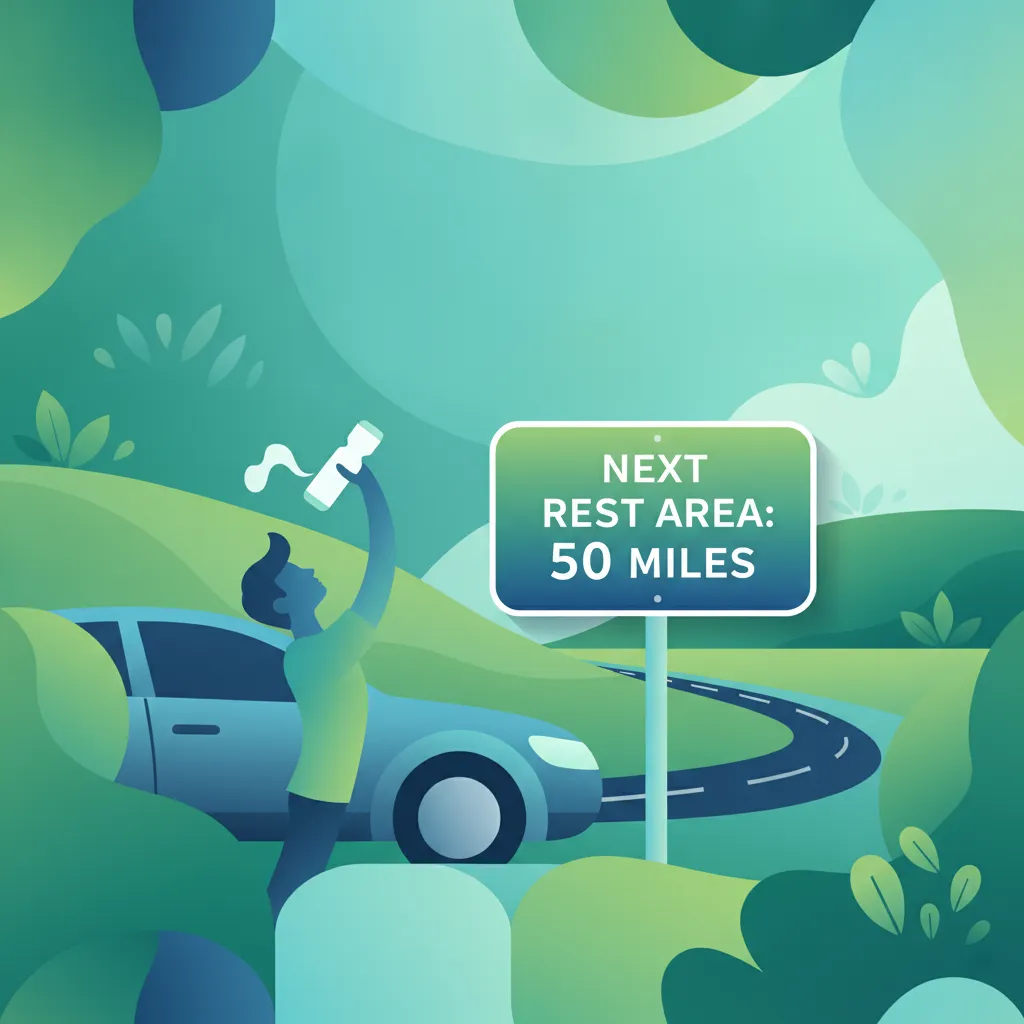
This lesson addresses the physiological dangers of driver fatigue, a leading cause of severe commercial vehicle crashes. Drivers will learn to spot early physical warning signs of drowsiness, such as micro-sleeps, heavy eyelids, and slow reaction times. The lesson provides practical wellness tips, sleep hygiene guidelines, and structured rest-break strategies to maintain peak alertness throughout a shift.

Fatigue and digital distractions are primary causes of motorway collisions, leading to severe lack of reaction time. This lesson teaches you to recognize early signs of drowsiness, such as heavy eyelids, frequent yawning, and wandering thoughts. It also highlights the strict bans on hand-held phone use or earphone kits, explaining the points penalties and safety risks associated with distracted driving.

Carrying heavy loads or pulling trailers significantly alters a passenger vehicle's braking distances and stability characteristics. This lesson covers how to read weight limits (like gross vehicle weight ratings), distribute cargo weight evenly, and secure items inside the boot or on roof racks. You will learn to use specialized cargo straps and understand the risks of overloading your suspension and tyres.

In this lesson, drivers will learn how to calculate safe following distances based on vehicle speed, load, road conditions, and traffic density. The content explains the components of total stopping distance, including reaction time and braking distance, and how these are affected by factors such as wet road surfaces and heavy loads. Learners will also be introduced to French road safety guidelines for maintaining appropriate gaps to ensure sufficient time to react.

This lesson teaches the fundamental rules of ergonomics to preserve the driver's health and ensure a smooth ride for passengers. Drivers will learn to adjust their seats and steering wheels to prevent physical strain during long shifts, directly reducing fatigue. It also explains how to manage heating, ventilation, and air conditioning systems to maintain an ideal temperature and dynamic stability throughout the cabin space.

This lesson covers the preparation and execution of long-distance intercity coach services (such as "Macron buses" in France). Drivers will learn to integrate European Union social regulations on driving limits and mandatory rest breaks into their journey planning. Strategies for checking weather reports, tracking fuel consumption, and monitoring passenger comfort during long transit times are fully explained.

Driving at night introduces serious safety challenges, such as reduced visual range, headlight glare, and fatigue. This lesson explains how to correctly transition from high beams to low beams to avoid blinding oncoming traffic. You will learn to look toward the right-side edge line to minimize headlight glare and recognize signs of visual tiredness that necessitate immediate rest breaks.
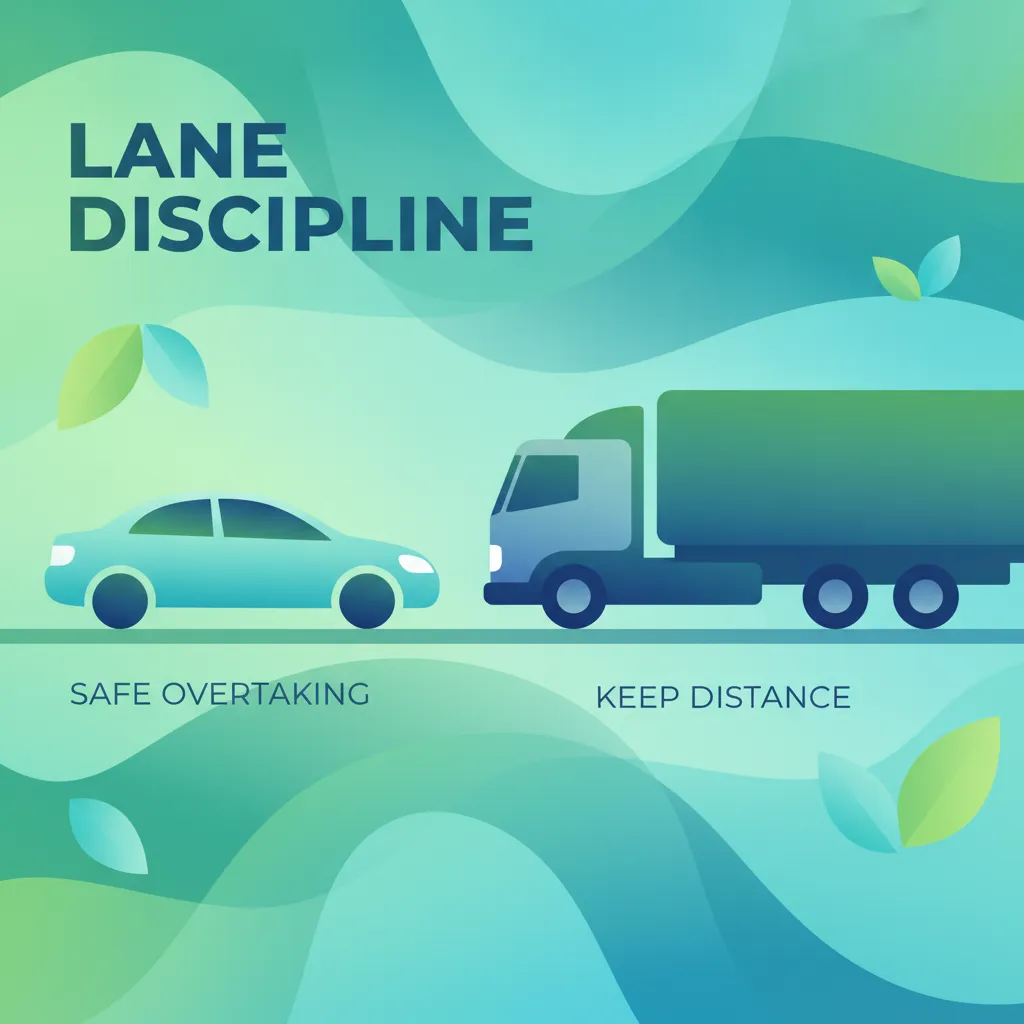
This lesson focuses on the specific considerations for operating goods vehicles on French motorways, including lane selection, speed management, and proper merging techniques. Learners will understand the importance of maintaining lane discipline, using appropriate overtaking practices, and respecting motorway-specific speed limits for heavy vehicles. The content also covers the use of emergency lanes and the handling of traffic flow.
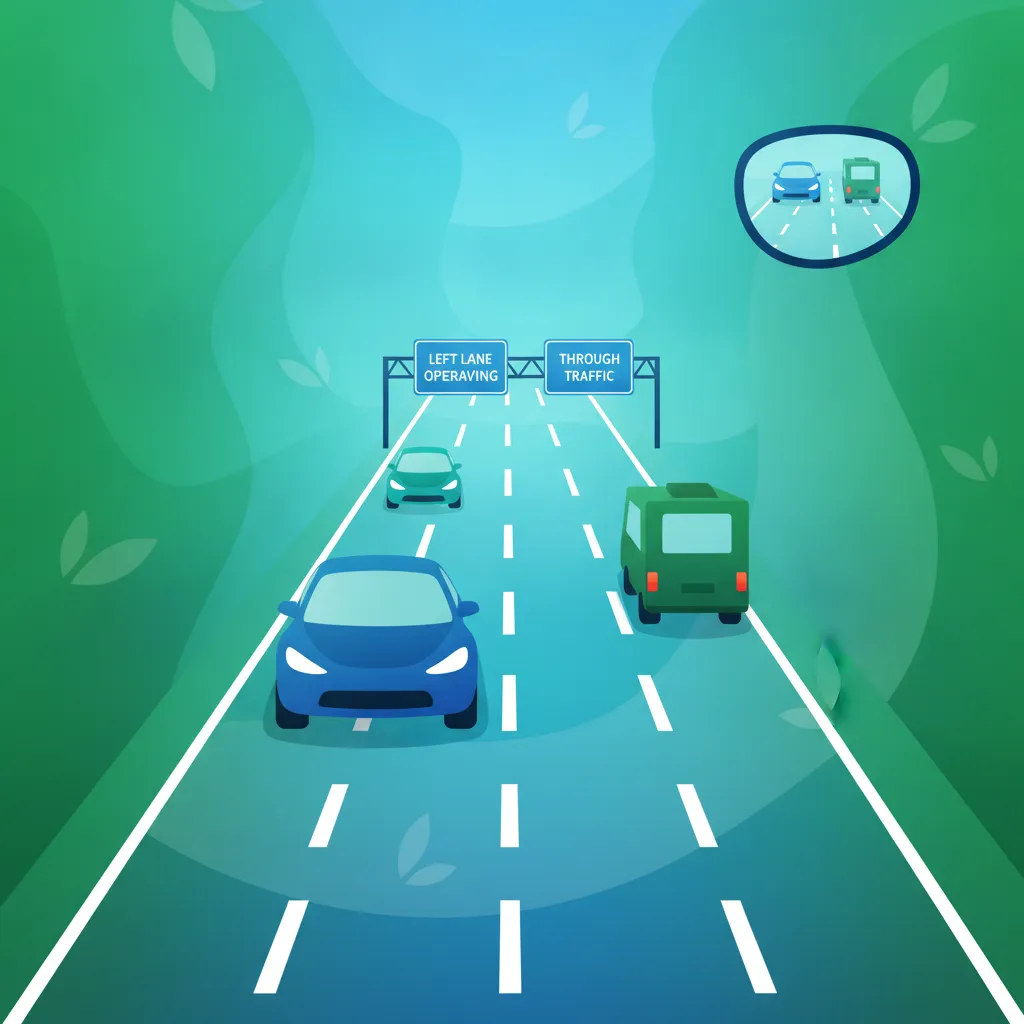
This lesson covers the rules of driving passenger vehicles on high-speed French motorways (autoroutes). Learners will study entry-ramp merging protocols, lane restrictions for vehicles over 3.5 tonnes, and motorway-specific speed limits. The lesson also highlights the correct use of toll booths (péages), emergency hard-shoulder safety procedures, and accessing dedicated coach rest areas.
Understand the specific challenges of managing heavy vehicles in dense urban environments. This lesson covers critical road safety procedures for identifying blind spots and maintaining safe lateral clearance when sharing roads with pedestrians, cyclists, and micro-mobility users, ensuring compliance with the French Code de la route in busy delivery areas.
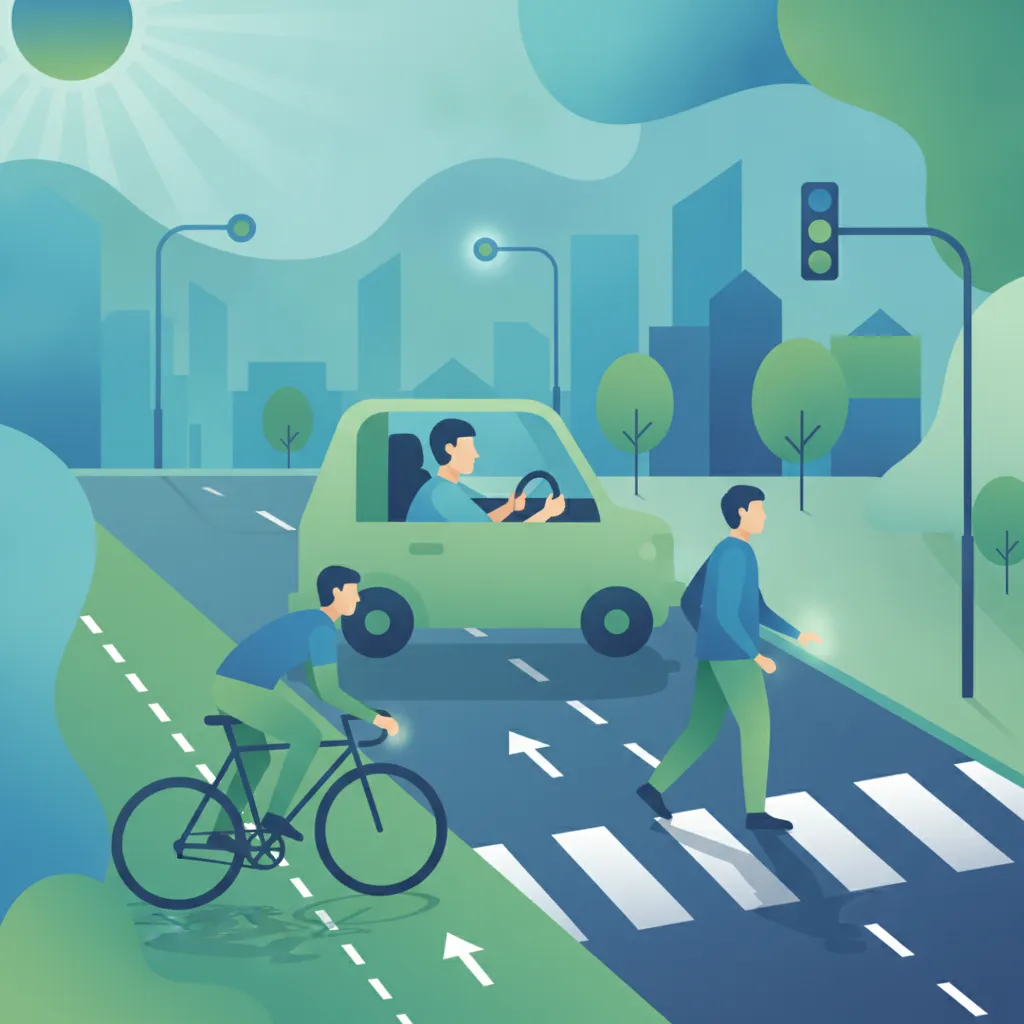
This lesson examines the specific challenges and responsibilities goods vehicle drivers face when interacting with pedestrians and cyclists in urban environments. Learners will understand right-of-way rules, the importance of yielding at pedestrian crossings, and safe turning practices that protect cyclists. The content emphasizes heightened driver vigilance, especially when navigating bike lanes and crowded sidewalks.
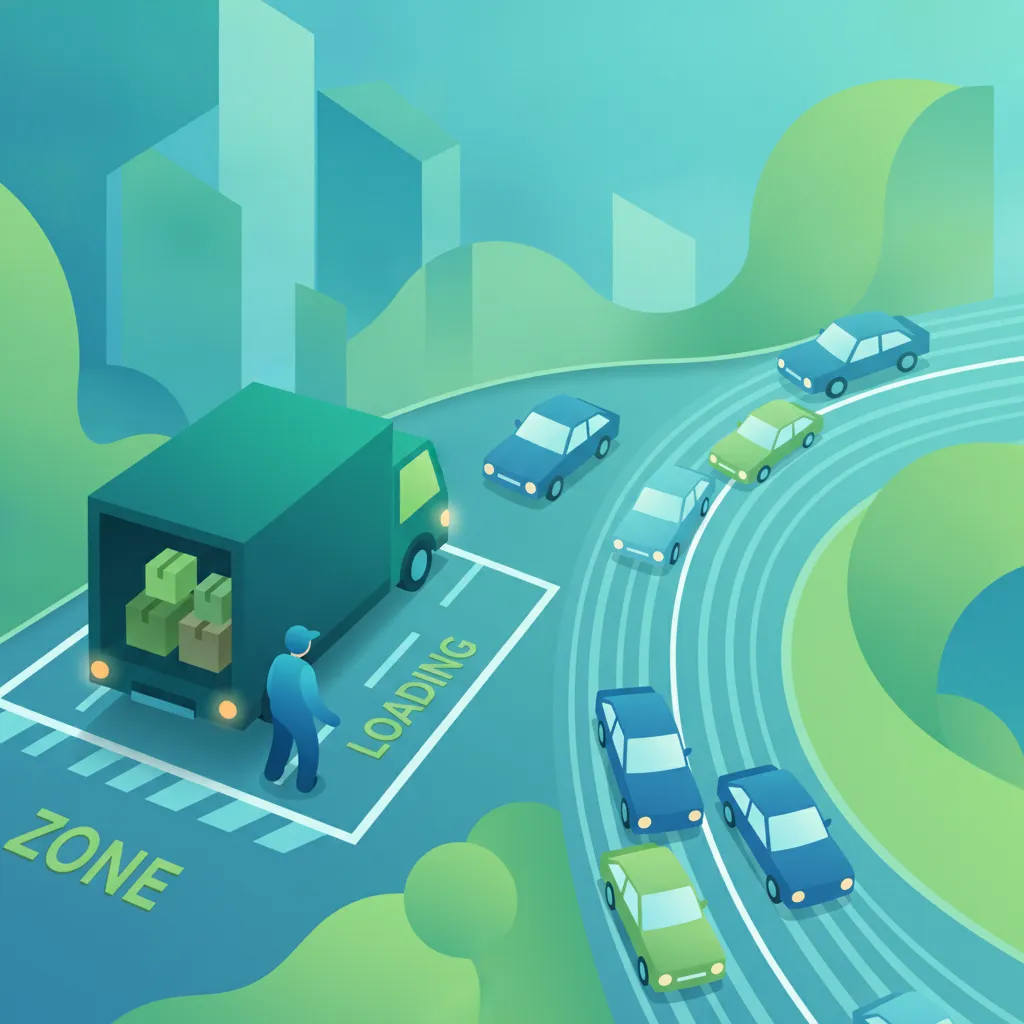
In this lesson, drivers will learn how to navigate urban delivery zones, understanding the rules surrounding loading bays, time windows, and restricted access areas. The content includes the process for obtaining delivery permits, strategies for safe maneuvering in congested city streets, and best practices for minimizing impact on pedestrian traffic. Learners will also be introduced to French city-specific regulations that govern goods vehicle deliveries.
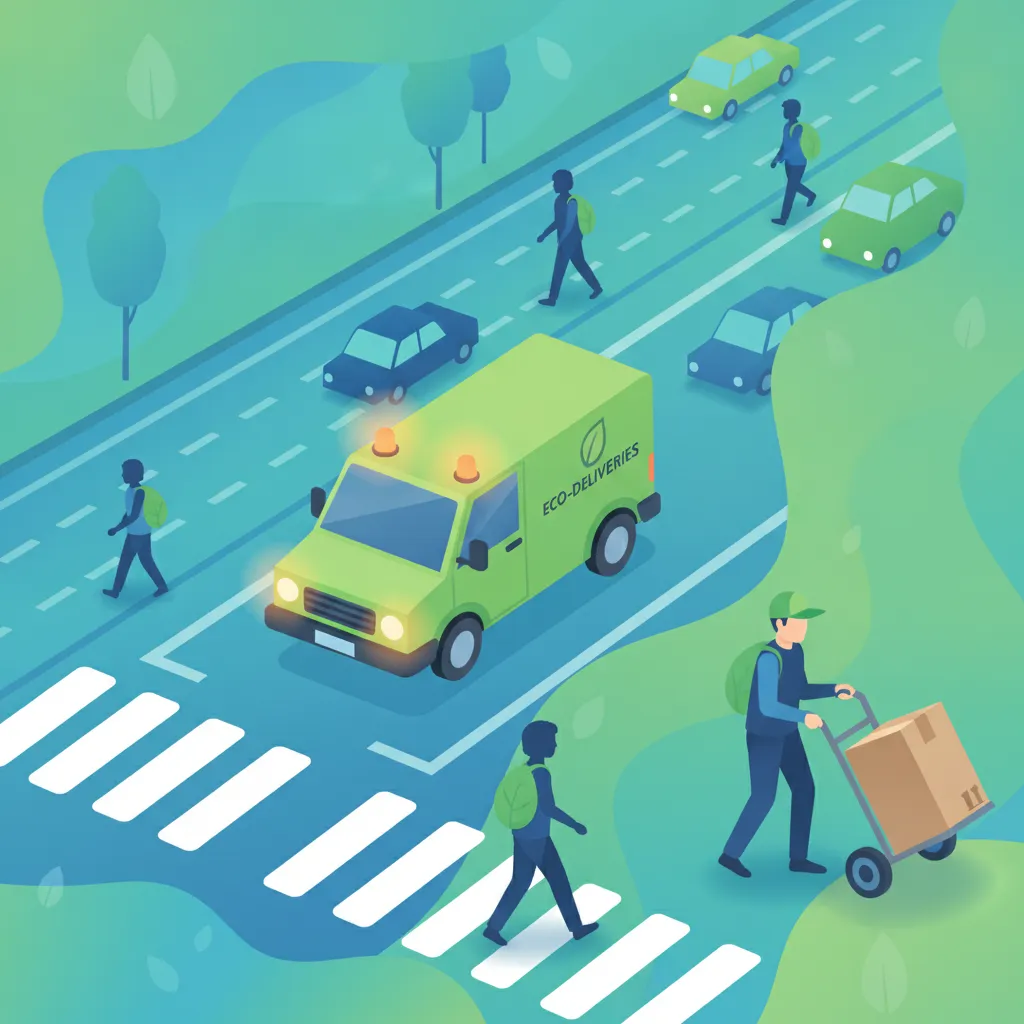
This lesson focuses on the unique challenges of performing deliveries in dense urban areas. Learners will explore best practices for loading and unloading safely, navigating traffic congestion, and minimizing risks to pedestrians and cyclists. The content also covers compliance with city regulations for delivery zones, scheduling considerations, and the importance of careful maneuvering to avoid accidents.

This lesson examines how goods vehicle drivers should approach and navigate roadworks zones and temporary traffic restrictions. Learners will be taught to recognize temporary speed limit signs, follow detour routes safely, and respect lane closures. The content also highlights the importance of maintaining safe distances from workers, adjusting for reduced lane width, and ensuring compliance with temporary regulations to avoid penalties.
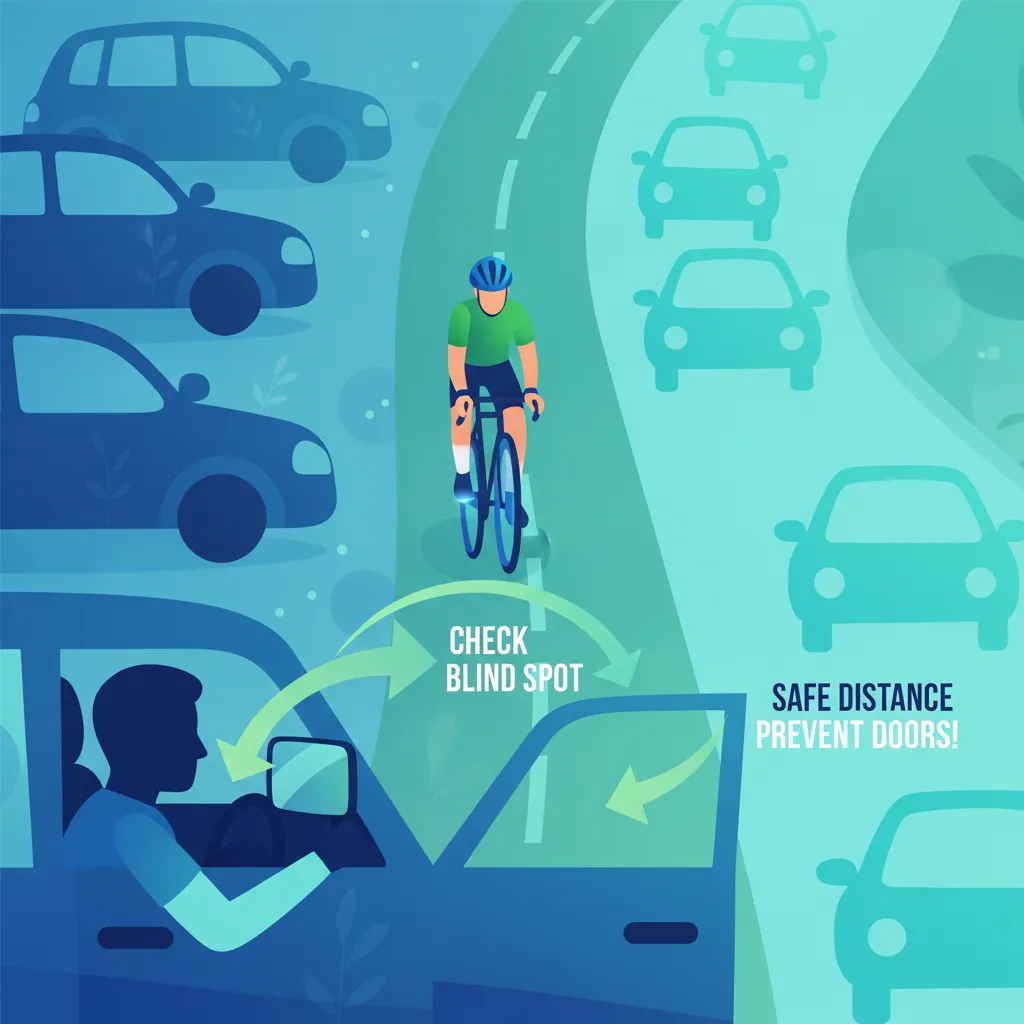
This lesson explains how to share the road safely with cyclists in both urban and rural environments. Drivers will study the legal minimum passing distances when overtaking cyclists, which is one meter in cities and one and a half meters outside urban areas. It also covers recognizing specialized cycling infrastructure, bike boxes at intersections, and preventing blind-spot collisions during right turns.

Certain groups of road users require heightened defensive attention from drivers due to physical limitations or unpredictable behaviors. This lesson covers how to recognize signs of visual impairment (white canes), mobility challenges, and the unpredictability of young children. You will learn to reduce your speed, extend yielding patience, and proactively secure extra space to protect these vulnerable users.

This lesson analyzes the various traffic challenges unique to operating large passenger vehicles in historic and modern French urban areas. Drivers will learn to manage narrow street layouts, double-parked delivery trucks, and high-density multi-lane roundabouts safely. The lesson emphasizes defensive driving strategies, route adjustments, and maintaining mental focus under severe schedule and time pressures.

This lesson covers the specific lane usage rules and best practices for articulated goods vehicles, emphasizing the correct positioning within lane markings and the impact of vehicle length on lane width. Learners will understand how to navigate lane changes safely, the importance of maintaining appropriate gaps with other road users, and the challenges posed by narrow lanes in urban environments. The content also addresses the French road markings standard.
Find clear answers to common questions learners have about Professional Conduct and Ethical Driving. Learn how the lesson is structured, which driving theory objectives it supports, and how it fits into the overall learning path of units and curriculum progression in France. These explanations help you understand key concepts, lesson flow, and exam focused study goals.
Professional driving involves significant responsibility; the exam tests if you understand that your actions as a heavy goods driver directly impact public safety and the reputation of the transport industry.
Questions on professional conduct require you to choose the safest, most courteous, and compliant answer. Demonstrating that you prioritize safety and legality over convenience is key to passing.
It refers to making decisions that balance efficiency with safety, such as avoiding aggressive manoeuvres, respecting rest periods, and protecting vulnerable road users, even when under time pressure.
Yes, eco-driving and environmental responsibility are integral to the French driving theory curriculum. Drivers are expected to minimize pollution through smooth driving and efficient route planning.
Ready to focus your study? Use the practice search to find exactly the French driving theory questions you need for the Code de la route and permis de conduire ETG. Refine your knowledge on specific topics or challenging rules to boost your confidence and exam readiness.