
This lesson guides you through the complexities of navigating roadworks and temporary traffic zones while operating a heavy goods vehicle in France. You will learn to interpret temporary signalling, adapt to lane changes, and maintain high safety standards around worksites to ensure compliance and avoid penalties.

Lesson content overview
Operating a heavy goods vehicle (HGV) through roadworks requires advanced hazard perception, precise vehicle control, and an absolute commitment to regulatory compliance. Under the French Code de la route, temporary modifications to the road network are designed to protect both road users and the personnel working to maintain national infrastructure. For drivers of Category C (rigid) and Category CE (articulated) vehicles, these zones demand heightened vigilance due to the physical realities of large vehicles: increased mass, extended braking distances, wider turning paths, and restricted visibility.
When construction or maintenance occurs, the standard rules of the road are temporarily altered. Navigating these zones safely is not merely a matter of courtesy; it is a legal imperative with strict professional and financial consequences for non-compliance.
In France, temporary road signs are instantly recognizable by their distinct yellow or orange background. These provisional signs are deployed to convey critical safety information, define detour routes, or establish legal restrictions that differ from the permanent rules of the road.
The legal principle dictation that temporary traffic signs (characterized by their orange/yellow background) and temporary road markings (yellow lines) take absolute precedence over permanent signs and white road markings for the duration of their placement.
Understanding this hierarchy is vital. When a permanent speed sign conflicts with a temporary orange sign, the temporary sign must always be obeyed. This rule prevents confusion when lanes are shifted, narrowed, or merged.
When you encounter the AK5 sign, you are legally entering a zone of increased hazard. Professional drivers must immediately prepare to reduce speed, increase their following distance, and scan for supplementary panels (panonceaux) that indicate the length of the work zone or specific weight and width restrictions.
Detour signs are critical for Category C and CE drivers. Often, a standard detour route suitable for passenger cars is entirely unsuitable for heavy goods vehicles due to low bridges, weight-restricted roads, or tight urban corners. Drivers must carefully observe if the detour sign features a specific heavy vehicle silhouette (Category C symbol) or a weight limit indicator (e.g., "> 3.5t").
Speed limits in roadwork zones are heavily reduced to accommodate narrowed lanes, sudden shifts in road alignment, and the proximity of workers. These temporary limits are indicated by circular signs with an orange background and a red border.
The kinetic energy of a fully loaded 40-tonne articulated vehicle is exponentially higher than that of a standard 1.5-tonne passenger car. At any given speed, an HGV requires a significantly longer distance to come to a complete stop.
When driving through a roadwork zone, several factors compound this stopping distance:
Therefore, compliance with temporary speed limits is a physical necessity. A driver who fails to reduce speed immediately upon entering a temporary speed zone violates French traffic law and endangers dozens of lives.
Strict Enforcement: French authorities frequently position mobile speed cameras (radars chantiers) within roadworks zones. Fines and point deductions for speeding are strictly enforced, and professional drivers face severe administrative sanctions, including temporary suspension of their professional driving privileges.
Some temporary speed limits are targeted specifically at vehicles exceeding a certain Gross Vehicle Weight Rating (GVWR / Poids Total Autorisé en Charge - PTAC). This is indicated by an auxiliary panel beneath the main speed sign showing a truck silhouette or a specific weight limit (e.g., "3.5 t").
One of the most physically demanding aspects of driving a Category C or CE vehicle through roadworks is managing reduced lane widths. Standard motorway lanes in France are typically 3.50 metres wide. In construction zones, lanes are often narrowed to 3.00 metres, 2.80 metres, or even 2.50 metres to maintain traffic flow while reserving space for construction equipment.
Standard heavy goods vehicles in Europe are legally allowed a maximum width of 2.55 metres (2.60 metres for refrigerated vehicles), excluding lateral mirrors. When a lane is narrowed to 2.80 metres, a professional driver has a total clearance margin of only 25 centimetres.
Assess the Width Signs: Look for temporary regulatory signs indicating the exact maximum width permitted in each lane. Often, the left lane is restricted to vehicles under 2.0 meters wide, meaning heavy vehicles must remain strictly in the right-hand lane.
Maintain Center Positioning: Center your vehicle precisely within the temporary markings. Do not hug the right shoulder excessively, as temporary barriers or debris may damage your tyres.
Stagger Your Position: Avoid driving directly alongside passenger cars in adjacent narrow lanes. Adjust your speed slightly to stagger your vehicle, creating a safety cushion to your left and right.
Monitor Mirror Clearance: Keep a constant watch on your wide-angle and main mirrors to ensure they do not clip temporary concrete barriers or the mirrors of vehicles in adjacent lanes.
To guide drivers through altered lanes, road authorities use temporary horizontal markings. In France, these markings are applied using highly visible yellow paint or reflective yellow tape.
The Yellow Rule: Under the French Code de la route, temporary yellow lines completely invalidate and supersede permanent white lines. If a yellow line directs you to cross a solid white line, you must follow the yellow line.
Roadworks frequently require the closure of one or more lanes, forcing traffic to merge. Correct lane discipline and early planning prevent bottlenecking and minimize the risk of side-swipe collisions.
When a lane is closed ahead, temporary signs indicate which lane is ending. For goods vehicles, merging early and smoothly is critical.
Prohibited Overtaking: It is strictly forbidden to use a closed lane (demarcated by red and white cones or a temporary 'X' signal) to bypass queuing traffic. Doing so is a major safety violation and will result in heavy penalties.
If a roadworks zone requires a complete road closure, drivers will be redirected via detour (déviation) routes. Professional drivers must plan for the physical limits of their vehicles:
Road workers (agents des routes) perform their duties in highly hazardous conditions. A passing heavy vehicle creates a significant aerodynamic pull (vacuum effect) that can destabilize pedestrians or light equipment.
Introduced into the French Code de la route to protect emergency responders and road maintenance crews, the "corridor de sécurité" is a legal obligation that all drivers must respect.
A legal rule requiring drivers to systematically change lanes (or move as far away as possible within their lane if changing lanes is impossible) and significantly reduce speed when approaching a stationary vehicle with flashing warning lights on the shoulder or roadside.
When passing road workers, maintain the maximum possible lateral distance:
Construction vehicles (such as asphalt layers, dump trucks, and safety trailers with large illuminated arrow boards) often move slowly or stop unpredictably.
The risks of roadworks are amplified by external environmental factors and the specific operational state of your vehicle.
Rain, fog, snow, and night driving require immediate adjustments:
An overloaded or improperly secured load represents an extreme hazard in roadworks:
The French state strictly regulates heavy vehicle operations within construction zones. Because of the sheer mass of Category C and CE vehicles, infractions carry severe consequences.
By maintaining strict compliance with temporary signs, managing your vehicle's physical dimensions with extreme care, and prioritizing the safety of road workers, you fulfill your professional obligation as a safe, defensive, and law-abiding heavy vehicle operator.
This lesson covers the critical skills needed for navigating French roadworks zones with Category C and CE heavy goods vehicles. Temporary signage uses yellow/orange backgrounds to supersede permanent rules, requiring immediate compliance. Key procedures include managing narrow lanes with minimal clearance margins, maintaining safety distances from workers under the corridor de sécurité rule, and respecting temporary speed limits enforced by radars chantiers. Heavy vehicle physics make strict adherence to reduced speeds and careful trailer management essential, particularly on temporary S-curves where off-tracking can cause trailers to strike barriers. Non-compliance carries severe penalties including license confiscation for speed violations exceeding 30 km/h.
A short set of high-value points that capture the most important learning from this lesson.
Temporary yellow/orange signs and markings always supersede permanent white signs and road markings during roadworks.
The AK5 sign indicates a roadworks zone requiring immediate speed reduction and increased following distance.
Heavy goods vehicles must maintain at least 1.5 metres lateral distance from road workers outside urban areas.
Lane width reductions to 2.80m leave only 25cm clearance margin for standard 2.55m-wide HGVs.
The corridor de sécurité rule legally obliges drivers to change lanes and slow down when passing stationary emergency or maintenance vehicles.
Explore all units and lessons included in this driving theory course.
When a permanent speed sign conflicts with a temporary orange sign, the temporary sign must always be obeyed.
Yellow temporary road markings completely invalidate permanent white lines—follow the yellow markings regardless.
Detour signs (KD21) may include heavy vehicle restrictions; always check for PTAC or Category C symbols.
In construction zones, reduce speed immediately because reduced grip from debris, gravel, or steel plates drastically increases stopping distance.
Trailer off-tracking means the trailer cuts inside the tractor's path on curves—swing wide on sharp temporary S-curves.
Confusing permanent white lane markings with temporary yellow markings and following the wrong route through lane shifts.
Failing to reduce speed immediately upon seeing the AK5 roadworks sign, not accounting for longer HGV braking distances.
Attempting to overtake in a closed lane demarcated by red and white cones, which is a major safety violation with heavy penalties.
Not checking detour route suitability for heavy vehicles—low bridges, weight limits, and tight turns can trap large vehicles.
Driving alongside passenger cars in adjacent narrow lanes instead of staggering position, reducing the safety cushion and increasing collision risk.
Lesson content overview
A short set of high-value points that capture the most important learning from this lesson.
Temporary yellow/orange signs and markings always supersede permanent white signs and road markings during roadworks.
The AK5 sign indicates a roadworks zone requiring immediate speed reduction and increased following distance.
Heavy goods vehicles must maintain at least 1.5 metres lateral distance from road workers outside urban areas.
Lane width reductions to 2.80m leave only 25cm clearance margin for standard 2.55m-wide HGVs.
The corridor de sécurité rule legally obliges drivers to change lanes and slow down when passing stationary emergency or maintenance vehicles.
Explore all units and lessons included in this driving theory course.
When a permanent speed sign conflicts with a temporary orange sign, the temporary sign must always be obeyed.
Yellow temporary road markings completely invalidate permanent white lines—follow the yellow markings regardless.
Detour signs (KD21) may include heavy vehicle restrictions; always check for PTAC or Category C symbols.
In construction zones, reduce speed immediately because reduced grip from debris, gravel, or steel plates drastically increases stopping distance.
Trailer off-tracking means the trailer cuts inside the tractor's path on curves—swing wide on sharp temporary S-curves.
Confusing permanent white lane markings with temporary yellow markings and following the wrong route through lane shifts.
Failing to reduce speed immediately upon seeing the AK5 roadworks sign, not accounting for longer HGV braking distances.
Attempting to overtake in a closed lane demarcated by red and white cones, which is a major safety violation with heavy penalties.
Not checking detour route suitability for heavy vehicles—low bridges, weight limits, and tight turns can trap large vehicles.
Driving alongside passenger cars in adjacent narrow lanes instead of staggering position, reducing the safety cushion and increasing collision risk.
Explore search topics learners often look for when studying Encountering Roadworks and Temporary Restrictions. These topics reflect common questions about road rules, driving situations, safety guidance, and lesson level theory preparation for learners in France.
Browse additional driving theory lessons that cover connected traffic rules, road signs, and common driving situations related to this topic. Improve your understanding of how different rules interact across everyday traffic scenarios.
Understand the specific challenges for heavy goods vehicles in French urban environments. Learn how to manage restricted access, low clearance obstacles, and tight turning paths while navigating complex delivery routes within city limits and residential infrastructure.
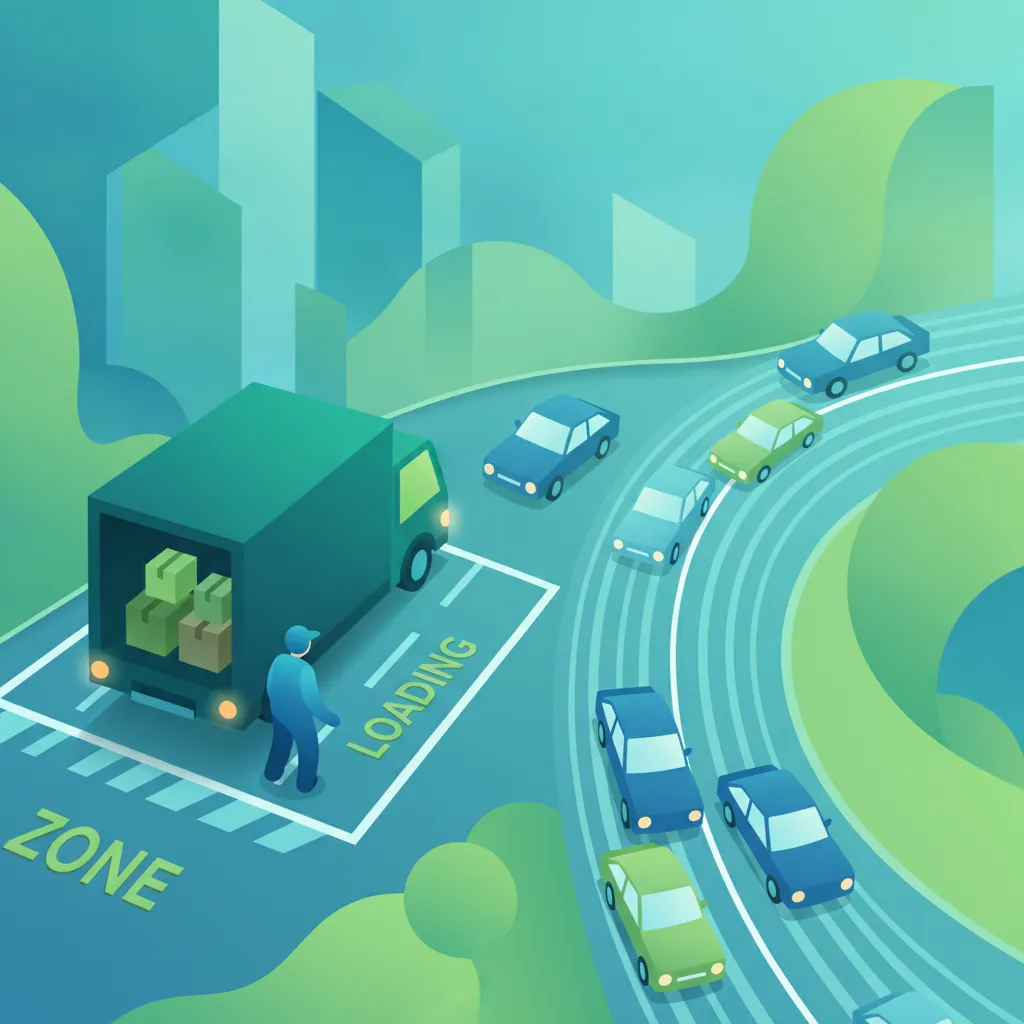
In this lesson, drivers will learn how to navigate urban delivery zones, understanding the rules surrounding loading bays, time windows, and restricted access areas. The content includes the process for obtaining delivery permits, strategies for safe maneuvering in congested city streets, and best practices for minimizing impact on pedestrian traffic. Learners will also be introduced to French city-specific regulations that govern goods vehicle deliveries.

This lesson focuses on the unique challenges of performing deliveries in dense urban areas. Learners will explore best practices for loading and unloading safely, navigating traffic congestion, and minimizing risks to pedestrians and cyclists. The content also covers compliance with city regulations for delivery zones, scheduling considerations, and the importance of careful maneuvering to avoid accidents.
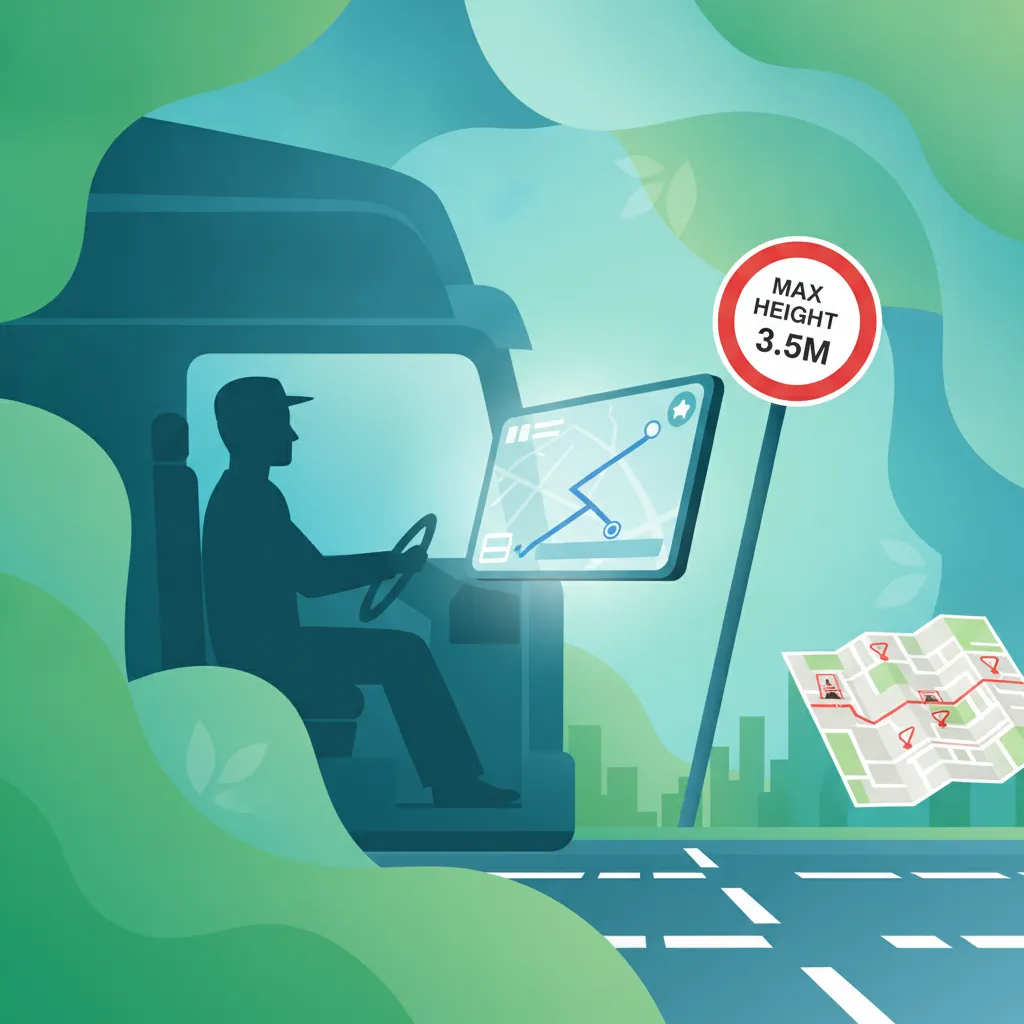
This lesson provides guidance on selecting preferred routes for heavy vehicles, taking into account freight corridors, toll roads, and restricted zones. Learners will be introduced to practical tools for route optimization, including GPS systems tailored for goods vehicles, and strategies for minimizing travel time while adhering to legal constraints. Emphasis is placed on balancing delivery efficiency with compliance to French transport policies.
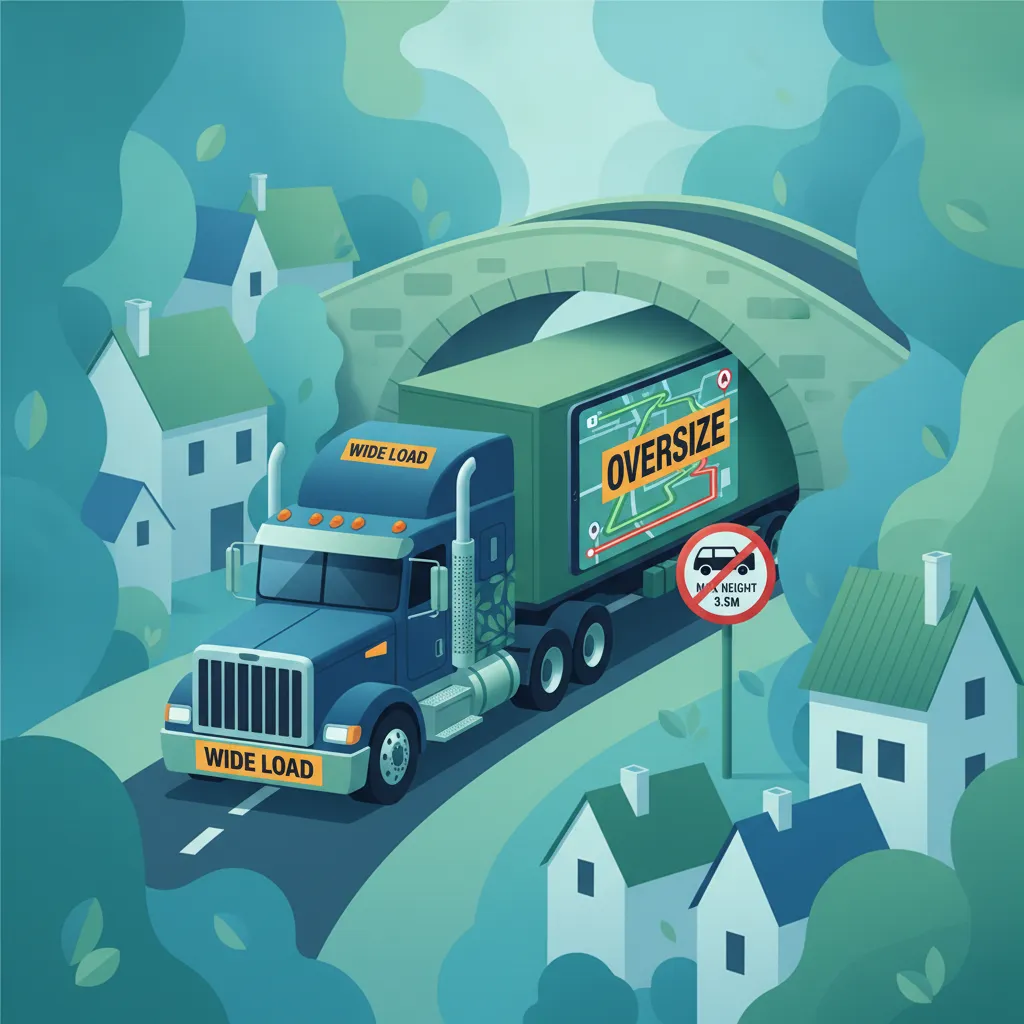
This lesson provides strategies for planning routes that accommodate oversized goods vehicles while complying with French road restrictions. Learners will learn how to identify prohibited routes, evaluate bridge and tunnel limitations, and obtain necessary access permits. The content also addresses the use of specialised GPS systems for heavy vehicle routing and the importance of contingency planning for detours, ensuring safe and efficient transport operations.
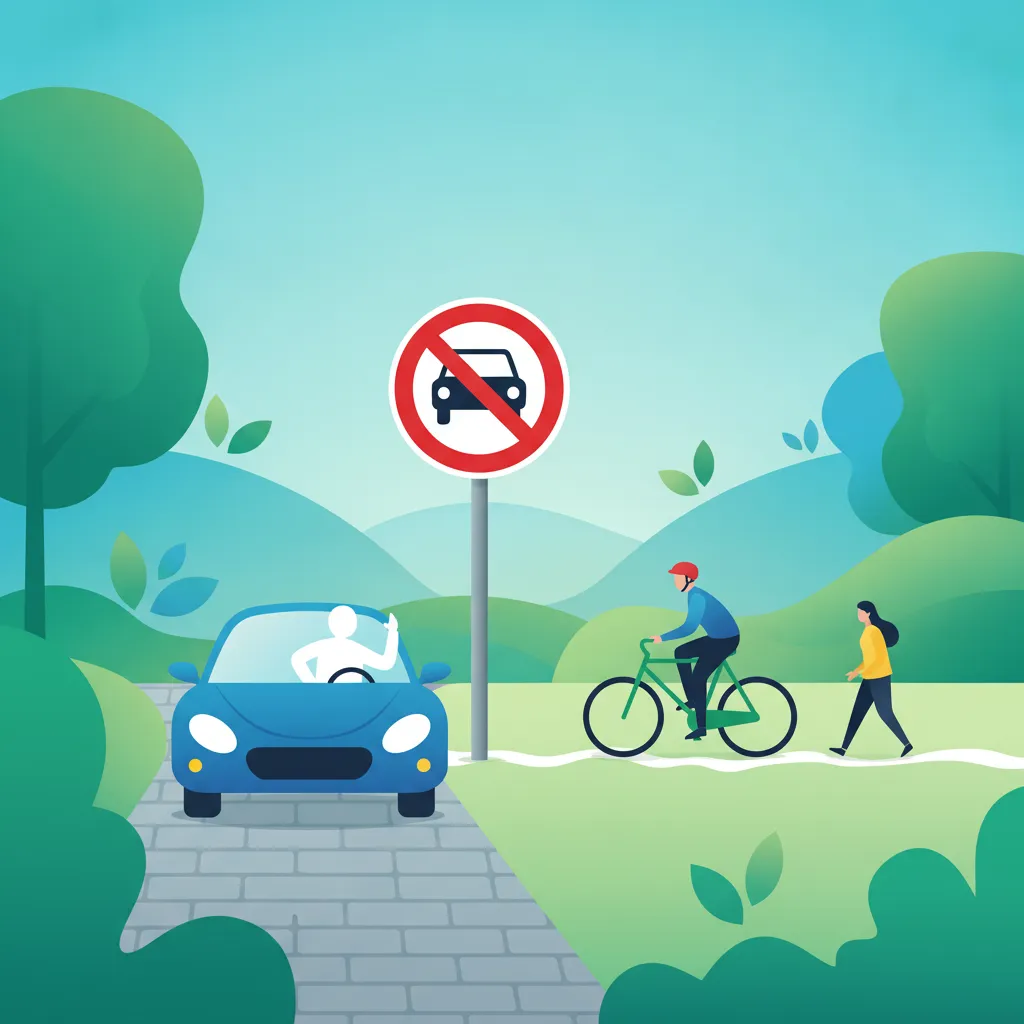
In this lesson, learners will explore the various access restrictions that apply to goods vehicles in France, such as low emission zones and weight-restricted areas. The focus is on understanding the process to obtain necessary access permits and authorisations, and how these restrictions influence route planning and operational decisions. Learners will also be introduced to specific regulations governing vehicle entry into city centres and environmentally sensitive zones.

This lesson examines the regulatory limits and environmental controls applied to large passenger vehicles operating in dense French urban centers. Drivers will study the Crit'Air clean air sticker system and low-emission zones (ZFE) that restrict access for older, high-polluting vehicles. It also addresses navigating physical constraints, such as narrow streets, tight turning radii, and strict municipal weight limits.

This lesson examines the specific challenges and responsibilities goods vehicle drivers face when interacting with pedestrians and cyclists in urban environments. Learners will understand right-of-way rules, the importance of yielding at pedestrian crossings, and safe turning practices that protect cyclists. The content emphasizes heightened driver vigilance, especially when navigating bike lanes and crowded sidewalks.

This lesson analyzes the various traffic challenges unique to operating large passenger vehicles in historic and modern French urban areas. Drivers will learn to manage narrow street layouts, double-parked delivery trucks, and high-density multi-lane roundabouts safely. The lesson emphasizes defensive driving strategies, route adjustments, and maintaining mental focus under severe schedule and time pressures.

In this lesson, the focus is on French environmental zones (ZFE) and low emission requirements that affect goods vehicle access to certain urban areas. Learners will explore how emissions criteria determine vehicle eligibility, the process for obtaining permits, and the consequences of non-compliance. The content also covers strategies for route planning that consider environmental restrictions while maintaining operational efficiency.
Examine the correct procedures for maintaining lane discipline and executing safe merges with Category C and CE vehicles. This guide covers the physics of articulated steering, blind spot mitigation during lane changes, and best practices for navigating merging traffic on French motorways.

This lesson covers the specific lane usage rules and best practices for articulated goods vehicles, emphasizing the correct positioning within lane markings and the impact of vehicle length on lane width. Learners will understand how to navigate lane changes safely, the importance of maintaining appropriate gaps with other road users, and the challenges posed by narrow lanes in urban environments. The content also addresses the French road markings standard.
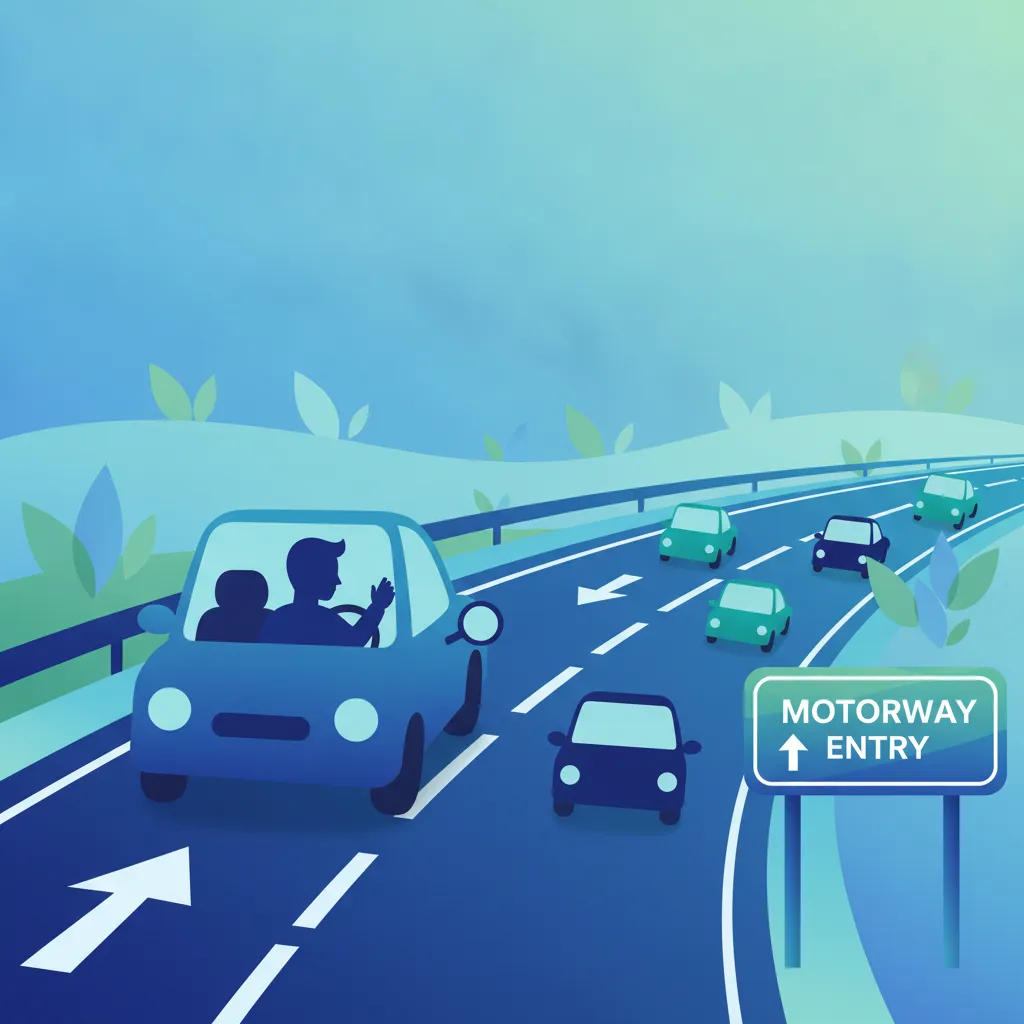
Merging onto a motorway or dual carriageway requires precise coordination of speed, lane observation, and indicator signalling. This lesson explains how to utilize the acceleration lane (voie d'insertion) to match the speed of highway traffic before merging. You will learn how to assess traffic gaps in your side mirrors, signal your intentions, and execute the merge without disrupting the traffic flow.
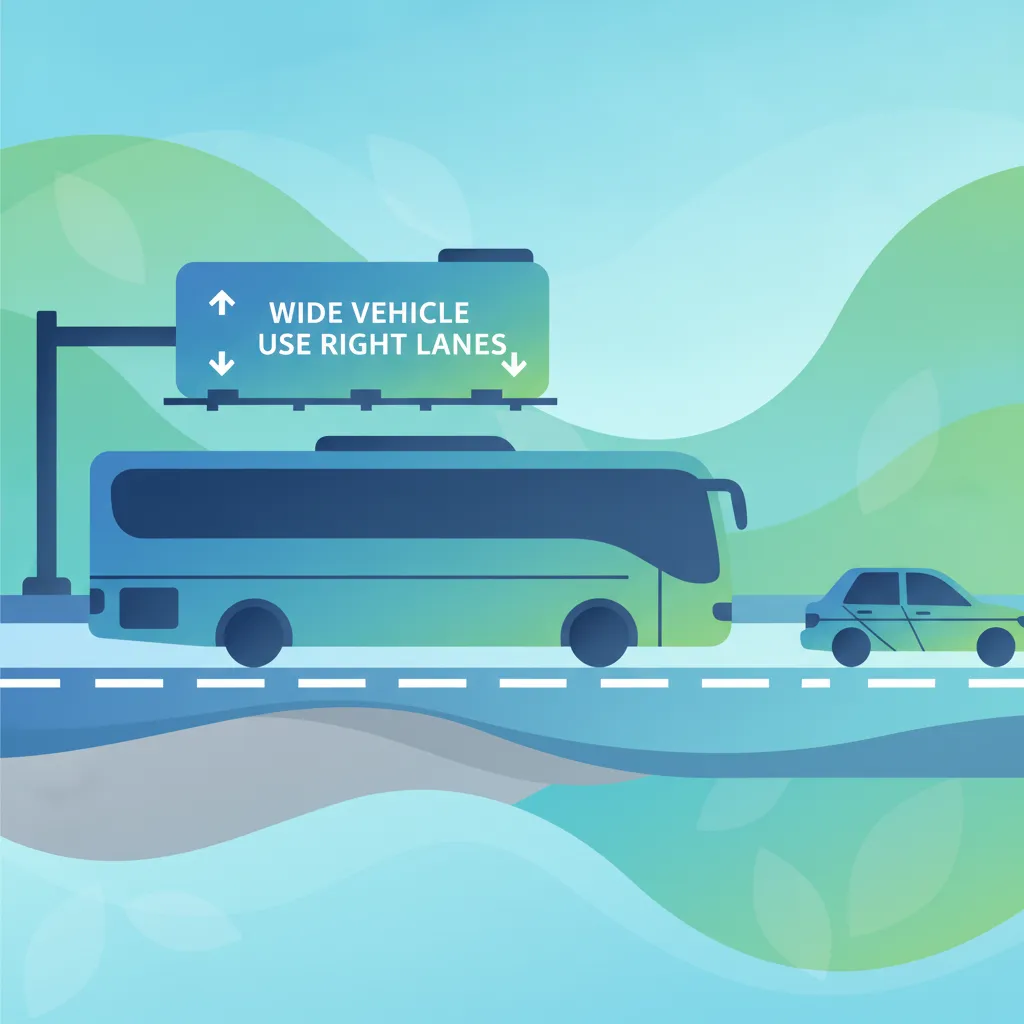
This lesson details the rules of lane discipline for operating wider and longer passenger transport vehicles on highway and city networks. Learners will explore proper lane positioning to prevent encroachment on adjacent lanes or sidewalks. It also covers the step-by-step visual and signaling sequence required to perform safe lane changes, avoiding sudden movements that could startle other drivers.
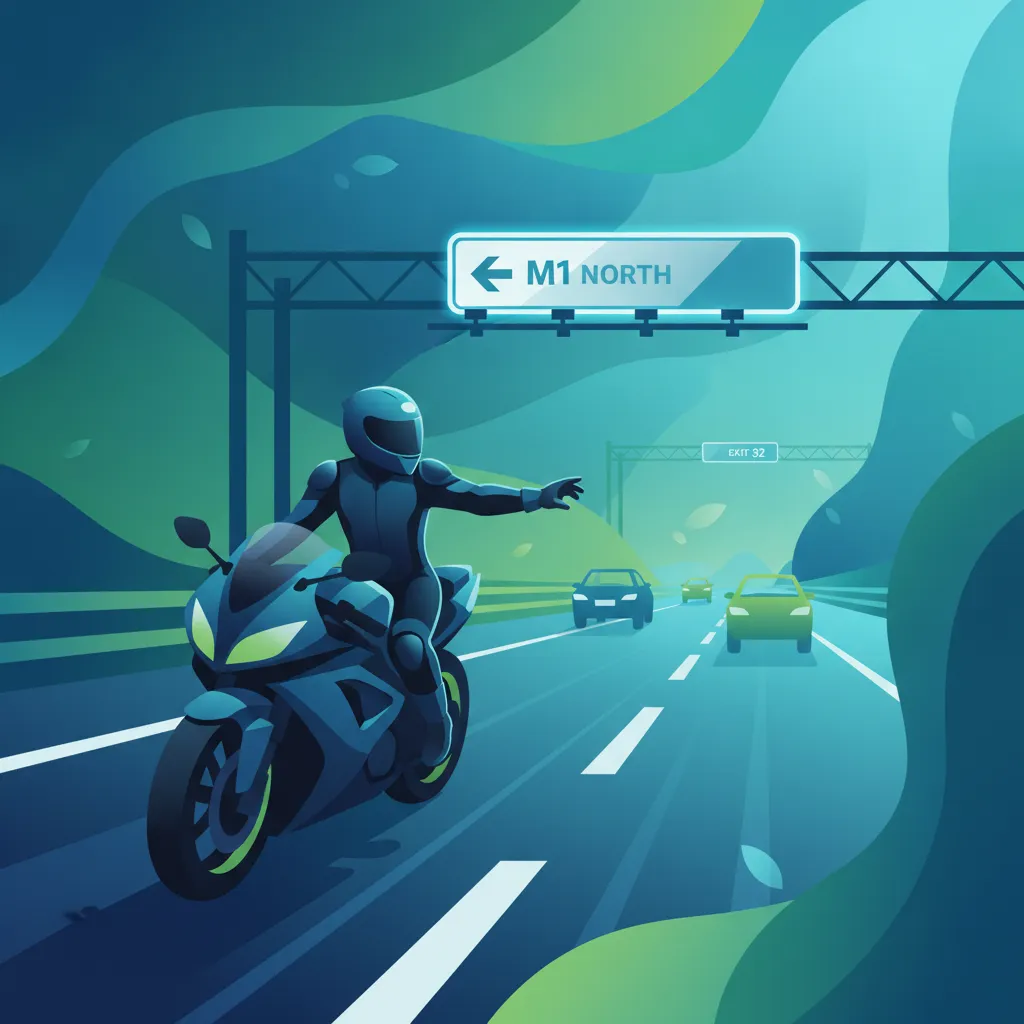
This lesson details how to safely enter, cruise on, and exit French motorways, known as autoroutes, which feature high-speed traffic flows. You will master the process of matching highway speeds in the acceleration lane and performing blind spot checks before merging. The lesson also explains correct lane positioning to avoid aerodynamic turbulences from large semi-trucks, and how to safely prepare for decelerating at exit ramps.

French motorways (autoroutes) are fast, controlled-access roads with unique laws regulating lane discipline and emergencies. This lesson teaches standard lane-use: cruising in the right lane and reserving the middle or left lanes exclusively for passing. You will study emergency procedures, the use of orange emergency call boxes, safety barrier rules, and navigating toll booths (peages) safely.
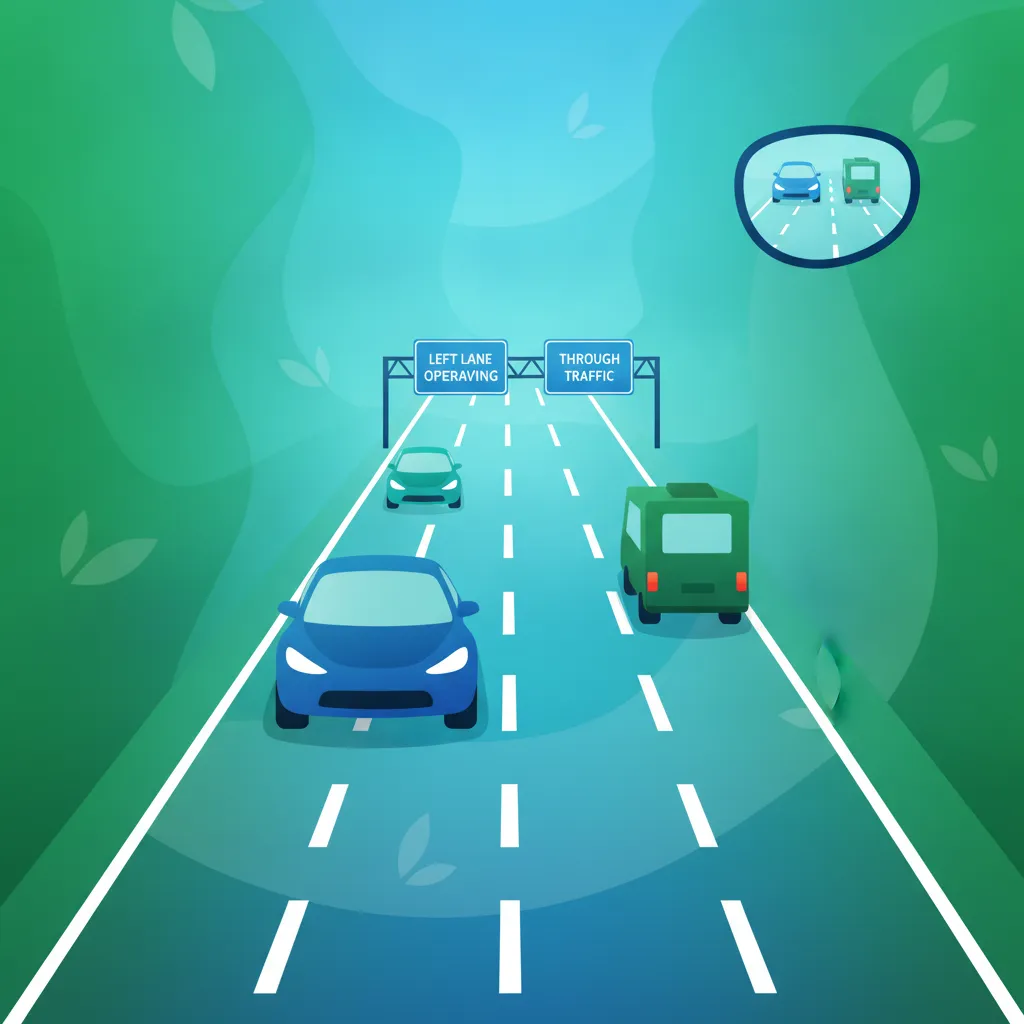
This lesson covers the rules of driving passenger vehicles on high-speed French motorways (autoroutes). Learners will study entry-ramp merging protocols, lane restrictions for vehicles over 3.5 tonnes, and motorway-specific speed limits. The lesson also highlights the correct use of toll booths (péages), emergency hard-shoulder safety procedures, and accessing dedicated coach rest areas.
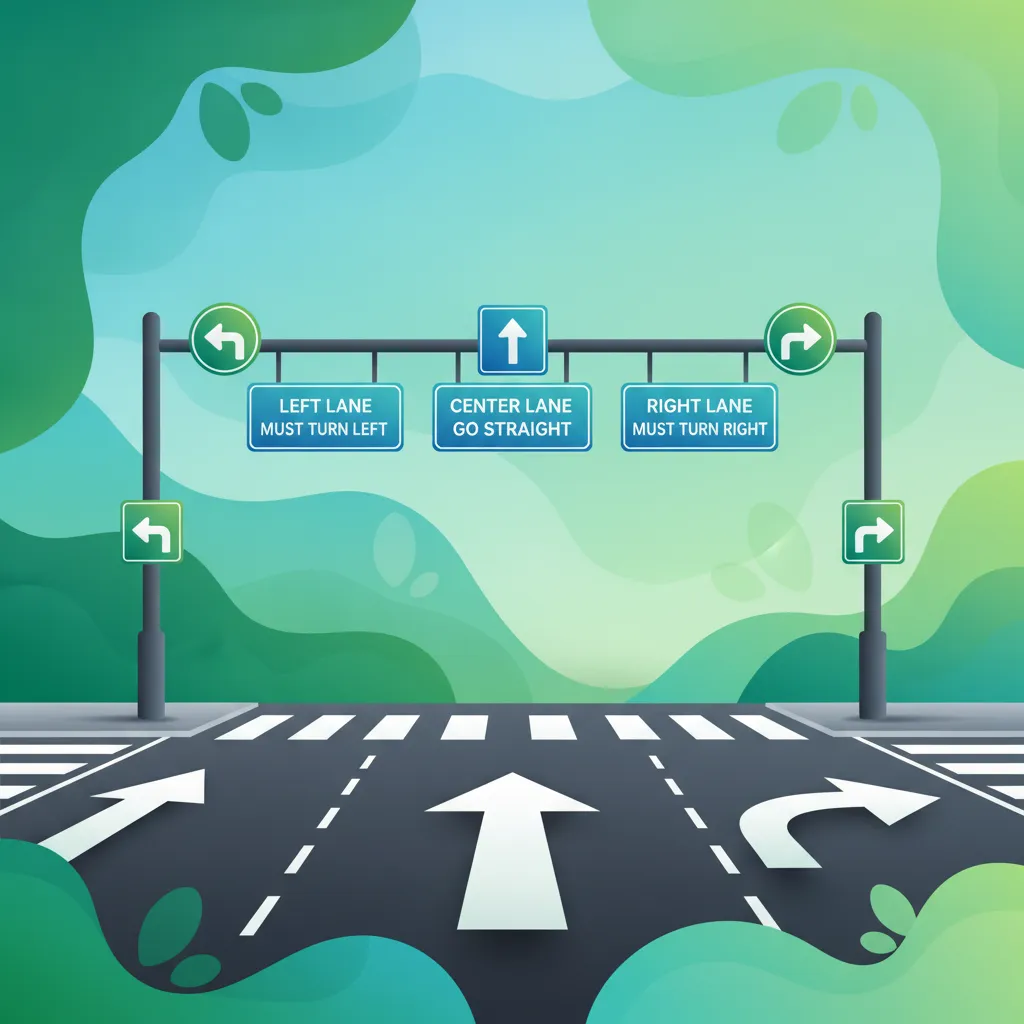
Preselection and direction arrows painted on the road surface instruct drivers on lane-specific movements at upcoming intersections or merges. This lesson teaches you how to interpret these arrows so you can position your vehicle correctly well in advance of a turn. You will learn the rules for lane merging, following curved guidance lines, and avoiding sudden, dangerous lane adjustments.

Longitudinal road markings are painted along the length of the road to divide lanes and regulate overtaking maneuvers. This lesson teaches the strict legal prohibition of crossing solid white lines and the specific spacing of broken lines that permit lane changes. You will also learn how to interpret dual lines, warning arrows, and how to maintain proper lane discipline in heavy traffic.
This lesson focuses on the specific considerations for operating goods vehicles on French motorways, including lane selection, speed management, and proper merging techniques. Learners will understand the importance of maintaining lane discipline, using appropriate overtaking practices, and respecting motorway-specific speed limits for heavy vehicles. The content also covers the use of emergency lanes and the handling of traffic flow.
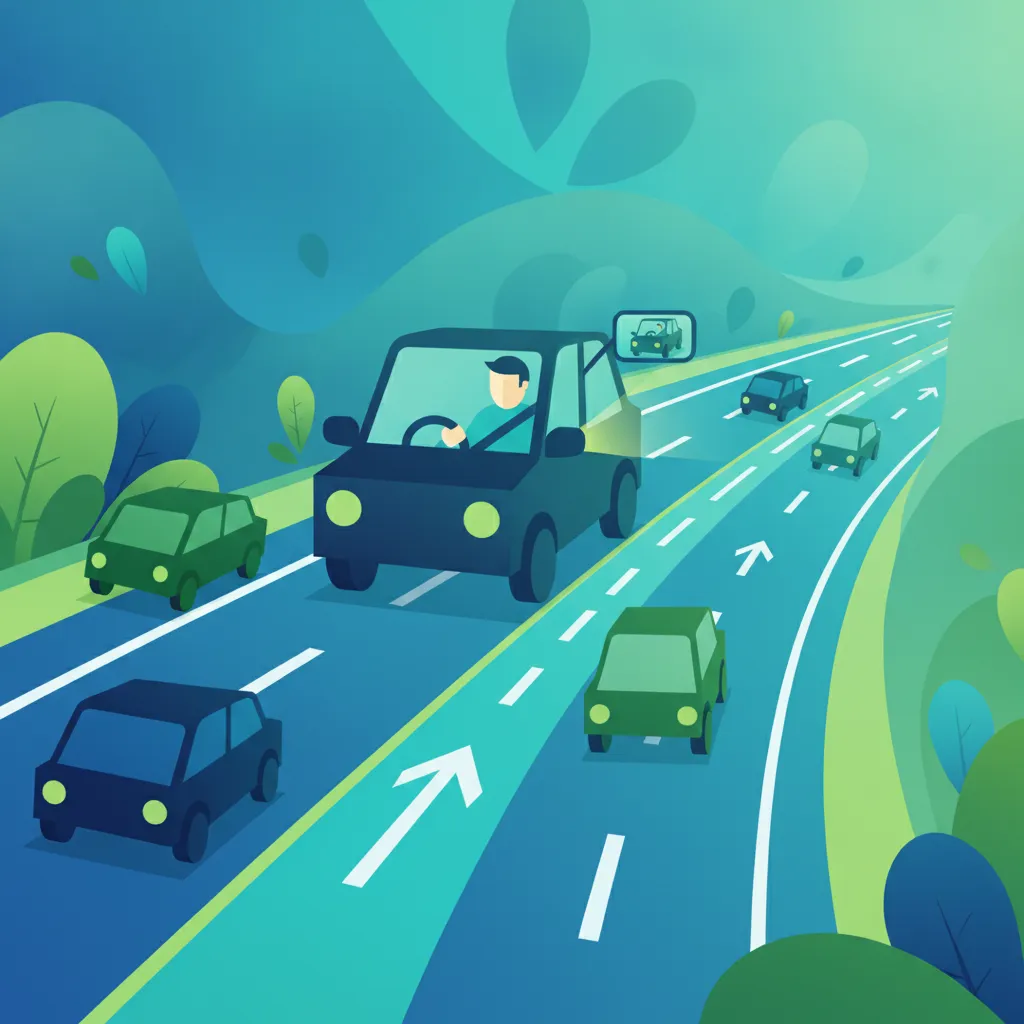
Changing lanes or executing turns requires a structured visual and physical procedure to prevent interrupting surrounding traffic. This lesson explains the key steps: checking the center mirror, exterior mirrors, turning on direction indicators, and performing blind-spot checks. You will learn correct vehicle positioning for both left and right turns, and how to execute safe turning circles without cutting corners.
Find clear answers to common questions learners have about Encountering Roadworks and Temporary Restrictions. Learn how the lesson is structured, which driving theory objectives it supports, and how it fits into the overall learning path of units and curriculum progression in France. These explanations help you understand key concepts, lesson flow, and exam focused study goals.
Yes, you must always adhere to the posted temporary speed limits indicated by signs. As a goods vehicle driver, you should also be prepared to reduce your speed further based on lane width and the presence of workers, regardless of the maximum permitted speed.
Plan your lane position well in advance, maintain a consistent and slow speed, and be aware of your vehicle's overhangs. Always check your blind spots constantly, as other drivers may attempt to overtake in these constricted areas.
If you encounter a detour that cannot safely accommodate your vehicle dimensions, you must stop in a safe, non-obstructing location and seek alternative guidance or official instructions. Do not attempt to force your way through restricted infrastructure.
Road workers are highly vulnerable. You are legally required to give them maximum clearance and must follow any hand signals given by site personnel, as these override standard traffic lights or signs in certain circumstances.
Ready to focus your study? Use the practice search to find exactly the French driving theory questions you need for the Code de la route and permis de conduire ETG. Refine your knowledge on specific topics or challenging rules to boost your confidence and exam readiness.