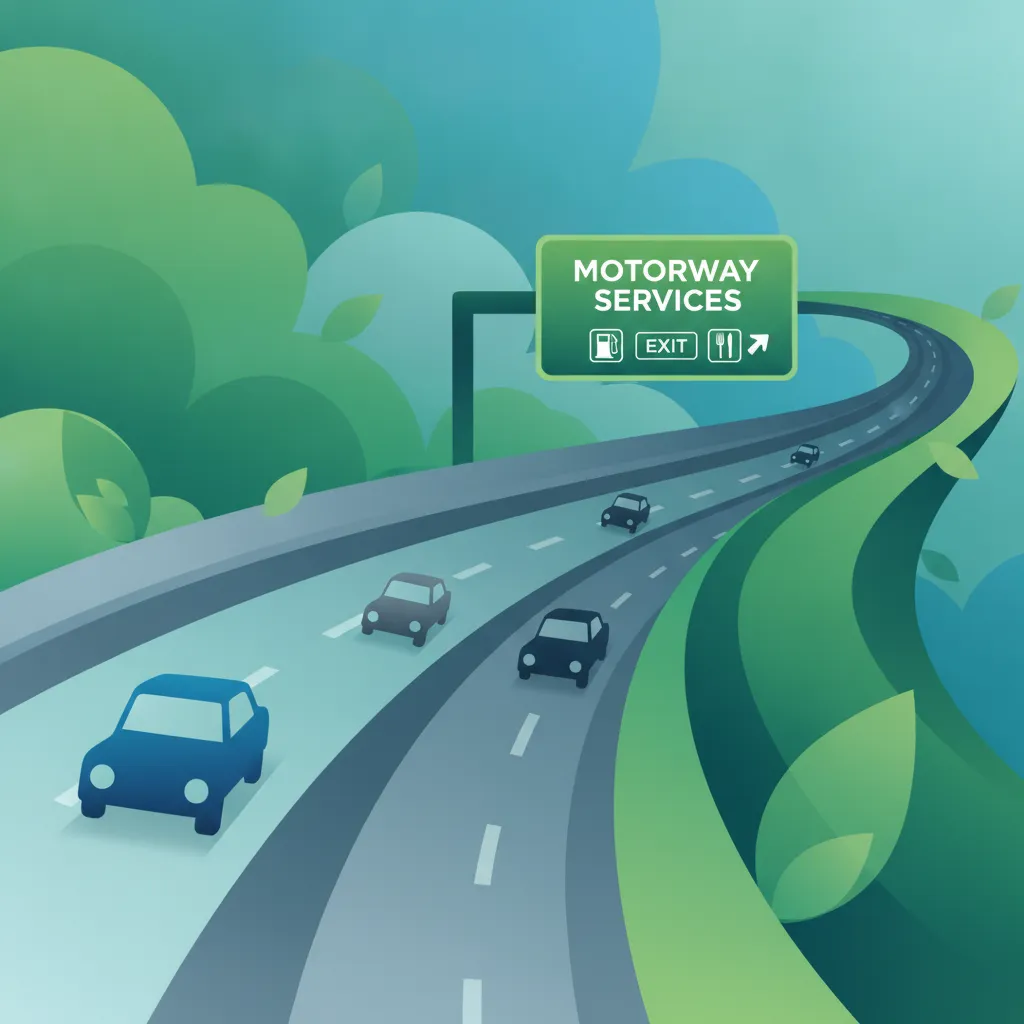
This lesson guides you through the specific regulations governing motorway driving in Ireland, a key section of your Category B theory exam. You will learn the correct lane discipline for high-speed travel, how to safely navigate exits, and the critical rules regarding service areas and hard shoulders. Mastering these concepts is vital for both passing your exam and ensuring your safety when you eventually transition to motorway driving.
Lesson content overview
Motorways are designed to carry large volumes of fast-moving traffic safely and efficiently. Because of the high speeds involved—up to 120 km/h for passenger cars—driving on these roads requires specialized knowledge, rapid decision-making, and absolute adherence to rules.
In this chapter of the Official Irish Driver Theory Test Preparation (Category B), you will learn the core regulations governing Irish motorways. This includes the legal restrictions on learner drivers, correct lane discipline, emergency protocols on the hard shoulder, and how to safely join, navigate, and exit these high-speed networks.
Motorways are physically distinct from standard dual carriageways and carry strict legal rules. In Ireland, a motorway is always signaled by a specific blue sign featuring a dual-carriageway symbol passing under a bridge.
To maintain a safe flow of high-speed traffic, several road users and vehicle types are legally banned from entering motorways:
The Learner Permit Rule is Absolute: Even if you are accompanied by a fully licensed driver or an approved driving instructor (ADI), you cannot drive on a motorway while holding a learner permit. Doing so is an offence that carries fixed-charge fines and penalty points.
The absolute golden rule of motorway driving in Ireland is: keep to the left lane unless you are overtaking. Proper lane discipline prevents traffic congestion, minimizes blind-spot conflicts, and reduces the risk of serious side-swipe collisions.
The left-hand lane is your primary travel lane. Regardless of your speed, you must always drive in the left lane if the road ahead is clear. Staying in the middle or outer lanes when the left lane is empty is known as "lane hogging" and is a serious hazard that disrupts the natural flow of traffic.
The middle lane (Lane 2 on a three-lane motorway) and the right-hand lane (Lane 3) are designated strictly for overtaking.
In Ireland, passing a vehicle on its left-hand side is generally illegal and highly dangerous, as drivers do not expect to be overtaken on that side. There are, however, three specific exceptions where undertaking is permitted:
Overtaking at high speeds requires precision, timing, and effective communication. Use the Mirror-Signal-Mirror-Manoeuvre (MSMM) routine:
Assess the Situation: Ensure the road ahead is clear and no vehicles behind you have already begun overtaking you. Check your blind spots by looking over your shoulder.
Signal Early: Activate your turn indicator at least three seconds before changing lanes. This gives other high-speed road users enough time to anticipate your move.
Move Out Smoothly: Steer gently into the overtaking lane. Avoid sudden, jerky movements, which can destabilize your car at 120 km/h.
Complete the Pass: Maintain a safe speed to pass the slower vehicle efficiently. Do not linger in the driver's blind spot.
Check and Return: Once you can see the front headlights of the vehicle you just passed in your central rearview mirror, check your left blind spot, signal left, and transition smoothly back into the left lane.
The hard shoulder is the area bounded by a solid yellow line on the far left side of Irish motorways. It is designed strictly as an emergency refuge and is not a running lane.
Crucial Safety Rule: It is illegal to drive, park, or stop on the hard shoulder unless your vehicle has broken down, you have a medical emergency, or you are instructed to do so by the Gardaí (police) or emergency service personnel.
If your vehicle develops a mechanical fault or a tyre blowout, you must act quickly to minimize the risk of a high-speed collision:
Missing a motorway exit is a common trigger for panic-induced, dangerous driving. If you miss your exit, never attempt to reverse, turn around, or cross the central median. You must continue to the next junction, exit safely, and find an alternative route.
Irish motorways feature highly standardized blue signage that prepares you for exits long before you reach them.
As you approach your exit, follow this procedure to maintain safety:
The maximum speed limit for a passenger car on an Irish motorway is 120 km/h, unless otherwise indicated by temporary speed limit signs or variable message gantries (often seen around major routes like the M50).
A speed limit is a maximum legal limit, not a target. You must adjust your speed according to the prevailing road, traffic, and weather conditions.
| Environmental Factor | Safe Driving Practice / Rationale | Implications on Motorway |
|---|---|---|
| Heavy Rain / Wet Roads | Water reduces tyre grip and increases stopping distance. Double your following distance from 2 seconds to at least 4 seconds. | Risk of aquaplaning (tyres losing contact with the road surface). Reduce speed to 100 km/h or lower. |
| Fog / Poor Visibility | Severe reduction in reaction time. Switch on dipped headlights and fog lights if visibility is under 100 metres. | Never tailgate. Adjust your speed so you can stop safely within the distance you can see ahead. |
| Night Driving | Headlight beams limit how far you can see. High-beam headlights must be dipped when trailing or meeting oncoming traffic. | Drive at a speed that allows you to stop within the illuminated area of your headlights. |
| Towing a Trailer | Additional weight alters vehicle stability and increases braking distance significantly. | In Ireland, the maximum speed limit for a car towing a trailer on a motorway is restricted to 80 km/h. |
Maintaining safety on high-speed roads relies on predictable driver behaviour. The Road Safety Authority (RSA) highlights several frequent and dangerous infractions on Irish motorways:
Now that you have mastered motorway rules, lane discipline, and safety procedures, ensure you can apply this knowledge under test conditions. Focus your study on Irish signs, speed limits, and emergency scenario procedures.
Explore all units and lessons included in this driving theory course.
Lesson content overview
Explore all units and lessons included in this driving theory course.
Explore search topics learners often look for when studying Motorway Regulations, Lane Discipline and Service Areas. These topics reflect common questions about road rules, driving situations, safety guidance, and lesson level theory preparation for learners in Ireland.
Browse additional driving theory lessons that cover connected traffic rules, road signs, and common driving situations related to this topic. Improve your understanding of how different rules interact across everyday traffic scenarios.
Understand how to safely adjust your driving speed based on weather, visibility, and traffic flow. This lesson explains the legal requirements for speed management in diverse environments, including rural roads, wet conditions, and nighttime driving, helping you make informed decisions to improve your overall road safety awareness.

Adhering to legal speed limits is not always sufficient; you must continuously adapt your speed to match real-world hazards. This lesson teaches you how to reduce speed when encountering rain, fog, heavy traffic, or narrow winding rural roads with restricted visibility. You will learn the importance of matching your speed to your range of clear vision, ensuring you can stop safely within the distance you can see ahead.
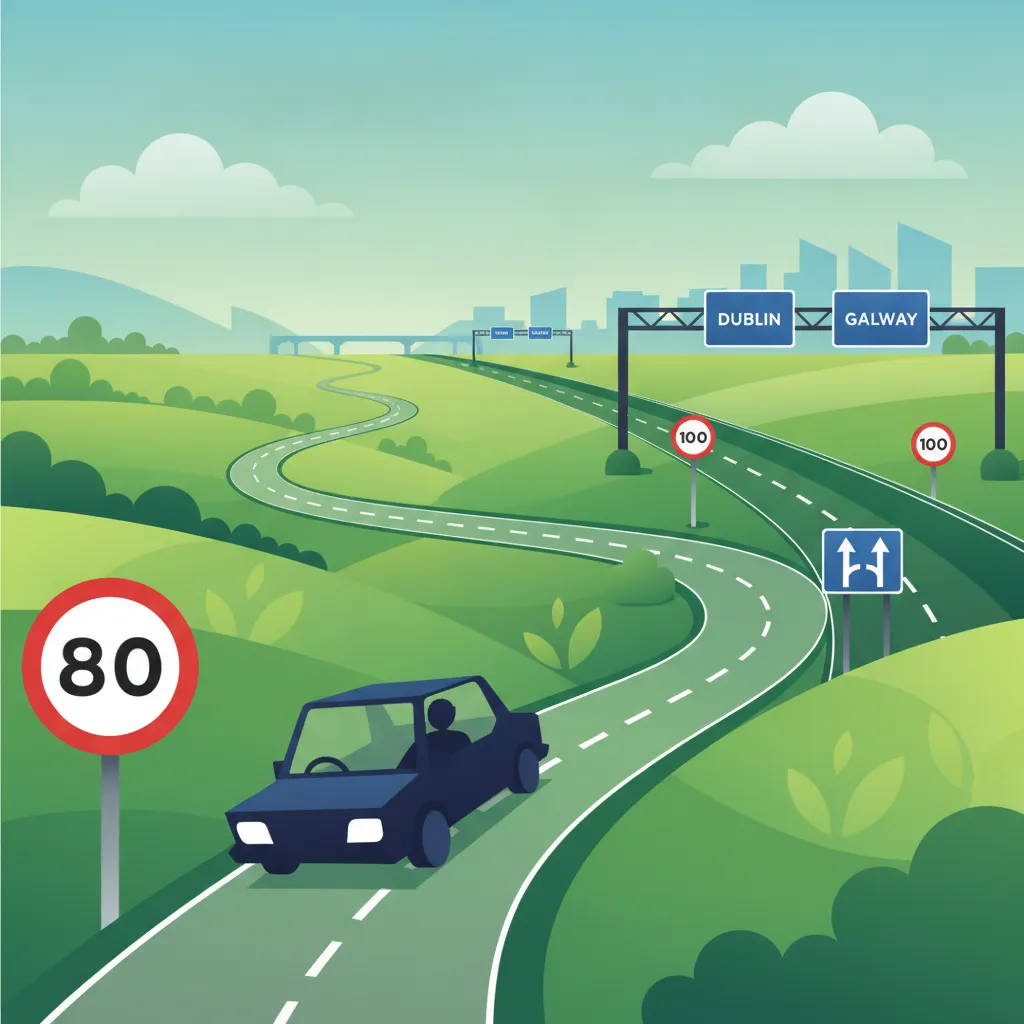
Ireland has designated statutory speed limits ranging from 30 km/h in slow urban zones to 120 km/h on motorways. This lesson details these default limits for Category B passenger cars, the placement of speed signs, and how local authorities apply special temporary limits. You will learn that a speed limit represents the absolute maximum legal speed under ideal conditions, and must always be adjusted downwards for safety.
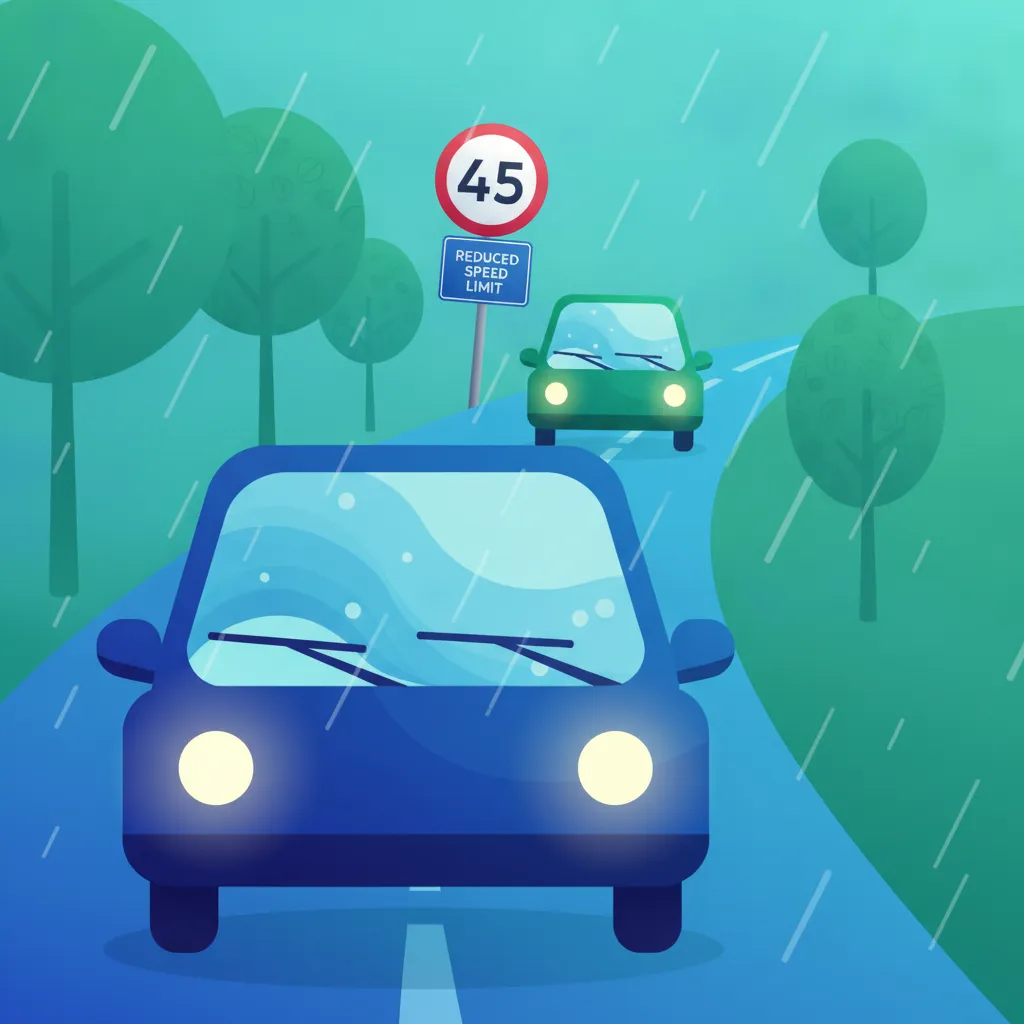
Adverse weather severely compromises tyre traction and forward visibility, demanding immediate speed reductions and extra space. This lesson focuses on the physics of aquaplaning in heavy rain, driving safely on black ice, and navigating thick fog using designated fog lamps. You will learn how to manage your windshield defoggers, adjust wipers, and handle high crosswinds that can destabilise your vehicle.
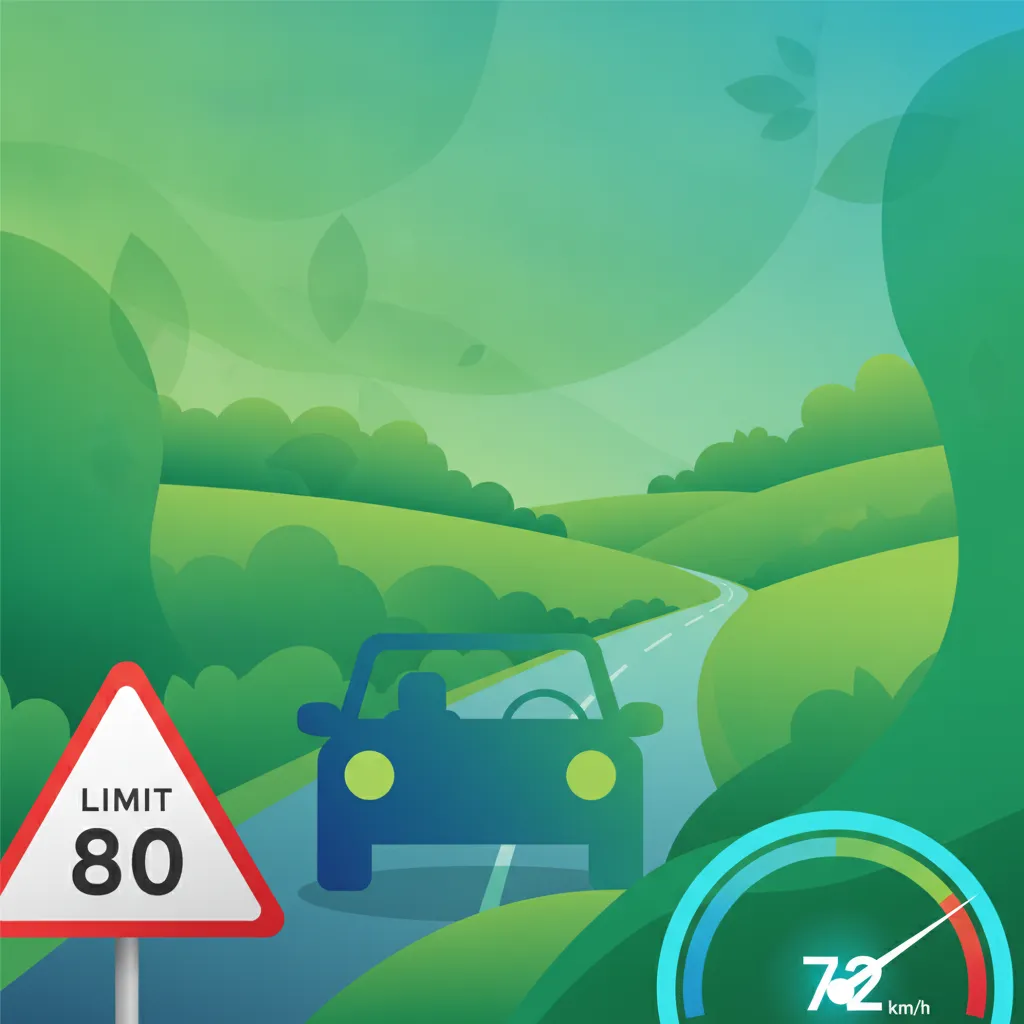
Speed management requires adjusting vehicle velocity to suit current weather, passenger load, and the specific limits of Irish roads. This lesson details speed restrictions for buses and minibuses on motorways, national routes, and built-up areas throughout Ireland. It highlights the driver obligation to prioritize passenger safety over schedule delays by maintaining appropriate speeds.
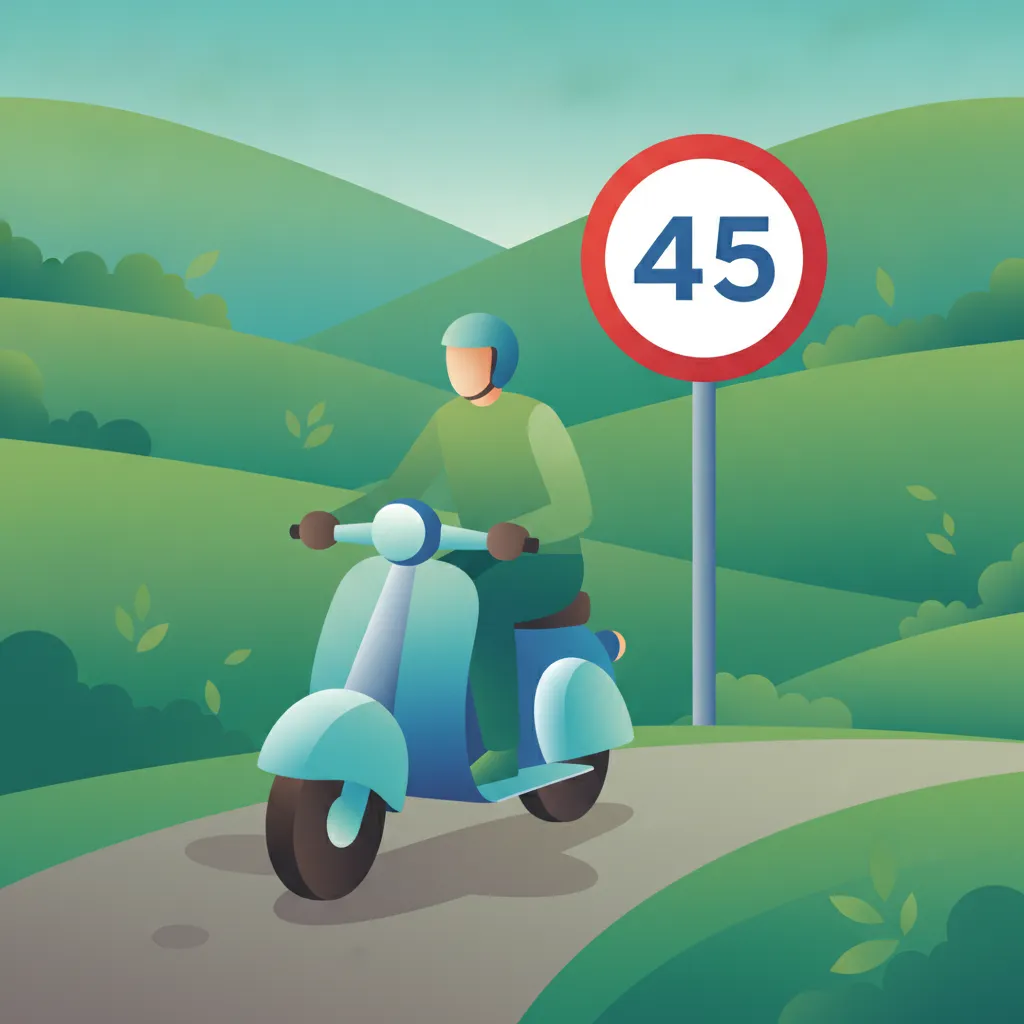
This lesson outlines the legal speed limits governing mopeds and light quadricycles in various Irish environments, including urban centers and school zones. It clarifies why Category AM vehicles are strictly prohibited from driving on motorways due to safety and speed disparities. Riders will also study the legal penalties, including fines and points, for speeding.
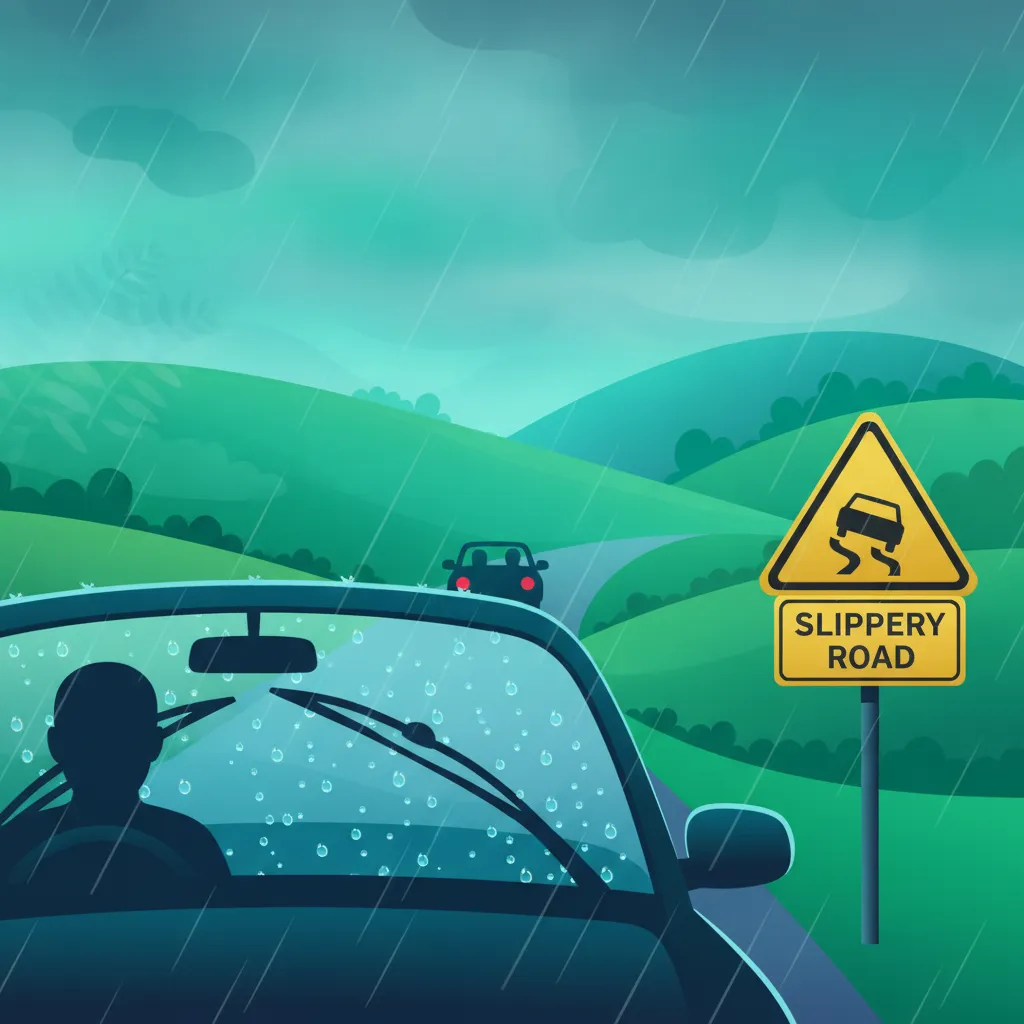
Wet roads, heavy winter fog, and strong lateral winds present major safety challenges for high-sided passenger vehicles in Ireland. This lesson explains how to prevent aquaplaning, double following distances on wet surfaces, and use fog lights correctly to maintain visibility. Drivers will learn handling adjustments to counteract sudden wind gusts when crossing exposed bridges or motorways.

This lesson focuses on the critical techniques required to ride safely during severe rain or heavy fog in Ireland. It teaches riders how to handle aquaplaning risks, use headlights correctly, and significantly increase their following distances. Adapting speed to visibility ensures that riders can brake safely when road conditions deteriorate.

This lesson explores the safe operation of heavy transport vehicles during severe meteorological hazards typical of the Irish climate. It teaches techniques for adjusting speed and doubling following distances to prevent loss of steering traction and control on waterlogged or icy roadways. Drivers will understand how to manage lateral aerodynamic forces from crosswinds on high-sided goods vehicles.
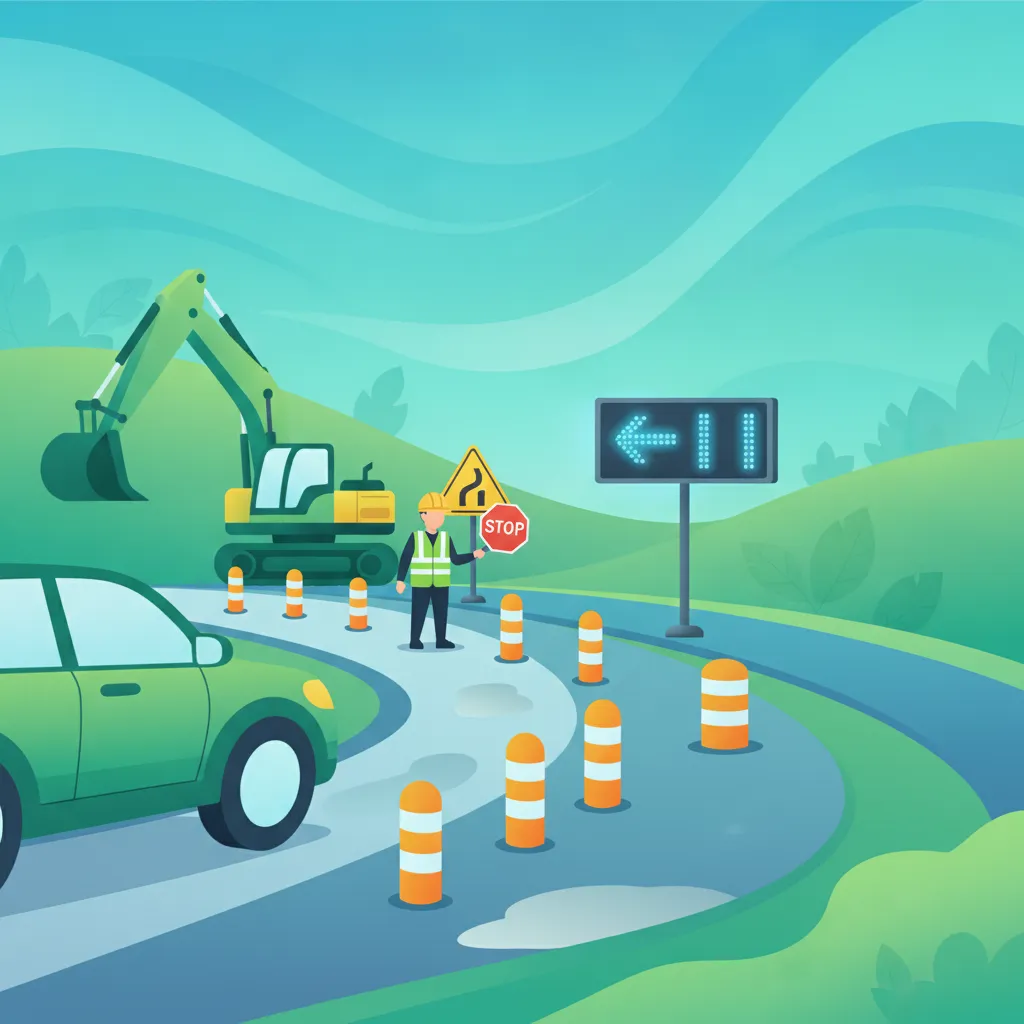
Road construction zones feature dynamic hazards, including changed lane configurations, temporary barriers, and workers near live traffic. This lesson details how to follow temporary signage, navigate narrow chicanes, and obey 'Stop-Go' flag systems or temporary traffic lights. You will understand the legal requirement to obey temporary speed limits, which are strictly enforced to protect both motorists and road crews.
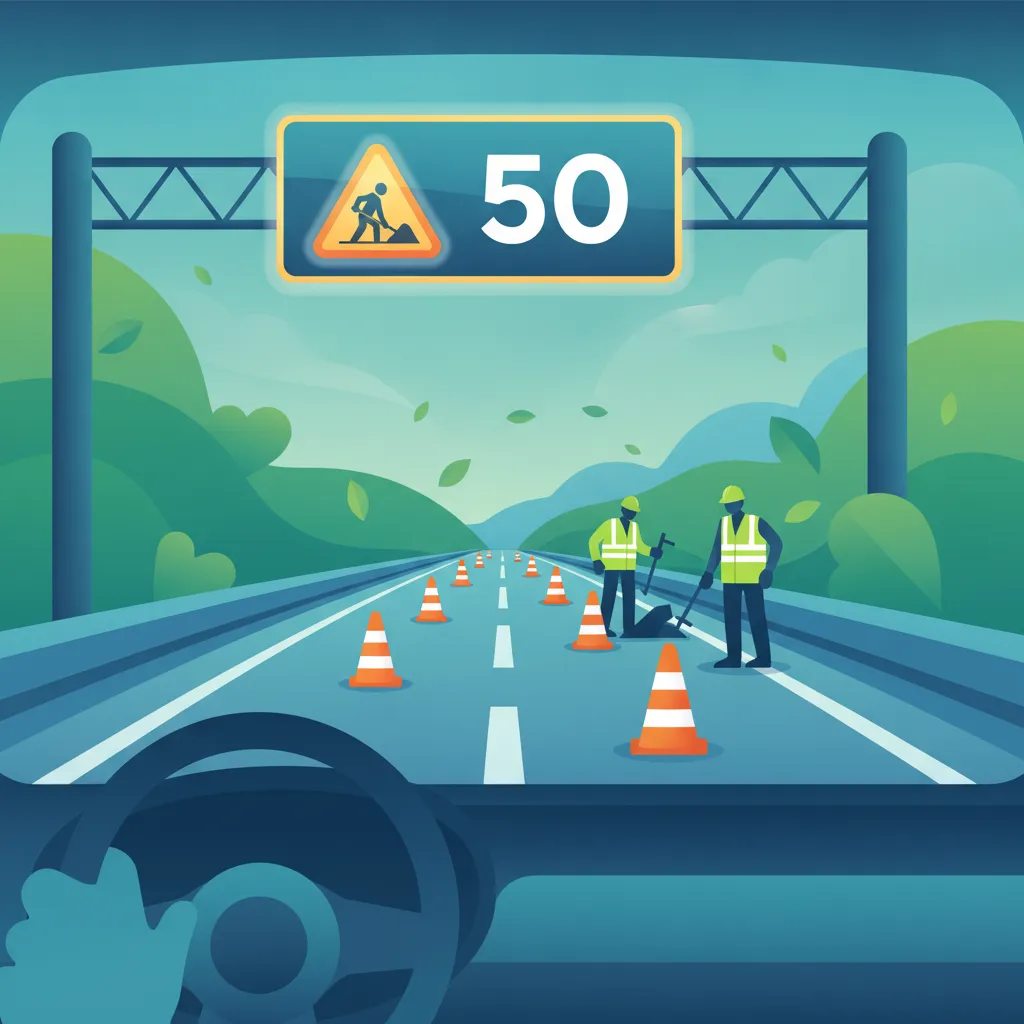
Variable Message Signs and roadwork indicators communicate temporary safety conditions, such as lane closures, heavy delays, or dynamic speed restrictions. This lesson teaches you how to interpret digital overhead gantries, temporary hazard cones, and specific detour layouts often encountered on Irish motorways and regional routes. Adhering to these real-time instructions protects both you and the vulnerable road crews working ahead.
Learn the theory behind safely joining dual carriageways and navigating complex junctions. This explanation focuses on standard procedures for deceleration lanes, slip roads, and merging into traffic, ensuring you understand the correct positioning and signaling requirements for safe entry and exit on high-speed road networks in Ireland.
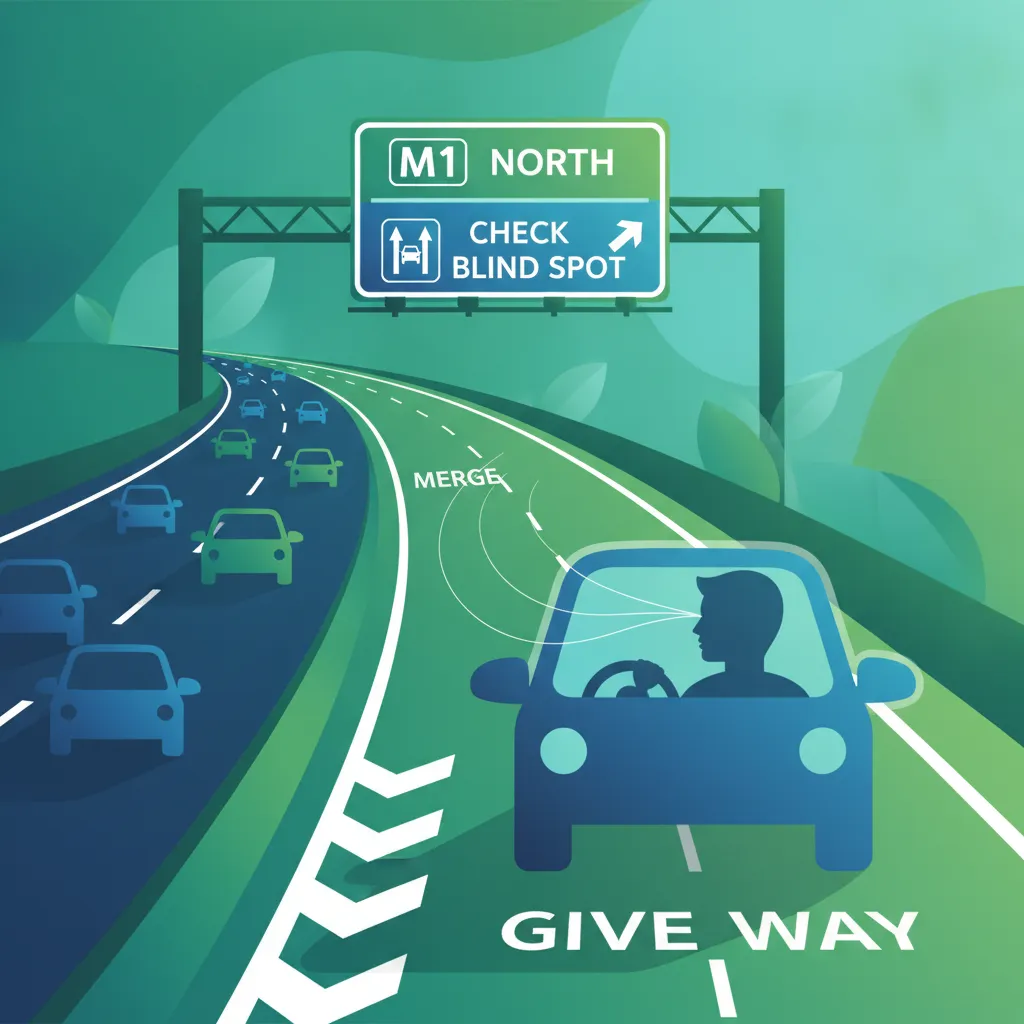
Merging onto dual carriageways or motorways requires matching your speed to the main traffic flow while on the acceleration slip road. This lesson teaches you how to select a suitable gap, signal your merge early, and check your right-side blind spot before joining the main carriageway. You will understand your legal duty to yield to existing traffic, and how to avoid stopping on the slip road unless absolutely necessary.
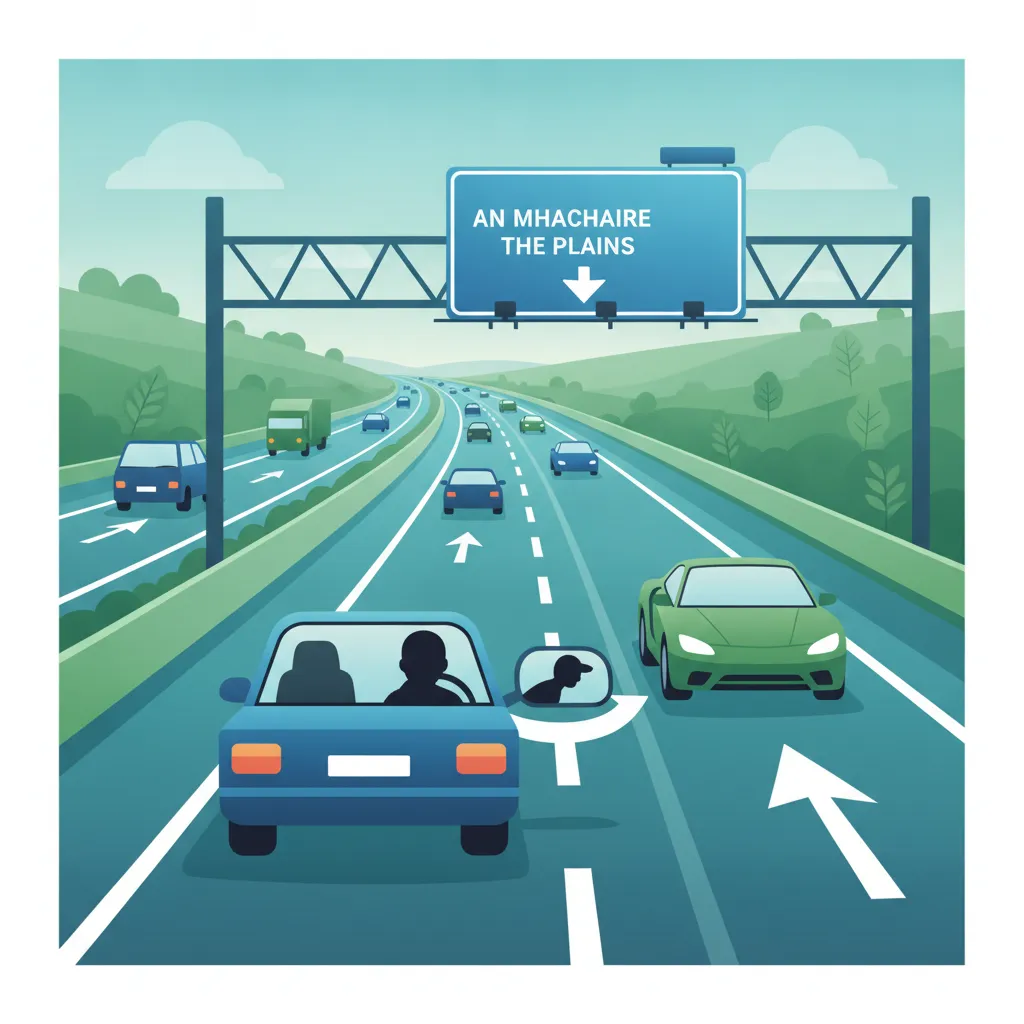
Merging a long, heavy passenger vehicle onto high-speed motorways requires matching the traffic speed within the limited length of slip lanes. This lesson covers signal timing, safe lane-merging gaps, and maintaining control during overtaking maneuvers on national routes. Drivers will learn to prioritize passenger comfort and vehicle stability, preventing sudden weight shifts during lane entries.

This lesson focuses on the safe approach and execution of turns at T-junctions, staggered intersections, and blind crossroads. It explains the critical mirror-signal-manoeuvre routine and how to select the best position for maximum visibility to cross-traffic. Motorcyclists will learn to identify potential hazards like vehicles pulling out suddenly or turning across their direct path.

This lesson details the sequential steps required to approach and exit junctions safely under the Irish driving rules. It teaches riders how to select the correct lane, utilize mirrors, apply early signals, and reduce speed appropriately. Effective observation strategies are highlighted to help riders identify crossing pedestrians or approaching side traffic.

This lesson outlines the rules and procedures for riding safely on dual carriageways and motorways in Ireland. It covers merging from slip roads, maintaining lane discipline, and executing high-speed overtaking manoeuvres in accordance with RSA standards. Motorcyclists will learn to anticipate turbulence from large commercial trucks and recognize the safety signs used on high-speed routes.

Navigating multi-lane roundabouts requires precise lane selection, continuous scanning, and timely signaling. This lesson teaches you the 'clock rule' for determining which lane to enter, how to yield to traffic already on the roundabout from your right, and when to activate your left indicator to exit. Mastering these procedures minimizes lane-drift accidents and ensures a seamless flow of traffic on busy roundabouts.
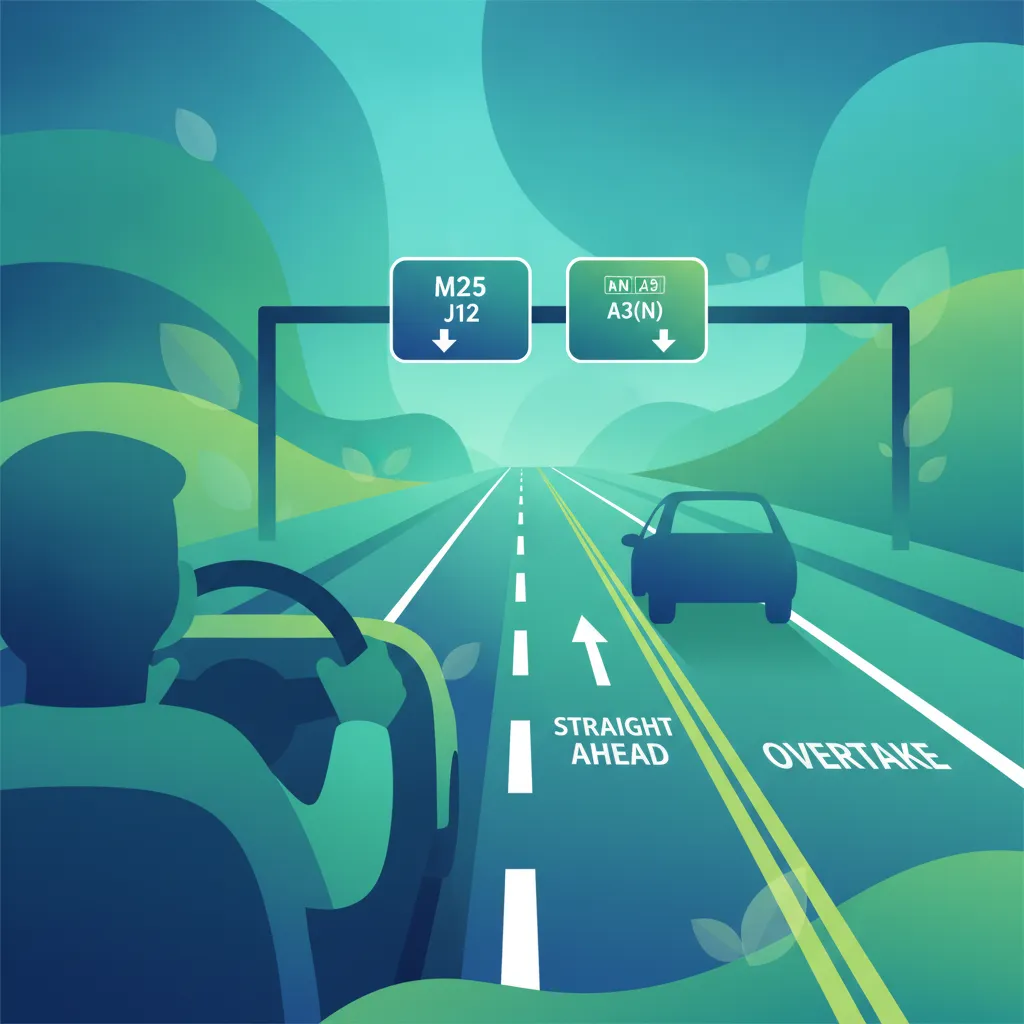
This lesson describes the legal regulations and driving conventions for operating heavy commercial vehicles on motorways and high-speed dual carriageways. It explains specific Irish motorway rules, including bans on heavy goods vehicles occupying the outer overtaking lanes. Drivers will learn to manage high-speed slip-road merging, maintain safe spacing buffers, and anticipate long-range changes in overall traffic flow.

Uncontrolled junctions represent a high-risk scenario because they lack physical signs, lines, or lights to dictate priority. This lesson covers the crucial 'priority to the right' principle, where you must yield to any traffic approaching from your right-hand side. You will learn the importance of reducing your speed, preparing to stop, and verifying the intentions of other drivers at these equal-status crossings.

Motorway transport requires consistent forward planning, strict speed restriction compliance, and clear mirror checks before exiting lanes. This lesson details the rules of joining and leaving motorways, navigating toll plazas safely, and managing breakdowns on the hard shoulder. Drivers will learn to balance high-speed travel with passenger stability, ensuring a comfortable, secure ride.
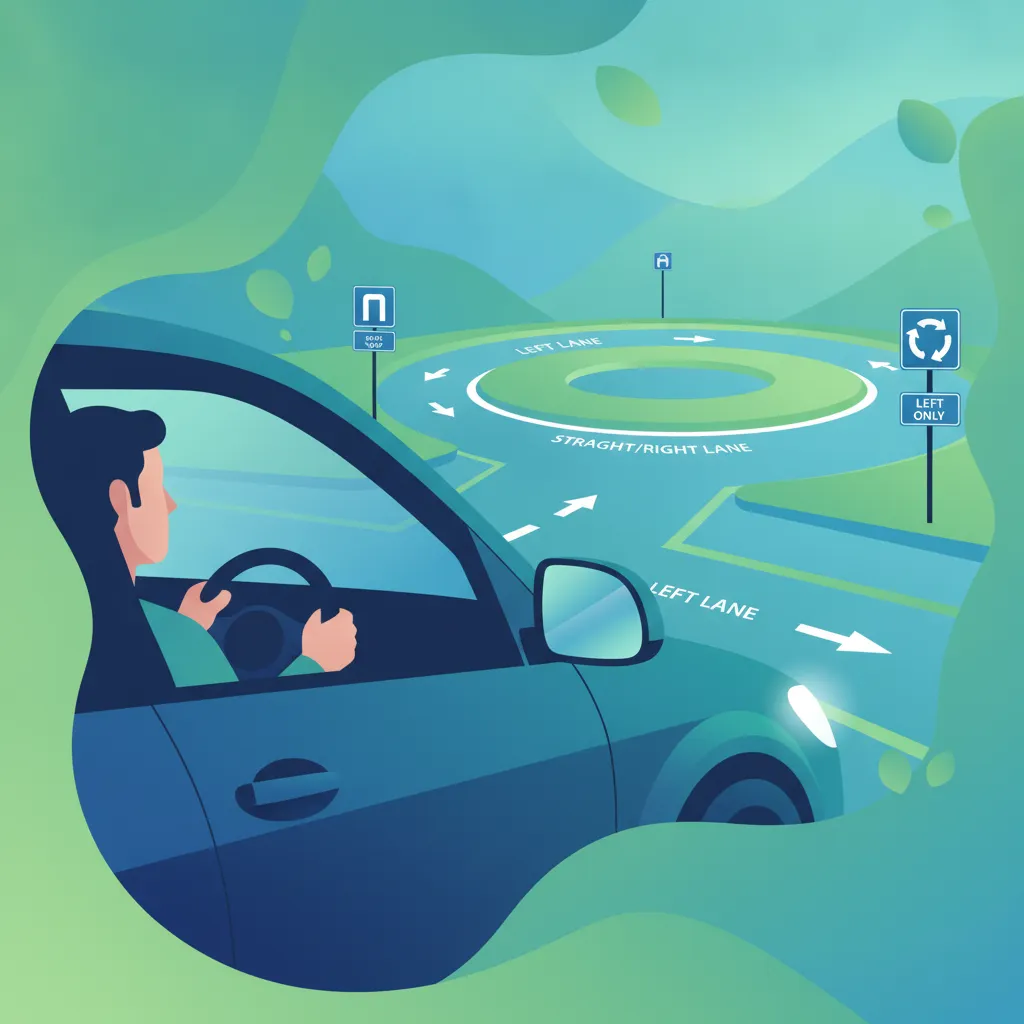
Executing safe turns requires early preparation, correct road positioning, and clear communication with other road users. This lesson focuses on the mandatory Mirror-Signal-Manoeuvre (MSM) routine used across Ireland for turning at cross junctions and navigating roundabouts. You will learn how to choose the correct lane early, adjust your speed, and complete your turn smoothly without cutting corners or blocking trailing vehicles.
Find clear answers to common questions learners have about Motorway Regulations, Lane Discipline and Service Areas. Learn how the lesson is structured, which driving theory objectives it supports, and how it fits into the overall learning path of units and curriculum progression in Ireland. These explanations help you understand key concepts, lesson flow, and exam focused study goals.
No, learner permit holders are strictly prohibited from driving on motorways in Ireland. You must hold a full Category B driving licence to operate a vehicle on a motorway.
You should use the left lane for normal driving. The middle and right lanes are reserved for overtaking slower traffic. After you have finished overtaking, you must move back to the left lane when it is safe to do so.
The hard shoulder is reserved for emergency use only, such as in the event of a breakdown or a medical emergency. You must never drive in the hard shoulder to bypass traffic or for any other non-emergency reason.
You should check your mirrors and move into the correct lane in good time after seeing the initial exit signs, which usually appear 1 km and 500 meters before the junction. Always signal your intention clearly to other road users.
Use the practice question search tool to pinpoint specific topics, road signs, or rules you need to master for your official Driver Theory Test. Refine your study strategy and ensure comprehensive preparation for all aspects of the Irish driving exam. Start your focused revision now and build confidence for your learner permit test.