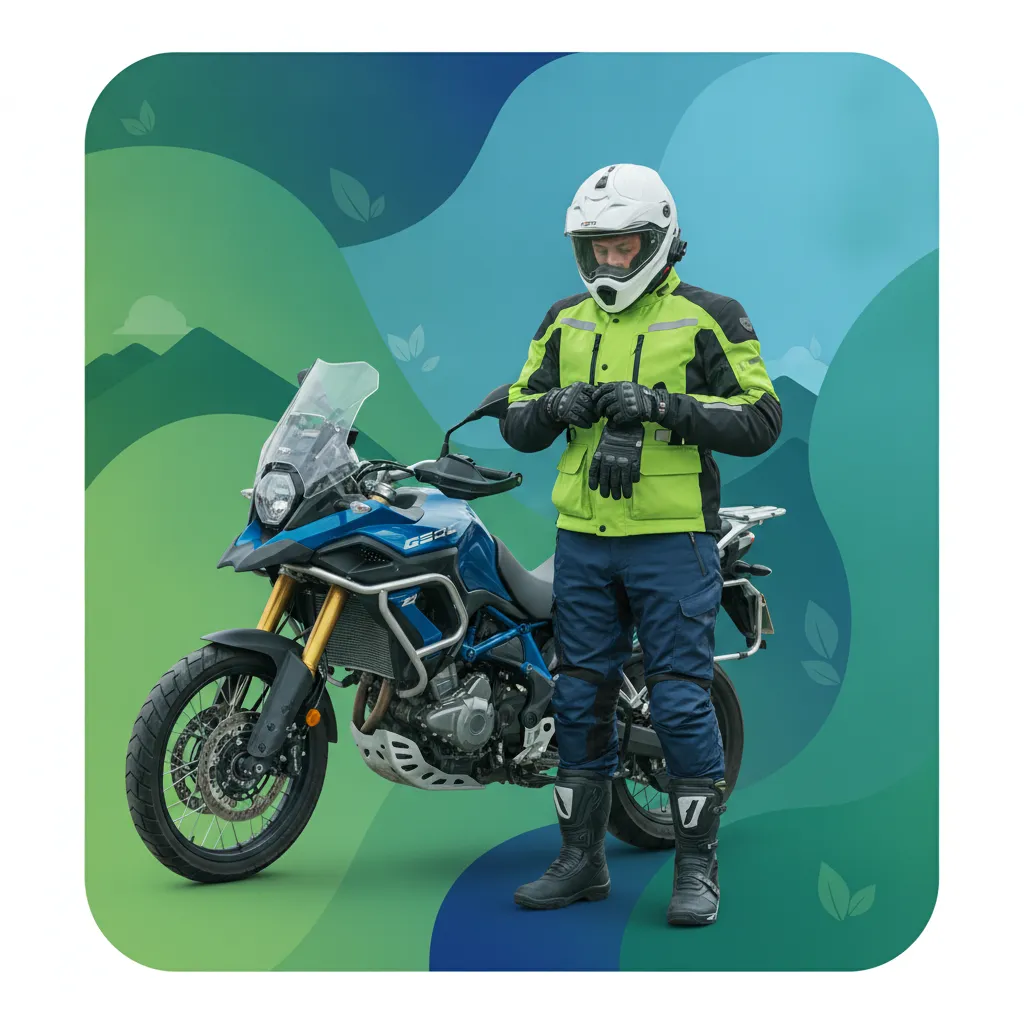
This lesson details the essential protective gear required for motorcyclists under Turkish traffic regulations, focusing on CE-certified clothing and safety standards. You will learn how to choose the right equipment to maximize both protection and visibility, preparing you for critical questions on the theory exam.
Lesson content overview
Operating a motorcycle exposes riders to physical forces and environmental conditions that do not affect occupants of enclosed passenger vehicles. In the event of an accident, a rider’s primary shield against serious injury is their protective gear. This lesson covers the essential protective clothing required for riders seeking A1, A2, or A category motorcycle licences in Turkey.
Understanding the scientific principles of abrasion resistance, impact distribution, and thermoregulation will help you make informed decisions when selecting and maintaining your gear. Beyond safety benefits, wearing appropriate gear has direct legal and insurance implications under Turkish traffic law.
When a rider falls, two primary physical mechanisms cause injury: abrasion (friction from sliding along the road surface) and impact (sudden deceleration forces upon hitting the ground or an obstacle). Purpose-built motorcycle gear is engineered specifically to address both of these forces.
When sliding on asphalt, friction generates extreme heat and mechanical wear. Standard clothing, such as cotton denim or fashion leather, disintegrates in a fraction of a second. This leaves the skin and underlying tissues vulnerable to "road rash"—deep, painful friction burns that often require skin grafts and carry a high risk of infection.
High-quality motorcycle gear utilizes specialized materials designed to withstand these friction forces:
The physical capacity of a material to withstand surface wear and friction caused by sliding contact with coarse road surfaces without tearing or transferring extreme heat to the rider's skin.
While the outer shell of a jacket or pants prevents sliding wear, inner protective plates (armor) absorb and disperse kinetic energy from direct impacts. Without armor, the energy of a fall is transferred directly to your bones and joints, causing fractures, dislocations, and severe internal trauma.
This armor is placed strategically over high-risk skeletal zones: the spine, shoulders, elbows, hips, and knees.
Shock-absorbing, flexible, or semi-rigid inserts placed within the internal pockets of motorcycle garments to decelerate and distribute localized impact forces across a broader surface area.
To guarantee a reliable level of protection, all motorcycle protective gear sold and used within Turkey must comply with European Union safety standards, denoted by the CE (Conformité Européenne) marking. Gear without verified CE standards may fail under the stress of a real-world crash.
Motorcycle jackets and trousers are tested under the EN 17092 European standard. This standard subjects the garments to rigorous tests measuring abrasion resistance, seam strength, tear strength, and dimensional stability. Garments are classified into five distinct performance classes based on their protection level:
Impact protectors are certified under the EN 1621 series. The standard tests how much kinetic force is transmitted through the protector to the body. Based on the test results, armor is rated in two performance levels:
The testing standards are divided by body zone:
Many riders incorrectly prioritize jackets while neglecting their hands and feet. In a fall, natural human reflexes prompt you to extend your hands to break your fall, making them highly vulnerable to severe injury. Similarly, the lower extremities are frequently trapped or crushed under the weight of a falling motorcycle.
Motorcycle gloves must meet the CE EN 13594 standard. Riding gloves are engineered with key safety elements to protect your hands:
Footwear designed for motorcycling must meet the CE EN 13634 standard. Everyday athletic shoes, canvas sneakers, or soft work boots offer virtually no protection during a crash. Certified motorcycle boots feature:
Under the Turkish Highway Traffic Law (Karayolları Trafik Kanunu), wearing safety gear is not merely a recommendation; specific elements are legally mandated to improve rider safety and reduce traffic fatalities.
In a major update to the Turkish Traffic Regulation (Karayolları Trafik Yönetmeliği), Turkey introduced a mandatory requirement for reflective clothing to address the high rate of nighttime motorcycle collisions.
Official Turkish Traffic Mandate: All riders and passengers of motorcycles, mopeds, and bicycles are legally required to wear a reflective vest (reflektif yelek) or clothing with high-visibility reflective elements when riding at night. Under the law, "night" is defined as the period starting 30 minutes after sunset and ending 30 minutes before sunrise, as well as during periods of severely reduced visibility (such as heavy fog or torrential rain).
This rule significantly increases your visibility to other motorists. The reflective elements work on the principle of retroreflection, bouncing light from vehicle headlights directly back to the driver's eyes.
While Turkish traffic police primarily issue fines for riding without a certified helmet, failing to wear proper CE-certified protective clothing (such as jackets, pants, gloves, and boots) has severe legal consequences in the event of an accident:
Selecting the right gear is not only about impact and abrasion protection; it also plays a critical role in thermoregulation. If your body becomes too cold or overheated, your cognitive abilities, reaction times, and motor skills deteriorate rapidly, directly increasing your risk of an accident.
Riding at highway speeds in cold weather exposes you to a significant wind-chill factor. For example, if the ambient temperature is and you are riding at , the wind-chill temperature felt by your body drops below freezing.
Prolonged exposure to cold causes hypothermia, leading to shivering, slowed reflexes, stiff muscles, and impaired decision-making. To prevent this, use:
In Turkey’s hot summer months, especially in southern and Aegean coastal regions, riders are often tempted to shed their protective gear to stay cool. This is highly dangerous. Riding in hot weather without gear actually accelerates dehydration and heat exhaustion because the hot wind strips moisture from your skin.
To ride safely in hot weather, use mesh or ventilated textile gear:
Protective gear requires regular maintenance and inspection to ensure it functions correctly when needed. Over time, materials degrade, seams weaken, and armor can shift or harden.
Inspect the Outer Shell for Wear: Regularly check leather and textile jackets and pants for frayed stitching, thinning fabric, or small tears. Any compromised seams must be professionally repaired with high-tensile thread.
Verify Armor Placement: Ensure that internal armor pads (elbows, shoulders, knees) sit securely over your joints. If the pockets are stretched and the armor shifts easily, the gear is too loose and will not protect you during a slide.
Check Zipper and Fastener Integrity: A broken main zipper can cause a jacket to open during a slide, exposing your chest and stomach to severe road rash. Replace sticky or damaged zippers immediately.
Examine Boot Soles and Closures: Look for signs of balding or separation on your boot soles. Ensure the ankle retention buckles or laces are in perfect working order.
Inspect Glove Palms: Check for wear on the palms of your gloves, particularly around the high-friction areas near the throttle grip. If the leather is thinning or cracking, replace the gloves immediately.
Clean and Condition Leather: Clean dirt and road grime from leather gear using a damp cloth and apply a quality leather conditioner to prevent drying and cracking. Dry and brittle leather loses its high tensile strength and can tear easily in a slide.
Wash Textile Membranes Correctly: Wash technical waterproof textiles according to the manufacturer's instructions. Standard fabric softeners can clog the pores of breathable membranes, destroying their waterproof performance.
To prepare thoroughly for your Turkish motorcycle theory exam, ensure you understand how protective gear works in tandem with other critical safety and visibility measures. Use the links below to study the surrounding topics.
Explore all units and lessons included in this driving theory course.
Lesson content overview
Explore all units and lessons included in this driving theory course.
Explore search topics learners often look for when studying Protective Clothing and Gear. These topics reflect common questions about road rules, driving situations, safety guidance, and lesson level theory preparation for learners in Turkey.
Browse additional driving theory lessons that cover connected traffic rules, road signs, and common driving situations related to this topic. Improve your understanding of how different rules interact across everyday traffic scenarios.
Learn the legal requirements for reflective vests and high-visibility equipment for motorcyclists at night. This guide explains how to comply with the Turkish Traffic Regulation during low-visibility conditions and sunset hours to ensure safety on roads and motorways.

This lesson addresses the specific challenges of riding a motorcycle after dark, focusing on the importance of proper headlamp usage, reflective clothing, and heightened situational awareness. It provides guidance on how to remain visible to other road users, how to read road markings and signs under low-light conditions, and techniques for managing glare and fatigue during extended night rides.

This lesson covers the unique challenges of nighttime driving, focusing on reduced visual perception, headlight glare, and driver fatigue. It explains how to adjust speed to remain within the headlight beam range and react to poorly illuminated road hazards. Motorists will learn techniques to maintain maximum focus and safety after sunset.
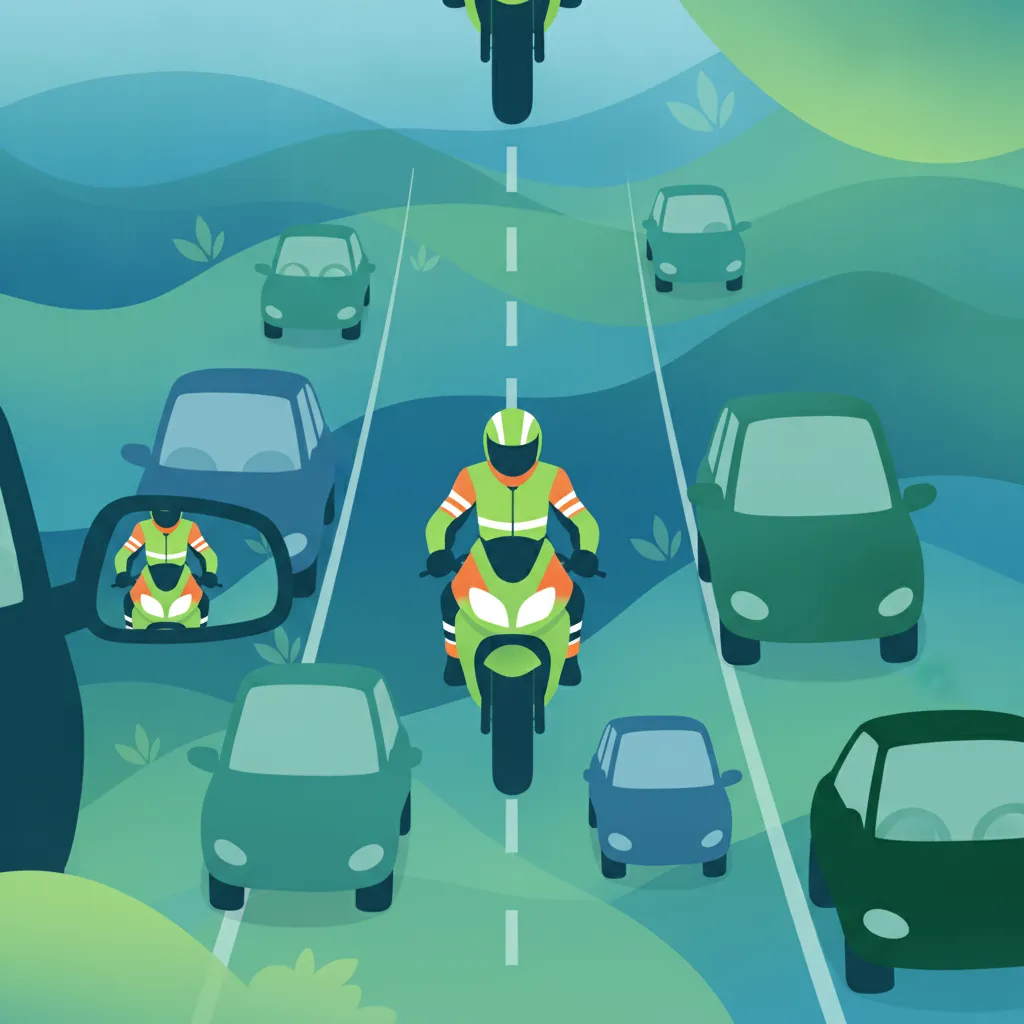
This lesson emphasizes the importance of rider visibility, illustrating how high-visibility clothing and reflective accessories can significantly reduce the risk of collisions. Learners will discover effective strategies for being noticed by other road users, such as using bright colors, reflective strips, and appropriate lighting, especially during adverse weather or nighttime riding. The content also outlines best practices for maintenance.

This lesson covers the proper usage, maintenance, and alignment of the vehicle's lighting systems, including high beams, low beams, and fog lights. It explains the legal requirements for activating lights during daytime, twilight, tunnel crossings, and heavy rain. Drivers will learn how to avoid blinding oncoming motorists while maintaining visibility.
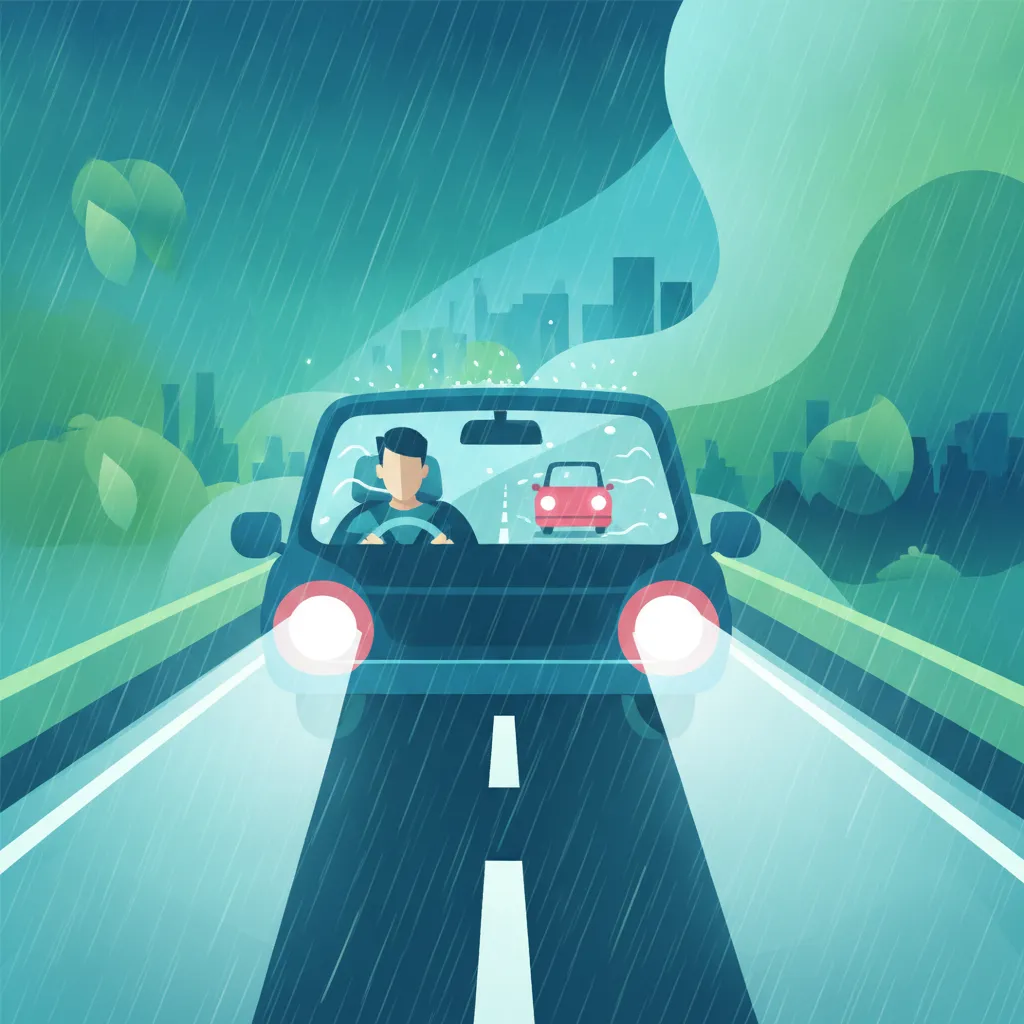
Learners will explore the specific challenges presented by adverse weather conditions, such as rain, fog, and nighttime driving. The lesson emphasizes the importance of adjusting speed, increasing following distances, and using appropriate lighting to maintain safety. Strategies for handling reduced road surface grip and visibility issues are discussed, ensuring drivers can adapt to changing weather while protecting passengers and other road users.
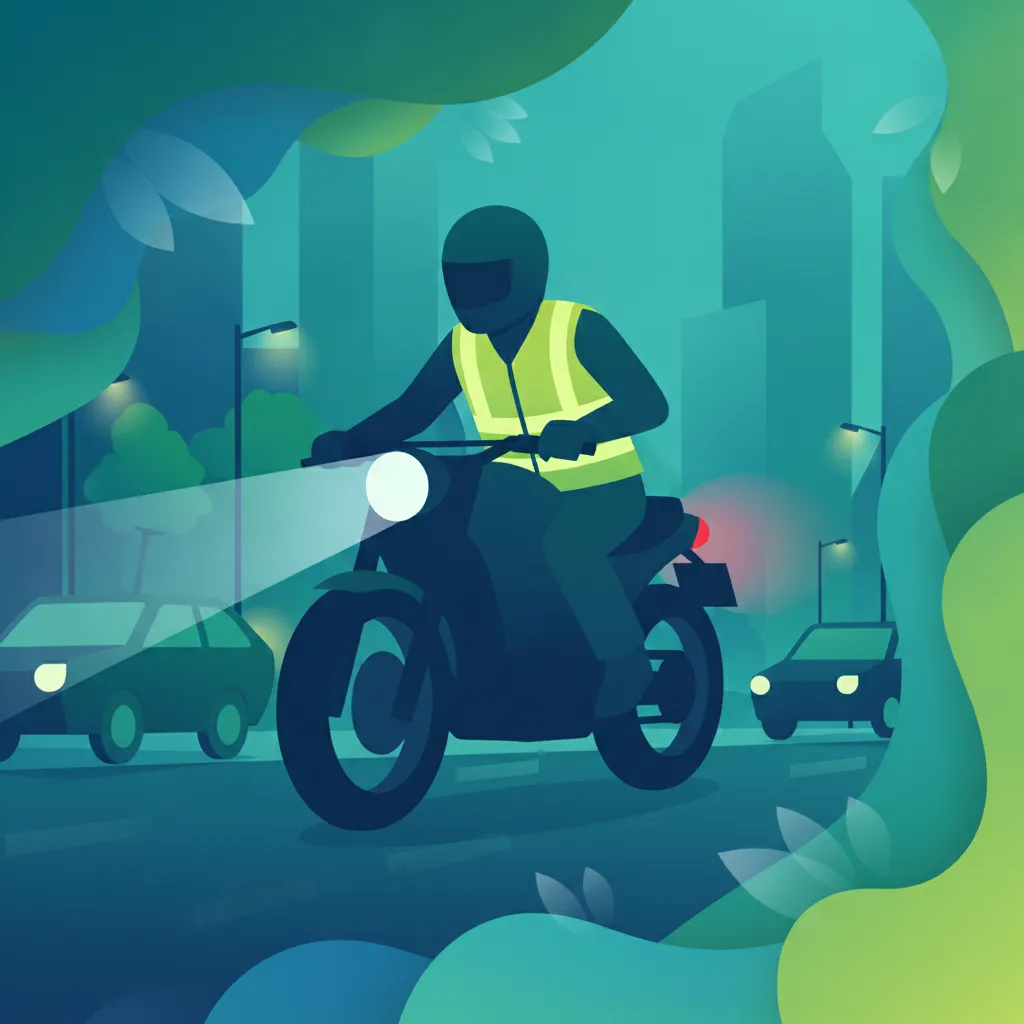
Many moped collisions occur simply because drivers of larger vehicles fail to notice lightweight riders in their path or blind spots. This lesson outlines passive and active techniques to boost your road presence, including the use of retroreflective vests and neon-colored apparel. It also explains the legal requirements for daytime running lights, proper alignment of headlights, and effective lane positioning to ensure you remain clearly visible in heavy traffic and during night rides.
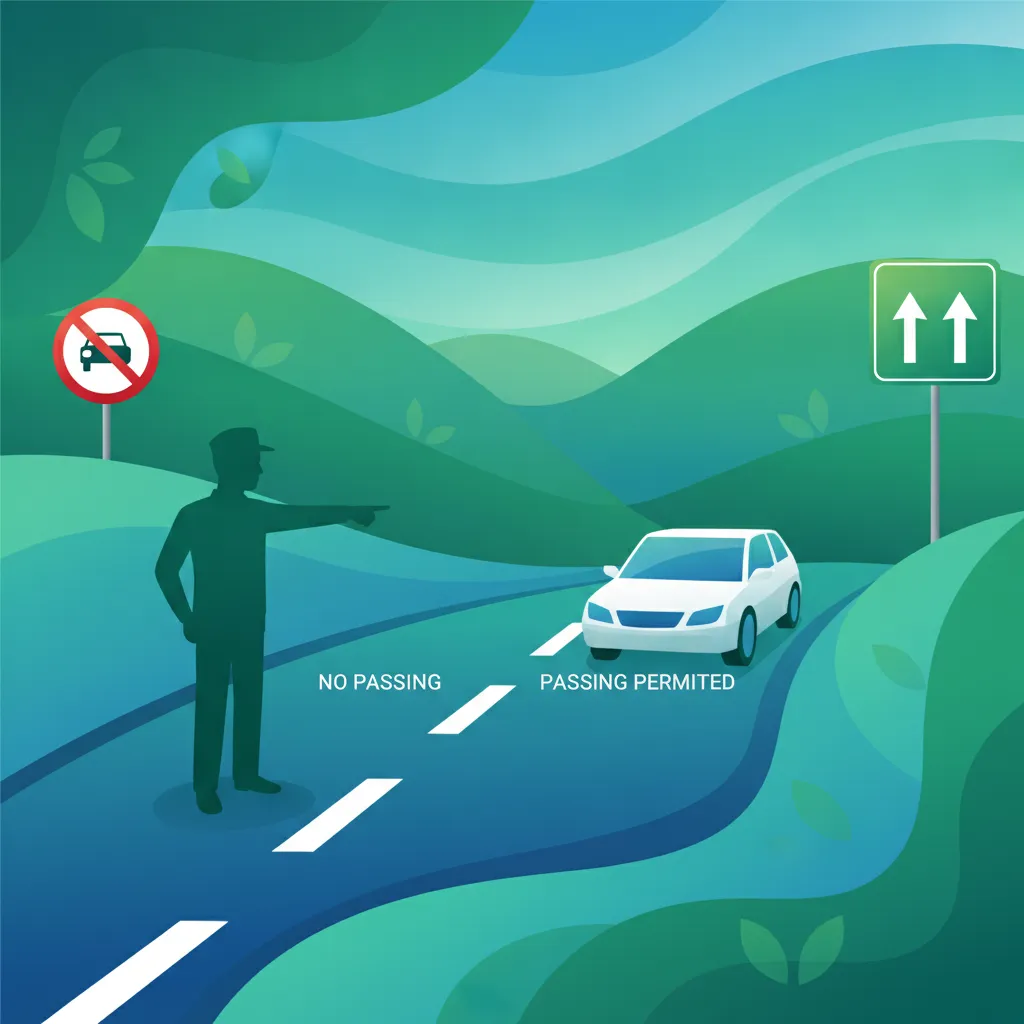
This lesson covers the various road surface markings that motorcyclists must be aware of, such as lane lines, turn arrows, and dedicated bike lanes. It explains how to interpret solid and broken lines, the meaning of specific arrows for turning or lane changes, and the significance of pedestrian crossing markings. Understanding these visual cues is essential for maintaining lane discipline and performing safe road maneuvers.

In this lesson, learners will focus on the specific considerations and safety practices required when riding motorcycles on high-speed roads and motorways. Topics covered include maintaining appropriate lane discipline, safe overtaking at high speeds, dealing with increased wind resistance, and the importance of accurate speed control and appropriate following distances on faster roadways.

In this lesson, learners will explore the challenges presented by various weather conditions, such as rain, wind, fog, and temperature extremes, and how they affect motorcycle handling and safety. Topics covered include adjusting riding techniques for reduced traction, maintaining visibility in low-light or foggy conditions, and managing physical wind effects. The lesson emphasizes adjusting speed and braking.

This lesson details defensive driving techniques for adverse weather conditions such as rain, snow, black ice, dense fog, and strong winds. It explains the physics of aquaplaning and how to regain vehicle control when losing traction on slippery surfaces. Drivers will learn how to adjust speed and increase safety gaps to prevent weather crashes.
Explore the principles of defensive riding including risk assessment, hazard awareness, and lane positioning. Understand how these proactive techniques help riders manage unpredictable traffic situations and reduce the likelihood of accidents on urban roads and highways according to Turkish driving theory standards.

In this lesson, learners will discover the principles of defensive riding, focusing on hazard anticipation, maintaining safe distances, and practicing proactive avoidance techniques. It emphasizes developing a vigilant riding posture, constantly scanning the environment, and preparing to react to potential dangers from other road users, road conditions, or unexpected traffic events.
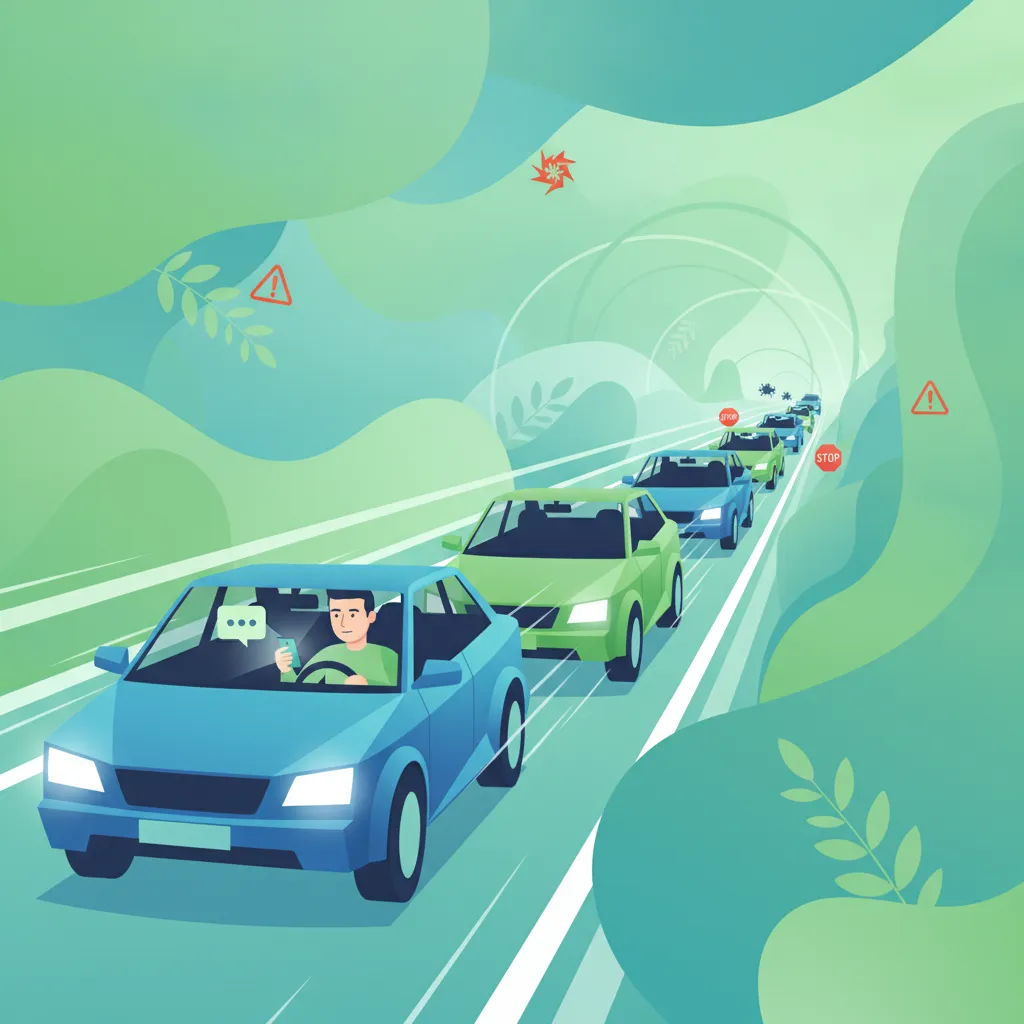
In this lesson, learners will explore the various forms of risk behaviour that can lead to accidents, such as aggressive riding, speeding, riding under the influence of alcohol or drugs, driving while fatigued, and being distracted. The lesson emphasizes the importance of self-awareness, recognizing personal limits, and adopting a safety-first mindset to mitigate these risks and make safe decisions.

Defensive riding is the practice of anticipating potential road conflicts and acting early to prevent accidents before they occur. This lesson teaches you how to systematically scan the road ahead for changing conditions, keep an adequate safety cushion around your moped, and pre-plan exit routes in tight spots. You will learn to assume you are invisible to other drivers and adapt your speed and road position proactively to protect yourself against sudden maneuvers.

Proper road positioning is your primary shield against being squeezed, sideswiped, or overlooked by larger motor vehicles in daily traffic. This lesson explains how to ride in the center or slightly off-center of your lane to prevent unsafe overtaking within the same lane. You will study how to identify the massive blind spots of buses and trucks, maintain appropriate following distances, and execute overtaking maneuvers with maximum safety margin and clear signal warning.

In this lesson, learners will explore the core obligations of a motorcyclist, emphasizing the necessity of adhering to traffic laws and maintaining respectful conduct toward all road participants. The discussion will focus on the principles of defensive riding, where anticipation of hazards and courteous behavior are paramount. Ethical decision-making will be highlighted as a key factor in preventing accidents and fostering a positive traffic environment.

In this lesson, learners will discover the principles of optimal lane positioning that enhance both rider visibility and predictability to other road users. The content focuses on selecting the correct lane within various traffic scenarios, such as approaching intersections, navigating curves, and during overtaking. By maintaining appropriate lane placement, riders can minimize blind spots and improve reaction times.
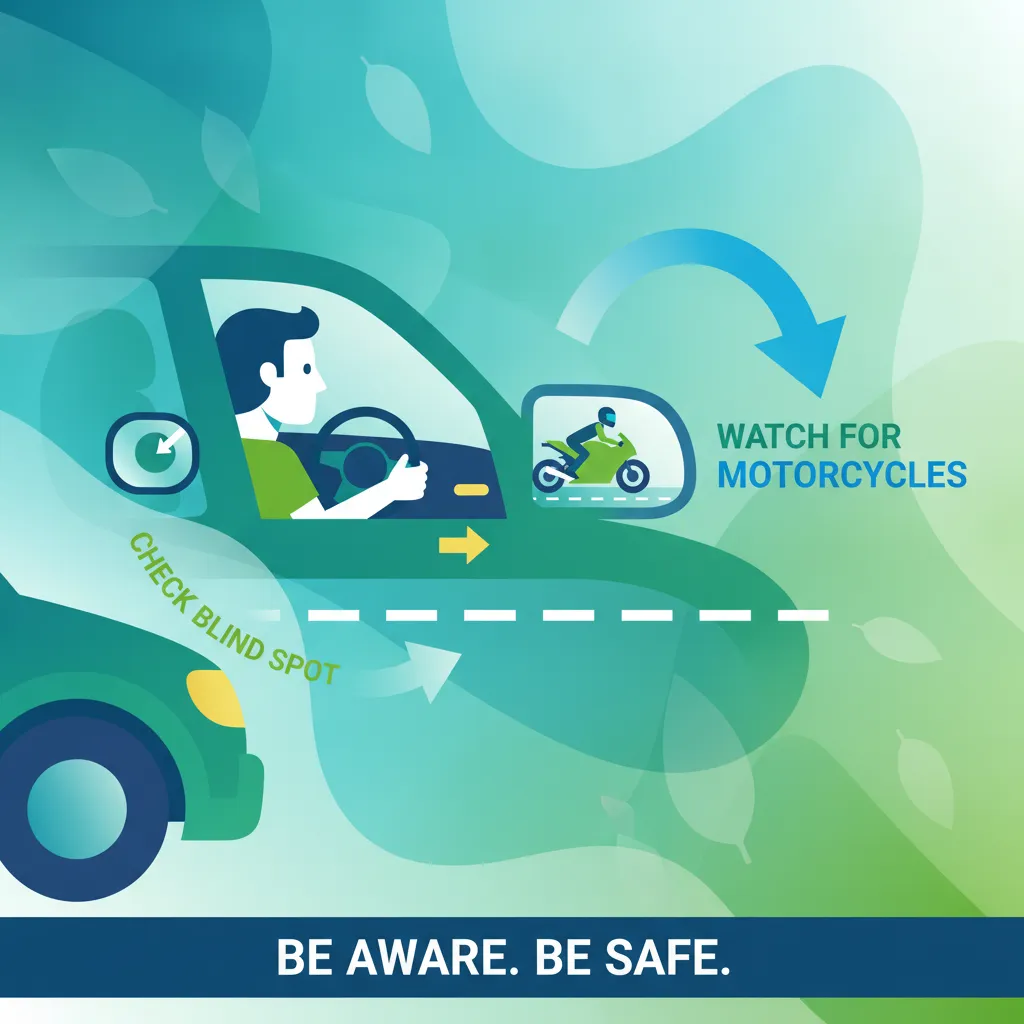
Learners will gain insight into the unique challenges posed by motorcycles and scooters sharing the road with passenger vehicles. The lesson highlights the importance of checking blind spots, maintaining safe following distances, and being aware of the faster acceleration and maneuverability of two-wheeled vehicles. Strategies for anticipating their movements and preventing collisions are discussed.
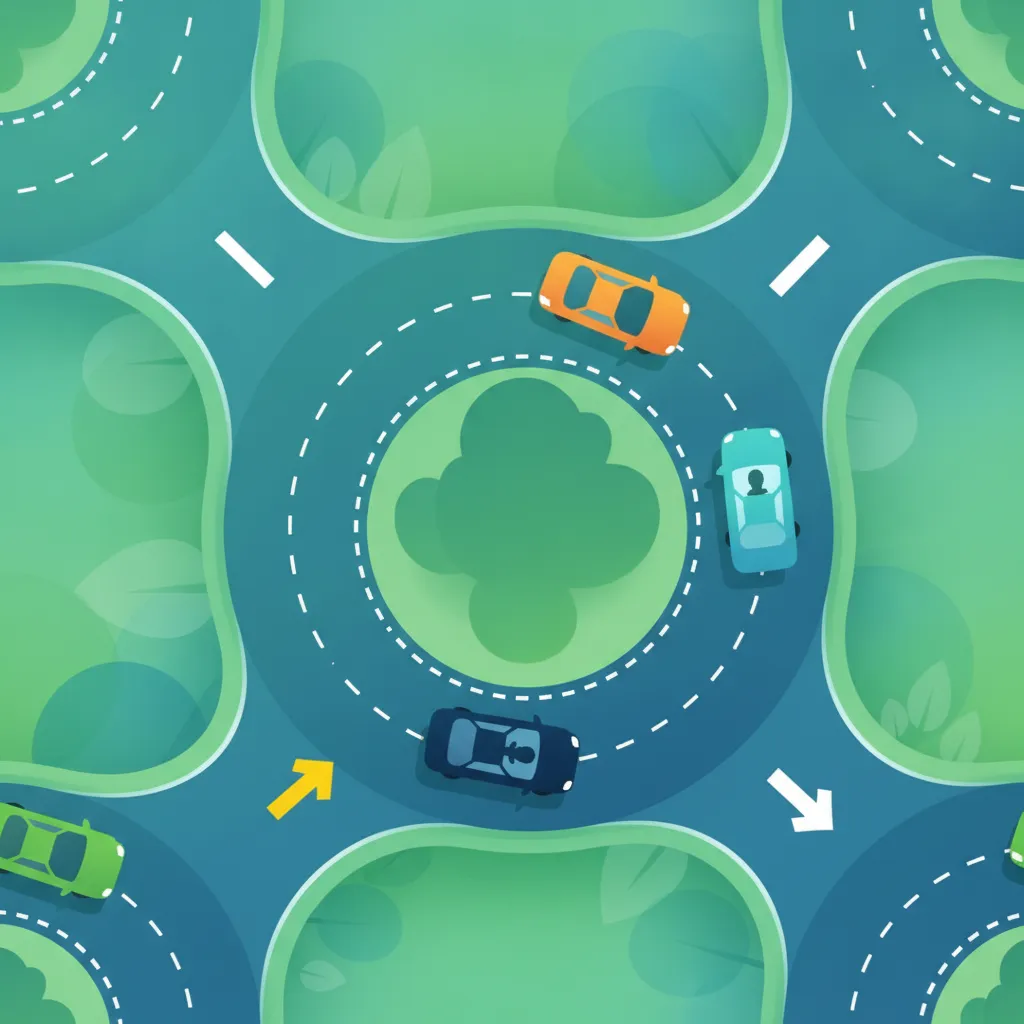
This lesson delves into the specific challenges and procedures associated with navigating roundabouts on a motorcycle. It outlines the importance of approaching at a safe speed, selecting the correct lane, and yielding to vehicles already within the roundabout. The content also covers the proper use of signals when exiting and emphasizes the need for heightened awareness of blind spots, especially when larger vehicles are present.
In this lesson, learners will explore the challenges presented by various weather conditions, such as rain, wind, fog, and temperature extremes, and how they affect motorcycle handling and safety. Topics covered include adjusting riding techniques for reduced traction, maintaining visibility in low-light or foggy conditions, and managing physical wind effects. The lesson emphasizes adjusting speed and braking.

This lesson highlights the critical nature of blind spots for motorcyclists, teaching strategies to recognize and mitigate these hidden areas. Learners will practice techniques for checking blind spots before lane changes and overtaking, ensuring they are fully aware of surrounding traffic. The lesson emphasizes how proper mirroring and head checks can significantly reduce the risk of collisions.
Find clear answers to common questions learners have about Protective Clothing and Gear. Learn how the lesson is structured, which driving theory objectives it supports, and how it fits into the overall learning path of units and curriculum progression in Turkey. These explanations help you understand key concepts, lesson flow, and exam focused study goals.
While the law mandates safety, official theory exams often focus on the importance of CE-certified equipment because these items are tested for impact and abrasion resistance. Choosing certified gear is the best way to ensure your protection and align with safety-conscious exam answers.
Motorcyclists are often less visible than other drivers. Gear with reflective or high-visibility panels helps other road users spot you earlier, especially at night or in bad weather, which is a common topic in the defensive riding section of the theory exam.
In Turkey, weather can vary significantly. You need to understand that gear must be breathable for summer to prevent heat-related fatigue, and waterproof or thermal for winter, as rider condition is a key factor in safe driving behavior.
Exam questions often highlight that gloves should offer protection for the palms and knuckles, be abrasion-resistant, and provide good grip on the handlebars without restricting your ability to operate the motorcycle's controls.
Use our comprehensive practice search to find exactly the Turkish driving theory questions you need to master. Whether reviewing specific road signs, traffic rules, or first aid scenarios, select your perfect practice set and boost your confidence for the official ehliyet sınavı.