
This lesson details the critical safety standards and practical usage of motorcycle helmets required for the Turkish driving licence. You will learn how to identify ECE-approved gear and understand the vital role of correct fitment and maintenance in protecting your head during a collision.
Lesson content overview
Operating a motorcycle on public roads offers unmatched freedom, but it also exposes the rider to significantly higher physical risks than occupants of enclosed passenger vehicles. In a collision or fall, your helmet is the single most critical piece of safety equipment between you and life-altering head trauma or fatal injury.
According to global road safety statistics, wearing a properly certified motorcycle helmet reduces the risk of death in a crash by up to 40% and lowers the risk of severe head injury by approximately 70%.
For candidates preparing for the Motorcycle Driving Theory for Turkish Licences (covering A1, A2, and A license categories), understanding legal helmet standards, proper fitment, and maintenance is not just a matter of passing the theoretical exam—it is a vital component of survival on the road. Turkish highway regulations strictly enforce helmet use for both riders and pillion passengers. This lesson details the science, legal frameworks, and practical methods required to select, wear, and maintain a motorcycle helmet.
To appreciate why specific standards are legally mandated, you must first understand the physics of a motorcycle crash and how a helmet protects the human brain.
A certified motorcycle helmet consists of four primary structural components, each engineered for a distinct safety function:
Under the Turkish Highway Traffic Regulation (Karayolları Trafik Yönetmeliği), specifically in accordance with Article 78 and its corresponding sub-legislations, all riders and passengers of motorcycles, mopeds, and motorized tricycles are legally required to wear protective helmets while riding on public roads.
Legal Obligation: Riding without a helmet, or wearing a helmet that does not comply with approved safety standards, is a serious traffic violation in Turkey. It carries immediate financial penalties, penalty points (ceza puanı) on your driver's license, and can lead to the temporary impoundment of your vehicle.
To be legally compliant on Turkish roads, your helmet must meet recognized international or national safety standards. Turkey aligns its vehicle and safety equipment regulations with the United Nations Economic Commission for Europe (UNECE) regulations.
The Economic Commission for Europe (ECE) standard is a rigorous, internationally recognized safety certification for motorcycle helmets. The current legally accepted standards on Turkish roads are ECE 22.05 and the more recent, highly advanced ECE 22.06.
Helmets approved under the ECE standards undergo destructive testing before they can be sold to consumers. These tests include:
While preparing for your exam and shopping for gear, you may encounter other certifications:
Different riding styles, weather conditions, and urban or highway environments demand different types of helmets. However, these designs do not offer equal levels of protection.
The full-face helmet provides the highest level of safety. It covers the entire skull, the temples, the back of the head, and crucially, the jaw and chin. Statistically, in approximately 35% of all motorcycle crashes, the primary impact occurs on the chin bar area.
Modular helmets feature a chin bar that can be unlocked and rotated upward, transforming the helmet into an open-face style when stationary (e.g., when refuelling or speaking to someone).
These helmets cover the top, sides, and back of the head, but leave the face completely exposed. They may or may not include a clear flip-down visor.
Designed for dirt, trail, and enduro riding. They feature an elongated chin bar and a sun peak (visor), and are typically worn with separate protective goggles instead of an integrated visor.
These helmets cover only the very top of the head down to the ears.
A premium-quality, expensive helmet will fail to protect you if it does not fit your head correctly. If a helmet is too loose, it can shift during an impact, slide off completely, or obstruct your vision during emergency maneuvers.
Measure Your Head Circumference: Wrap a flexible measuring tape around your head, approximately 2 cm above your eyebrows and ears. This is the widest part of your head. Compare this measurement (in centimeters) to the manufacturer’s specific size chart.
The Tightness Check: Put the helmet on. It should feel snug and secure, applying even pressure all around your head without causing localized sharp pain or "hot spots" (such as on your forehead or temples).
The Cheek Check: The helmet's cheek pads should press firmly against your cheeks, pushing them slightly upward (often referred to as a "chipmunk cheek" look). You should not be able to easily chew gum or talk without biting your cheeks slightly.
The Eye-Port Test: With the helmet on and the chin strap unfastened, shake your head from side to side and nod up and down. The helmet should not rotate or slip independently of your skin. If the helmet slides over your eyebrows or rotates easily on your face, it is too large.
The Roll-Off / Retention Test (Critical): Fasten the chin strap securely so that no more than two fingers can fit between the strap and your throat. Reach over the back of the helmet with both hands and attempt to pull the helmet forward and off your head. If you can roll the helmet forward off your head, the fit is incorrect or the strap is too loose.
A motorcycle helmet does not last forever. Like all safety gear, it is subject to wear and tear, material degradation, and environmental aging.
Proper Storage: Never hang your helmet on your motorcycle's mirrors or turn signals. The weight of the helmet resting on a sharp, hard mirror edge can permanently dent and damage the local EPS foam liner, rendering that section of the helmet useless in a crash. Store your helmet in a cool, dry place inside its protective bag, away from direct sunlight, fuel fumes, or household chemicals.
Your choice of helmet and visor features should adapt to your surrounding environment, weather conditions, and time of day to maximize both safety and situational awareness.
In cold, humid, or rainy Turkish winter weather, your breath will quickly fog up the cold interior of your visor, severely limiting your visibility.
To improve your visibility to other motorists (such as distracted drivers at intersections), choose high-visibility helmet colors like neon yellow, white, or bright red. Many European and Turkish safety agencies also recommend applying retro-reflective stickers to the front, back, and sides of the helmet shell to ensure you are visible to other drivers at night.
Before taking your official Turkish motorcycle licensing exam, ensure you are fully comfortable with the terms and core principles below.
This lesson covers the legal and safety requirements for motorcycle helmets under Turkish traffic regulations, specifically the mandatory ECE 22.05 and ECE 22.06 standards. It explains the four structural components of a certified helmet—the outer shell, EPS liner, comfort padding, and retention system—and why each is essential for brain protection during impact. The lesson distinguishes helmet types by protection level, emphasizes that full-face helmets offer the highest safety, and provides step-by-step guidance for achieving a proper fit. Key exam-critical points include the single-impact lifecycle of helmets, the 5-year replacement rule, the illegality of half-helmets on Turkish roads, and the requirement that modular helmets must display P/J homologation when ridden with the chin bar up.
A short set of high-value points that capture the most important learning from this lesson.
ECE 22.05 or ECE 22.06 certification is the legally required standard for motorcycle helmets on Turkish roads; DOT certification alone is insufficient for road legality.
The EPS impact-absorbing liner compresses irreversibly during a crash, meaning helmets are single-use protective equipment that must be replaced after any impact.
Full-face helmets provide the highest level of protection, covering the entire skull and chin, which is critical since approximately 35% of crashes involve chin bar impacts.
A helmet that fits incorrectly—too loose or incorrectly positioned—can slide off during a crash, leaving the rider completely unprotected.
Helmets degrade over time due to UV exposure, sweat, and environmental factors, requiring replacement every 5 years from first use or 7 years from manufacture.
Explore all units and lessons included in this driving theory course.
Modular helmets may only be ridden with the chin bar flipped up if they carry a specific P/J dual-homologation label indicating safety compliance in both positions.
Tinted or mirrored visors are illegal and dangerous at night or in low-light conditions; always use a clear visor or carry a spare for dark riding.
Never purchase a second-hand helmet—the crash history and internal EPS condition are unknown, making it potentially unsafe despite appearing undamaged.
Store helmets in a cool, dry place away from fuel fumes and chemicals; hanging helmets on motorcycle mirrors can dent the internal EPS liner.
Pinlock inserts create an effective thermal barrier to prevent visor fogging during cold or rainy Turkish winter riding conditions.
Assuming a DOT sticker means a helmet is road-legal in Turkey, when in fact ECE certification is the mandatory standard under Turkish traffic law.
Failing to fasten the chin strap securely before riding, which renders even the most advanced helmet useless if it flies off during a crash.
Wearing a tinted visor during nighttime or tunnel riding, severely limiting visibility and creating a dangerous blind spot for hazards.
Believing that if the outer shell looks undamaged after a drop, the helmet is still safe—the internal EPS liner may have compressed without visible signs.
Using harsh chemicals like ammonia-based cleaners or solvents on the helmet shell or visor, which can weaken the polycarbonate material and destroy anti-fog coatings.
Lesson content overview
A short set of high-value points that capture the most important learning from this lesson.
ECE 22.05 or ECE 22.06 certification is the legally required standard for motorcycle helmets on Turkish roads; DOT certification alone is insufficient for road legality.
The EPS impact-absorbing liner compresses irreversibly during a crash, meaning helmets are single-use protective equipment that must be replaced after any impact.
Full-face helmets provide the highest level of protection, covering the entire skull and chin, which is critical since approximately 35% of crashes involve chin bar impacts.
A helmet that fits incorrectly—too loose or incorrectly positioned—can slide off during a crash, leaving the rider completely unprotected.
Helmets degrade over time due to UV exposure, sweat, and environmental factors, requiring replacement every 5 years from first use or 7 years from manufacture.
Explore all units and lessons included in this driving theory course.
Modular helmets may only be ridden with the chin bar flipped up if they carry a specific P/J dual-homologation label indicating safety compliance in both positions.
Tinted or mirrored visors are illegal and dangerous at night or in low-light conditions; always use a clear visor or carry a spare for dark riding.
Never purchase a second-hand helmet—the crash history and internal EPS condition are unknown, making it potentially unsafe despite appearing undamaged.
Store helmets in a cool, dry place away from fuel fumes and chemicals; hanging helmets on motorcycle mirrors can dent the internal EPS liner.
Pinlock inserts create an effective thermal barrier to prevent visor fogging during cold or rainy Turkish winter riding conditions.
Assuming a DOT sticker means a helmet is road-legal in Turkey, when in fact ECE certification is the mandatory standard under Turkish traffic law.
Failing to fasten the chin strap securely before riding, which renders even the most advanced helmet useless if it flies off during a crash.
Wearing a tinted visor during nighttime or tunnel riding, severely limiting visibility and creating a dangerous blind spot for hazards.
Believing that if the outer shell looks undamaged after a drop, the helmet is still safe—the internal EPS liner may have compressed without visible signs.
Using harsh chemicals like ammonia-based cleaners or solvents on the helmet shell or visor, which can weaken the polycarbonate material and destroy anti-fog coatings.
Explore search topics learners often look for when studying Helmet Standards and Proper Use. These topics reflect common questions about road rules, driving situations, safety guidance, and lesson level theory preparation for learners in Turkey.
Browse additional driving theory lessons that cover connected traffic rules, road signs, and common driving situations related to this topic. Improve your understanding of how different rules interact across everyday traffic scenarios.
Learn the theory behind rider visibility and how high-visibility gear or reflective materials help other drivers detect motorcycles in traffic. This guide explains the importance of clothing choices and positioning to reduce collision risks while riding on Turkish roads according to local motorcycle safety regulations.
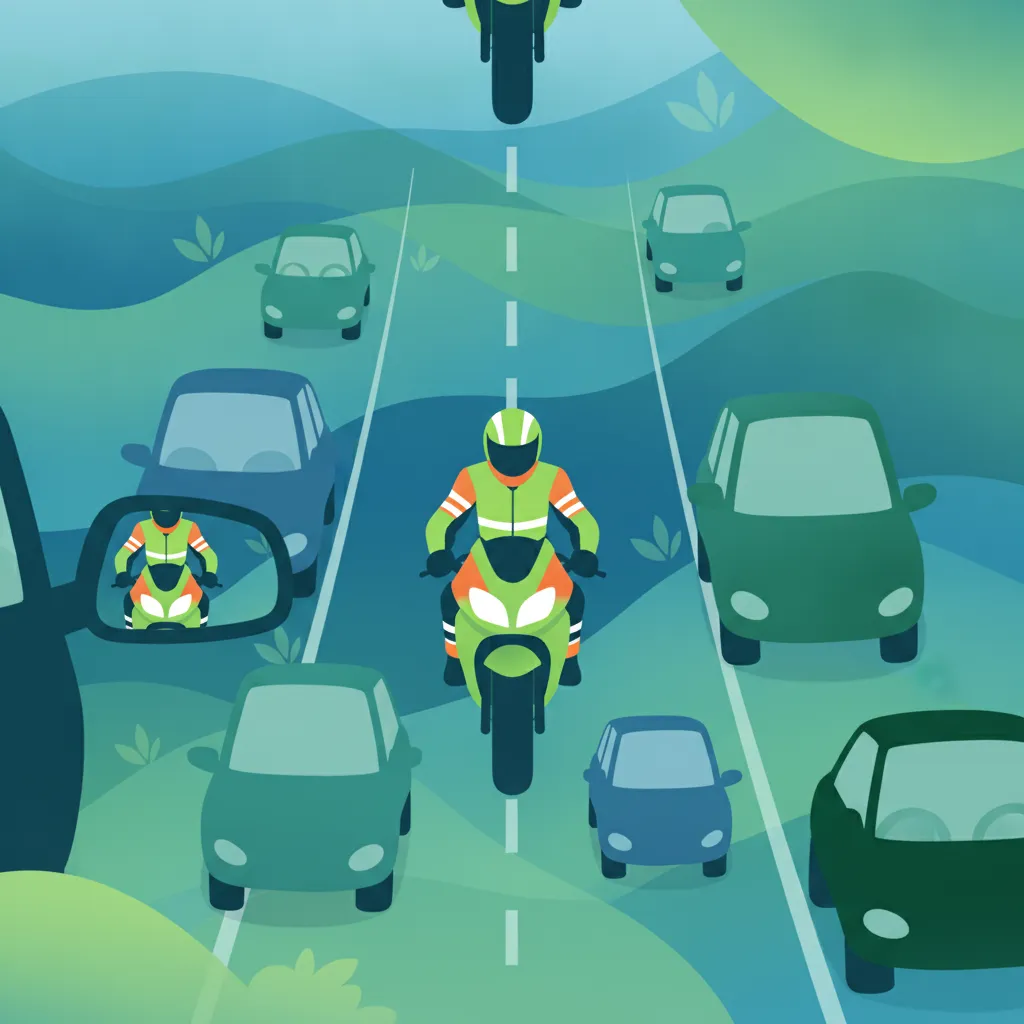
This lesson emphasizes the importance of rider visibility, illustrating how high-visibility clothing and reflective accessories can significantly reduce the risk of collisions. Learners will discover effective strategies for being noticed by other road users, such as using bright colors, reflective strips, and appropriate lighting, especially during adverse weather or nighttime riding. The content also outlines best practices for maintenance.

This lesson addresses the specific challenges of riding a motorcycle after dark, focusing on the importance of proper headlamp usage, reflective clothing, and heightened situational awareness. It provides guidance on how to remain visible to other road users, how to read road markings and signs under low-light conditions, and techniques for managing glare and fatigue during extended night rides.

In this lesson, learners will discover the principles of defensive riding, focusing on hazard anticipation, maintaining safe distances, and practicing proactive avoidance techniques. It emphasizes developing a vigilant riding posture, constantly scanning the environment, and preparing to react to potential dangers from other road users, road conditions, or unexpected traffic events.

Defensive riding is the practice of anticipating potential road conflicts and acting early to prevent accidents before they occur. This lesson teaches you how to systematically scan the road ahead for changing conditions, keep an adequate safety cushion around your moped, and pre-plan exit routes in tight spots. You will learn to assume you are invisible to other drivers and adapt your speed and road position proactively to protect yourself against sudden maneuvers.

Many moped collisions occur simply because drivers of larger vehicles fail to notice lightweight riders in their path or blind spots. This lesson outlines passive and active techniques to boost your road presence, including the use of retroreflective vests and neon-colored apparel. It also explains the legal requirements for daytime running lights, proper alignment of headlights, and effective lane positioning to ensure you remain clearly visible in heavy traffic and during night rides.
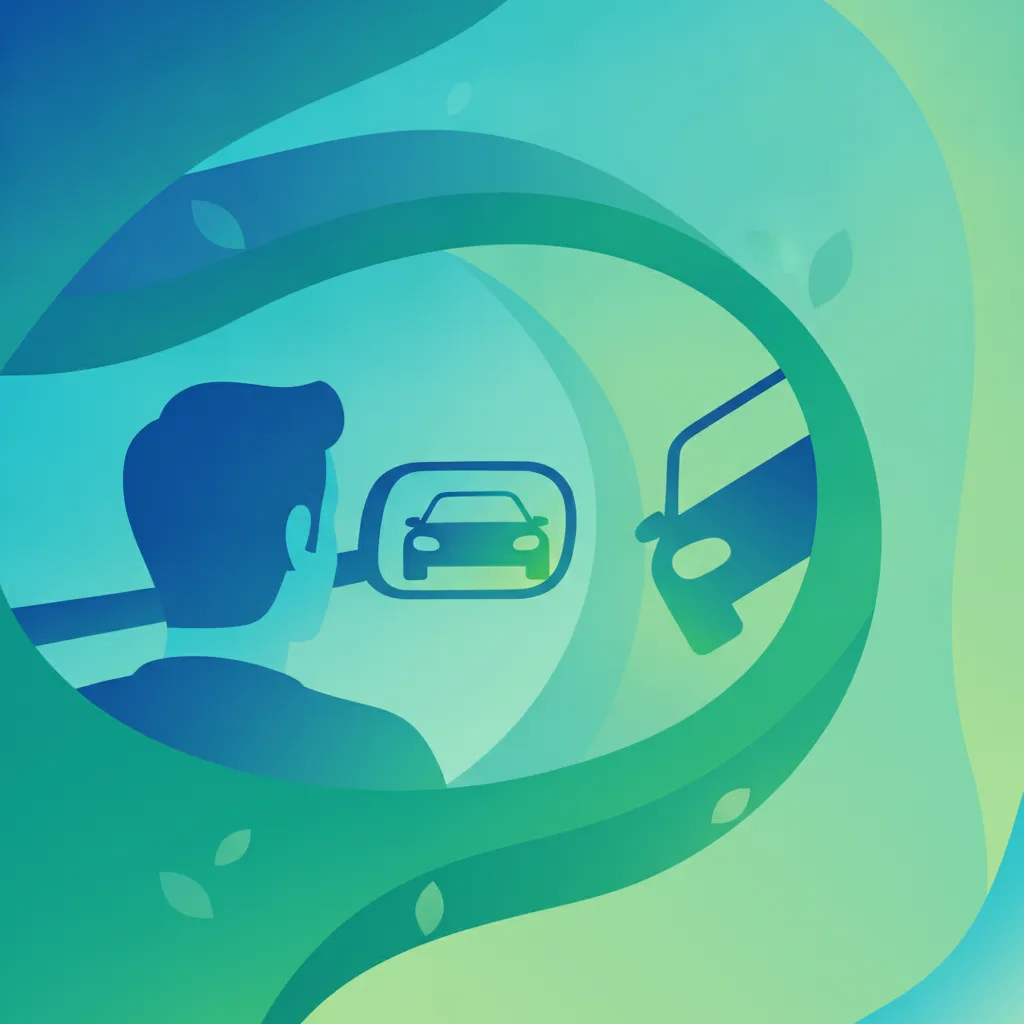
This lesson highlights the critical nature of blind spots for motorcyclists, teaching strategies to recognize and mitigate these hidden areas. Learners will practice techniques for checking blind spots before lane changes and overtaking, ensuring they are fully aware of surrounding traffic. The lesson emphasizes how proper mirroring and head checks can significantly reduce the risk of collisions.

In this lesson, learners explore the unique challenges and safety considerations related to motorcyclists and scooter riders. Topics include the importance of visibility, the use of protective gear, and the need for drivers to be aware of blind spots. The lesson also covers lane discipline for two-wheeled vehicles and safe overtaking practices.

In this lesson, learners will explore the core obligations of a motorcyclist, emphasizing the necessity of adhering to traffic laws and maintaining respectful conduct toward all road participants. The discussion will focus on the principles of defensive riding, where anticipation of hazards and courteous behavior are paramount. Ethical decision-making will be highlighted as a key factor in preventing accidents and fostering a positive traffic environment.
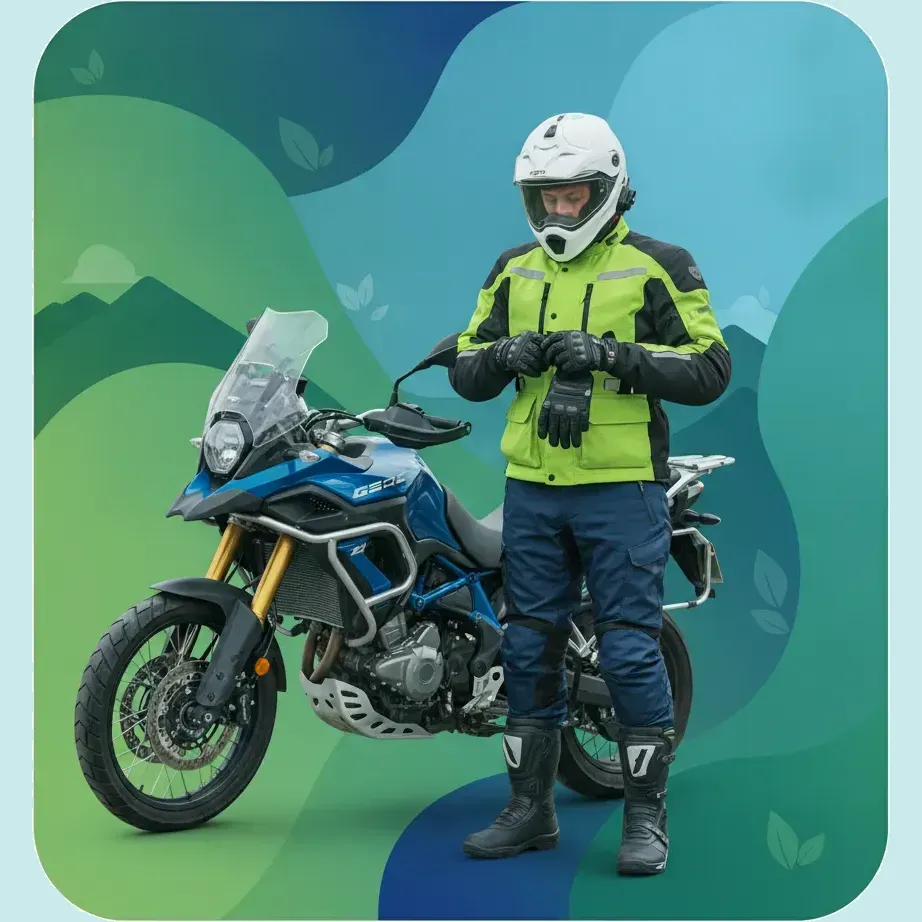
In this lesson, learners explore the range of protective clothing essential for motorcyclists, focusing on jackets, pants, gloves, and boots that meet CE standards. The discussion covers material properties that offer abrasion resistance, the strategic placement of armour, and how to choose gear appropriate for varying weather conditions. Emphasis is placed on the importance of proper maintenance and the role of reflective elements in safety.
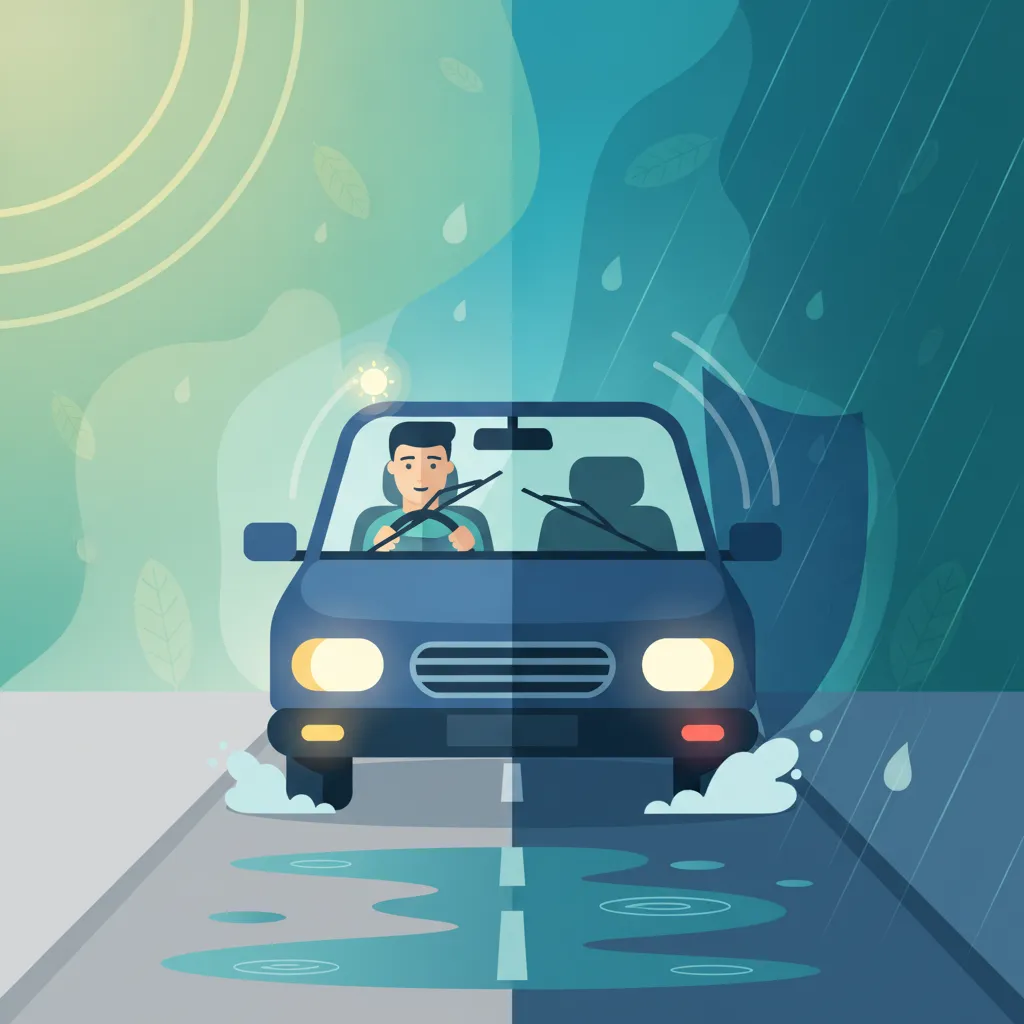
In this lesson, learners will explore the challenges presented by various weather conditions, such as rain, wind, fog, and temperature extremes, and how they affect motorcycle handling and safety. Topics covered include adjusting riding techniques for reduced traction, maintaining visibility in low-light or foggy conditions, and managing physical wind effects. The lesson emphasizes adjusting speed and braking.
Explore core defensive riding principles, including space management, hazard anticipation, and blind spot awareness. These concepts explain how to navigate urban environments and high-speed roads safely by managing risks effectively and applying traffic etiquette as required for the Turkish driving theory curriculum.
In this lesson, learners will discover the principles of defensive riding, focusing on hazard anticipation, maintaining safe distances, and practicing proactive avoidance techniques. It emphasizes developing a vigilant riding posture, constantly scanning the environment, and preparing to react to potential dangers from other road users, road conditions, or unexpected traffic events.
Defensive riding is the practice of anticipating potential road conflicts and acting early to prevent accidents before they occur. This lesson teaches you how to systematically scan the road ahead for changing conditions, keep an adequate safety cushion around your moped, and pre-plan exit routes in tight spots. You will learn to assume you are invisible to other drivers and adapt your speed and road position proactively to protect yourself against sudden maneuvers.
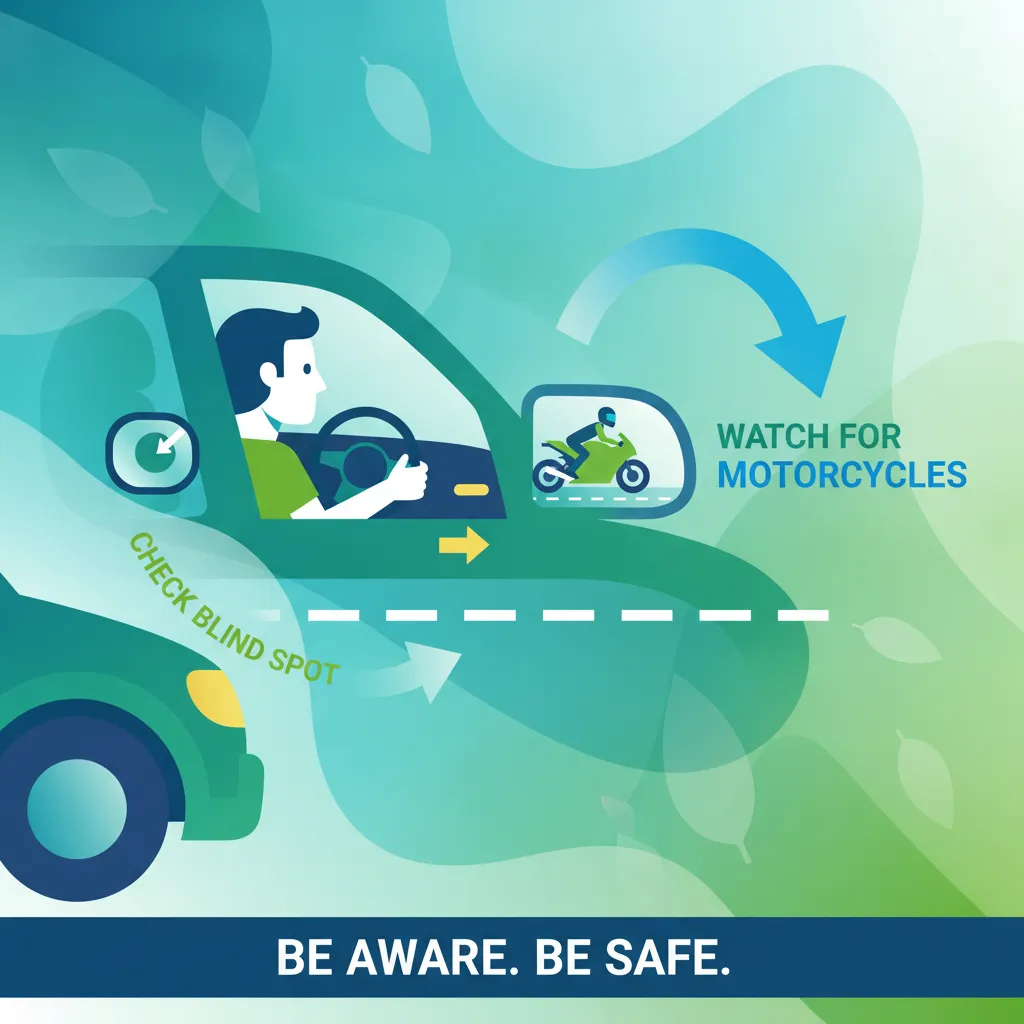
Learners will gain insight into the unique challenges posed by motorcycles and scooters sharing the road with passenger vehicles. The lesson highlights the importance of checking blind spots, maintaining safe following distances, and being aware of the faster acceleration and maneuverability of two-wheeled vehicles. Strategies for anticipating their movements and preventing collisions are discussed.

Proper road positioning is your primary shield against being squeezed, sideswiped, or overlooked by larger motor vehicles in daily traffic. This lesson explains how to ride in the center or slightly off-center of your lane to prevent unsafe overtaking within the same lane. You will study how to identify the massive blind spots of buses and trucks, maintain appropriate following distances, and execute overtaking maneuvers with maximum safety margin and clear signal warning.
In this lesson, learners explore the unique challenges and safety considerations related to motorcyclists and scooter riders. Topics include the importance of visibility, the use of protective gear, and the need for drivers to be aware of blind spots. The lesson also covers lane discipline for two-wheeled vehicles and safe overtaking practices.
In this lesson, learners will explore the core obligations of a motorcyclist, emphasizing the necessity of adhering to traffic laws and maintaining respectful conduct toward all road participants. The discussion will focus on the principles of defensive riding, where anticipation of hazards and courteous behavior are paramount. Ethical decision-making will be highlighted as a key factor in preventing accidents and fostering a positive traffic environment.

Focusing on pedestrian safety, this lesson addresses the unique considerations motorcyclists must take when approaching zebra crossings, traffic signal-controlled pedestrian crossings, and designated school zones. Learners will understand the legal obligations to yield to pedestrians, especially children, and the importance of reducing speed in these high-risk areas. The lesson also provides practical tips for ensuring visibility.

In this lesson, learners will master the skills required to safely navigate various types of intersections encountered in Turkish urban settings. The content covers interpreting traffic signals, understanding right-of-way rules, and executing proper lane positioning. Practical strategies for managing blind spots and ensuring visibility to other road users are emphasized. By the end of this session, participants will be equipped with safe crossing techniques.
Find clear answers to common questions learners have about Helmet Standards and Proper Use. Learn how the lesson is structured, which driving theory objectives it supports, and how it fits into the overall learning path of units and curriculum progression in Turkey. These explanations help you understand key concepts, lesson flow, and exam focused study goals.
No. You must use a helmet that meets recognized safety standards, such as ECE-approved certifications. Always check for the official approval label inside or on the back of the helmet before purchasing.
A helmet should be snug but not painful. It must not move independently from your head when you shake it, and the chin strap must be securely fastened so that the helmet cannot be pulled off over your forehead.
Yes. Helmets are designed to absorb energy during an impact, which compromises the inner lining structure. Even if there is no visible damage, you should replace a helmet that has been subjected to a significant drop or accident.
Absolutely. A helmet that is not properly strapped on will likely dislodge during an accident, offering zero protection. You must always ensure the strap is tight and secured before starting the engine.
Use our comprehensive practice search to find exactly the Turkish driving theory questions you need to master. Whether reviewing specific road signs, traffic rules, or first aid scenarios, select your perfect practice set and boost your confidence for the official ehliyet sınavı.