
This lesson explores how to maximize your road presence as a moped rider, a vital skill for safety on Turkish roads. You will learn to use high-visibility gear and vehicle lights effectively to ensure you are seen by larger vehicles, building on your foundational knowledge of road conduct and safety.
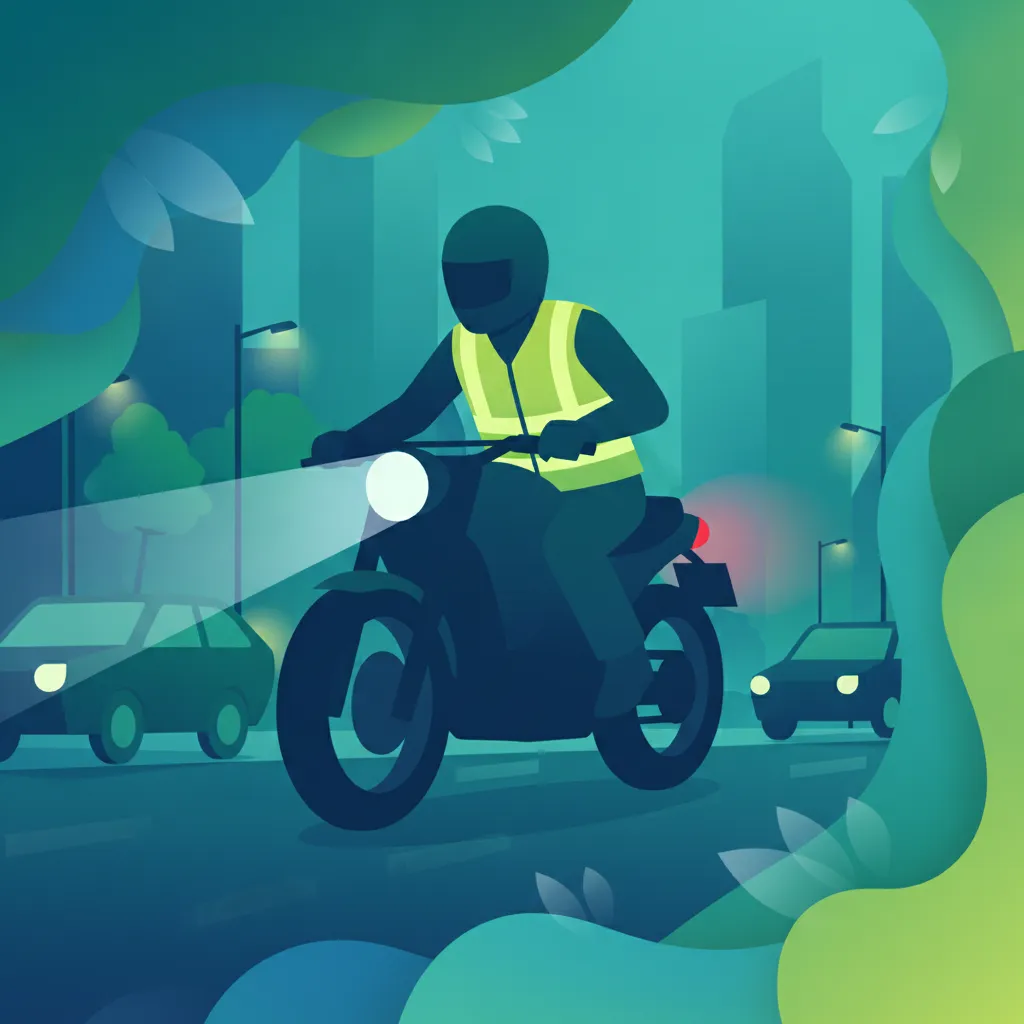
Lesson content overview
Operating a category AM moped or light motorized bicycle on public roads requires a heightened sense of defensive awareness. Due to their compact physical profile and silent or quiet engines, these lightweight vehicles are easily overlooked by drivers of passenger cars, buses, and heavy commercial vehicles. Many road accidents involving mopeds occur simply because larger vehicle drivers fail to perceive the smaller vehicle in their path or blind spots.
To mitigate this risk, riders must employ both passive and active visibility techniques. Under Turkish traffic regulations (Karayolları Trafik Yönetmeliği), specific rules govern the safety apparel and vehicle lighting required for AM category riders. This lesson covers how to optimize your conspicuity using reflective gear, proper headlight alignment, legal lighting protocols, and strategic lane positioning.
In road safety, conspicuity refers to how easily a vehicle and its rider can be noticed by other road users within their surrounding environment. To maximize your conspicuity, you must leverage both passive and active visibility measures. Understanding the distinction between these two forms of safety is critical to passing your official Turkish driving licence exam and staying safe on the road.
The physical and optical qualities of a vehicle and its rider that allow them to stand out clearly from the background environment, thereby reducing the reaction time required for other drivers to notice them.
Passive visibility relies on materials that reflect external light sources back to their origin or catch the eye through intense color contrast. These measures do not generate their own light.
The Neon Misconception: Fluorescent neon colors lose their visibility benefits in complete darkness because they require UV light from daytime sun rays to fluoresce. Without an external light source, neon fabric is virtually invisible at night. For nighttime riding, you must wear retroreflective materials, which bounce headlight beams back to the driver.
Active visibility involves devices on your moped that generate and emit light. These devices are crucial for illuminating your path and signaling your presence regardless of whether other vehicles have their lights on.
Under the Karayolları Trafik Yönetmeliği (Turkish Highway Traffic Regulation), wearing a retroreflective vest is a mandatory safety requirement for moped (Category AM) and motorcycle riders.
All riders operating an AM vehicle from sunset to sunrise must wear a compliant retroreflective vest. This rule is designed to address the high rate of rear-end and side-impact collisions involving lightweight vehicles on unlit or poorly lit Turkish roads.
Operating your moped's lighting system during the day is not just a defensive recommendation; it is a legal requirement designed to counteract "looked-but-failed-to-see" accidents.
For Category AM vehicles in Turkey, the engine configuration or electrical system is designed to activate the Daytime Running Lights (DRL) or the low-beam headlamp automatically when the ignition is switched on and the vehicle is in motion.
According to historic system standards and specific vehicle regulations (including VTÖGK), your moped's rear light output should be managed appropriately.
Riding at night requires careful management of your active lighting systems. Misused or poorly maintained headlights can create severe safety hazards for both you and oncoming traffic.
Under Turkish road rules, you must use your low-beam headlights (kısa hüzmeli farlar) from dusk until dawn.
Even if you use your low-beam headlights, a misaligned light housing can cause dangerous glare or fail to illuminate the road surface ahead of you. Mopeds are highly sensitive to weight distribution; carrying heavy cargo or a passenger can tilt the chassis backward, lifting the headlight beam upward into the eyes of oncoming drivers.
Place your moped on a flat surface, perpendicular to a light-colored wall (approximately 5 to 10 metres away), with the rider sitting on the seat to simulate real riding weight.
Turn on the low-beam headlight and observe the cut-off line (the upper boundary of the light beam pattern) on the wall.
Verify that the brightest portion of the beam points slightly downward toward the ground, well below the eye level of an oncoming passenger car driver.
Adjust the physical alignment screws located on or behind the headlamp housing if the beam is pointing too high (causing glare) or too low (limiting your forward visibility).
Where you position your moped within a traffic lane directly influences whether other drivers can see you. Many novice riders make the mistake of hugging the right-hand curb, believing they are staying out of the way of faster traffic. This is a highly dangerous practice.
As an AM category rider, you are entitled to use the full width of your lane. The recommended defensive position under most traffic conditions is the center or slightly left-of-center portion of your lane (often referred to as lane position 1 or 2, depending on the side of the road).
Your visibility strategy must adapt dynamically to changes in weather, road design, and traffic density.
Precipitation and fog scatter light beams, reducing the effectiveness of both your headlights and retroreflective gear.
Trucks, buses, and semi-trailers have massive blind spots (known as kör noktalar in Turkish traffic safety) on all four sides of their vehicle.
To prepare for your Category AM theory exam and maintain safety on public roads, memorize these critical regulations:
| Rule Category | Legal Requirement / Best Practice | Common Violation (Exam Fault) |
|---|---|---|
| Nighttime Apparel | Must wear a retroreflective vest (reflektif yelek) from sunset to sunrise. | Riding at night wearing only neon clothing without reflective properties. |
| Daytime Lighting | Daytime Running Lights (DRL) or low-beams must be active while in motion. | Riding with all front lights turned off during the day. |
| Nighttime Headlamps | Low-beams must be active. High-beams are prohibited when other traffic is present. | Blinding oncoming traffic with misaligned low-beams or active high-beams. |
| Taillight Status | Set to darkened position during daytime (where applicable); fully active at night. | Keeping the taillight inactive during nighttime or low-visibility situations. |
| Lane Positioning | Maintain a dominant center-lane position to stay visible and prevent dangerous overtaking. | Riding along the gutter or curb, placing yourself in blind spots. |
Moped riders must actively manage both passive and active visibility to prevent being overlooked by larger vehicle drivers. The legal requirement to wear a retroreflective vest applies from sunset to sunrise and in any severely reduced-visibility condition, while neon clothing alone provides no nighttime protection since it requires UV light to fluoresce. Active lighting systems, including mandatory daytime running lights or low-beam headlights, must be kept operational at all times, with high-beam use reserved strictly for unlit roads with no other traffic. Defensive lane positioning—claiming the center or left-of-center of your lane—keeps you visible in mirrors and out of blind spots, significantly reducing the risk of 'looked-but-failed-to-see' collisions that are common causes of moped accidents in mixed urban traffic.
A short set of high-value points that capture the most important learning from this lesson.
Conspicuity combines both passive measures (retroreflective clothing) and active measures (vehicle lights) to make you visible to other road users.
Neon fluorescent clothing loses all visibility benefit at night because it requires UV sunlight to fluoresce; retroreflective material is mandatory for nighttime riding.
Dominant lane positioning (center or slightly left-of-center of your lane) prevents drivers from squeezing past you and keeps you out of blind spots.
Daytime Running Lights (DRL) or low-beam headlights must be active during daytime riding as a legal requirement for AM vehicles in Turkey.
High-beam headlights must only be used on unlit roads with no other traffic present; using them in traffic dazzles other drivers and causes serious violations.
Explore all units and lessons included in this driving theory course.
The retroreflective vest is legally mandatory from sunset to sunrise and also required in heavy fog, torrential rain, or tunnels.
If your moped lacks automatic DRL, you must manually switch on low-beam headlights during daytime riding.
Low-beam headlights must be used in city traffic, when following another vehicle, and whenever oncoming traffic is present.
Headlight alignment should be checked with the rider seated; carrying a passenger can tilt the beam upward into oncoming drivers' eyes.
Never ride parallel to large commercial vehicles or linger in their blind spots (*kör noktalar*) on any side of the truck or bus.
Wearing only neon-colored clothing at night, believing the bright color alone provides visibility when it actually becomes invisible without sunlight.
Riding too close to the right curb, placing yourself directly in the blind spot of cars and allowing vehicles to squeeze past in the same lane.
Keeping headlights off during daytime rides because it seems bright outside, violating the mandatory DRL or low-beam requirement.
Failing to verify headlight alignment after loading cargo or carrying a passenger, causing upward-pointing beams that dazzle oncoming traffic.
Lingering beside or directly behind large trucks where the driver cannot see you in their mirrors, risking a sideswipe or rear-end collision.
Lesson content overview
A short set of high-value points that capture the most important learning from this lesson.
Conspicuity combines both passive measures (retroreflective clothing) and active measures (vehicle lights) to make you visible to other road users.
Neon fluorescent clothing loses all visibility benefit at night because it requires UV sunlight to fluoresce; retroreflective material is mandatory for nighttime riding.
Dominant lane positioning (center or slightly left-of-center of your lane) prevents drivers from squeezing past you and keeps you out of blind spots.
Daytime Running Lights (DRL) or low-beam headlights must be active during daytime riding as a legal requirement for AM vehicles in Turkey.
High-beam headlights must only be used on unlit roads with no other traffic present; using them in traffic dazzles other drivers and causes serious violations.
Explore all units and lessons included in this driving theory course.
The retroreflective vest is legally mandatory from sunset to sunrise and also required in heavy fog, torrential rain, or tunnels.
If your moped lacks automatic DRL, you must manually switch on low-beam headlights during daytime riding.
Low-beam headlights must be used in city traffic, when following another vehicle, and whenever oncoming traffic is present.
Headlight alignment should be checked with the rider seated; carrying a passenger can tilt the beam upward into oncoming drivers' eyes.
Never ride parallel to large commercial vehicles or linger in their blind spots (*kör noktalar*) on any side of the truck or bus.
Wearing only neon-colored clothing at night, believing the bright color alone provides visibility when it actually becomes invisible without sunlight.
Riding too close to the right curb, placing yourself directly in the blind spot of cars and allowing vehicles to squeeze past in the same lane.
Keeping headlights off during daytime rides because it seems bright outside, violating the mandatory DRL or low-beam requirement.
Failing to verify headlight alignment after loading cargo or carrying a passenger, causing upward-pointing beams that dazzle oncoming traffic.
Lingering beside or directly behind large trucks where the driver cannot see you in their mirrors, risking a sideswipe or rear-end collision.
Explore search topics learners often look for when studying Enhancing Visibility Through Apparel and Lights. These topics reflect common questions about road rules, driving situations, safety guidance, and lesson level theory preparation for learners in Turkey.
Browse additional driving theory lessons that cover connected traffic rules, road signs, and common driving situations related to this topic. Improve your understanding of how different rules interact across everyday traffic scenarios.
Learn how to establish a dominant lane position to remain visible to other road users and avoid dangerous blind spots. This guide explains how to use your lane space effectively to prevent collisions with larger vehicles and navigate urban traffic safely according to Turkish traffic regulations.
Proper road positioning is your primary shield against being squeezed, sideswiped, or overlooked by larger motor vehicles in daily traffic. This lesson explains how to ride in the center or slightly off-center of your lane to prevent unsafe overtaking within the same lane. You will study how to identify the massive blind spots of buses and trucks, maintain appropriate following distances, and execute overtaking maneuvers with maximum safety margin and clear signal warning.

In this lesson, learners will discover the principles of optimal lane positioning that enhance both rider visibility and predictability to other road users. The content focuses on selecting the correct lane within various traffic scenarios, such as approaching intersections, navigating curves, and during overtaking. By maintaining appropriate lane placement, riders can minimize blind spots and improve reaction times.
Defensive riding is the practice of anticipating potential road conflicts and acting early to prevent accidents before they occur. This lesson teaches you how to systematically scan the road ahead for changing conditions, keep an adequate safety cushion around your moped, and pre-plan exit routes in tight spots. You will learn to assume you are invisible to other drivers and adapt your speed and road position proactively to protect yourself against sudden maneuvers.
In this lesson, learners will discover the principles of defensive riding, focusing on hazard anticipation, maintaining safe distances, and practicing proactive avoidance techniques. It emphasizes developing a vigilant riding posture, constantly scanning the environment, and preparing to react to potential dangers from other road users, road conditions, or unexpected traffic events.
Managing your speed effectively is not just about obeying posted legal limits; it is about adjusting your pace to the immediate traffic context. This lesson teaches you how to evaluate traffic density, pedestrian presence, and blind corners to select an appropriate speed that guarantees safe stopping distances. You will learn to anticipate flow fluctuations, allowing you to avoid sudden, unstable speed changes that can compromise your balance and traction in mixed traffic.

Road markings painted directly onto the asphalt provide continuous guidance and carry the same legal weight as vertical traffic signs. This lesson explains the differences between solid and broken longitudinal lines, channelizing arrows, and restricted zones like dedicated bus or bicycle paths. You will discover how to properly align your moped within your lane, execute lawful line changes, and respect painted buffer zones to prevent dangerous side-swipe accidents in dense traffic.
This lesson explores the concept of reserved lanes and special zones designated for specific vehicle types or purposes. Learners will study bus lanes, bicycle lanes, high-occupancy vehicle (HOV) lanes, and emergency vehicle lanes, understanding the rules governing their usage. Real-world examples illustrate how these lanes improve traffic efficiency, promote sustainable transport, and prioritize emergency response.
Roundabouts require a clear understanding of yield regulations and precise signaling to avoid conflicts with larger vehicles. This lesson details the legal requirements under Turkish road rules, which demand that entering vehicles yield to traffic already circulating inside the roundabout. You will learn how to select the appropriate lane upon entry, maintain a steady speed, signal your exit intentions clearly with your indicators, and remain alert to drivers who cut across lanes.
This lesson focuses on protecting vulnerable road users, such as pedestrians, cyclists, and motorcyclists, in mixed traffic environments. Learners will examine specific strategies for increased vigilance, anticipatory driving, and properly yielding to these users. The lesson also covers high-risk zones, such as school areas and public transport stops, emphasizing the need for heightened safety.
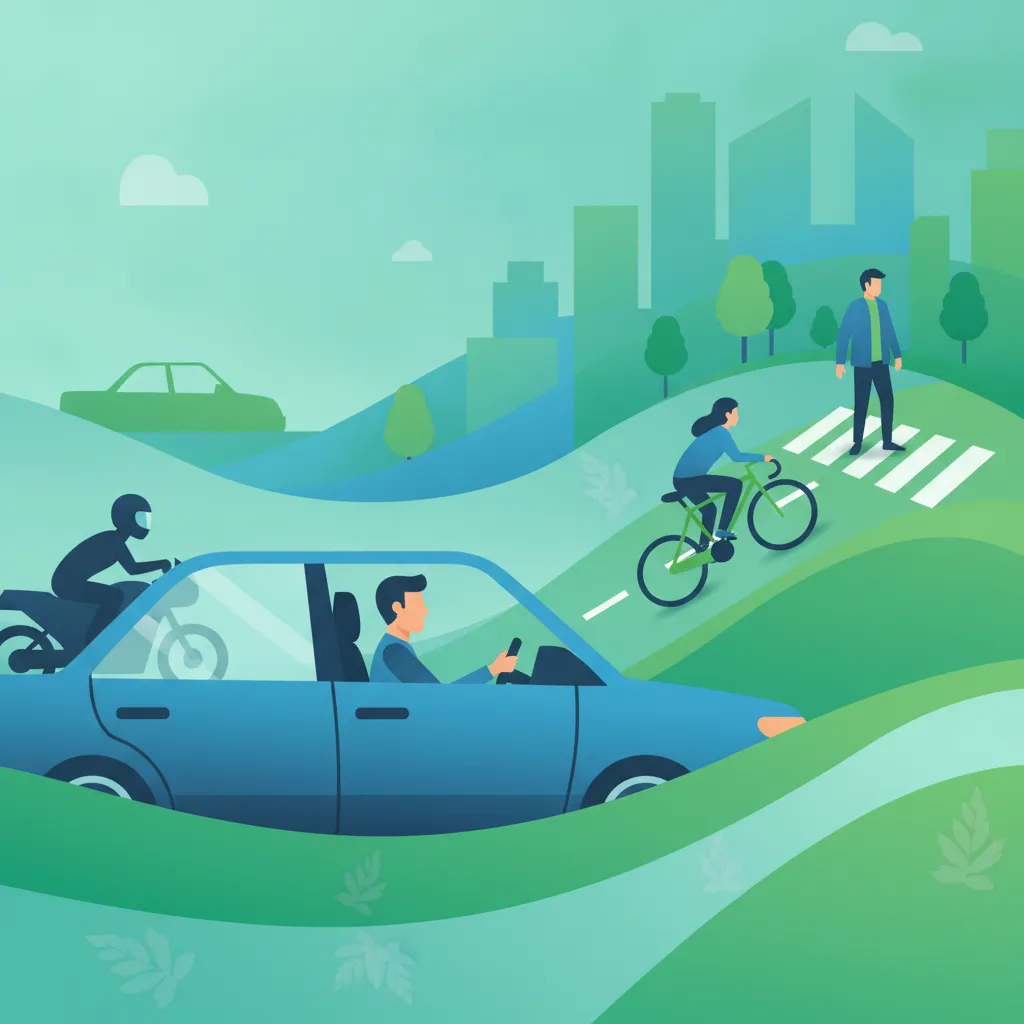
Learners will examine the complexities of operating in environments where various road users, including pedestrians, cyclists, and motorcyclists, coexist. The lesson emphasizes the need for heightened situational awareness, defensive driving techniques, and proactive hazard anticipation. Strategies for navigating mixed traffic safely, especially in congested urban areas, are highlighted.
Understand the necessary adjustments for operating a category AM moped during rain, fog, or low-light conditions. This lesson covers essential modifications to lighting, speed management, and visibility apparel needed to maintain safety and control when environmental factors reduce road conspicuity and surface grip.

Riding in adverse weather presents significant challenges for open-vehicle operators, including reduced tire grip, obscured vision, and physical fatigue from wind or cold. This lesson covers safety techniques for navigating rainy conditions, avoiding the danger of hydroplaning, and managing strong crosswinds that can destabilize a lightweight moped. You will learn to adjust your speed, increase your following distance, and use high-visibility gear to ensure a safe journey under bad weather.
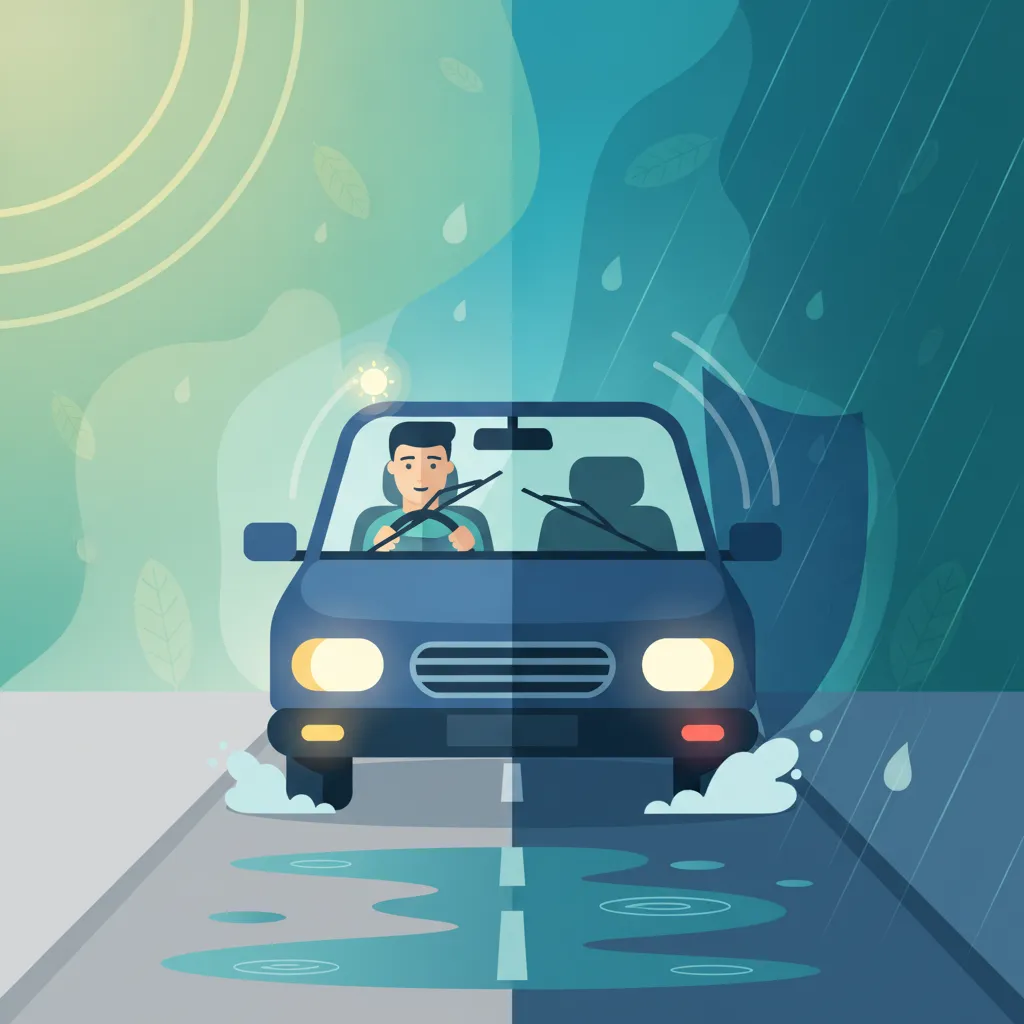
In this lesson, learners will explore the challenges presented by various weather conditions, such as rain, wind, fog, and temperature extremes, and how they affect motorcycle handling and safety. Topics covered include adjusting riding techniques for reduced traction, maintaining visibility in low-light or foggy conditions, and managing physical wind effects. The lesson emphasizes adjusting speed and braking.
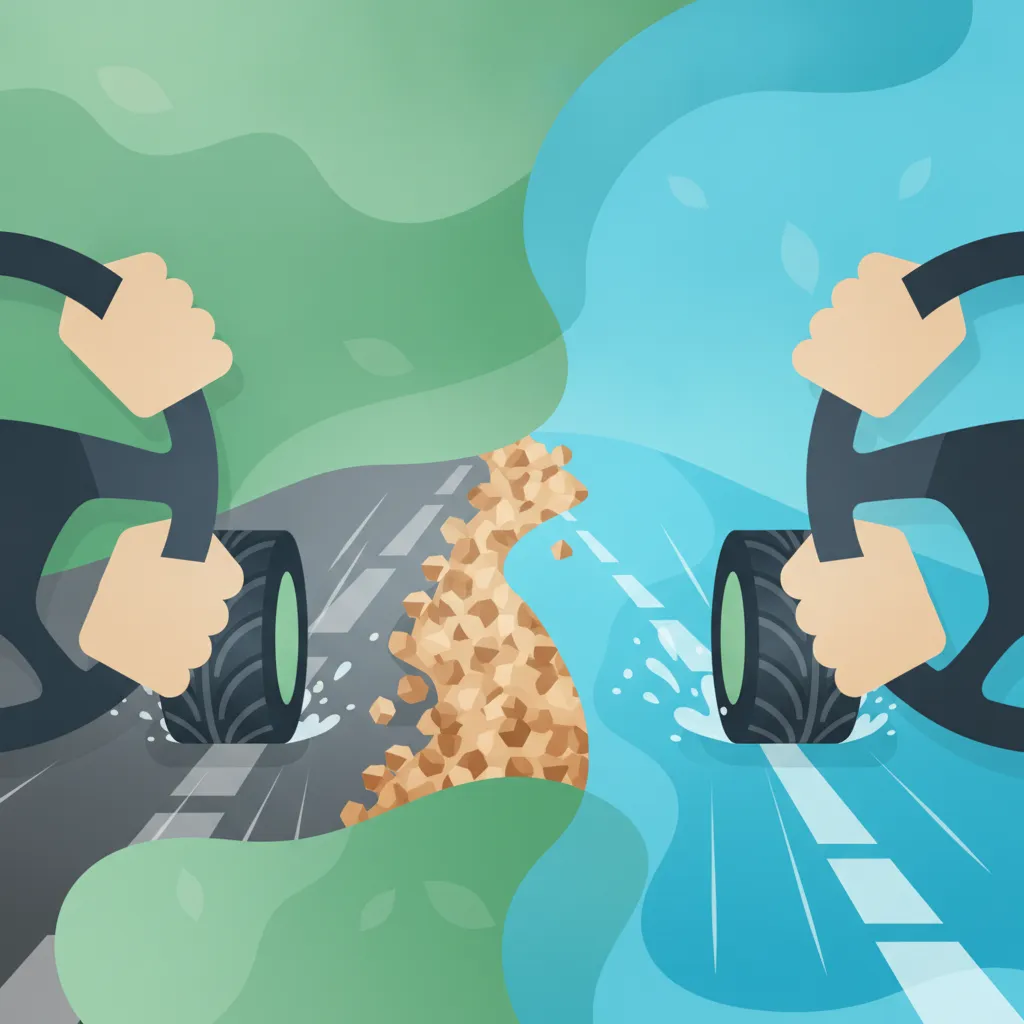
A moped's connection to the road is limited to two small tire contact patches, making tyre traction highly sensitive to surface changes. This lesson prepares you to recognize and negotiate hazardous road surfaces such as loose gravel, wet leaves, metal expansion joints, and painted lines. You will learn how to adjust your speed, maintain a vertical riding posture, and avoid sudden steering or braking inputs to prevent low-side falls when traction is severely reduced.
Defensive riding is the practice of anticipating potential road conflicts and acting early to prevent accidents before they occur. This lesson teaches you how to systematically scan the road ahead for changing conditions, keep an adequate safety cushion around your moped, and pre-plan exit routes in tight spots. You will learn to assume you are invisible to other drivers and adapt your speed and road position proactively to protect yourself against sudden maneuvers.
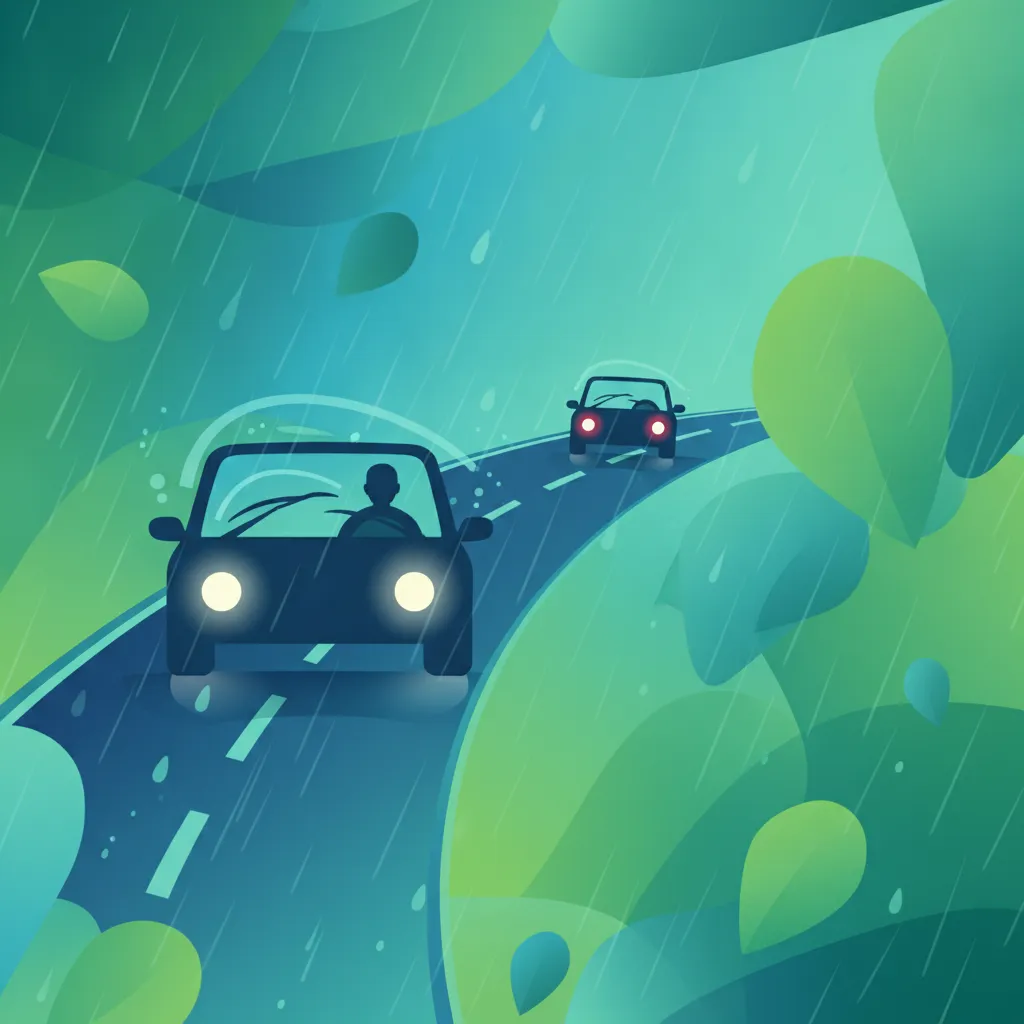
This lesson details defensive driving techniques for adverse weather conditions such as rain, snow, black ice, dense fog, and strong winds. It explains the physics of aquaplaning and how to regain vehicle control when losing traction on slippery surfaces. Drivers will learn how to adjust speed and increase safety gaps to prevent weather crashes.

Low-speed riding maneuvers require precise coordination of throttle control, body balance, and subtle steering inputs to maintain vehicle stability. This lesson guides you through techniques for performing tight U-turns, navigating dense traffic queues, and parking your moped safely in designated urban areas. Additionally, you will learn to scan for immediate hazards, allowing you to execute steering corrections smoothly without risking tip-overs or collisions with low obstacles.
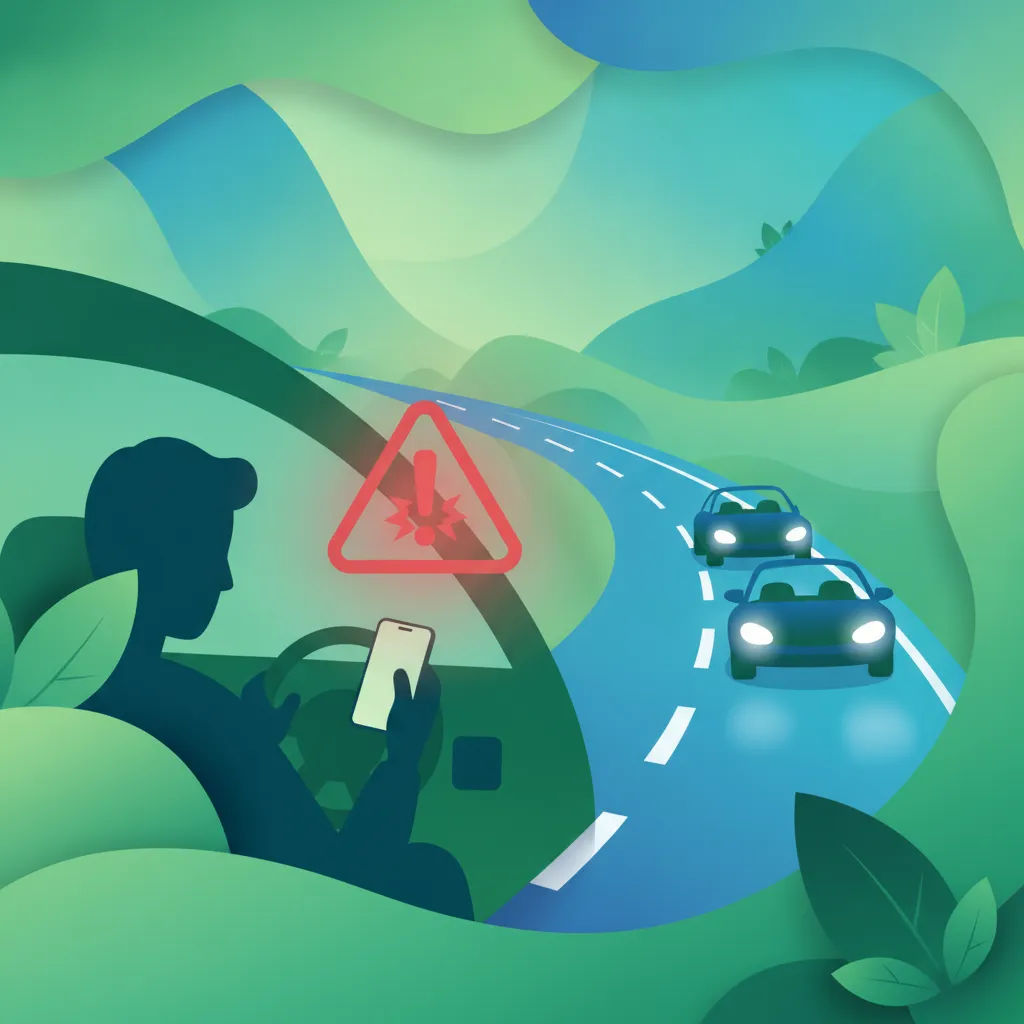
Human error and deliberate risk-taking represent the leading causes of traffic collisions among novice moped riders. This lesson analyzes the high dangers of using mobile phones while riding, weaving unsafely between lanes, and tailgating other motorists. It also covers the severe legal limits on alcohol and drug consumption under Turkish law, explaining how even minor impairments can drastically slower your hazard response times and lead to catastrophic accidents.
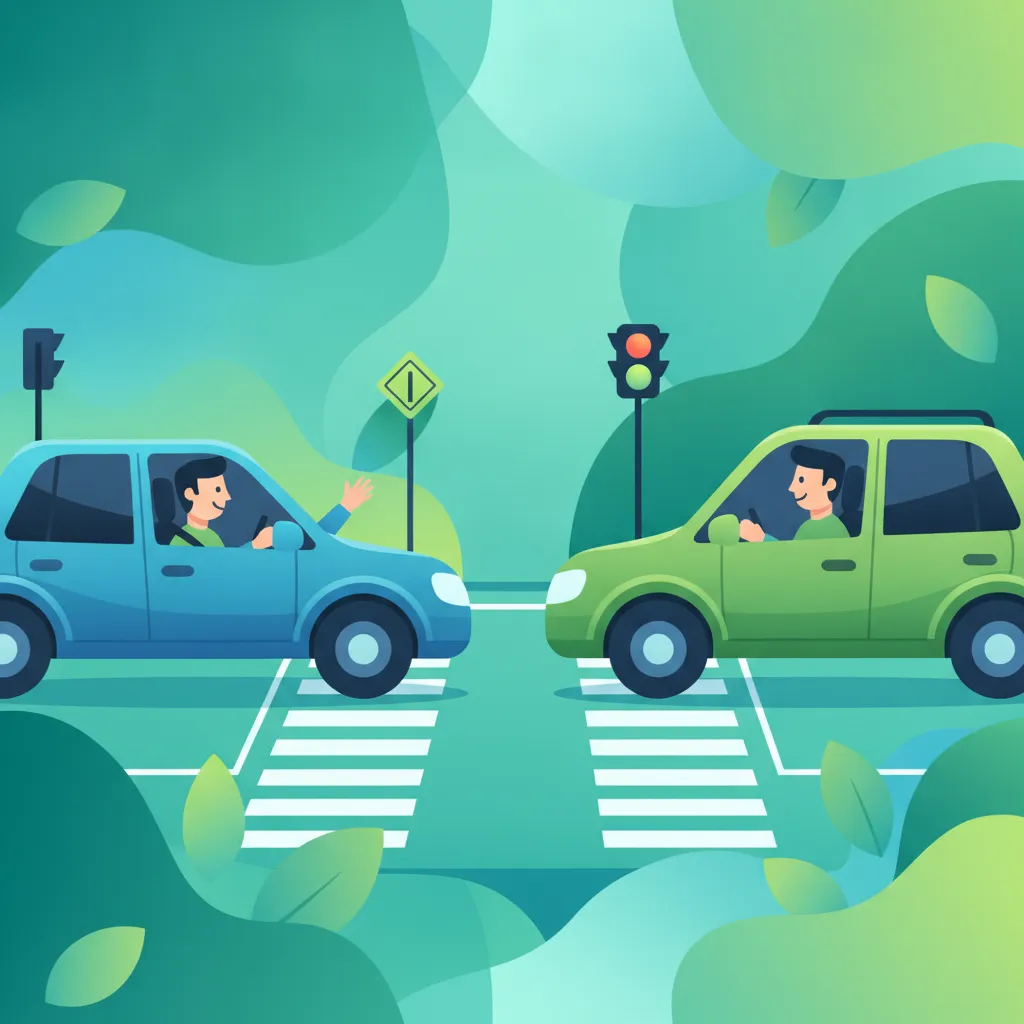
Riding an exposed lightweight vehicle in busy Turkish cities requires exceptional personal conduct, patience, and absolute control over your emotional reactions. This lesson discusses the psychological aspects of riding, teaching you how to avoid aggressive behaviors and stay calm under stressful traffic situations. It covers proper non-verbal communication, polite road sharing practices, and maintaining safe buffers from other motorists to establish a safe, predictable presence on any public street.
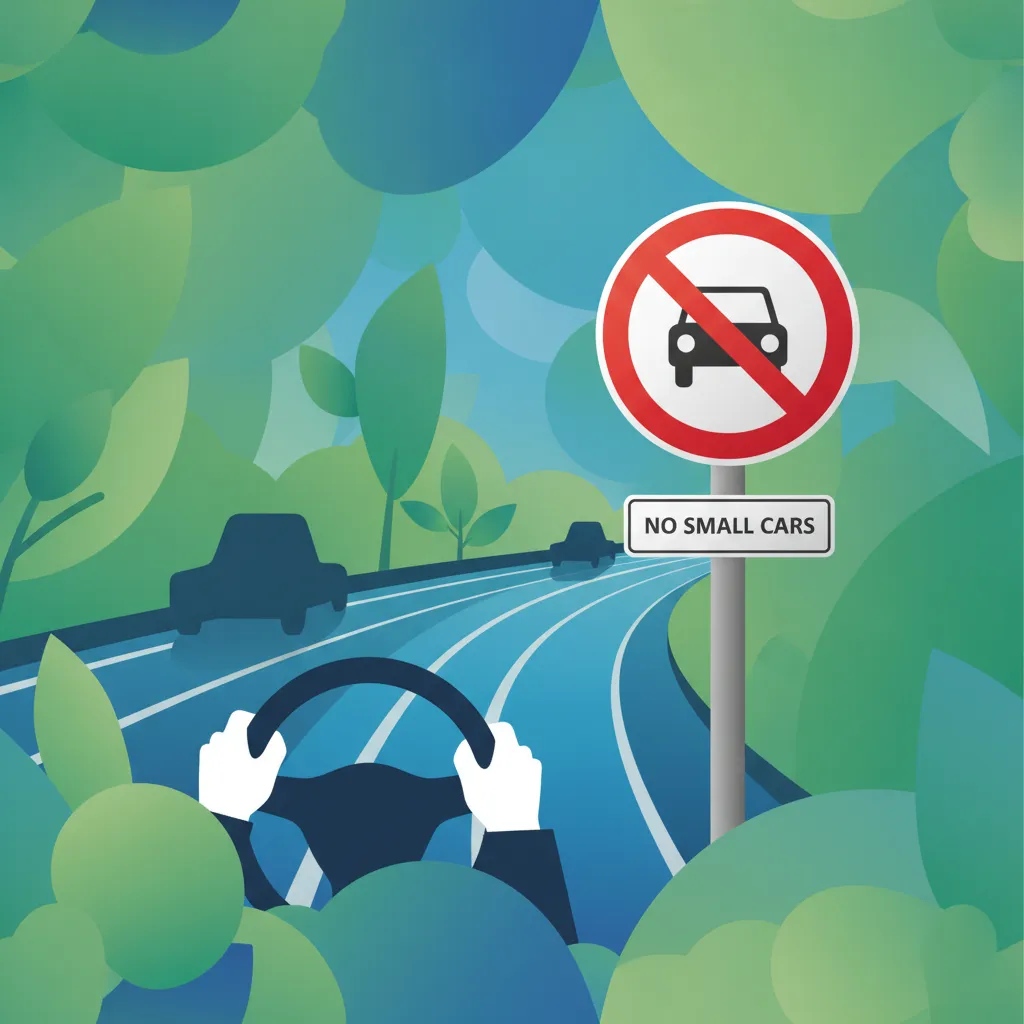
Regulatory traffic signs convey absolute legal commands that riders must obey to avoid heavy fines and ensure safe, orderly movement. This lesson walks through prohibitory indicators, mandatory speed limits, turn restrictions, and specific moped bans on motorways or designated high-speed corridors. You will learn to recognize the distinctive shapes and colors of these signs, enabling rapid, accurate decision-making while operating your lightweight vehicle under Turkish highway laws.
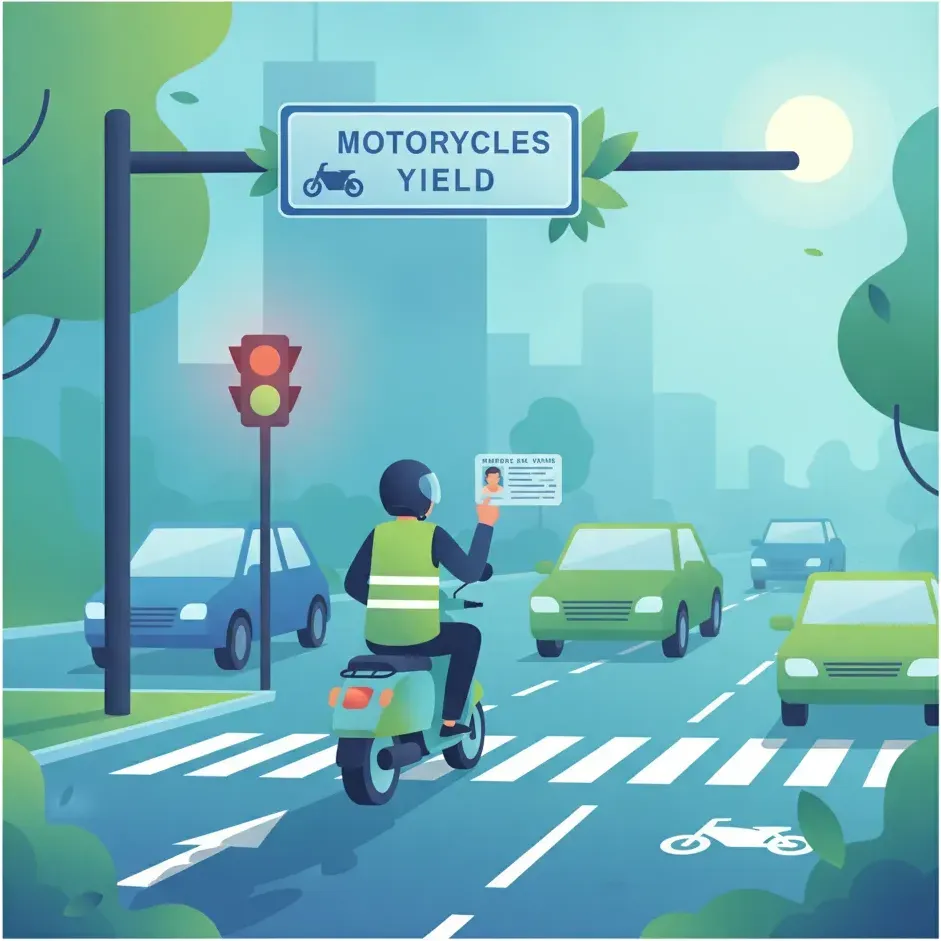
This lesson covers the primary legal requirements that every moped rider must follow when navigating public traffic systems within Turkey. It focuses on the mandatory application of traffic signals, correct lane selection, appropriate overtaking procedures, and the specific speed limitations set for light motorized vehicles. By understanding these regulatory bounds, you will avoid high traffic fines and licence point deductions while ensuring that your riding practices strictly align with national highway laws.
Find clear answers to common questions learners have about Enhancing Visibility Through Apparel and Lights. Learn how the lesson is structured, which driving theory objectives it supports, and how it fits into the overall learning path of units and curriculum progression in Turkey. These explanations help you understand key concepts, lesson flow, and exam focused study goals.
Yes, current traffic regulations require mopeds to have their lights on during the day to increase visibility to other road users, which is a frequent topic in the MTSK e-sınav.
While the exam focuses on legal requirements, understanding that high-visibility gear is a fundamental part of defensive driving is essential for answering hazard perception and safety-based questions correctly.
Always maintain a position in the lane that allows the driver ahead or behind to see you in their mirrors, and avoid hovering next to the rear wheels of larger vehicles.
Use our comprehensive practice search to find exactly the Turkish driving theory questions you need to master. Whether reviewing specific road signs, traffic rules, or first aid scenarios, select your perfect practice set and boost your confidence for the official ehliyet sınavı.