
This lesson covers the essential traffic signs, markings, and signal protocols required for motorcycle riders in Turkey. Understanding these rules is fundamental to your safety and is a key component of the official theory exam for A1, A2, and A license categories.
Lesson content overview
Navigating the diverse road network of Turkey on a motorcycle requires not just physical skill, but an absolute mastery of visual road language. For riders preparing for their A1, A2, or A category licences under the Turkish traffic education framework, understanding traffic signs (trafik işaret levhaları) is a core legal and practical requirement.
In Turkey, traffic signs are regulated by the General Directorate of Highways (Karayolları Genel Müdürlüğü or KGM) in accordance with international standards, specifically the Vienna Convention on Road Signs and Signals. However, local applications, specific urban restrictions, and motorcycle-specific challenges demand a deep, contextual understanding.
This guide details the categories, legal weight, and physical realities of traffic signs under Turkish traffic law (Karayolları Trafik Kanunu), helping you build the hazard-prediction skills necessary to ride safely and pass your official theory exam.
Before diving into individual signs, every motorcycle rider must understand the legal hierarchy of traffic control. If different sources of traffic information conflict, you must obey them in the following order of precedence:
Traffic Police Officers (Trafik Polisi): Hand signals and directions from an officer override all other signals, lights, and signs.
Traffic Lights (Işıklı Trafik İşaretleri): Temporary control signals override physical, static signs and road markings.
Vertical Traffic Signs (Trafik Levhaları): Metal, post-mounted signs override horizontal markings painted on the road surface.
Horizontal Road Markings (Yol Çizgileri): Painted lines, symbols, and arrows on the asphalt have the lowest priority but remain legally binding when no higher authority overrides them.
Example: If a traffic light is green, but a traffic police officer is holding up a hand indicating you must stop, you must stop immediately. Ignoring the officer is a high-tier traffic violation, regardless of the light or sign status.
Regulatory signs impose mandatory actions, indicate rights-of-way, or dictate prohibitions that drivers must strictly follow. Under Turkish traffic law, failing to obey a regulatory sign constitutes a direct traffic violation, resulting in monetary fines and penalty points (ceza puanı) on your driving record.
Regulatory signs are typically circular. They are divided into two main visual categories:
As a motorcyclist, you must pay specific attention to signs that exclude certain vehicle classes or restrict passing maneuvers.
This sign is often placed at the entrances of certain pedestrianised zones, historic city centres (such as parts of Istanbul's Fatih district), or specific tunnels and bridges where high winds or narrow lanes make motorcycle transit hazardous.
Motorcycle Speed Limits in Turkey: Speed limits are not uniform across all vehicle classes. Even if a general sign displays 90 km/h, the official Turkish traffic regulations dictate different maximum speeds for motorcycles (A1, A2, A) on intercity highways and motorways compared to passenger cars. Always verify the current speed regulations for your specific engine capacity.
Mandatory signs dictate the path you must take. They reduce cognitive load by removing choice at complex junctions.
For riders, failing to follow a mandatory direction sign can position you against oncoming traffic on one-way streets, resulting in high-impact collision risks.
Warning signs alert road users to upcoming physical hazards, changes in road design, or environmental conditions. In Turkey, warning signs are triangular with a red border and a white or yellow background.
While warning signs are generally advisory (recommending action rather than legally commanding it), ignoring them can be legally classified as negligence in the event of an accident. Furthermore, due to the two-wheeled nature of motorcycles, physical hazards that cause minor bumps for cars can be catastrophic for riders.
Surface quality is paramount for motorcycle stability, as the tyre contact patch is extremely small compared to a car.
When you encounter this sign, you must immediately adjust your riding state:
On loose gravel, a motorcycle's front tyre can easily wash out, leading to a low-side crash. Upon seeing this sign, slow down before reaching the loose material and maintain a steady, constant throttle setting to keep the chassis stable.
Changes in road direction or slope significantly affect a motorcycle's cornering clearance and braking capacity.
When approaching a dangerous curve:
Informational signs are rectangular or square. They guide you along your route, identifying cities, services, lane configurations, and special traffic zones. They do not carry immediate penalties unless paired with a regulatory sign, but they are essential for safe, stress-free navigation.
The background colour of informational signs on Turkish roads tells you the type of road network you are navigating:
On Turkish motorways, minimum speed limits apply (typically 40 km/h), and certain slow-moving vehicles, including mopeds under 50cc (which require a Class B or specialized license but are restricted from high-speed roads), are strictly prohibited. Aspiring riders of A1 (up to 125cc) and A2/A categories must ensure their vehicle is legally permitted and capable of maintaining safe highway speeds.
Traffic signs in Turkey are positioned based on strict engineering guidelines established by the KGM. These placements ensure that drivers travelling at the design speed of the road have enough time to perceive, process, and react to the sign.
The distance between a warning sign and the hazard itself is calculated based on the average speed limit of the road segment:
| Road Type | Average Speed Limit | Typical Sign Placement Distance |
|---|---|---|
| Urban / Built-up Areas | 50 km/h | 50 to 100 metres before the hazard |
| Intercity Highways | 90 km/h | 100 to 150 metres before the hazard |
| Expressways / Motorways | 110 - 130 km/h | 150 to 250 metres before the hazard |
Let's analyse several common scenarios where motorcyclists frequently fail to interpret or obey traffic signs, resulting in high accident rates and legal penalties.
Sign interpretation cannot occur in a vacuum. A rider must adjust their response to signs based on immediate external variables.
When riding in poor weather, a warning sign's message is amplified:
At night, your field of vision is limited to your headlight beam. This reduces your pre-emptive scanning distance.
To pass the theoretical exam and communicate effectively with local licensing authorities, memorize these official terms:
Safe motorcycle riding is built on the foundation of SIPDE: Search, Identify, Predict, Decide, and Execute. Traffic signs are the primary inputs for the "Identify" and "Predict" phases.
As a rider, develop a continuous visual scanning routine. Never fixate on the road directly in front of your front tyre. Instead, keep your eyes moving: look far down your path of travel, scan the right and left shoulders for signs, check your mirrors, and reassess the road surface. By recognizing signs early, you ensure you always have the time, space, and traction needed to react safely.
Explore all units and lessons included in this driving theory course.
Lesson content overview
Explore all units and lessons included in this driving theory course.
Explore search topics learners often look for when studying Interpretation of Traffic Signs. These topics reflect common questions about road rules, driving situations, safety guidance, and lesson level theory preparation for learners in Turkey.
Browse additional driving theory lessons that cover connected traffic rules, road signs, and common driving situations related to this topic. Improve your understanding of how different rules interact across everyday traffic scenarios.
Understand the official order of precedence for traffic instructions in Turkey. Learn how to interpret the priority between traffic police, signal lights, vertical signs, and road markings to ensure legal compliance and safe decision-making on the road.

This lesson provides an in-depth understanding of traffic light signals and their role in regulating intersection traffic. Learners will study the meanings of red, yellow, and green lights, as well as pedestrian and bicycle signals. The lesson also covers special conditions such as flashing signals and signal malfunctions. Emphasis is placed on the correct driver response to each signal phase.
This lesson delves into the regulatory traffic signs that dictate mandatory and prohibited actions for drivers. Learners will study signs indicating speed limits, stop and yield requirements, no-entry zones, and lane usage directives. The lesson also covers temporary regulatory signs used in construction or special events, emphasizing the importance of adhering to these signs to avoid penalties.
Correctly interpreting traffic signal sequences and priority rules is crucial for preventing devastating right-angle collisions at intersections. This lesson breaks down the phase progression of standard lights, the meanings of flashing amber or red indicators, and the hierarchy of traffic control when a police officer is directing vehicles. You will also master the basic legal default rules of right-of-way, such as yielding to vehicles coming from the right at uncontrolled junctions.
In this lesson, learners explore vertical road markings, primarily focusing on signs mounted on poles or overhead structures. Topics include direction indicators, speed limit signs, warning signs, and regulatory signs. The lesson emphasizes the importance of sign placement, illumination, and visibility in ensuring driver compliance. Real-world scenarios demonstrate how drivers should interpret and react to vertical markings.
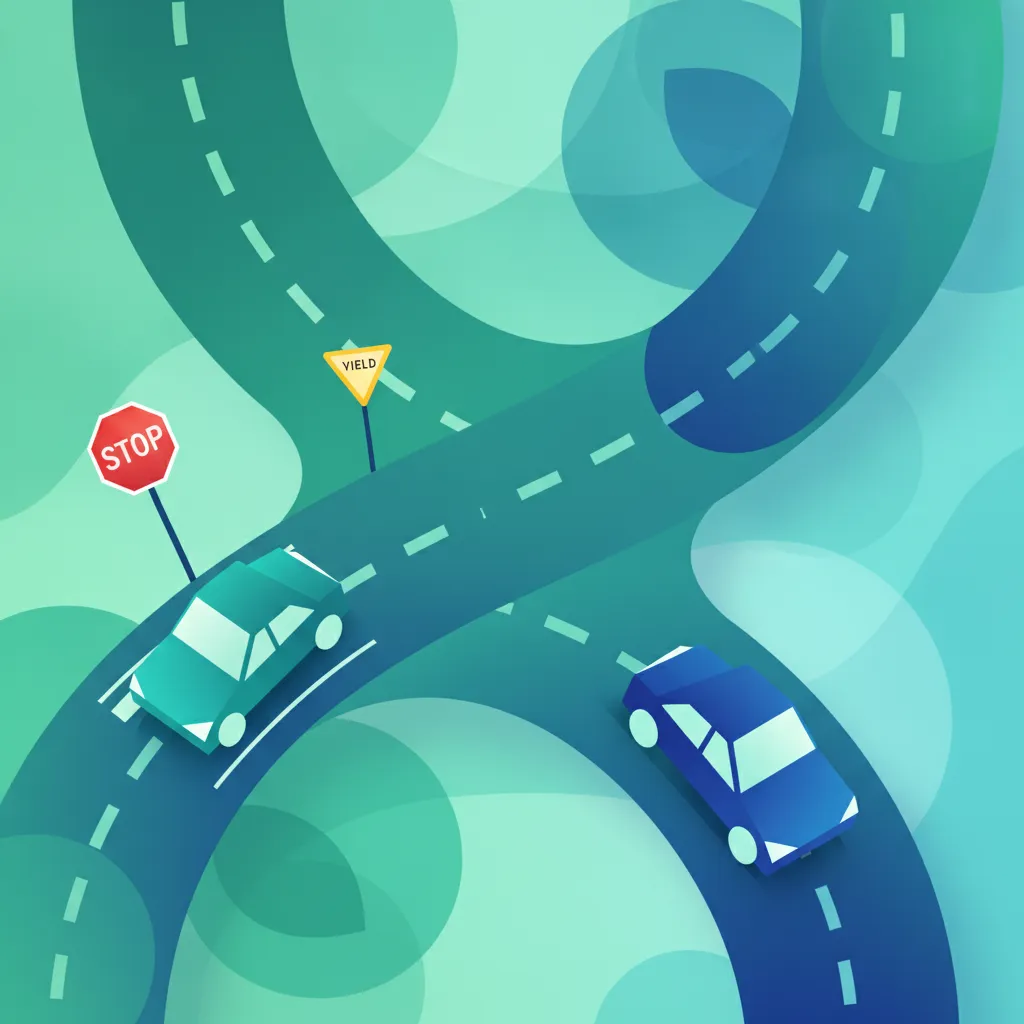
This lesson focuses on priority rules at controlled intersections equipped with traffic signals, stop signs, or yield signs. Learners will understand how to interpret traffic light phases, comply with stop and yield indications, and assess right-of-way at these intersections. The lesson also covers pedestrian and cyclist considerations, as well as emergency vehicle priority.

In this lesson, learners explore warning traffic signs designed to alert drivers to potential hazards ahead. Topics include signs indicating curves, steep descents, slippery surfaces, pedestrian crossings, and school zones. The lesson emphasizes the importance of interpreting these signs correctly to adjust speed and driving behaviour, thereby preventing accidents.
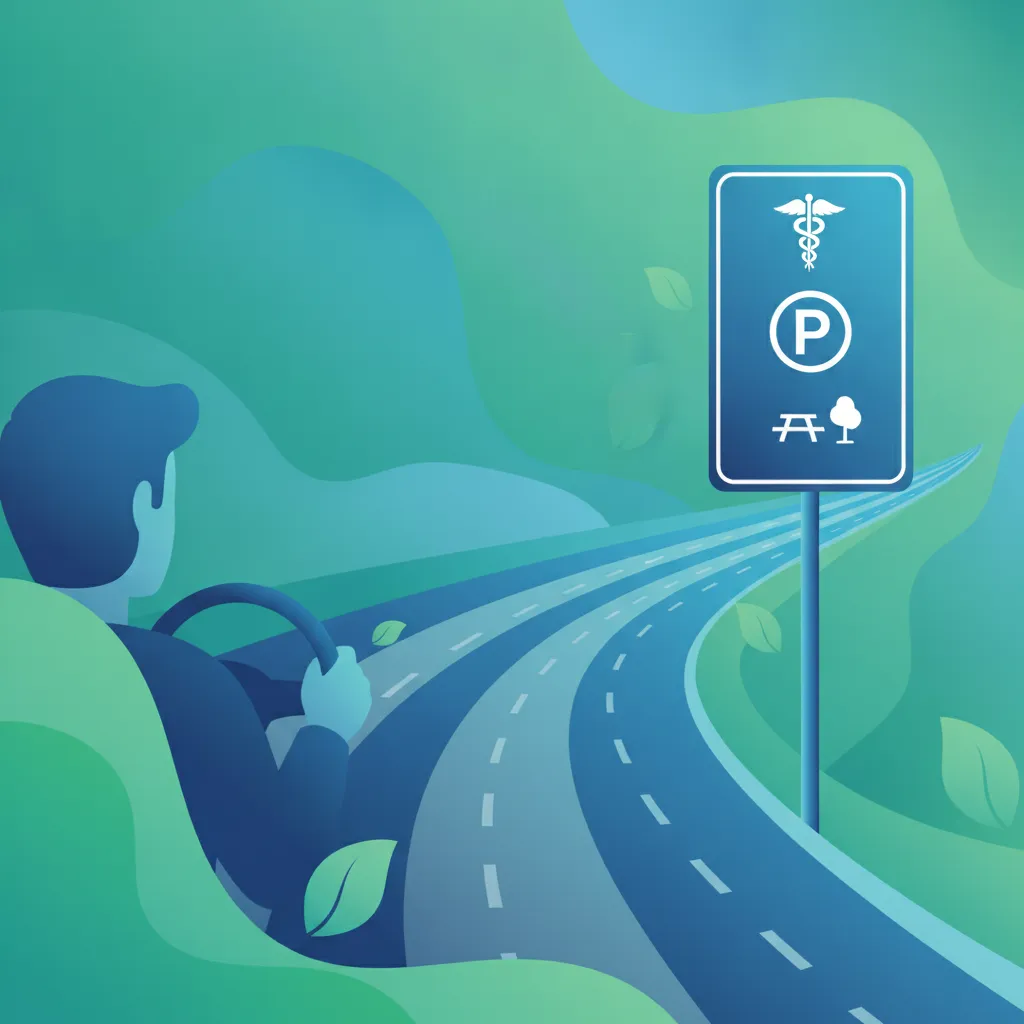
This lesson focuses on informational traffic signs that provide guidance and essential information to drivers. Learners will examine signs indicating directions, distances to cities, service areas, fuel stations, hospitals, police stations, and tourist attractions. The lesson highlights the role of these signs in facilitating navigation and ensuring drivers can locate essential services safely.
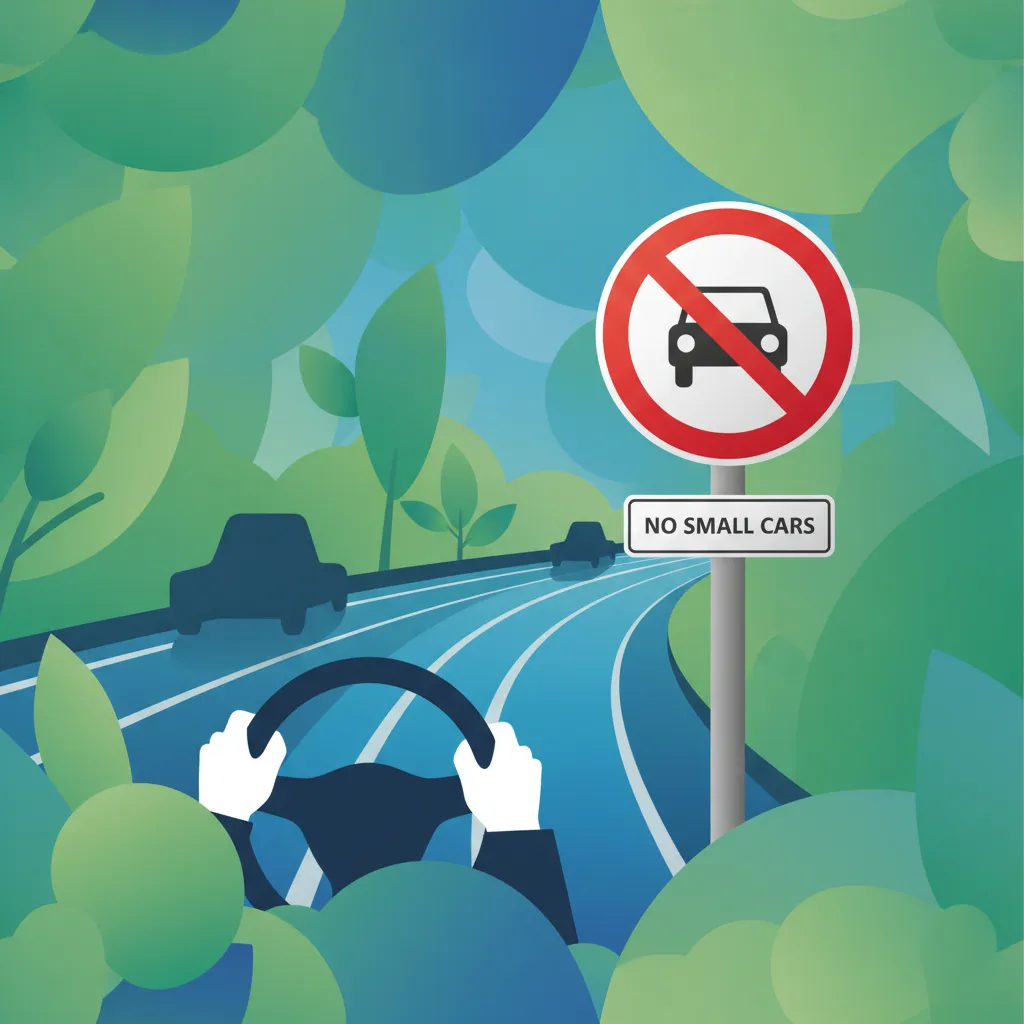
Regulatory traffic signs convey absolute legal commands that riders must obey to avoid heavy fines and ensure safe, orderly movement. This lesson walks through prohibitory indicators, mandatory speed limits, turn restrictions, and specific moped bans on motorways or designated high-speed corridors. You will learn to recognize the distinctive shapes and colors of these signs, enabling rapid, accurate decision-making while operating your lightweight vehicle under Turkish highway laws.
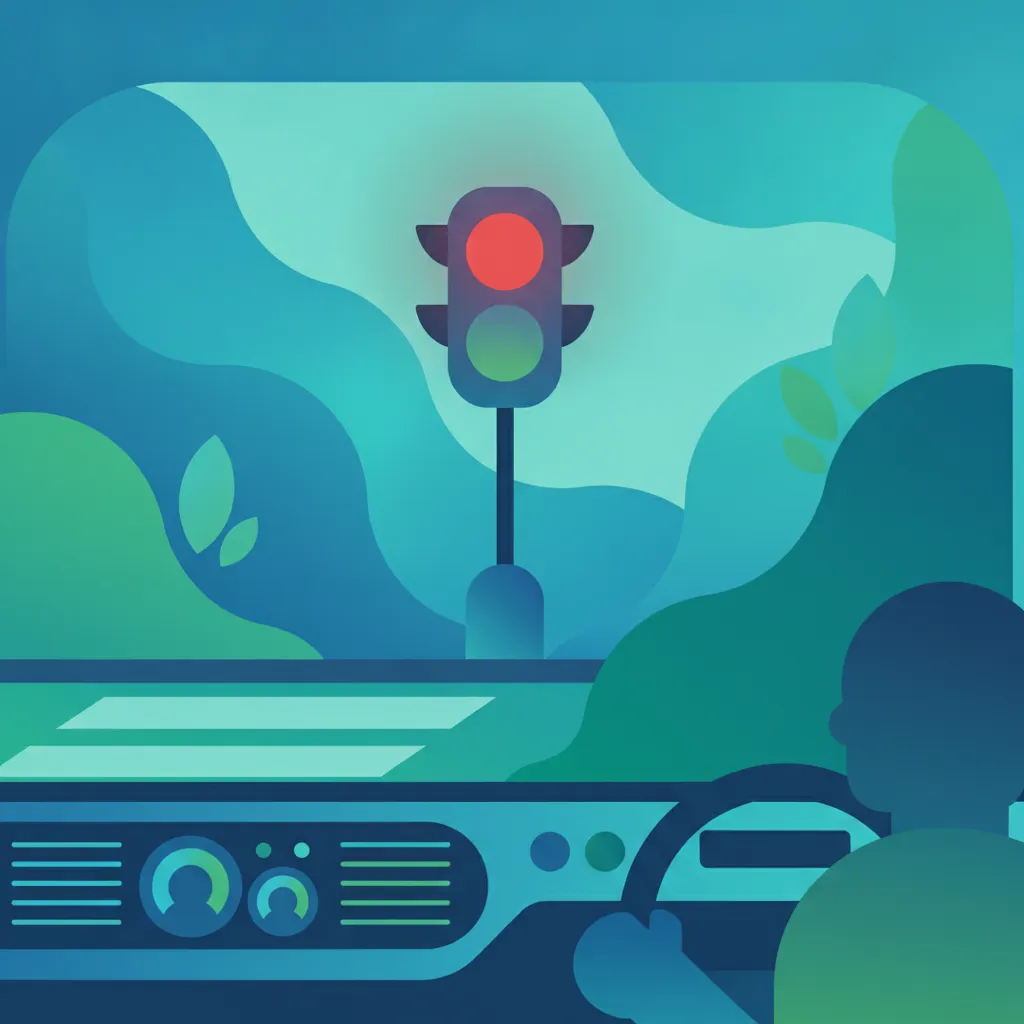
In this lesson, learners will explore the functioning of traffic lights and their impact on motorcycle riding. It delves into the meanings of red, amber, and green lights, as well as dedicated turn arrows and pedestrian signals. The lesson highlights specific considerations for motorcyclists at intersections, such as the appropriate response to amber lights, the use of turn arrows for safe lane changes, and legal crossing obligations.
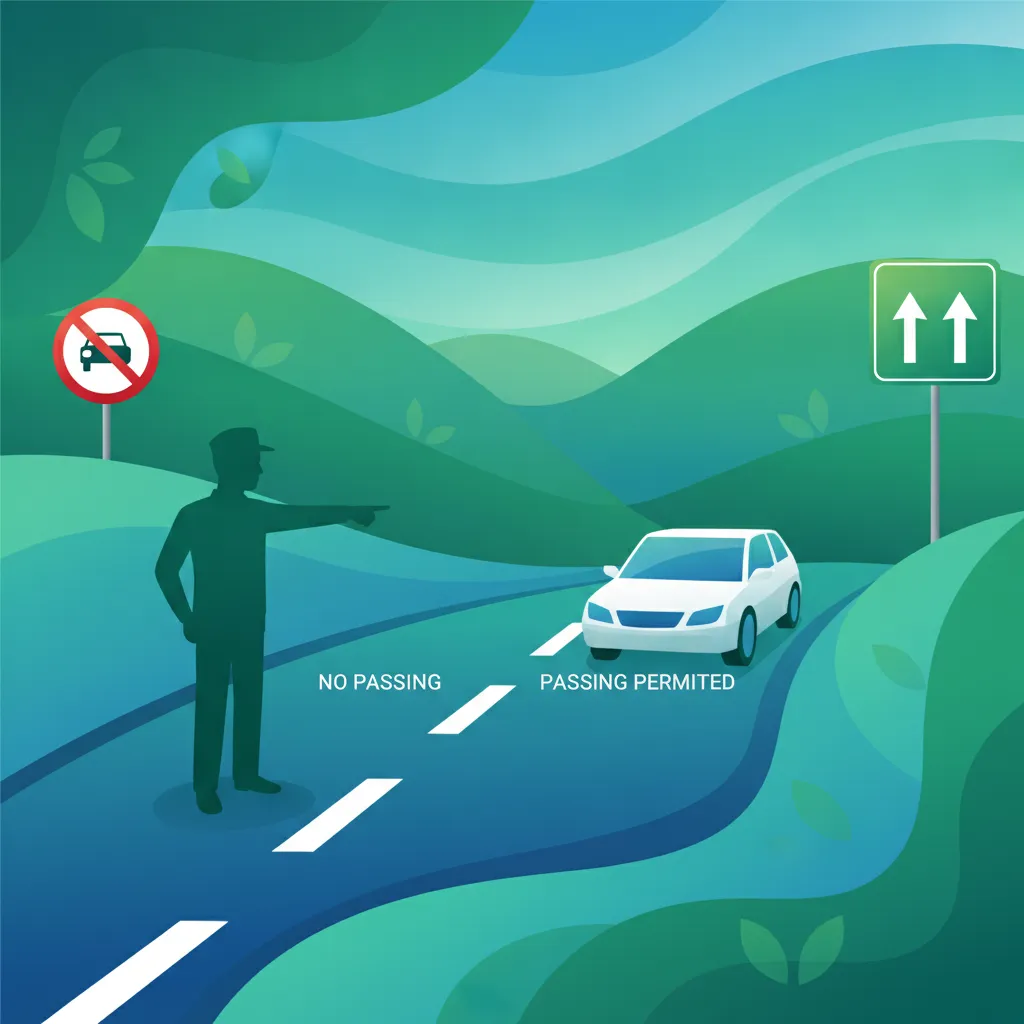
This lesson covers the various road surface markings that motorcyclists must be aware of, such as lane lines, turn arrows, and dedicated bike lanes. It explains how to interpret solid and broken lines, the meaning of specific arrows for turning or lane changes, and the significance of pedestrian crossing markings. Understanding these visual cues is essential for maintaining lane discipline and performing safe road maneuvers.
Explore the different categories of triangular warning signs and how they alert riders to road surface conditions and physical hazards. This guide focuses on interpreting environmental cues and geometric changes to maintain stability and safety in various driving conditions across Turkey.
In this lesson, learners explore warning traffic signs designed to alert drivers to potential hazards ahead. Topics include signs indicating curves, steep descents, slippery surfaces, pedestrian crossings, and school zones. The lesson emphasizes the importance of interpreting these signs correctly to adjust speed and driving behaviour, thereby preventing accidents.
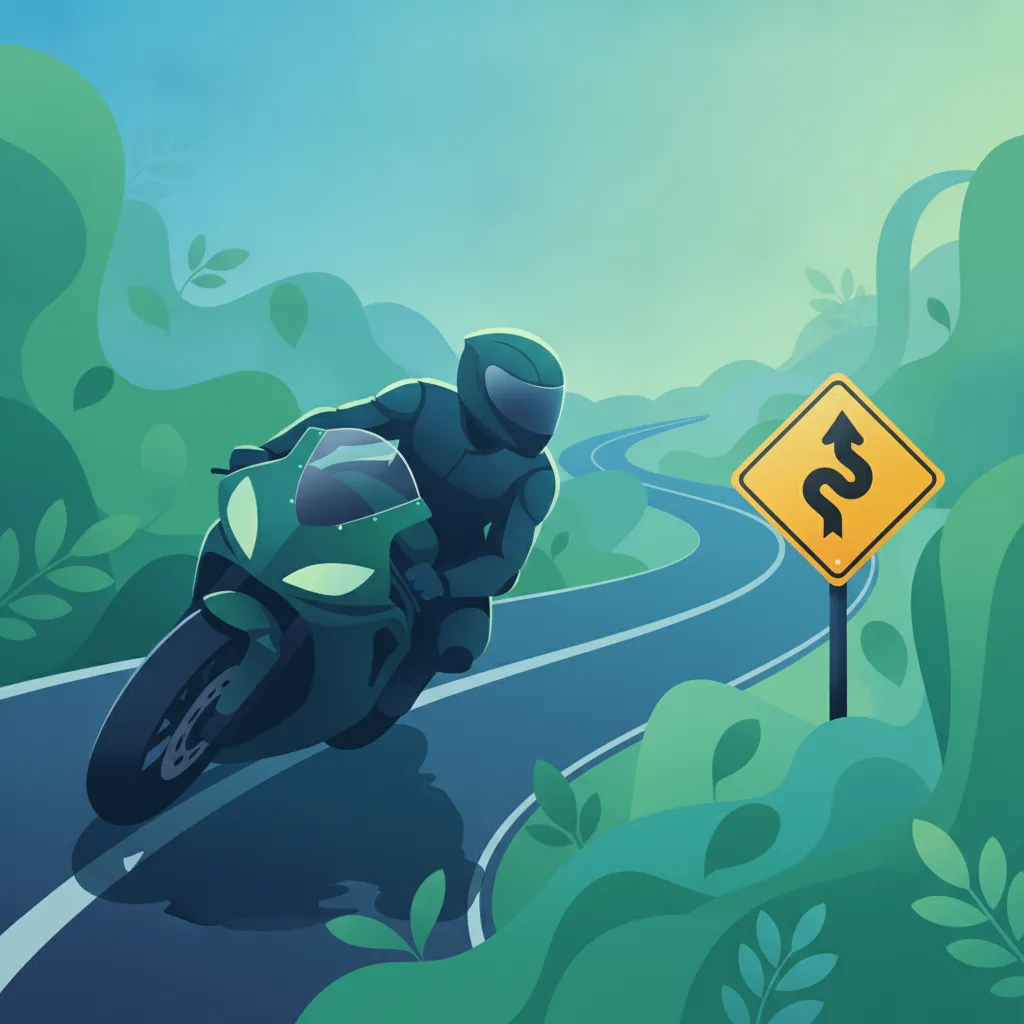
Warning signs alert road users to impending physical conditions, dangers, or layout alterations that require immediate driver attention and speed adjustment. This lesson focuses on indicators of sharp bends, narrowing paths, slippery road surfaces, upcoming pedestrian crosswalks, and school warning zones. You will study how to interpret these yellow-and-red triangular signs to safely modify your approach speed and gear your attention toward potential hazards unique to lightweight mopeds.
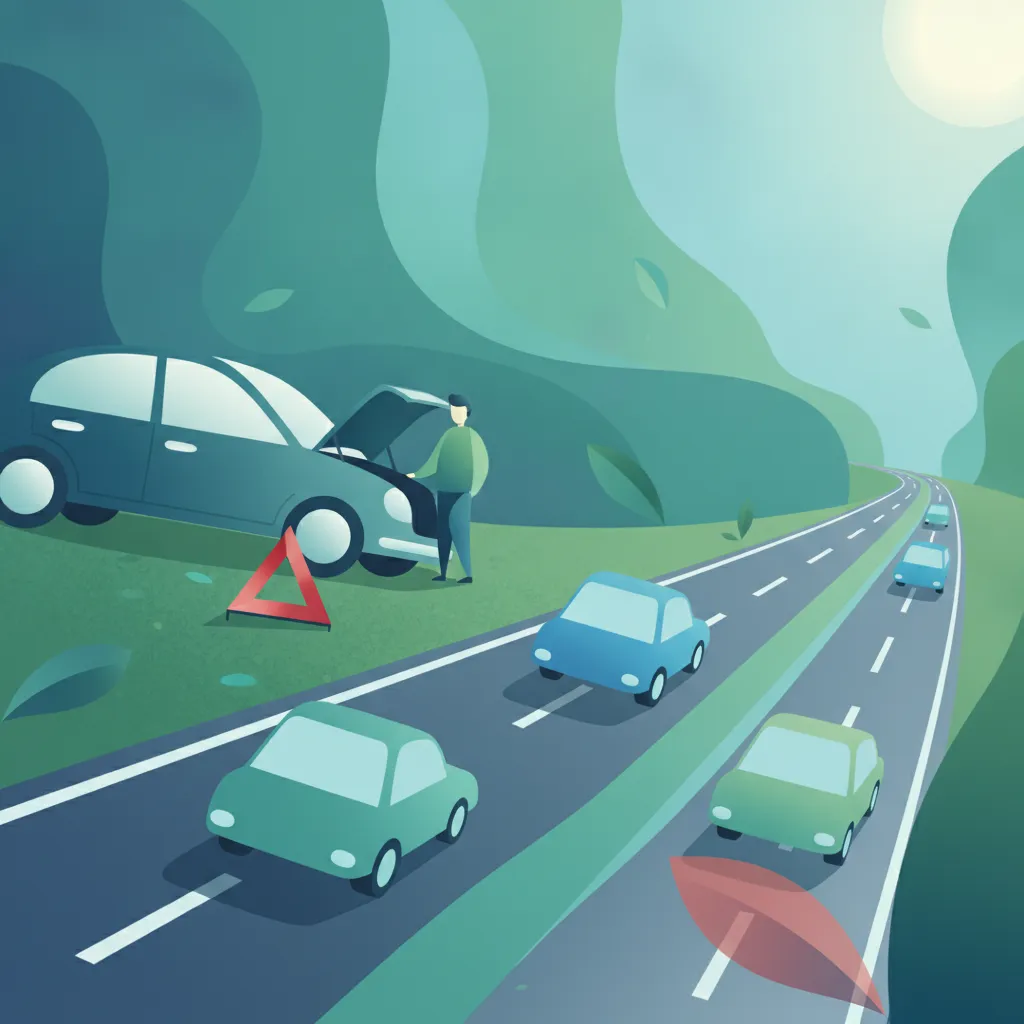
This lesson examines portable and electronic warning devices used to inform drivers of temporary road conditions. Learners will explore the use of movable signs, electronic variable message signs, speed display devices, and reflective hazard cones. The lesson emphasizes the significance of these devices in construction zones, roadworks, and dynamic traffic situations.
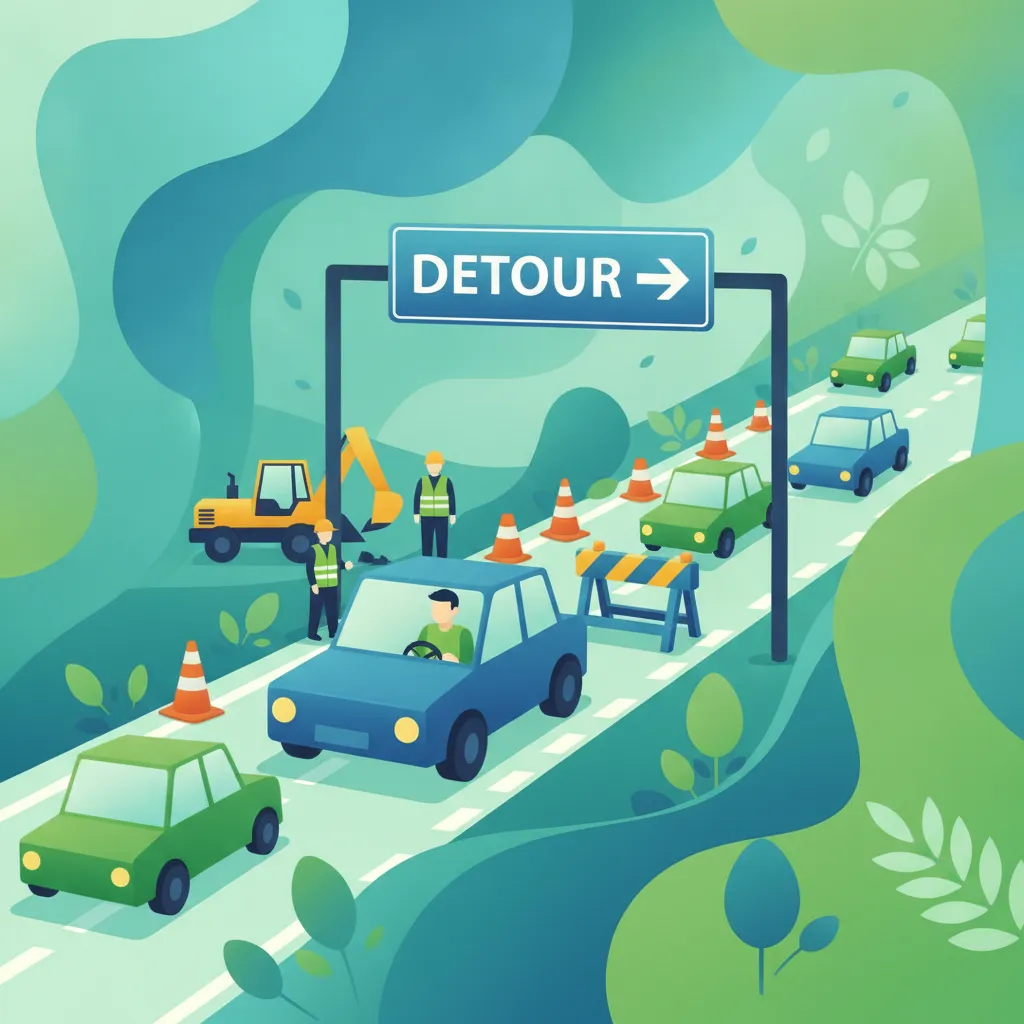
This lesson guides motorists on how to safely navigate active roadwork zones, detours, and temporary lane configurations. It details the meaning of construction signs, temporary speed reductions, and the legal requirement to protect highway workers. Drivers will learn to expect sudden stops and maintain slow, steady speeds through work areas.

This lesson explores the hazards characteristic of rural roads, including narrow paths, lack of lighting, slow agricultural vehicles, and sharp curves. It teaches drivers how to anticipate blind corners, adjust speed, and pass slow-moving tractors safely. Motorists will learn to remain highly alert for unexpected roadway obstructions.
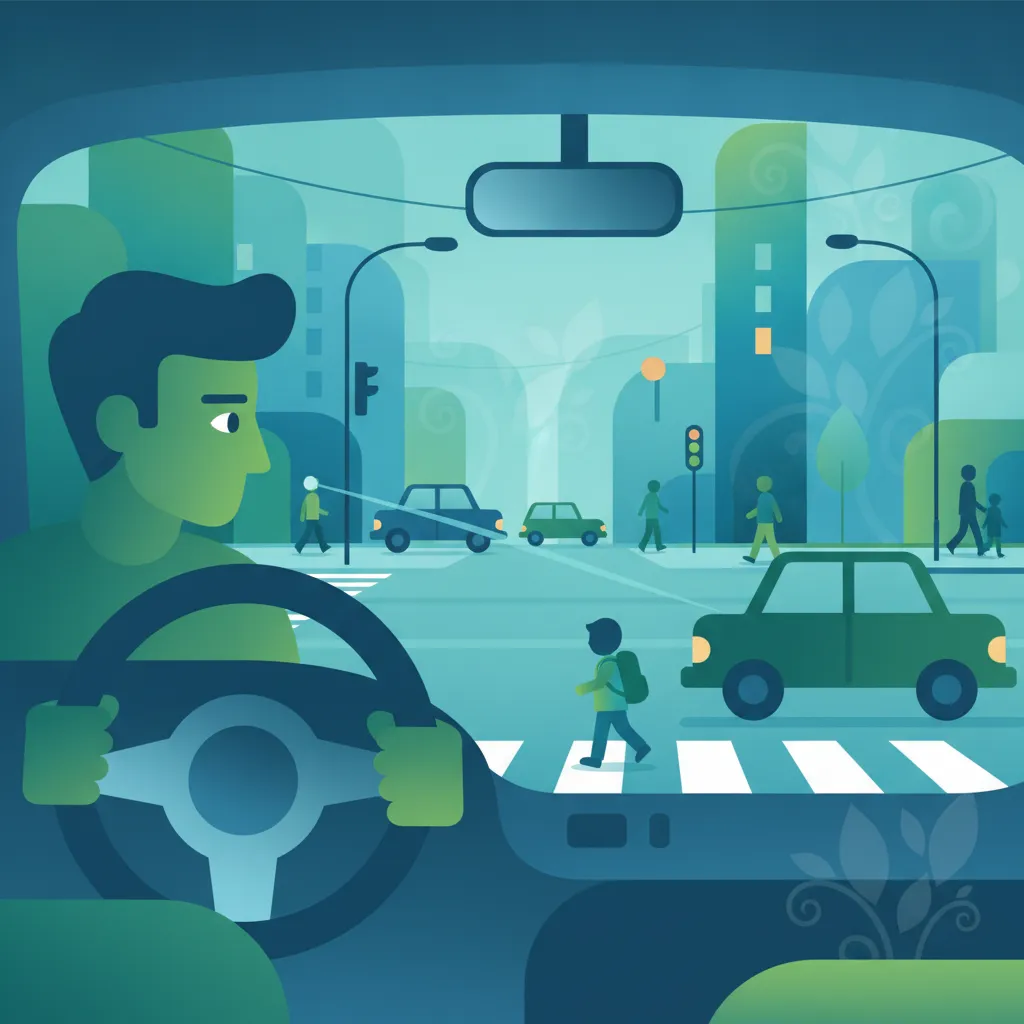
This lesson explores the critical skill of hazard identification and anticipation while driving. Topics include recognizing potential risks in traffic, road conditions, and environmental factors. Learners will develop skills in anticipatory driving to proactively address hazards before they become dangerous. Real-world examples illustrate how to maintain vigilance.
This lesson covers the various road surface markings that motorcyclists must be aware of, such as lane lines, turn arrows, and dedicated bike lanes. It explains how to interpret solid and broken lines, the meaning of specific arrows for turning or lane changes, and the significance of pedestrian crossing markings. Understanding these visual cues is essential for maintaining lane discipline and performing safe road maneuvers.
In this lesson, learners explore vertical road markings, primarily focusing on signs mounted on poles or overhead structures. Topics include direction indicators, speed limit signs, warning signs, and regulatory signs. The lesson emphasizes the importance of sign placement, illumination, and visibility in ensuring driver compliance. Real-world scenarios demonstrate how drivers should interpret and react to vertical markings.

This lesson details defensive driving techniques for adverse weather conditions such as rain, snow, black ice, dense fog, and strong winds. It explains the physics of aquaplaning and how to regain vehicle control when losing traction on slippery surfaces. Drivers will learn how to adjust speed and increase safety gaps to prevent weather crashes.
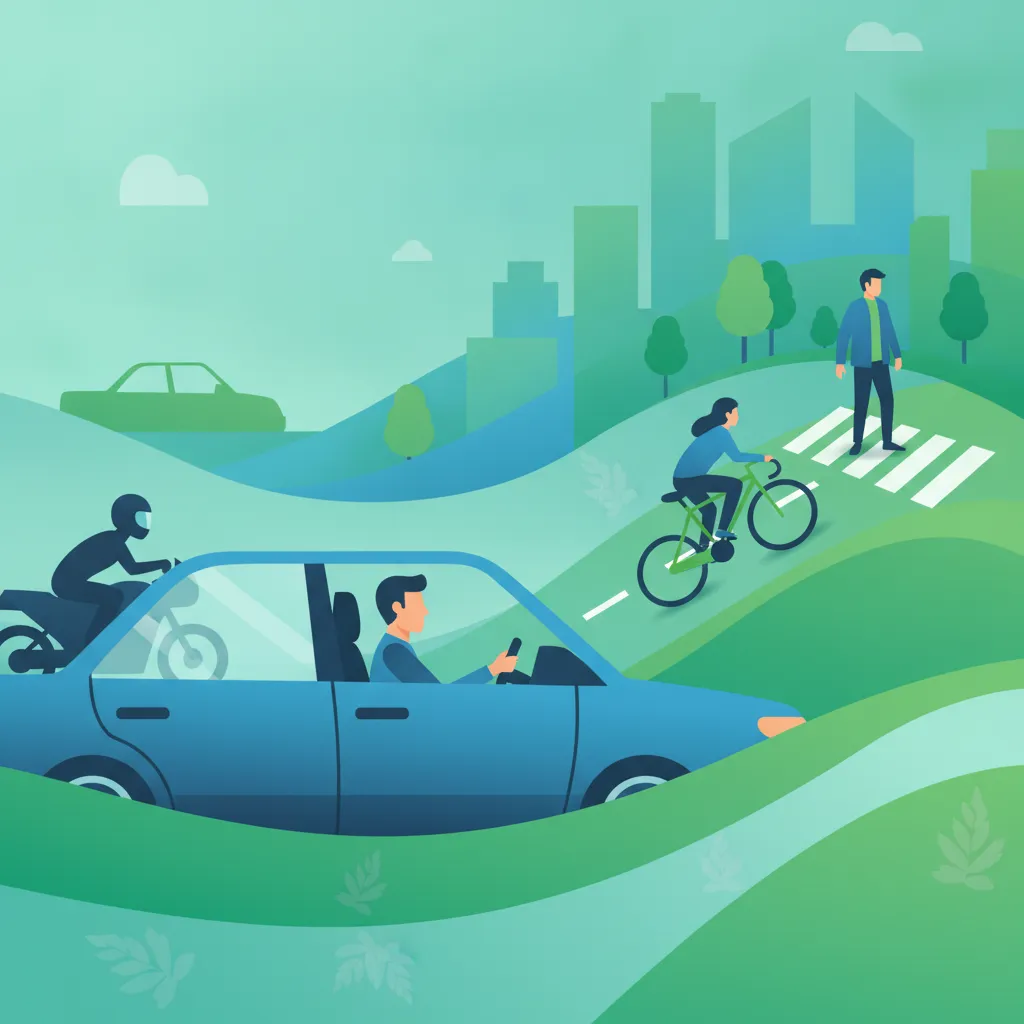
Learners will examine the complexities of operating in environments where various road users, including pedestrians, cyclists, and motorcyclists, coexist. The lesson emphasizes the need for heightened situational awareness, defensive driving techniques, and proactive hazard anticipation. Strategies for navigating mixed traffic safely, especially in congested urban areas, are highlighted.
Find clear answers to common questions learners have about Interpretation of Traffic Signs. Learn how the lesson is structured, which driving theory objectives it supports, and how it fits into the overall learning path of units and curriculum progression in Turkey. These explanations help you understand key concepts, lesson flow, and exam focused study goals.
Regulatory signs, often circular with red borders, mandate specific behaviors like stopping or speed limits. Warning signs are typically triangular with red borders and alert you to potential hazards ahead, such as curves or pedestrian crossings, requiring you to adjust your speed accordingly.
Yes, motorcyclists are subject to the same traffic signs and signals as all other motor vehicles. However, motorcyclists must pay extra attention to signs related to lane positioning and specific prohibitions that might apply to two-wheeled vehicles.
Road markings, such as lane dividers and stop lines, carry the same legal weight as vertical signs. In the MTSK e-sınav, questions often combine both to test your situational awareness and your ability to follow the hierarchy of traffic rules.
Focus on the shape and color coding defined in Turkish law: red circles generally mean prohibition or mandate, triangles mean warning, and blue circles mean mandatory instructions. Practice with our visual quizzes to memorize these patterns effectively.
Use our comprehensive practice search to find exactly the Turkish driving theory questions you need to master. Whether reviewing specific road signs, traffic rules, or first aid scenarios, select your perfect practice set and boost your confidence for the official ehliyet sınavı.