This lesson guides you through the complex rules of navigating roundabouts safely while riding a moped or light motorized bicycle. You will learn the exact priority regulations and defensive maneuvers required to pass your Turkish MTSK e-sınav and ensure your safety on the road.
Lesson content overview
Mastering the navigation of roundabouts—known as dönel kavşak in Turkish traffic law—is one of the most critical skills for any Category AM moped (motorlu bisiklet) rider. Category AM vehicles are lightweight, have smaller engine capacities (up to 50cc), and operate at lower speeds than standard motorcycles or cars. Because of these physical limitations, navigating a circular junction requires absolute clarity on right-of-way rules, flawless lane discipline, and defensive riding tactics.
In Turkey, the Ministry of National Education (MEB) theoretical driving exam (MTSK e-sınav) frequently tests candidates on roundabout priority rules and lane positioning. This lesson provides a comprehensive, textbook-grade guide to safely entering, circulating, and exiting roundabouts on a small vehicle under Turkish traffic regulations.
The foundational rule of roundabouts in Turkey is simple yet absolute: vehicles entering a roundabout must yield to traffic already circulating inside the intersection.
Unlike some unregulated intersections where the "right-hand rule" (sağdan gelenin önceliği) applies, a roundabout has its own specific priority system. Any vehicle inside the circular roadway has the right-of-way. As a Category AM rider, you must never force your way into the circle; you must wait for a safe gap in traffic before crossing the entry line.
When you approach a roundabout, you will typically see the T-22 Roundabout Ahead warning sign, followed closely by the TT-1 Yield sign (an inverted triangle) at the entrance line. These signs legally mandate that you prepare to slow down or stop to let circulating vehicles pass.
Common Misconception: Some motorists mistakenly believe that larger or faster vehicles always have priority at intersections. Under Turkish Traffic Law (Karayolları Trafik Kanunu), a moped already circulating inside the roundabout has legal priority over a truck or car waiting to enter. However, as a vulnerable road user, you should never assume other drivers will respect your right-of-way. Always ride defensively.
To safely navigate a circular intersection, you must break the maneuver down into four distinct phases: approach, entry, circulation, and exit.
Your preparation begins approximately 50 to 100 metres before the roundabout entrance.
Reduce Speed: Roll off the throttle and apply both brakes smoothly to decrease your speed. Your entry speed should typically be between 15 km/h and 25 km/h.
Position Your Vehicle: Position yourself in the correct lane based on your intended exit. If you plan to take the first exit (turning right), stay in the right-hand lane. If you plan to go straight or turn left, position yourself appropriately according to local road markings.
Scan the Junction: Look ahead and to your left. Identify the flow of circulating vehicles and spot any potential gaps.
Check Your Mirrors and Blind Spots: Perform a quick mirror check and a shoulder check (the "lifesaver look") to ensure no larger vehicles are attempting to overtake you from behind.
Entering requires a precise balance of throttle control and observation.
Once inside, you must maintain a steady speed and high situational awareness.
Exiting is the phase where most conflicts occur. You must communicate your intentions clearly to other road users.
Many urban areas in Turkey feature multi-lane roundabouts. Selecting the correct lane before you enter is vital to avoid crossing paths with other vehicles inside the circle.
| Intended Direction | Lane Selection on Approach | Positioning Inside the Roundabout | Signaling Protocol |
|---|---|---|---|
| First Exit (Right Turn) | Right-hand lane | Stay on the outer (right) lane of the roundabout. | Signal right on approach and maintain it until exit. |
| Second Exit (Straight Ahead) | Right-hand or Middle lane | Enter the outer lane or follow lane markings; do not change lanes. | Do not signal on entry. Signal right after passing the first exit. |
| Third Exit or U-Turn (Left Turn) | Left-hand lane | Enter the inner (left) lane of the roundabout. Move to the outer lane safely before exiting. | Signal left on approach and during circulation. Signal right after passing the exit before yours. |
The practice of maintaining a consistent position within a designated traffic lane and only changing lanes when it is safe, necessary, and after proper signaling. Poor lane discipline in roundabouts is a primary source of side-swipe accidents.
While roundabouts are designed to reduce severe right-angle collisions for cars, they present unique, high-risk physical dynamics for two-wheeled moped riders.
Because of your moped’s small profile, you easily disappear into the blind spots of passenger cars, buses, and heavy trucks. Large trucks negotiating roundabouts require wider turning paths and may swing across multiple lanes.
Roundabouts are notorious accumulation points for road debris and automotive fluids.
Mopeds have narrow tires and lightweight frames. When cornering, your vehicle relies on lateral grip. Excessive speed or sudden, jerky steering inputs can easily cause the front or rear tire to slide out, leading to a low-side fall. Keep your movements fluid, lean your body slightly with the moped, and avoid heavy front-braking while leaned over.
A professional rider must adapt their roundabout strategy based on environmental factors.
Rain significantly increases your braking distance and reduces tire grip.
Low visibility makes it harder to spot oncoming traffic and evaluate their speed.
During rush hour, drivers are often impatient and may force their way into roundabouts.
Under the Turkish Highway Traffic Regulation (Karayolları Trafik Yönetmeliği), violating roundabout rules carries strict penalties, and in the event of an accident, determines the primary fault (asli kusur).
Understanding the direct physical and legal consequences of your actions in a roundabout is essential for passing your e-sınav and staying safe on the road.
To help you study for the official Turkish Category AM theory test, familiarize yourself with these key terms:
Explore all units and lessons included in this driving theory course.
Lesson content overview
Explore all units and lessons included in this driving theory course.
Explore search topics learners often look for when studying Negotiating Roundabouts on a Small Vehicle. These topics reflect common questions about road rules, driving situations, safety guidance, and lesson level theory preparation for learners in Turkey.
Browse additional driving theory lessons that cover connected traffic rules, road signs, and common driving situations related to this topic. Improve your understanding of how different rules interact across everyday traffic scenarios.
Learn the legal priority frameworks for intersections, including the right-hand rule and specific sign-controlled junctions. This overview explains how to safely approach and cross different types of road junctions according to official Turkish highway traffic regulations.
This lesson focuses on priority rules at controlled intersections equipped with traffic signals, stop signs, or yield signs. Learners will understand how to interpret traffic light phases, comply with stop and yield indications, and assess right-of-way at these intersections. The lesson also covers pedestrian and cyclist considerations, as well as emergency vehicle priority.
In this lesson, learners explore priority rules specific to uncontrolled intersections, where traffic signals or signs are absent. Topics include determining right-of-way based on vehicle classification, approach angle, and arrival sequence. The lesson emphasizes the importance of stopping, yielding, and assessing potential hazards before proceeding.

This lesson provides an overview of the general priority principles that dictate right-of-way on Turkish roads. Topics include the hierarchy of road users, such as pedestrians, cyclists, and emergency vehicles, and how these hierarchies apply at various intersections. Learners will understand the fundamental concepts of yielding, stopping, and proceeding, as well as the importance of clear decision-making.
Correctly interpreting traffic signal sequences and priority rules is crucial for preventing devastating right-angle collisions at intersections. This lesson breaks down the phase progression of standard lights, the meanings of flashing amber or red indicators, and the hierarchy of traffic control when a police officer is directing vehicles. You will also master the basic legal default rules of right-of-way, such as yielding to vehicles coming from the right at uncontrolled junctions.
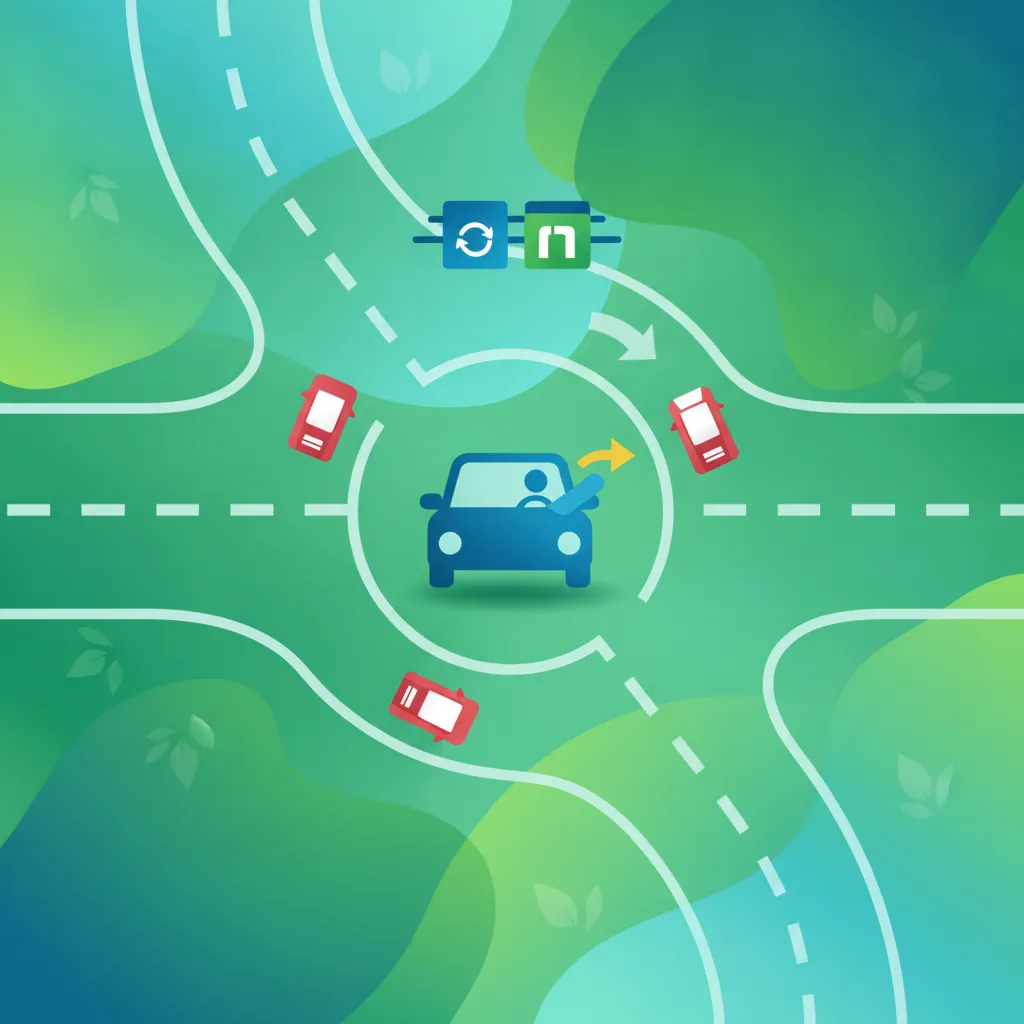
In this lesson, learners explore the specific priority rules and navigation techniques for roundabouts. Topics include yielding to traffic already in the roundabout, proper lane selection upon entry, and safe exit strategies. The lesson also addresses interactions with pedestrians and cyclists near roundabouts and the importance of maintaining appropriate speed.
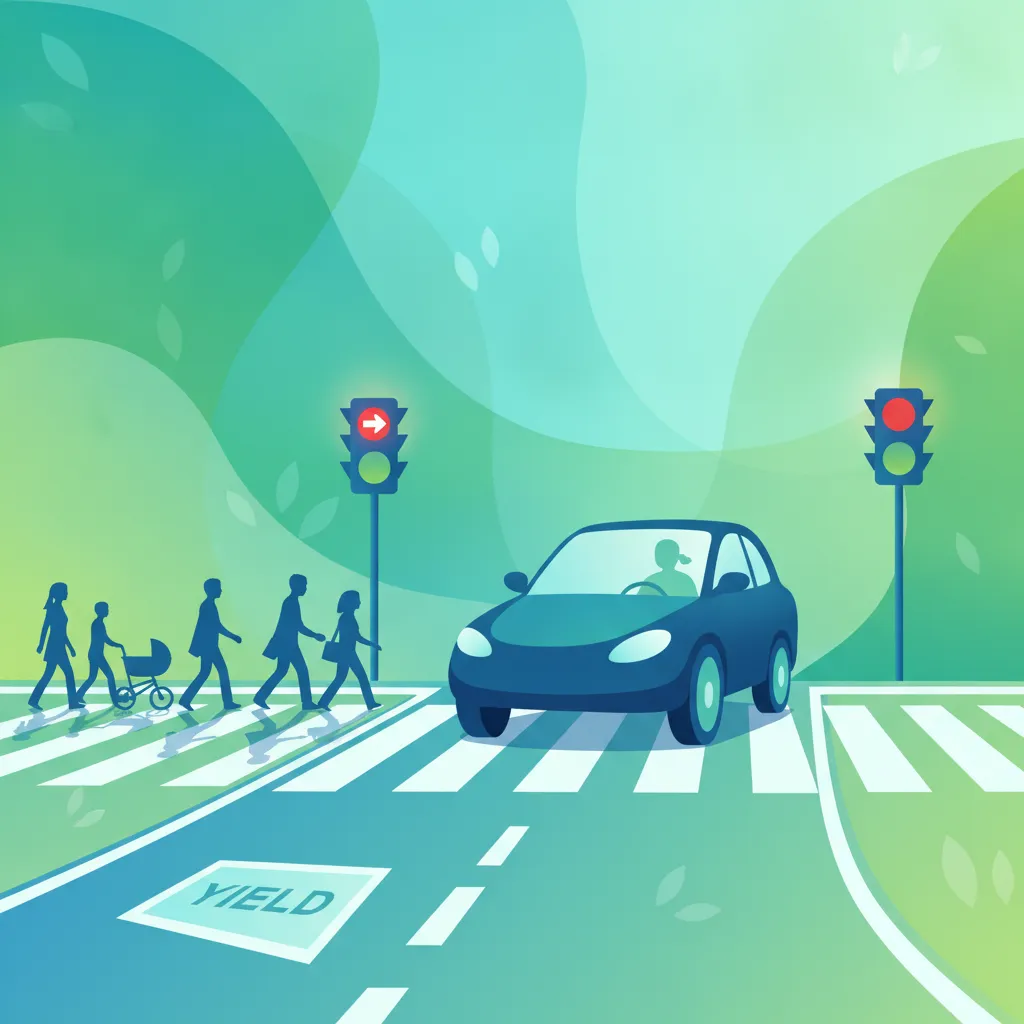
In this lesson, learners will master the skills required to safely navigate various types of intersections encountered in Turkish urban settings. The content covers interpreting traffic signals, understanding right-of-way rules, and executing proper lane positioning. Practical strategies for managing blind spots and ensuring visibility to other road users are emphasized. By the end of this session, participants will be equipped with safe crossing techniques.

This lesson focuses on the safe interaction with other traffic participants at bus stops and traffic intersections. Learners will explore right-of-way rules, signal compliance, and techniques for maintaining safe distances while stopping and departing. Understanding these interactions is vital for preventing accidents in complex traffic environments.
This lesson emphasizes the importance of yielding to pedestrians and cyclists at intersections, crosswalks, and designated lanes. Learners will understand the legal obligations to provide safe passage to vulnerable road users and the correct procedures for stopping and allowing them to cross. Real-world examples illustrate scenarios where failing to yield can lead to accidents.

Protecting vulnerable road users is a core legal and ethical responsibility for all motorized vehicle operators in Turkey. This lesson covers the absolute requirement to yield to pedestrians at marked crosswalks, zebra crossings, and designated school zones. You will learn how to identify these zones early, reduce your speed proactively, and maintain heightened situational awareness for children or distracted pedestrians who may step onto the road unexpectedly.
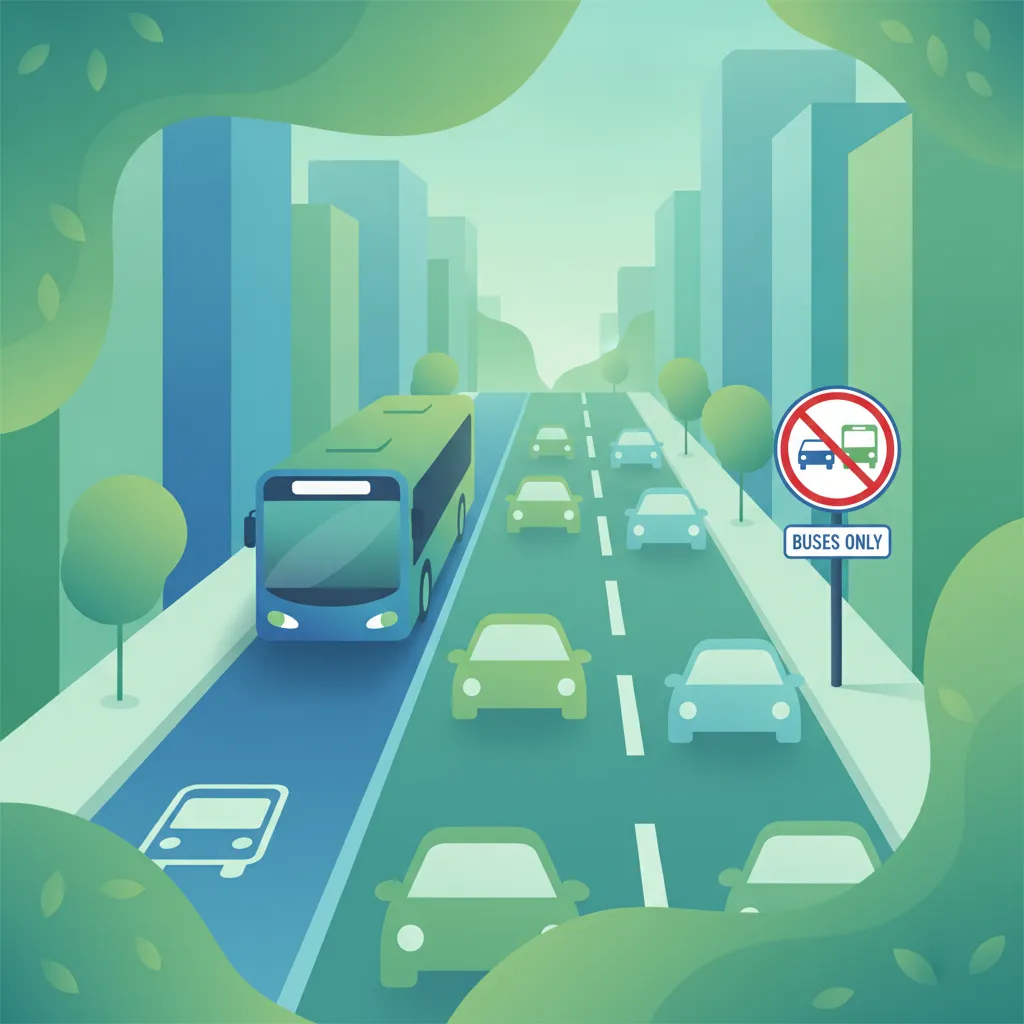
Learners will explore the specific regulations governing bus lanes, priority routes, and other legal restrictions applicable to passenger vehicles. The lesson covers the conditions under which buses may use dedicated lanes, how to navigate priority roadways, and the penalties associated with misuse. Understanding these rules is essential for efficient operation and avoiding violations in high-traffic areas.
Explore the standardized system of Turkish traffic signs and road markings designed to regulate vehicle flow. This guide clarifies the meaning of common warning and regulatory signals that drivers encounter on urban roads and motorways to improve road safety awareness.
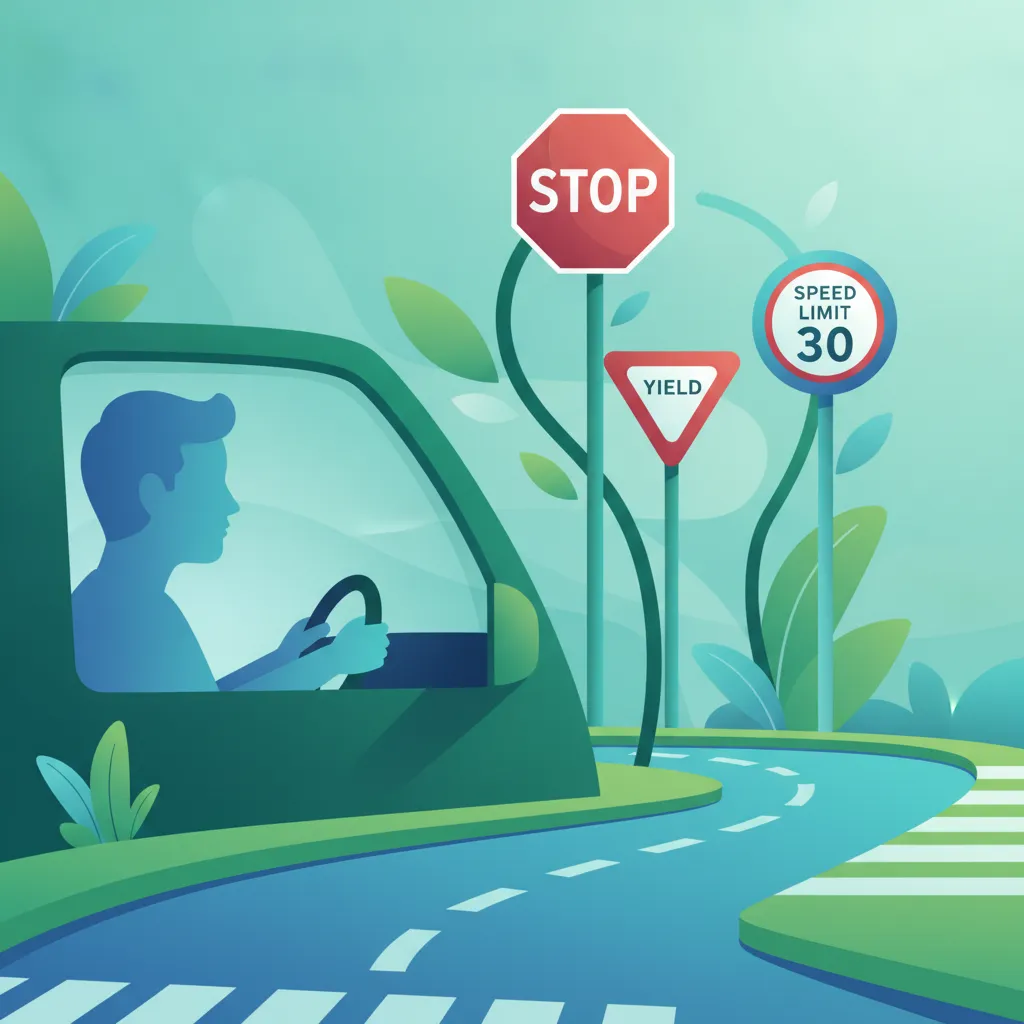
This lesson delves into the regulatory traffic signs that dictate mandatory and prohibited actions for drivers. Learners will study signs indicating speed limits, stop and yield requirements, no-entry zones, and lane usage directives. The lesson also covers temporary regulatory signs used in construction or special events, emphasizing the importance of adhering to these signs to avoid penalties.

In this lesson, learners explore warning traffic signs designed to alert drivers to potential hazards ahead. Topics include signs indicating curves, steep descents, slippery surfaces, pedestrian crossings, and school zones. The lesson emphasizes the importance of interpreting these signs correctly to adjust speed and driving behaviour, thereby preventing accidents.

In this lesson, learners will master the meanings of various traffic signs as defined by Turkish traffic legislation. The focus will be on understanding regulatory, warning, and informational signs, with particular attention to those that directly affect motorcyclists, such as speed limits and lane usage. By the end of this session, participants will be able to quickly recognize sign categories and apply the required actions safely.
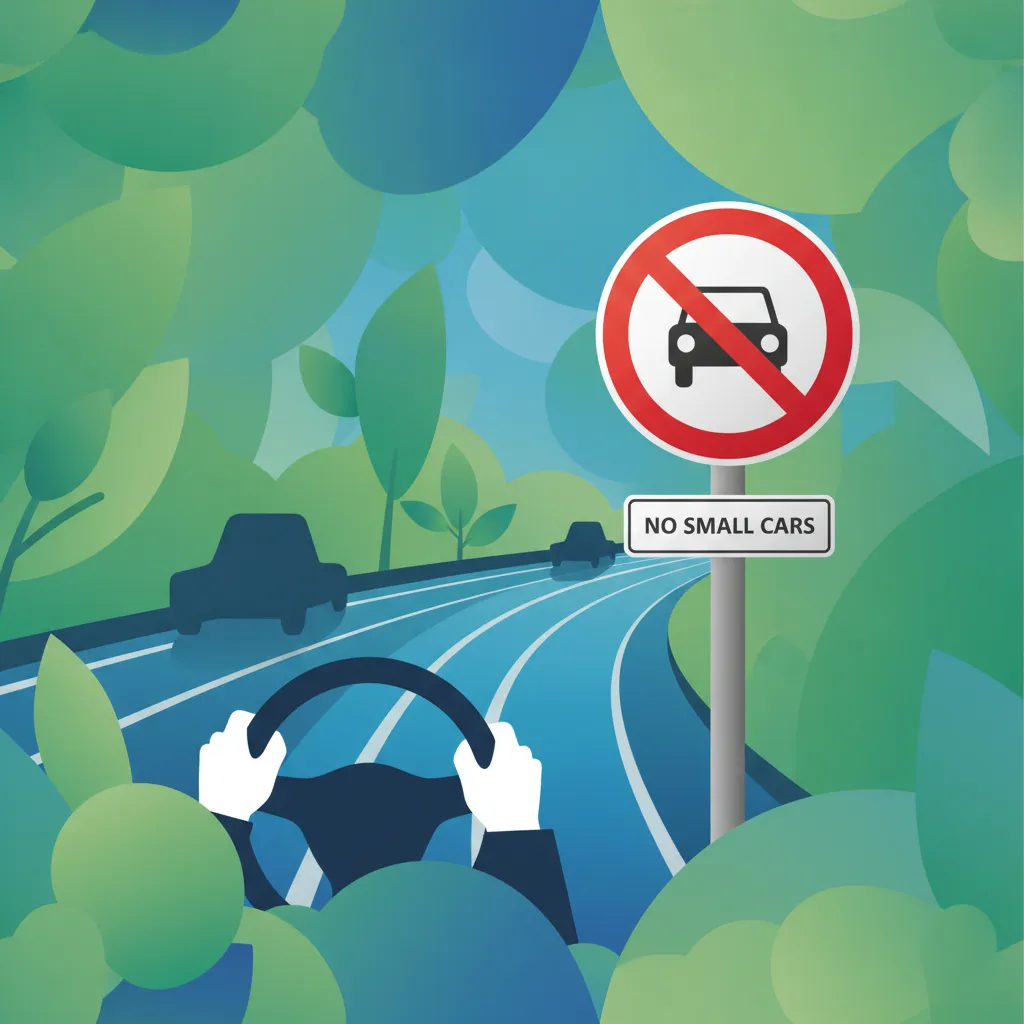
Regulatory traffic signs convey absolute legal commands that riders must obey to avoid heavy fines and ensure safe, orderly movement. This lesson walks through prohibitory indicators, mandatory speed limits, turn restrictions, and specific moped bans on motorways or designated high-speed corridors. You will learn to recognize the distinctive shapes and colors of these signs, enabling rapid, accurate decision-making while operating your lightweight vehicle under Turkish highway laws.
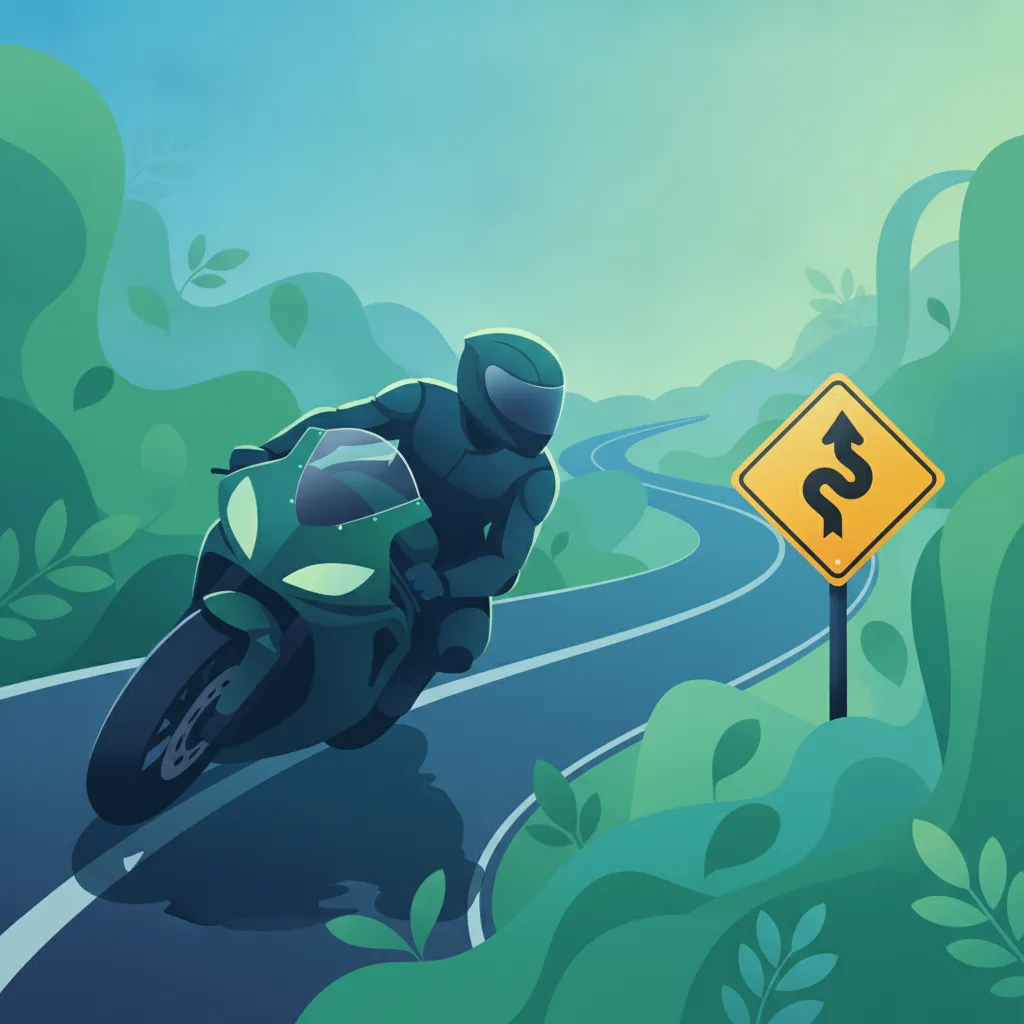
Warning signs alert road users to impending physical conditions, dangers, or layout alterations that require immediate driver attention and speed adjustment. This lesson focuses on indicators of sharp bends, narrowing paths, slippery road surfaces, upcoming pedestrian crosswalks, and school warning zones. You will study how to interpret these yellow-and-red triangular signs to safely modify your approach speed and gear your attention toward potential hazards unique to lightweight mopeds.
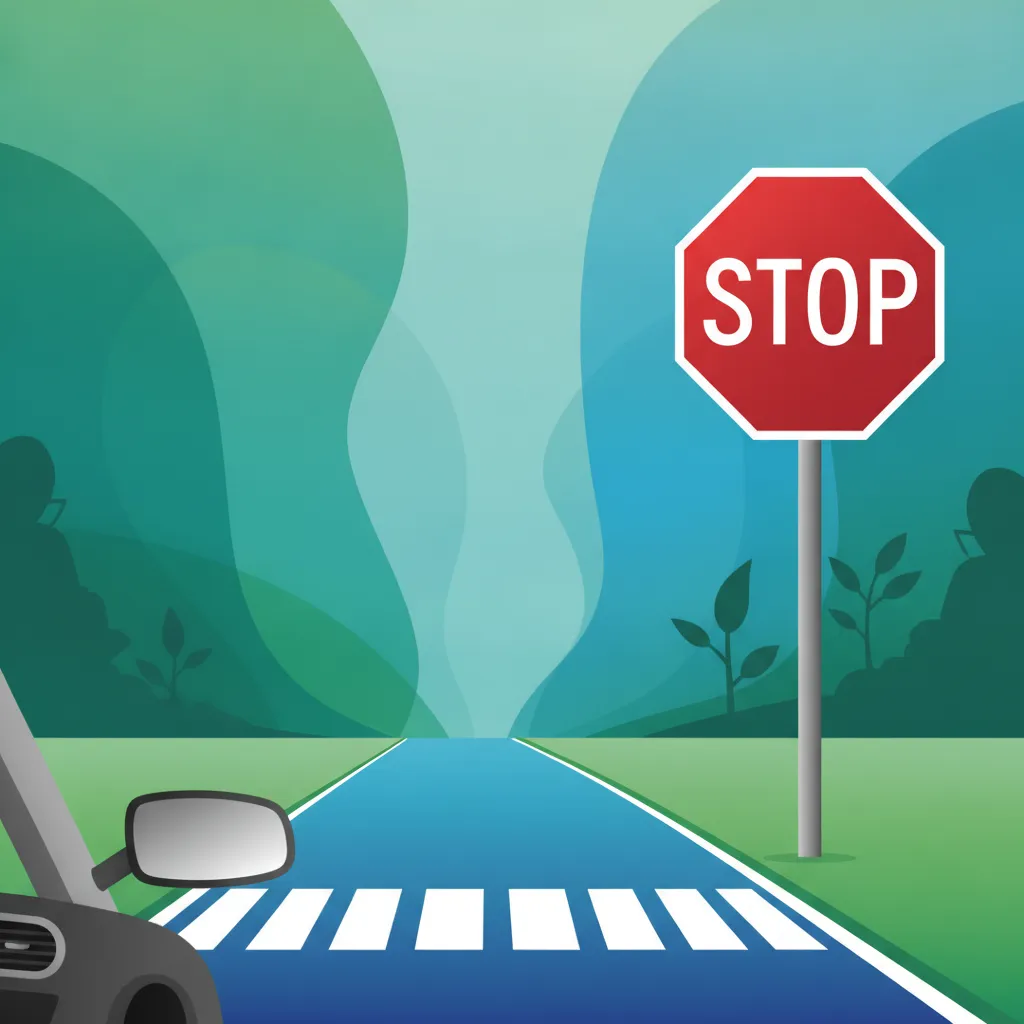
In this lesson, learners explore vertical road markings, primarily focusing on signs mounted on poles or overhead structures. Topics include direction indicators, speed limit signs, warning signs, and regulatory signs. The lesson emphasizes the importance of sign placement, illumination, and visibility in ensuring driver compliance. Real-world scenarios demonstrate how drivers should interpret and react to vertical markings.
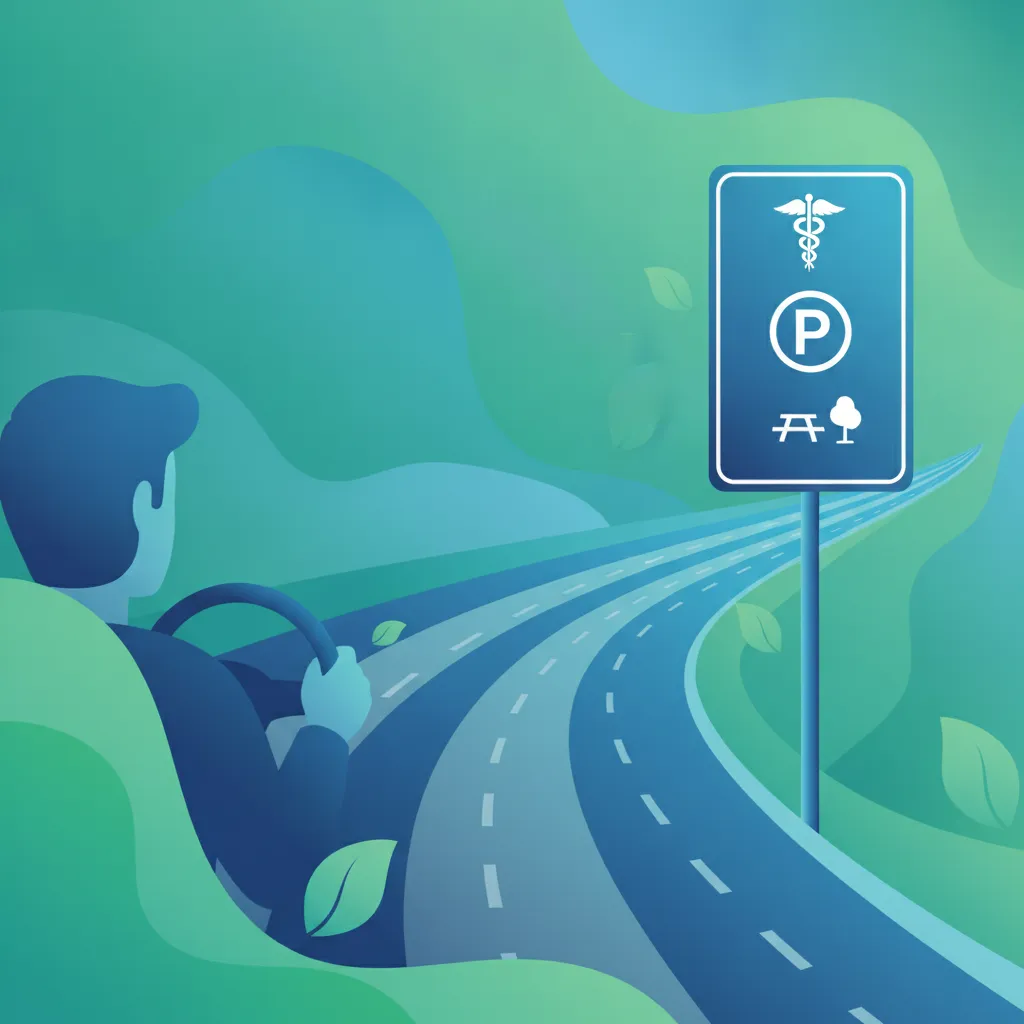
This lesson focuses on informational traffic signs that provide guidance and essential information to drivers. Learners will examine signs indicating directions, distances to cities, service areas, fuel stations, hospitals, police stations, and tourist attractions. The lesson highlights the role of these signs in facilitating navigation and ensuring drivers can locate essential services safely.
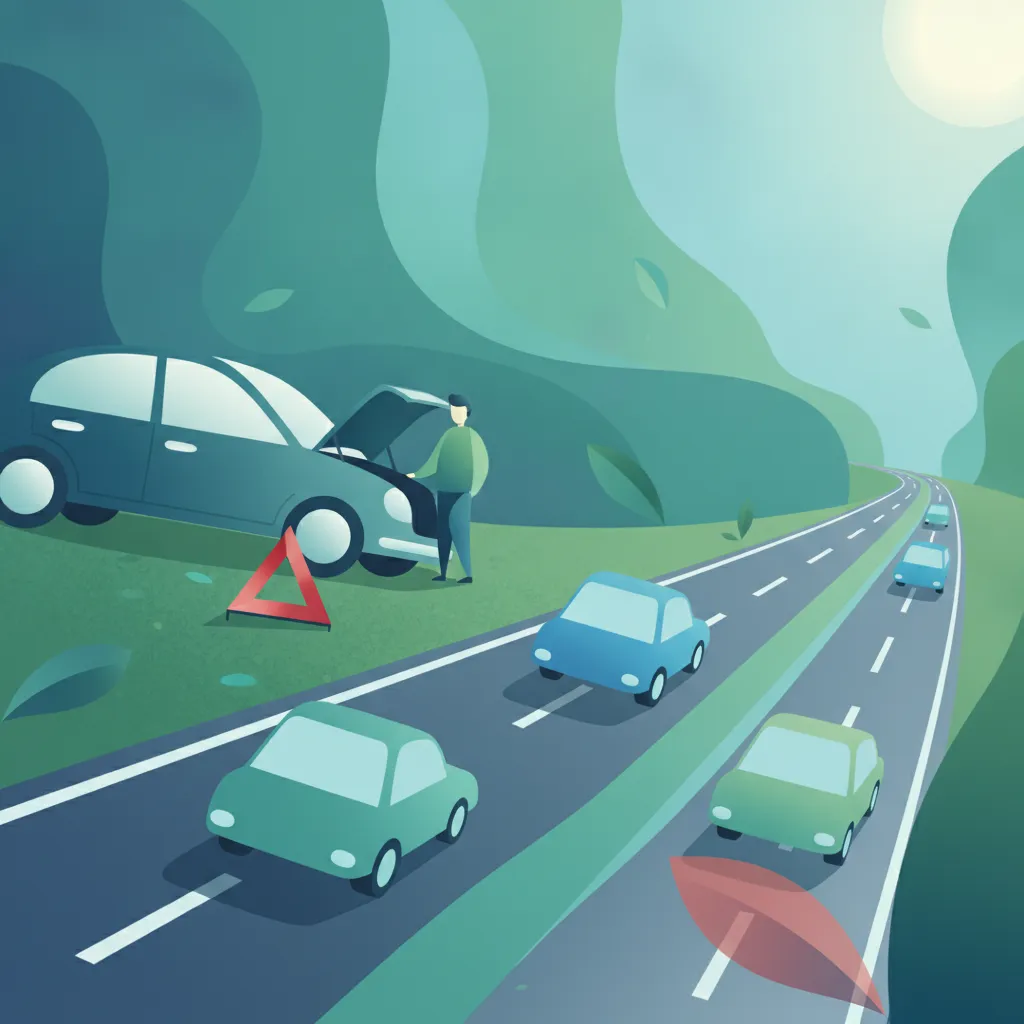
This lesson examines portable and electronic warning devices used to inform drivers of temporary road conditions. Learners will explore the use of movable signs, electronic variable message signs, speed display devices, and reflective hazard cones. The lesson emphasizes the significance of these devices in construction zones, roadworks, and dynamic traffic situations.
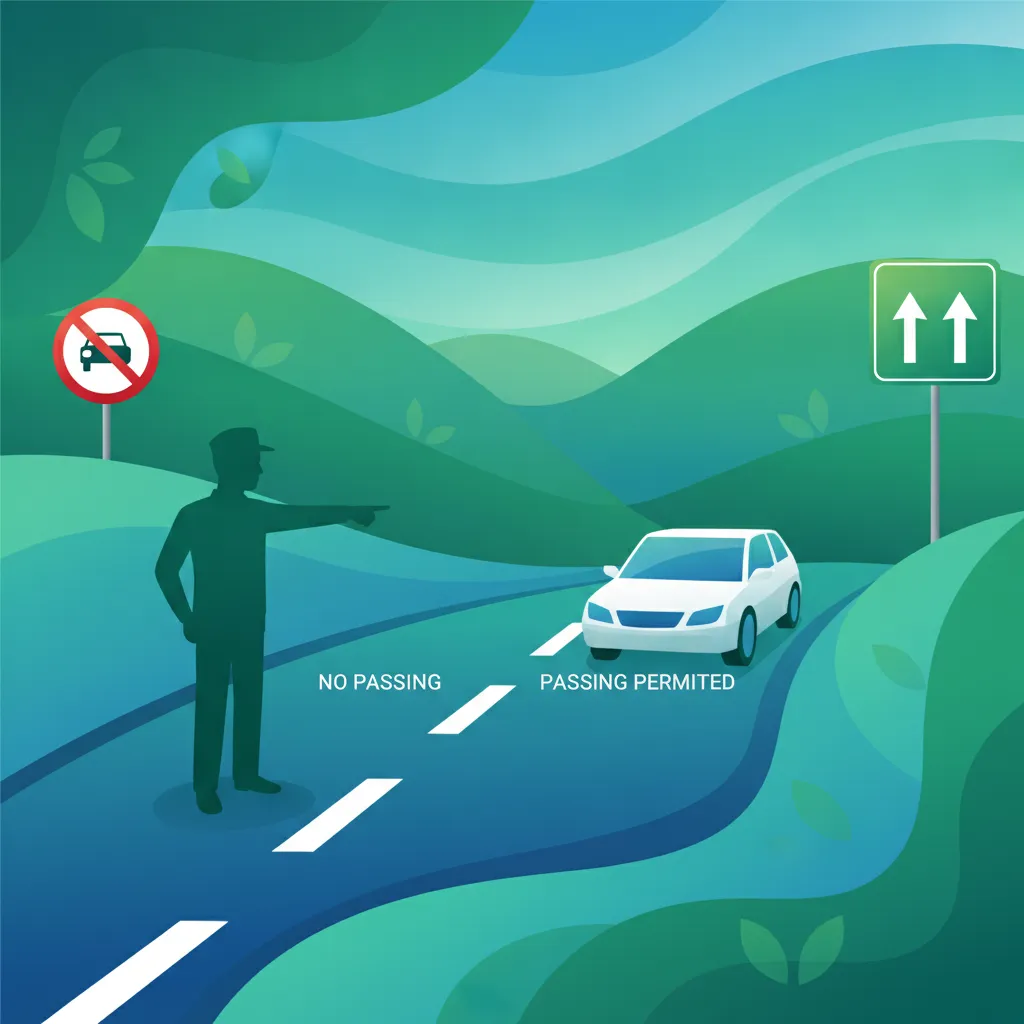
This lesson covers the various road surface markings that motorcyclists must be aware of, such as lane lines, turn arrows, and dedicated bike lanes. It explains how to interpret solid and broken lines, the meaning of specific arrows for turning or lane changes, and the significance of pedestrian crossing markings. Understanding these visual cues is essential for maintaining lane discipline and performing safe road maneuvers.
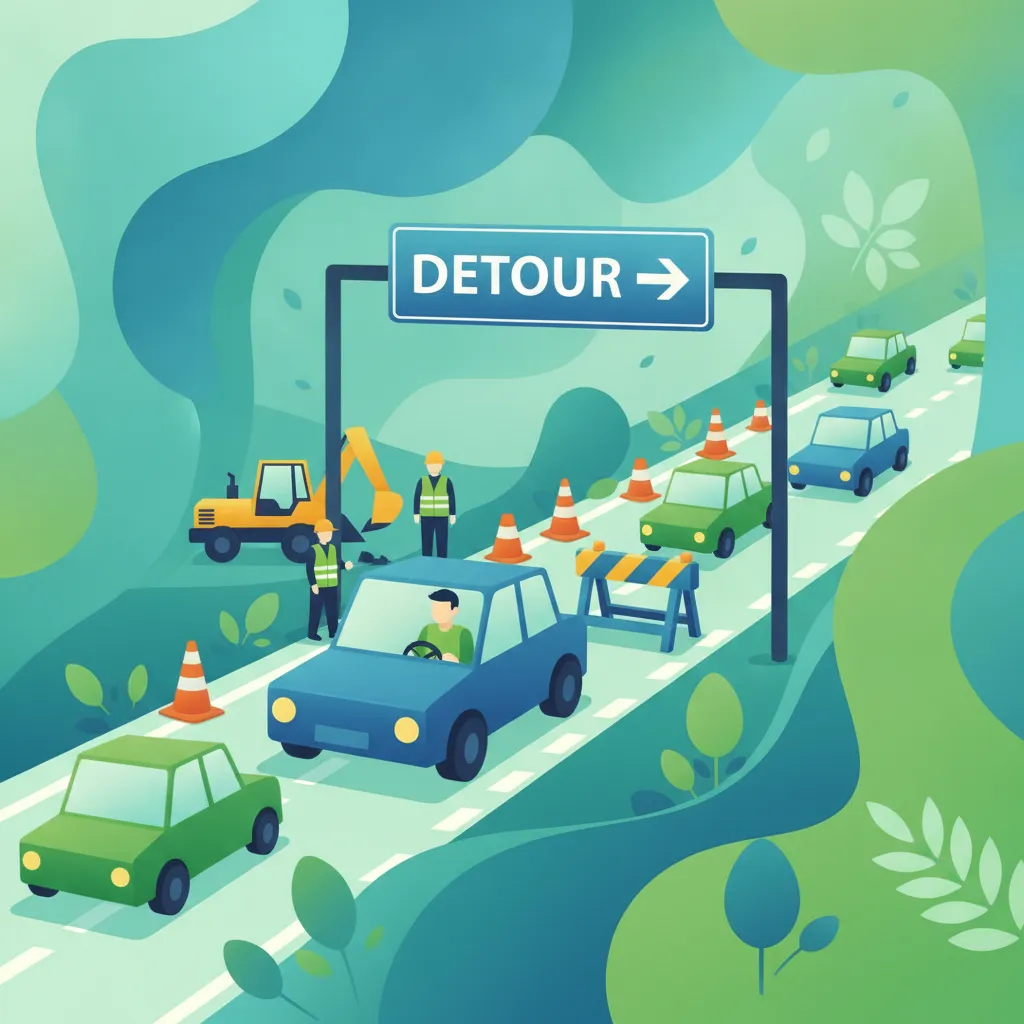
This lesson guides motorists on how to safely navigate active roadwork zones, detours, and temporary lane configurations. It details the meaning of construction signs, temporary speed reductions, and the legal requirement to protect highway workers. Drivers will learn to expect sudden stops and maintain slow, steady speeds through work areas.
Find clear answers to common questions learners have about Negotiating Roundabouts on a Small Vehicle. Learn how the lesson is structured, which driving theory objectives it supports, and how it fits into the overall learning path of units and curriculum progression in Turkey. These explanations help you understand key concepts, lesson flow, and exam focused study goals.
Yes, under general Turkish traffic regulations, vehicles already inside the roundabout have the right-of-way. You must yield to traffic currently circulating before you enter.
Absolutely. You must signal your intention to exit the roundabout clearly using your indicator well before you reach your intended exit to warn other drivers.
The primary risk is being overlooked by larger vehicles that may cut across your path. Always maintain a defensive lane position and assume other drivers may not see you.
The exam typically uses visual scenarios showing multiple vehicles at a roundabout. You will be asked to identify which vehicle has the right-of-way based on signs and lane markings.
Use our comprehensive practice search to find exactly the Turkish driving theory questions you need to master. Whether reviewing specific road signs, traffic rules, or first aid scenarios, select your perfect practice set and boost your confidence for the official ehliyet sınavı.