
This lesson provides an in-depth look at regulatory traffic signs which define the legal constraints and requirements on Turkish roads. By mastering these signs, you will understand the mandatory actions expected of every Category B driver to ensure safety and compliance. This knowledge is fundamental for both your upcoming e-sınav and your future practice in real-world traffic scenarios.
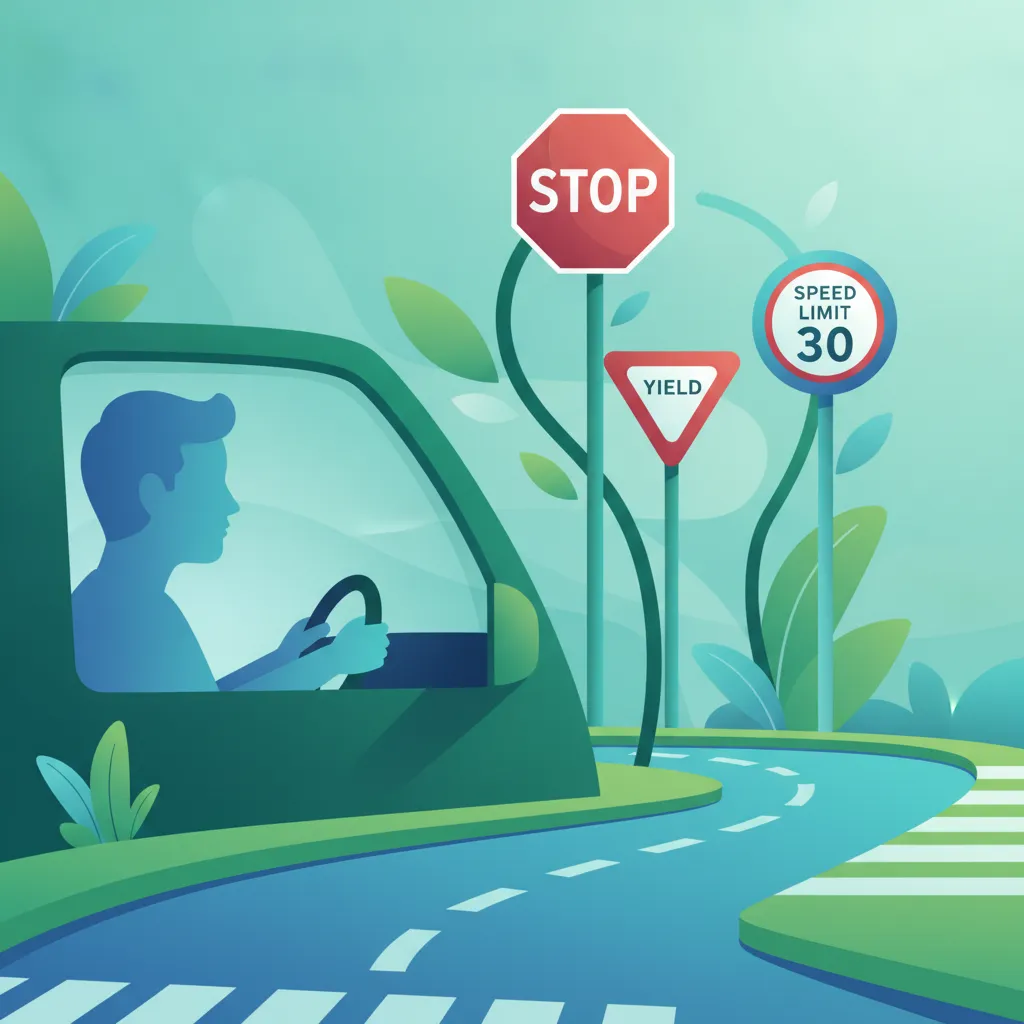
Lesson content overview
In the Turkish traffic system, traffic signs are divided into specific categories to maintain order, safety, and legal compliance on the road. Among these, Regulatory Traffic Signs (Trafik Tanzim İşaretleri) are arguably the most critical for everyday driving. These signs do not merely offer advice or warn of potential hazards; they represent strict, legally binding commands.
For candidates preparing for the Turkish Driving License Category B theory exam (MTSK e-sınavı), mastering regulatory signs is essential. Misinterpreting these signs is a primary cause of exam failure and, more importantly, leads to severe road accidents, heavy fines, and penalty points on your driving record. This lesson provides an exhaustive breakdown of regulatory signs, their legal implications, physical principles, and real-world applications.
Regulatory signs are designed to capture a driver's attention immediately and communicate a clear command without language barriers. Their shapes, colors, and symbols follow international standards established by the Vienna Convention on Road Signs and Signals, implemented locally under Turkish standards (such as TSB-42).
To quickly identify and react to traffic signs, drivers must understand their color and shape taxonomy:
All regulatory traffic signs in Turkey carry the full force of the law. Disobeying them is considered a traffic violation under the Turkish Highway Traffic Regulation (Karayolları Trafik Yönetmeliği) and is punishable by administrative fines and driving license penalty points.
Intersections are the most common conflict points on public roads. To manage traffic flow and prevent lateral collisions (T-bone accidents), traffic authorities install right-of-way regulatory signs.
The Stop sign is an octagonal sign with a red background and the word "STOP" (or "DUR" in Turkey) written in bold white letters.
The Yield sign is an inverted equilateral triangle with a thick red border and a white background. Unlike the Stop sign, it does not always require a complete halt.
The critical difference lies in the mandatory action. A Stop sign requires a complete physical stop regardless of whether there is crossing traffic. A Yield sign only requires a stop if crossing traffic is present.
Excessive speed is a leading contributor to severe traffic collisions. Speed limit signs regulate the maximum and minimum speeds permitted on specific road segments.
These circular signs feature a white background, a red border, and a black number representing the maximum allowable speed in kilometers per hour (km/h).
Mandatory minimum speed signs are circular with a blue background and white numbers. These are typically placed on highways (otoyol) to ensure that slow-moving vehicles do not impede traffic flow, which can create rear-end collision hazards.
A circular gray sign with a white background and diagonal black lines passing through a number indicates the end of a previously established speed limit. After passing this sign, general statutory speed limits for that road class apply.
The Rain and Visibility Factor: Speed limits indicate the maximum speed under ideal conditions. Under Turkish law, drivers must adjust their speed downward during adverse weather (rain, snow, fog) or low visibility, even if the regulatory speed limit sign displays a higher number.
Entry and turn restrictions are designed to prevent head-on collisions, manage one-way street networks, and keep unsuitable vehicles off specific roadways.
This circular sign has a solid red background with a horizontal white bar across the middle.
These circular signs have a white background, red border, and a black arrow indicating a specific direction (left, right, or a U-turn) with a diagonal red slash crossing through the arrow.
Stationary vehicles can block sightlines, impede emergency vehicles, and cause severe traffic congestion. Turkish traffic law distinguishes between two key actions:
This circular sign has a blue background, a red border, and a red "X" (two diagonal intersecting bars).
This circular sign has a blue background, a red border, and a single diagonal red slash.
Time-limited or Zone Parking: Some No Parking signs are accompanied by rectangular sub-plates indicating specific hours (e.g., "08:00 - 18:00") or vehicle types to which the restriction applies. Always check below the main sign for these auxiliary panels.
Mandatory signs dictate the specific lanes drivers must use and the directions they must follow. These signs are circular with blue backgrounds and white symbols.
These signs use bold white arrows to command drivers to proceed in a specific direction:
In multi-lane roads, regulatory signs indicate lane-specific rules. For example, a sign might show three lanes with the far-right lane containing a bicycle symbol or a bus symbol, indicating that motor vehicles (Category B) are prohibited from using that lane except when preparing to turn.
The physical limitations of infrastructure—such as bridges, tunnels, old town streets, and weak roadbeds—require strict vehicle dimension limits. In Turkish road theory, these limits are referred under the concept of Gabari.
Height Limit: A circular sign with black triangles pointing vertically toward a number (e.g., 3.5m). Vehicles higher than the specified limit, including their load, must not pass under the structure (e.g., low-clearance bridges, tunnels).
Width Limit: A circular sign with black triangles pointing horizontally inward toward a number (e.g., 2.3m). Prevents wide vehicles from getting wedged in narrow lanes or historic archways.
Weight Limit per Axle: Indicates the maximum force allowed per vehicle axle. Heavy goods vehicles must divert if their axle weight exceeds this limit to prevent severe pavement damage.
Total Weight Limit (Tonnage): Restricts vehicles with a total gross weight exceeding the marked limit (e.g., 7.5t) from crossing structures like suspension bridges or entering residential zones.
Road construction, utility maintenance, and public events require temporary modifications to traffic flow.
The real-world application of regulatory signs is heavily influenced by external variables. Safe driving requires combining sign compliance with physical awareness:
A speed limit sign of 50 km/h in a wet urban zone might be legally compliant, but physically unsafe. Wet asphalt reduces tyre traction by up to 50%, doubling your stopping distance. During rain, snow, or icy conditions, your actual speed should be significantly below the posted limit.
A Category B vehicle carrying five passengers and luggage has a much higher mass than an empty vehicle. Under the laws of physics, increased mass requires greater braking force and distance to stop. When approaching a Stop sign with a fully loaded car, you must begin braking much earlier.
Near schools, hospitals, and residential zones, speed limit signs are often lowered (e.g., to 30 km/h). Children have less developed spatial awareness and can run into the street unexpectedly. Lowering your speed gives you the critical reaction time needed to stop.
Understanding the consequences of your actions on the road highlights why regulatory signs are strictly enforced.
| Action / Sign | Correct Behavior (Compliance) | Dangerous Behavior (Violation) | Consequence of Violation |
|---|---|---|---|
| Stop Sign (E5) | Full stop at the line; check all directions; yield priority. | "Rolling stop" or ignoring the sign entirely. | Severe broadside (T-bone) collisions; high-impact intersection crashes; traffic fines. |
| Yield Sign (E4) | Slow down; prepare to stop if vehicles are approaching. | Maintaining speed; forcing your way into oncoming traffic. | Merging collisions; abrupt lane-change swerving by other drivers. |
| Speed Limit (50 km/h) | Maintaining a speed at or below 50 km/h. | Exceeding the speed limit to "keep up with traffic." | Inability to stop for crossing pedestrians; increased impact force; radar speed camera fines. |
| No Entry (E1) | Diverting to an alternative legal route. | Driving into the street against the flow of traffic. | Head-on collisions; complete blockage of one-way streets. |
| Height Limit (3.5m) | Planning an alternative route if driving a tall rental van. | Assuming "it will probably fit." | Striking bridge structures; peeling off vehicle roofs; structural damage charges. |
To help solidify this knowledge for your MTSK theory exam and practical driving test, examine how these signs function in everyday scenarios.
You are driving down a narrow street in an unfamiliar urban district. As you approach an upcoming intersection, you see a red octagonal sign with the word "DUR" (Stop) partially blocked by the branches of a tree.
You are driving on a dual carriageway at 90 km/h. You notice roadworks ahead, marked by temporary yellow-backed signs. The permanent speed limit sign says 90 km/h, but a temporary sign on an A-frame stand says 50 km/h.
Explore all units and lessons included in this driving theory course.
Lesson content overview
Explore all units and lessons included in this driving theory course.
Explore search topics learners often look for when studying Regulatory Traffic Signs. These topics reflect common questions about road rules, driving situations, safety guidance, and lesson level theory preparation for learners in Turkey.
Browse additional driving theory lessons that cover connected traffic rules, road signs, and common driving situations related to this topic. Improve your understanding of how different rules interact across everyday traffic scenarios.
Understand the legal principles of right-of-way at controlled and uncontrolled intersections. This guide explains how to identify priority in various traffic scenarios, including roundabouts and unmarked crossings, to help you navigate junctions safely and legally under Turkish highway traffic regulations.
This lesson focuses on priority rules at controlled intersections equipped with traffic signals, stop signs, or yield signs. Learners will understand how to interpret traffic light phases, comply with stop and yield indications, and assess right-of-way at these intersections. The lesson also covers pedestrian and cyclist considerations, as well as emergency vehicle priority.
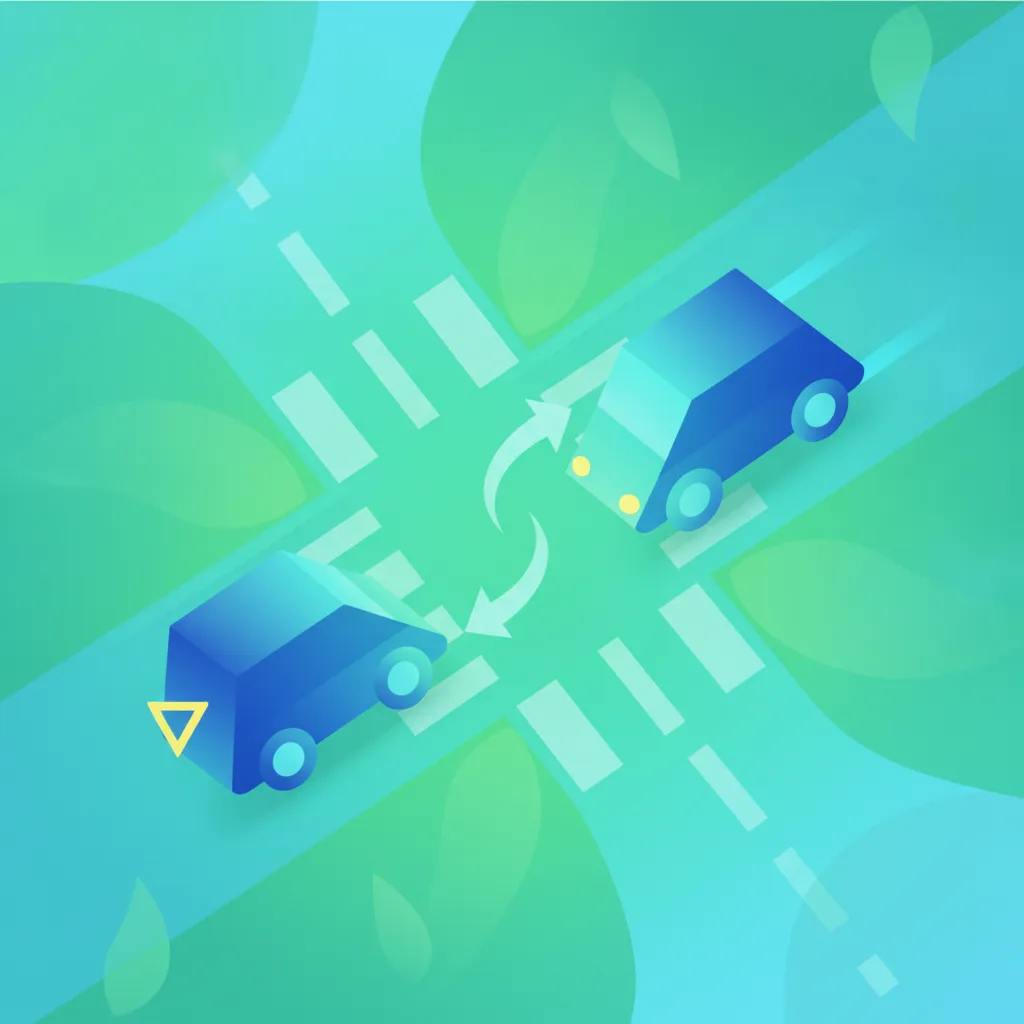
In this lesson, learners explore priority rules specific to uncontrolled intersections, where traffic signals or signs are absent. Topics include determining right-of-way based on vehicle classification, approach angle, and arrival sequence. The lesson emphasizes the importance of stopping, yielding, and assessing potential hazards before proceeding.

This lesson provides an overview of the general priority principles that dictate right-of-way on Turkish roads. Topics include the hierarchy of road users, such as pedestrians, cyclists, and emergency vehicles, and how these hierarchies apply at various intersections. Learners will understand the fundamental concepts of yielding, stopping, and proceeding, as well as the importance of clear decision-making.
Correctly interpreting traffic signal sequences and priority rules is crucial for preventing devastating right-angle collisions at intersections. This lesson breaks down the phase progression of standard lights, the meanings of flashing amber or red indicators, and the hierarchy of traffic control when a police officer is directing vehicles. You will also master the basic legal default rules of right-of-way, such as yielding to vehicles coming from the right at uncontrolled junctions.

This lesson focuses on the safe interaction with other traffic participants at bus stops and traffic intersections. Learners will explore right-of-way rules, signal compliance, and techniques for maintaining safe distances while stopping and departing. Understanding these interactions is vital for preventing accidents in complex traffic environments.
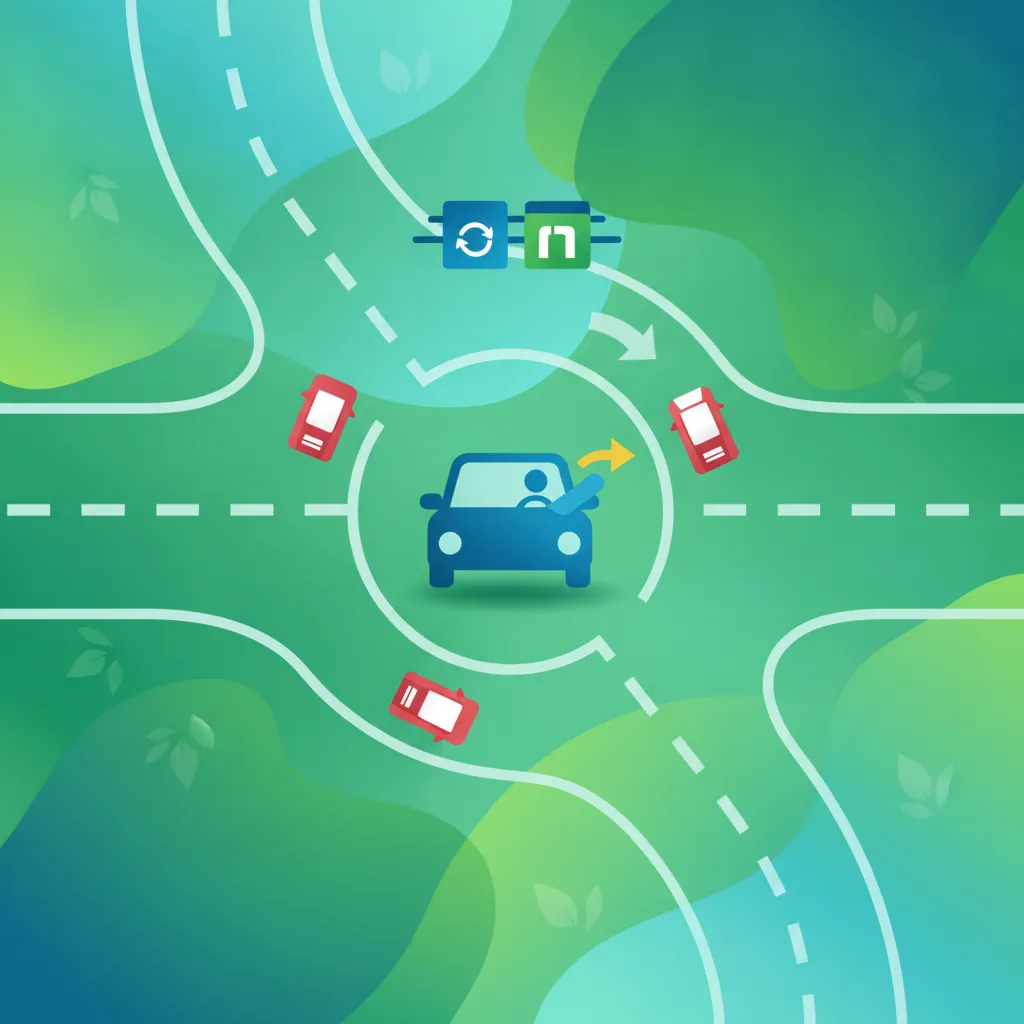
In this lesson, learners explore the specific priority rules and navigation techniques for roundabouts. Topics include yielding to traffic already in the roundabout, proper lane selection upon entry, and safe exit strategies. The lesson also addresses interactions with pedestrians and cyclists near roundabouts and the importance of maintaining appropriate speed.
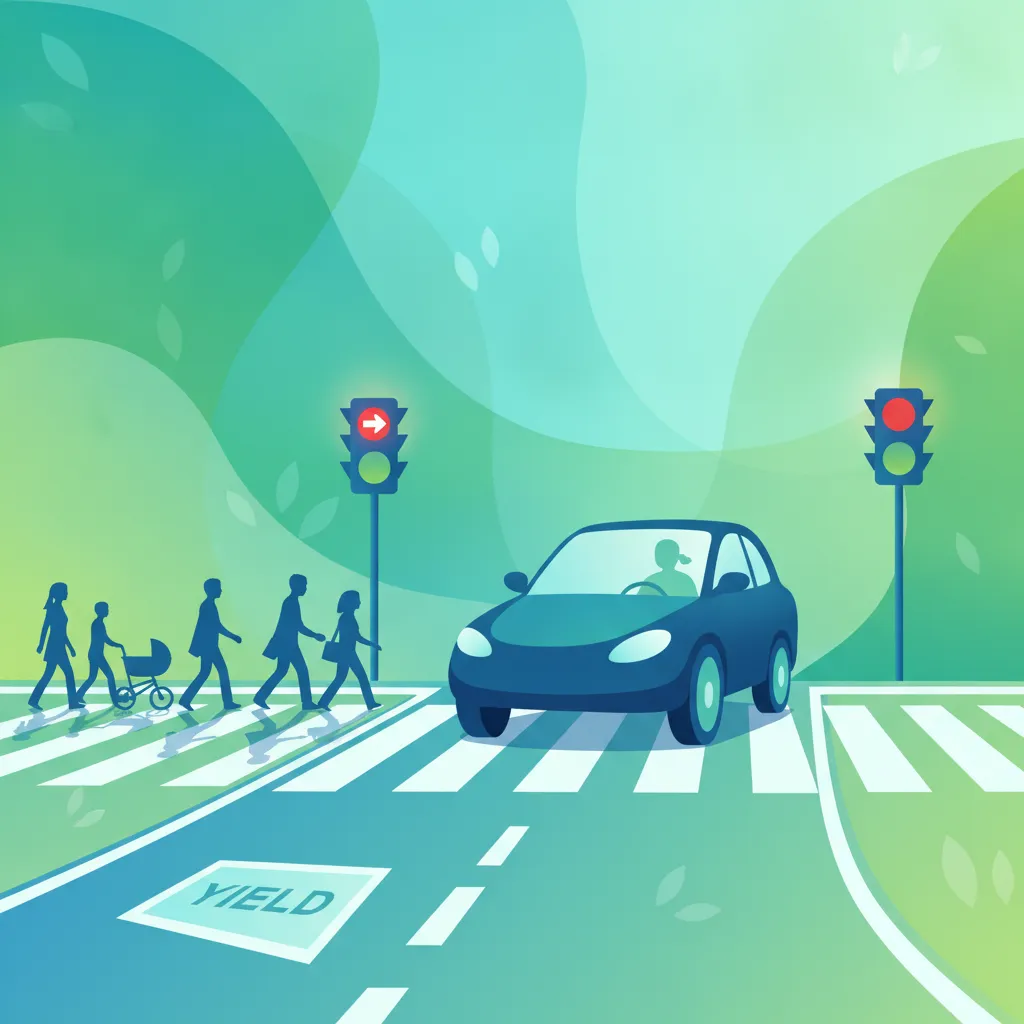
In this lesson, learners will master the skills required to safely navigate various types of intersections encountered in Turkish urban settings. The content covers interpreting traffic signals, understanding right-of-way rules, and executing proper lane positioning. Practical strategies for managing blind spots and ensuring visibility to other road users are emphasized. By the end of this session, participants will be equipped with safe crossing techniques.
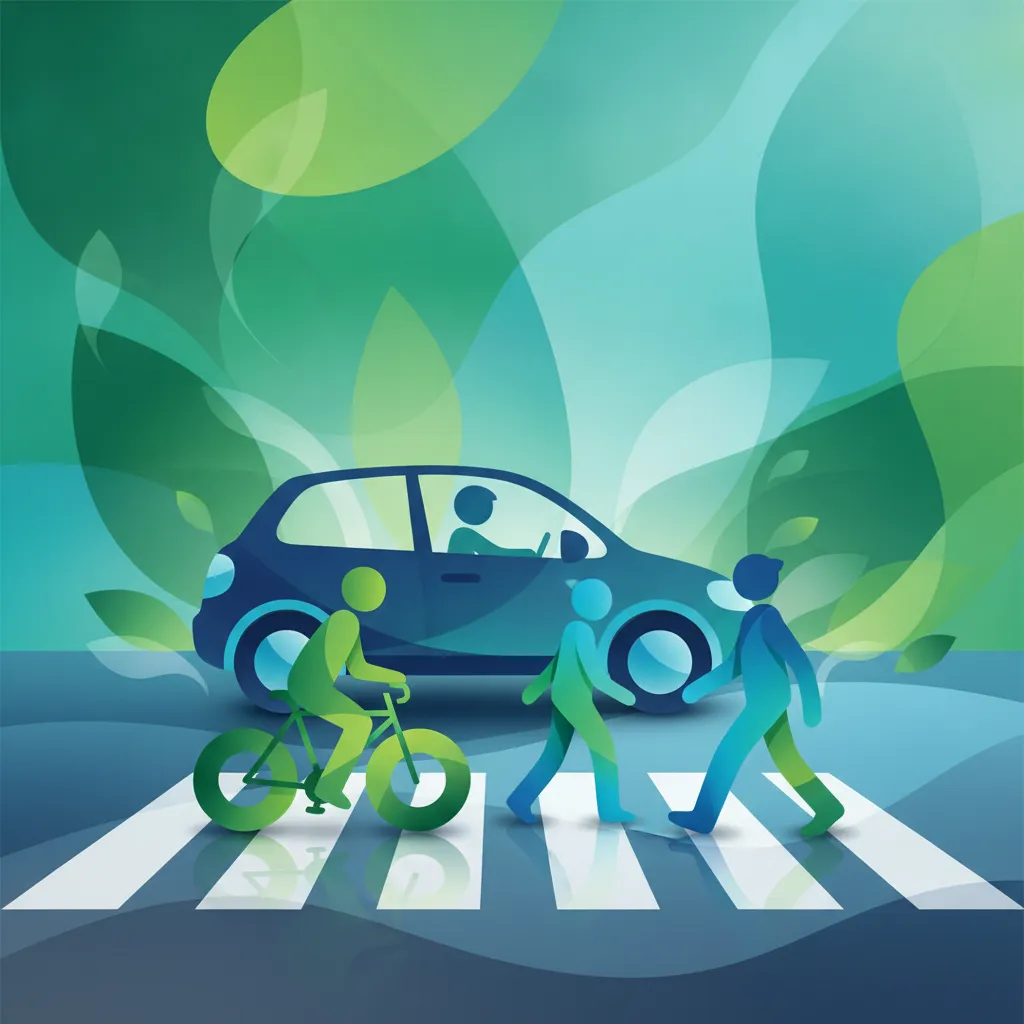
This lesson emphasizes the importance of yielding to pedestrians and cyclists at intersections, crosswalks, and designated lanes. Learners will understand the legal obligations to provide safe passage to vulnerable road users and the correct procedures for stopping and allowing them to cross. Real-world examples illustrate scenarios where failing to yield can lead to accidents.
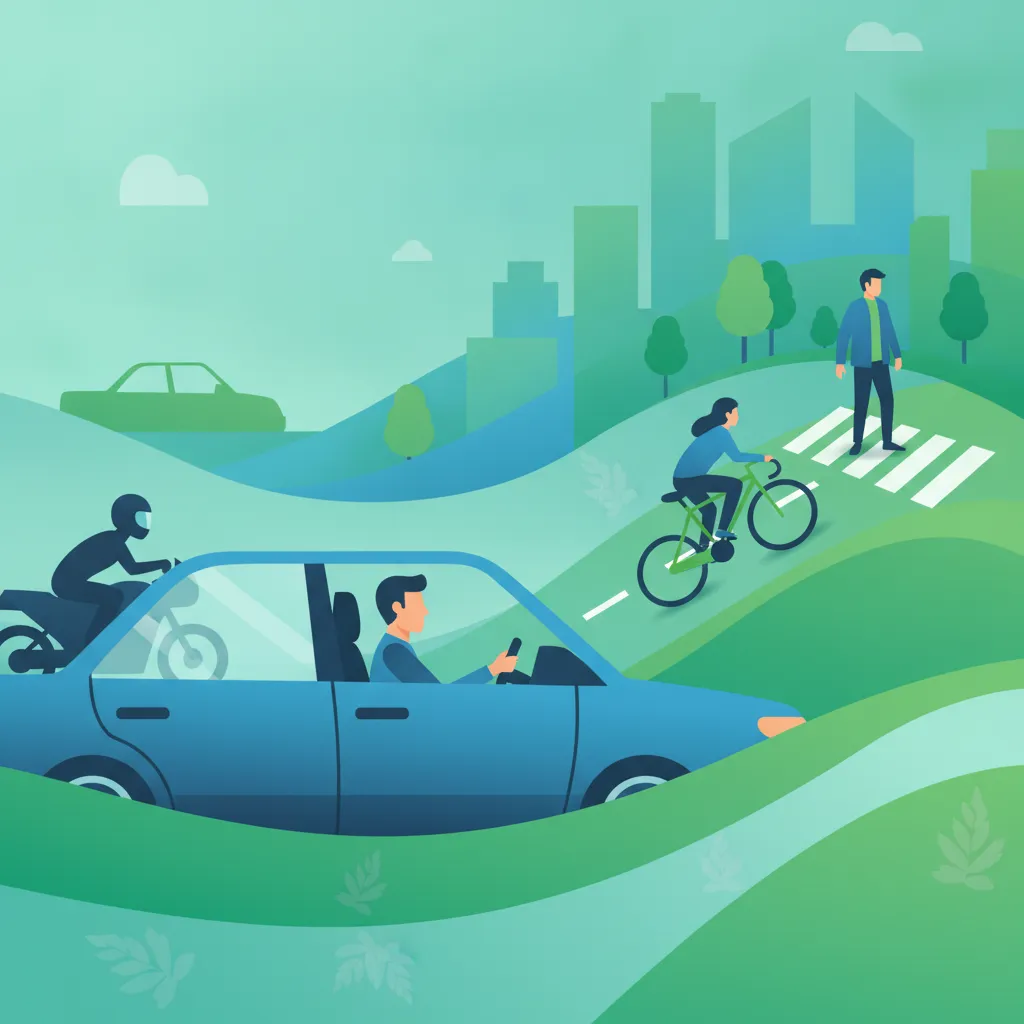
Learners will examine the complexities of operating in environments where various road users, including pedestrians, cyclists, and motorcyclists, coexist. The lesson emphasizes the need for heightened situational awareness, defensive driving techniques, and proactive hazard anticipation. Strategies for navigating mixed traffic safely, especially in congested urban areas, are highlighted.
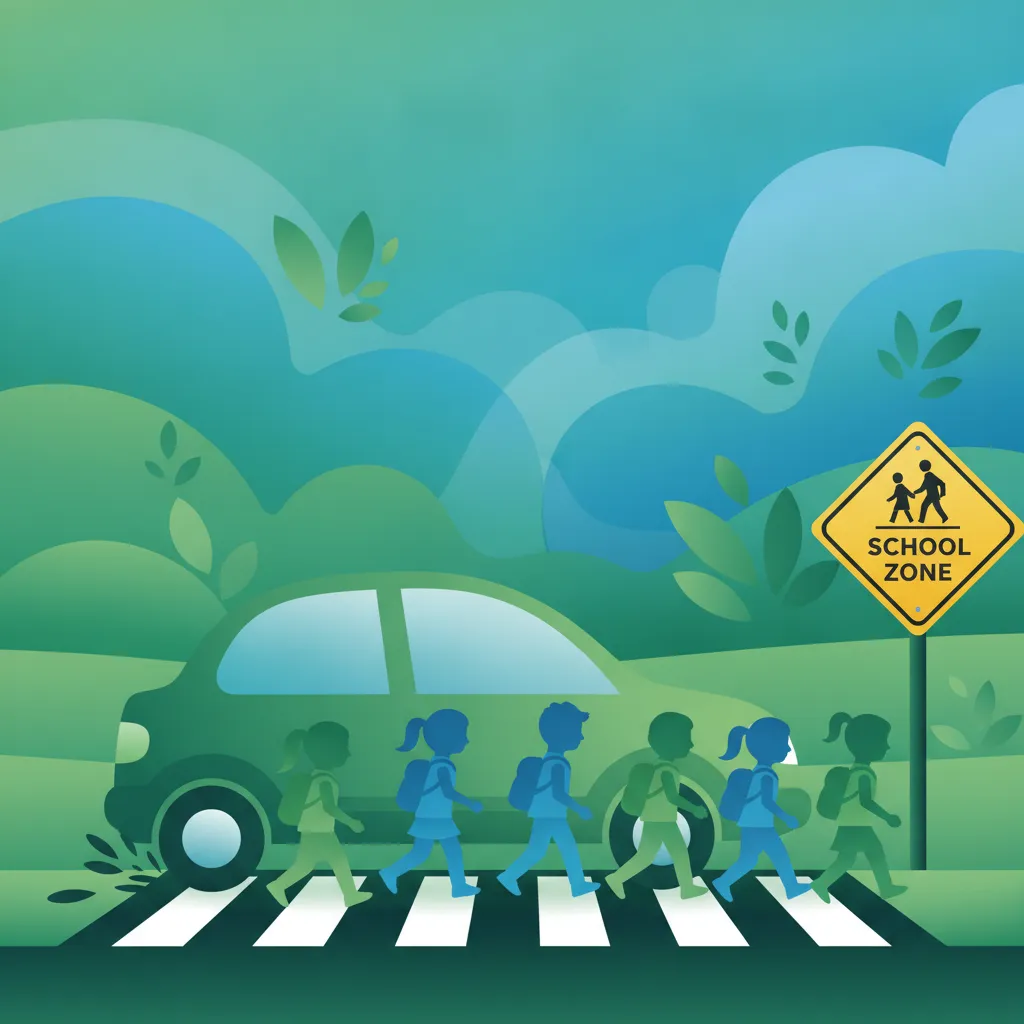
Protecting vulnerable road users is a core legal and ethical responsibility for all motorized vehicle operators in Turkey. This lesson covers the absolute requirement to yield to pedestrians at marked crosswalks, zebra crossings, and designated school zones. You will learn how to identify these zones early, reduce your speed proactively, and maintain heightened situational awareness for children or distracted pedestrians who may step onto the road unexpectedly.
Learn the function of horizontal and vertical road markings used in Turkey. This lesson covers lane division, directional arrows, and special zones, providing a clear understanding of how road surface signals complement regulatory traffic signs to maintain order and safety on public roads.
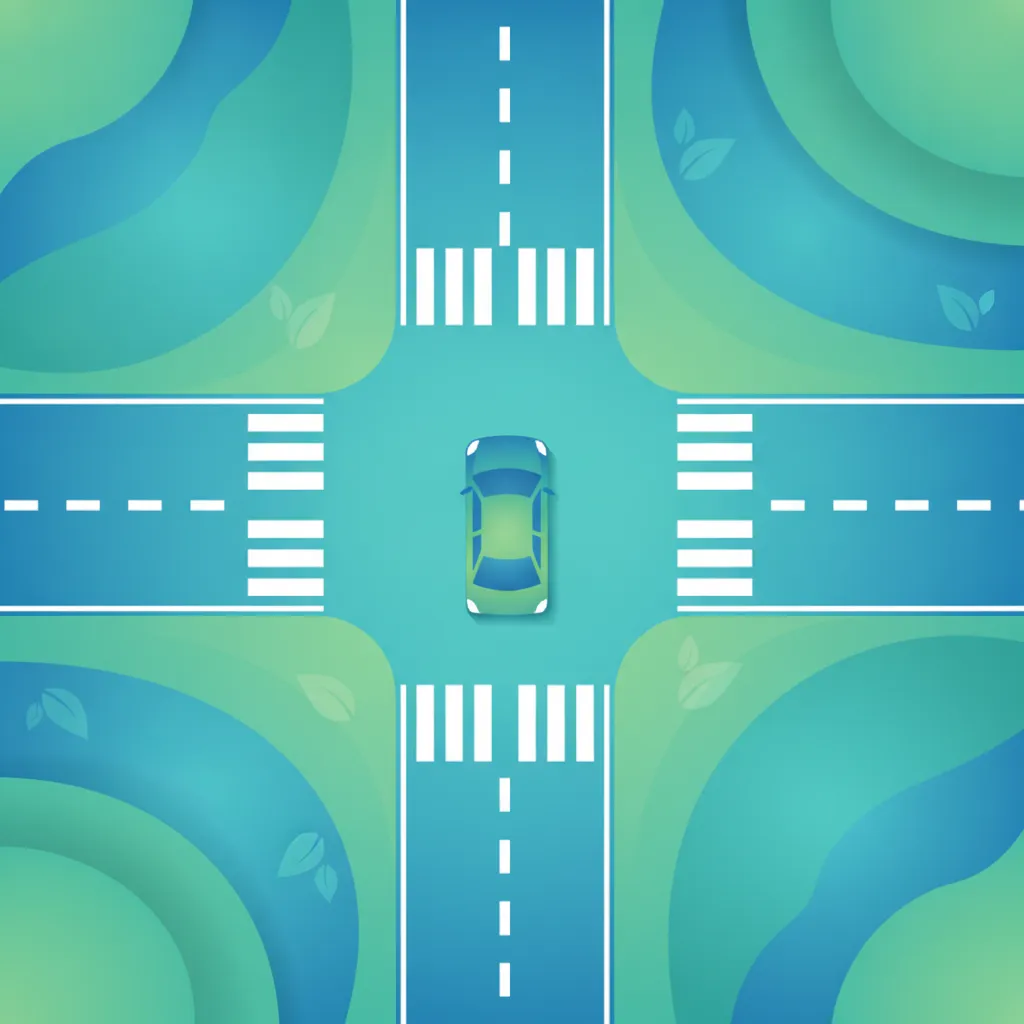
This lesson delves into horizontal road markings, focusing on solid, broken, and double lines that define lane boundaries and overtaking rules. Learners will explore the significance of each type of line in indicating permissible lane changes, passing zones, and stopping points at intersections. The lesson also covers crosswalk markings and their role in pedestrian safety.

Road markings painted directly onto the asphalt provide continuous guidance and carry the same legal weight as vertical traffic signs. This lesson explains the differences between solid and broken longitudinal lines, channelizing arrows, and restricted zones like dedicated bus or bicycle paths. You will discover how to properly align your moped within your lane, execute lawful line changes, and respect painted buffer zones to prevent dangerous side-swipe accidents in dense traffic.
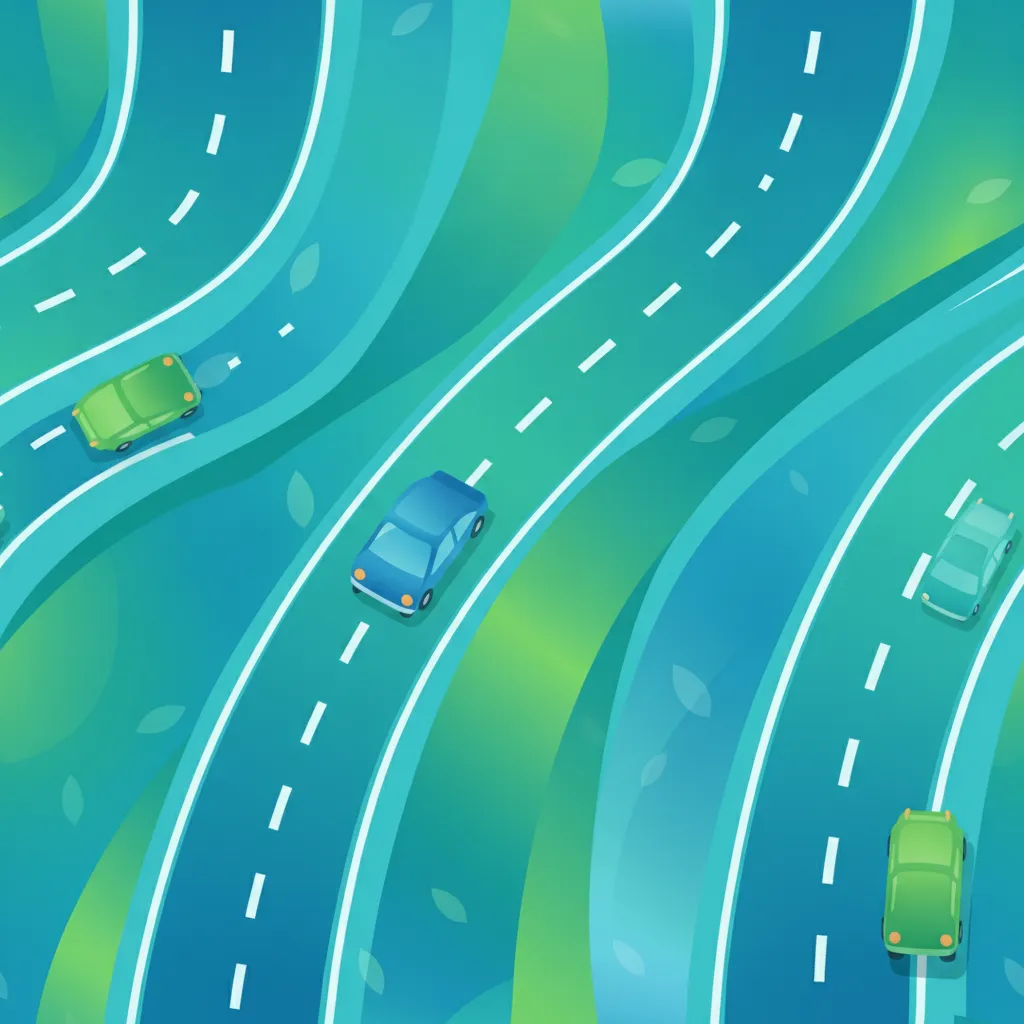
This lesson examines lane division and proper lane usage on multi-lane roads and highways. Learners will understand the purpose of lane markings in guiding drivers to maintain appropriate lane discipline. Topics include correct lane selection for different vehicle types, overtaking procedures, and lane-changing techniques. Real-world examples illustrate the importance of respecting lane usage rules.
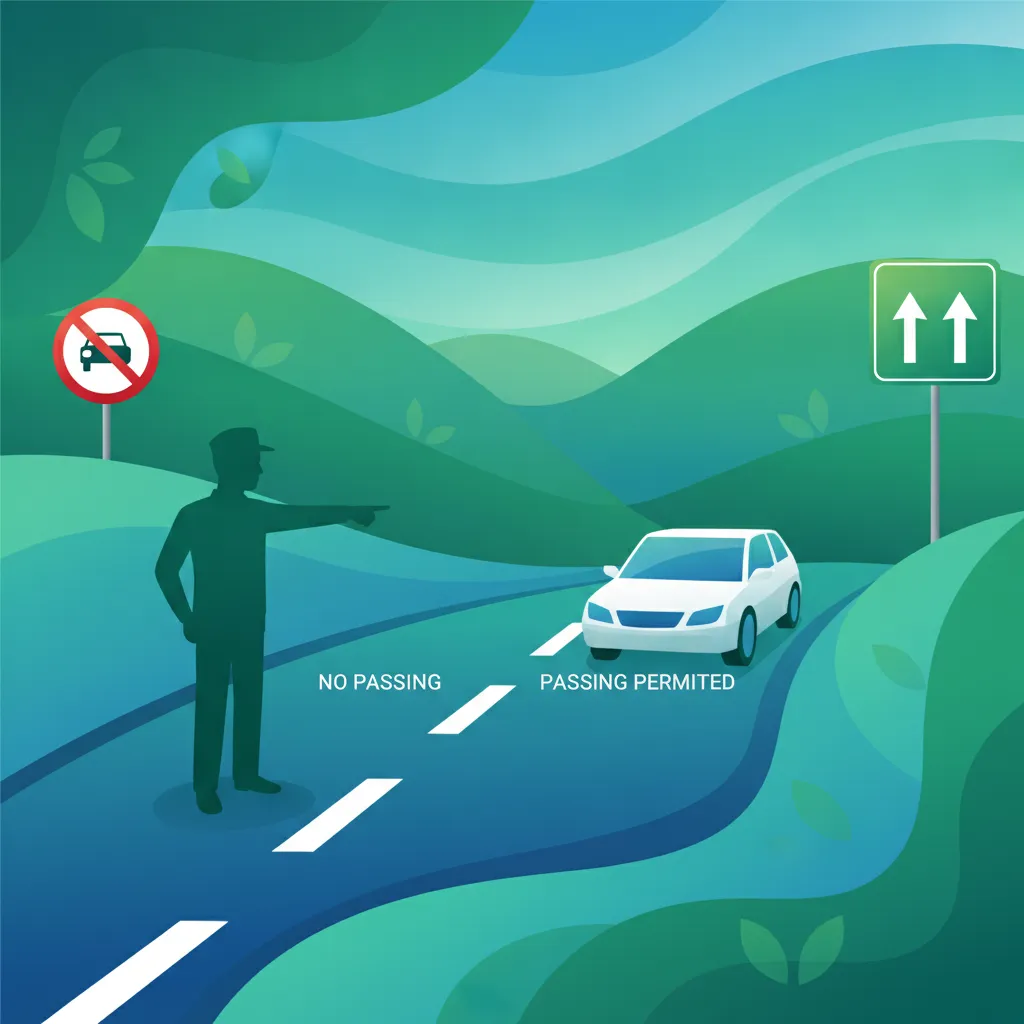
This lesson covers the various road surface markings that motorcyclists must be aware of, such as lane lines, turn arrows, and dedicated bike lanes. It explains how to interpret solid and broken lines, the meaning of specific arrows for turning or lane changes, and the significance of pedestrian crossing markings. Understanding these visual cues is essential for maintaining lane discipline and performing safe road maneuvers.
In this lesson, learners explore vertical road markings, primarily focusing on signs mounted on poles or overhead structures. Topics include direction indicators, speed limit signs, warning signs, and regulatory signs. The lesson emphasizes the importance of sign placement, illumination, and visibility in ensuring driver compliance. Real-world scenarios demonstrate how drivers should interpret and react to vertical markings.
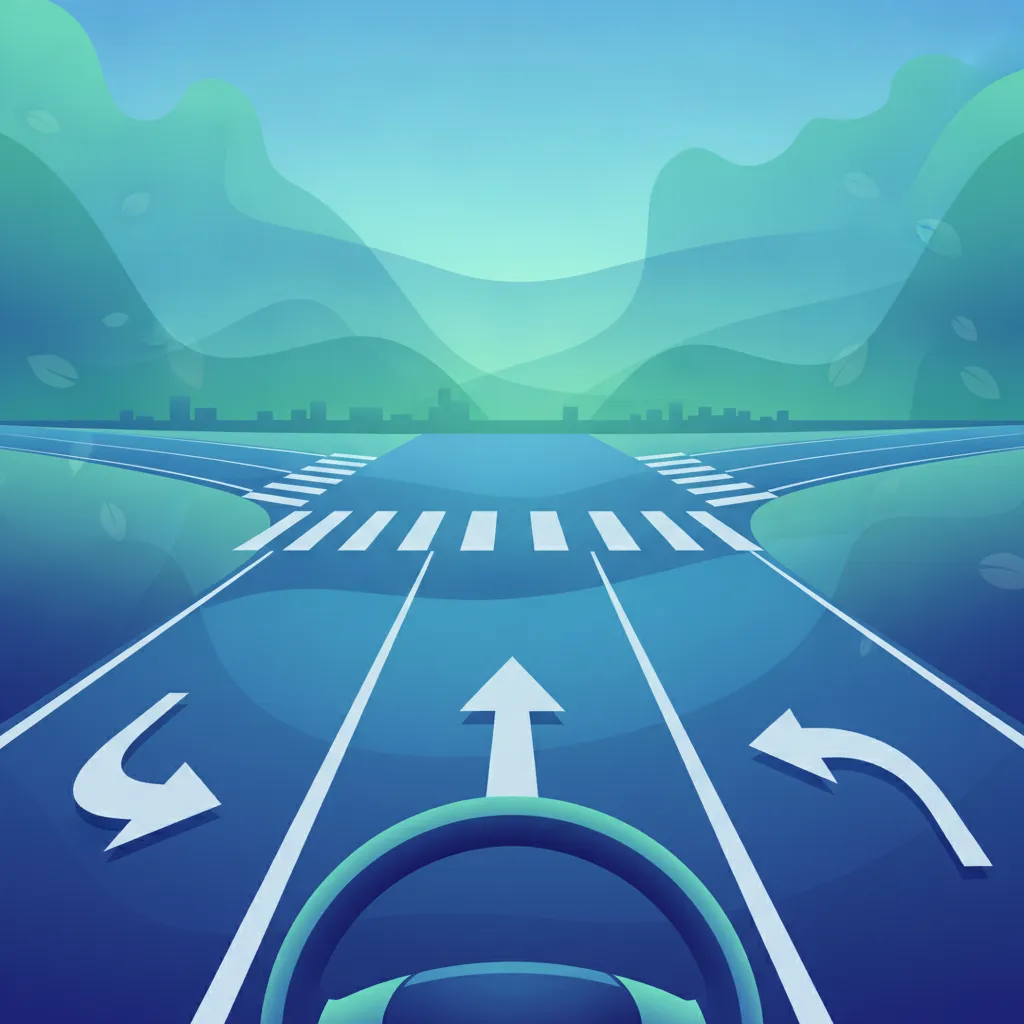
This lesson focuses on the role of directional arrows and guidance markings in indicating lane assignments and intended vehicle movements. Learners will learn to interpret turn arrows, lane-specific directions, and lane assignment at intersections and roadways. Real-world examples demonstrate how these markings aid drivers in navigating complex road networks, especially at junctions and roundabouts.
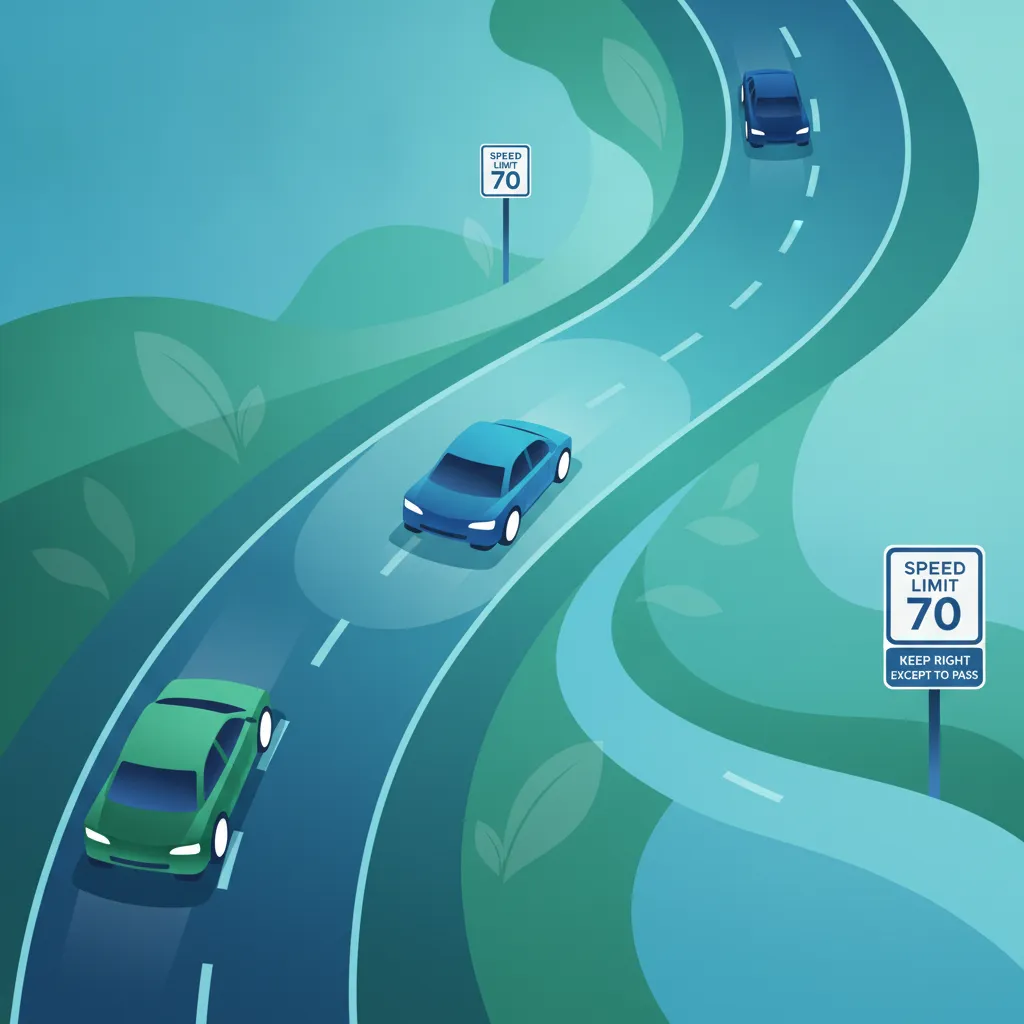
This lesson explains the specific rules, driving etiquette, and safety protocols for operating a vehicle on high-speed Turkish motorways. It covers correct lane usage, overtaking procedures, emergency lane restrictions, and how to maintain consistent high speeds safely. Drivers will learn to avoid dangerous tailgating and sudden lane changes.
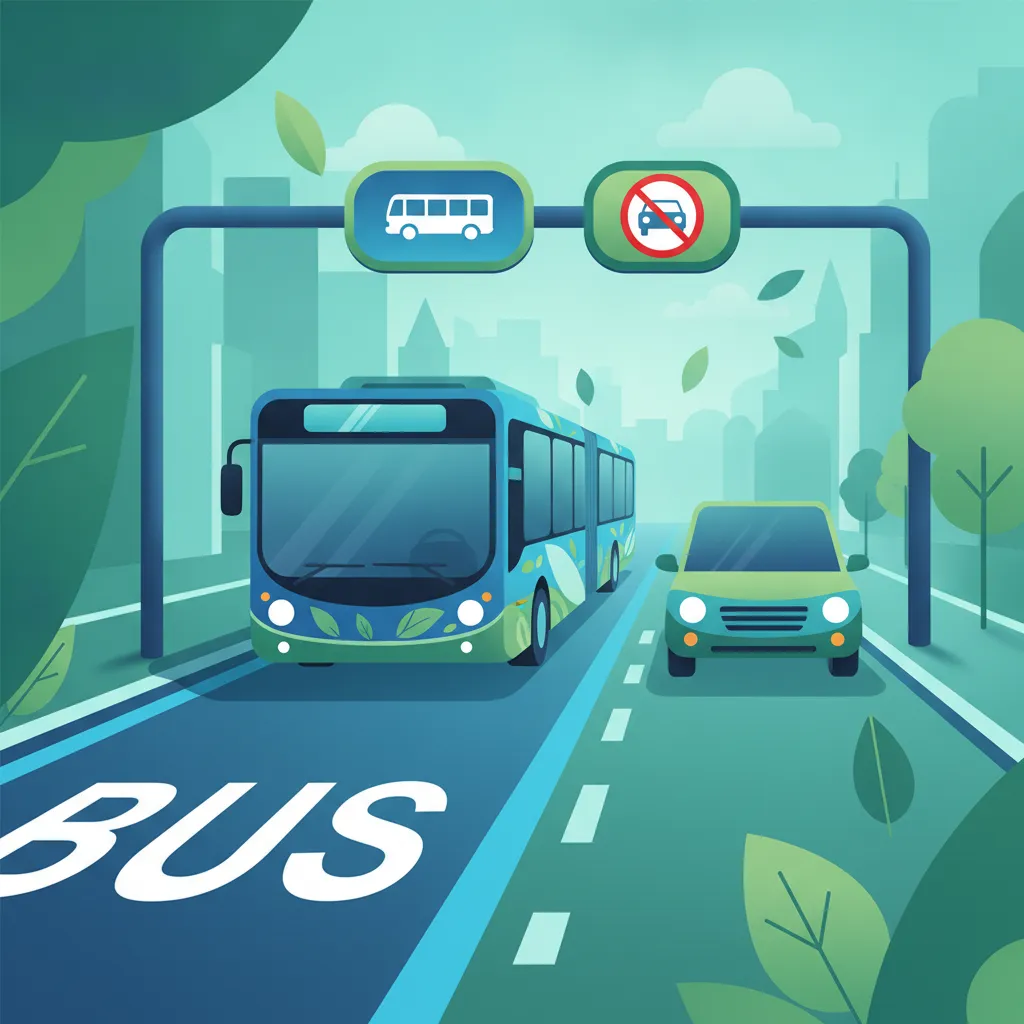
This lesson explores the concept of reserved lanes and special zones designated for specific vehicle types or purposes. Learners will study bus lanes, bicycle lanes, high-occupancy vehicle (HOV) lanes, and emergency vehicle lanes, understanding the rules governing their usage. Real-world examples illustrate how these lanes improve traffic efficiency, promote sustainable transport, and prioritize emergency response.
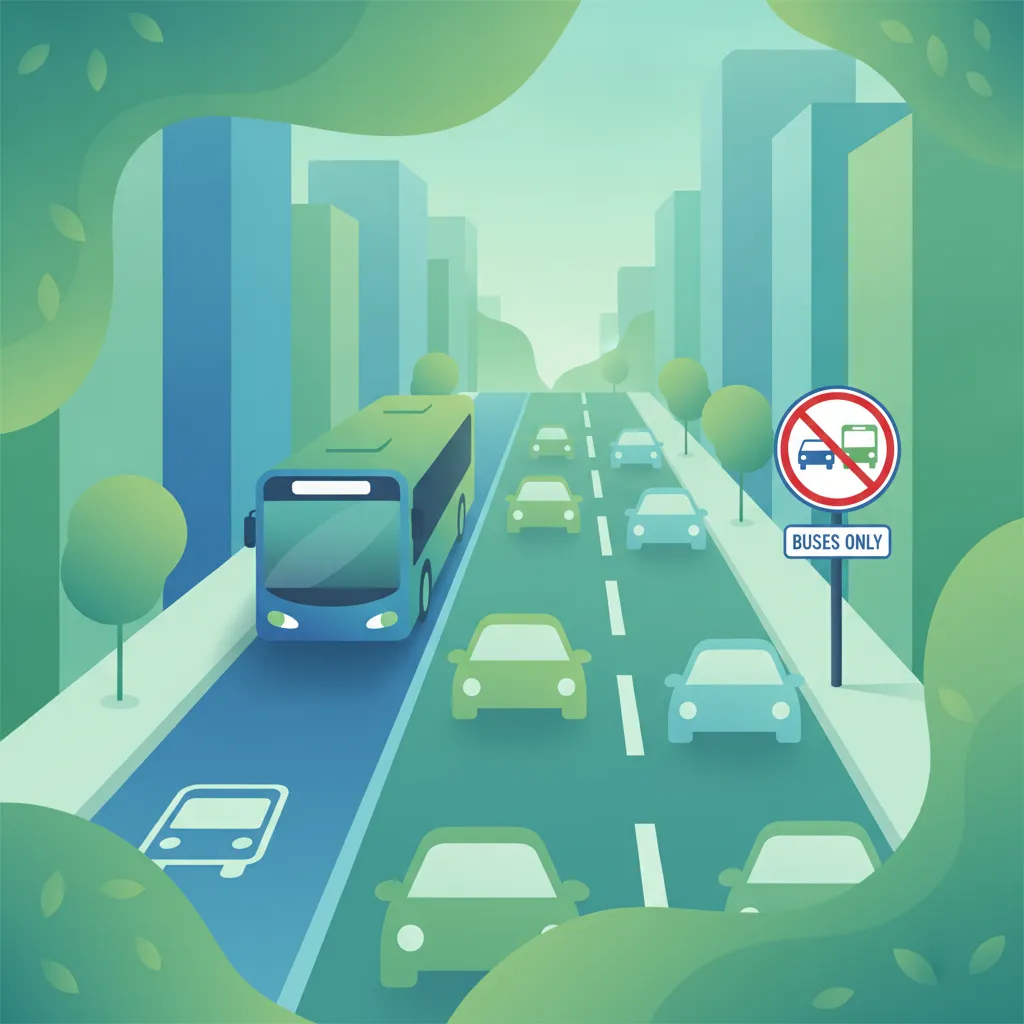
Learners will explore the specific regulations governing bus lanes, priority routes, and other legal restrictions applicable to passenger vehicles. The lesson covers the conditions under which buses may use dedicated lanes, how to navigate priority roadways, and the penalties associated with misuse. Understanding these rules is essential for efficient operation and avoiding violations in high-traffic areas.
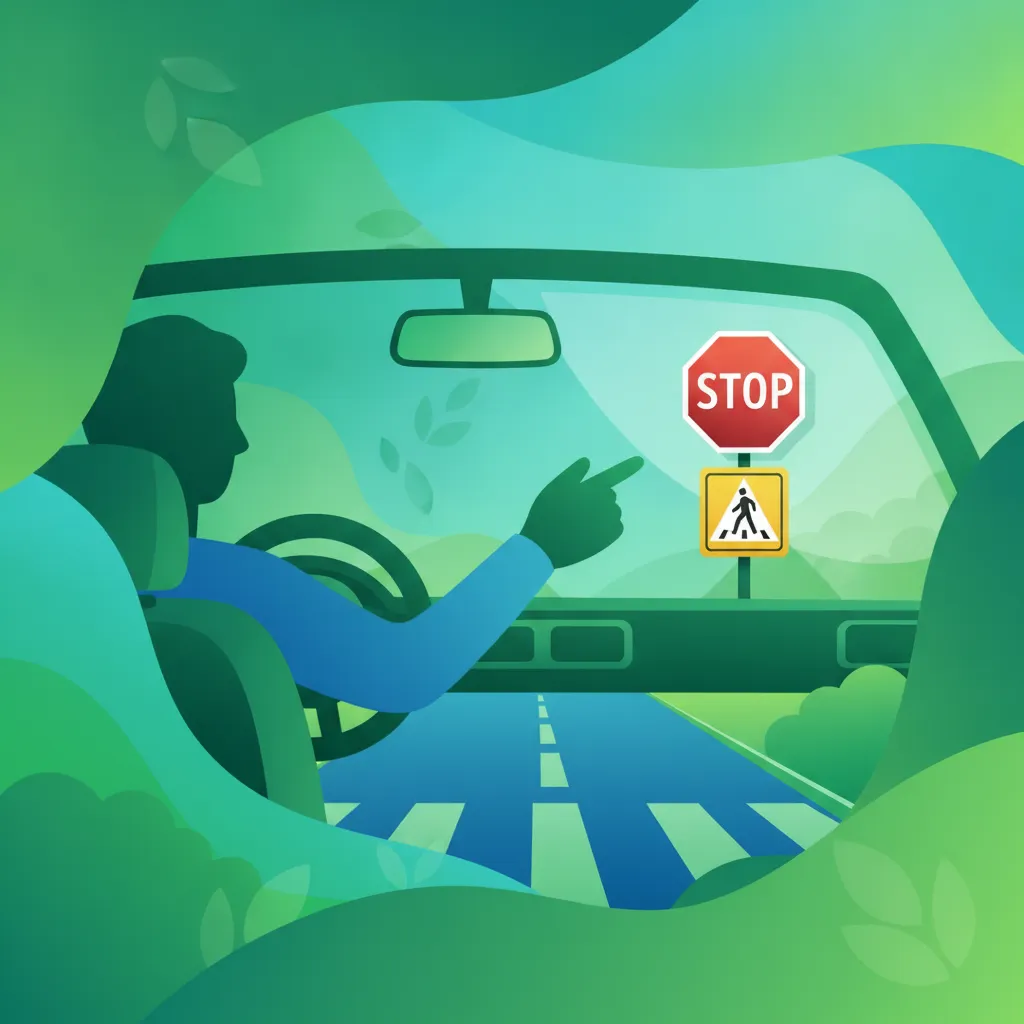
In this lesson, learners will master the meanings of various traffic signs as defined by Turkish traffic legislation. The focus will be on understanding regulatory, warning, and informational signs, with particular attention to those that directly affect motorcyclists, such as speed limits and lane usage. By the end of this session, participants will be able to quickly recognize sign categories and apply the required actions safely.
Find clear answers to common questions learners have about Regulatory Traffic Signs. Learn how the lesson is structured, which driving theory objectives it supports, and how it fits into the overall learning path of units and curriculum progression in Turkey. These explanations help you understand key concepts, lesson flow, and exam focused study goals.
While many regulatory signs are circular, there are important exceptions such as the Stop sign (octagonal) and the Yield sign (inverted triangle). Always focus on the symbol and color code to determine the exact regulation.
In Turkey, temporary regulatory signs at construction zones or special events often have a yellow background. They override permanent signs in the area, so you must always prioritize the temporary signage.
The e-sınav covers a wide range of regulatory signs. Focus on signs that dictate speed limits, turning restrictions, and vehicle access, as these frequently appear in the question pool.
Yes. Regulatory signs carry full legal authority regardless of road markings. If a sign indicates a 'No Entry' zone, you must obey it even if the road surface looks clear.
Use our comprehensive practice search to find exactly the Turkish driving theory questions you need to master. Whether reviewing specific road signs, traffic rules, or first aid scenarios, select your perfect practice set and boost your confidence for the official ehliyet sınavı.