
This lesson explores the ethical foundations of driving, moving beyond simple traffic laws to focus on your role as a responsible road user in Turkey. By understanding your moral obligations, you will be better prepared to handle complex traffic situations with patience and defensive care. This module is essential for building the safe driving mindset required for your Category B licence.
Lesson content overview
Operating a motor vehicle is far more than a technical skill or a legal privilege; it is a profound social responsibility. In the Turkish Driving License Category B Theory Course, the concept of Traffic Ethics (Trafik Adabı) forms a foundational pillar of the official MTSK curriculum. It addresses how drivers behave when law enforcement is not watching, emphasizing empathy, self-control, patience, and mutual respect.
Every time you step behind the wheel of a Category B passenger vehicle, you enter a shared public space. Safe driving requires more than just memorizing road signs and passing the e-sınav; it demands an ethical commitment to protect human life, preserve the environment, and contribute to a harmonious traffic culture.
Traffic ethics, or Trafik Adabı, refers to the moral principles and values that guide a driver's actions on the road. While traffic laws establish the legal minimum standards of conduct, ethics dictate how we handle situations where the law may not have an immediate or enforceable answer.
The set of moral values, empathetic behaviors, and social responsibilities that drivers practice to ensure safety, minimize conflicts, and facilitate smooth cooperation among all road users, independent of legal enforcement.
Driving ethically is rooted in the principle of social responsibility. As a driver, your actions have a direct ripple effect on the community. If you drive aggressively, block intersections, or ignore pedestrian rights, you do not just commit a traffic violation; you degrade the overall safety and mental well-being of your society. Conversely, practicing patience and yielding to others helps foster a culture of safety, reducing stress-induced collisions and creating a predictable driving environment.
Defensive driving (defansif sürüş) is the practical application of traffic ethics. It is a proactive method of operating a vehicle that aims to anticipate potential hazards and take preventive actions before a dangerous situation escalates.
To master defensive driving, a candidate for a Category B licence must internalize three main practices:
The Two-Second Rule: Under normal dry conditions, always keep a minimum following distance of two seconds behind the vehicle ahead. In wet, icy, or low-visibility conditions, this distance should be doubled or tripled.
A common misconception among new drivers is that defensive driving means driving excessively slowly, hesitantly, or timidly. In reality, over-caution can be just as hazardous as aggression. Driving significantly below the speed limit without cause or hesitating when you have the clear right-of-way disrupts the predictable flow of traffic, forcing other drivers to make risky overtaking maneuvers. True defensive driving is assertive, predictable, and cooperative.
Risk awareness is the intellectual foundation of defensive driving. It requires a driver to constantly evaluate the environment, distinguish between different types of hazards, and adjust their driving behavior accordingly.
To manage risk effectively, you must understand the two primary categories of hazards encountered on Turkish roads:
| Hazard Type | Definition | Key Examples | Driver Response |
|---|---|---|---|
| Static Risks | Fixed, unchanging physical characteristics of the road environment. | Sharp curves, steep descents, narrow bridges, potholes, and stationary roadworks. | Adjust speed in advance; increase vigilance; select the correct gear. |
| Dynamic Risks | Constantly changing variables that involve moving elements. | Pedestrians stepping off curbs, cyclists swerving, erratic drivers, and stray animals. | Cover the brake pedal; scan blind spots; reduce speed; prepare to yield. |
Developing hazard perception means noticing a dynamic risk before it becomes an emergency. For example, if you see a ball roll into a residential street, an ethically responsible and risk-aware driver immediately slows down to a crawl, anticipating that a child may run out after it.
Vulnerable road users (VRUs) are those who have little to no physical protection in the event of a collision. Under the Turkish Highway Traffic Law (Karayolları Trafik Kanunu), as well as general ethical principles, drivers of heavy or enclosed motor vehicles bear a heightened duty of care to protect these users.
In Turkey, the law regarding pedestrian priority is absolute and has been reinforced by national safety campaigns such as "Yaya Öncelikli Trafik" (Pedestrian-Priority Traffic). Drivers must yield the right-of-way to pedestrians who are on, or about to step onto, a designated pedestrian crossing.
Reduce Speed: As you approach any marked crosswalk or school zone, scan both sides of the street and reduce your speed, even if no pedestrians are immediately visible.
Scan Blind Spots: Be particularly cautious when driving in lanes adjacent to parked buses or large vehicles, as they can completely obscure your view of pedestrians waiting to cross.
Stop Completely: If a pedestrian is crossing or preparing to cross, bring your vehicle to a complete stop before the stop line or crossing markings.
Be Patient: Never honk your horn, rev your engine, or attempt to bypass a vehicle that has stopped at a crosswalk. That vehicle has likely stopped to let a pedestrian cross.
Cyclists and motorcyclists have a legal right to use public roads, yet they are frequently overlooked by car drivers. Because of their smaller profile, they are easily lost in a vehicle's blind spots.
Some drivers mistakenly view traffic laws as optional guidelines, adhering to them only when there is a visible police presence or speed camera. This is a severe ethical failure. Traffic laws are not arbitrary rules designed to restrict your freedom; they are a collective safety agreement designed to keep people alive.
Excessive speed is one of the leading causes of fatal accidents globally and in Turkey. Speed limits are calculated based on road design, pedestrian density, and collision history.
Operating a vehicle under the influence of alcohol, drugs, or impairing medications is a direct violation of both legal statutes and basic human ethics. Alcohol severely compromises your depth perception, slows your reaction times, and diminishes your ability to assess risk.
The Legal vs. Ethical Limit: While the legal blood alcohol concentration (BAC) limit for private Category B vehicle drivers in Turkey is 0.50 promil, the ethical limit is always zero. Any amount of alcohol impairs cognitive performance and increases crash risk.
Being an ethical driver also involves looking at the bigger picture: how your driving affects the environment and the general public's daily life.
Ethical driving includes minimizing your ecological footprint. By practicing eco-driving techniques, you reduce fuel consumption, greenhouse gas emissions, and wear on your vehicle:
Misusing vehicle features can cause confusion and danger on the road. A prime example is the improper use of hazard warning lights (dörtlü flaşörler).
When to Use Hazard Lights: Hazard warning lights must only be used when your vehicle has broken down, is involved in an accident, or represents an immediate, stationary hazard to other road users. Using them while driving in heavy rain, double-parking illegally, or reversing on an active street is highly dangerous and illegal, as it disables your turn signals and misleads other drivers.
When driver ethics break down, aggressive driving and road rage take over. Recognizing these behaviors in yourself and others is key to defusing dangerous situations.
If you encounter an aggressive driver, your primary goal must be safety, not ego.
An ethical driver modifies their behavior based on changing road environments, weather conditions, and vehicle states. Ethical responsibility is dynamic, not static.
In heavy rain, fog, snow, or black ice, your ethical duty is to slow down significantly below the posted limit if conditions demand it. Driving at the speed limit on an icy highway is a failure of risk awareness. Turn on your low-beam headlights (and fog lights if visibility is below 50 metres) so other drivers can see you, and increase your following distance to at least six seconds.
Visibility is severely reduced at night. You must adjust your speed so that your stopping distance is always within the clear path illuminated by your headlights. When meeting oncoming vehicles or driving closely behind another car, always switch from high beams to low beams to avoid blinding other drivers.
Driving an overloaded vehicle or one with worn-out brakes or bald tyres is highly irresponsible. An overloaded car has a much longer stopping distance and is more prone to rolling over during sudden maneuvers. Before starting any trip, ensure your vehicle is roadworthy and that all loads are securely fastened.
Explore all units and lessons included in this driving theory course.
Lesson content overview
Explore all units and lessons included in this driving theory course.
Explore search topics learners often look for when studying Driver Ethics and Responsibility. These topics reflect common questions about road rules, driving situations, safety guidance, and lesson level theory preparation for learners in Turkey.
Browse additional driving theory lessons that cover connected traffic rules, road signs, and common driving situations related to this topic. Improve your understanding of how different rules interact across everyday traffic scenarios.
Learn how to apply anticipatory driving techniques and space cushion management to identify hazards before they escalate. This guide explains how to effectively scan for dynamic risks and maintain proactive vehicle control as required by the Turkish driving theory curriculum for safer road interactions.
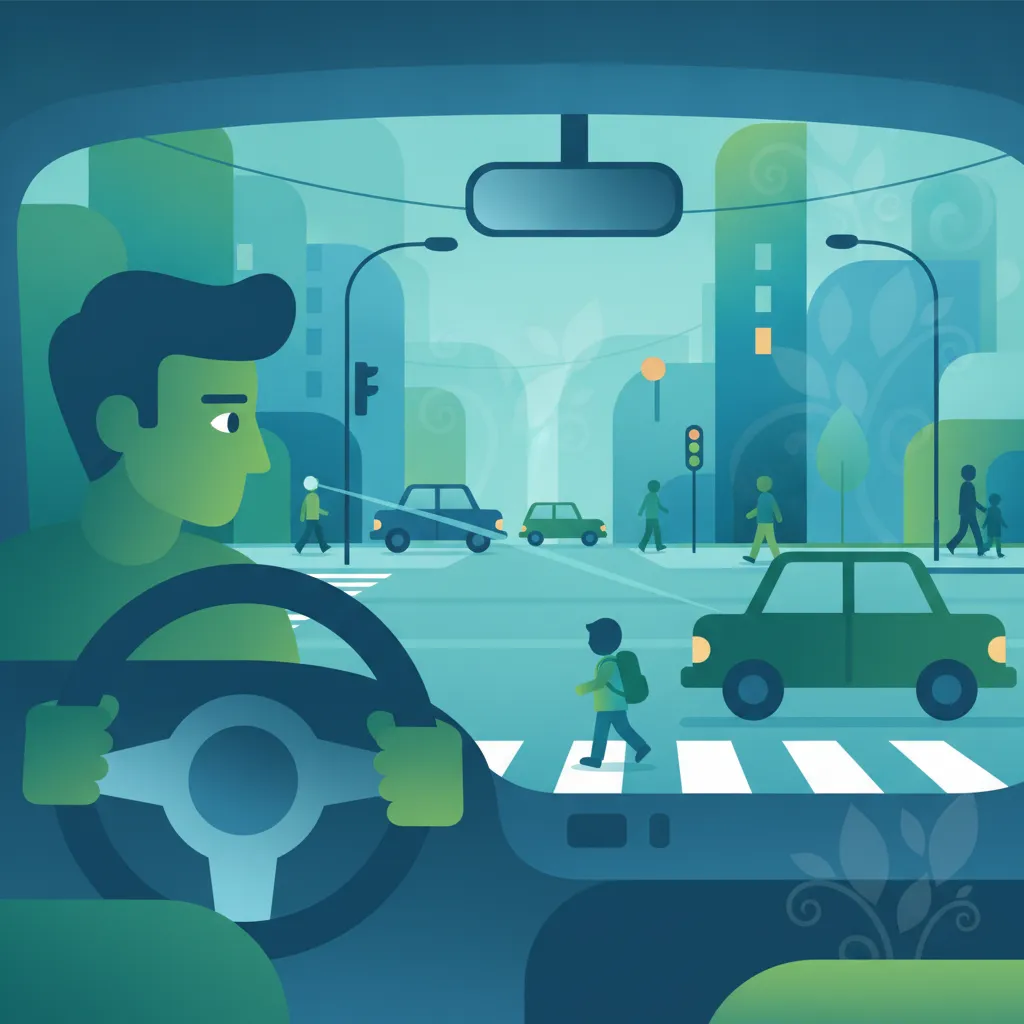
This lesson explores the critical skill of hazard identification and anticipation while driving. Topics include recognizing potential risks in traffic, road conditions, and environmental factors. Learners will develop skills in anticipatory driving to proactively address hazards before they become dangerous. Real-world examples illustrate how to maintain vigilance.
In this lesson, learners will discover the principles of defensive riding, focusing on hazard anticipation, maintaining safe distances, and practicing proactive avoidance techniques. It emphasizes developing a vigilant riding posture, constantly scanning the environment, and preparing to react to potential dangers from other road users, road conditions, or unexpected traffic events.
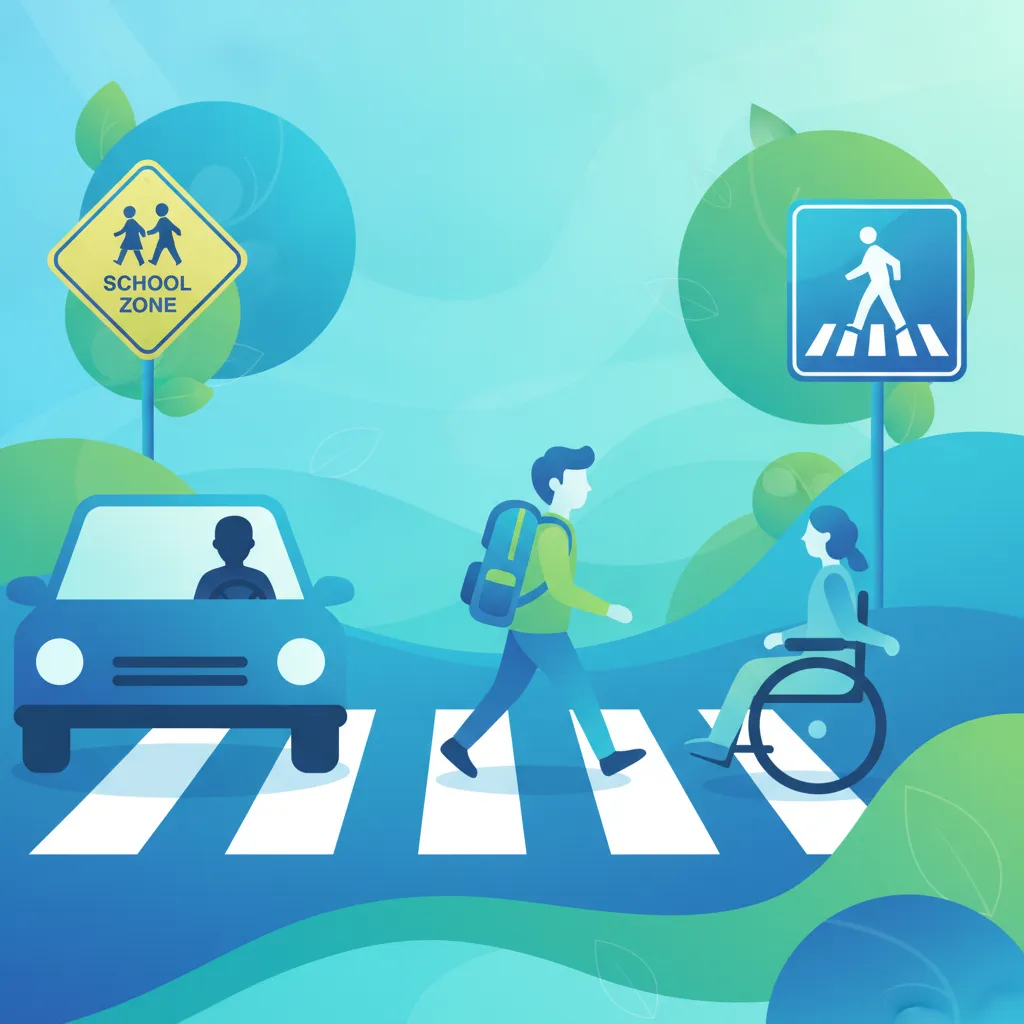
Learners will identify the different categories of vulnerable road users and understand the heightened risks they face. The lesson emphasizes the importance of recognizing these users, anticipating their actions, and taking proactive measures to ensure their safety while operating passenger vehicles. Strategies for mitigating danger and fostering a protective driving environment are explored.
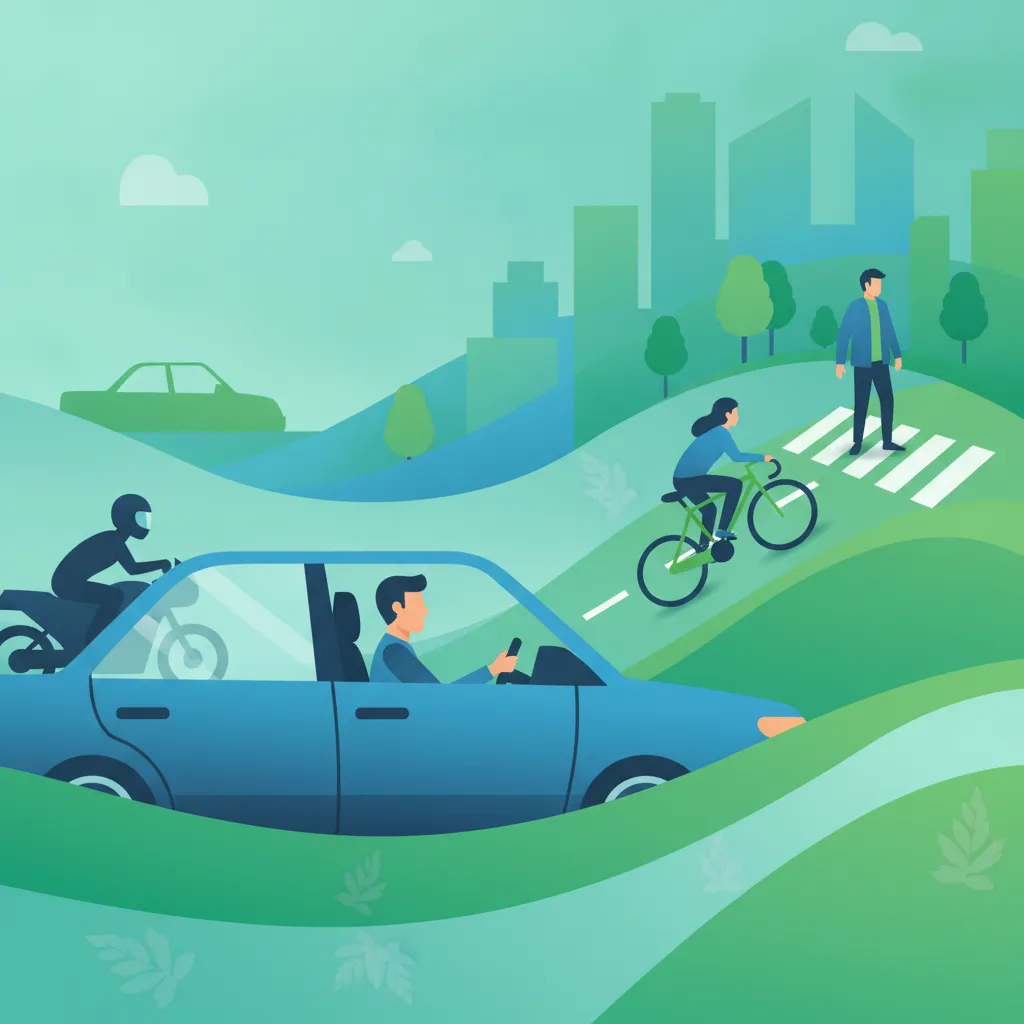
Learners will examine the complexities of operating in environments where various road users, including pedestrians, cyclists, and motorcyclists, coexist. The lesson emphasizes the need for heightened situational awareness, defensive driving techniques, and proactive hazard anticipation. Strategies for navigating mixed traffic safely, especially in congested urban areas, are highlighted.

This lesson details defensive driving techniques for adverse weather conditions such as rain, snow, black ice, dense fog, and strong winds. It explains the physics of aquaplaning and how to regain vehicle control when losing traction on slippery surfaces. Drivers will learn how to adjust speed and increase safety gaps to prevent weather crashes.
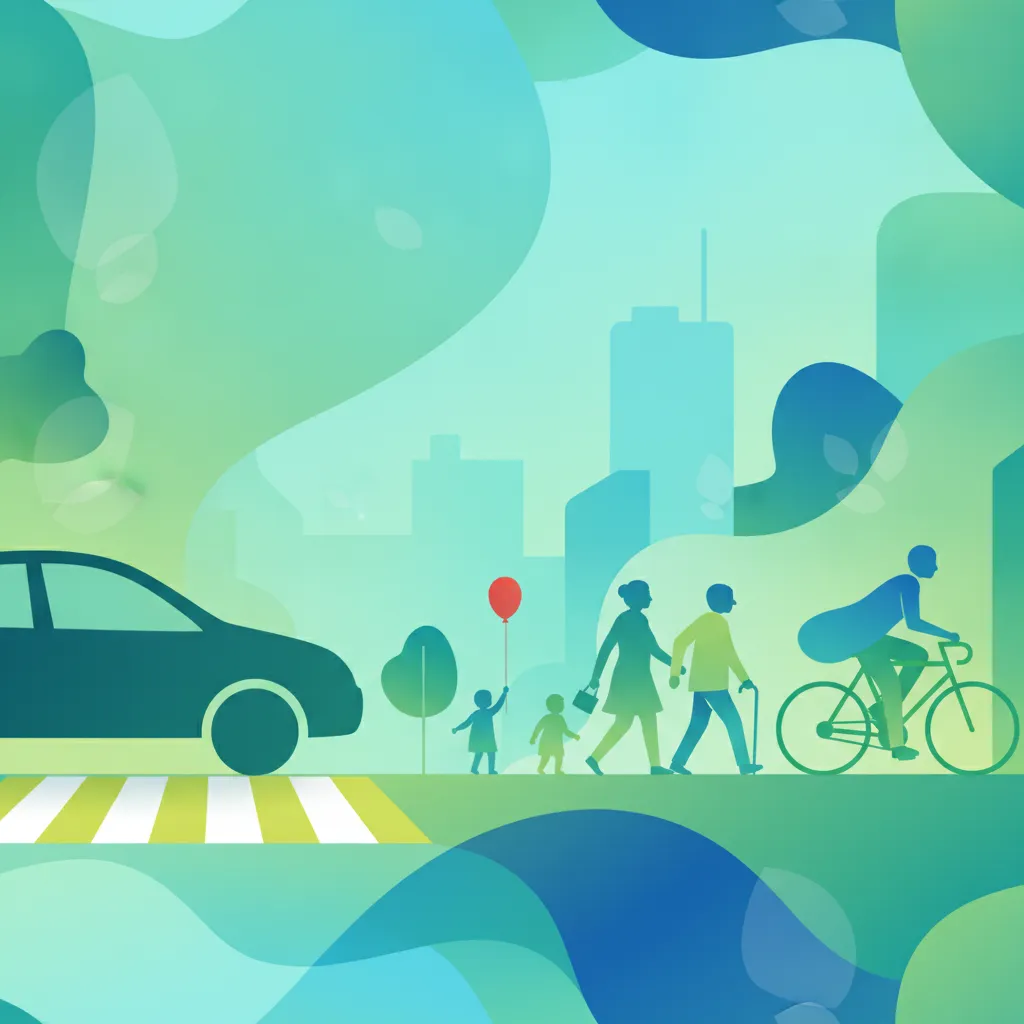
This lesson focuses on protecting vulnerable road users, such as pedestrians, cyclists, and motorcyclists, in mixed traffic environments. Learners will examine specific strategies for increased vigilance, anticipatory driving, and properly yielding to these users. The lesson also covers high-risk zones, such as school areas and public transport stops, emphasizing the need for heightened safety.

Defensive riding is the practice of anticipating potential road conflicts and acting early to prevent accidents before they occur. This lesson teaches you how to systematically scan the road ahead for changing conditions, keep an adequate safety cushion around your moped, and pre-plan exit routes in tight spots. You will learn to assume you are invisible to other drivers and adapt your speed and road position proactively to protect yourself against sudden maneuvers.

This lesson explores the hazards characteristic of rural roads, including narrow paths, lack of lighting, slow agricultural vehicles, and sharp curves. It teaches drivers how to anticipate blind corners, adjust speed, and pass slow-moving tractors safely. Motorists will learn to remain highly alert for unexpected roadway obstructions.
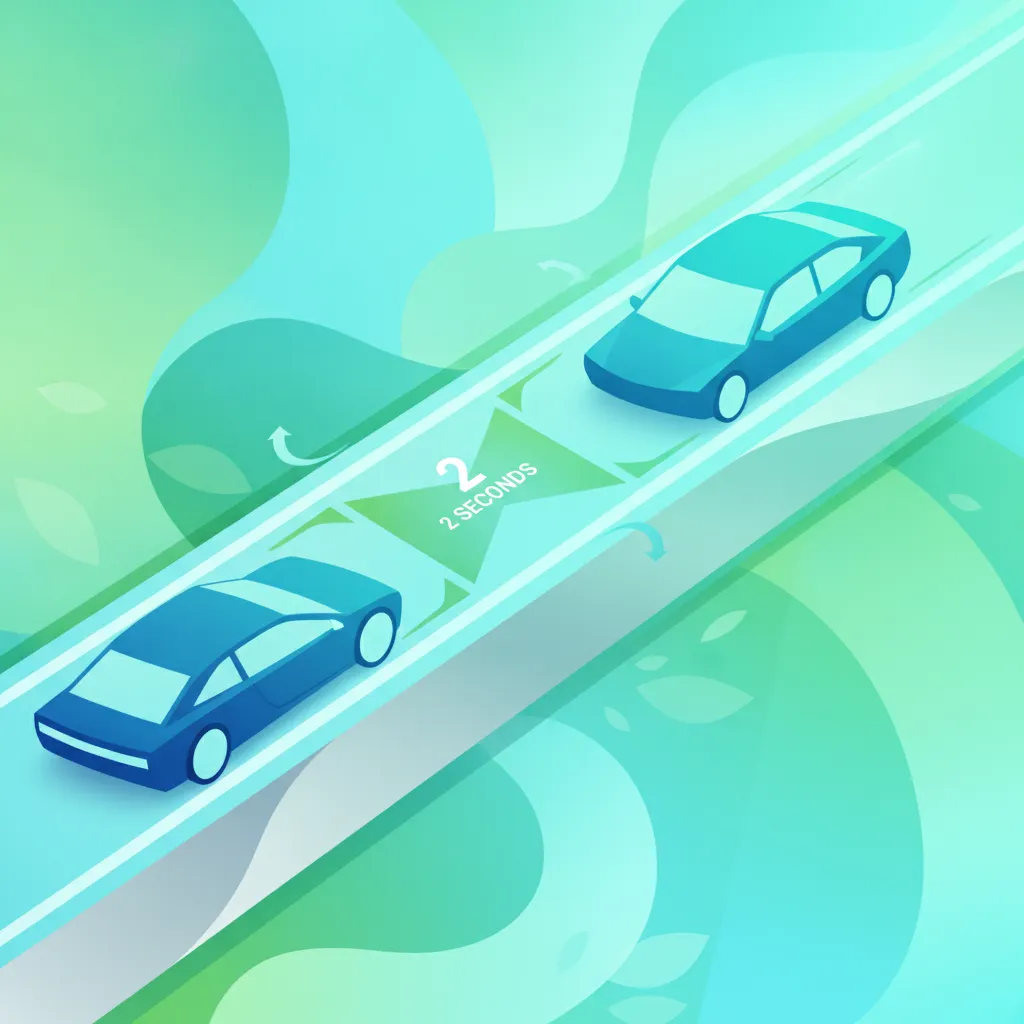
This lesson focuses on the principles governing safe following distances between vehicles. Topics include understanding time and distance gaps, reaction times, and braking distances. Learners will explore guidelines for maintaining proper following distances based on speed and road conditions. Real-world examples demonstrate the importance of safe following practices in preventing rear-end collisions.
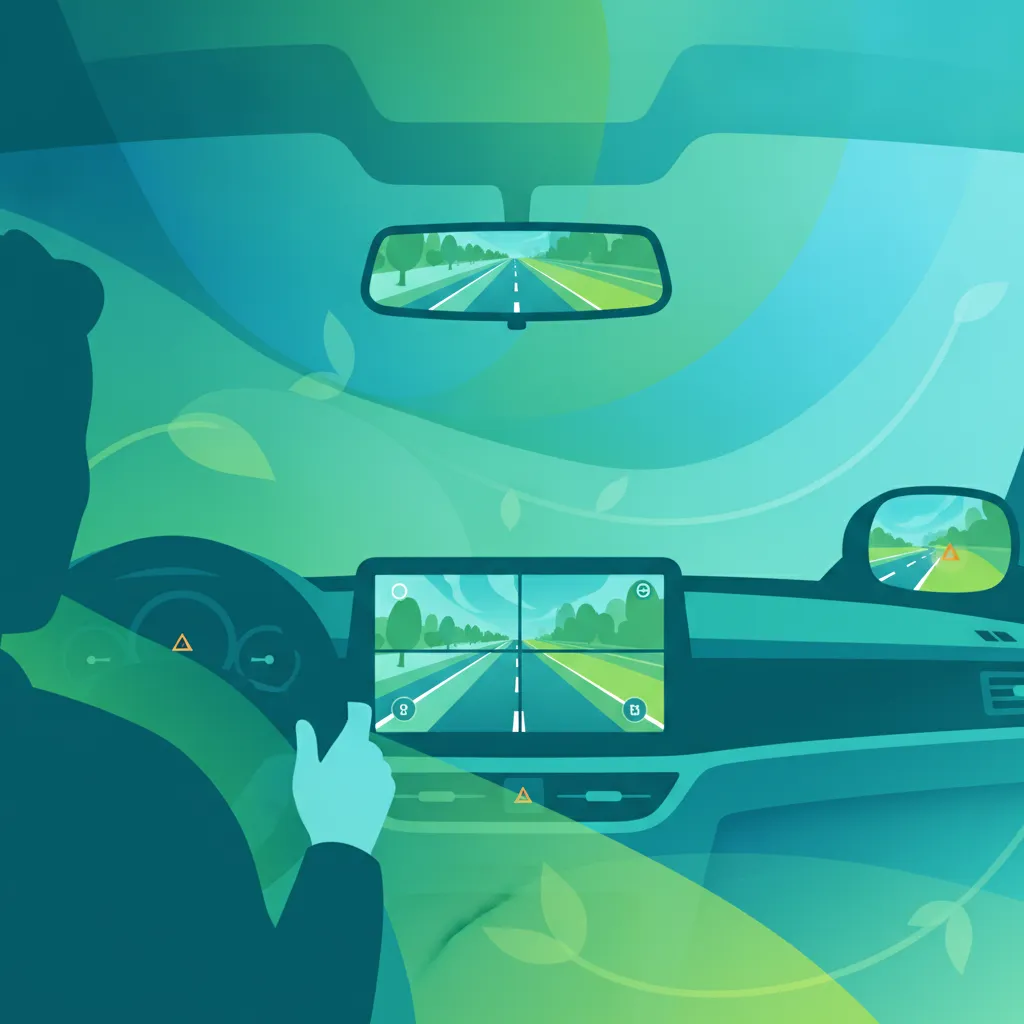
Learners will explore the proper adjustment and utilization of mirrors, rear-view cameras, and blind spot sensors to maximize visibility while operating a passenger vehicle. The lesson covers the optimal positioning of mirrors for comprehensive coverage, interpreting camera and sensor alerts, and integrating these tools into safe driving practices. Proper use of these technologies reduces blind spots and enhances overall situational awareness.
Understand the legal and ethical obligations of Category B drivers when navigating around pedestrians, cyclists, and motorcyclists. This lesson details the specific requirements for yielding at pedestrian crossings, maintaining safe passing distances, and protecting vulnerable road users under the Turkish Highway Traffic Law.

This lesson focuses on pedestrian rights and safety measures to ensure their protection on Turkish roads. Topics include proper use of crosswalks, pedestrian signals, and yielding to pedestrians at intersections. The lesson also addresses specific considerations for vulnerable pedestrians such as children, the elderly, and the visually impaired. Real-world scenarios illustrate safe crossing practices.
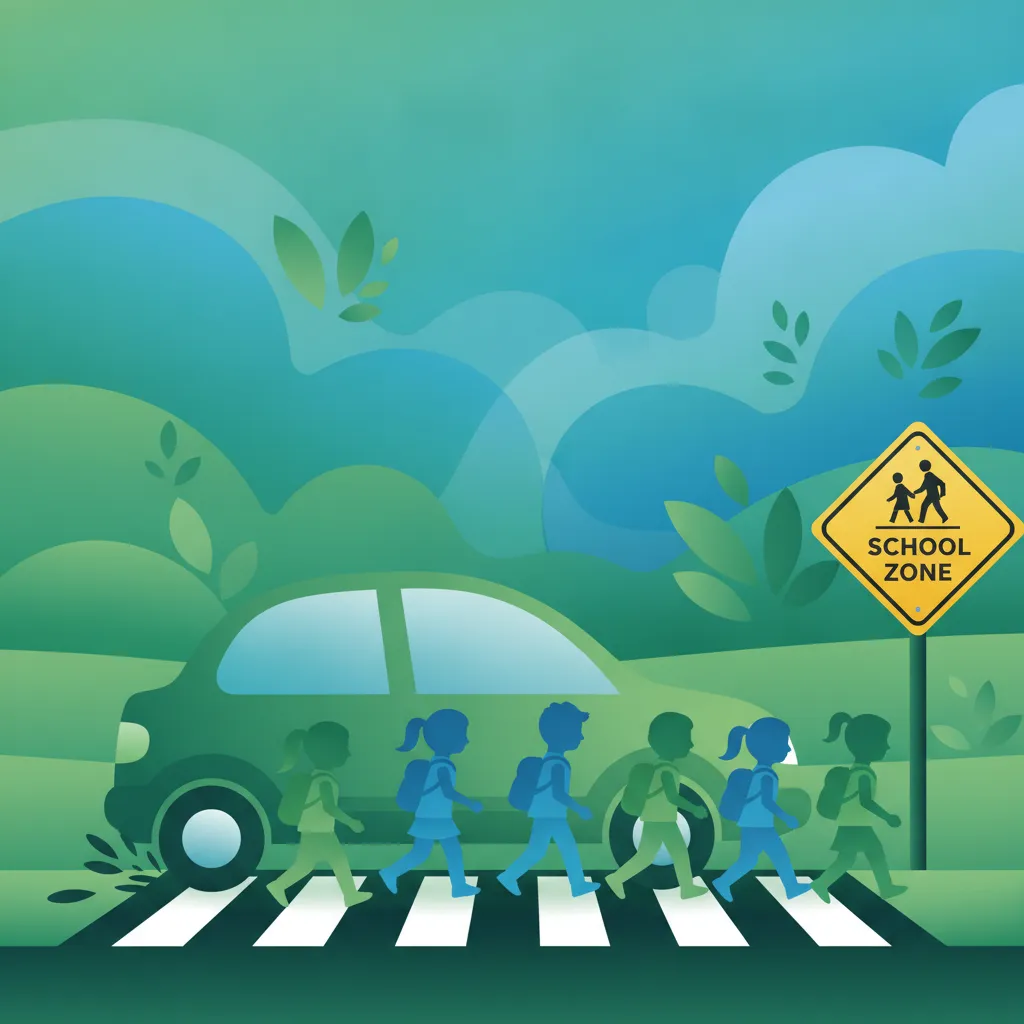
Protecting vulnerable road users is a core legal and ethical responsibility for all motorized vehicle operators in Turkey. This lesson covers the absolute requirement to yield to pedestrians at marked crosswalks, zebra crossings, and designated school zones. You will learn how to identify these zones early, reduce your speed proactively, and maintain heightened situational awareness for children or distracted pedestrians who may step onto the road unexpectedly.
This lesson examines the critical interactions between goods vehicles and vulnerable road users such as pedestrians, cyclists, and motorcyclists, particularly in urban environments. Learners will explore right-of-way rules, maintaining safe distances, and strategies for anticipating the actions of these road users. The lesson emphasizes the importance of clear communication and protective driving.
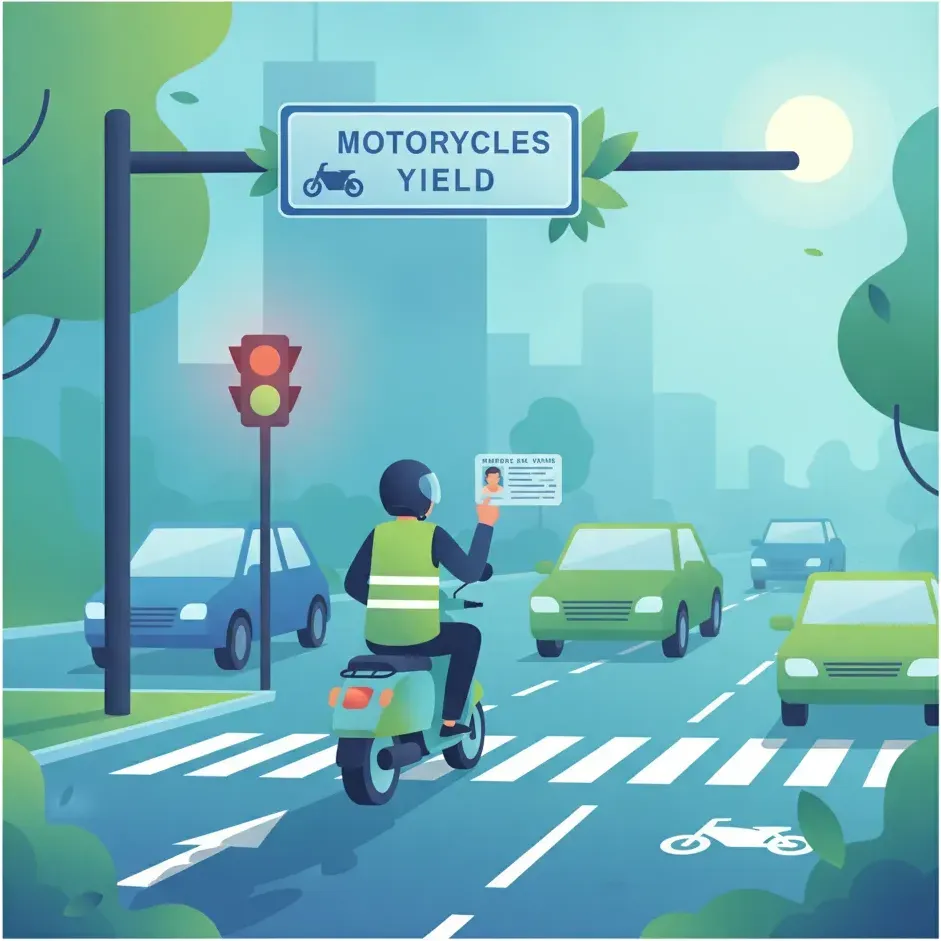
This lesson covers the primary legal requirements that every moped rider must follow when navigating public traffic systems within Turkey. It focuses on the mandatory application of traffic signals, correct lane selection, appropriate overtaking procedures, and the specific speed limitations set for light motorized vehicles. By understanding these regulatory bounds, you will avoid high traffic fines and licence point deductions while ensuring that your riding practices strictly align with national highway laws.
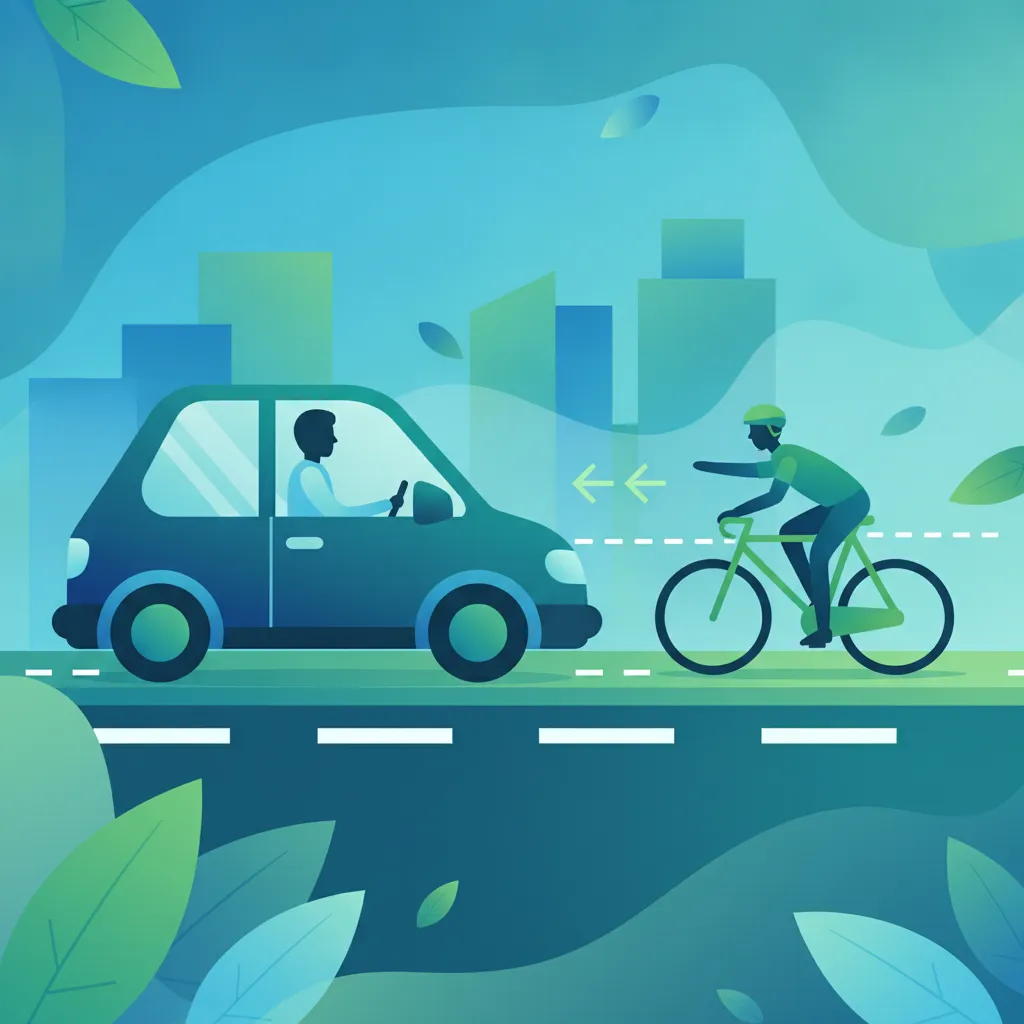
This lesson examines the interaction between drivers and cyclists, focusing on the safe sharing of road space. Topics include the proper use of bicycle lanes, yielding to cyclists at intersections, and safe passing distances. The lesson also addresses cyclist vulnerabilities and ways to minimize risks. Real-world examples illustrate common hazards when sharing the road.
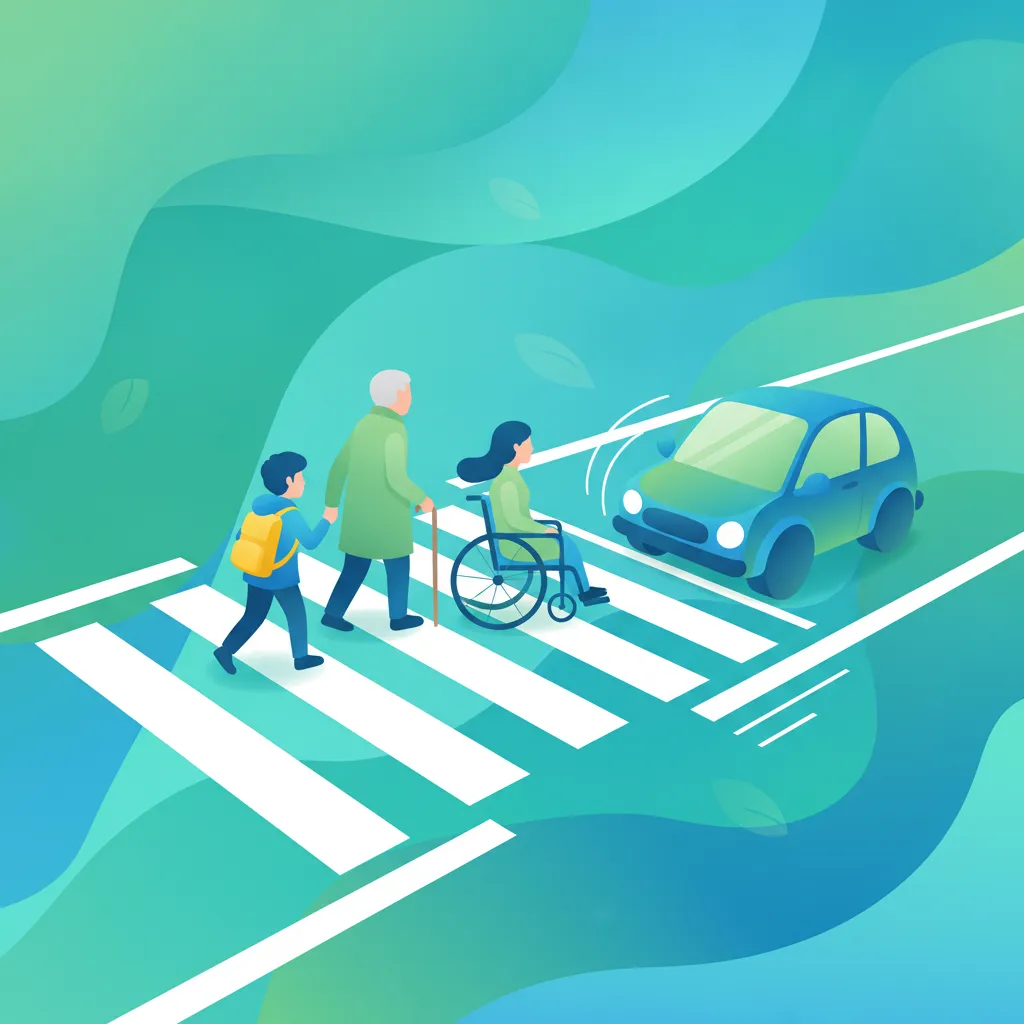
This lesson focuses on the specific needs and challenges faced by children, elderly, and disabled pedestrians. Topics include recognizing vulnerable road users, understanding their behavior, and providing additional safety measures. The lesson also discusses school zones, pedestrian crossing assistance, and strategies to mitigate risks. Real-world examples demonstrate how drivers can anticipate dangers.
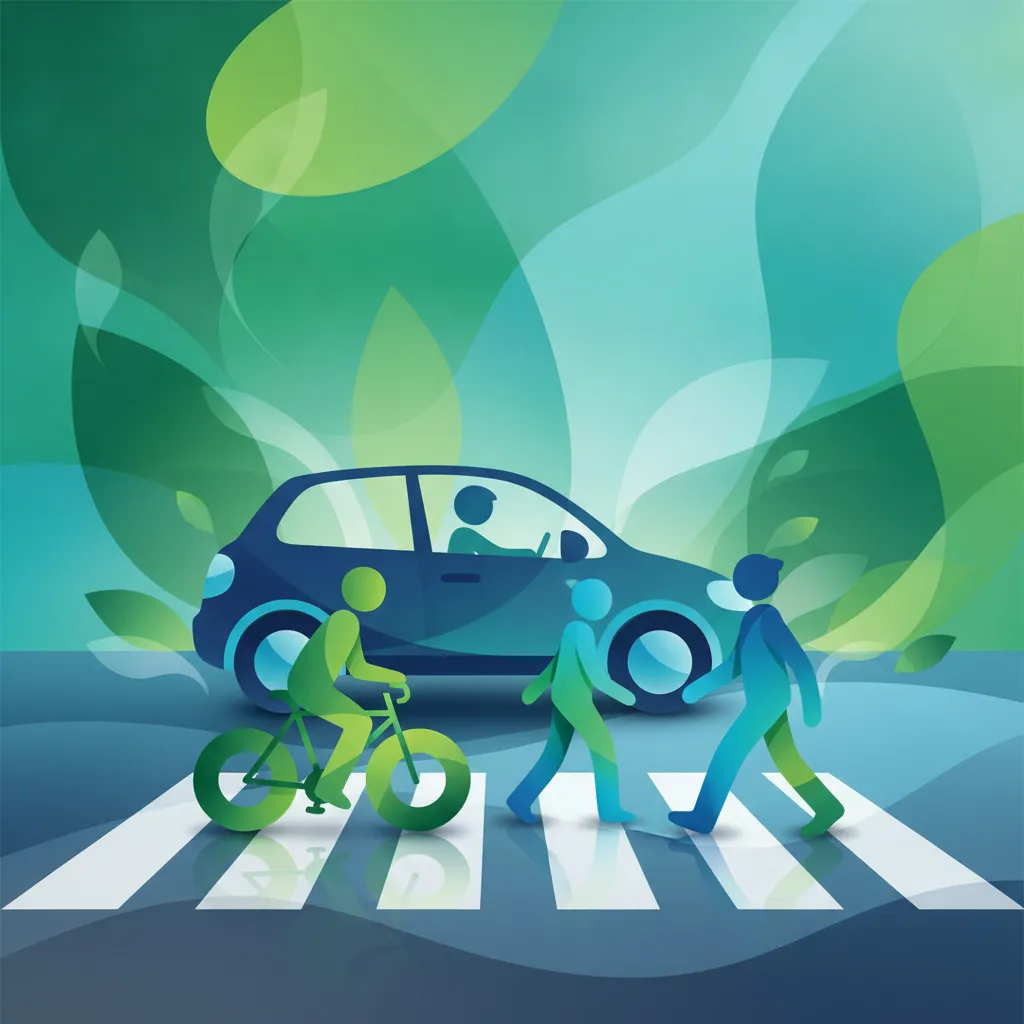
This lesson emphasizes the importance of yielding to pedestrians and cyclists at intersections, crosswalks, and designated lanes. Learners will understand the legal obligations to provide safe passage to vulnerable road users and the correct procedures for stopping and allowing them to cross. Real-world examples illustrate scenarios where failing to yield can lead to accidents.
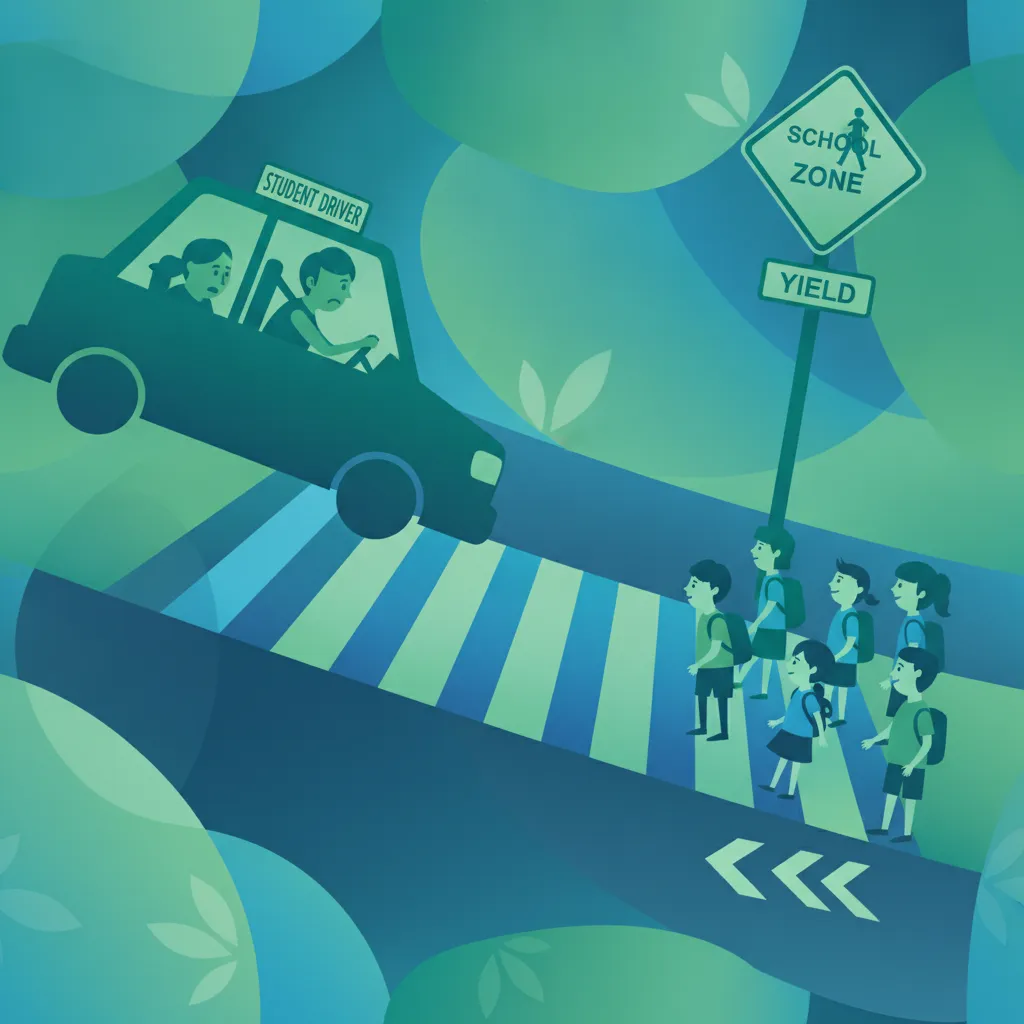
Focusing on pedestrian safety, this lesson addresses the unique considerations motorcyclists must take when approaching zebra crossings, traffic signal-controlled pedestrian crossings, and designated school zones. Learners will understand the legal obligations to yield to pedestrians, especially children, and the importance of reducing speed in these high-risk areas. The lesson also provides practical tips for ensuring visibility.
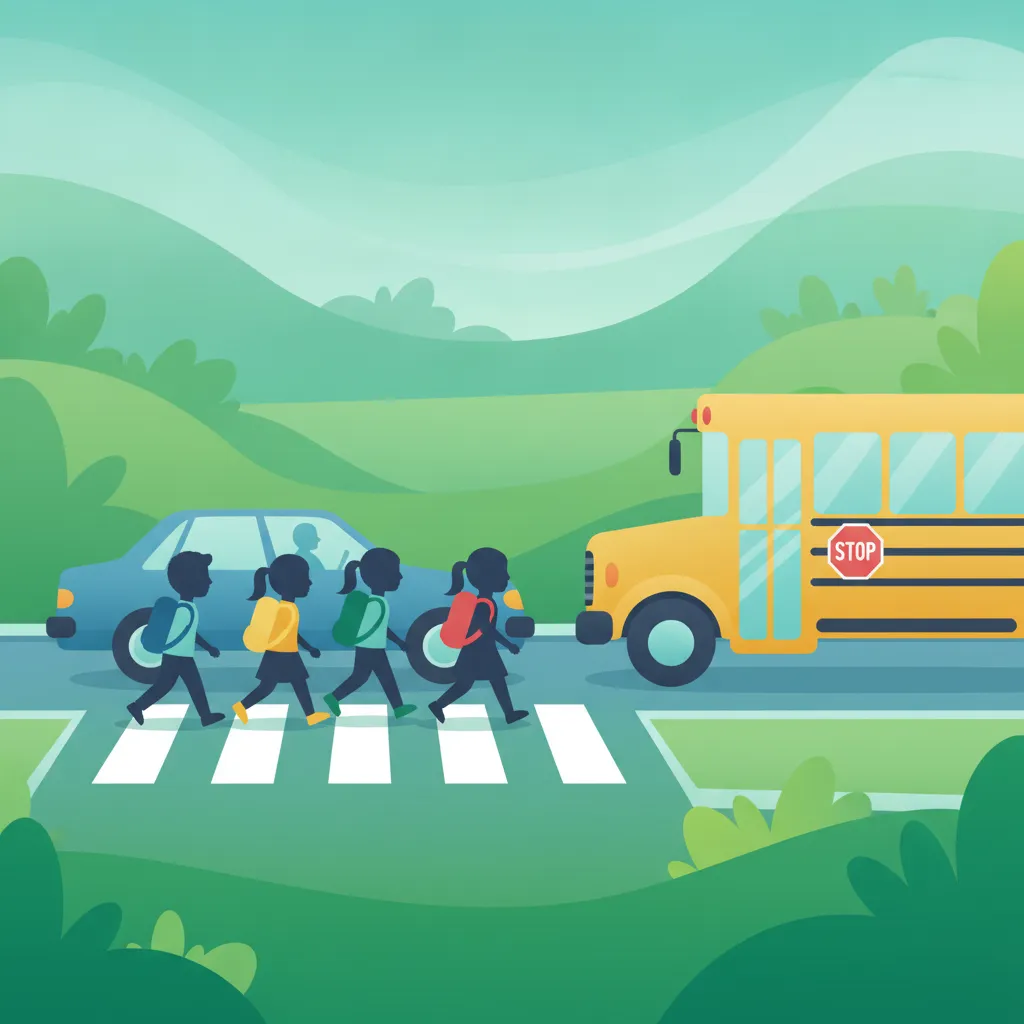
This lesson focuses on the specific considerations for ensuring the safety of pedestrians and schoolchildren around bus stops and terminals. Learners will explore strategies for slowing down, stopping at appropriate distances, and maintaining heightened vigilance. The lesson also covers effective communication with children and the importance of secure boarding and alighting processes to prevent accidents.
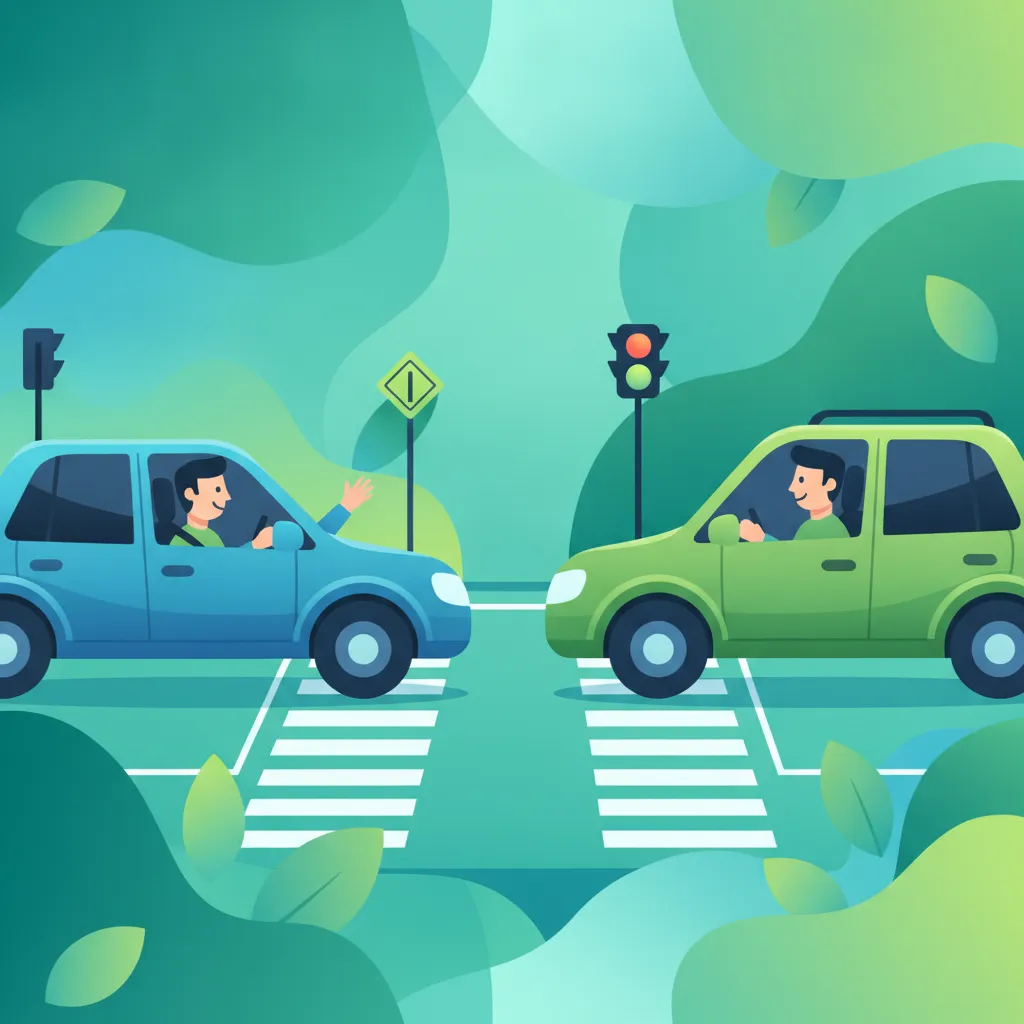
Riding an exposed lightweight vehicle in busy Turkish cities requires exceptional personal conduct, patience, and absolute control over your emotional reactions. This lesson discusses the psychological aspects of riding, teaching you how to avoid aggressive behaviors and stay calm under stressful traffic situations. It covers proper non-verbal communication, polite road sharing practices, and maintaining safe buffers from other motorists to establish a safe, predictable presence on any public street.
Find clear answers to common questions learners have about Driver Ethics and Responsibility. Learn how the lesson is structured, which driving theory objectives it supports, and how it fits into the overall learning path of units and curriculum progression in Turkey. These explanations help you understand key concepts, lesson flow, and exam focused study goals.
The theory exam tests both your knowledge of laws and your ability to act safely. Ethical driving means making choices that protect others, which is a core requirement for any Category B driver to ensure road safety.
Defensive driving is the practical application of your responsibility. It involves anticipating the errors of others and maintaining a safe space, showing that you value the safety of all road users.
Yes, the MTSK e-sınav often includes situational questions where you must choose the most responsible and safe action among several options. These test your underlying driving philosophy.
Not necessarily. Ethics involve using signals and sound devices correctly according to traffic rules to prevent danger, rather than using them out of aggression or impatience.
Use our comprehensive practice search to find exactly the Turkish driving theory questions you need to master. Whether reviewing specific road signs, traffic rules, or first aid scenarios, select your perfect practice set and boost your confidence for the official ehliyet sınavı.