This lesson guides you through the interpretation of critical warning traffic signs encountered on Turkish roads. By mastering these symbols, you will learn to anticipate hazards and adjust your driving behavior in advance, which is a vital skill for both the Category B theory exam and real-world safety.
Lesson content overview
In the Turkish traffic system, anticipating hazards before they appear in your immediate path is a cornerstone of defensive driving. Under the framework of the Turkish Driving License Category B Theory Course, mastering warning traffic signs (known officially as Tehlike Uyarı İşaretleri) is not only essential for passing the MTSK e-sınav but is a critical real-world skill that prevents collisions, protects vulnerable road users, and ensures optimal vehicle control.
Warning traffic signs serve as preemptive alerts, informing drivers of upcoming changes in road geometry, surface conditions, or potential obstacles. This lesson covers the identification, meaning, and precise defensive driving actions required when encountering these signs on Turkish roads.
In Turkey, traffic warning signs conform to the Vienna Convention on Road Signs and Signals. They are easily recognizable by their standardized visual design:
The primary function of these signs is to give drivers sufficient time to adjust their vehicle’s speed and positioning before reaching the hazard. In rural or high-speed areas, warning signs are placed further ahead of the hazard (typically 150 to 250 metres) than in urban areas (typically 50 to 100 metres) to account for longer stopping distances.
Curves change the lateral forces acting on your vehicle. Failing to adjust your speed before entering a curve can result in understeer, oversteer, or a complete loss of traction.
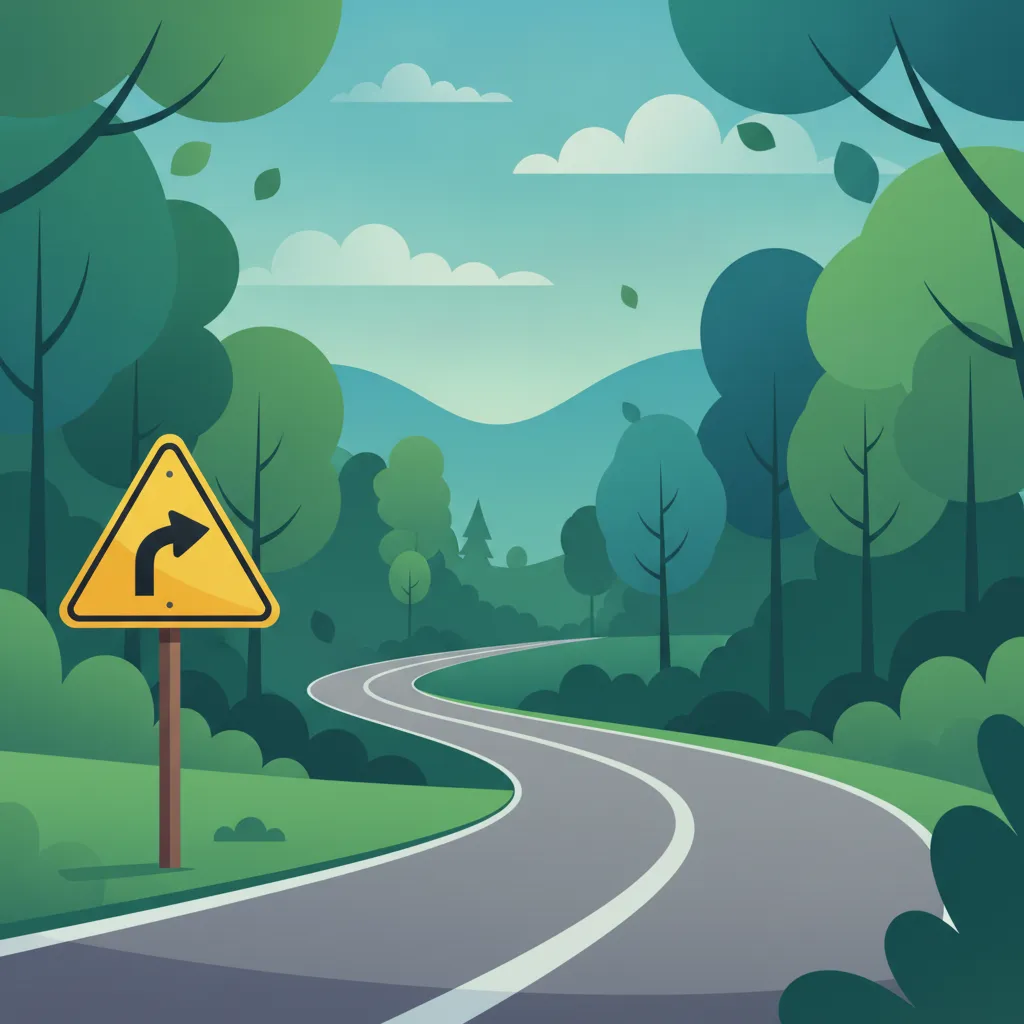
These signs indicate a single, sharp bend in the road ahead. The direction of the curve is indicated by the bend of the arrow inside the red triangle.
When encountering a sharp curve sign:
These signs warn of a series of sharp curves ahead, with the first curve turning in the direction indicated by the symbol (either left or right).
Failing to plan for the second curve is a common driver mistake. Drivers often accelerate out of the first curve, only to find themselves carrying too much speed into the second, opposing bend. Maintain a consistent, reduced speed throughout the entire winding section.
Changes in elevation affect your vehicle's braking efficiency, gear selection, and acceleration capacity.
This sign warns of a significant downhill gradient ahead, usually annotated with a percentage (e.g., 10%).
On long, steep descents, relying solely on your service brakes (the foot brake) causes them to overheat. This leads to brake fade, a dangerous condition where the brakes lose their stopping power due to extreme heat build-up.
Reduce Speed Early: Slow down before the downhill gradient begins.
Shift to a Lower Gear: Shift your transmission to a lower gear (e.g., second or third gear in a manual transmission, or "Low/Manual" mode in an automatic).
Utilize Engine Braking (Motor Freni): Allow the natural resistance of the engine to control the vehicle's speed.
Use Threshold Braking: If you must use the foot brake, apply it firmly for short intervals to reduce speed, then release it to allow the brakes to cool down. Do not ride the pedal continuously.
Changes in the road surface directly affect tyre grip, stopping distances, and vehicle stability.
The slippery road sign indicates that the road surface ahead has a significantly reduced coefficient of friction, especially when wet, icy, or covered in loose material.
The 2-Second Rule Modification: Under normal, dry conditions, drivers must maintain a minimum following distance (takip mesafesi) of at least 2 seconds. When encountering a "Slippery Road" sign or driving in wet/icy conditions, you must increase this following distance to at least 4 seconds to account for the dramatically increased stopping distance.
On a slippery surface:
Pedestrians, cyclists, and school children are the most exposed users on the road. Warning signs in these areas demand heightened situational awareness and an immediate reduction in speed.
This sign warns that you are approaching a designated zone where pedestrians have the right-of-way to cross the road.
In Turkish traffic law, pedestrians have absolute priority at marked crossings without traffic lights (Yaya öncelikli trafik). When you see this sign:
This sign indicates the proximity of a school, playground, or educational institution where children are likely to be crossing or walking along the roadside.
Children have limited hazard perception and may impulsively run into the street. When driving through a school zone:
Changes in road configuration require careful lane positioning and a clear understanding of priority rules.
These signs indicate that the width of the driving surface is decreasing, either from both sides, the right side, or the left side.
When the road narrows:
An uncontrolled intersection is an intersection where there are no traffic lights, police officers, or priority signs (Geçiş Hakkı signs) to regulate traffic flow.
When approaching an uncontrolled intersection in Turkey:
To successfully navigate hazards indicated by warning signs, apply the IPDE defensive driving strategy:
Identify: Scan the road ahead and spot the triangular warning sign early. Understand the specific hazard depicted by the black pictogram.
Predict: Consider how this hazard will affect your vehicle's path, traction, and visibility, as well as the behavior of other road users.
Decide: Determine the necessary course of action. This almost always involves reducing speed, selecting a lower gear, or shifting your lane position.
Execute: Smoothly carry out your decision before you reach the hazard area.
By consistently applying this proactive method, you align your driving habits with the highest standards of the Category B license curriculum, ensuring safety for yourself and everyone else on the road.
Explore all units and lessons included in this driving theory course.
Lesson content overview
Explore all units and lessons included in this driving theory course.
Explore search topics learners often look for when studying Warning Traffic Signs. These topics reflect common questions about road rules, driving situations, safety guidance, and lesson level theory preparation for learners in Turkey.
Browse additional driving theory lessons that cover connected traffic rules, road signs, and common driving situations related to this topic. Improve your understanding of how different rules interact across everyday traffic scenarios.
Understand the fundamental right-of-way principles required for navigating various types of junctions safely. This guide explains how to identify priority in controlled and uncontrolled intersections, ensuring you correctly yield to other road users while maintaining traffic flow according to Turkish road laws and defensive driving standards.
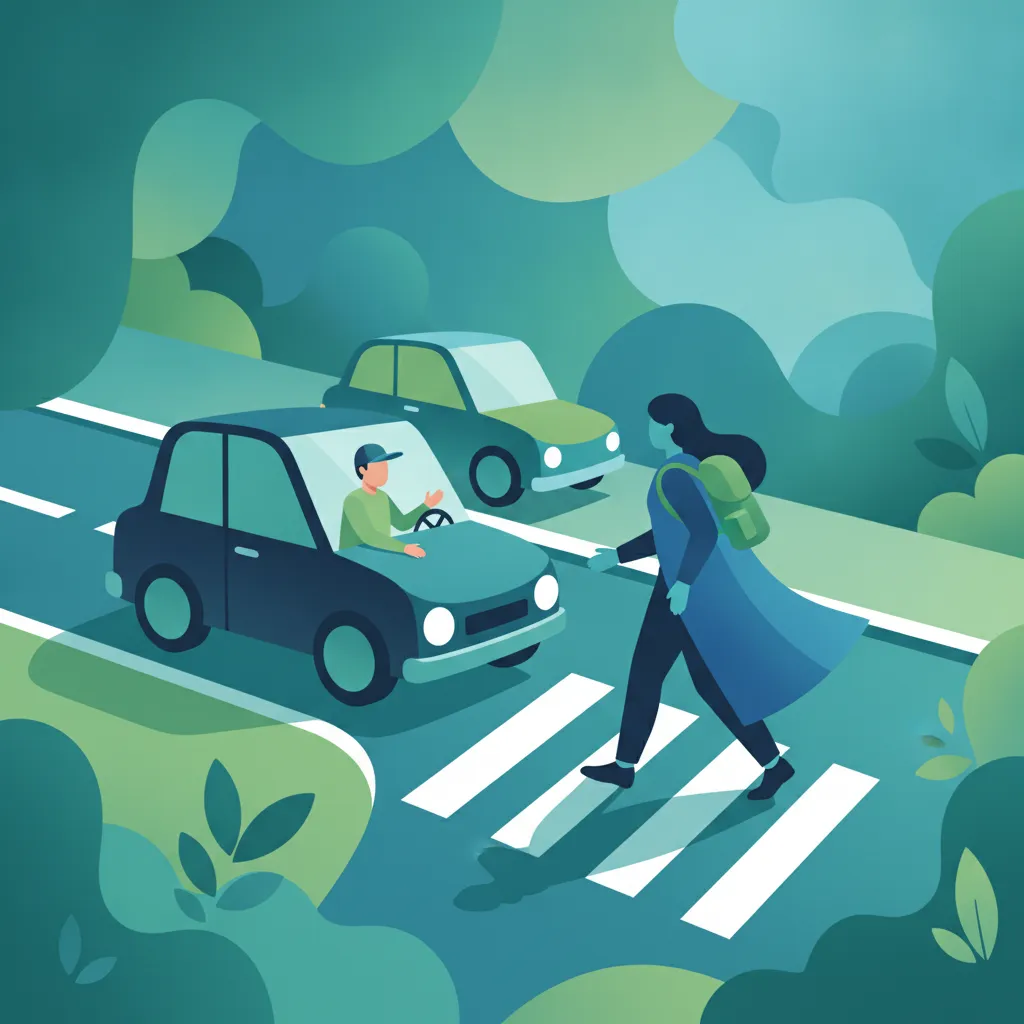
This lesson provides an overview of the general priority principles that dictate right-of-way on Turkish roads. Topics include the hierarchy of road users, such as pedestrians, cyclists, and emergency vehicles, and how these hierarchies apply at various intersections. Learners will understand the fundamental concepts of yielding, stopping, and proceeding, as well as the importance of clear decision-making.
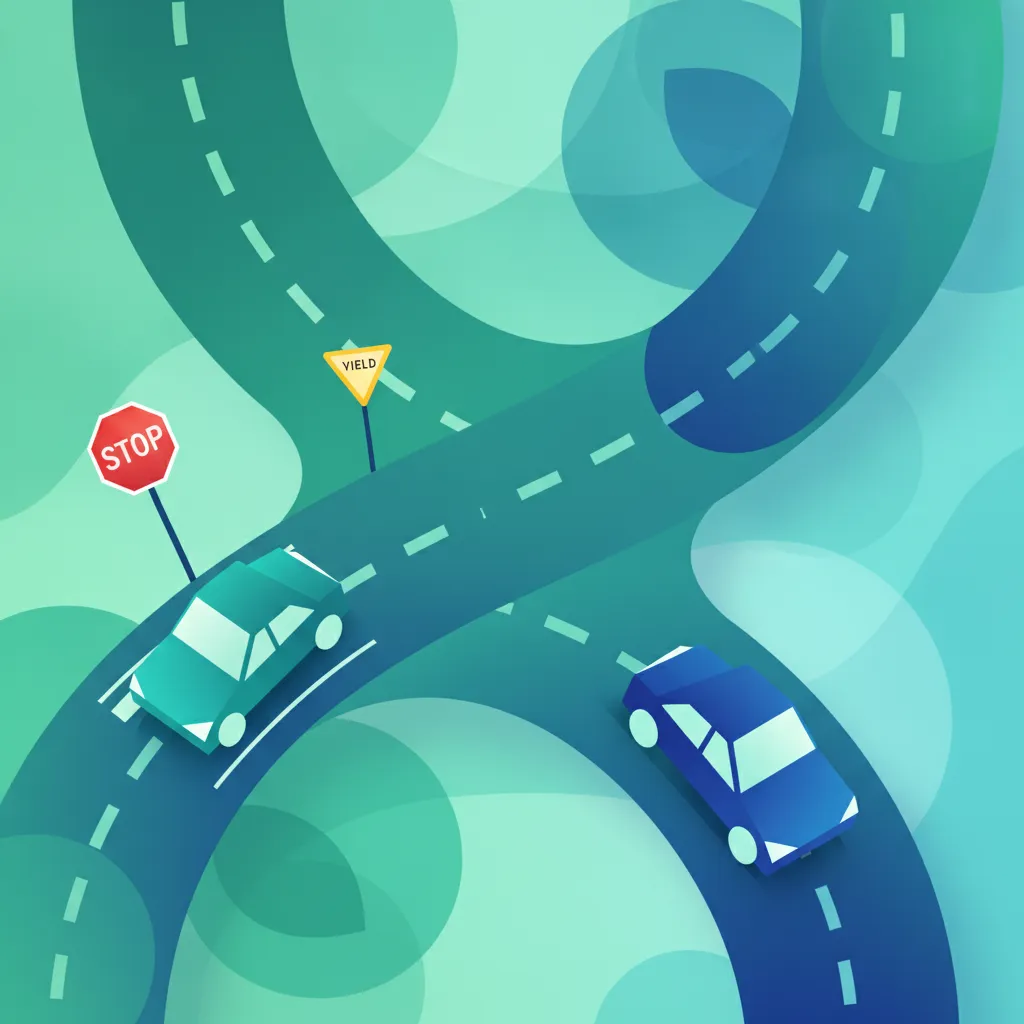
This lesson focuses on priority rules at controlled intersections equipped with traffic signals, stop signs, or yield signs. Learners will understand how to interpret traffic light phases, comply with stop and yield indications, and assess right-of-way at these intersections. The lesson also covers pedestrian and cyclist considerations, as well as emergency vehicle priority.
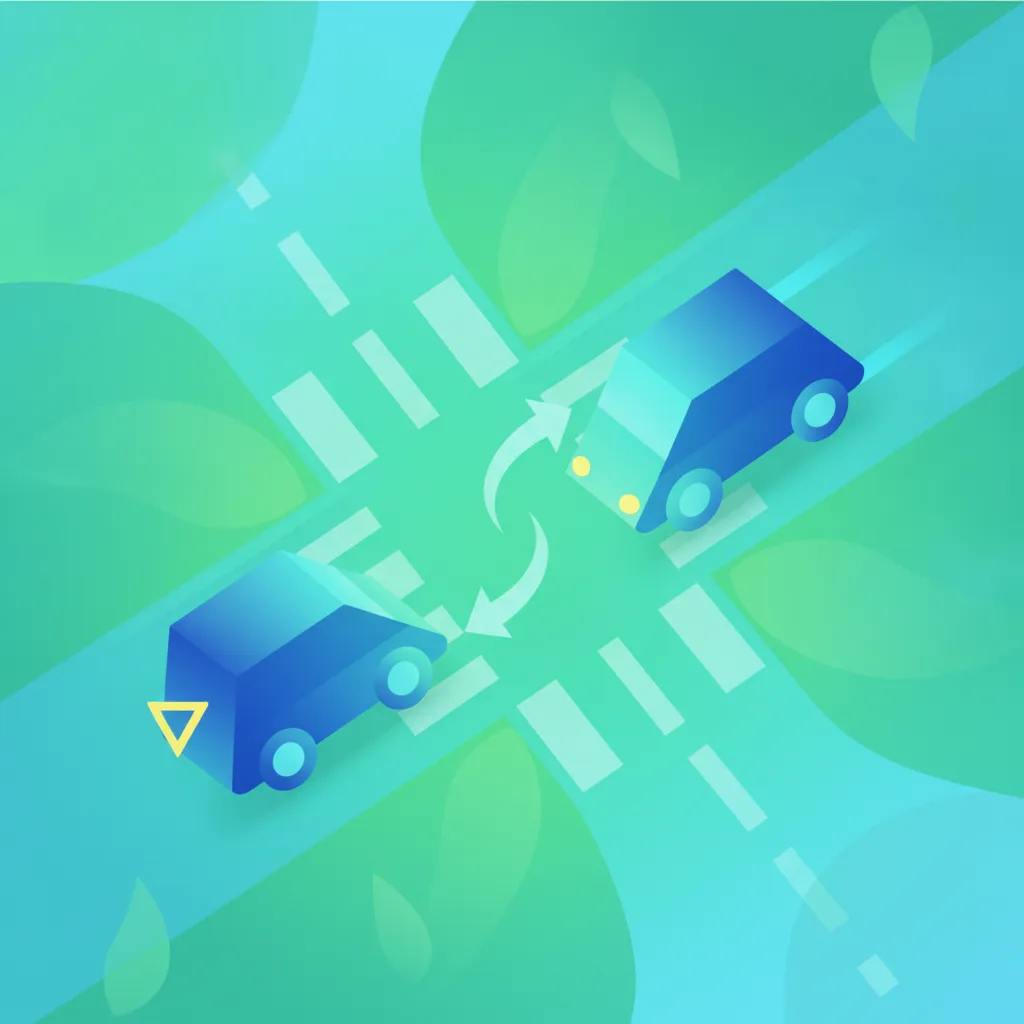
In this lesson, learners explore priority rules specific to uncontrolled intersections, where traffic signals or signs are absent. Topics include determining right-of-way based on vehicle classification, approach angle, and arrival sequence. The lesson emphasizes the importance of stopping, yielding, and assessing potential hazards before proceeding.
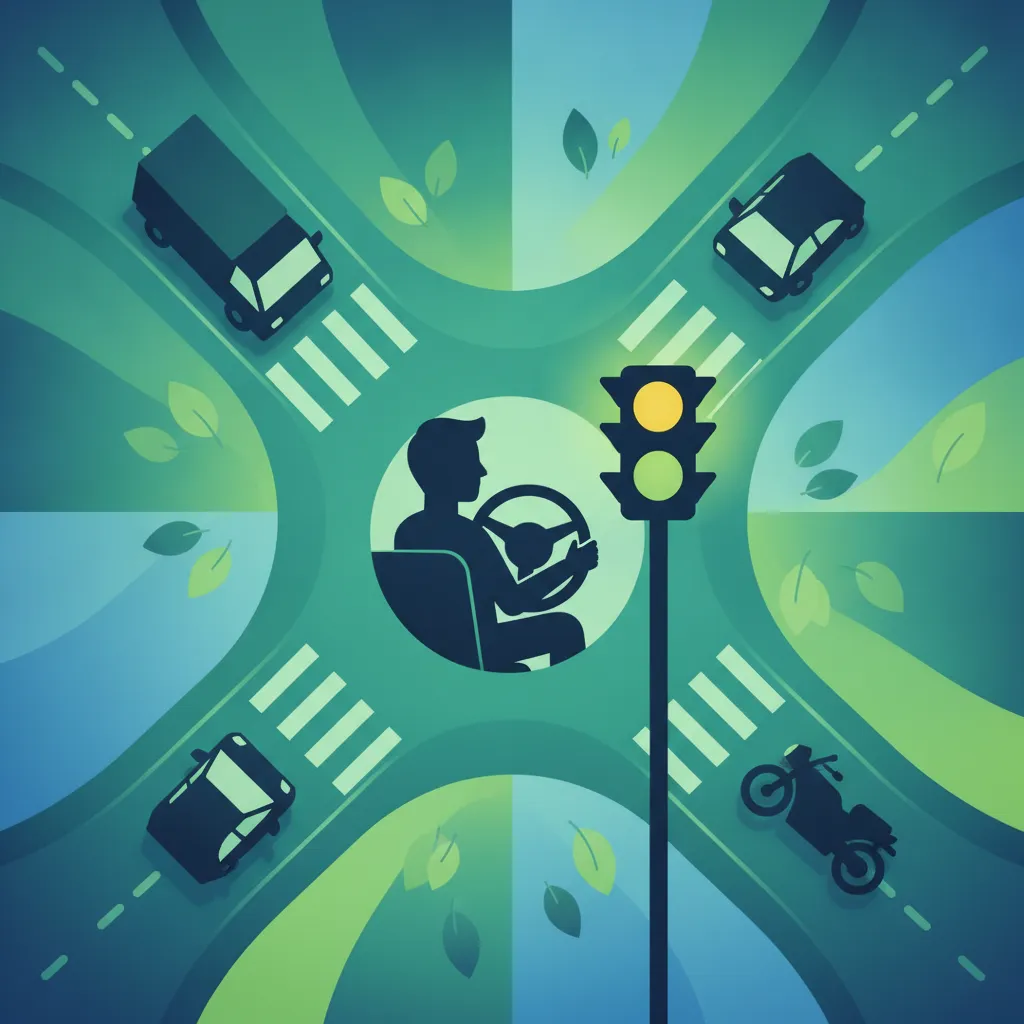
Correctly interpreting traffic signal sequences and priority rules is crucial for preventing devastating right-angle collisions at intersections. This lesson breaks down the phase progression of standard lights, the meanings of flashing amber or red indicators, and the hierarchy of traffic control when a police officer is directing vehicles. You will also master the basic legal default rules of right-of-way, such as yielding to vehicles coming from the right at uncontrolled junctions.
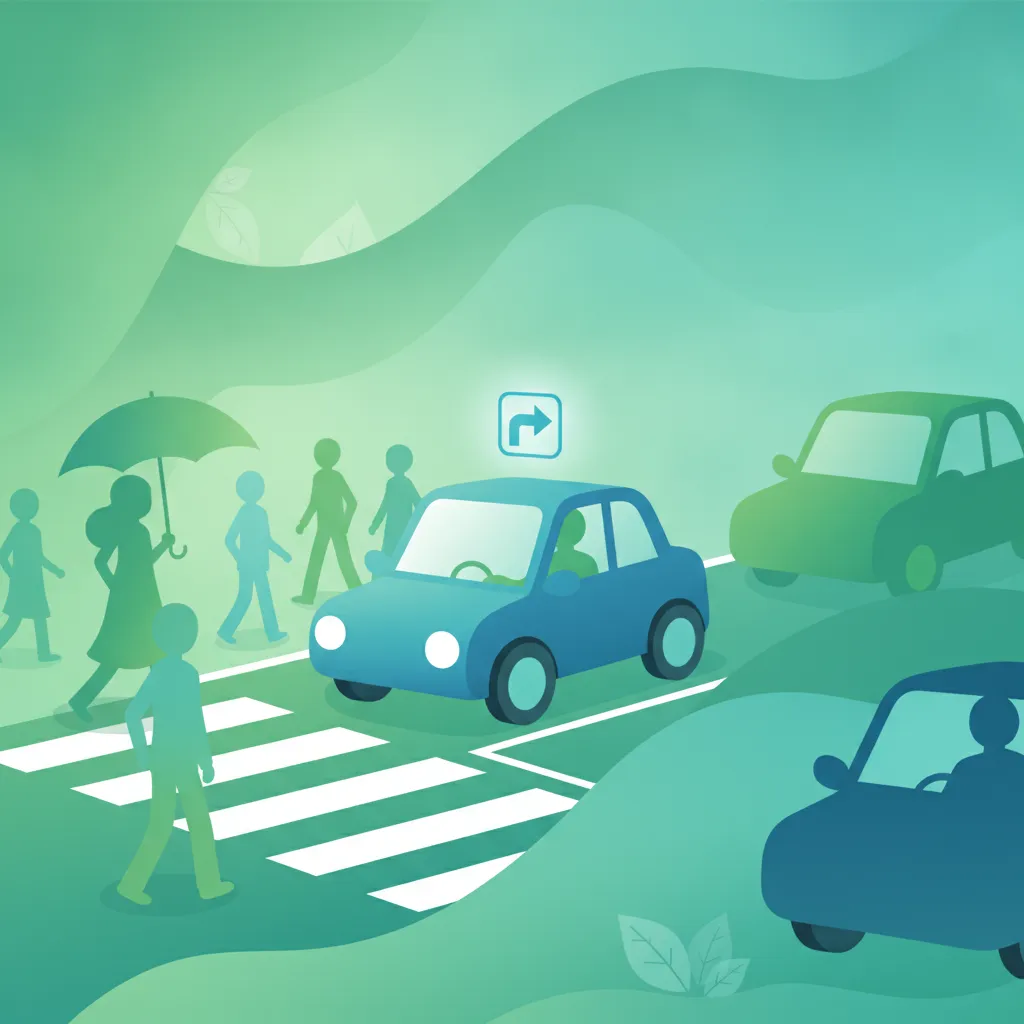
This lesson focuses on the safe interaction with other traffic participants at bus stops and traffic intersections. Learners will explore right-of-way rules, signal compliance, and techniques for maintaining safe distances while stopping and departing. Understanding these interactions is vital for preventing accidents in complex traffic environments.
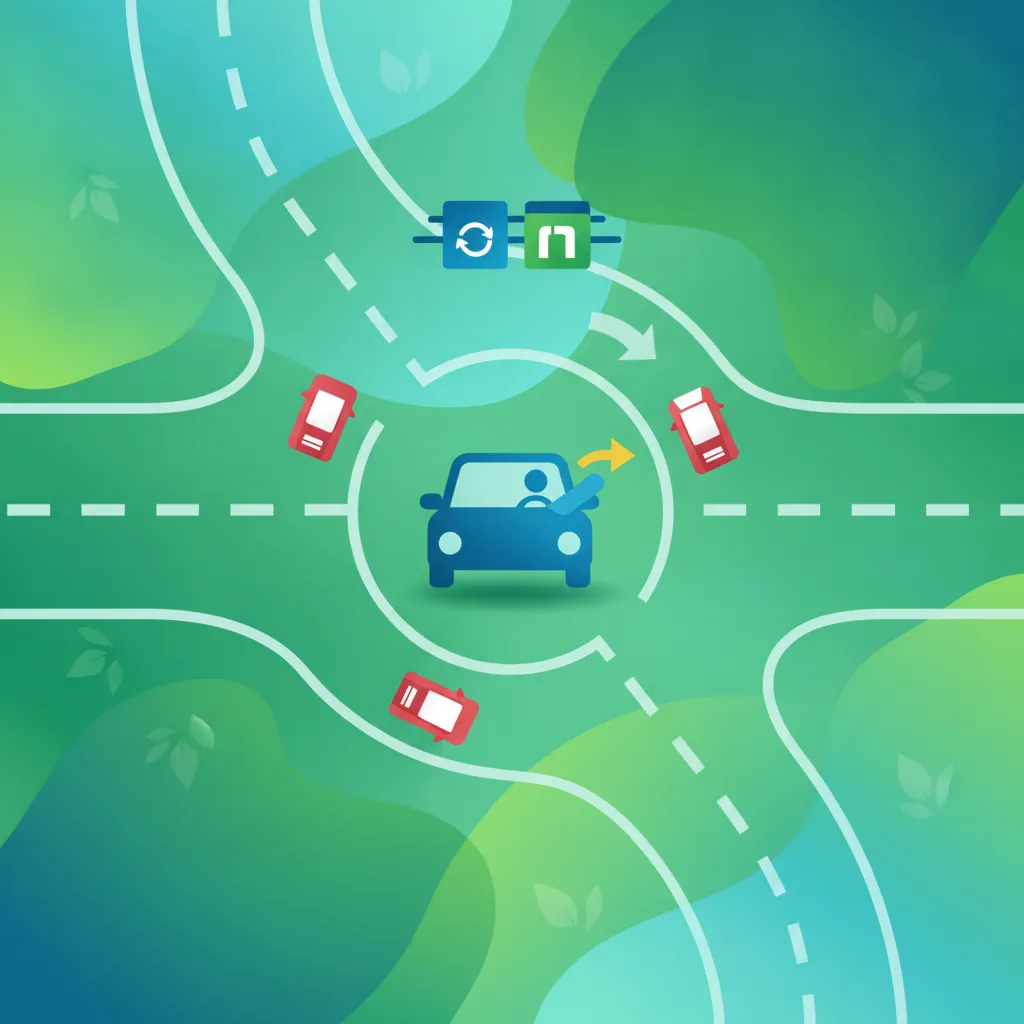
In this lesson, learners explore the specific priority rules and navigation techniques for roundabouts. Topics include yielding to traffic already in the roundabout, proper lane selection upon entry, and safe exit strategies. The lesson also addresses interactions with pedestrians and cyclists near roundabouts and the importance of maintaining appropriate speed.
In this lesson, learners will master the skills required to safely navigate various types of intersections encountered in Turkish urban settings. The content covers interpreting traffic signals, understanding right-of-way rules, and executing proper lane positioning. Practical strategies for managing blind spots and ensuring visibility to other road users are emphasized. By the end of this session, participants will be equipped with safe crossing techniques.
This lesson emphasizes the importance of yielding to pedestrians and cyclists at intersections, crosswalks, and designated lanes. Learners will understand the legal obligations to provide safe passage to vulnerable road users and the correct procedures for stopping and allowing them to cross. Real-world examples illustrate scenarios where failing to yield can lead to accidents.
Protecting vulnerable road users is a core legal and ethical responsibility for all motorized vehicle operators in Turkey. This lesson covers the absolute requirement to yield to pedestrians at marked crosswalks, zebra crossings, and designated school zones. You will learn how to identify these zones early, reduce your speed proactively, and maintain heightened situational awareness for children or distracted pedestrians who may step onto the road unexpectedly.

This lesson focuses on pedestrian rights and safety measures to ensure their protection on Turkish roads. Topics include proper use of crosswalks, pedestrian signals, and yielding to pedestrians at intersections. The lesson also addresses specific considerations for vulnerable pedestrians such as children, the elderly, and the visually impaired. Real-world scenarios illustrate safe crossing practices.
Explore how environmental factors like weather, nighttime, and road surface changes impact vehicle control. This lesson builds on basic warning sign knowledge to help you anticipate risks, adjust speed, and maintain safe following distances on rural roads, highways, and during challenging traffic conditions throughout Turkey.

This lesson details defensive driving techniques for adverse weather conditions such as rain, snow, black ice, dense fog, and strong winds. It explains the physics of aquaplaning and how to regain vehicle control when losing traction on slippery surfaces. Drivers will learn how to adjust speed and increase safety gaps to prevent weather crashes.
Learners will explore the specific challenges presented by adverse weather conditions, such as rain, fog, and nighttime driving. The lesson emphasizes the importance of adjusting speed, increasing following distances, and using appropriate lighting to maintain safety. Strategies for handling reduced road surface grip and visibility issues are discussed, ensuring drivers can adapt to changing weather while protecting passengers and other road users.

This lesson focuses on the challenges of driving goods vehicles in adverse weather conditions, such as rain, fog, snow, and strong wind. Learners will explore safe speed management, increased following distances, proper use of headlights and windshield wipers, and techniques to maintain traction. The lesson emphasizes the importance of adapting driving behavior to the specific weather conditions.
This lesson explores the critical skill of hazard identification and anticipation while driving. Topics include recognizing potential risks in traffic, road conditions, and environmental factors. Learners will develop skills in anticipatory driving to proactively address hazards before they become dangerous. Real-world examples illustrate how to maintain vigilance.

In this lesson, learners will explore the challenges presented by various weather conditions, such as rain, wind, fog, and temperature extremes, and how they affect motorcycle handling and safety. Topics covered include adjusting riding techniques for reduced traction, maintaining visibility in low-light or foggy conditions, and managing physical wind effects. The lesson emphasizes adjusting speed and braking.

Riding in adverse weather presents significant challenges for open-vehicle operators, including reduced tire grip, obscured vision, and physical fatigue from wind or cold. This lesson covers safety techniques for navigating rainy conditions, avoiding the danger of hydroplaning, and managing strong crosswinds that can destabilize a lightweight moped. You will learn to adjust your speed, increase your following distance, and use high-visibility gear to ensure a safe journey under bad weather.

Learners will explore techniques for adjusting driving styles based on different road surface conditions, such as gravel, potholes, and wet pavement. The lesson emphasizes the importance of adapting speed, braking, and steering inputs to maintain vehicle control and passenger comfort. Strategies for detecting and responding to road hazards are discussed to ensure safety across diverse driving environments.

Learners will identify the different categories of vulnerable road users and understand the heightened risks they face. The lesson emphasizes the importance of recognizing these users, anticipating their actions, and taking proactive measures to ensure their safety while operating passenger vehicles. Strategies for mitigating danger and fostering a protective driving environment are explored.

This lesson explores the hazards characteristic of rural roads, including narrow paths, lack of lighting, slow agricultural vehicles, and sharp curves. It teaches drivers how to anticipate blind corners, adjust speed, and pass slow-moving tractors safely. Motorists will learn to remain highly alert for unexpected roadway obstructions.
Learners will examine the complexities of operating in environments where various road users, including pedestrians, cyclists, and motorcyclists, coexist. The lesson emphasizes the need for heightened situational awareness, defensive driving techniques, and proactive hazard anticipation. Strategies for navigating mixed traffic safely, especially in congested urban areas, are highlighted.
Find clear answers to common questions learners have about Warning Traffic Signs. Learn how the lesson is structured, which driving theory objectives it supports, and how it fits into the overall learning path of units and curriculum progression in Turkey. These explanations help you understand key concepts, lesson flow, and exam focused study goals.
In Turkey, warning signs are generally triangular with a white background and a red border. Regulatory signs, by contrast, are often circular or have specific shapes that mandate an action or prohibition, such as 'No Entry' or 'Speed Limit'.
Warning signs indicate a change in road conditions or a potential hazard ahead, such as a curve or pedestrian crossing. Reducing your speed gives you more time to process the hazard and react safely, which is a core expectation in the Category B theory exam.
Not always. Many warning signs are placed at a specific distance before the hazard to give you enough time to slow down or change lanes, especially on highways or rural roads where speeds are higher.
You must recognize the sign and immediately consider slowing down and maintaining increased vigilance for children. In exam scenarios, always prioritize the safety of vulnerable road users over speed.
Use our comprehensive practice search to find exactly the Turkish driving theory questions you need to master. Whether reviewing specific road signs, traffic rules, or first aid scenarios, select your perfect practice set and boost your confidence for the official ehliyet sınavı.