This lesson provides a comprehensive guide to understanding directional arrows and guidance markings on Turkish roads. By mastering these essential road markings, you will improve your lane discipline and decision-making skills, which are critical for passing your Category B theory exam.

Lesson content overview
Navigating modern road networks safely requires rapid decision-making, especially when approaching busy intersections, multi-lane roundabouts, or highway merges. While vertical road signs provide advance notice of lane configurations, horizontal road markings (yatay işaretlemeler) offer real-time, lane-specific guidance right beneath your wheels.
For candidates preparing for the Turkish driving license exam (MTSK e-sınav) and seeking to master a Category B license, understanding these directional arrows and guidance markings is crucial. These markings standardize vehicular paths, optimize road capacity, and drastically reduce traffic conflicts at critical decision points.
Roadway arrow markings act as a continuous visual language. They establish predictable traffic patterns by designating specific lanes for specific movements. Without these markings, drivers would struggle to coordinate actions at complex junctions, leading to abrupt lane changes, near-misses, and side-impact collisions.
The systematic implementation of directional arrows relies on four core safety principles:
In Turkish road design, directional arrows are divided into two primary legal categories based on their line style: solid arrows and broken (or dashed) arrows. Recognizing the difference is a common focal point on the MTSK theory exam.
Solid arrows are painted inside lanes bounded by solid white lines. These markings are legally binding.
A solid painted arrow on the road surface indicating a mandatory movement that the driver must execute. Continuing straight from a lane marked only with a solid left or right turn arrow is a serious traffic violation.
Once you enter a lane marked with a solid directional arrow, you must follow the direction of that arrow. Changing lanes over a solid white line to escape a mandatory turn is illegal and highly dangerous, as drivers in adjacent lanes expect you to follow the marked path.
Broken or dashed directional arrows serve as advisory guidance. They are typically found in lanes separated by broken white lines or at the entry points of lane transitions.
These arrows suggest a recommended lane choice for an upcoming route or exit but do not legally restrict your movement. They are designed to help drivers pre-position themselves smoothly without the threat of a penalty if they choose to transition to another lane where permitted.
Legal Warning: Disobeying solid arrow markings at an intersection is a prosecutable traffic offence under Turkish Traffic Law (Karayolları Trafik Kanunu). If caught by electronic surveillance systems (such as TEDES) or traffic police, you will face monetary fines and receive penalty points on your driver's profile.
Intersections (kavşaklar) are the most common locations for directional arrow markings. As traffic volume increases, roads expand into multiple lanes to handle different movements simultaneously.
To safely navigate these zones, drivers must understand the three primary turn arrow configurations:
To execute these turns legally and smoothly, follow this systematic procedure:
Observe Early: Look for overhead lane signs or early broken arrow markings at least 100 to 150 metres before the intersection.
Select Your Lane: Choose the lane that matches your intended destination while the lane dividers are still broken lines.
Signal and Move: Use your indicators, check your blind spots, and transition into the chosen lane safely.
Maintain Discipline: Once the lane dividers turn into solid white lines, remain in your lane and follow the directional arrow's instruction.
Roundabouts (dönel kavşaklar) are designed to keep traffic flowing continuously without the need for traffic lights. However, their efficiency relies heavily on drivers selecting the correct lane prior to entry and following the internal pavement arrows.
In Turkey, roundabout navigation follows specific lane discipline rules based on arrow markings:
Roundabout Priority Rule: Always remember that vehicles already circulating inside the roundabout have the right-of-way over entering vehicles, unless traffic signs or signals state otherwise. However, selecting the correct entry lane based on pavement arrows is your primary step to ensuring a safe exit.
Where lanes expand, reduce, or merge—such as highway on-ramps (otoyol katılım şeritleri) or lane drops—specialized merge arrows are utilized.
These arrows are typically painted at an angle, pointing diagonally toward the lane that drivers must join.
Failing to react early to these merge arrows often results in drivers running out of road space, leading to emergency braking, abrupt lane cutting, or rear-end collisions.
To optimize public transit and heterogeneous traffic, authorities often restrict specific lanes to designated vehicle types. These lanes feature unique pavement symbols alongside directional arrows.
While pavement markings are highly effective in clear weather, their visibility can be severely compromised by environmental factors. Understanding how to adapt is crucial for defensive driving.
At night, arrow markings depend entirely on your vehicle's headlights and nearby street lighting to be visible. Ensure your headlights are clean, properly aligned, and switched to low beams (kısa farlar) when following other vehicles or meeting oncoming traffic so you can spot these markings early.
To help visualize how these rules operate in everyday driving, let's explore three practical scenarios you are likely to encounter on Turkish roads.
You are driving in the middle lane of a three-lane urban road. As you approach a major intersection, you realize you need to make a left turn. However, the middle lane is marked with a solid straight-only arrow, and the lane divider to your left has already transitioned into a solid white line.
You approach a large, busy roundabout with two entry lanes. You intend to take the third exit (which is effectively a left turn). Pavement arrows in the left entry lane point left and straight, while the right entry lane points right and straight.
You are accelerating down a highway entry slip road. You observe diagonal left-pointing arrows painted on your lane, and the dashed lane marking separating you from the main highway is beginning to tighten.
Ignoring or misinterpreting directional arrows is a primary cause of traffic accidents and test failures. Below are the most common mistakes drivers make:
To ensure you can easily recall the core legal expectations for your theory exam, keep these five fundamental rules in mind:
Looking to test your knowledge of road markings, intersection rules, and other critical topics for the Turkish Category B driving exam? Explore our targeted practice modules below to prepare for your theory test.
Explore all units and lessons included in this driving theory course.
Lesson content overview
Explore all units and lessons included in this driving theory course.
Explore search topics learners often look for when studying Directional Arrows and Guidance. These topics reflect common questions about road rules, driving situations, safety guidance, and lesson level theory preparation for learners in Turkey.
Browse additional driving theory lessons that cover connected traffic rules, road signs, and common driving situations related to this topic. Improve your understanding of how different rules interact across everyday traffic scenarios.
Understand the legal principles of vehicle priority when approaching junctions. This guide explains how to identify priority rights, interpret traffic signal phases, and safely navigate uncontrolled intersections according to Turkish traffic legislation and road etiquette requirements.
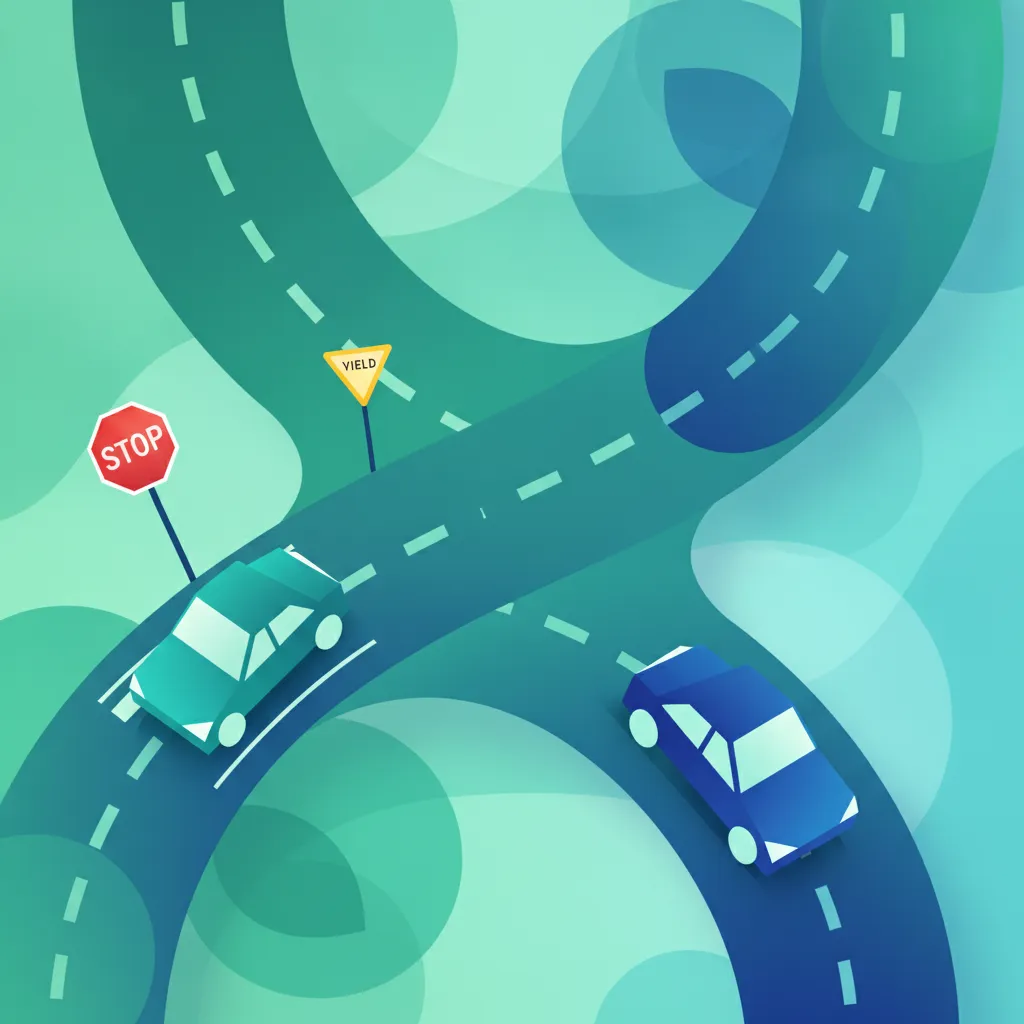
This lesson focuses on priority rules at controlled intersections equipped with traffic signals, stop signs, or yield signs. Learners will understand how to interpret traffic light phases, comply with stop and yield indications, and assess right-of-way at these intersections. The lesson also covers pedestrian and cyclist considerations, as well as emergency vehicle priority.
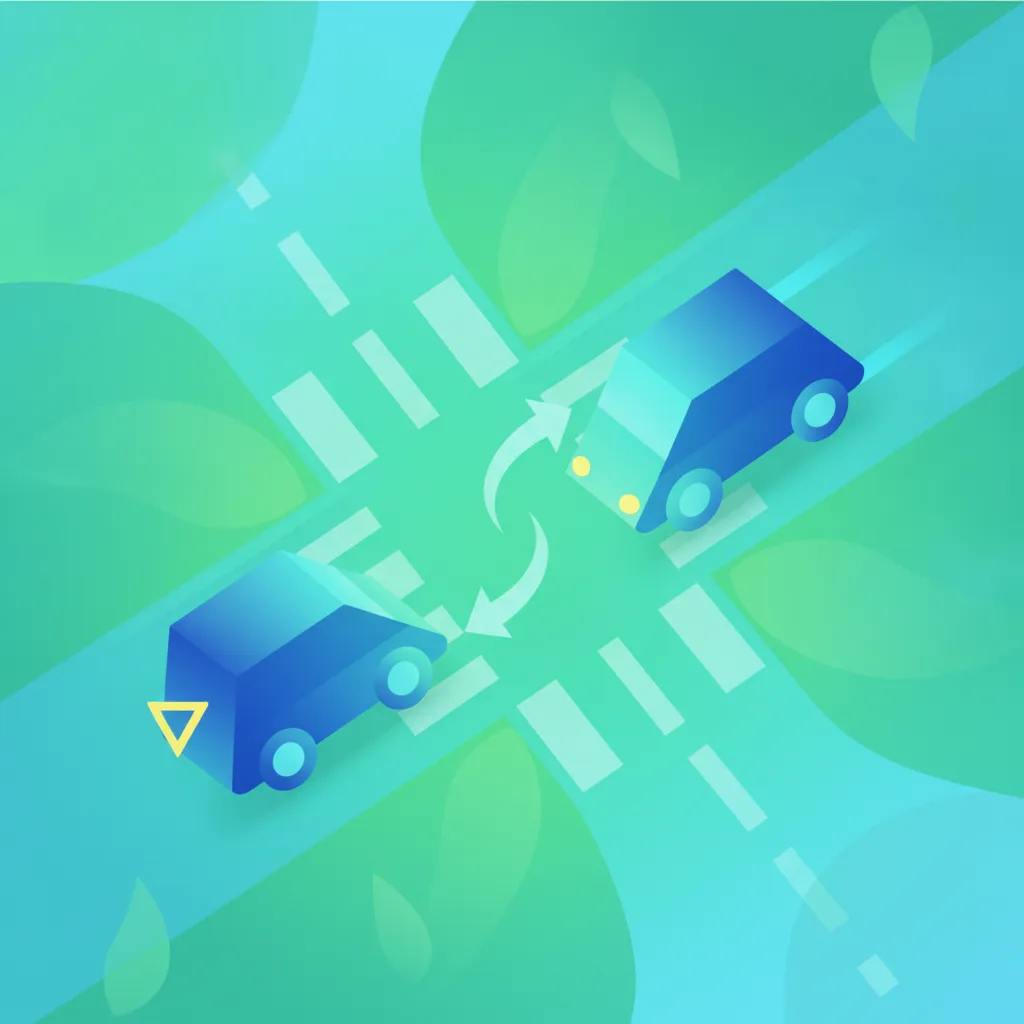
In this lesson, learners explore priority rules specific to uncontrolled intersections, where traffic signals or signs are absent. Topics include determining right-of-way based on vehicle classification, approach angle, and arrival sequence. The lesson emphasizes the importance of stopping, yielding, and assessing potential hazards before proceeding.

This lesson provides an overview of the general priority principles that dictate right-of-way on Turkish roads. Topics include the hierarchy of road users, such as pedestrians, cyclists, and emergency vehicles, and how these hierarchies apply at various intersections. Learners will understand the fundamental concepts of yielding, stopping, and proceeding, as well as the importance of clear decision-making.

Correctly interpreting traffic signal sequences and priority rules is crucial for preventing devastating right-angle collisions at intersections. This lesson breaks down the phase progression of standard lights, the meanings of flashing amber or red indicators, and the hierarchy of traffic control when a police officer is directing vehicles. You will also master the basic legal default rules of right-of-way, such as yielding to vehicles coming from the right at uncontrolled junctions.
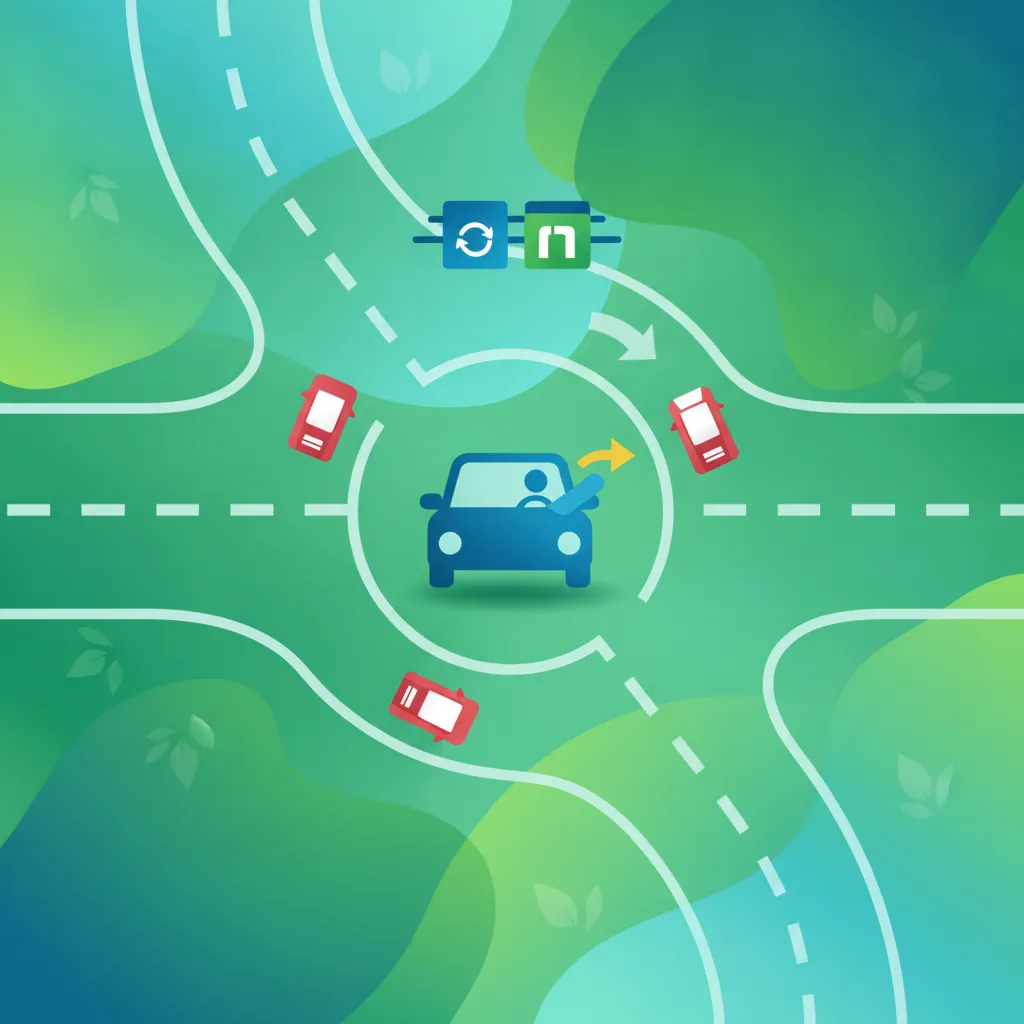
In this lesson, learners explore the specific priority rules and navigation techniques for roundabouts. Topics include yielding to traffic already in the roundabout, proper lane selection upon entry, and safe exit strategies. The lesson also addresses interactions with pedestrians and cyclists near roundabouts and the importance of maintaining appropriate speed.

This lesson focuses on the safe interaction with other traffic participants at bus stops and traffic intersections. Learners will explore right-of-way rules, signal compliance, and techniques for maintaining safe distances while stopping and departing. Understanding these interactions is vital for preventing accidents in complex traffic environments.
This lesson emphasizes the importance of yielding to pedestrians and cyclists at intersections, crosswalks, and designated lanes. Learners will understand the legal obligations to provide safe passage to vulnerable road users and the correct procedures for stopping and allowing them to cross. Real-world examples illustrate scenarios where failing to yield can lead to accidents.

Protecting vulnerable road users is a core legal and ethical responsibility for all motorized vehicle operators in Turkey. This lesson covers the absolute requirement to yield to pedestrians at marked crosswalks, zebra crossings, and designated school zones. You will learn how to identify these zones early, reduce your speed proactively, and maintain heightened situational awareness for children or distracted pedestrians who may step onto the road unexpectedly.
Learners will examine effective strategies for safely coordinating with pedestrians and other road users when approaching and departing bus stops. The lesson highlights right-of-way rules, the importance of yielding at crosswalks, and clear communication with both passengers and other drivers. These practices are vital for preventing accidents and ensuring a harmonious flow of traffic in busy urban areas.
In this lesson, learners will master the skills required to safely navigate various types of intersections encountered in Turkish urban settings. The content covers interpreting traffic signals, understanding right-of-way rules, and executing proper lane positioning. Practical strategies for managing blind spots and ensuring visibility to other road users are emphasized. By the end of this session, participants will be equipped with safe crossing techniques.
Explore the interaction between horizontal road markings and vertical traffic signs in urban traffic. Learn how to maintain proper lane discipline, interpret directional guidance in various driving scenarios, and understand the legal requirements for following lane assignments on highways and city streets.

This lesson delves into horizontal road markings, focusing on solid, broken, and double lines that define lane boundaries and overtaking rules. Learners will explore the significance of each type of line in indicating permissible lane changes, passing zones, and stopping points at intersections. The lesson also covers crosswalk markings and their role in pedestrian safety.

Road markings painted directly onto the asphalt provide continuous guidance and carry the same legal weight as vertical traffic signs. This lesson explains the differences between solid and broken longitudinal lines, channelizing arrows, and restricted zones like dedicated bus or bicycle paths. You will discover how to properly align your moped within your lane, execute lawful line changes, and respect painted buffer zones to prevent dangerous side-swipe accidents in dense traffic.

This lesson examines lane division and proper lane usage on multi-lane roads and highways. Learners will understand the purpose of lane markings in guiding drivers to maintain appropriate lane discipline. Topics include correct lane selection for different vehicle types, overtaking procedures, and lane-changing techniques. Real-world examples illustrate the importance of respecting lane usage rules.
In this lesson, learners explore vertical road markings, primarily focusing on signs mounted on poles or overhead structures. Topics include direction indicators, speed limit signs, warning signs, and regulatory signs. The lesson emphasizes the importance of sign placement, illumination, and visibility in ensuring driver compliance. Real-world scenarios demonstrate how drivers should interpret and react to vertical markings.
Learners will explore the fundamentals of maintaining correct lane discipline, focusing on appropriate lane positioning, understanding lane markings, and executing lane changes safely. Emphasis is placed on the unique considerations for large passenger vehicles within the lane, such as width and maneuverability. The lesson also addresses the impact of proper lane discipline on overall traffic flow and safety.
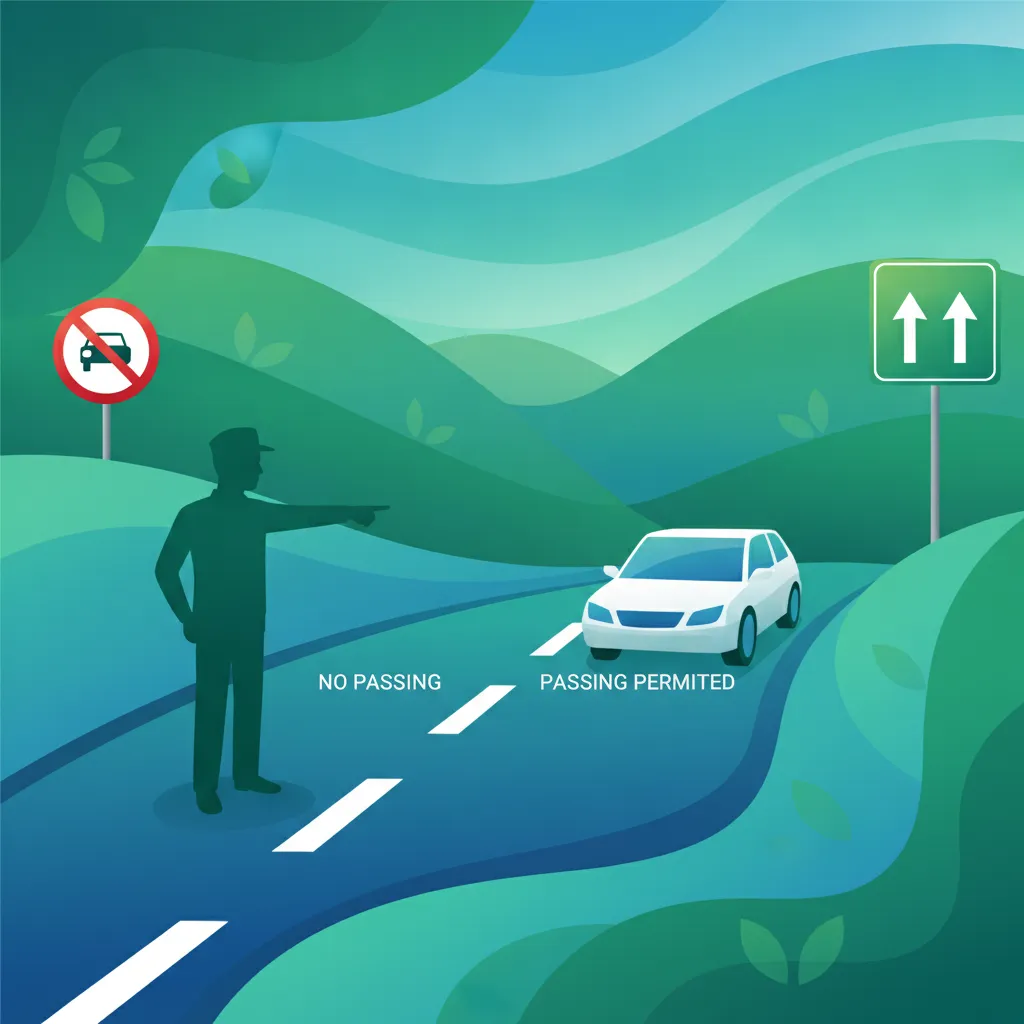
This lesson covers the various road surface markings that motorcyclists must be aware of, such as lane lines, turn arrows, and dedicated bike lanes. It explains how to interpret solid and broken lines, the meaning of specific arrows for turning or lane changes, and the significance of pedestrian crossing markings. Understanding these visual cues is essential for maintaining lane discipline and performing safe road maneuvers.
This lesson focuses on the critical importance of lane discipline and proper lane usage for large goods vehicles. Learners will understand the challenges posed by wider vehicle dimensions, the necessity of maintaining adequate lane occupancy, and the need for precise lane keeping. Emphasis is placed on selecting appropriate lanes, adhering to traffic flow, and ensuring general highway safety.

In this lesson, learners will discover the principles of optimal lane positioning that enhance both rider visibility and predictability to other road users. The content focuses on selecting the correct lane within various traffic scenarios, such as approaching intersections, navigating curves, and during overtaking. By maintaining appropriate lane placement, riders can minimize blind spots and improve reaction times.
Find clear answers to common questions learners have about Directional Arrows and Guidance. Learn how the lesson is structured, which driving theory objectives it supports, and how it fits into the overall learning path of units and curriculum progression in Turkey. These explanations help you understand key concepts, lesson flow, and exam focused study goals.
You must follow the direction indicated by the arrow. If you need to turn, you should have positioned your vehicle in the designated turning lane earlier; changing lanes at the intersection is often illegal and dangerous.
Yes. Directional arrows painted on the road surface are regulatory markings. Failing to follow them, such as going straight from a turn-only lane, is a traffic violation and will result in penalty points.
Always maintain a safe following distance from the vehicle in front of you. This gives you a better view of the road surface, allowing you to spot markings and signs well in advance, rather than being surprised at the junction.
In the hierarchy of traffic control, all regulatory signs and markings must be respected. If a road marking contradicts a temporary sign, you must always follow the instructions of traffic police, followed by traffic lights, then signs, and then road markings.
Use our comprehensive practice search to find exactly the Turkish driving theory questions you need to master. Whether reviewing specific road signs, traffic rules, or first aid scenarios, select your perfect practice set and boost your confidence for the official ehliyet sınavı.