This lesson details the specific regulations for reserved lanes and special zones frequently encountered on Turkish roads. Understanding these designations is essential for maintaining proper traffic flow, avoiding fines, and ensuring the safety of public transport and emergency responders as part of your Category B licence preparation.
Lesson content overview
When navigating urban and intercity road networks, drivers do not always share the roadway equally. To optimize traffic flow, protect vulnerable road users, and ensure emergency response times, transport authorities designate specific portions of the roadway for exclusive or prioritized use. These areas are known as reserved lanes and special zones.
For candidates preparing for the Turkish Driving License Category B Theory Course (MTSK e-sınav), mastering these rules is highly critical. Improper use of reserved lanes is not only a frequent source of exam questions but also carries heavy administrative fines (idari para cezaları) and penalty points (ceza puanları) under the Turkish Traffic Law (Karayolları Trafik Kanunu).
Roadways are finite resources. As urban populations grow, traffic congestion increases, leading to economic losses, environmental pollution, and elevated safety risks. Reserved lanes partition existing road space to prioritize high-efficiency, eco-friendly, or emergency transport.
By segregating different categories of vehicles, traffic planners achieve several core objectives:
To successfully navigate these zones, drivers must understand three basic principles: Designated Use (who is permitted), Enforcement (how and when the rules are monitored), and Priority (who must yield to whom).
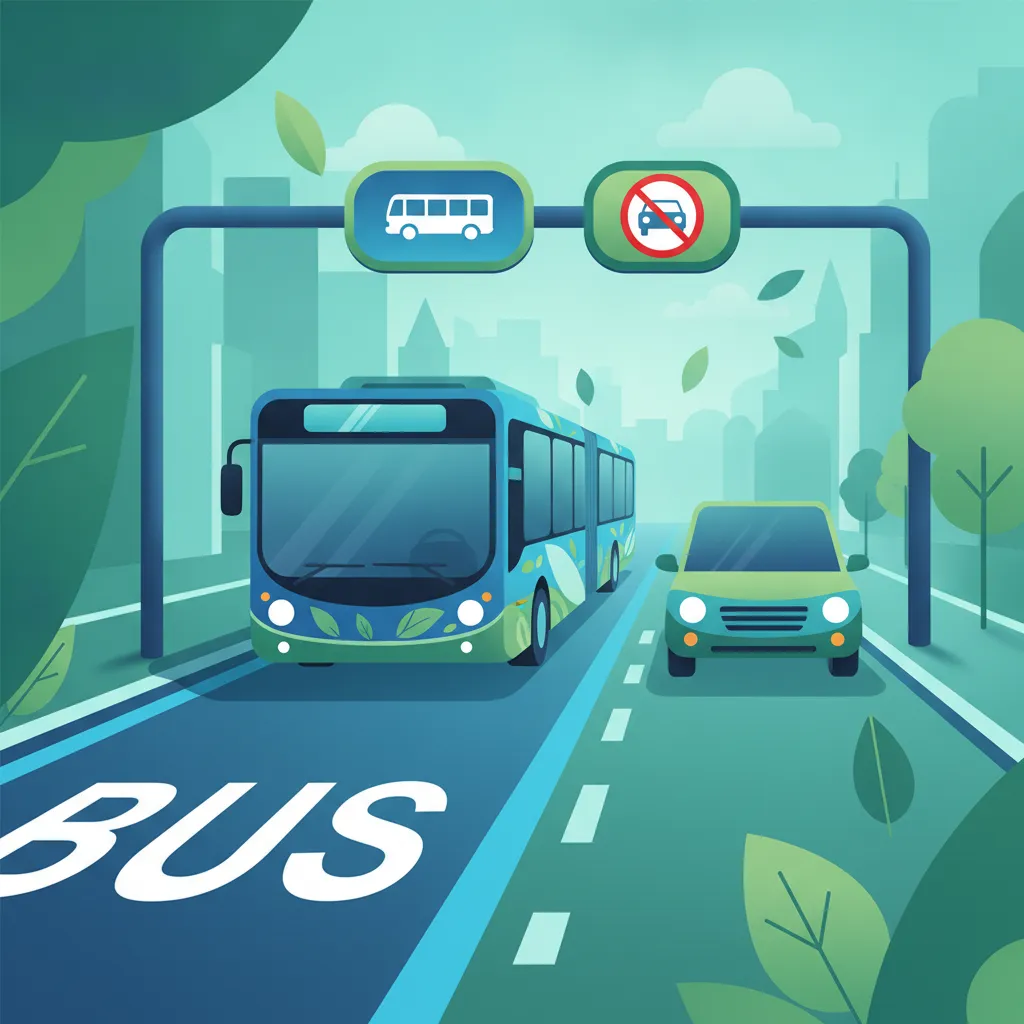
A Bus Lane (Otobüs Şeridi) is a lane reserved primarily or exclusively for public transport buses. In major Turkish metropolitan areas like Istanbul, Ankara, and Izmir, these lanes are highly regulated to ensure the seamless flow of public transit.
Bus lanes are marked with both vertical signs and horizontal road markings. Typically, a blue rectangular sign displaying a white bus symbol marks the start of the lane. On the pavement, the words "OTOBÜS" or "BUS" are painted at regular intervals, often bordered by solid yellow or thick white lines.
MTSK Exam Tip: Entering a bus lane during its active hours to overtake another vehicle is strictly illegal. Doing so will result in an automated camera fine and the deduction of points from your driver's profile.
To promote sustainable urban mobility and protect vulnerable road users, Turkish cities have increasingly implemented dedicated bicycle lanes. Understanding the distinction between these and regular lanes is vital for passing your Category B theory exam.
A High-Occupancy Vehicle (HOV) Lane (Çok Yolculu Araç Şeridi) is designed to encourage carpooling and ride-sharing. It restricts access to vehicles carrying a minimum number of passengers.
The most frequent violation is solo drivers entering the HOV lane to escape congestion, often attempting to hide behind tinted windows or place mannequins in the passenger seat. In Turkey, these violations are met with substantial fines and are classified under non-compliance with traffic signs and lane discipline regulations.
On motorways (otoyollar) and dual carriageways, the lane to the far right—separated by a solid white line—is the Emergency Lane, commonly referred to in Turkish as the Emniyet Şeridi or Hard Shoulder.
The emergency lane is reserved for two critical purposes:
Urban commercial centers require a constant flow of goods. To prevent delivery trucks from parking double-lane and blocking entire streets, municipalities establish Loading and Unloading Zones (Yükleme ve Boşaltma Alanları).
The areas surrounding school bus stops require extreme vigilance from all motorists. Children are highly unpredictable road users who lack a fully developed sense of speed and distance.
In Turkey, school buses are marked with a prominent octagonal "OKUL TAŞITI" (School Vehicle) sign on the rear of the bus. This sign contains a built-in red light with the word "DUR" (STOP).
Observe the Rear Sign: As you approach a school bus from behind or in the opposite lane (on undivided roads), monitor the rear "DUR" light.
Stop When the 'DUR' Light is On: If the "DUR" light is illuminated, it means students are boarding or exiting the vehicle. You must bring your vehicle to a complete stop and remain stationary.
Do Not Overtake: Overtaking a school bus when its passenger loading lights are active is a major traffic violation that carries severe penalty points and can result in immediate driver's license suspension.
Proceed with Extreme Caution: Once the lights turn off and the bus begins moving, you may proceed, but continue to scan the roadside for children who might run across the road to catch up with parents.
The rules governing reserved lanes do not exist in a vacuum; they interact dynamically with environmental and situational conditions:
During periods of heavy rain, snow, or dense fog, road markings designating reserved lanes (such as painted bicycle or bus lanes) may become obscured.
The areas where a reserved lane begins or ends are highly prone to accidents due to improper merging.
Understanding why these laws are structured the way they are will help you make safer, instinctive choices on the road.
| Cause (Action) | Effect on Traffic Flow & Safety | Legal Consequence |
|---|---|---|
| Strictly respecting bus lanes | Public transit stays on schedule; private car lanes remain predictable. | No fines; safe driving record. |
| Using the Emergency Lane to bypass traffic | Delays rescue services; risks rear-ending a stationary, broken-down car. | Severe fines, vehicle towing, 15+ penalty points. |
| Failing to stop for a loading School Bus | Puts children at immediate risk of fatal pedestrian collision. | Heavy court fines, potential license revocation. |
| Parking a private car in a Loading Zone | Forces commercial delivery trucks to double-park, blocking the street. | Fine, parking ticket, vehicle impoundment. |
| Overtaking a vehicle across a solid cycle-lane line | Endangers cyclists; increases risk of side-swipe or head-on crashes. | Lane violation fine; direct exam failure if done during the practical test. |
To ensure success on your theory exam, study these core terms and definitions carefully:
Mastering reserved lanes and special zones is about more than just avoiding fines; it is about shared responsibility. By understanding the operational schedules of bus lanes, respecting the vulnerability of cyclists, keeping the emergency lane completely clear, and prioritizing the safety of children at school bus stops, you demonstrate the defensive driving habits expected of a licensed Category B driver.
Always scan the road ahead for horizontal markings and vertical signs, adjust your behavior dynamically in poor weather, and prioritize the lives and safety of your fellow road users.
Explore all units and lessons included in this driving theory course.
Lesson content overview
Explore all units and lessons included in this driving theory course.
Explore search topics learners often look for when studying Reserved Lanes and Special Zones. These topics reflect common questions about road rules, driving situations, safety guidance, and lesson level theory preparation for learners in Turkey.
Browse additional driving theory lessons that cover connected traffic rules, road signs, and common driving situations related to this topic. Improve your understanding of how different rules interact across everyday traffic scenarios.
Understand the meaning of various horizontal road markings and lane division principles. This lesson covers how to interpret solid lines, broken lines, and directional arrows to maintain proper lane discipline and safety in diverse Turkish urban and intercity traffic environments.
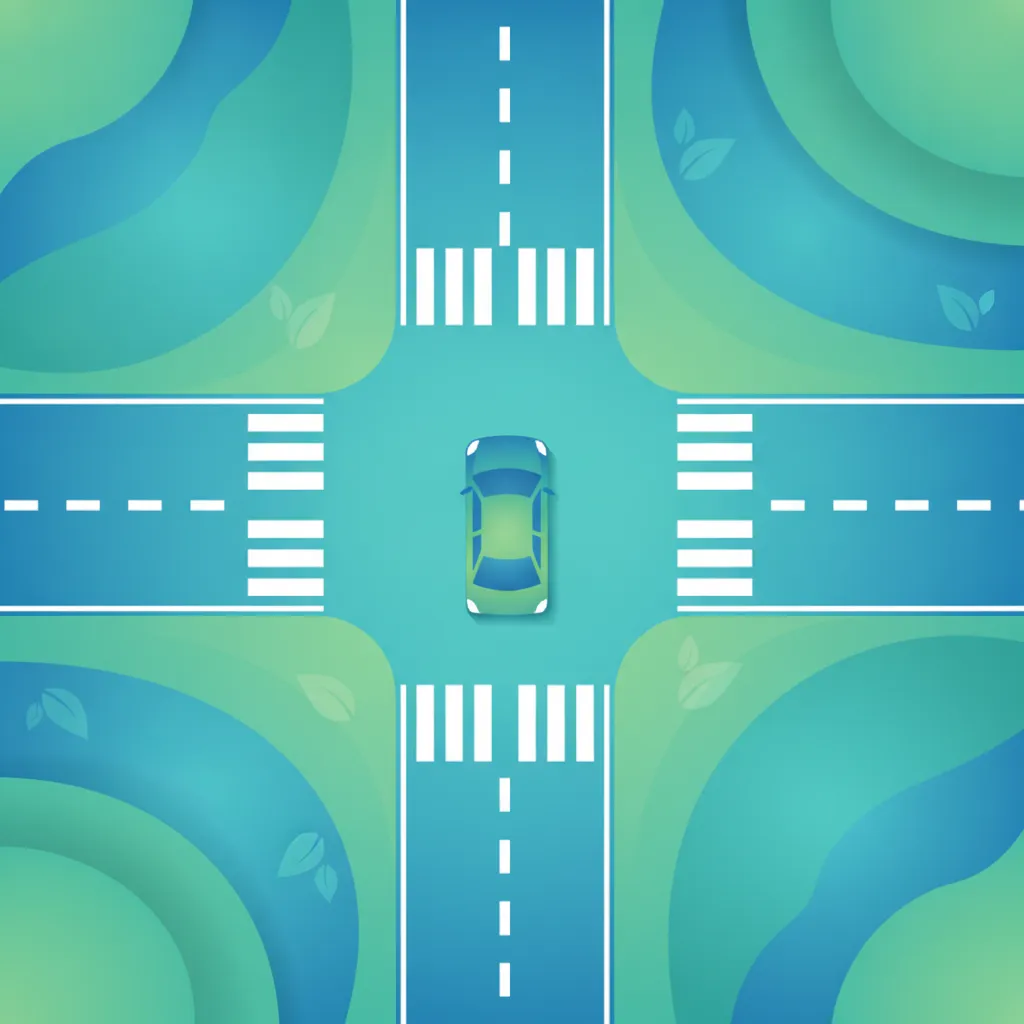
This lesson delves into horizontal road markings, focusing on solid, broken, and double lines that define lane boundaries and overtaking rules. Learners will explore the significance of each type of line in indicating permissible lane changes, passing zones, and stopping points at intersections. The lesson also covers crosswalk markings and their role in pedestrian safety.

Road markings painted directly onto the asphalt provide continuous guidance and carry the same legal weight as vertical traffic signs. This lesson explains the differences between solid and broken longitudinal lines, channelizing arrows, and restricted zones like dedicated bus or bicycle paths. You will discover how to properly align your moped within your lane, execute lawful line changes, and respect painted buffer zones to prevent dangerous side-swipe accidents in dense traffic.

This lesson examines lane division and proper lane usage on multi-lane roads and highways. Learners will understand the purpose of lane markings in guiding drivers to maintain appropriate lane discipline. Topics include correct lane selection for different vehicle types, overtaking procedures, and lane-changing techniques. Real-world examples illustrate the importance of respecting lane usage rules.
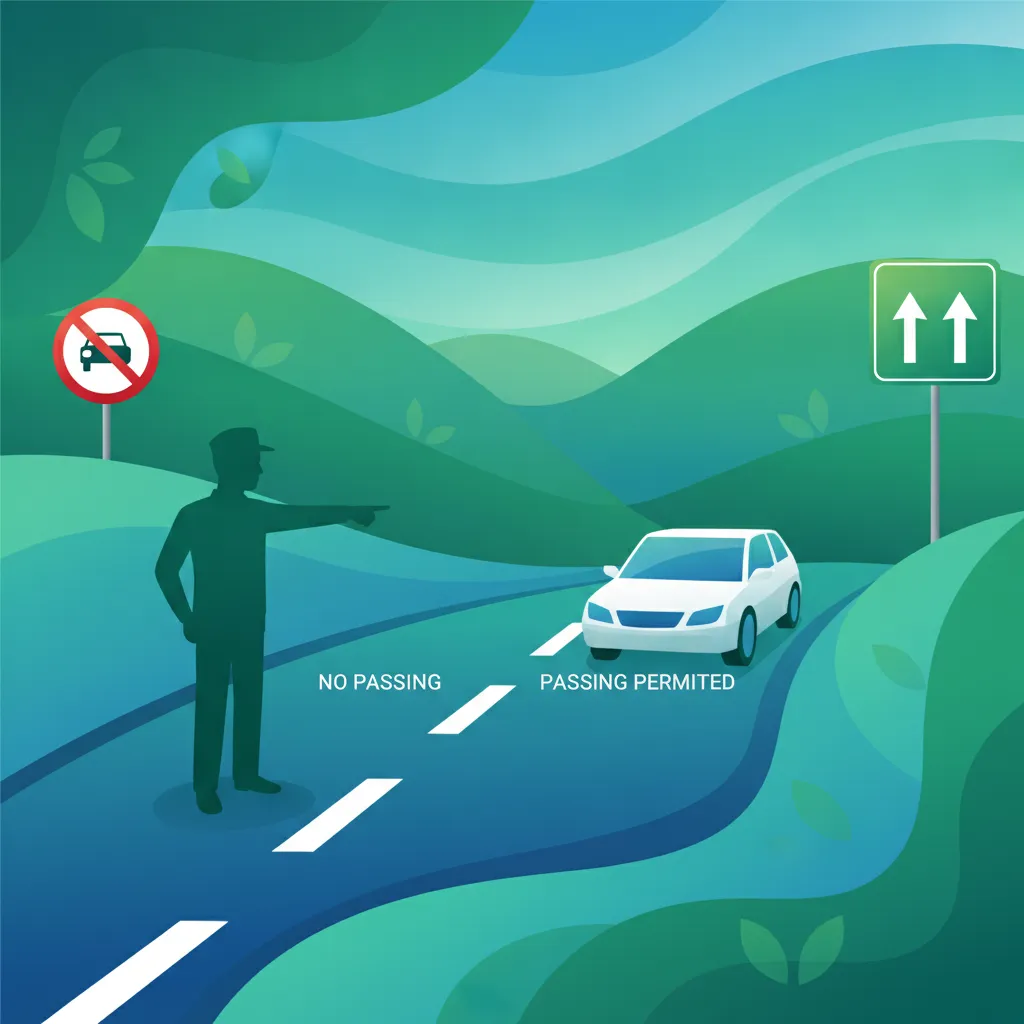
This lesson covers the various road surface markings that motorcyclists must be aware of, such as lane lines, turn arrows, and dedicated bike lanes. It explains how to interpret solid and broken lines, the meaning of specific arrows for turning or lane changes, and the significance of pedestrian crossing markings. Understanding these visual cues is essential for maintaining lane discipline and performing safe road maneuvers.
In this lesson, learners explore vertical road markings, primarily focusing on signs mounted on poles or overhead structures. Topics include direction indicators, speed limit signs, warning signs, and regulatory signs. The lesson emphasizes the importance of sign placement, illumination, and visibility in ensuring driver compliance. Real-world scenarios demonstrate how drivers should interpret and react to vertical markings.
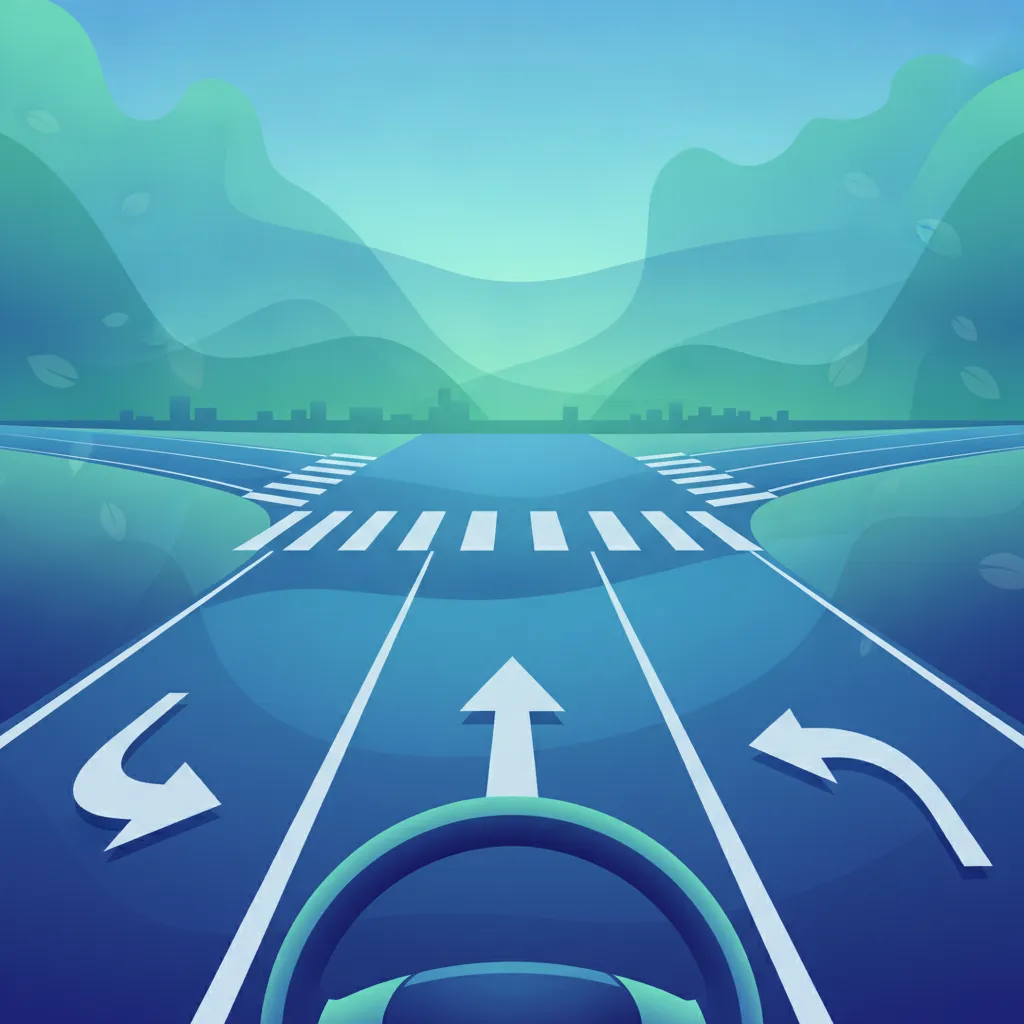
This lesson focuses on the role of directional arrows and guidance markings in indicating lane assignments and intended vehicle movements. Learners will learn to interpret turn arrows, lane-specific directions, and lane assignment at intersections and roadways. Real-world examples demonstrate how these markings aid drivers in navigating complex road networks, especially at junctions and roundabouts.
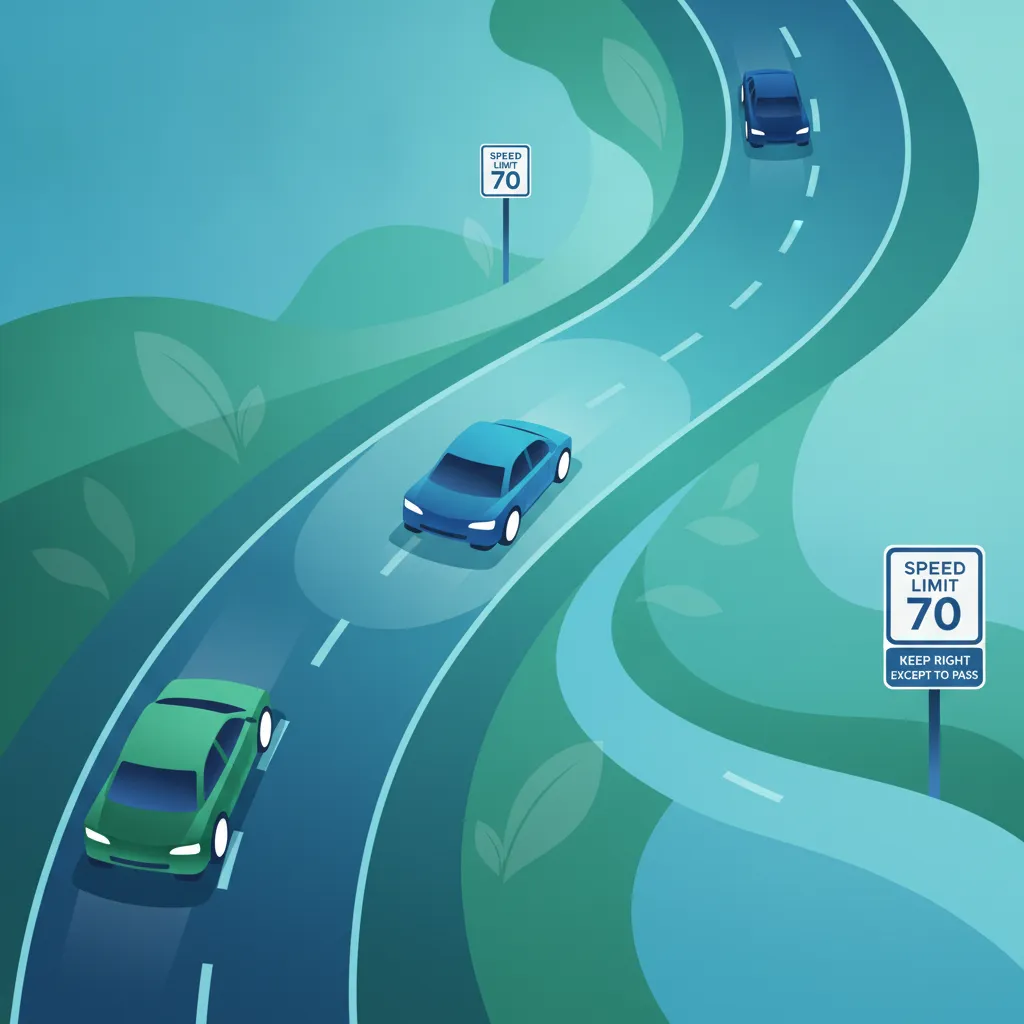
This lesson explains the specific rules, driving etiquette, and safety protocols for operating a vehicle on high-speed Turkish motorways. It covers correct lane usage, overtaking procedures, emergency lane restrictions, and how to maintain consistent high speeds safely. Drivers will learn to avoid dangerous tailgating and sudden lane changes.
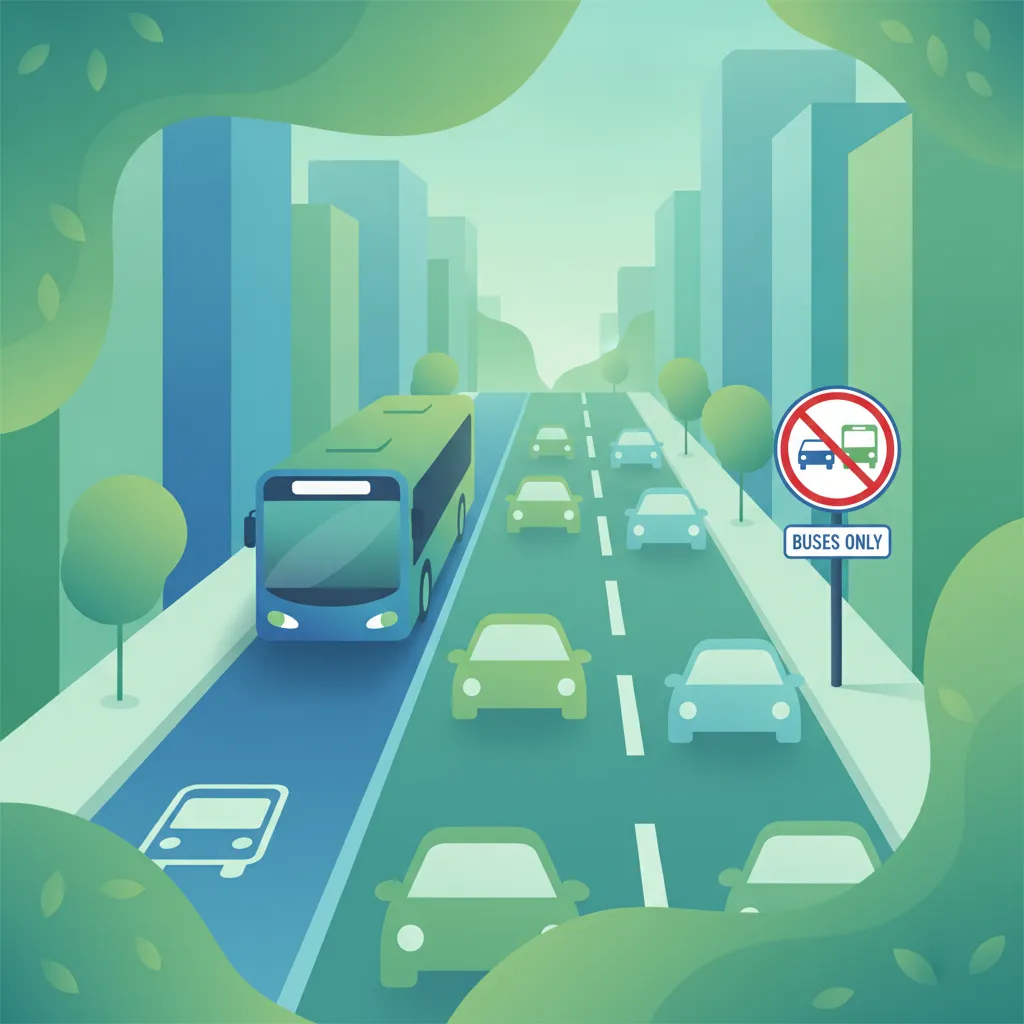
Learners will explore the specific regulations governing bus lanes, priority routes, and other legal restrictions applicable to passenger vehicles. The lesson covers the conditions under which buses may use dedicated lanes, how to navigate priority roadways, and the penalties associated with misuse. Understanding these rules is essential for efficient operation and avoiding violations in high-traffic areas.
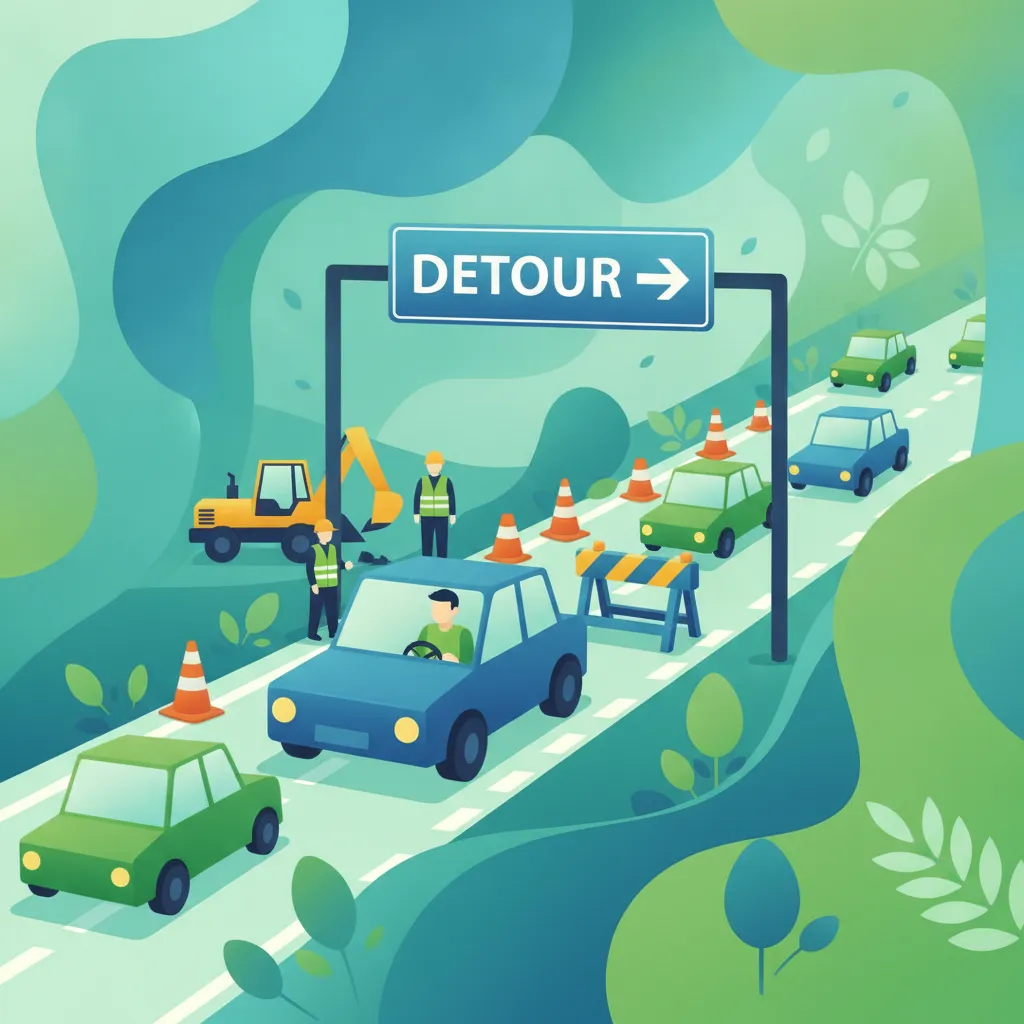
This lesson guides motorists on how to safely navigate active roadwork zones, detours, and temporary lane configurations. It details the meaning of construction signs, temporary speed reductions, and the legal requirement to protect highway workers. Drivers will learn to expect sudden stops and maintain slow, steady speeds through work areas.
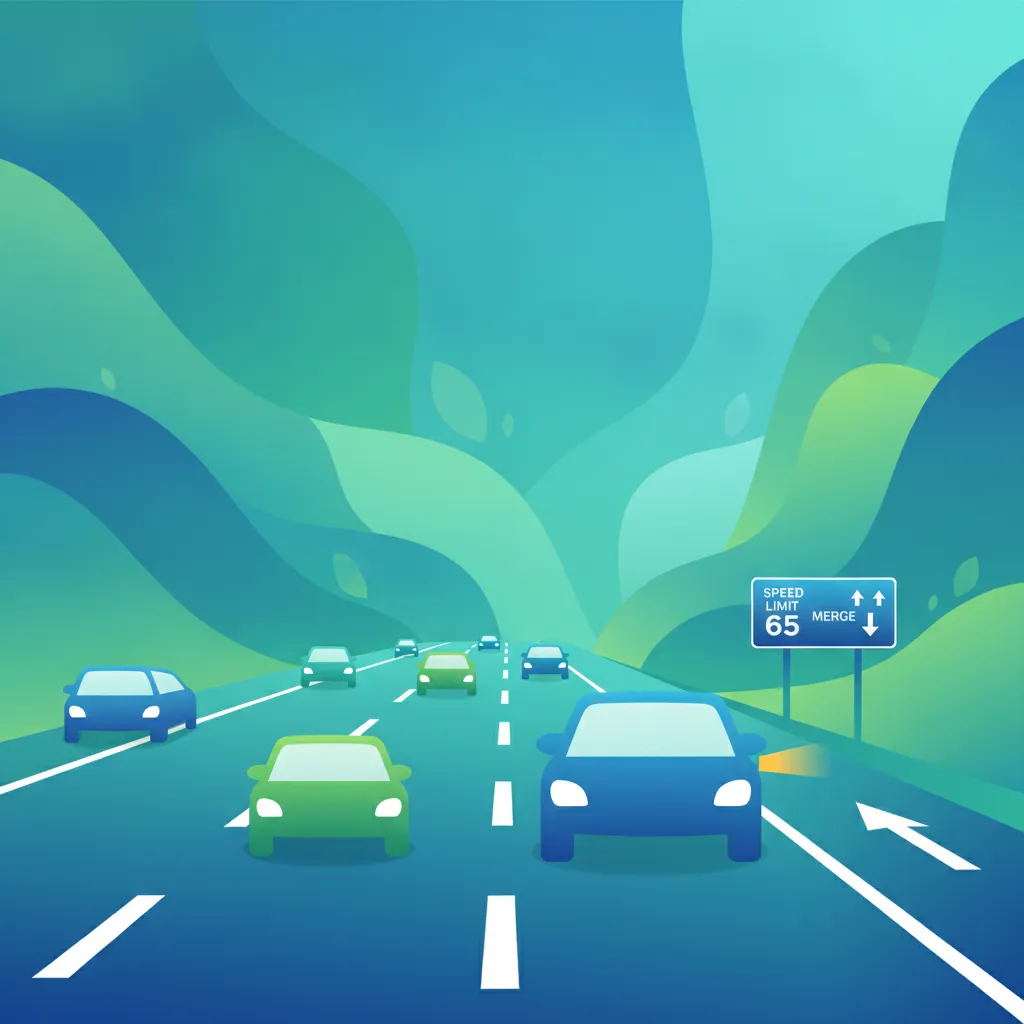
This lesson focuses on the unique requirements and best practices for operating passenger vehicles on highways and expressways. Topics include maintaining appropriate speed, adhering to lane discipline, executing safe overtaking maneuvers, and managing merges and exits. Emphasis is placed on ensuring a smooth ride for passengers while integrating safely with faster-moving traffic.
Learn the official traffic priority principles for navigating controlled and uncontrolled intersections. This guide explores right-of-way rules for drivers at junctions and roundabouts, ensuring you can manage complex traffic scenarios while adhering to the Turkish Road Traffic Law and safety conventions.
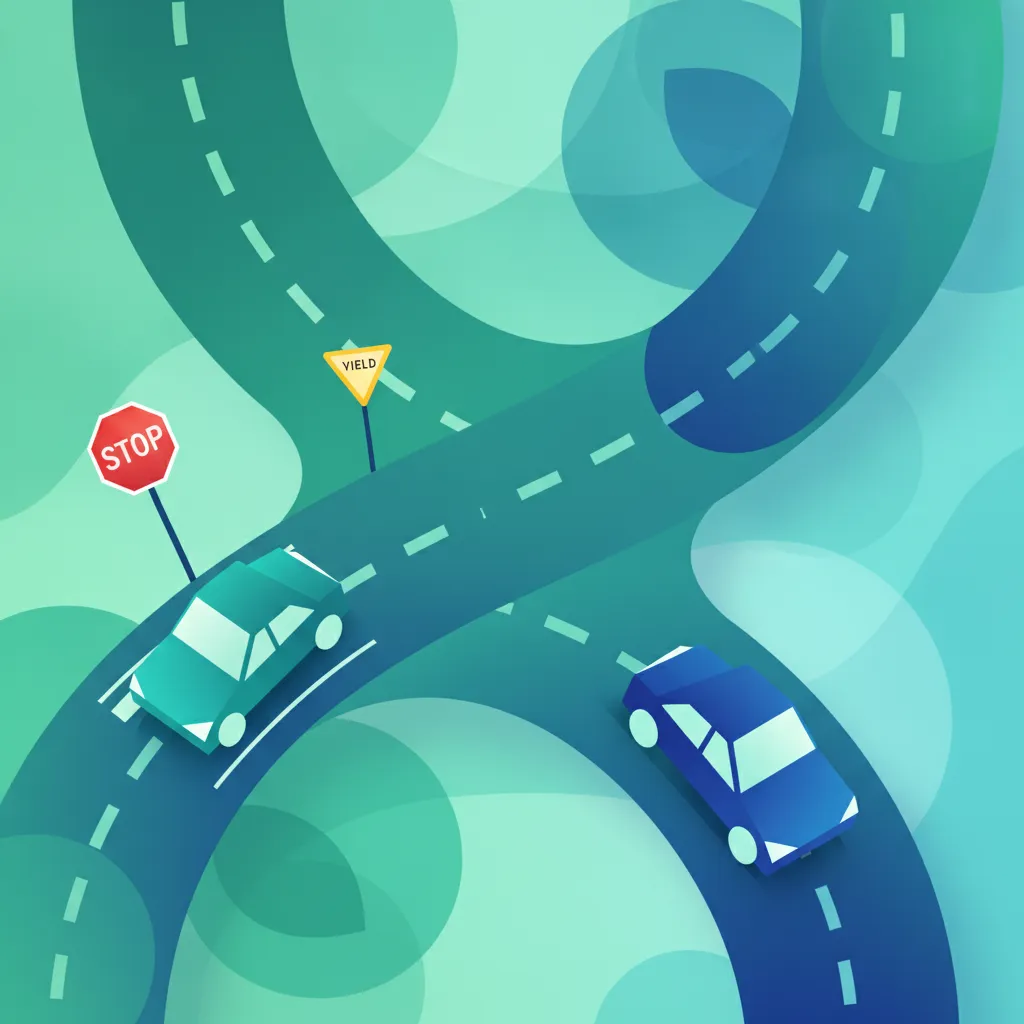
This lesson focuses on priority rules at controlled intersections equipped with traffic signals, stop signs, or yield signs. Learners will understand how to interpret traffic light phases, comply with stop and yield indications, and assess right-of-way at these intersections. The lesson also covers pedestrian and cyclist considerations, as well as emergency vehicle priority.
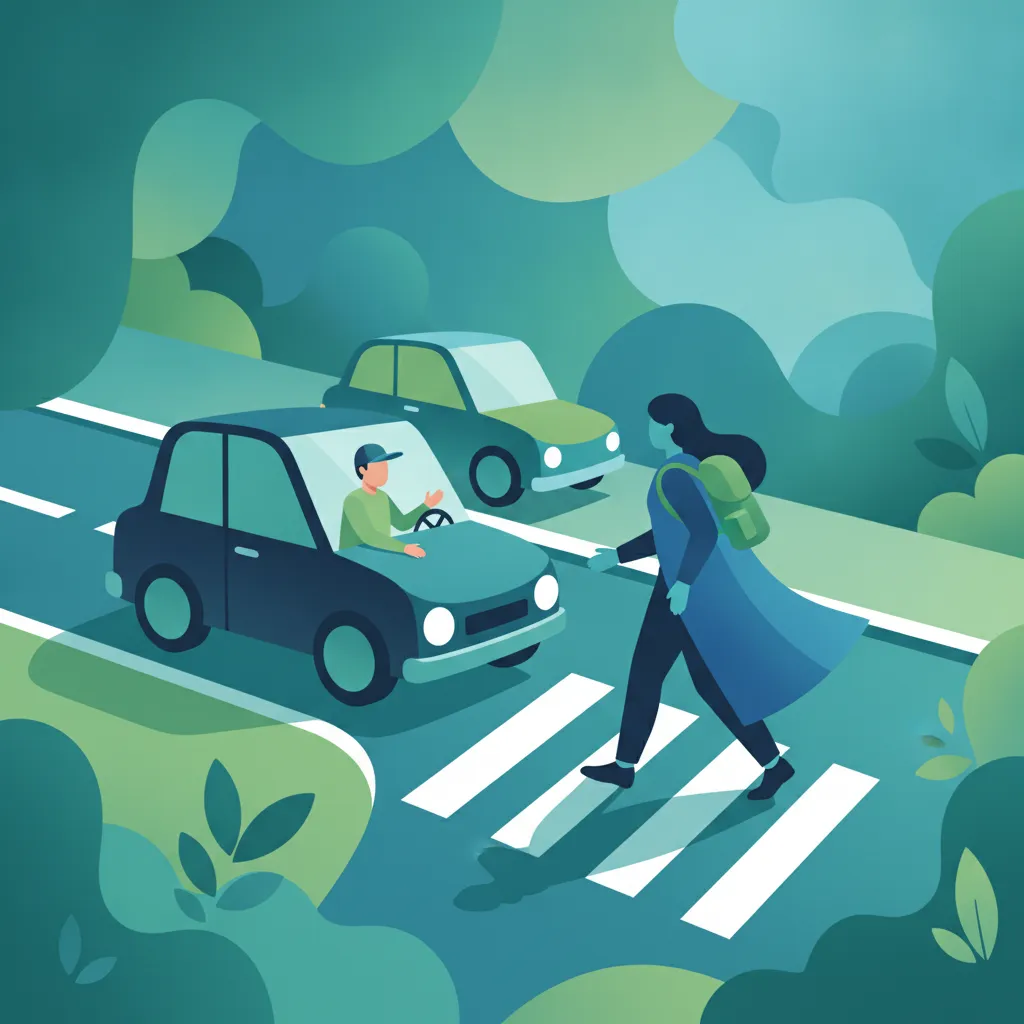
This lesson provides an overview of the general priority principles that dictate right-of-way on Turkish roads. Topics include the hierarchy of road users, such as pedestrians, cyclists, and emergency vehicles, and how these hierarchies apply at various intersections. Learners will understand the fundamental concepts of yielding, stopping, and proceeding, as well as the importance of clear decision-making.
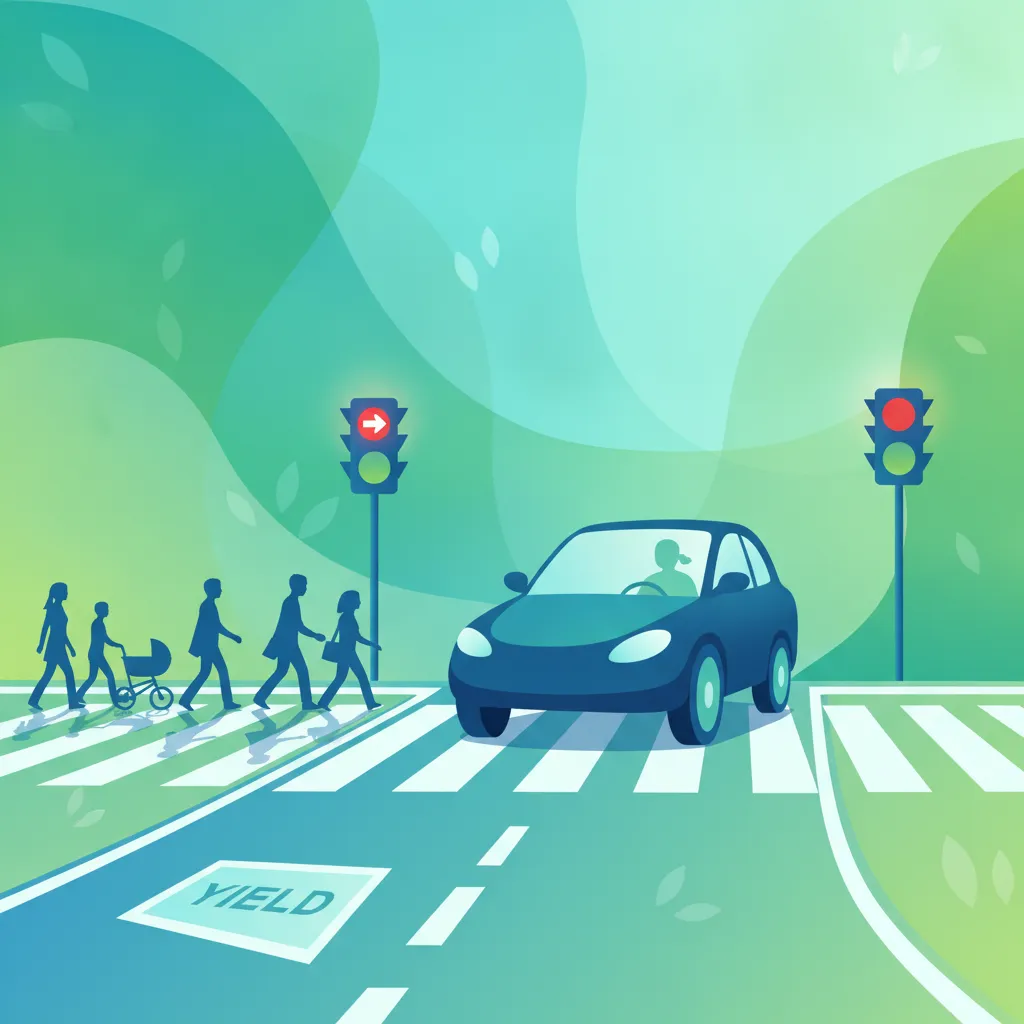
In this lesson, learners will master the skills required to safely navigate various types of intersections encountered in Turkish urban settings. The content covers interpreting traffic signals, understanding right-of-way rules, and executing proper lane positioning. Practical strategies for managing blind spots and ensuring visibility to other road users are emphasized. By the end of this session, participants will be equipped with safe crossing techniques.
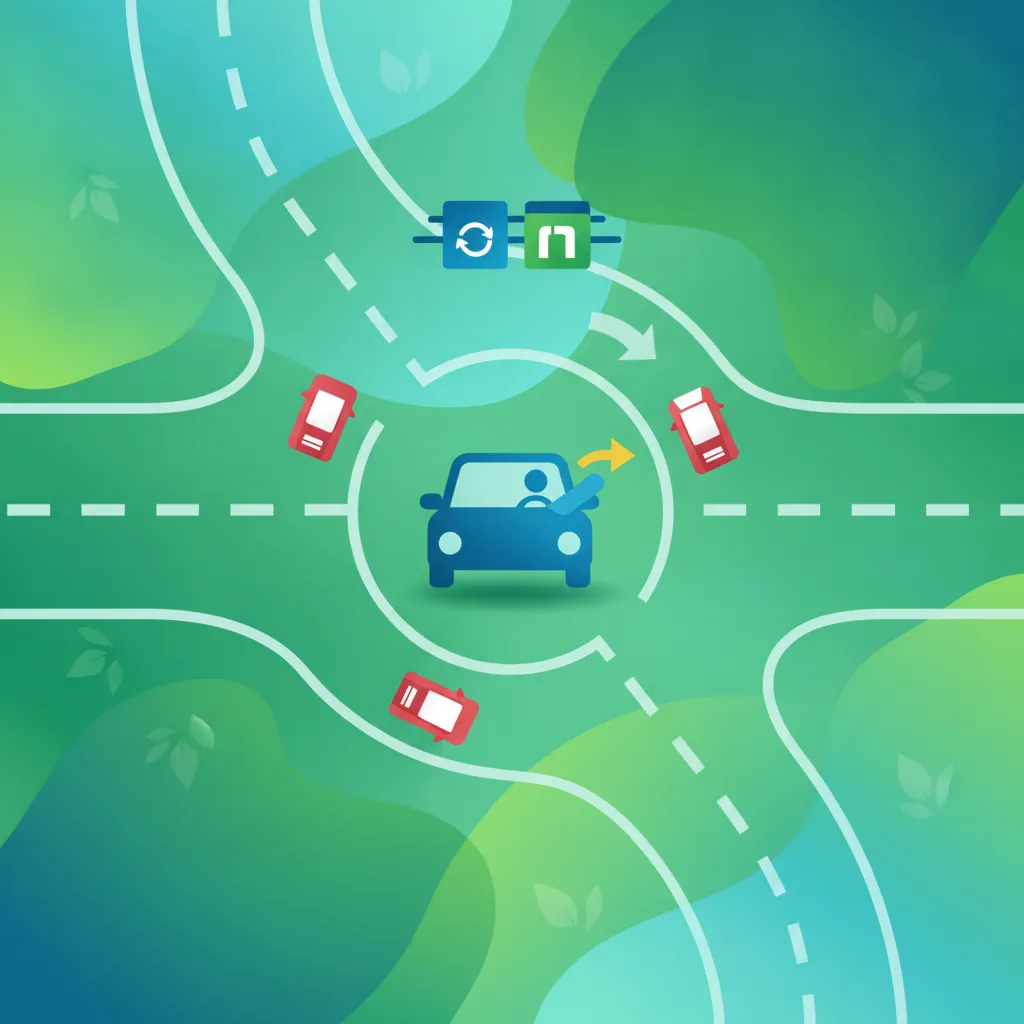
In this lesson, learners explore the specific priority rules and navigation techniques for roundabouts. Topics include yielding to traffic already in the roundabout, proper lane selection upon entry, and safe exit strategies. The lesson also addresses interactions with pedestrians and cyclists near roundabouts and the importance of maintaining appropriate speed.

This lesson focuses on the safe interaction with other traffic participants at bus stops and traffic intersections. Learners will explore right-of-way rules, signal compliance, and techniques for maintaining safe distances while stopping and departing. Understanding these interactions is vital for preventing accidents in complex traffic environments.
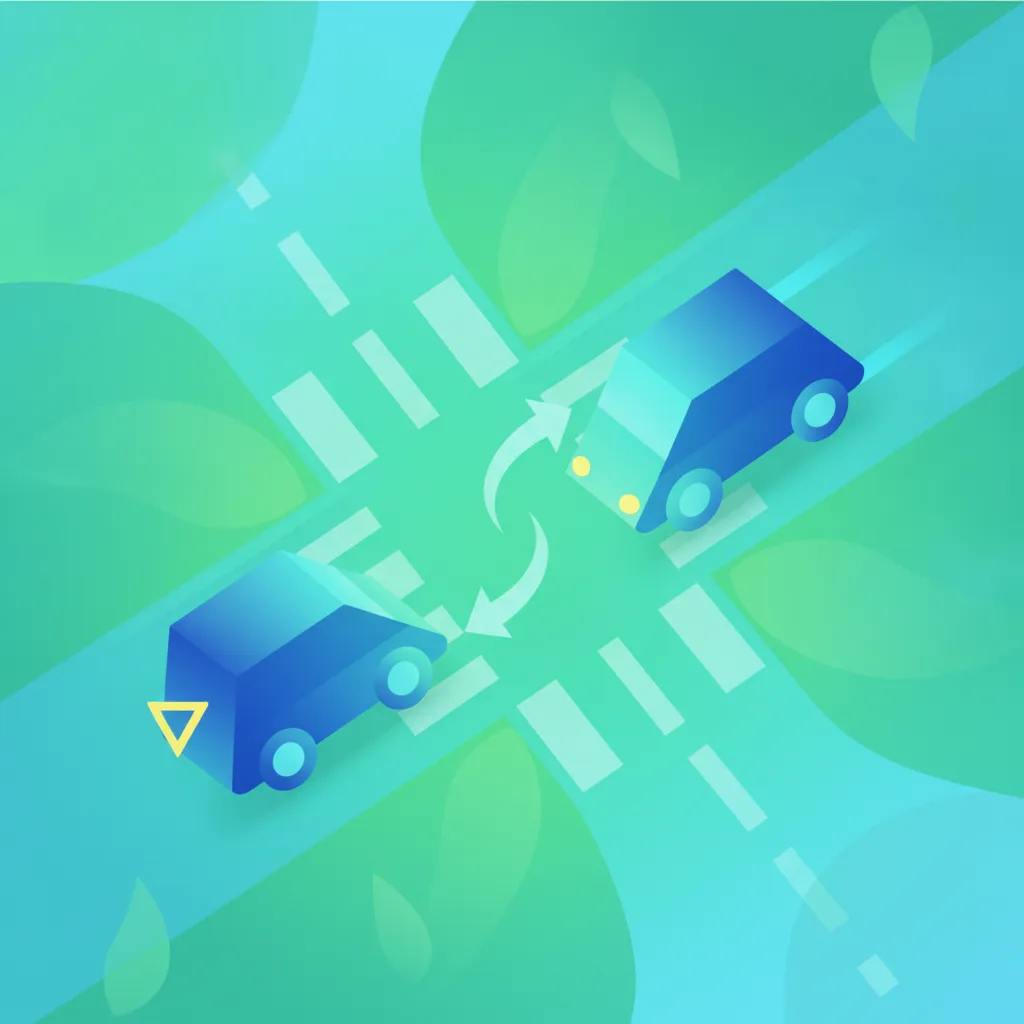
In this lesson, learners explore priority rules specific to uncontrolled intersections, where traffic signals or signs are absent. Topics include determining right-of-way based on vehicle classification, approach angle, and arrival sequence. The lesson emphasizes the importance of stopping, yielding, and assessing potential hazards before proceeding.
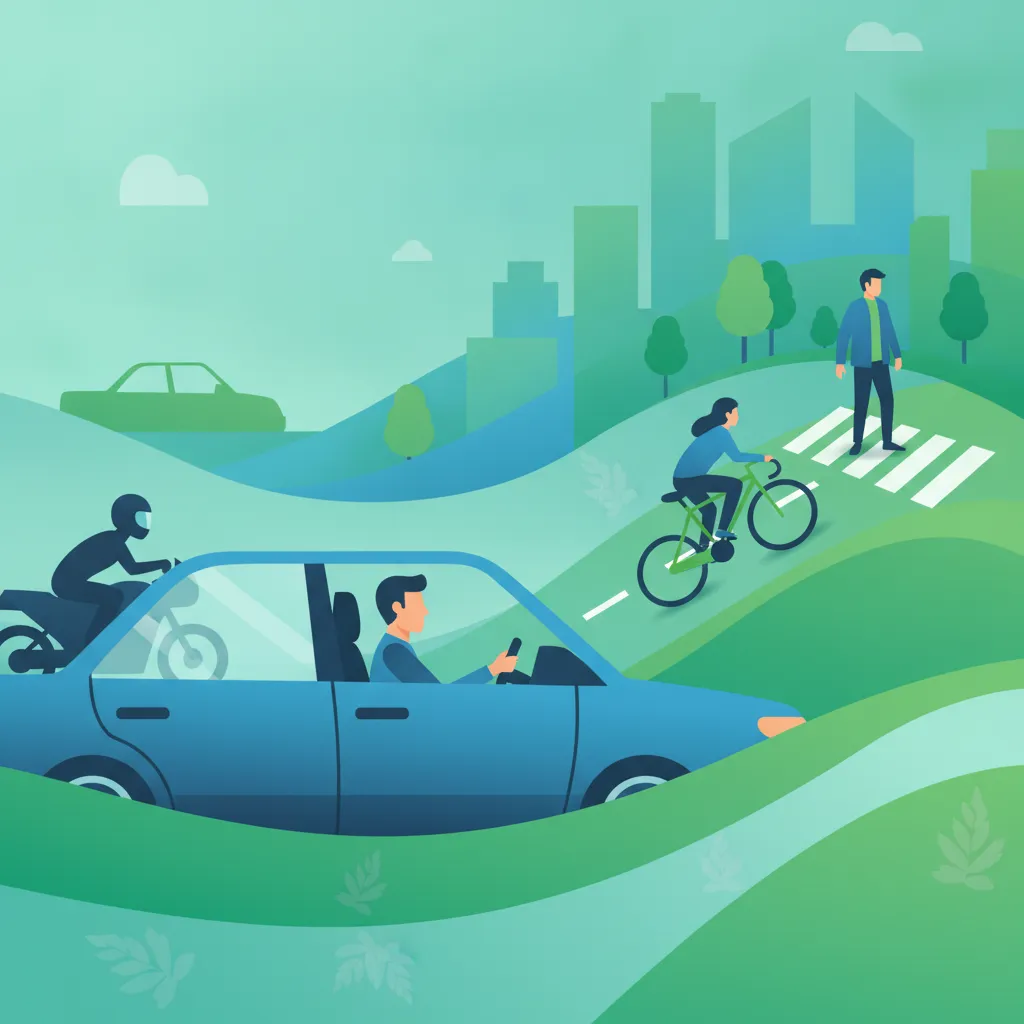
Learners will examine the complexities of operating in environments where various road users, including pedestrians, cyclists, and motorcyclists, coexist. The lesson emphasizes the need for heightened situational awareness, defensive driving techniques, and proactive hazard anticipation. Strategies for navigating mixed traffic safely, especially in congested urban areas, are highlighted.
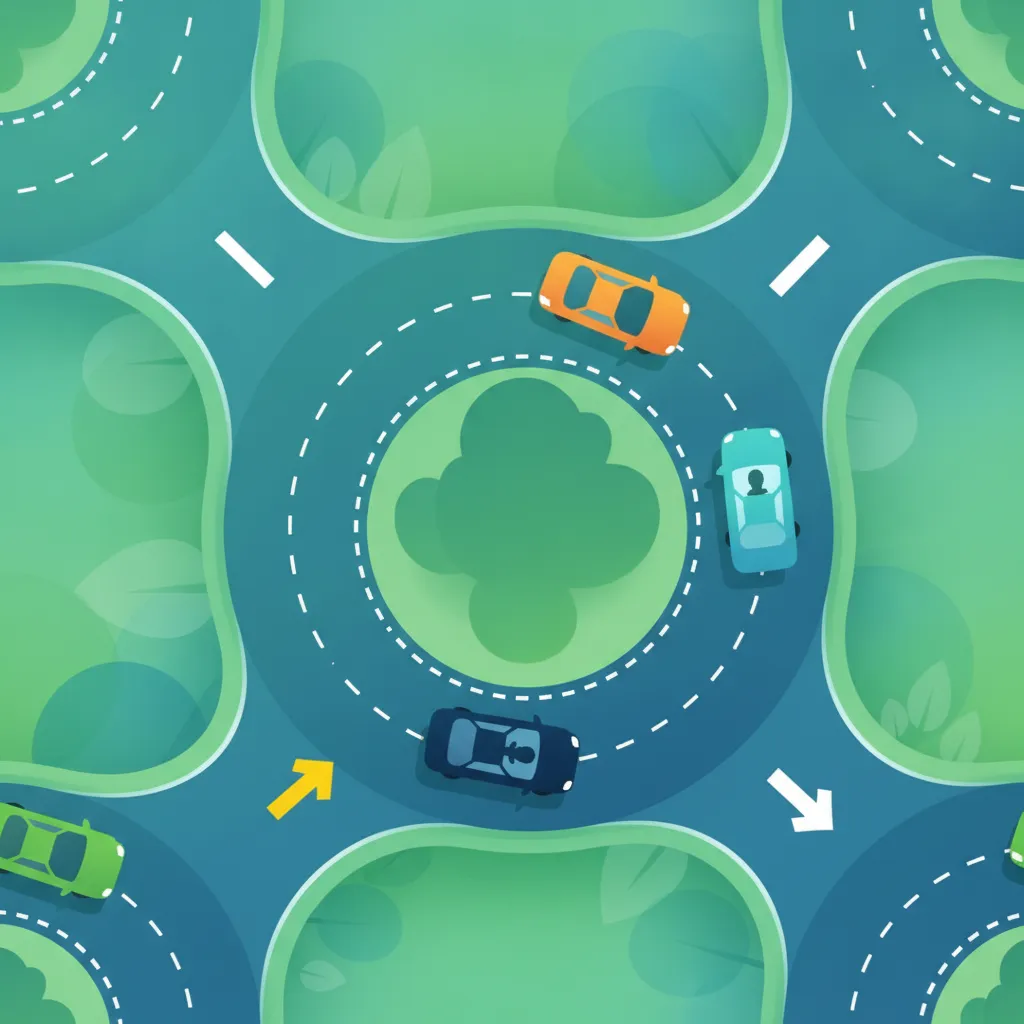
This lesson delves into the specific challenges and procedures associated with navigating roundabouts on a motorcycle. It outlines the importance of approaching at a safe speed, selecting the correct lane, and yielding to vehicles already within the roundabout. The content also covers the proper use of signals when exiting and emphasizes the need for heightened awareness of blind spots, especially when larger vehicles are present.
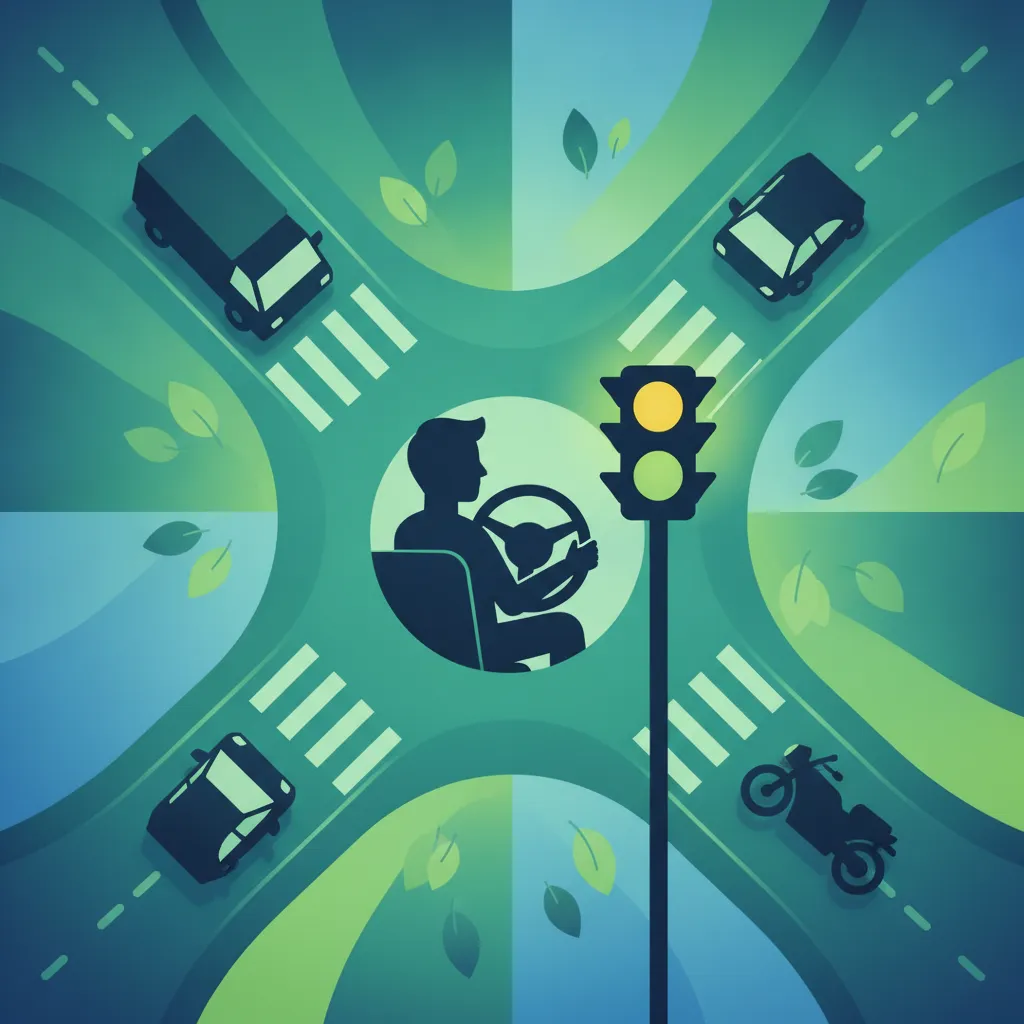
Correctly interpreting traffic signal sequences and priority rules is crucial for preventing devastating right-angle collisions at intersections. This lesson breaks down the phase progression of standard lights, the meanings of flashing amber or red indicators, and the hierarchy of traffic control when a police officer is directing vehicles. You will also master the basic legal default rules of right-of-way, such as yielding to vehicles coming from the right at uncontrolled junctions.
Roundabouts require a clear understanding of yield regulations and precise signaling to avoid conflicts with larger vehicles. This lesson details the legal requirements under Turkish road rules, which demand that entering vehicles yield to traffic already circulating inside the roundabout. You will learn how to select the appropriate lane upon entry, maintain a steady speed, signal your exit intentions clearly with your indicators, and remain alert to drivers who cut across lanes.
Find clear answers to common questions learners have about Reserved Lanes and Special Zones. Learn how the lesson is structured, which driving theory objectives it supports, and how it fits into the overall learning path of units and curriculum progression in Turkey. These explanations help you understand key concepts, lesson flow, and exam focused study goals.
Generally, no. Reserved bus lanes are strictly for public transport vehicles. Unauthorized use is a traffic violation that carries specific penalties under Turkish law.
Bicycle lanes are marked with specific horizontal symbols (icons of a bicycle) on the road surface and are often accompanied by vertical traffic signs indicating the lane is exclusively for cyclists.
Emergency lanes or shoulders are meant to be kept clear for emergency response. You must not drive in these areas unless directed by authorities or in specific emergency situations where no other option exists to pull over safely.
Yes, the MTSK e-sınav frequently includes visual questions where you must identify the correct lane to use based on signs and markings. Mastering these symbols is key to answering these questions correctly.
Use our comprehensive practice search to find exactly the Turkish driving theory questions you need to master. Whether reviewing specific road signs, traffic rules, or first aid scenarios, select your perfect practice set and boost your confidence for the official ehliyet sınavı.