This lesson guides you through the precise legal and safety protocols for overtaking in Turkey. You will learn how to identify where passing is prohibited, how to signal your intentions, and how to maintain safe distances during maneuvers as required for your Category B theory exam.
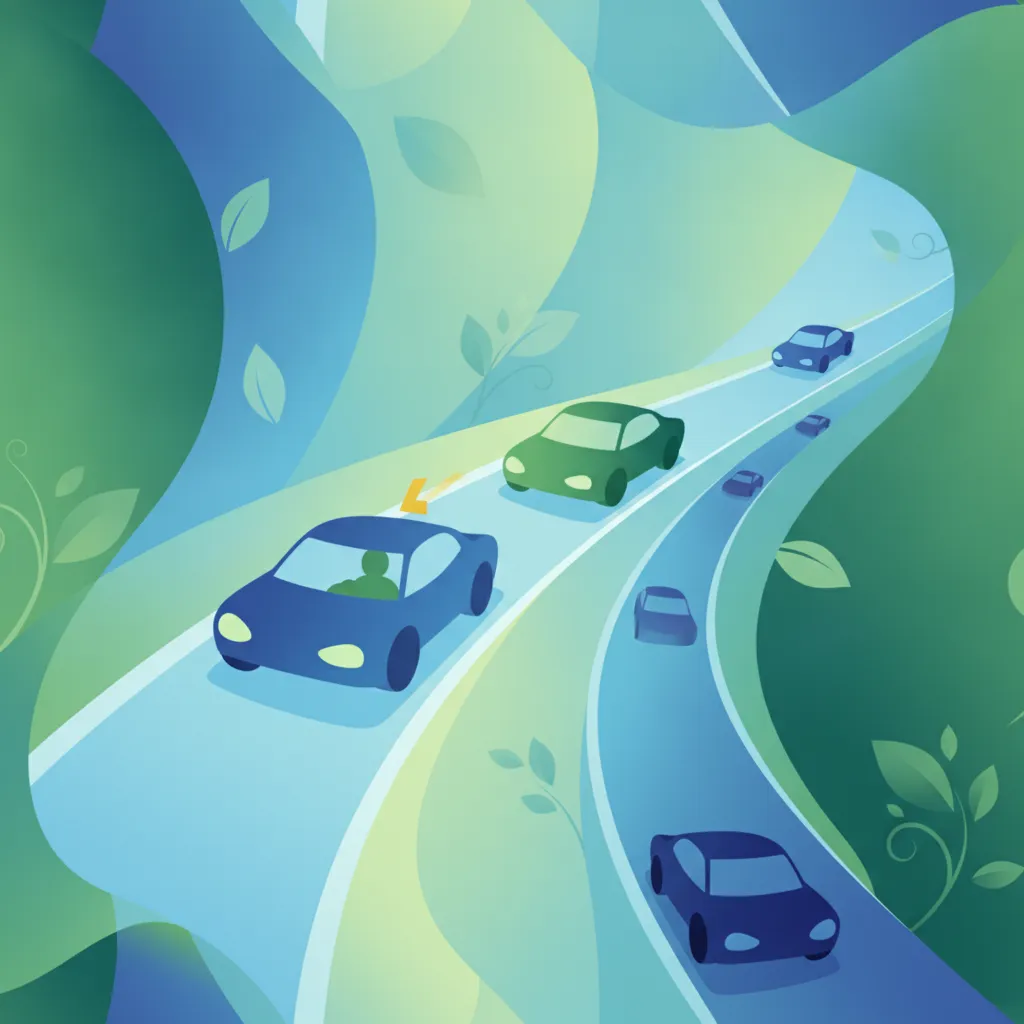
Lesson content overview
Overtaking, known as geçme or colloquially sollama in Turkish traffic terminology, is one of the most high-risk maneuvers a driver can perform. It requires transitioning your vehicle from its lane into an adjacent lane—or, on two-lane roads, into the lane designated for oncoming traffic—to pass a slower vehicle, before returning safely to your original lane.
Because overtaking involves high speeds, limited reaction times, and often temporary exposure to oncoming vehicles, improper execution is a leading cause of severe, head-on collisions (kafa kafaya çarpışma) on intercity highways. Under the Turkish Highway Traffic Regulation (Karayolları Trafik Yönetmeliği), drivers must master the physical laws, signaling protocols, and strict legal boundaries that govern safe passing to succeed in the Category B theory exam (MTSK e-sınavı) and ensure lifetime safety on the road.
Before initiating an overtake, a driver must evaluate the maneuver through five foundational pillars: safety priority, legal compliance, sensory perception, clear communication, and speed management.
The intentional maneuver of pulling out from behind a slower-moving vehicle, accelerating past it in an adjacent or oncoming lane, and returning to the original lane of travel once a safe clearance buffer is established.
Overtaking is never mandatory. If you are behind a slow vehicle and cannot verify with absolute certainty that the path ahead is clear, the only safe decision is to remain in your lane. You must perform a complete environmental assessment, ensuring that no vehicle behind you has already begun to pass, and that the driver ahead has not signaled an intention to turn or change lanes.
You must strictly adhere to road markings, regulatory traffic signs, and local speed limits. You are not legally permitted to exceed the maximum speed limit of the road segment to perform an overtake. If passing a vehicle requires you to break the speed limit, then overtaking is legally prohibited.
You must possess an unobstructed view of the road ahead. This requires calculating your "sight distance"—the physical length of clear road visible to you. Factors such as weather (rain, fog), road geometry (curves, hill crests), and the size of the vehicle ahead (buses, large trucks) heavily impact your depth perception and visibility.
Surrounding drivers cannot read your mind. You must signal your intentions using your vehicle’s indicators in a timely manner. Late signaling, or failing to signal at all, deprives other road users of the time they need to react, brake, or adjust their road positioning.
A successful overtake requires a calculated speed differential. You must be able to accelerate smoothly to pass the target vehicle quickly, minimizing the time spent in the hazard zone (the passing lane), without losing mechanical control of your vehicle.
Under Article 54 of the Turkish Highway Traffic Regulation, there are specific zones and scenarios where overtaking is strictly forbidden due to the extreme danger of collisions. Violating these rules results in severe administrative fines (trafik cezası), penalty points on your license, and high risk of catastrophic accidents.
Road markings are your primary visual guide.
You must never attempt to pass another vehicle in the following high-risk environments:
Keep an eye out for these specific traffic signs, which establish official overtaking prohibitions:
To execute an overtake safely, you must break the maneuver down into three distinct, highly disciplined phases: Preparation, Execution, and Re-entry.
Before you touch the accelerator, you must gather critical information.
Analyze the Road Ahead: Ensure there are no solid lines, incoming intersections, curves, or upcoming no-overtaking signs. Confirm you have at least 100 meters of clear visibility to oncoming traffic.
Assess the Vehicle Ahead: Observe its speed, size, and behavior. Is it swaying, indicating an unstable load or a distracted driver? Ensure it is not signaling a left turn.
Check Your Mirrors: Look in your interior rearview mirror and your left side-view mirror to ensure no vehicle behind you has already begun to pass you.
Perform a Shoulder Check (Kör Nokta Kontrolü): Quickly turn your head to look over your left shoulder. Mirrors have blind spots; a fast-moving motorcycle or car could be riding right next to your rear bumper.
Signal Your Intention: Activate your left turn indicator (sol sinyal) at least 100 meters before initiating the maneuver on rural highways (or 30 meters in urban areas) to alert drivers behind and ahead of your plan.
Once you have verified the road is clear, you can begin the physical pass.
Returning to your lane too quickly is a common error that can cause a rear-end collision or force the passed driver to brake abruptly.
Crucial Safety Rule: Never cut off (kesmek) the vehicle you have just passed. If you return to the lane too early, the wind turbulence from your vehicle or a sudden tap on your brakes can force the passed vehicle to swerve or lose control.
A successful overtake is a calculation of physics, time, and distance. Many drivers misjudge the speed of oncoming vehicles, leading to dangerous near-misses.
When you attempt to overtake on a two-lane road, the closure rate (the speed at which you and an oncoming vehicle approach each other) is the sum of both vehicle speeds.
If you are travelling at and an oncoming car is travelling at , you are closing the gap between you at a rate of (approximately ).
Under Turkish traffic rules, you must have at least 100 meters of clear, unobstructed visibility of the oncoming lane before you attempt an overtake. At highway speeds, this is the bare minimum required to safely react, accelerate, pass, and return to your lane.
If you see an oncoming vehicle in the distance and cannot estimate its speed accurately, do not attempt to pass. Human depth perception naturally struggles to judge the speed of an object moving directly toward us; we tend to underestimate oncoming speeds, which can lead to tragic errors.
[Oncoming Car] <--------- 100+ Meters Clear Sight ---------> [Passing Car] [Slower Truck]
========================================= Dashed Line =========================================
                                                            [Your Lane]
To minimize your time in the oncoming lane, you need a healthy speed differential. You should aim to travel at least 15 to 20 km/h faster than the vehicle you are passing.
On multi-lane roads, such as divided highways (bölünmüş yollar) and motorways (otoyollar), overtaking is less hazardous because you do not have to share a lane with oncoming traffic. However, specific lane-discipline rules still apply.
Under Turkish Traffic Law, the leftmost lane is designated strictly for overtaking and emergency vehicles.
Passing a vehicle on its right side is generally illegal in Turkey. Drivers do not expect to be passed on the right, and passenger vehicles have larger blind spots on their right sides.
Legal Exceptions for Passing on the Right: You may pass a vehicle on its right side ONLY under the following conditions:
A driver's overtaking strategy must adjust to weather, lighting, vehicle size, and road conditions.
Rain, snow, and fog significantly increase the risks associated with overtaking.
At night, your depth perception is highly compromised.
Large commercial vehicles present unique hazards:
Understanding common errors will help you avoid dangerous situations on the road and navigate tricky questions on the MTSK theory exam.
When another driver signals and begins to pass you, you have a legal obligation to assist them. Under Turkish traffic law, you must:
Many drivers think it is acceptable to pass an agricultural tractor or a moped at an intersection because those vehicles are moving very slowly. This is a common exam trap: Overtaking any vehicle at an intersection is strictly illegal, regardless of how slow that vehicle is moving.
Just because a road has dashed lines (kesikli çizgiler) does not mean it is safe to pass. Dashed lines indicate that passing is legally permissible, but the responsibility to ensure the path is clear still rests entirely on you. If there is oncoming traffic, a dashed line does not give you the right of way.
These real-world scenarios illustrate how to apply overtaking rules in complex conditions.
You are driving on a two-lane intercity road with a dashed white center line. Up ahead, an agricultural tractor is traveling at . The road is straight, but there is a gentle slope ahead.
You are in the middle lane of a three-lane motorway, cruising at . A car in front of you is traveling at . A fast-moving vehicle is approaching in the leftmost lane.
To master the maneuvers unit and prepare for your MTSK e-sınav, review these related study resources:
Explore all units and lessons included in this driving theory course.
Lesson content overview
Explore all units and lessons included in this driving theory course.
Explore search topics learners often look for when studying Overtaking Procedures. These topics reflect common questions about road rules, driving situations, safety guidance, and lesson level theory preparation for learners in Turkey.
Browse additional driving theory lessons that cover connected traffic rules, road signs, and common driving situations related to this topic. Improve your understanding of how different rules interact across everyday traffic scenarios.
Learn the legal requirements for lane usage on multi-lane highways and motorways in Turkey. This guide explains the rules for the left lane, prohibited overtaking maneuvers on high-speed roads, and how to maintain safe traffic flow during long-distance travel while adhering to official road regulations.
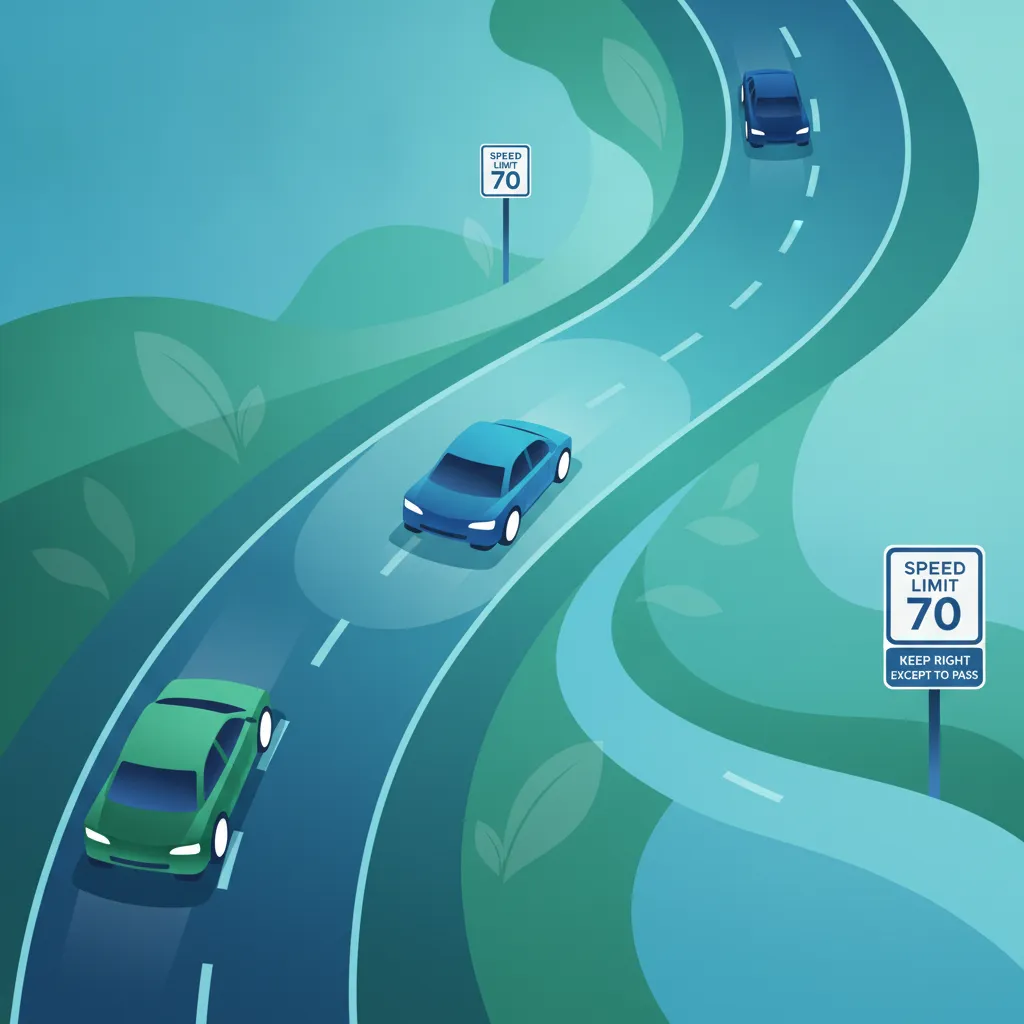
This lesson explains the specific rules, driving etiquette, and safety protocols for operating a vehicle on high-speed Turkish motorways. It covers correct lane usage, overtaking procedures, emergency lane restrictions, and how to maintain consistent high speeds safely. Drivers will learn to avoid dangerous tailgating and sudden lane changes.
In this lesson, learners will gain comprehensive knowledge of safe overtaking maneuvers during riding, emphasizing the importance of assessing traffic flow, checking blind spots, and signaling intentions. The content covers overtaking strategies on both straight roads and curves, considering visibility and speed differentials. By mastering these techniques, motorcyclists can execute overtaking safely.
In this lesson, learners will focus on the specific considerations and safety practices required when riding motorcycles on high-speed roads and motorways. Topics covered include maintaining appropriate lane discipline, safe overtaking at high speeds, dealing with increased wind resistance, and the importance of accurate speed control and appropriate following distances on faster roadways.
This lesson examines lane division and proper lane usage on multi-lane roads and highways. Learners will understand the purpose of lane markings in guiding drivers to maintain appropriate lane discipline. Topics include correct lane selection for different vehicle types, overtaking procedures, and lane-changing techniques. Real-world examples illustrate the importance of respecting lane usage rules.
This lesson focuses on the unique requirements and best practices for operating passenger vehicles on highways and expressways. Topics include maintaining appropriate speed, adhering to lane discipline, executing safe overtaking maneuvers, and managing merges and exits. Emphasis is placed on ensuring a smooth ride for passengers while integrating safely with faster-moving traffic.
This lesson addresses the specific considerations for goods vehicle operation on highways and expressways, covering speed limits, lane discipline, safe merging, and overtaking. Learners will learn how to adapt to traffic flow, manage heavy vehicle dynamics at higher speeds, and ensure safe operation. The lesson emphasizes the importance of vigilance and proper lane usage to prevent accidents.
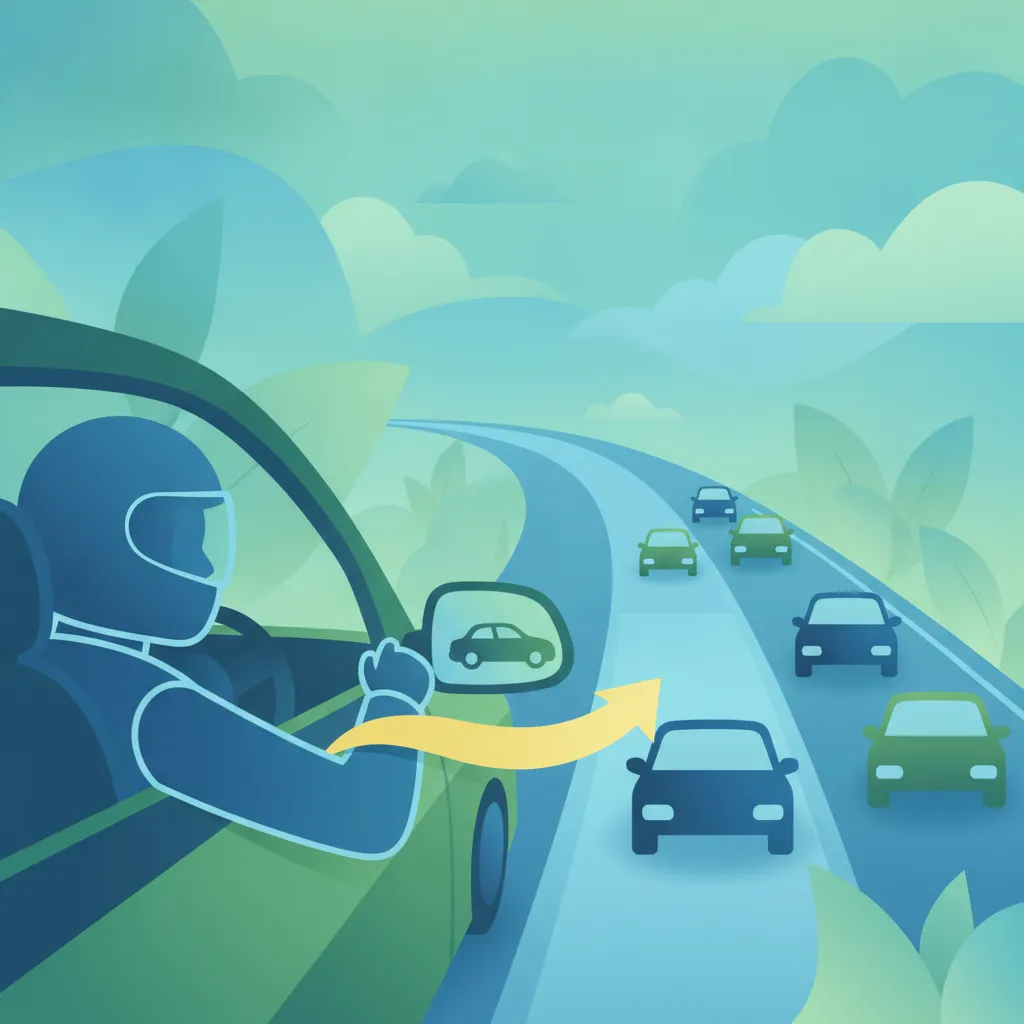
This lesson details the techniques for merging onto busy expressways and executing safe lane changes in urban traffic conditions. It explains how to match the speed of highway traffic in the acceleration lane and select safe gaps for merging. Drivers will learn how to eliminate blind spots and signal early to maintain smooth traffic flow.
Roundabouts require a clear understanding of yield regulations and precise signaling to avoid conflicts with larger vehicles. This lesson details the legal requirements under Turkish road rules, which demand that entering vehicles yield to traffic already circulating inside the roundabout. You will learn how to select the appropriate lane upon entry, maintain a steady speed, signal your exit intentions clearly with your indicators, and remain alert to drivers who cut across lanes.
Proper road positioning is your primary shield against being squeezed, sideswiped, or overlooked by larger motor vehicles in daily traffic. This lesson explains how to ride in the center or slightly off-center of your lane to prevent unsafe overtaking within the same lane. You will study how to identify the massive blind spots of buses and trucks, maintain appropriate following distances, and execute overtaking maneuvers with maximum safety margin and clear signal warning.
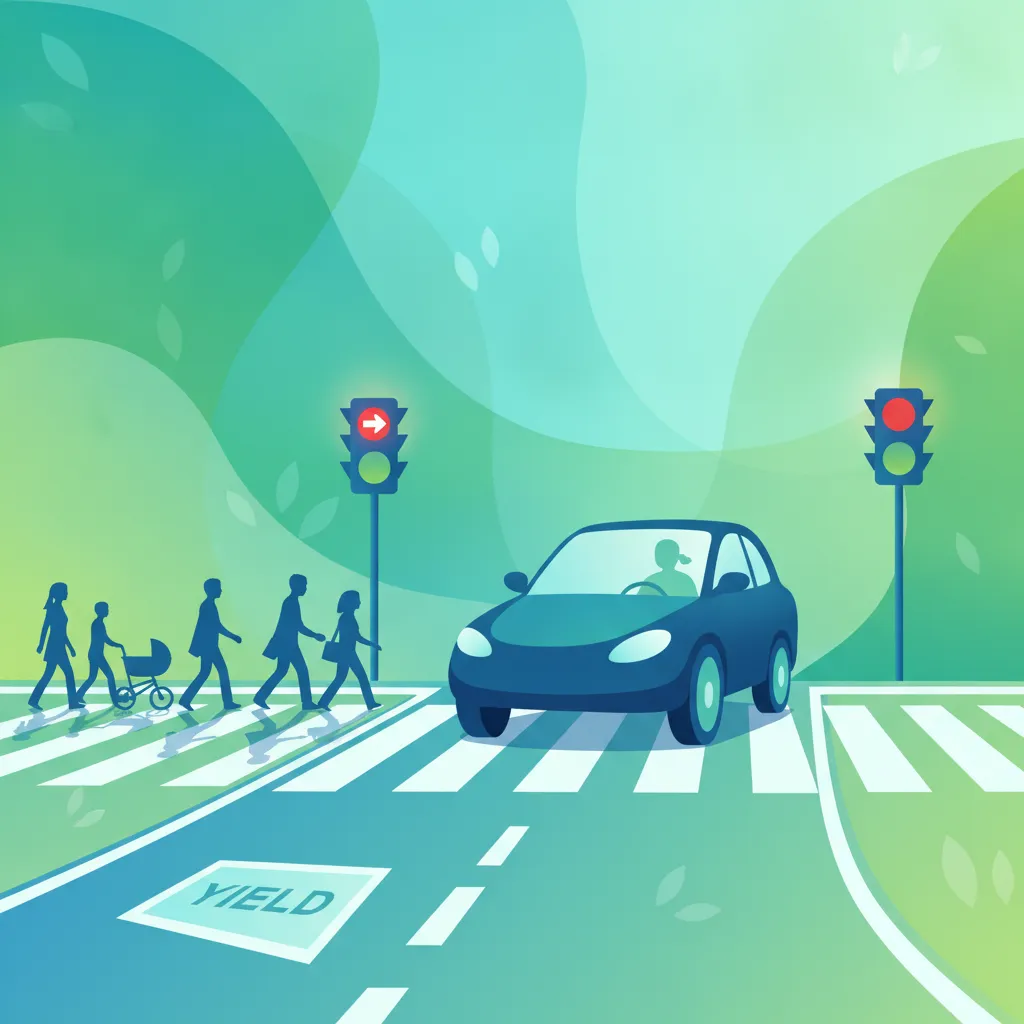
In this lesson, learners will master the skills required to safely navigate various types of intersections encountered in Turkish urban settings. The content covers interpreting traffic signals, understanding right-of-way rules, and executing proper lane positioning. Practical strategies for managing blind spots and ensuring visibility to other road users are emphasized. By the end of this session, participants will be equipped with safe crossing techniques.
Develop a better understanding of potential risks during complex vehicle maneuvers such as passing, reversing, and merging. This lesson focuses on identifying common hazards on rural and urban roads, calculating safe following distances, and anticipating the behavior of other road users to prevent traffic accidents.
This lesson explores the critical skill of hazard identification and anticipation while driving. Topics include recognizing potential risks in traffic, road conditions, and environmental factors. Learners will develop skills in anticipatory driving to proactively address hazards before they become dangerous. Real-world examples illustrate how to maintain vigilance.
Learners will examine the complexities of operating in environments where various road users, including pedestrians, cyclists, and motorcyclists, coexist. The lesson emphasizes the need for heightened situational awareness, defensive driving techniques, and proactive hazard anticipation. Strategies for navigating mixed traffic safely, especially in congested urban areas, are highlighted.
Low-speed riding maneuvers require precise coordination of throttle control, body balance, and subtle steering inputs to maintain vehicle stability. This lesson guides you through techniques for performing tight U-turns, navigating dense traffic queues, and parking your moped safely in designated urban areas. Additionally, you will learn to scan for immediate hazards, allowing you to execute steering corrections smoothly without risking tip-overs or collisions with low obstacles.
This lesson focuses on protecting vulnerable road users, such as pedestrians, cyclists, and motorcyclists, in mixed traffic environments. Learners will examine specific strategies for increased vigilance, anticipatory driving, and properly yielding to these users. The lesson also covers high-risk zones, such as school areas and public transport stops, emphasizing the need for heightened safety.
Proper road positioning is your primary shield against being squeezed, sideswiped, or overlooked by larger motor vehicles in daily traffic. This lesson explains how to ride in the center or slightly off-center of your lane to prevent unsafe overtaking within the same lane. You will study how to identify the massive blind spots of buses and trucks, maintain appropriate following distances, and execute overtaking maneuvers with maximum safety margin and clear signal warning.
In this lesson, learners will master the skills required to safely navigate various types of intersections encountered in Turkish urban settings. The content covers interpreting traffic signals, understanding right-of-way rules, and executing proper lane positioning. Practical strategies for managing blind spots and ensuring visibility to other road users are emphasized. By the end of this session, participants will be equipped with safe crossing techniques.
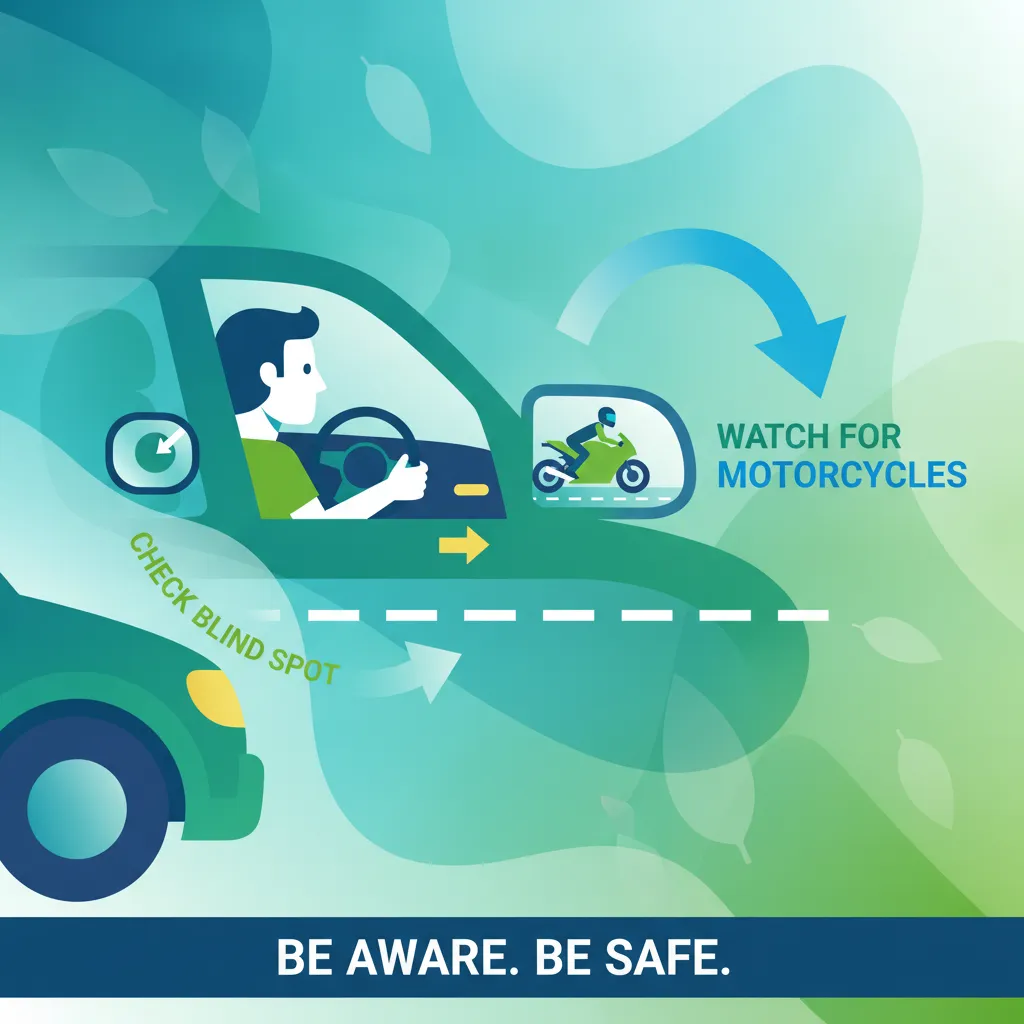
Learners will gain insight into the unique challenges posed by motorcycles and scooters sharing the road with passenger vehicles. The lesson highlights the importance of checking blind spots, maintaining safe following distances, and being aware of the faster acceleration and maneuverability of two-wheeled vehicles. Strategies for anticipating their movements and preventing collisions are discussed.
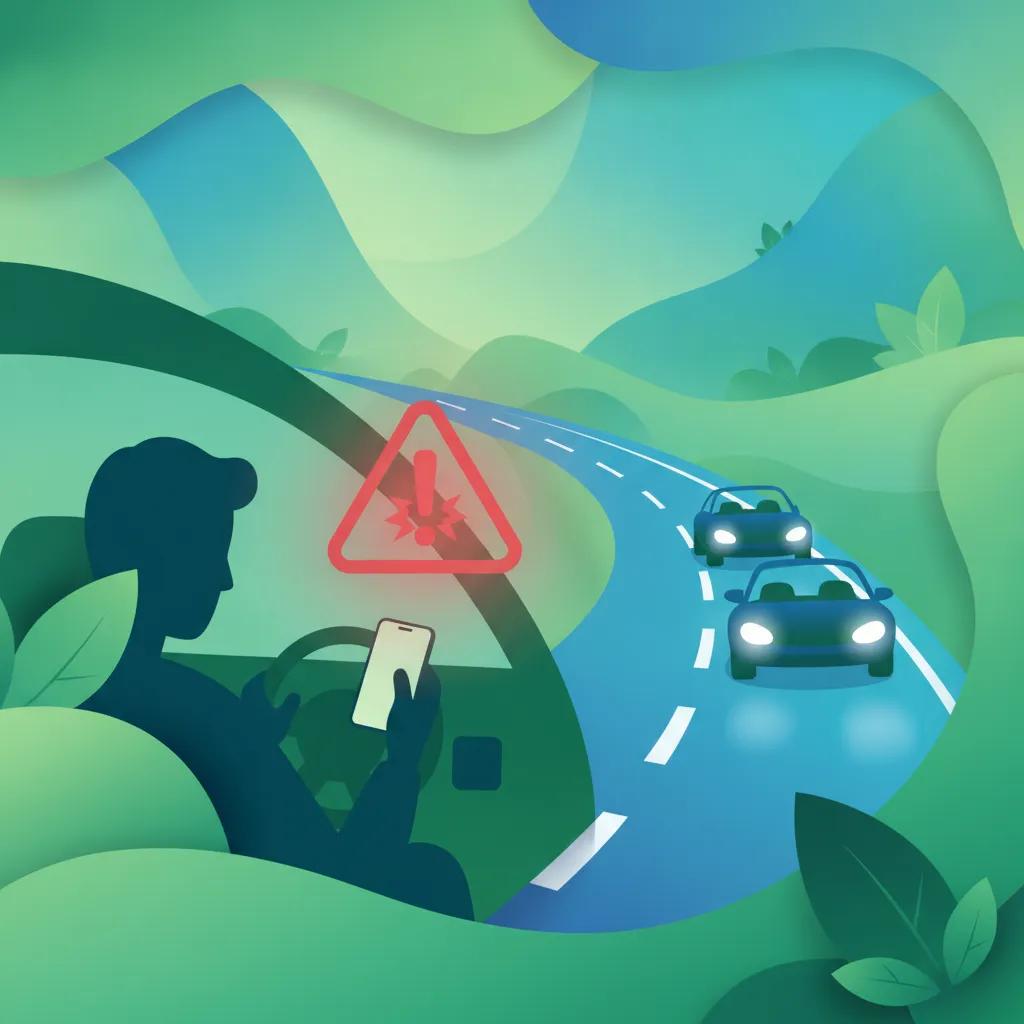
Human error and deliberate risk-taking represent the leading causes of traffic collisions among novice moped riders. This lesson analyzes the high dangers of using mobile phones while riding, weaving unsafely between lanes, and tailgating other motorists. It also covers the severe legal limits on alcohol and drug consumption under Turkish law, explaining how even minor impairments can drastically slower your hazard response times and lead to catastrophic accidents.

Learners will identify the different categories of vulnerable road users and understand the heightened risks they face. The lesson emphasizes the importance of recognizing these users, anticipating their actions, and taking proactive measures to ensure their safety while operating passenger vehicles. Strategies for mitigating danger and fostering a protective driving environment are explored.
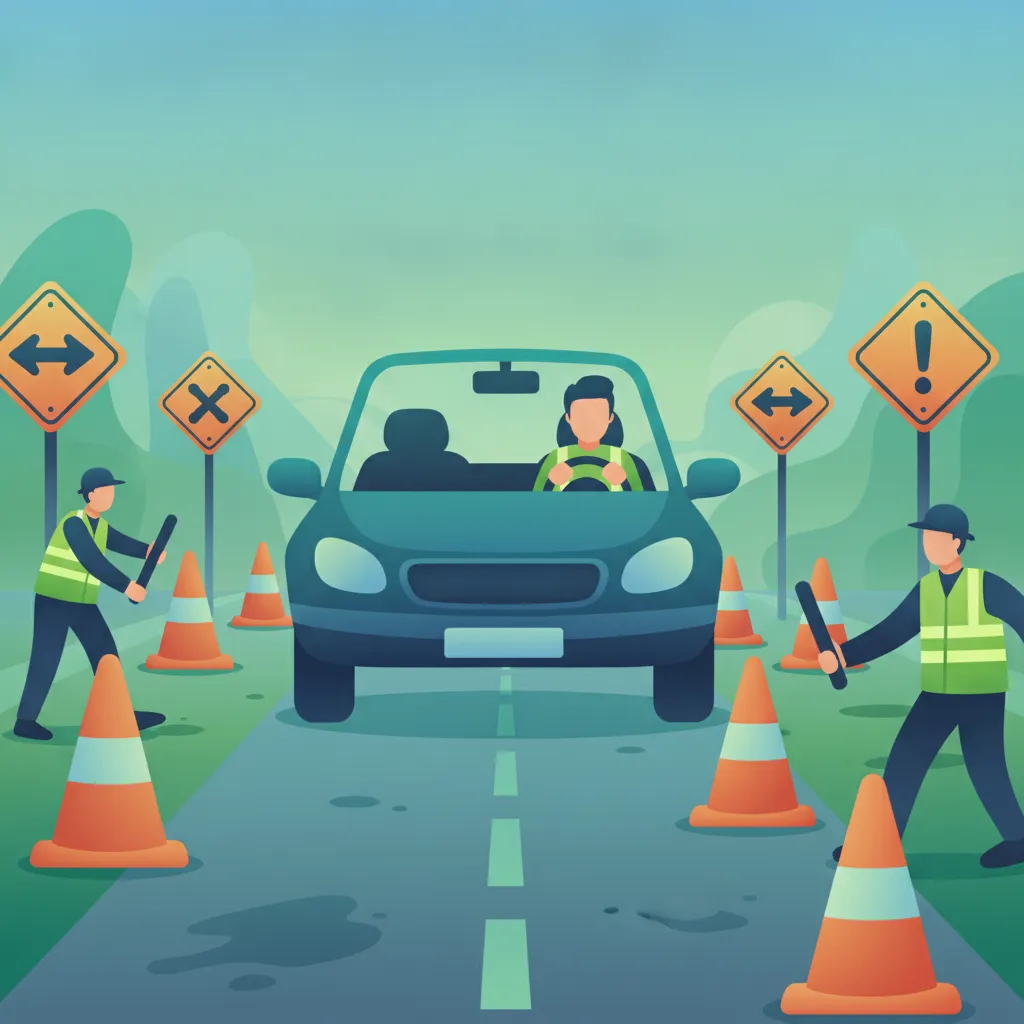
This lesson focuses on the safe navigation of goods vehicles through roadworks and construction zones. Learners will examine the importance of recognizing temporary signs, adhering to reduced speed limits, and maintaining heightened caution around workers and equipment. The lesson emphasizes the need for special attention due to the altered road environment and hazards specific to heavy vehicles.
Find clear answers to common questions learners have about Overtaking Procedures. Learn how the lesson is structured, which driving theory objectives it supports, and how it fits into the overall learning path of units and curriculum progression in Turkey. These explanations help you understand key concepts, lesson flow, and exam focused study goals.
Overtaking is prohibited at pedestrian crossings, school zones, intersections, level crossings, and in sections marked with a continuous solid line. Always check for specific regulatory signs that explicitly ban passing.
Yes, you must signal your intention to change lanes early and clearly. You should also check your mirrors and blind spots to ensure the path is safe before commencing the maneuver.
No, it is dangerous and usually illegal to overtake on curves or near the crest of a hill where visibility of oncoming traffic is restricted. You must only overtake when you have a clear, unobstructed view of the road ahead.
The MTSK e-sınav often uses visual scenarios of intersections or road segments and asks whether a driver is permitted to overtake. You must be able to identify road signs and markings instantly to answer these correctly.
Use our comprehensive practice search to find exactly the Turkish driving theory questions you need to master. Whether reviewing specific road signs, traffic rules, or first aid scenarios, select your perfect practice set and boost your confidence for the official ehliyet sınavı.