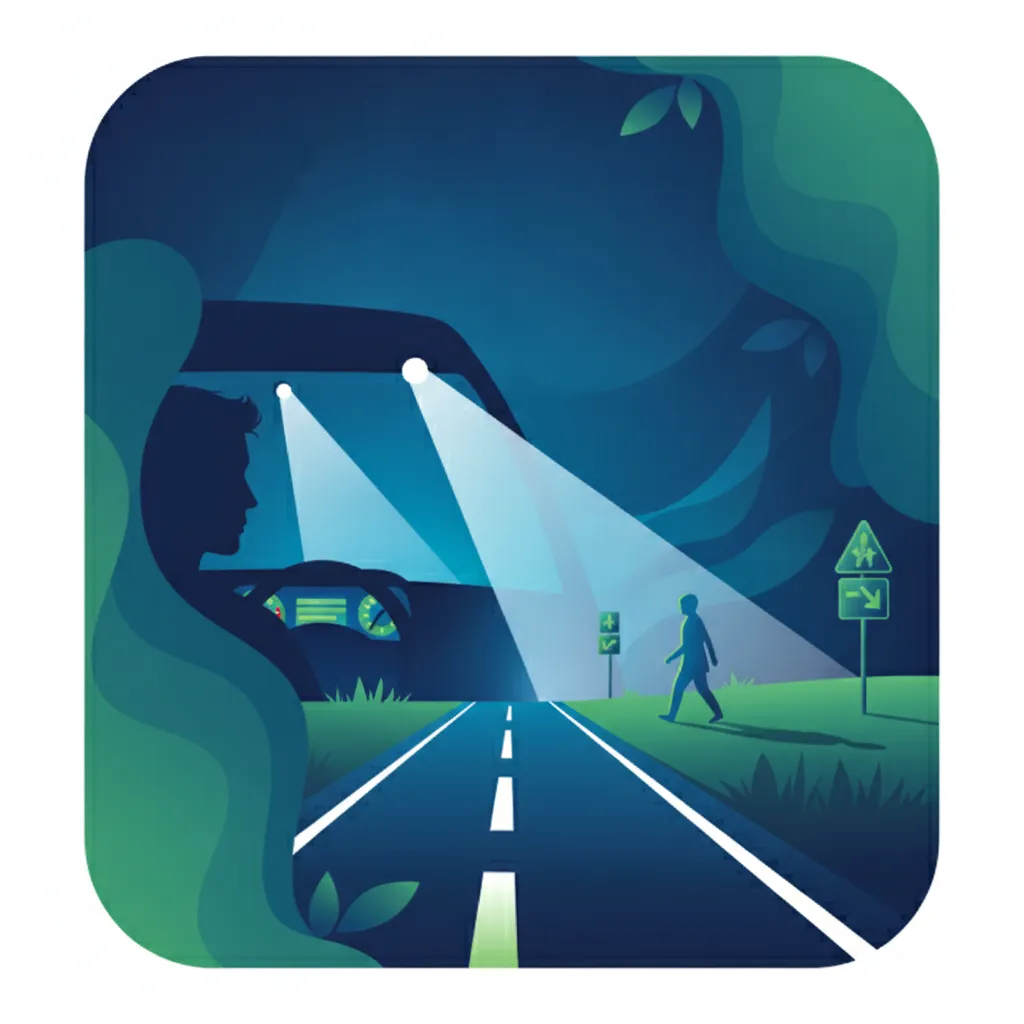
This lesson explores the specific challenges of driving after sunset, focusing on maintaining safety through proper headlight use and speed management. It is a critical component of our Category B course, helping you adapt your driving habits for low-visibility conditions. Mastering these techniques will build your confidence for both the official MTSK e-sınav and real-world night driving.
Lesson content overview
Driving after sunset changes the road environment completely. For driver candidates preparing for the Turkish Category B Driving License and the official Motorlu Taşıt Sürücü Kursu (MTSK) e-sınav, understanding the mechanics of nighttime driving is both a critical exam topic and a life-saving practical skill.
While traffic volume is significantly lower at night, a disproportionately high percentage of fatal accidents occur during hours of darkness. This is primarily due to reduced visual perception, headlight glare, and driver fatigue. To navigate roads safely after dark, you must adapt your driving habits, understand your vehicle's lighting systems, and learn how to manage physical limitations.
Human eyes are not naturally adapted for high-speed navigation in low-light environments. During the day, our eyes rely on photopic vision, which provides sharp detail, excellent color discrimination, and precise depth perception. As daylight fades, our eyes transition to mesopic and scotopic vision. This physiological shift significantly alters how we perceive the road.
The intermediate state of human vision under low-light conditions, where both the cone cells (responsible for color and detail) and rod cells (responsible for light sensitivity) are active. This state results in reduced visual acuity, poorer depth perception, and diminished color recognition.
At night, the lack of natural ambient light impairs your visual systems in several ways:
Dirty windows, mirrors, or eyeglasses scatter light rays, exacerbating these natural visual limitations. A thin film of dust or grease on your windshield can turn oncoming headlights into a blinding haze, severely reducing your reaction time. Keep all glass surfaces inside and outside the vehicle completely clean.
To compensate for reduced natural light, you must utilize your vehicle's lighting systems correctly. Under the Turkish Highway Traffic Law (Karayolları Trafik Kanunu), headlights are classified into two main categories, each with strict rules of engagement.
Low beams are designed to provide localized, downward-focused illumination. Their primary purpose is to light up the road ahead without projecting light directly into the eyes of other road users.
High beams project a powerful, parallel beam of light directly ahead, maximizing your visibility range on dark roads.
Maintain low beams while following the lead vehicle to avoid dazzling them through their mirrors.
Signal your intention to overtake. You may flash your headlights (selektör yapmak) briefly to alert the driver ahead, as sound horn signals are discouraged at night in urban zones.
Move into the left lane. Once your vehicle is parallel with or slightly ahead of the overtaken vehicle, you may switch to high beams if the road ahead is unlit and free of oncoming traffic.
Complete the maneuver and return to the right lane when safe.
One of the most dangerous mistakes a Category B driver can make at night is overdriving the headlights (farların aydınlatma mesafesini aşmak). This phenomenon occurs when your vehicle’s stopping distance exceeds the distance illuminated by your headlights.
If you are driving so fast that you cannot stop within the space illuminated by your headlight beams, you are essentially driving blind into whatever lies beyond that light boundary.
Let’s look at the mathematical reality of stopping distances at night:
As shown in the scenario above, if your low beams only illuminate 25 to 30 metres of the road ahead, driving at typical highway speeds of 90 km/h makes it physically impossible to stop before hitting an obstacle. By the time your brain processes the hazard and your foot presses the brake pedal, you have already traveled past the point of the obstacle.
To maintain a safe stopping margin, you must adjust your speed based on the range of your headlights:
Glare occurs when intense light enters your eye, scattering across the retina and temporarily blinding you. At night, this is a frequent hazard caused by oncoming vehicles, misaligned headlights, or high beams from vehicles behind you.
To protect your vision and maintain vehicle control when subjected to glare, apply these defensive driving techniques:
Driving during the late-night and early-morning hours runs directly counter to the human body's natural circadian rhythm. Fatigue slows your cognitive processing, decreases your situational awareness, and severely delays your reaction times.
Studies show that being awake for 18 consecutive hours impairs your driving ability to a level equivalent to a blood alcohol concentration (BAC) of 0.05%. Driving while fatigued is not a minor inconvenience; it carries the same level of risk as driving under the influence of alcohol.
As a responsible driver, you must recognize when your body is starting to shut down. Warning signs include:
The most dangerous consequence of driver fatigue is microsleep. A microsleep is an involuntary, temporary episode of sleep that lasts anywhere from a fraction of a second to 30 seconds.
If you experience a 4-second microsleep while driving at 90 km/h, your vehicle will travel approximately 100 metres completely uncontrolled. During this time, the vehicle can easily drift off the road, cross into oncoming traffic, or crash into stationary obstacles.
Many drivers rely on ineffective "tricks" to stay awake, such as turning up the radio volume, opening the window for cold air, or drinking caffeinated beverages. These methods only mask fatigue for a few minutes; they do not restore cognitive alertness.
Intersections and pedestrian crossings (yaya geçitleri) become highly hazardous zones after dark. Because pedestrians often underestimate how difficult they are to see, they may step onto the road expecting you to stop.
As a Category B driver, you must exercise extreme caution near intersections and urban pedestrian zones:
Our reliance on road markings and traffic signs increases exponentially at night. Because you cannot see the physical layout of the road ahead, signs and lane markings act as your primary guidance system.
Modern traffic signs are coated with retroreflective sheeting that bounces light from your headlights directly back to your eyes, making them highly visible even on dark highways.
However, you must be prepared for situations where these visual aids are compromised:
To successfully pass the MTSK theory exam and drive safely after dark, keep these core concepts in mind:
Explore all units and lessons included in this driving theory course.
Lesson content overview
Explore all units and lessons included in this driving theory course.
Explore search topics learners often look for when studying Nighttime Driving Techniques. These topics reflect common questions about road rules, driving situations, safety guidance, and lesson level theory preparation for learners in Turkey.
Browse additional driving theory lessons that cover connected traffic rules, road signs, and common driving situations related to this topic. Improve your understanding of how different rules interact across everyday traffic scenarios.
Learn the essential theory for handling reduced visibility and traction during heavy rain, fog, or snow on Turkish roads. Understand how environmental factors impact your stopping distance and the required adjustments to speed and headlight use for safe driving.
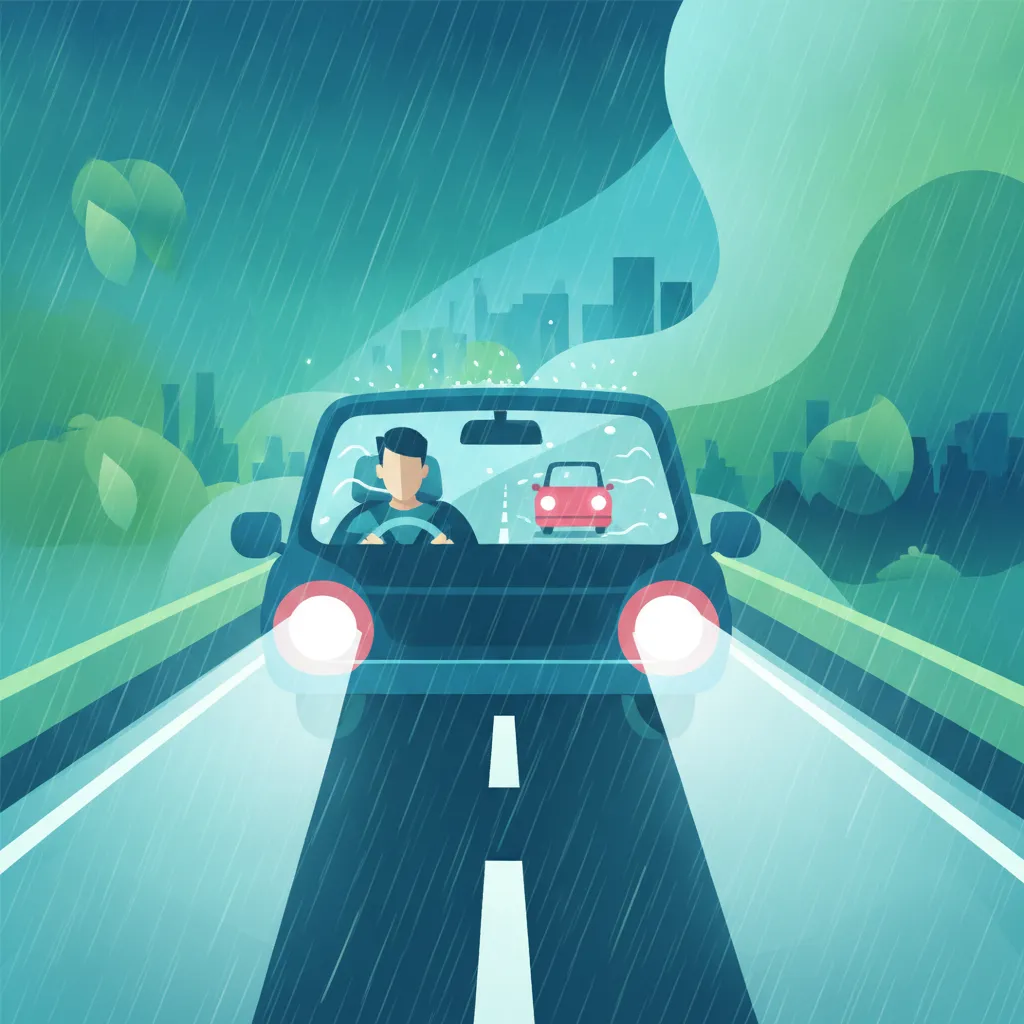
Learners will explore the specific challenges presented by adverse weather conditions, such as rain, fog, and nighttime driving. The lesson emphasizes the importance of adjusting speed, increasing following distances, and using appropriate lighting to maintain safety. Strategies for handling reduced road surface grip and visibility issues are discussed, ensuring drivers can adapt to changing weather while protecting passengers and other road users.
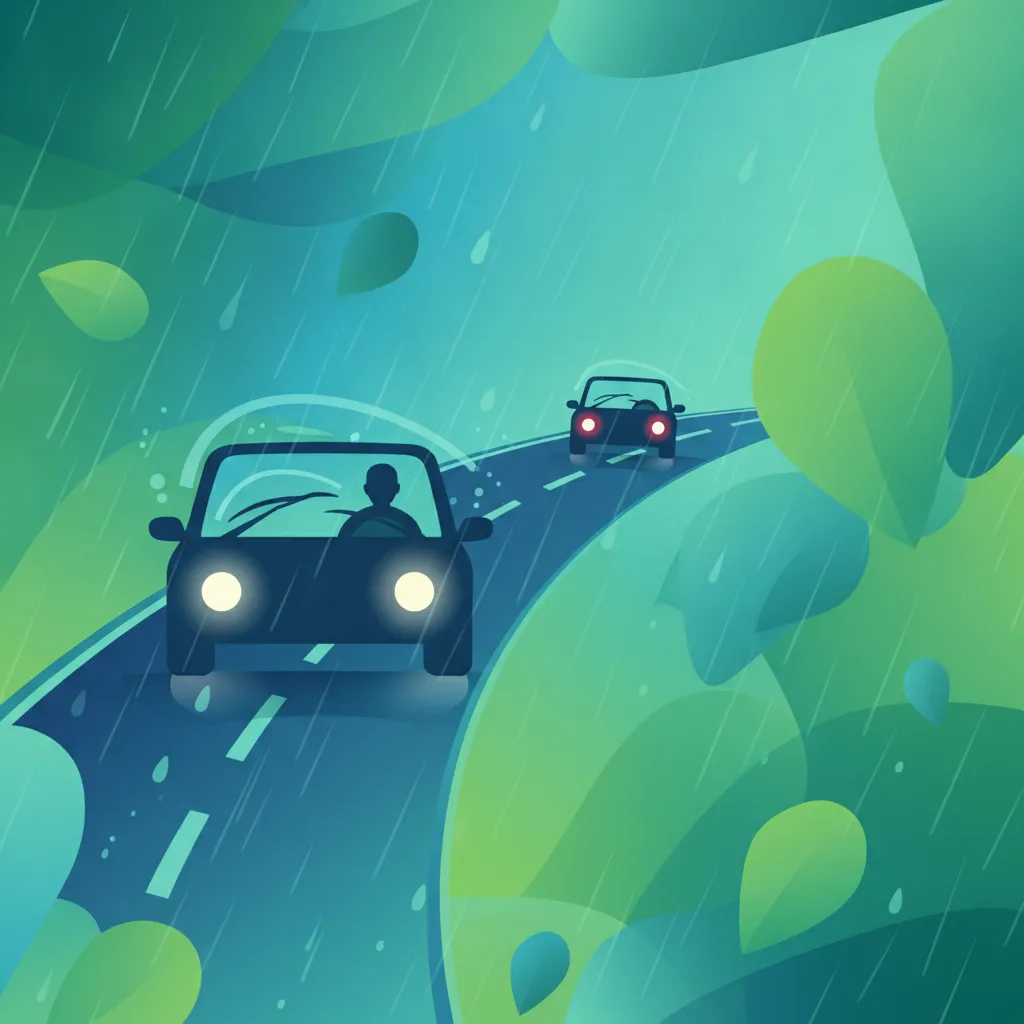
This lesson details defensive driving techniques for adverse weather conditions such as rain, snow, black ice, dense fog, and strong winds. It explains the physics of aquaplaning and how to regain vehicle control when losing traction on slippery surfaces. Drivers will learn how to adjust speed and increase safety gaps to prevent weather crashes.
This lesson focuses on the challenges of driving goods vehicles in adverse weather conditions, such as rain, fog, snow, and strong wind. Learners will explore safe speed management, increased following distances, proper use of headlights and windshield wipers, and techniques to maintain traction. The lesson emphasizes the importance of adapting driving behavior to the specific weather conditions.

In this lesson, learners will explore the challenges presented by various weather conditions, such as rain, wind, fog, and temperature extremes, and how they affect motorcycle handling and safety. Topics covered include adjusting riding techniques for reduced traction, maintaining visibility in low-light or foggy conditions, and managing physical wind effects. The lesson emphasizes adjusting speed and braking.
Riding in adverse weather presents significant challenges for open-vehicle operators, including reduced tire grip, obscured vision, and physical fatigue from wind or cold. This lesson covers safety techniques for navigating rainy conditions, avoiding the danger of hydroplaning, and managing strong crosswinds that can destabilize a lightweight moped. You will learn to adjust your speed, increase your following distance, and use high-visibility gear to ensure a safe journey under bad weather.
Learners will explore techniques for adjusting driving styles based on different road surface conditions, such as gravel, potholes, and wet pavement. The lesson emphasizes the importance of adapting speed, braking, and steering inputs to maintain vehicle control and passenger comfort. Strategies for detecting and responding to road hazards are discussed to ensure safety across diverse driving environments.

This lesson explores the hazards characteristic of rural roads, including narrow paths, lack of lighting, slow agricultural vehicles, and sharp curves. It teaches drivers how to anticipate blind corners, adjust speed, and pass slow-moving tractors safely. Motorists will learn to remain highly alert for unexpected roadway obstructions.
This lesson covers the proper usage, maintenance, and alignment of the vehicle's lighting systems, including high beams, low beams, and fog lights. It explains the legal requirements for activating lights during daytime, twilight, tunnel crossings, and heavy rain. Drivers will learn how to avoid blinding oncoming motorists while maintaining visibility.
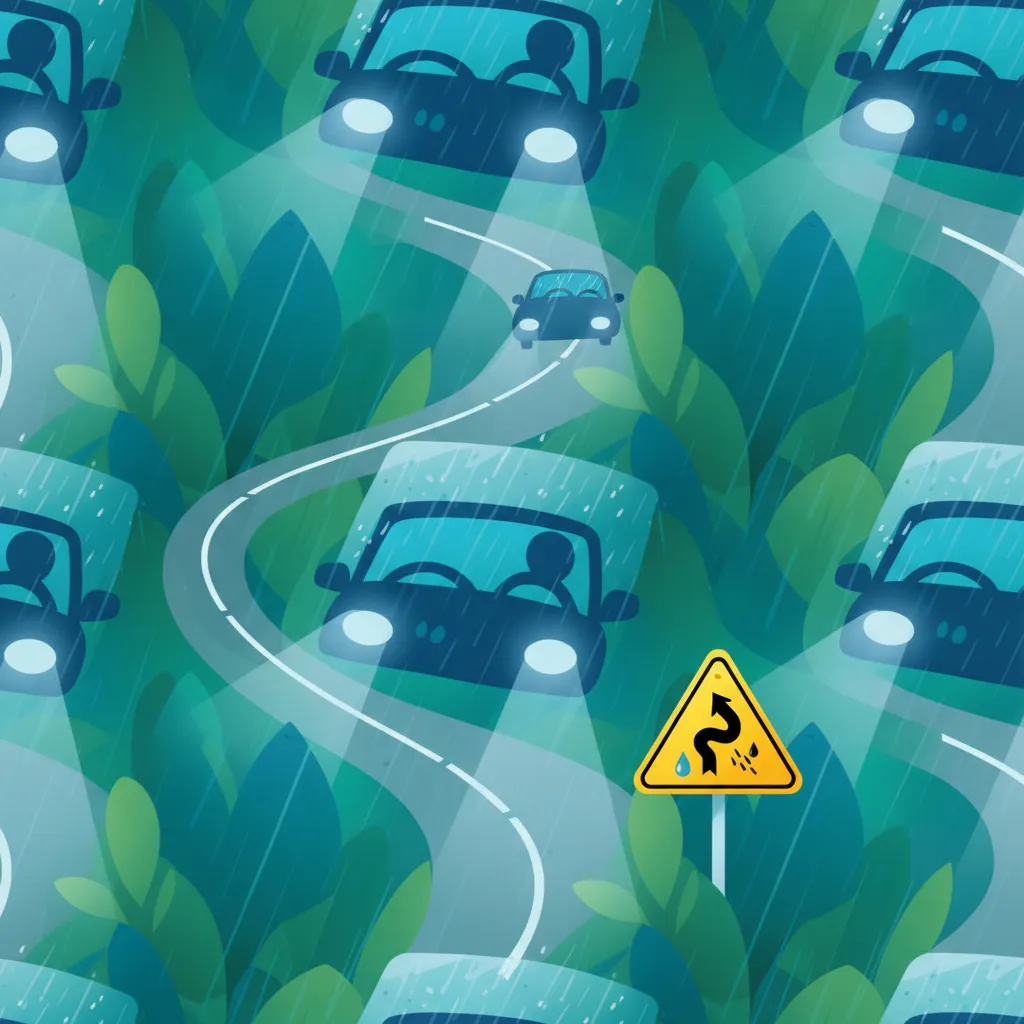
In this lesson, learners explore the factors influencing the determination of a safe driving speed. Topics include adjusting speed for road conditions, weather, traffic density, visibility, and vehicle performance. The lesson emphasizes the importance of dynamic speed management and how to assess appropriate speeds for varying situations.
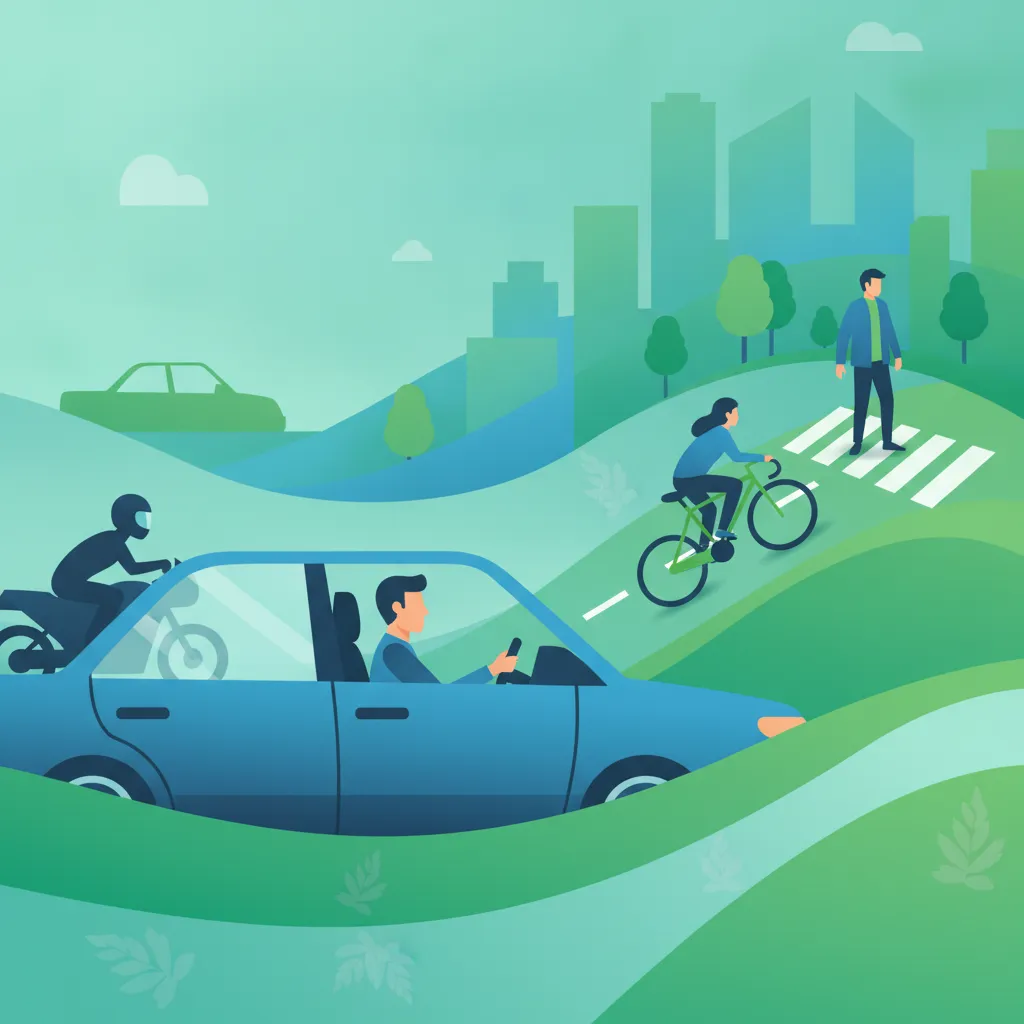
Learners will examine the complexities of operating in environments where various road users, including pedestrians, cyclists, and motorcyclists, coexist. The lesson emphasizes the need for heightened situational awareness, defensive driving techniques, and proactive hazard anticipation. Strategies for navigating mixed traffic safely, especially in congested urban areas, are highlighted.
Develop a structured approach to identifying road hazards, including vulnerable road users, pedestrian crossings, and unexpected obstacles. This explanation focuses on building predictive driving skills that allow you to react safely and maintain control in complex traffic situations based on Turkish road conventions.
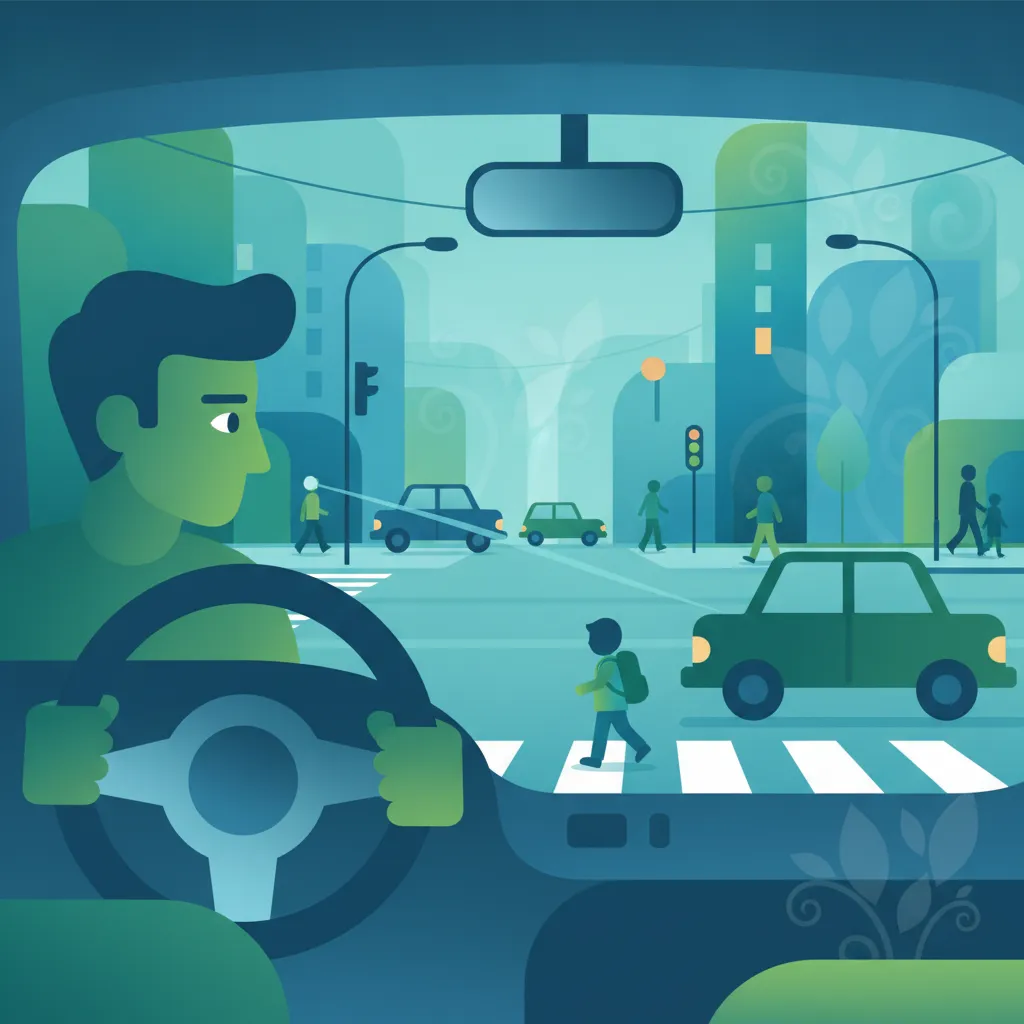
This lesson explores the critical skill of hazard identification and anticipation while driving. Topics include recognizing potential risks in traffic, road conditions, and environmental factors. Learners will develop skills in anticipatory driving to proactively address hazards before they become dangerous. Real-world examples illustrate how to maintain vigilance.

Learners will identify the different categories of vulnerable road users and understand the heightened risks they face. The lesson emphasizes the importance of recognizing these users, anticipating their actions, and taking proactive measures to ensure their safety while operating passenger vehicles. Strategies for mitigating danger and fostering a protective driving environment are explored.
Learners will examine the complexities of operating in environments where various road users, including pedestrians, cyclists, and motorcyclists, coexist. The lesson emphasizes the need for heightened situational awareness, defensive driving techniques, and proactive hazard anticipation. Strategies for navigating mixed traffic safely, especially in congested urban areas, are highlighted.
This lesson details defensive driving techniques for adverse weather conditions such as rain, snow, black ice, dense fog, and strong winds. It explains the physics of aquaplaning and how to regain vehicle control when losing traction on slippery surfaces. Drivers will learn how to adjust speed and increase safety gaps to prevent weather crashes.
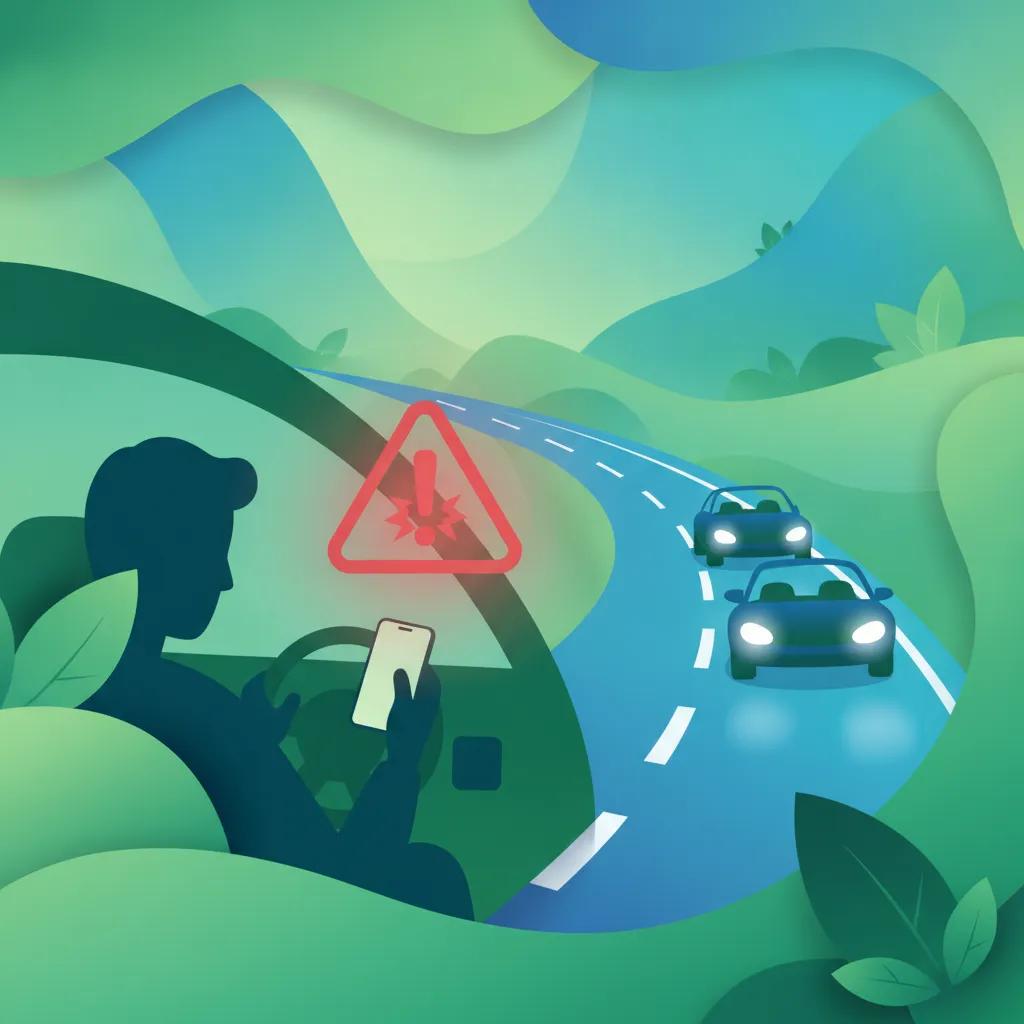
Human error and deliberate risk-taking represent the leading causes of traffic collisions among novice moped riders. This lesson analyzes the high dangers of using mobile phones while riding, weaving unsafely between lanes, and tailgating other motorists. It also covers the severe legal limits on alcohol and drug consumption under Turkish law, explaining how even minor impairments can drastically slower your hazard response times and lead to catastrophic accidents.

In this lesson, learners explore warning traffic signs designed to alert drivers to potential hazards ahead. Topics include signs indicating curves, steep descents, slippery surfaces, pedestrian crossings, and school zones. The lesson emphasizes the importance of interpreting these signs correctly to adjust speed and driving behaviour, thereby preventing accidents.
This lesson focuses on protecting vulnerable road users, such as pedestrians, cyclists, and motorcyclists, in mixed traffic environments. Learners will examine specific strategies for increased vigilance, anticipatory driving, and properly yielding to these users. The lesson also covers high-risk zones, such as school areas and public transport stops, emphasizing the need for heightened safety.
This lesson explores the hazards characteristic of rural roads, including narrow paths, lack of lighting, slow agricultural vehicles, and sharp curves. It teaches drivers how to anticipate blind corners, adjust speed, and pass slow-moving tractors safely. Motorists will learn to remain highly alert for unexpected roadway obstructions.

In this lesson, learners will discover the principles of defensive riding, focusing on hazard anticipation, maintaining safe distances, and practicing proactive avoidance techniques. It emphasizes developing a vigilant riding posture, constantly scanning the environment, and preparing to react to potential dangers from other road users, road conditions, or unexpected traffic events.
This lesson examines portable and electronic warning devices used to inform drivers of temporary road conditions. Learners will explore the use of movable signs, electronic variable message signs, speed display devices, and reflective hazard cones. The lesson emphasizes the significance of these devices in construction zones, roadworks, and dynamic traffic situations.
Find clear answers to common questions learners have about Nighttime Driving Techniques. Learn how the lesson is structured, which driving theory objectives it supports, and how it fits into the overall learning path of units and curriculum progression in Turkey. These explanations help you understand key concepts, lesson flow, and exam focused study goals.
You must switch to dipped headlights whenever you are following another vehicle closely or when an oncoming vehicle approaches. This prevents blinding other drivers, which is a key safety rule in Turkish traffic law and a common exam topic.
Night driving significantly reduces your ability to see hazards in time to react. You must drive at a speed that allows you to stop safely within the distance illuminated by your headlights, meaning you should generally drive slower at night than during the day.
Vehicles must have operational headlights, taillights, and reflectors. In the theory test, you must know when to use parking lights versus dipped beams during dusk, dawn, and inclement weather to ensure visibility for yourself and others.
Fatigue is a major cause of accidents. The official advice is to take regular breaks, stay hydrated, and recognize that feeling sleepy is a dangerous signal to pull over. This is frequently tested as part of responsible driving etiquette.
Use our comprehensive practice search to find exactly the Turkish driving theory questions you need to master. Whether reviewing specific road signs, traffic rules, or first aid scenarios, select your perfect practice set and boost your confidence for the official ehliyet sınavı.