
This lesson details the critical pre-trip safety checks required for professional goods vehicle drivers in Turkey. By mastering the inspection of tyres, brakes, lights, and mirrors, you ensure your vehicle is compliant with safety regulations and roadworthy for your C or CE licence professional duties.

Lesson content overview
For professional drivers operating commercial goods vehicles under C1, C, C1E, or CE licences, safety is not an afterthought—it is a legal and operational mandate. In Turkey, the Turkish Highway Traffic Regulation (Karayolları Trafik Yönetmeliği) places direct responsibility on the driver to ensure the vehicle is in roadworthy condition before starting any journey.
A thorough pre-trip inspection (yolculuk öncesi kontrol) is your first line of defence against mechanical failure, cargo damage, and road accidents. This lesson covers the essential maintenance and safety checks for the four most critical vehicle systems: tyres, brakes, lights, and mirrors.
Tyres are the only contact point between your multi-ton vehicle and the road surface. For heavy goods vehicles (HGVs), tyre integrity directly governs braking distance, steering response, aquaplaning resistance, and fuel efficiency.
The tread pattern on a tyre is designed to channel water away from the contact patch, preventing aquaplaning on wet roads.
Tyres must be inflated strictly according to the manufacturer's specifications, which vary depending on the vehicle's axle load.
During your pre-trip walkaround, inspect all tyres (including steering, drive, trailer, and spare axles) using a systematic approach:
Check Inflation: Use a calibrated pressure gauge when the tyres are cold. Do not rely solely on visual inspection, as heavy vehicle tyres may look inflated even when significantly low on pressure.
Measure Tread Depth: Use a tread depth gauge at multiple points around the circumference of the tyre and across the width of the tread.
Inspect Sidewalls: Look for cuts, deep gouges, bulges (indicating internal belt separation), or cracks caused by age and UV exposure. Ensure no cord or ply is exposed.
Inspect Dual-Tyre Spacing: For axles with dual tyres, check that no stones, debris, or wedged foreign objects are trapped between the two tyres, as these can friction-wear the sidewalls and cause double blowouts.
Verify Wheel Nut Security: Check for rust streaks running from the wheel nuts, which often indicate loose nuts. Ensure the wheel rims are not cracked, bent, or distorted.
The Danger of Mixed Tyres: Never mix tyres of different sizes, structures (radial vs. bias-ply), or tread types on the same axle. Doing so causes highly unpredictable handling, uneven braking forces, and severe stability risks under heavy loads.
Heavy goods vehicles rely on robust braking systems—typically dual-circuit pneumatic (air) brakes (çift devreli havalı frenler)—to decelerate loads that can exceed 40 tonnes. A minor defect in this system can translate into catastrophically long stopping distances or complete brake failure on steep declines.
Before moving a vehicle equipped with air brakes, you must ensure the system can build and maintain the correct operating pressure.
In addition to monitoring pressure gauges, perform a manual and visual check of the brake hardware components:
Proper illumination and signalling are vital for communication on the road. Due to their large dimensions and slower speeds, goods vehicles must be highly visible to other road users under all driving conditions.
Headlight alignment and cleanliness are critical for safe night driving and poor weather visibility.
Your intentions to turn, merge, or stop must be communicated clearly and instantly.
Heavy goods vehicles have massive blind spots (kör noktalar) on all four sides. Properly selected, clean, and adjusted mirrors are your primary tools for maintaining situational awareness and avoiding collisions during lane changes, turns, and reversing maneuvers.
Modern commercial vehicles are equipped with a complex array of specialised mirrors:
Before starting your engine, ensure all mirrors are correctly adjusted. Never attempt to adjust mirrors while the vehicle is in motion.
Clean All Glass: Wipe away dirt, road salt, rain spots, or ice from all mirror surfaces. Dirty mirrors degrade depth perception and exacerbate night-time glare.
Adjust the Main Mirrors (Class II): Position them so you can see a tiny sliver of your own trailer/vehicle body on the inner edge of the glass, with the horizon placed roughly in the vertical centre of the mirror. This provides the maximum reference frame for vehicles approaching from the rear.
Align Wide-Angle Mirrors (Class IV): Adjust these outward to cover the lanes immediately adjacent to your drive axles, bridging the gap between your peripheral vision and the main mirrors.
Adjust Downward-Facing Mirrors (Class V & VI): Ensure the kerb and the front bumper areas are visible, eliminating blind spots where children, cyclists, or small passenger cars might be hidden.
Your checks must adapt to environmental changes, cargo variations, and the specific route you are driving.
The temporary reduction or complete loss of braking power that occurs when brake pads and rotors/drums overheat from prolonged or heavy use, causing the friction materials to lose their stopping capability.
Failing to conduct proper pre-trip checks leads directly to traffic violations, fines, and severe accidents. Below are common real-world failure points that professional drivers must actively avoid:
The condition of your vehicle’s safety equipment directly determines how it handles on the road:
Explore all units and lessons included in this driving theory course.
Lesson content overview
Explore all units and lessons included in this driving theory course.
Explore search topics learners often look for when studying Checks for Tyres, Brakes, Lights, and Mirrors. These topics reflect common questions about road rules, driving situations, safety guidance, and lesson level theory preparation for learners in Turkey.
Browse additional driving theory lessons that cover connected traffic rules, road signs, and common driving situations related to this topic. Improve your understanding of how different rules interact across everyday traffic scenarios.
Learn the mechanics of centre of gravity and vehicle stability for commercial goods vehicles in Turkey. Understand how proper load distribution affects braking performance and handling on the road to ensure professional safety compliance and vehicle control.

This lesson focuses on the essential principles of load planning and weight distribution for goods vehicles. Learners will understand how to assess cargo weight, determine optimal placement, and maintain a low centre of gravity to ensure vehicle stability. The lesson emphasizes legal load limits, the dangers of overloading, and the impact of uneven load distribution on handling and braking.

This lesson delves into the principles of weight distribution and load limits for goods vehicles, emphasizing the impact on vehicle stability and safety. It examines the concept of Gross Vehicle Weight (GVW) and the legal limits imposed on individual axles to prevent overloading. Learners will explore how improper weight distribution affects the centre of gravity, braking performance, and handling characteristics.

This lesson examines the effects of load dynamics on vehicle stability during acceleration and deceleration. Learners will learn how cargo can shift and affect handling, particularly during sudden speed changes or emergency braking situations. The lesson emphasizes proper load securing, gradual acceleration, and controlled braking to maintain stability and prevent serious accidents.

This lesson provides a detailed overview of cargo securing techniques and the legal requirements for securing loads on goods vehicles. It covers the proper use of straps, chains, tarpaulins, and other securing methods to prevent cargo shift during transit. Learners will learn how to assess the need for additional restraints based on cargo type, weight, and dynamic transport conditions.

This lesson explains the legal guidelines and safety physics for carrying passengers and securing cargo inside or on top of a vehicle. It details how excess weight or poorly distributed cargo negatively affects vehicle handling, braking, and fuel efficiency. Drivers will learn the legal payload limits specified under Turkish Category B regulations.

This lesson delves into the concept of centre of gravity and its critical impact on the stability of goods vehicles. Learners will explore how load height and distribution affect side and dynamic stability, particularly during braking, cornering, and evasive maneuvers. The lesson explains the increased rollover risk associated with a high centre of gravity and provides strategies for managing weight.

This lesson explores the legal and practical aspects of route planning for goods vehicles, emphasizing the importance of selecting suitable routes that adhere to road restrictions. Learners will learn how to identify roads with weight limits, height clearance, and prohibited zones for heavy vehicles. They will also discover how to use navigation systems and truck-specific GPS effectively.
Explore the theory behind navigating adverse weather including rain snow and fog while operating commercial trucks. Understand how environment impacts tyre grip and braking systems to maintain vehicle control and safety on both highways and rural routes according to Turkish traffic regulations.

This lesson focuses on the challenges of driving goods vehicles in adverse weather conditions, such as rain, fog, snow, and strong wind. Learners will explore safe speed management, increased following distances, proper use of headlights and windshield wipers, and techniques to maintain traction. The lesson emphasizes the importance of adapting driving behavior to the specific weather conditions.

This lesson details defensive driving techniques for adverse weather conditions such as rain, snow, black ice, dense fog, and strong winds. It explains the physics of aquaplaning and how to regain vehicle control when losing traction on slippery surfaces. Drivers will learn how to adjust speed and increase safety gaps to prevent weather crashes.

This lesson explores the unique challenges encountered when driving goods vehicles on rural roads, including narrow widths, sharp curves, animal crossings, and varying road surface conditions. Learners will understand the importance of adjusting speed, maintaining vigilance, and respecting road markings. Emphasis is placed on safe navigation practices to mitigate risks associated with rural areas.

Learners will explore the specific challenges presented by adverse weather conditions, such as rain, fog, and nighttime driving. The lesson emphasizes the importance of adjusting speed, increasing following distances, and using appropriate lighting to maintain safety. Strategies for handling reduced road surface grip and visibility issues are discussed, ensuring drivers can adapt to changing weather while protecting passengers and other road users.
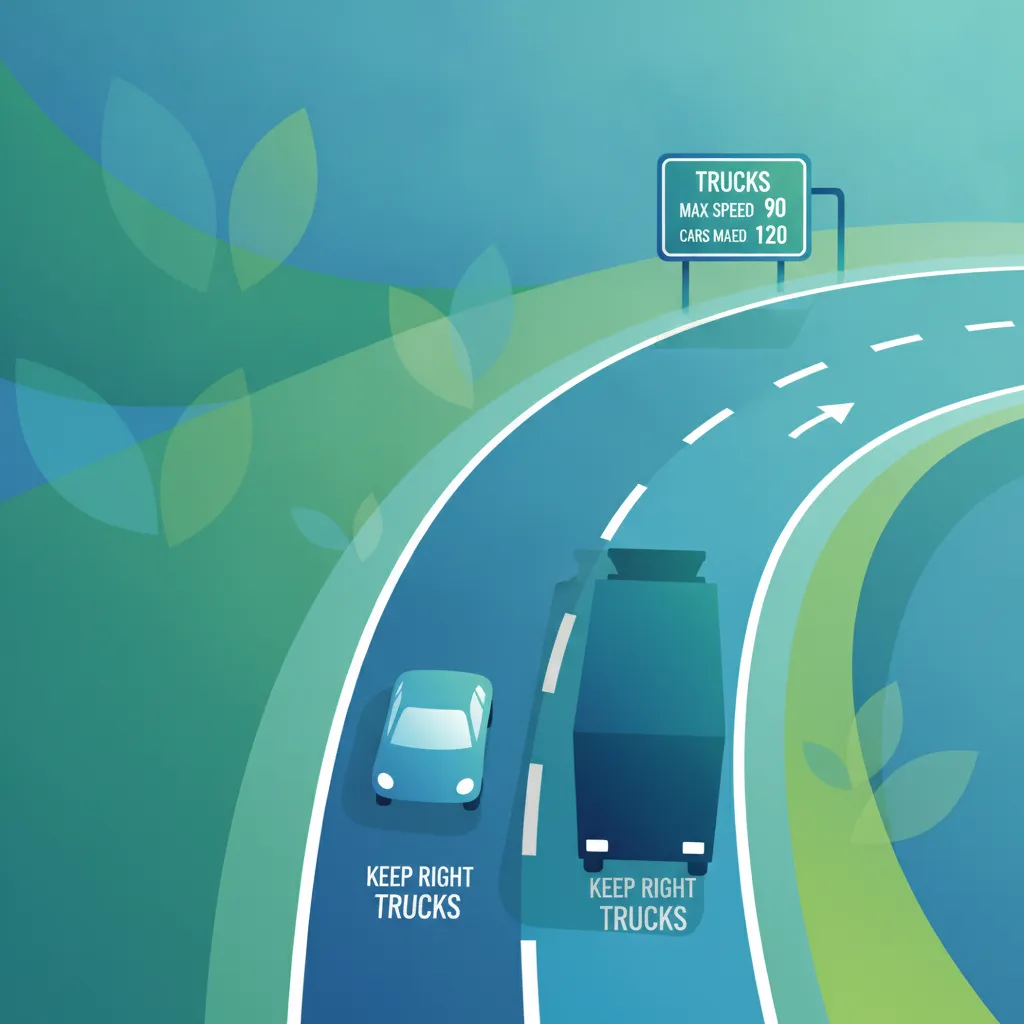
This lesson addresses the specific considerations for goods vehicle operation on highways and expressways, covering speed limits, lane discipline, safe merging, and overtaking. Learners will learn how to adapt to traffic flow, manage heavy vehicle dynamics at higher speeds, and ensure safe operation. The lesson emphasizes the importance of vigilance and proper lane usage to prevent accidents.
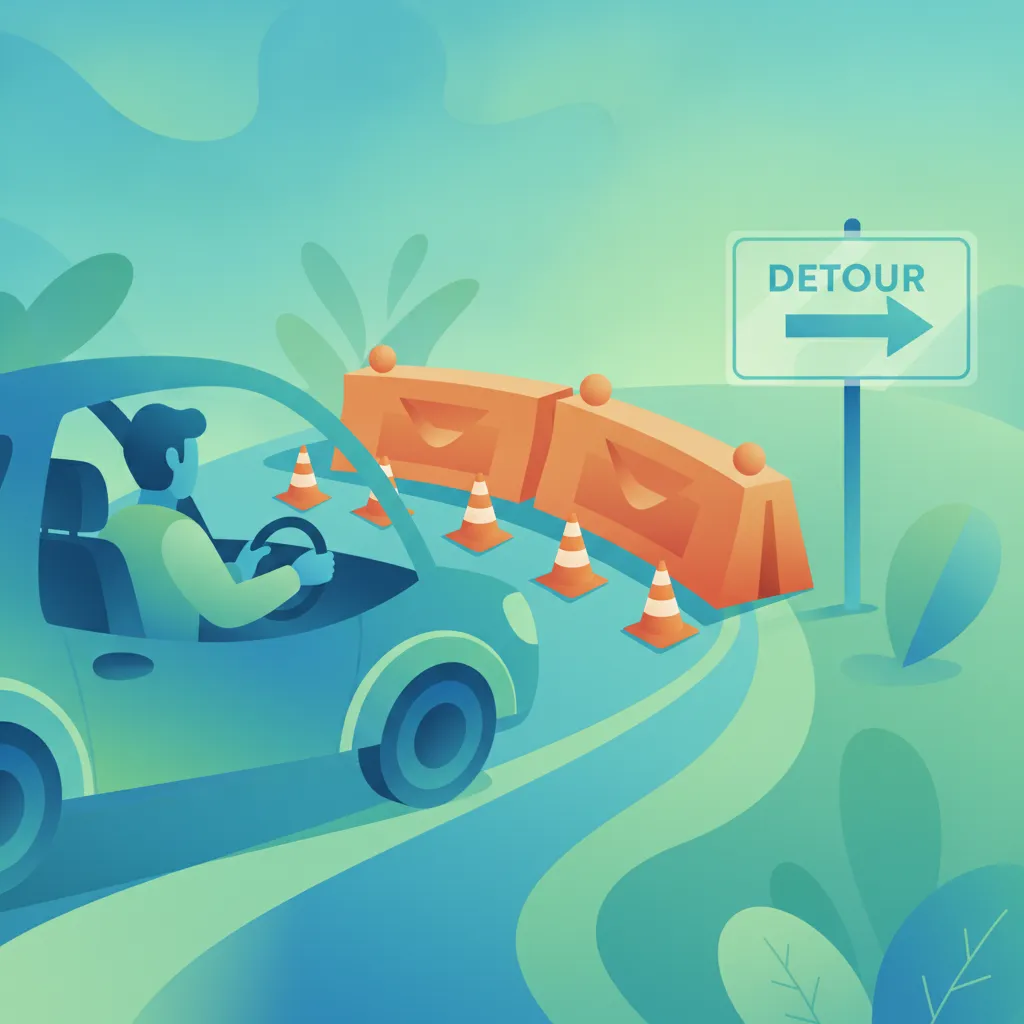
This lesson focuses on effectively managing road closures and detours that affect goods vehicle routes. Learners will explore strategies for obtaining real-time information, updating navigation systems, and planning alternate routes to maintain efficiency and compliance. Emphasis is placed on safety considerations, communication with dispatch centers, and adhering to traffic management.

This lesson focuses on speed regulation for goods vehicles, highlighting how vehicle weight, load, and road conditions influence safe operating speeds. Learners will understand legal speed limits for various road types and the necessity of adapting speed to traffic flow and environmental conditions. The lesson also emphasizes the importance of maintaining appropriate speed to ensure vehicle control.

This lesson explores the hazards characteristic of rural roads, including narrow paths, lack of lighting, slow agricultural vehicles, and sharp curves. It teaches drivers how to anticipate blind corners, adjust speed, and pass slow-moving tractors safely. Motorists will learn to remain highly alert for unexpected roadway obstructions.
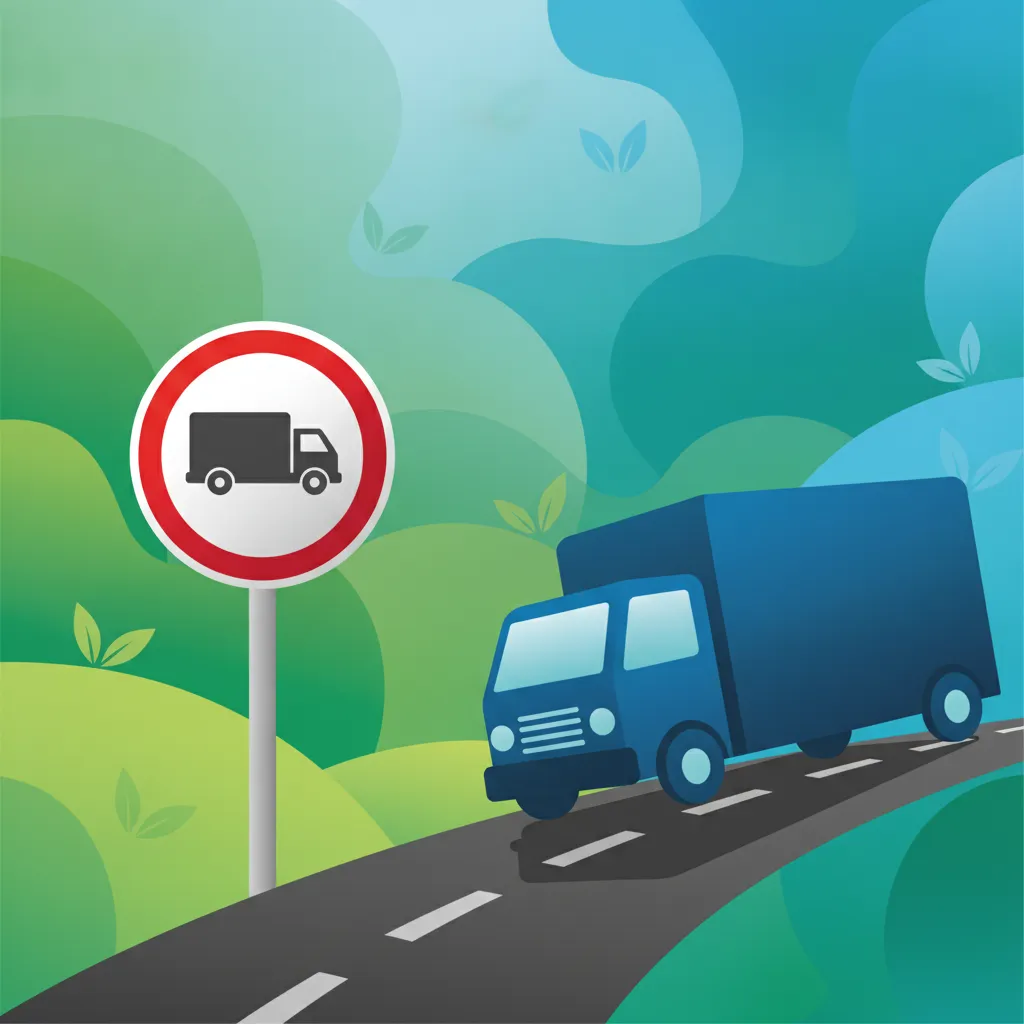
This lesson focuses on traffic signs and road markings that are specifically relevant to goods vehicles in Turkey. Learners will become familiar with signs indicating prohibited routes, weight limits, height restrictions, hazardous material transport, and lane usage regulations. The lesson emphasizes the importance of accurately interpreting these signs to ensure compliance with traffic laws.
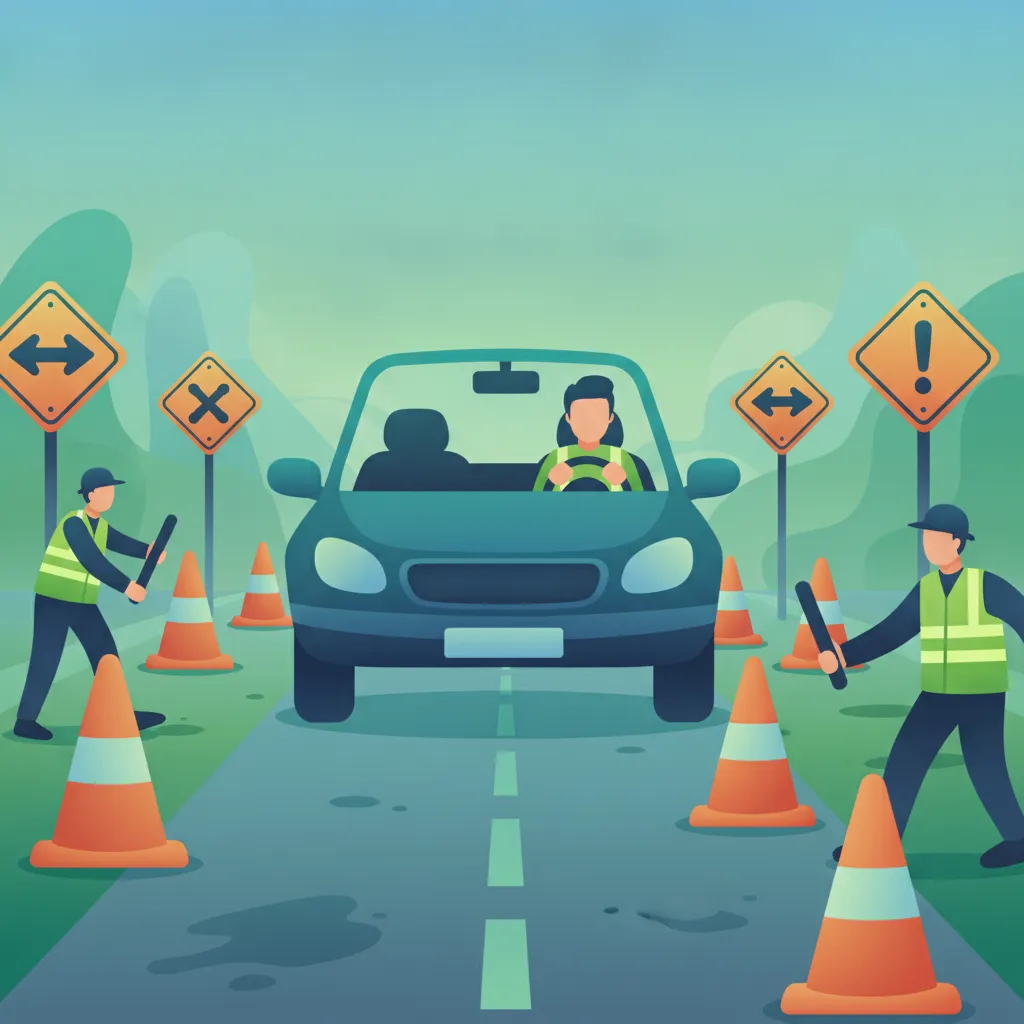
This lesson focuses on the safe navigation of goods vehicles through roadworks and construction zones. Learners will examine the importance of recognizing temporary signs, adhering to reduced speed limits, and maintaining heightened caution around workers and equipment. The lesson emphasizes the need for special attention due to the altered road environment and hazards specific to heavy vehicles.
Find clear answers to common questions learners have about Checks for Tyres, Brakes, Lights, and Mirrors. Learn how the lesson is structured, which driving theory objectives it supports, and how it fits into the overall learning path of units and curriculum progression in Turkey. These explanations help you understand key concepts, lesson flow, and exam focused study goals.
Under Turkish traffic regulations, you are expected to perform a basic visual inspection of your vehicle's safety equipment, including tyres, lights, and mirrors, before every trip to ensure the vehicle is fit for the road.
The primary indicator is the tread depth, which must meet legal minimums, alongside checking for cuts, bulges, or embedded objects. Proper pressure is also vital to prevent overheating during long hauls.
Large vehicles have significant blind spots; proper mirror adjustment is essential to monitor the entire perimeter, helping you avoid collisions with vulnerable road users and static infrastructure.
Yes, the theory exam often tests your knowledge of dashboard warning lights and the signs of brake fade or air pressure loss, which are critical for heavy vehicle safety.
Use our comprehensive practice search to find exactly the Turkish driving theory questions you need to master. Whether reviewing specific road signs, traffic rules, or first aid scenarios, select your perfect practice set and boost your confidence for the official ehliyet sınavı.