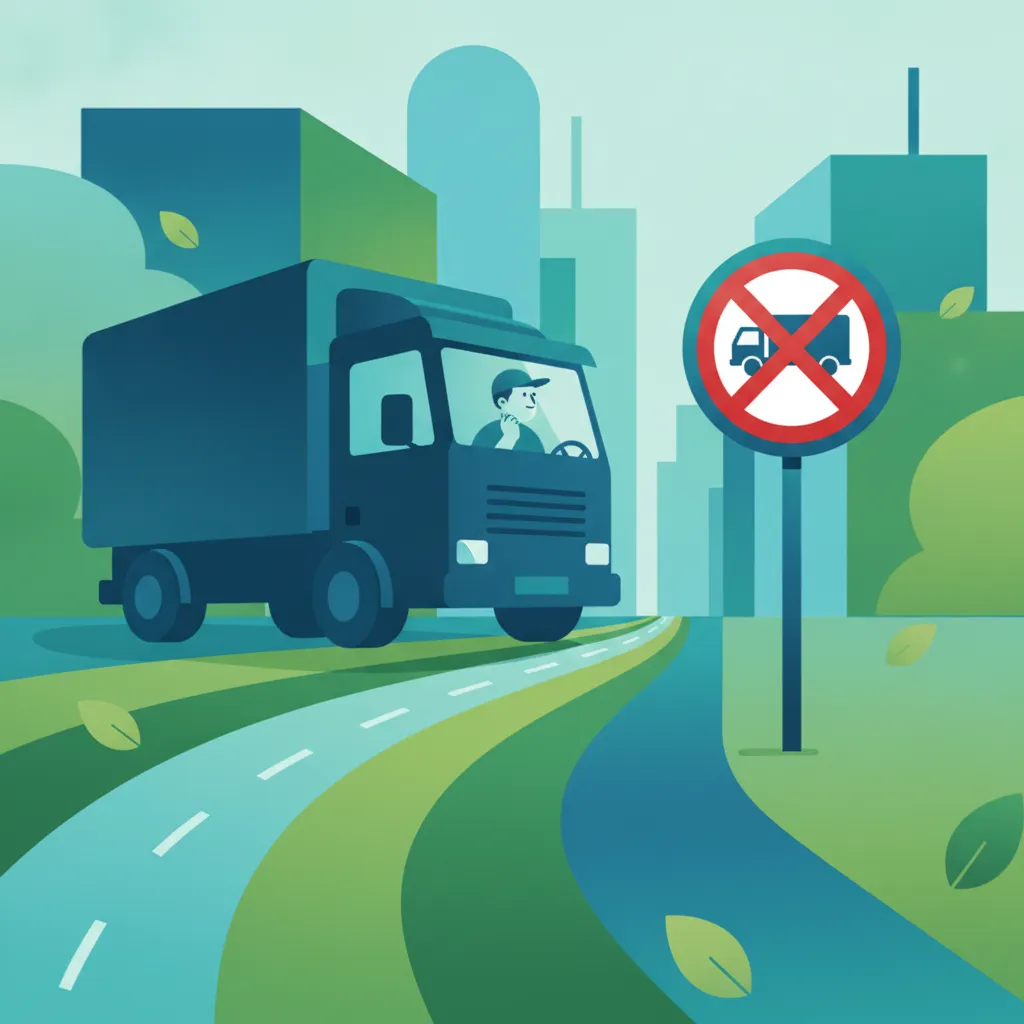
This lesson guides you through the complex world of legal access restrictions for professional drivers in Turkey. You will learn how to identify critical signage, such as weight limits and low bridge warnings, ensuring you can plan routes effectively for C1, C, C1E, and CE vehicles.
Lesson content overview
Operating a heavy goods vehicle (HGV) requires far more than masterfully controlling a large steering wheel and a multi-gear transmission. For professional drivers holding C1, C, C1E, or CE licenses in Turkey, safe and legal operation depends heavily on understanding the physical and legal limitations of the road infrastructure. Every route contains potential hazards: low overpasses, historic bridges with limited load capacities, strict urban emission and delivery zones, and legally mandated time bans.
This lesson provides an in-depth analysis of the access restrictions applied to commercial goods vehicles across the Turkish road network. Governed by the Turkish Highway Traffic Regulation (Karayolları Trafik Yönetmeliği) and enforced by the General Directorate of Highways (Karayolları Genel Müdürlüğü - KGM) alongside local municipal authorities, these regulations protect vital transport infrastructure, preserve urban air quality, prevent traffic gridlocks, and maintain public safety.
The physical integrity of highways, bridges, and overpasses depends entirely on limiting the stress applied to them. Heavy commercial vehicles exert immense downward force. If this force exceeds the engineering limits of the pavement or structure, it can cause immediate structural failure or rapid pavement deformation, such as rutting and cracking.
A common and highly dangerous misunderstanding among new drivers is the confusion between Gross Vehicle Weight (GVW) and individual axle loads.
Even if your vehicle’s total GVW is well below the legal maximum for the highway class, poor cargo distribution can overload a single axle. For example, if heavy steel coils are placed too far forward, the steering axle or front drive axle may exceed the legal limit under the Karayolları Trafik Yönetmeliği. This constitutes a serious legal violation and damages the road bed.
Dynamic Axle Load Shifts: Keep in mind that axle loads are dynamic. When descending steep gradients or braking hard, weight transfers forward. An axle that is barely within legal limits while stationary can easily overload structural tolerances under dynamic braking forces. Always distribute your load evenly and secure it to prevent shifting.
Turkish roads utilize standardized international traffic signs to warn drivers of weight limits. You must actively scan for these signs when exiting major state highways (Devlet Yolları) onto provincial roads (İl Yolları) or entering older urban centers.
When you encounter this sign, you must know your actual, current scale weight. If your vehicle is running empty and falls below the limit, you may proceed. However, if your laden weight exceeds the number on the sign, you must halt and divert to an approved detour route, regardless of what your GPS system suggests.
This sign is frequently placed before older suspension bridges, historical stone bridges, and rural roads with light pavement designs. It specifically targets the concentrated point-load of your vehicle.
Striking an overhead bridge or getting wedged in a narrow city street are among the most embarrassing, costly, and dangerous accidents a professional driver can face. Clearances on Turkish roads are strictly regulated, but older infrastructure and local road modifications can introduce unexpected hazards.
The standard maximum height for commercial vehicles in Turkey is 4.00 meters. However, many historic stone bridges, railway underpasses, and secondary road overpasses offer much less clearance.
When navigating areas with height restrictions, keep these critical safety principles in mind:
In older cities like Istanbul, Izmir, and Ankara, narrow historic streets present significant physical barriers.
Standard lanes on modern Turkish motorways (Otoyollar) are 3.75 meters wide, but lane widths on municipal streets and construction bypass zones can narrow to 2.75 meters or less. If your vehicle is carrying a wider load or is a standard refrigerated unit (typically 2.60 meters wide), you must exercise extreme caution.
Length limits are common in mountainous regions with tight hairpin turns (makas) and narrow urban areas where a long trailer would climb the curb, destroying pedestrian infrastructure or striking traffic signals during a turn.
To reduce traffic congestion, minimize air pollution, and prevent major accidents, many Turkish municipalities implement strict time-based bans on heavy goods vehicles. These rules are particularly rigid in major metropolitan areas.
In cities like Istanbul, HGVs are restricted from entering specific urban corridors, main arterial roads, and trans-continental bridges during rush hours. The Istanbul Metropolitan Municipality Transportation Coordination Center (UKOME) establishes and updates these windows regularly.
Typically, heavy vehicles are barred from urban expressways (such as the D-100/E-5) and specific bridges during morning and evening commuting peaks. During these hours, heavy commercial traffic must park in designated logistics holding areas or utilize approved long-distance transit bypasses, such as the Yavuz Sultan Selim Bridge (3rd Bridge) and the Northern Marmara Motorway (Kuzey Marmara Otoyolu).
Verify Local Municipal Hours: Before commencing a journey, check the current UKOME or local governorate (Valilik) decisions for your destination city.
Plan Safe Parking: Identify safe truck stops (dinlenme tesisleri) outside the restricted perimeter where you can wait out the ban safely and legally.
Adjust Delivery Windows: Coordinate with your dispatchers and clients to schedule delivery windows outside of peak-hour restriction blocks.
Monitor Variable Message Signs (VMS): Watch the electronic overhead signs on motorways for real-time updates regarding temporary weather-related or traffic-related HGV bans.
To protect historic town centers, pedestrian districts, and residential zones, Turkish cities utilize Restricted Commercial Zones (often referred to under local parking and urban access frameworks, and increasingly aligned with sustainable urban logistics zones or Sınırlı Ticari Bölgeler).
In historical districts such as Istanbul's Eminönü or Beyoğlu, or central Ankara, standard freight deliveries are strictly controlled. Only light commercial vehicles (LCVs) or vehicles below a certain weight threshold (typically 3.5 tons Gross Vehicle Weight) are permitted to enter during daylight hours.
A designated urban area where heavy commercial vehicle entry is restricted by weight, dimensions, fuel type, or time of day, to protect historical structures, reduce noise pollution, and ensure pedestrian safety.
If you must deliver to a business located within a restricted zone, you must secure an official municipal permit (Güzergah İzin Belgesi) and perform the delivery during designated night-time or early-morning windows. Driving into these zones without a permit will trigger automated camera enforcement systems, resulting in substantial monetary fines and points on your professional driver's license.
Vehicles transporting dangerous goods—commonly referred to under the European agreement concerning the International Carriage of Dangerous Goods by Road (ADR) guidelines, adopted into Turkish law—are subject to the most stringent routing restrictions.
Confined spaces like tunnels pose a catastrophic risk in the event of a hazardous material fire or chemical leak. Turkey enforces strict tunnel classification codes based on the ADR framework.
Before departing with an ADR-classified load, you must plan a route that completely avoids restricted tunnels and highly populated urban centers. You are legally required to use dedicated outer bypasses, even if they add significant kilometers and time to your trip.
The Turkish National Police (Polis) and the Ministry of Transport inspect heavy vehicles regularly at roadside weight stations (Denetim İstasyonları). Failing to comply with access restrictions and weight limits carries severe consequences.
To ensure complete compliance and protect your professional standing, apply these planning steps to every haul:
To solidify your understanding of these access restrictions, review the following core vocabulary terms used on Turkish roads and professional exams.
To broaden your knowledge of professional driving regulations in Turkey, consider exploring the following topics:
If you are preparing for your official C, CE, or professional competency (SRC) examinations, you can test your knowledge on vehicle dimensions, loading rules, and traffic signs here:
Explore all units and lessons included in this driving theory course.
Lesson content overview
Explore all units and lessons included in this driving theory course.
Explore search topics learners often look for when studying Access Restrictions for Heavy Vehicles. These topics reflect common questions about road rules, driving situations, safety guidance, and lesson level theory preparation for learners in Turkey.
Browse additional driving theory lessons that cover connected traffic rules, road signs, and common driving situations related to this topic. Improve your understanding of how different rules interact across everyday traffic scenarios.
Understand the legal frameworks for urban logistics, including time-based access bans and restricted commercial zones in Turkish cities. This lesson clarifies how to manage peak-hour delivery regulations and obtaining necessary municipal permits for freight operations in high-density metropolitan environments.

This lesson explores the unique challenges faced during urban deliveries, such as navigating restricted loading zones, traffic congestion, and narrow streets. Learners will learn strategies for safe maneuvering, efficient loading and unloading, and maintaining situational awareness in high-pedestrian traffic areas. Emphasis is placed on complying with local regulations and optimizing time management.
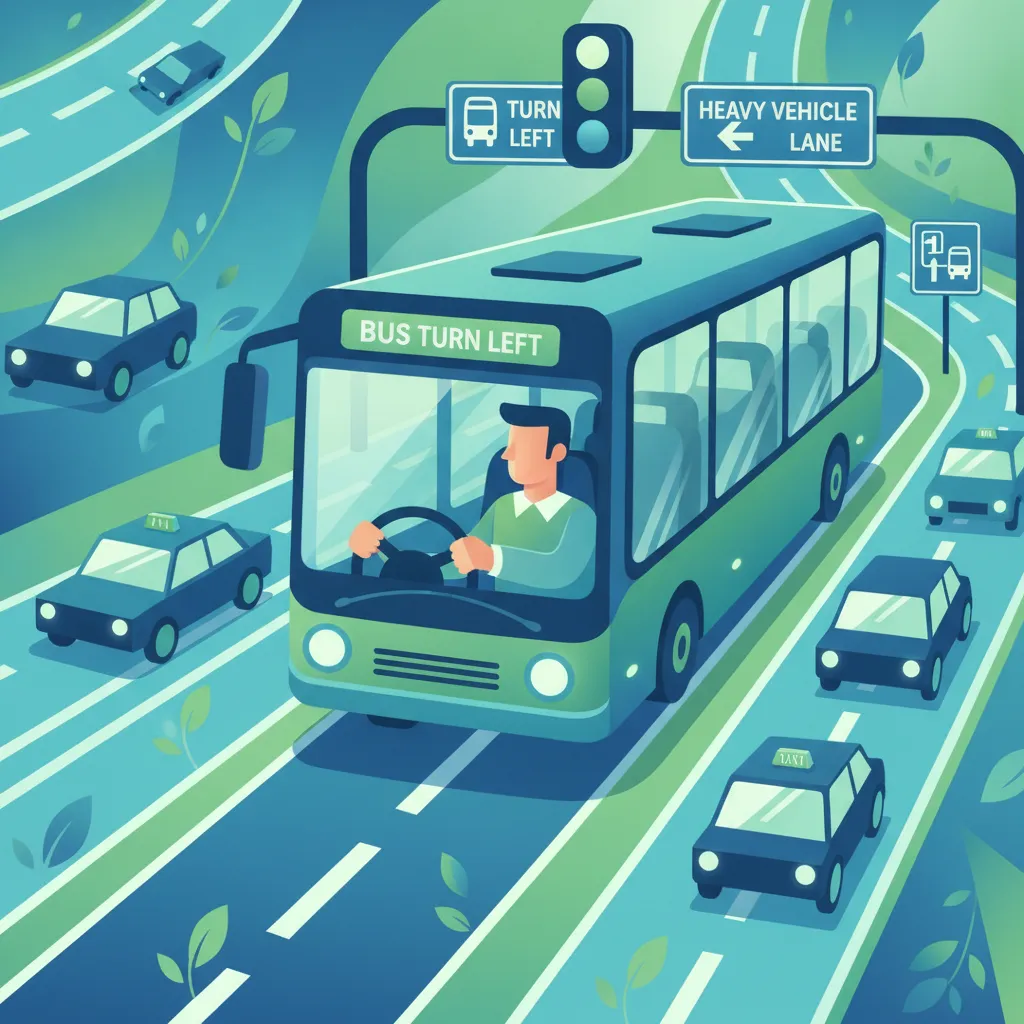
Learners will explore strategies for navigating congested urban traffic environments while operating large passenger vehicles. The lesson covers lane selection, adherence to traffic signals, and the use of bus lanes where applicable. Understanding how to maintain smooth traffic flow while ensuring passenger safety is crucial for efficient urban transportation.

This lesson provides a detailed overview of the classification system for goods vehicles in Turkey, focusing on the specific dimensional limits for each category. Learners will become familiar with the maximum allowable length, width, and height for these vehicles, as defined by Turkish law. Understanding these limits is crucial for ensuring compliance with road regulations and avoiding serious violations.
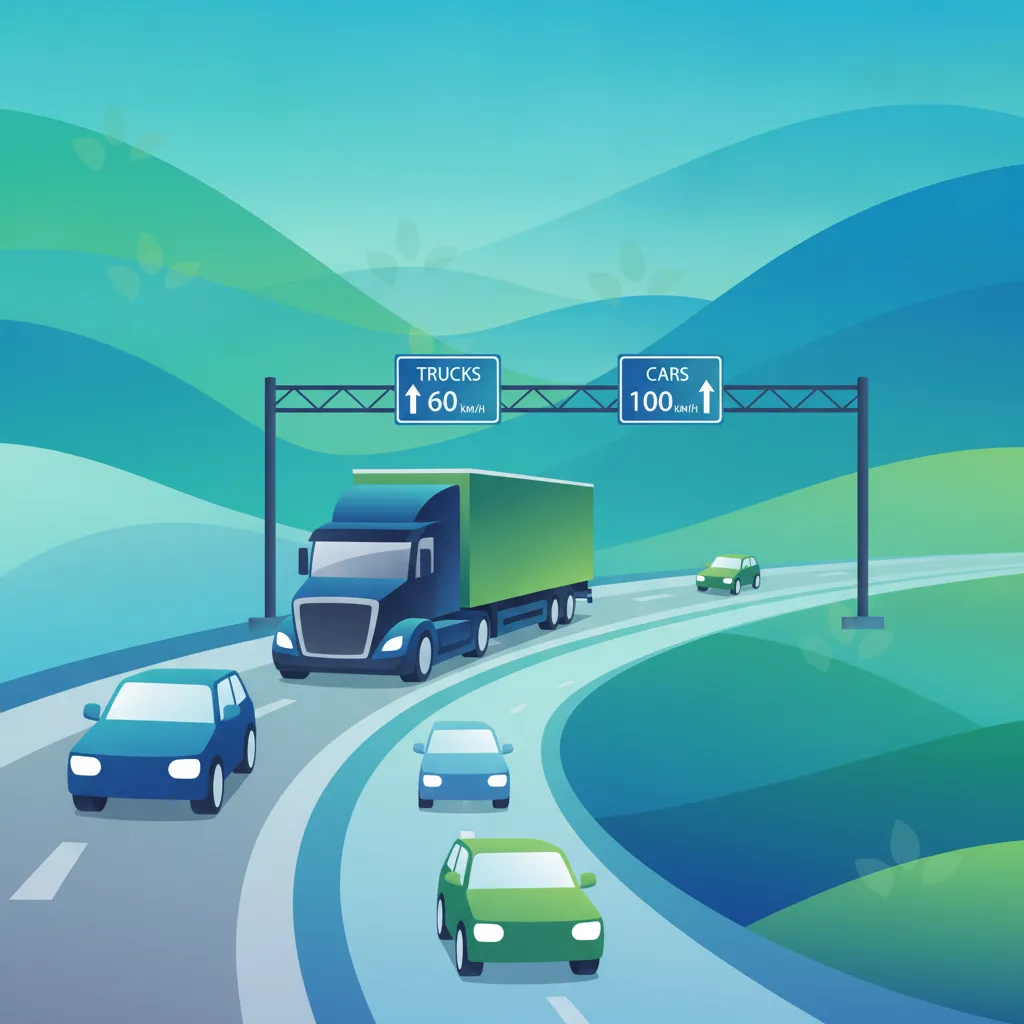
This lesson focuses on speed regulation for goods vehicles, highlighting how vehicle weight, load, and road conditions influence safe operating speeds. Learners will understand legal speed limits for various road types and the necessity of adapting speed to traffic flow and environmental conditions. The lesson also emphasizes the importance of maintaining appropriate speed to ensure vehicle control.
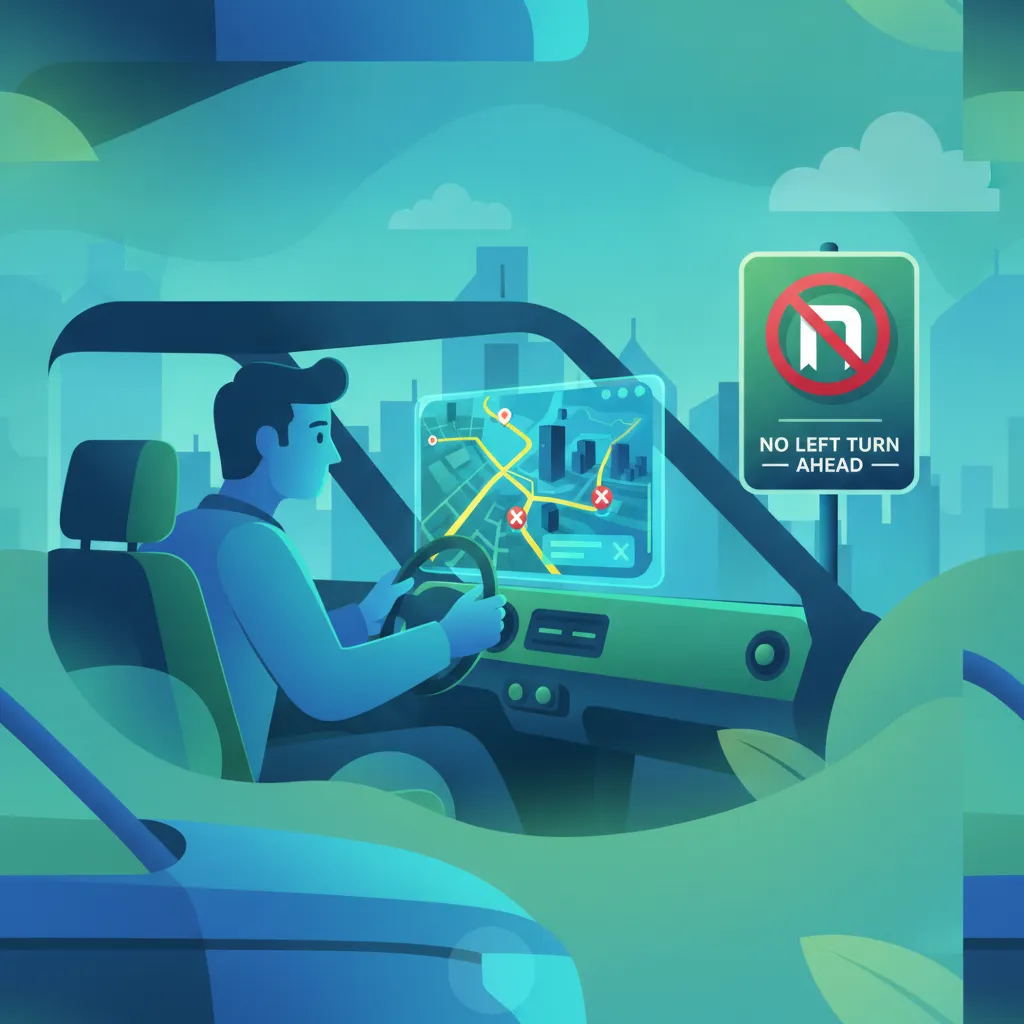
This lesson explores the legal and practical aspects of route planning for goods vehicles, emphasizing the importance of selecting suitable routes that adhere to road restrictions. Learners will learn how to identify roads with weight limits, height clearance, and prohibited zones for heavy vehicles. They will also discover how to use navigation systems and truck-specific GPS effectively.
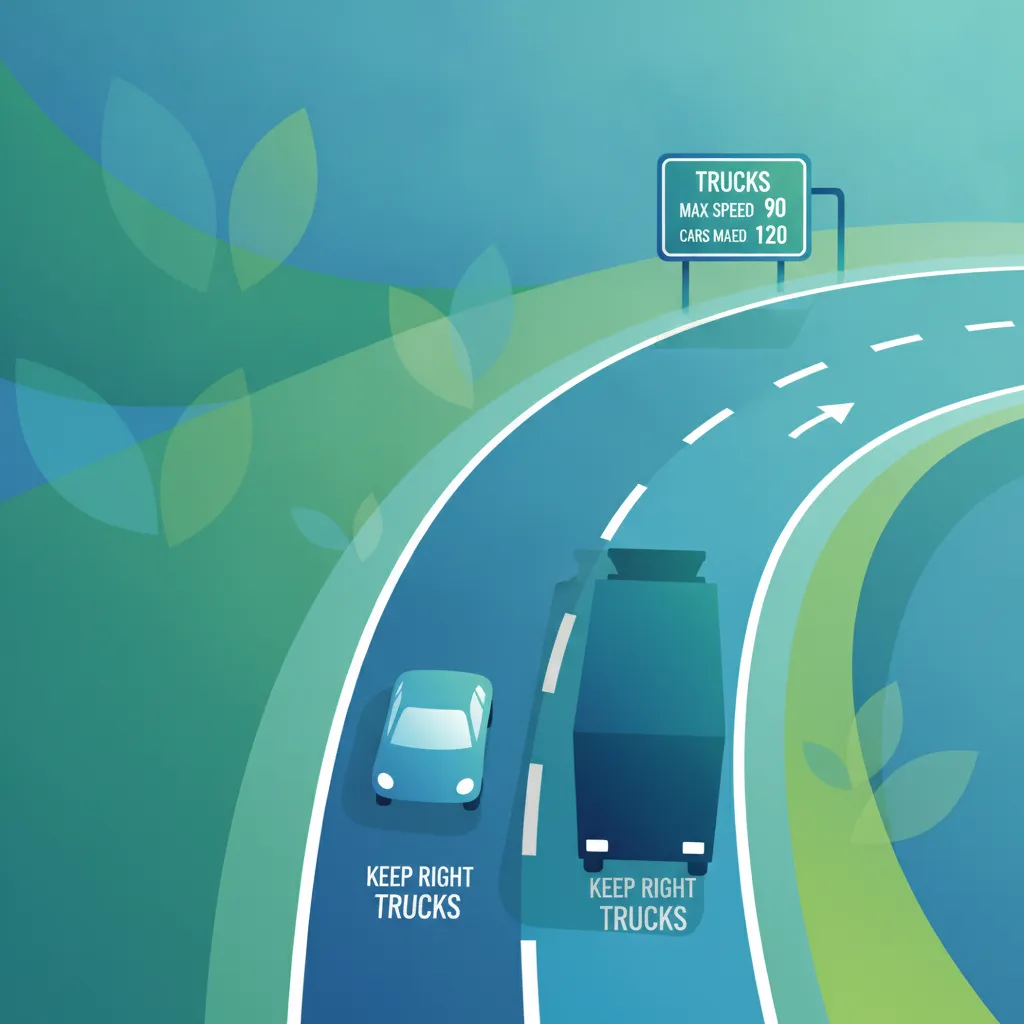
This lesson addresses the specific considerations for goods vehicle operation on highways and expressways, covering speed limits, lane discipline, safe merging, and overtaking. Learners will learn how to adapt to traffic flow, manage heavy vehicle dynamics at higher speeds, and ensure safe operation. The lesson emphasizes the importance of vigilance and proper lane usage to prevent accidents.
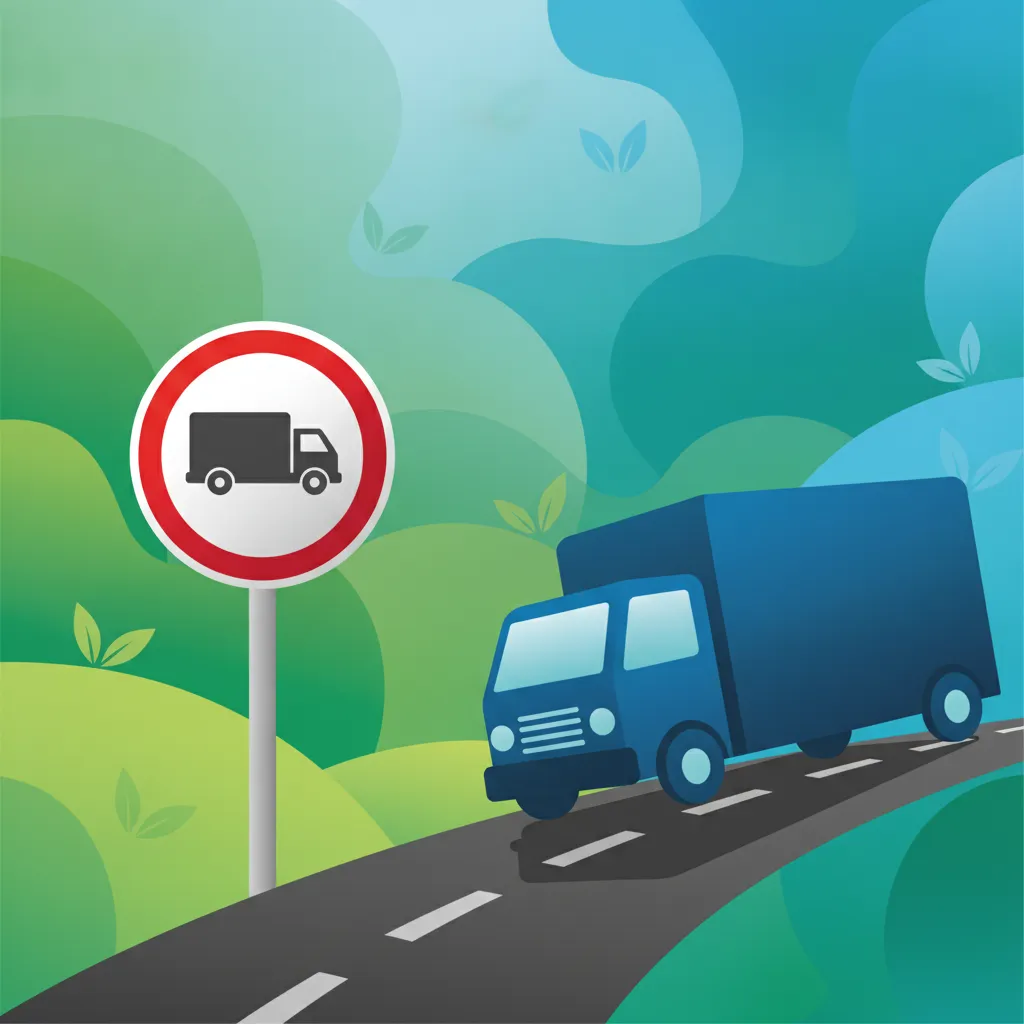
This lesson focuses on traffic signs and road markings that are specifically relevant to goods vehicles in Turkey. Learners will become familiar with signs indicating prohibited routes, weight limits, height restrictions, hazardous material transport, and lane usage regulations. The lesson emphasizes the importance of accurately interpreting these signs to ensure compliance with traffic laws.
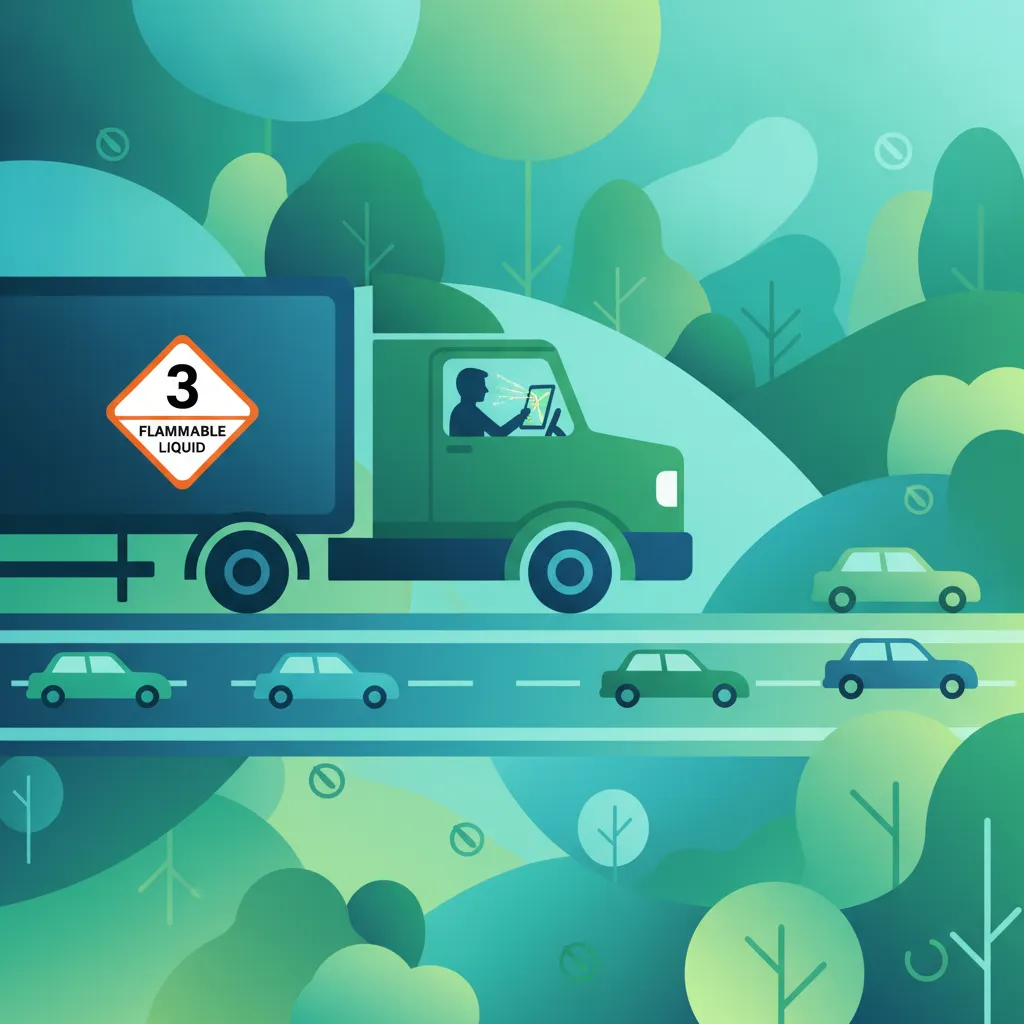
This lesson provides an overview of the regulations governing the transport of hazardous materials and dangerous goods in Turkey. Learners will become familiar with international (ADR) and national requirements for labeling, placarding, load securing, and documentation. The lesson also covers specific route restrictions and safety procedures that must be followed during transit.
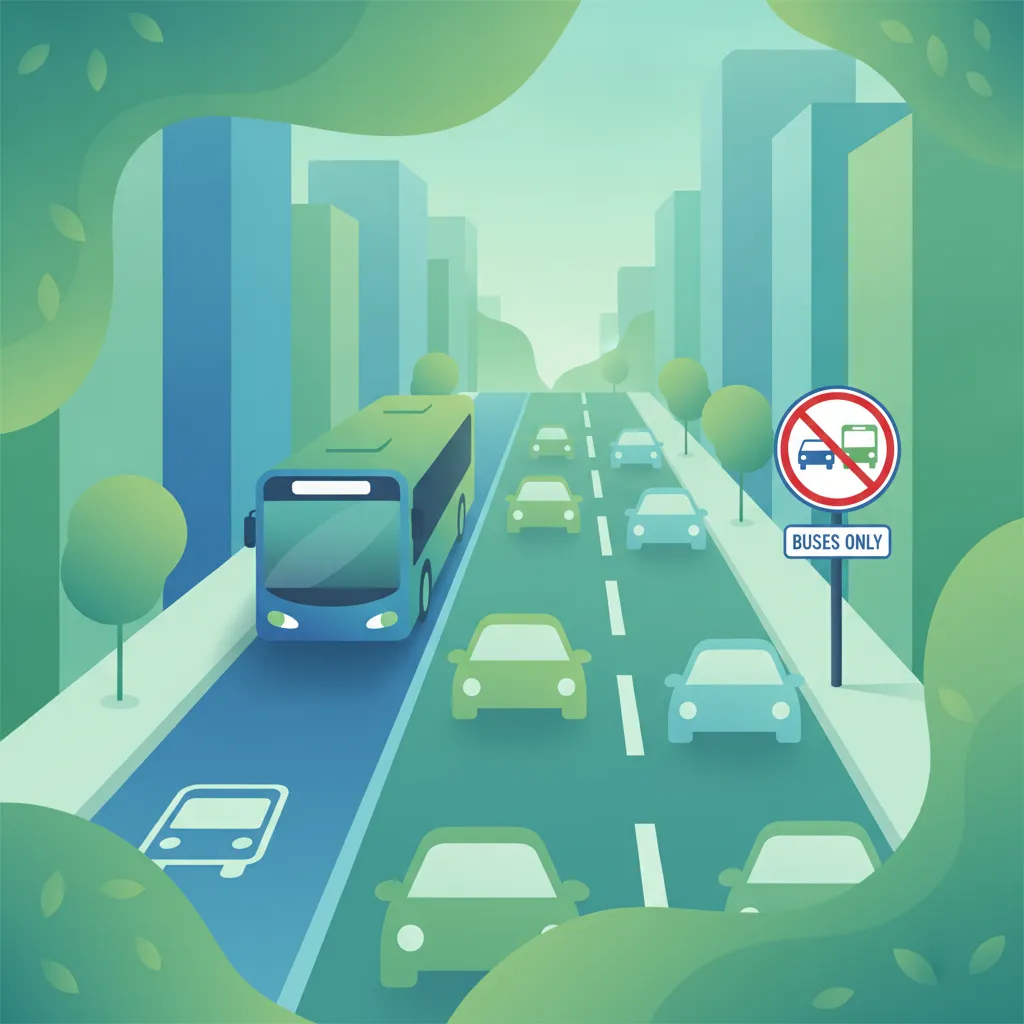
Learners will explore the specific regulations governing bus lanes, priority routes, and other legal restrictions applicable to passenger vehicles. The lesson covers the conditions under which buses may use dedicated lanes, how to navigate priority roadways, and the penalties associated with misuse. Understanding these rules is essential for efficient operation and avoiding violations in high-traffic areas.
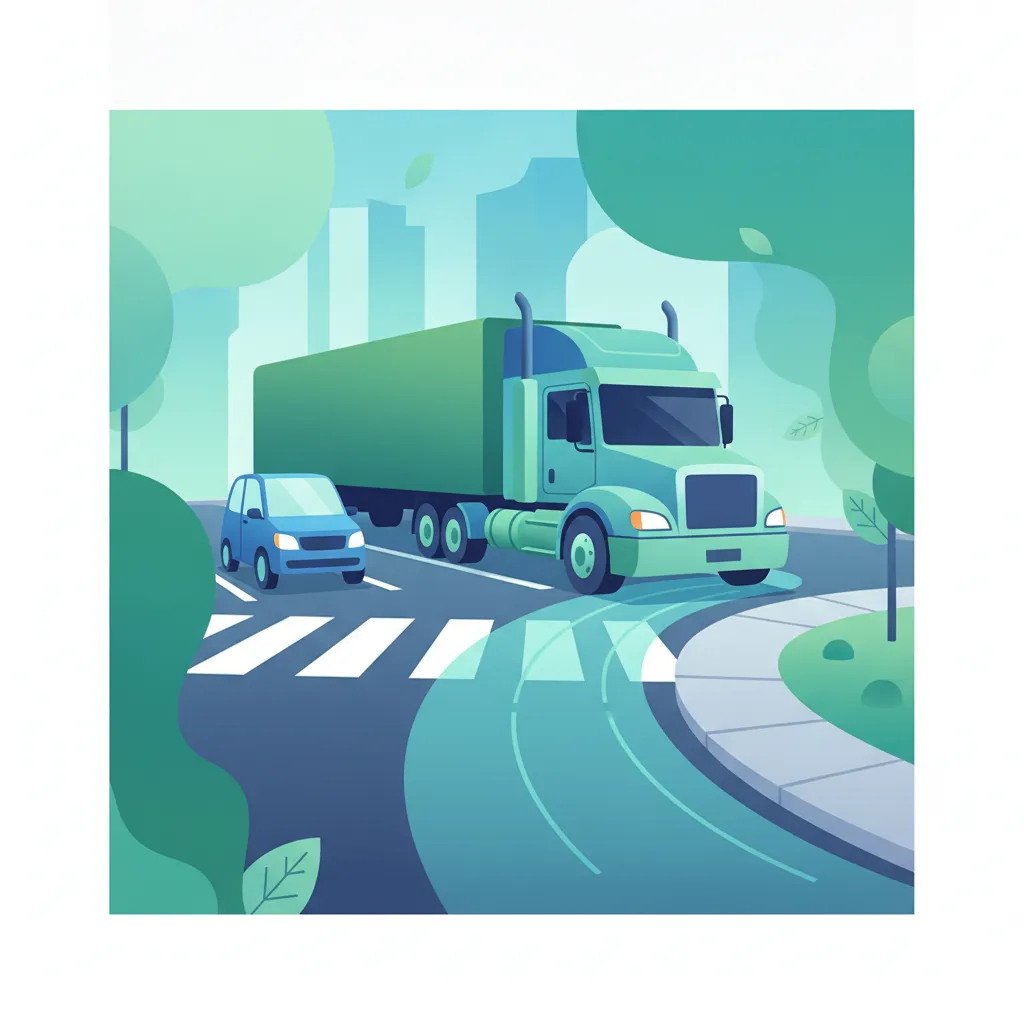
This lesson examines the specific road space requirements necessary for large goods vehicles to operate safely and efficiently. Topics include the need for adequate lane width, lateral clearance, and turning lanes to accommodate wider and longer vehicles. Learners will explore the proper use of shoulders, overtaking procedures, and the impact of large vehicles on overall road capacity in traffic.
Learn the specific regulations governing ADR-classified goods transport in Turkey. This guide covers mandatory routing for hazardous cargo, tunnel access prohibitions, and the strict safety procedures required to ensure legal compliance and public safety when operating heavy goods vehicles with specialized loads.
This lesson provides an overview of the regulations governing the transport of hazardous materials and dangerous goods in Turkey. Learners will become familiar with international (ADR) and national requirements for labeling, placarding, load securing, and documentation. The lesson also covers specific route restrictions and safety procedures that must be followed during transit.
This lesson explores the legal and practical aspects of route planning for goods vehicles, emphasizing the importance of selecting suitable routes that adhere to road restrictions. Learners will learn how to identify roads with weight limits, height clearance, and prohibited zones for heavy vehicles. They will also discover how to use navigation systems and truck-specific GPS effectively.
This lesson provides a detailed overview of the classification system for goods vehicles in Turkey, focusing on the specific dimensional limits for each category. Learners will become familiar with the maximum allowable length, width, and height for these vehicles, as defined by Turkish law. Understanding these limits is crucial for ensuring compliance with road regulations and avoiding serious violations.
This lesson focuses on traffic signs and road markings that are specifically relevant to goods vehicles in Turkey. Learners will become familiar with signs indicating prohibited routes, weight limits, height restrictions, hazardous material transport, and lane usage regulations. The lesson emphasizes the importance of accurately interpreting these signs to ensure compliance with traffic laws.
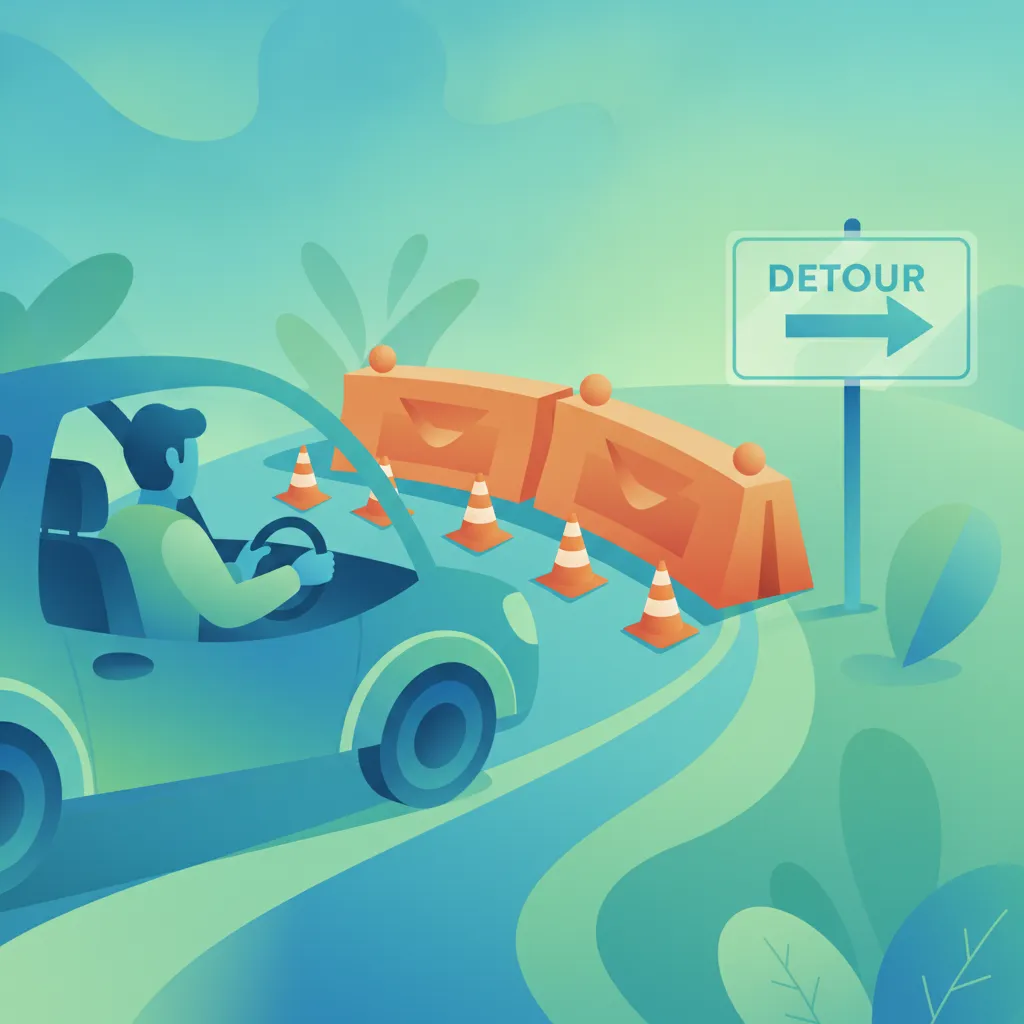
This lesson focuses on effectively managing road closures and detours that affect goods vehicle routes. Learners will explore strategies for obtaining real-time information, updating navigation systems, and planning alternate routes to maintain efficiency and compliance. Emphasis is placed on safety considerations, communication with dispatch centers, and adhering to traffic management.
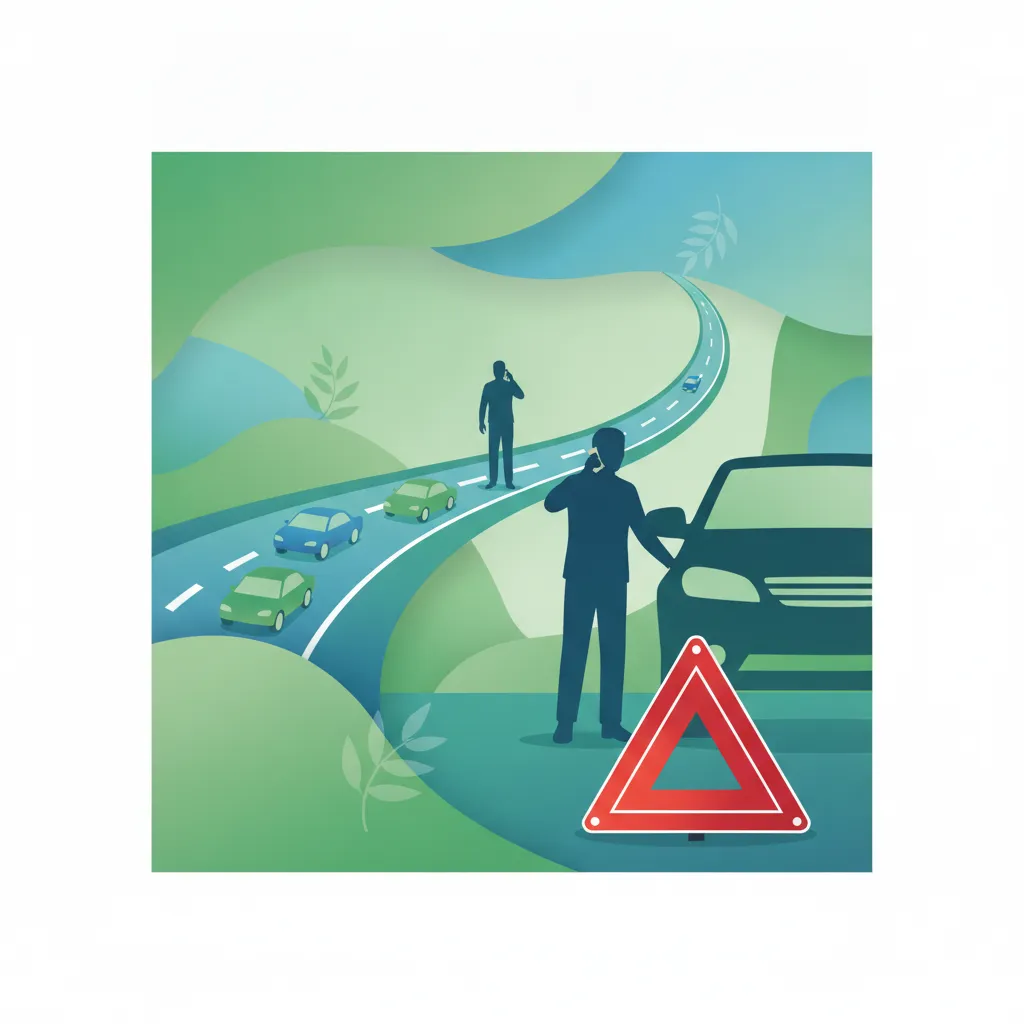
This lesson provides guidance on appropriate actions to take in the event of an accident or emergency while operating a goods vehicle. Learners will understand how to secure the scene, call Turkish emergency services (112), provide basic first aid, and complete necessary documentation. Emphasis is placed on ensuring personal safety, preventing further incidents, and facilitating rescue teams.
This lesson focuses on speed regulation for goods vehicles, highlighting how vehicle weight, load, and road conditions influence safe operating speeds. Learners will understand legal speed limits for various road types and the necessity of adapting speed to traffic flow and environmental conditions. The lesson also emphasizes the importance of maintaining appropriate speed to ensure vehicle control.

This lesson focuses on the importance of maintaining safe following distances for goods vehicles, taking into account longer braking distances and increased load. Learners will learn how to calculate appropriate gaps based on speed, road conditions, and vehicle dynamics. The lesson emphasizes safe following practices to prevent rear-end collisions and improve overall traffic safety in Turkey.

This lesson provides a detailed overview of cargo securing techniques and the legal requirements for securing loads on goods vehicles. It covers the proper use of straps, chains, tarpaulins, and other securing methods to prevent cargo shift during transit. Learners will learn how to assess the need for additional restraints based on cargo type, weight, and dynamic transport conditions.

This lesson emphasizes the critical importance of maintaining accurate and up-to-date documentation for professional goods vehicle operation. It covers essential documents such as driver's licences, vehicle registration, logbooks, cargo permits, and inspection certificates. Learners will understand the legal requirements for record keeping and the role of tachographs in monitoring driver activity.
Find clear answers to common questions learners have about Access Restrictions for Heavy Vehicles. Learn how the lesson is structured, which driving theory objectives it supports, and how it fits into the overall learning path of units and curriculum progression in Turkey. These explanations help you understand key concepts, lesson flow, and exam focused study goals.
You must always prioritize official road signage over GPS directions. If a sign indicates a weight limit lower than your vehicle's current gross weight, you are legally required to find an alternative route immediately, regardless of what your navigation device suggests.
Yes, they are mandatory regulatory signs. If your vehicle exceeds the height indicated on the sign, you must not proceed. In the theory exam, always assume these limits are strictly enforced for C, C1, and CE category drivers.
Usually, access restrictions are absolute unless a secondary 'except for delivery' or time-based plate is displayed. If no such plate is present, assume the restriction applies to your heavy vehicle at all times.
A 'no heavy vehicle' sign specifically prohibits goods vehicles over a certain weight or type, whereas a standard 'no entry' sign applies to all motor vehicles. Always check the specific weight threshold if a sign is posted underneath the circular prohibited symbol.
Use our comprehensive practice search to find exactly the Turkish driving theory questions you need to master. Whether reviewing specific road signs, traffic rules, or first aid scenarios, select your perfect practice set and boost your confidence for the official ehliyet sınavı.