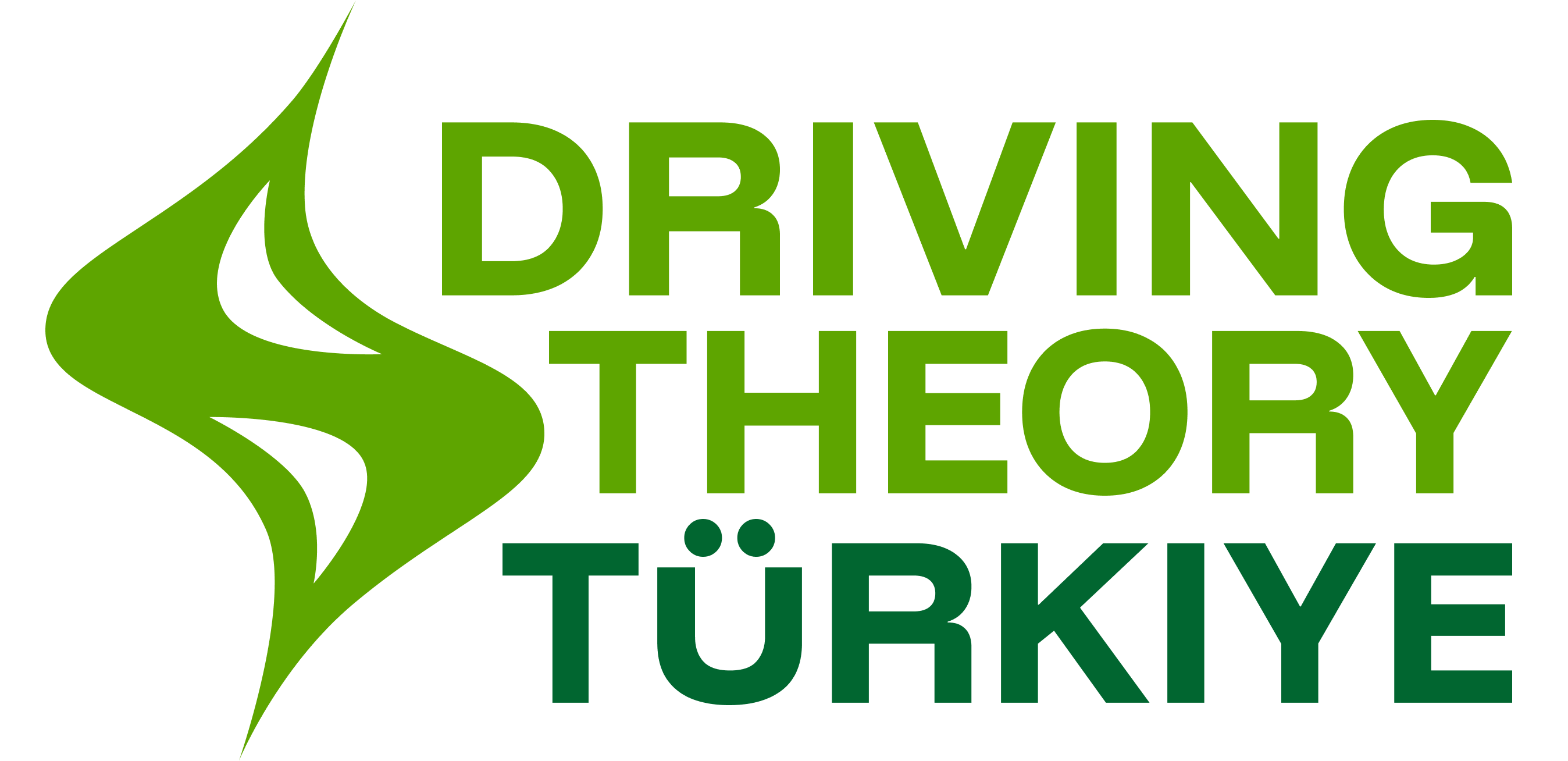
This lesson provides critical guidance on how to manage accidents and emergencies as a professional goods vehicle driver in Turkey. It covers the legal requirements for securing a scene and the correct procedures for interacting with emergency services to ensure safety and compliance.
Lesson content overview
Operating a heavy commercial vehicle such as a truck, lorry, or road train (categories C1, C, C1E, CE) carries a high level of responsibility. Due to their massive size, weight, and sometimes hazardous cargo, goods vehicles present unique risks when involved in a road traffic accident (trafik kazası) or emergency breakdown. A secondary collision involving a heavy vehicle can be catastrophic.
This lesson provides comprehensive, legally grounded instructions for professional drivers operating under the Turkish Highway Traffic Regulation (Karayolları Trafik Yönetmeliği). It details how to secure an accident scene, contact the unified Turkish emergency services, administer safe first aid, document the event legally, and avoid common post-accident compliance errors.
When an accident or emergency occurs, adrenaline runs high. Professional drivers must rely on a disciplined, systematic sequence of actions. Your primary goal is to protect human life, secure the site to prevent further collisions, and notify emergency services.
Stop and Secure the Vehicle: Bring the vehicle to a complete stop in the safest possible location (e.g., hard shoulder or emergency lane of a highway). Apply the parking brake (emergency brake) and shut off the engine.
Turn on Hazard Warning Lights: Activate your hazard lights (dörtlü ikaz lambaları) immediately to warn surrounding traffic.
Assess immediate dangers: Quickly check for signs of fire, fuel leaks, or hazardous material spills, especially if you are hauling dangerous goods.
Equip Safety Gear: Put on your high-visibility reflective vest (reflektörlü yelek) before stepping out of the cabin.
Secure the Scene: Place your warning triangles at the legally required distances to alert oncoming traffic.
Assess Injuries and Call 112: Evaluate the state of all involved parties and dial the national emergency number.
Securing the scene (olay yeri güvenliği) involves taking proactive visual and physical measures to protect victims, emergency responders, and other road users. For heavy vehicles, this is critical because approaching motorists need significant time and distance to stop or change lanes safely.
Hazard lights must be activated immediately upon stopping. If the vehicle's electrical system is compromised, use portable, self-powered flashing amber warning lights if available. Hazard lights alert traffic in both directions that a hazard is present and that vehicles may be stationary.
Under the Turkish Highway Traffic Regulation, goods vehicles must carry reflective warning triangles. The placement of these devices is strictly regulated based on the type of road and prevailing conditions:
Common Mistake: Placing the warning triangle too close to the rear bumper (e.g., 5 to 10 metres) is a major traffic violation. At highway speeds (90 km/h for trucks), a vehicle travels 25 metres per second. A triangle placed 10 metres back gives oncoming drivers less than half a second to react, virtually guaranteeing a secondary collision.
In Turkey, all emergency services—including ambulance (Ambulans), police (Polis İmdat), gendarmerie (Jandarma), and fire brigade (İtfaiye)—are unified under a single emergency phone number: 112.
The unified National Emergency Call Centre in Turkey, coordinating medical, police, fire, and search-and-rescue services through a single telephone interface.
When calling 112, professional drivers must remain calm and deliver precise, structured information. The call taker needs to prioritize resources based on your description.
Professional drivers in Turkey are legally obligated to assist injured persons to the best of their ability and training. However, improper first aid can worsen injuries, leading to severe legal and physical consequences.
The First Rule of First Aid: Do No Harm. Only administer treatment within the scope of your training. If you are not certified, limit your actions to critical life-saving interventions that require minimal medical training, such as heavy bleeding control or securing a clear airway.
Following an accident in Turkey, drivers must comply with specific legal procedures. Failing to do so can result in criminal prosecution, heavy administrative fines, and the invalidation of insurance coverage.
If the accident has resulted only in property damage (no bodily injuries or fatalities), the involved drivers can mutually complete the Maddi Hasarlı Trafik Kaza Tespit Tutanağı without waiting for the traffic police.
For the mutual report to be legally valid, both parties must agree on how the accident occurred. If there is a dispute, or if any of the following conditions are met, you must not move the vehicles and must call the traffic police (112) to draft the official report:
To protect yourself against fraudulent claims and ensure smooth insurance processing, gather comprehensive evidence before moving the vehicles (if safety permits):
Leaving the scene of an accident without completing the required procedures is a serious criminal offense under the Turkish Highway Traffic Law.
Severe Penalties: Fleeing the scene of an accident (olay yerinden kaçmak) results in heavy administrative fines, a high deduction of driver license points, and potential suspension of your professional driving credentials (such as your SRC certificate). If injury or death occurred, fleeing constitutes a major criminal offense that carries severe prison sentences.
A professional driver must adapt their emergency response actions based on the immediate environment, weather conditions, and the configuration of their vehicle.
Understanding how your immediate choices impact the outcome of an emergency is vital for safe driving.
[Prompt Scene Securing] ──> [Oncoming Drivers Warned] ──> [No Secondary Collisions]
                                                                  │
[Delayed/Poor Securing] ──> [Sudden Braking/Panic]  ──> [High-Speed Rear-End Crashes]
Explore all units and lessons included in this driving theory course.
Lesson content overview
Explore all units and lessons included in this driving theory course.
Explore search topics learners often look for when studying Emergency Response and Accident Procedures. These topics reflect common questions about road rules, driving situations, safety guidance, and lesson level theory preparation for learners in Turkey.
Browse additional driving theory lessons that cover connected traffic rules, road signs, and common driving situations related to this topic. Improve your understanding of how different rules interact across everyday traffic scenarios.
Understand the administrative requirements and legal responsibilities for C and CE licence holders. This guide covers the consequences of traffic violations, documentation protocols, and professional standards required by Turkish traffic law to maintain your professional driving credentials and ensure safety on the road.
This lesson outlines the spectrum of penalties and legal consequences that goods vehicle drivers may face for violating traffic regulations. It details the types of infractions, ranging from minor violations to serious offenses, and explains the corresponding fines, points, and license suspensions. Learners will gain an understanding of the enforcement mechanisms and how repeat offenses can exacerbate penalties.
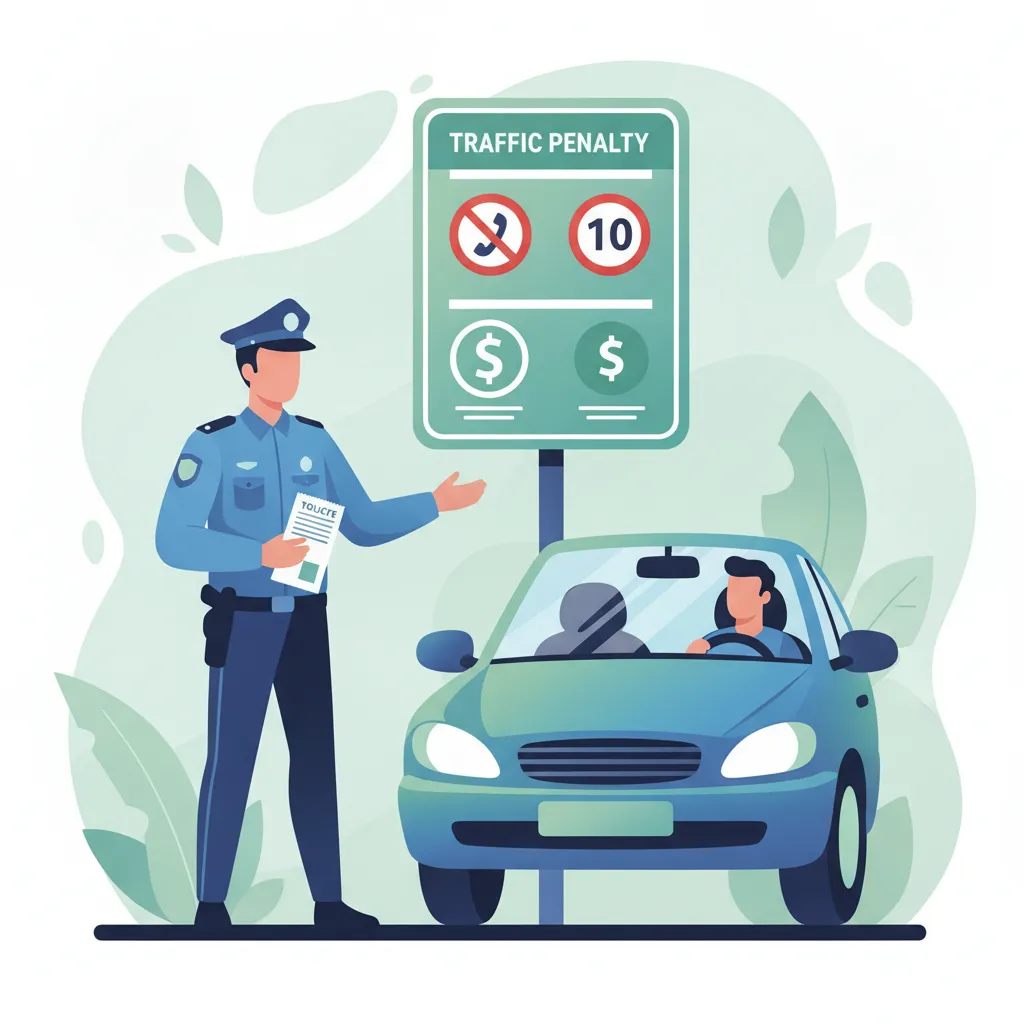
This lesson provides an overview of the penalties and legal consequences associated with traffic violations and non-compliance in goods vehicle operation. Learners will learn about the fines, demerit points, and potential license suspensions that can result from various infractions. The lesson emphasizes the importance of adhering to regulations and the impact of repeated offenses on drivers.
This lesson delves into the ethical responsibilities and professional standards expected of goods vehicle drivers, emphasizing their pivotal role in ensuring traffic safety. It explores the duty of care owed to other road users and the broader societal expectations placed upon professional drivers. Learners will examine how their conduct directly influences public trust and overall traffic flow in urban environments.
This lesson focuses on the importance of maintaining professional conduct when interacting with traffic authorities, law enforcement, and the general public. Learners will explore communication techniques that convey respect and courtesy, even in stressful situations. Emphasis is placed on upholding a positive image of the transportation industry and resolving conflicts amicably on the road.
In this lesson, participants will learn about the specific offences and penalties that apply to passenger vehicle drivers, focusing on violations that directly jeopardize passenger safety and public security. The content outlines the legal repercussions of non-compliance, including fines, licence suspensions, and other enforcement actions. Understanding these penalties reinforces the critical nature of adhering to traffic laws and safety protocols in professional passenger transport.
This lesson details the statutory duties imposed on motor vehicle drivers by Turkish traffic legislation to maintain order on public roads. It emphasizes mandatory seat belt usage, mobile phone bans, vehicle inspection rules, and general compliance with police directions. Understanding these duties ensures drivers avoid heavy penalties and maintain road safety.
This lesson examines the integral role of the goods vehicle driver in contributing to overall traffic safety and a positive safety culture. It focuses on proactive driving behaviors, hazard identification, and effective risk management strategies. Communication techniques with other road users, compliance with traffic flow regulations, and competent emergency responses are highlighted as essential skills.
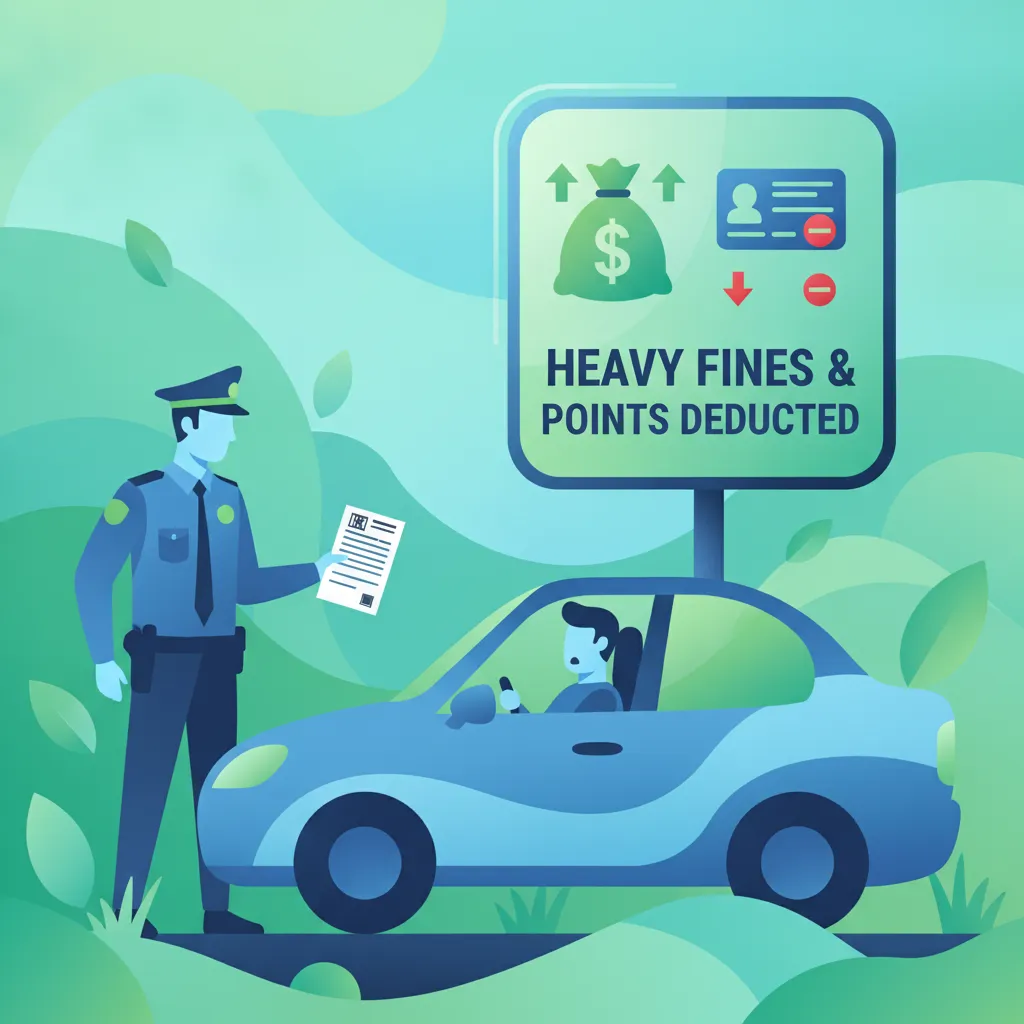
Violating Turkish traffic regulations results in serious legal and financial consequences designed to hold drivers accountable and ensure public safety. This lesson outlines the specific penalty points assigned to common infractions, the fine structure for speeding and illegal parking, and the conditions under which your moped or driving licence can be seized. Understanding these administrative penalties reinforces the importance of maintaining strict, daily compliance with national traffic laws.
This lesson outlines the legal framework governing passenger vehicle operation, highlighting the penalties for various offences, such as speeding, failure to adhere to stop procedures, or neglecting passenger safety protocols. Learners will understand the importance of compliance to avoid fines, licence suspension, or other legal actions, and the role of regulatory bodies in enforcement.
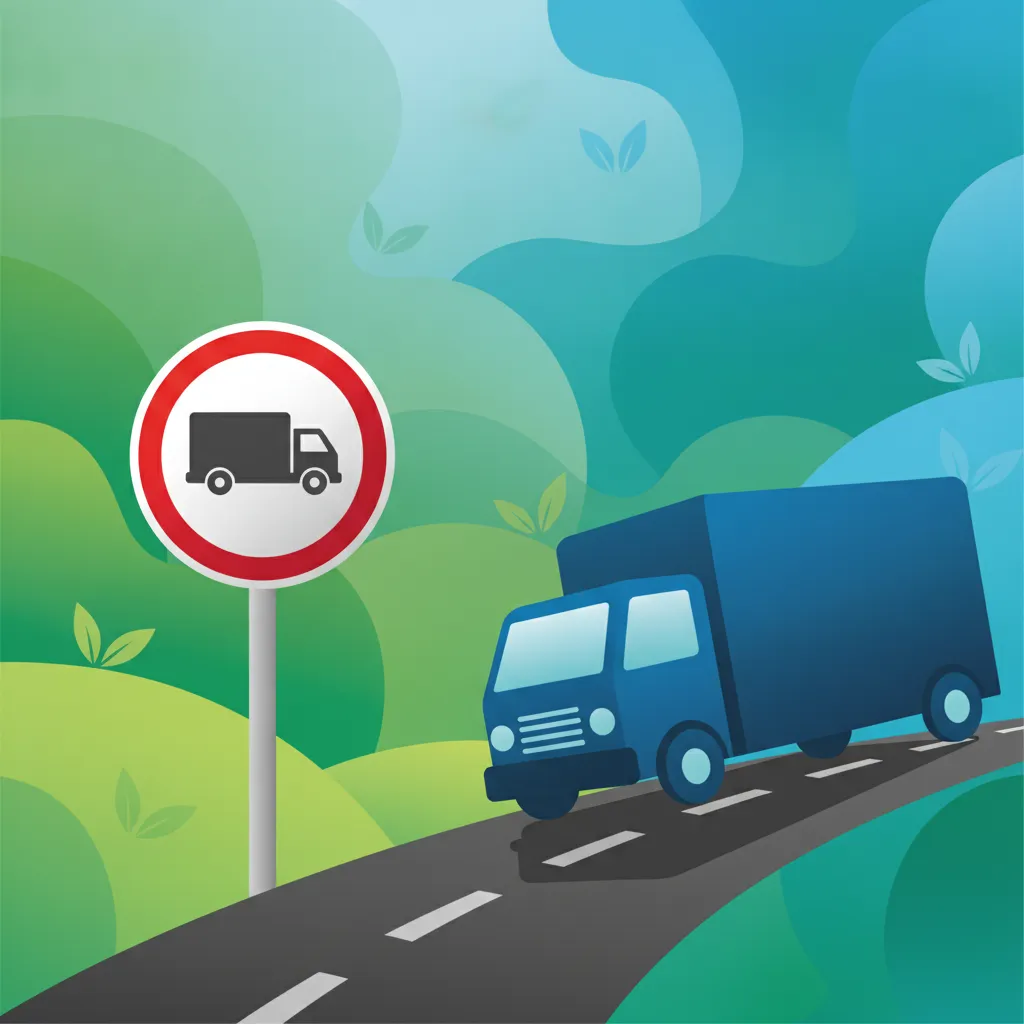
This lesson focuses on traffic signs and road markings that are specifically relevant to goods vehicles in Turkey. Learners will become familiar with signs indicating prohibited routes, weight limits, height restrictions, hazardous material transport, and lane usage regulations. The lesson emphasizes the importance of accurately interpreting these signs to ensure compliance with traffic laws.
Learn how to adapt driving techniques when navigating highways and rural roads under challenging weather such as rain, snow, or fog. This explanation focuses on maintaining vehicle control, adjusting following distances, and managing safety for large goods vehicles in the diverse traffic environments found across Turkey.

This lesson focuses on the challenges of driving goods vehicles in adverse weather conditions, such as rain, fog, snow, and strong wind. Learners will explore safe speed management, increased following distances, proper use of headlights and windshield wipers, and techniques to maintain traction. The lesson emphasizes the importance of adapting driving behavior to the specific weather conditions.

This lesson details defensive driving techniques for adverse weather conditions such as rain, snow, black ice, dense fog, and strong winds. It explains the physics of aquaplaning and how to regain vehicle control when losing traction on slippery surfaces. Drivers will learn how to adjust speed and increase safety gaps to prevent weather crashes.

Learners will explore the specific challenges presented by adverse weather conditions, such as rain, fog, and nighttime driving. The lesson emphasizes the importance of adjusting speed, increasing following distances, and using appropriate lighting to maintain safety. Strategies for handling reduced road surface grip and visibility issues are discussed, ensuring drivers can adapt to changing weather while protecting passengers and other road users.
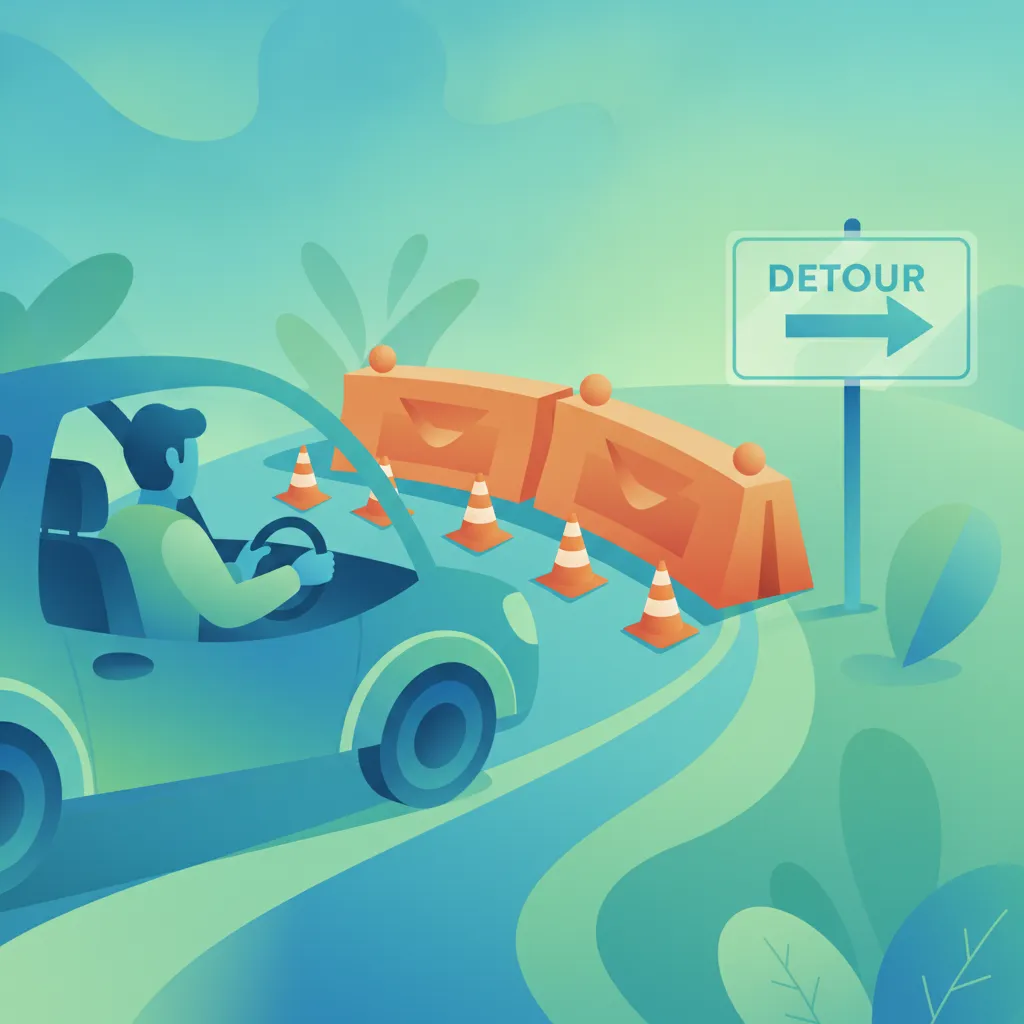
This lesson focuses on effectively managing road closures and detours that affect goods vehicle routes. Learners will explore strategies for obtaining real-time information, updating navigation systems, and planning alternate routes to maintain efficiency and compliance. Emphasis is placed on safety considerations, communication with dispatch centers, and adhering to traffic management.
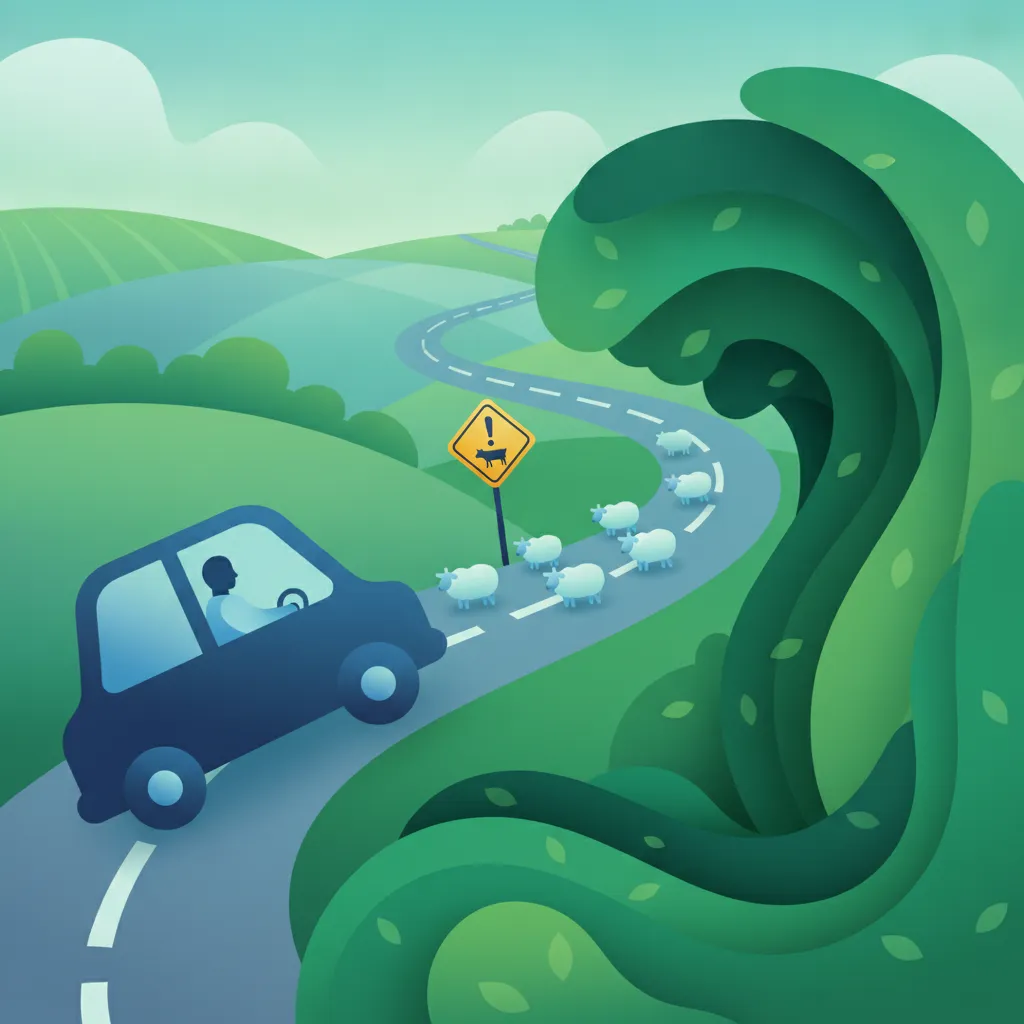
This lesson explores the unique challenges encountered when driving goods vehicles on rural roads, including narrow widths, sharp curves, animal crossings, and varying road surface conditions. Learners will understand the importance of adjusting speed, maintaining vigilance, and respecting road markings. Emphasis is placed on safe navigation practices to mitigate risks associated with rural areas.
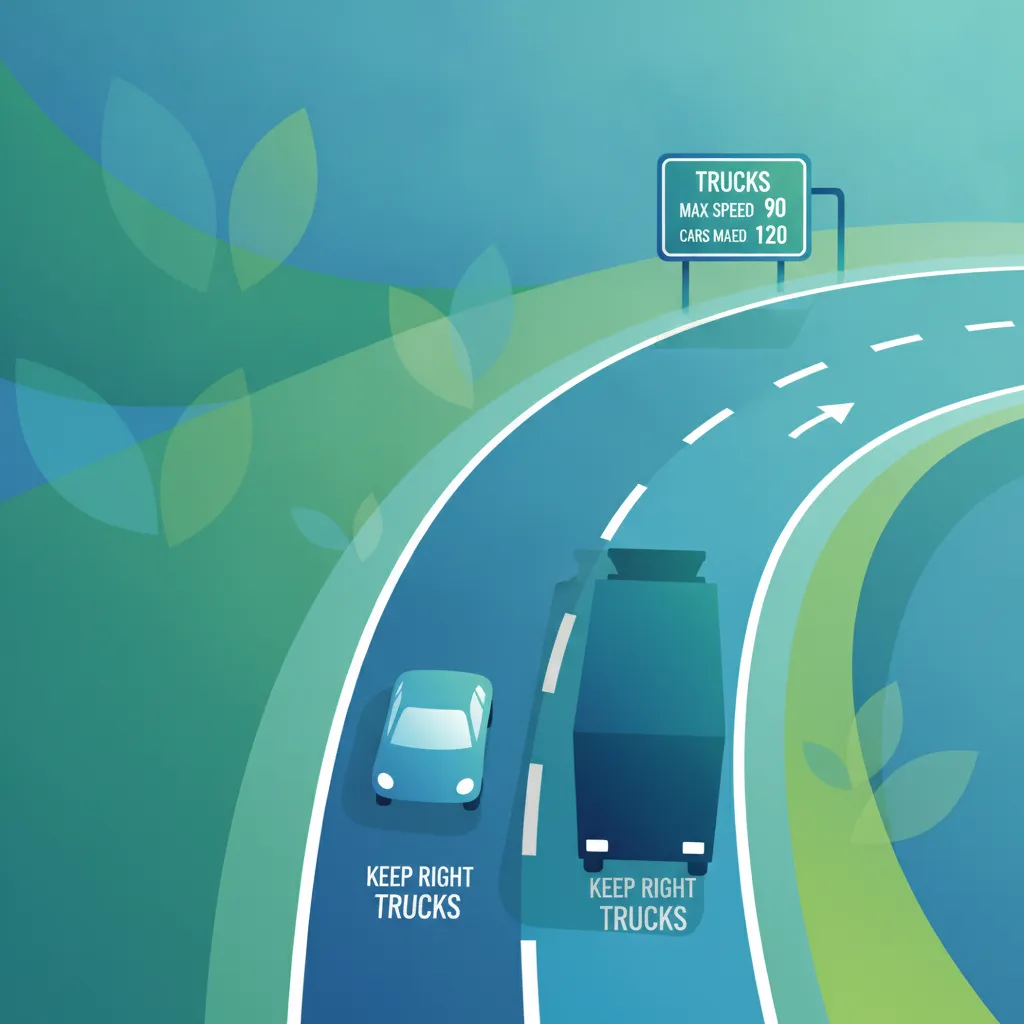
This lesson addresses the specific considerations for goods vehicle operation on highways and expressways, covering speed limits, lane discipline, safe merging, and overtaking. Learners will learn how to adapt to traffic flow, manage heavy vehicle dynamics at higher speeds, and ensure safe operation. The lesson emphasizes the importance of vigilance and proper lane usage to prevent accidents.
This lesson examines the integral role of the goods vehicle driver in contributing to overall traffic safety and a positive safety culture. It focuses on proactive driving behaviors, hazard identification, and effective risk management strategies. Communication techniques with other road users, compliance with traffic flow regulations, and competent emergency responses are highlighted as essential skills.
This lesson focuses on traffic signs and road markings that are specifically relevant to goods vehicles in Turkey. Learners will become familiar with signs indicating prohibited routes, weight limits, height restrictions, hazardous material transport, and lane usage regulations. The lesson emphasizes the importance of accurately interpreting these signs to ensure compliance with traffic laws.
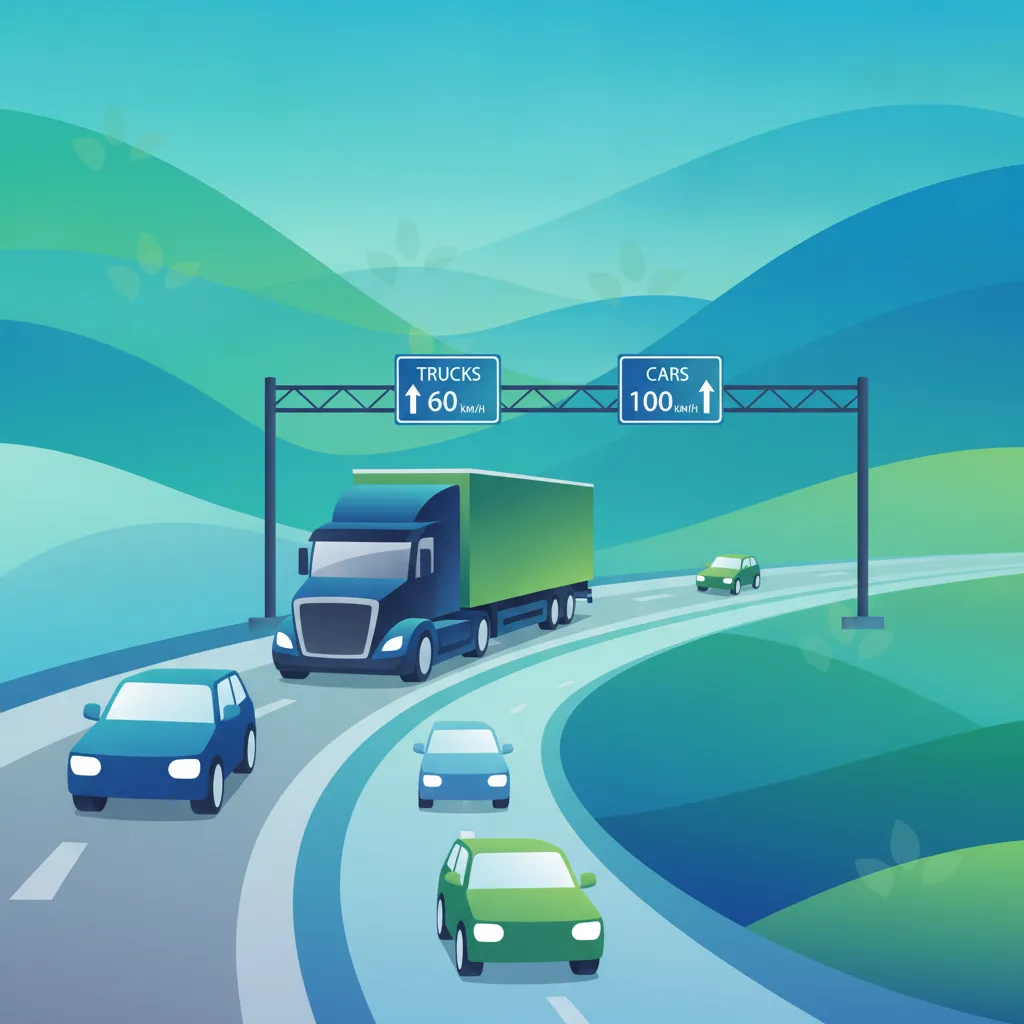
This lesson focuses on speed regulation for goods vehicles, highlighting how vehicle weight, load, and road conditions influence safe operating speeds. Learners will understand legal speed limits for various road types and the necessity of adapting speed to traffic flow and environmental conditions. The lesson also emphasizes the importance of maintaining appropriate speed to ensure vehicle control.
This lesson provides an overview of the regulations governing the transport of hazardous materials and dangerous goods in Turkey. Learners will become familiar with international (ADR) and national requirements for labeling, placarding, load securing, and documentation. The lesson also covers specific route restrictions and safety procedures that must be followed during transit.
Find clear answers to common questions learners have about Emergency Response and Accident Procedures. Learn how the lesson is structured, which driving theory objectives it supports, and how it fits into the overall learning path of units and curriculum progression in Turkey. These explanations help you understand key concepts, lesson flow, and exam focused study goals.
Your priority is safety. Immediately switch on hazard lights, ensure you are in a safe position, and set up warning triangles at the appropriate distance behind the vehicle to warn oncoming traffic, especially considering the length of your vehicle.
You must call 112 immediately if there are injuries, fatalities, significant damage blocking a major road, or if you suspect the other driver is under the influence or fleeing the scene. Always provide precise location details.
If there are no injuries and only minor material damage, and the vehicle is obstructing traffic, it is generally recommended to move it to the side to prevent further accidents after documenting the scene with photos.
You must exchange information with the other party, including license details, vehicle registration, and insurance information. For professional goods vehicles, also keep your transit documents and cargo manifests ready for inspection.
Use our comprehensive practice search to find exactly the Turkish driving theory questions you need to master. Whether reviewing specific road signs, traffic rules, or first aid scenarios, select your perfect practice set and boost your confidence for the official ehliyet sınavı.