This hub provides a complete overview of Turkish driving theory, covering all essential topics for your ehliyet sınavı. Delve into detailed explanations of road rules, traffic signs, vehicle mechanics, first aid, and environmental regulations specific to Türkiye. Gain a solid foundation in safe driving practices and prepare confidently for your official driving license theory exam by mastering key concepts.

Discover essential Turkish driving theory topics for your ehliyet sınavı preparation. Whether you need to clarify specific traffic rules or broadly review subjects for your exam study, this section provides a comprehensive overview of all available driving knowledge.
Filter by category
50 theory topics found

Alcohol consumption has profound effects on the human body, directly impairing the crucial skills needed for safe driving. Even small amounts can compromise your judgment, coordination, reaction time, and ability to concentrate. This section explains these impairments, highlighting why combining alcohol with driving is extremely risky and illegal.
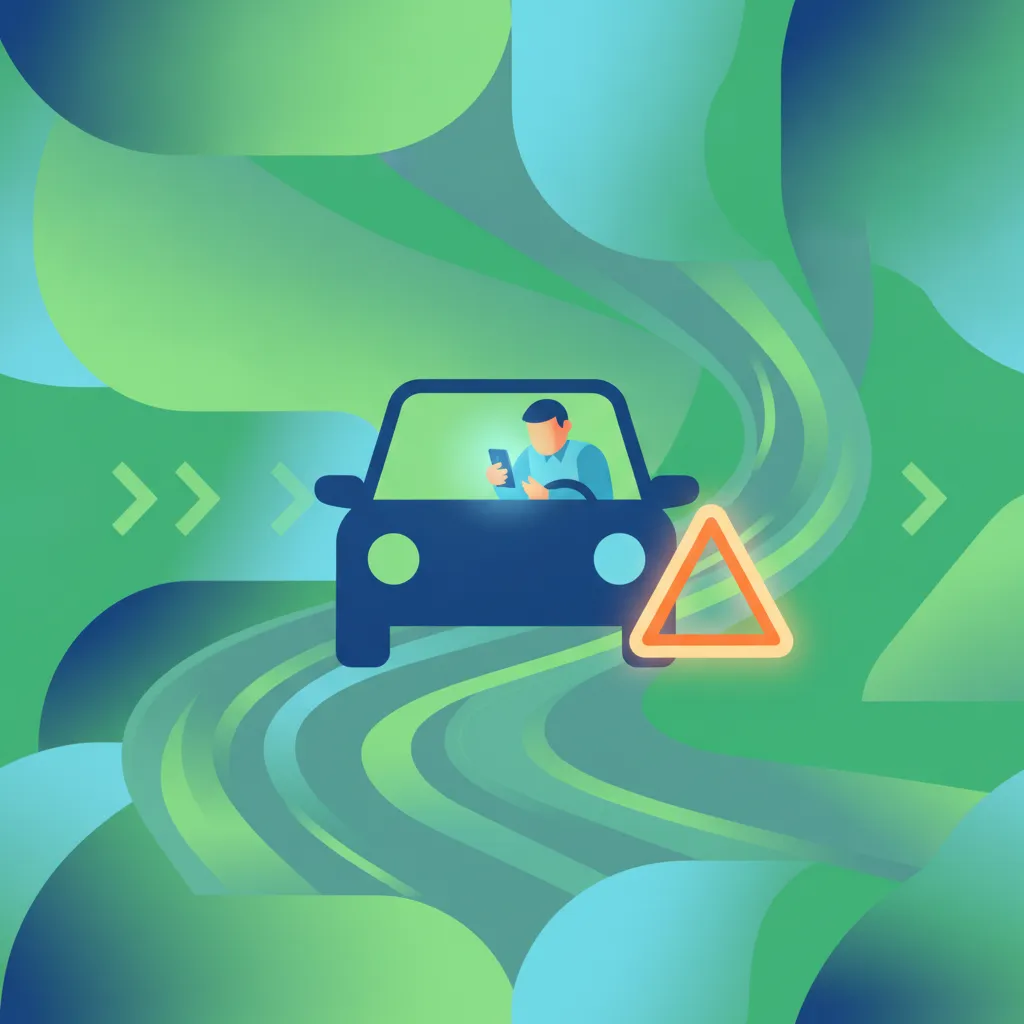
Driving demands your full and undivided attention at all times. Using a mobile phone introduces dangerous distractions, diverting your focus from the road. This section explains the different ways a phone can distract you, how it impairs your ability to drive safely, and why adhering to these rules is vital for preventing accidents in Türkiye.
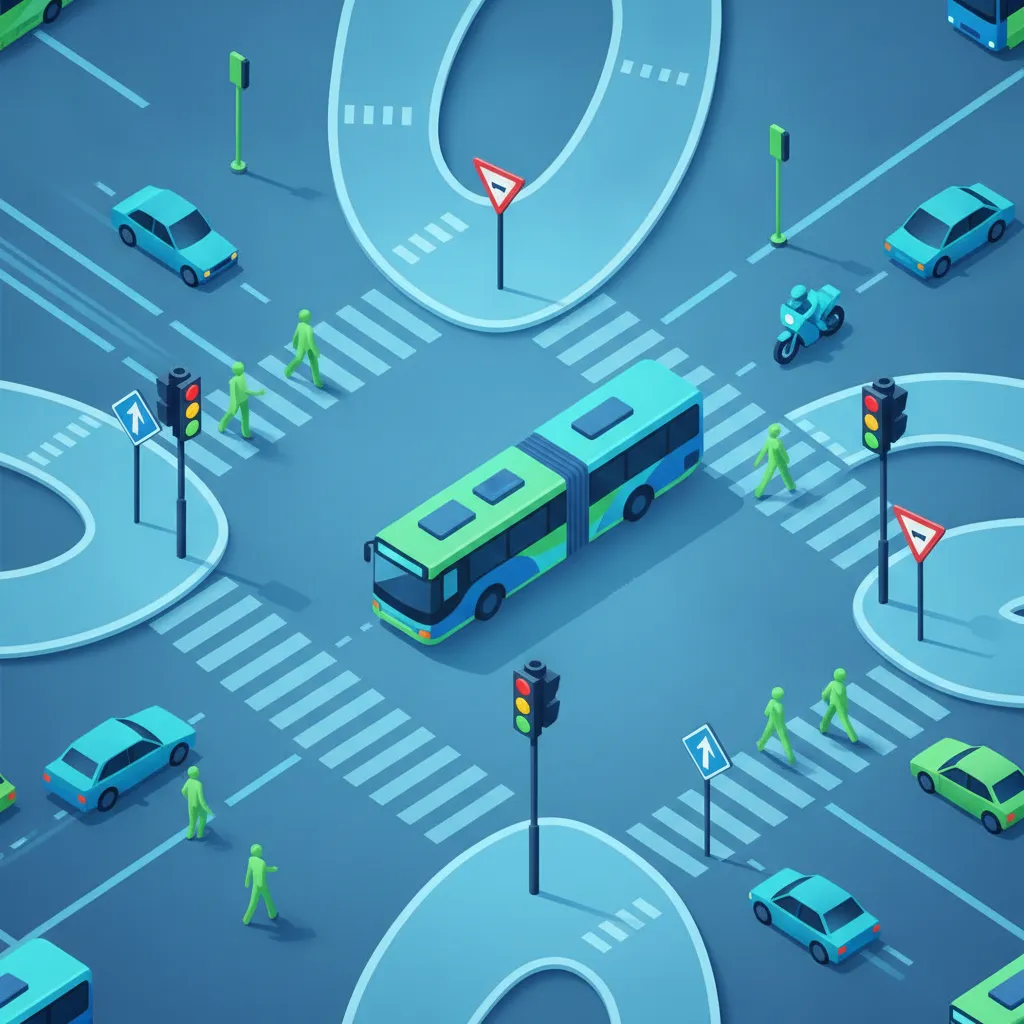
Right of way rules define which road user has the legal priority to proceed first, preventing conflicts and ensuring smooth traffic flow. In Türkiye, these rules are governed by specific legislation and apply to various situations from complex intersections to pedestrian crossings. This page will clarify how to determine priority based on traffic signs, signals, and general rules of the road.
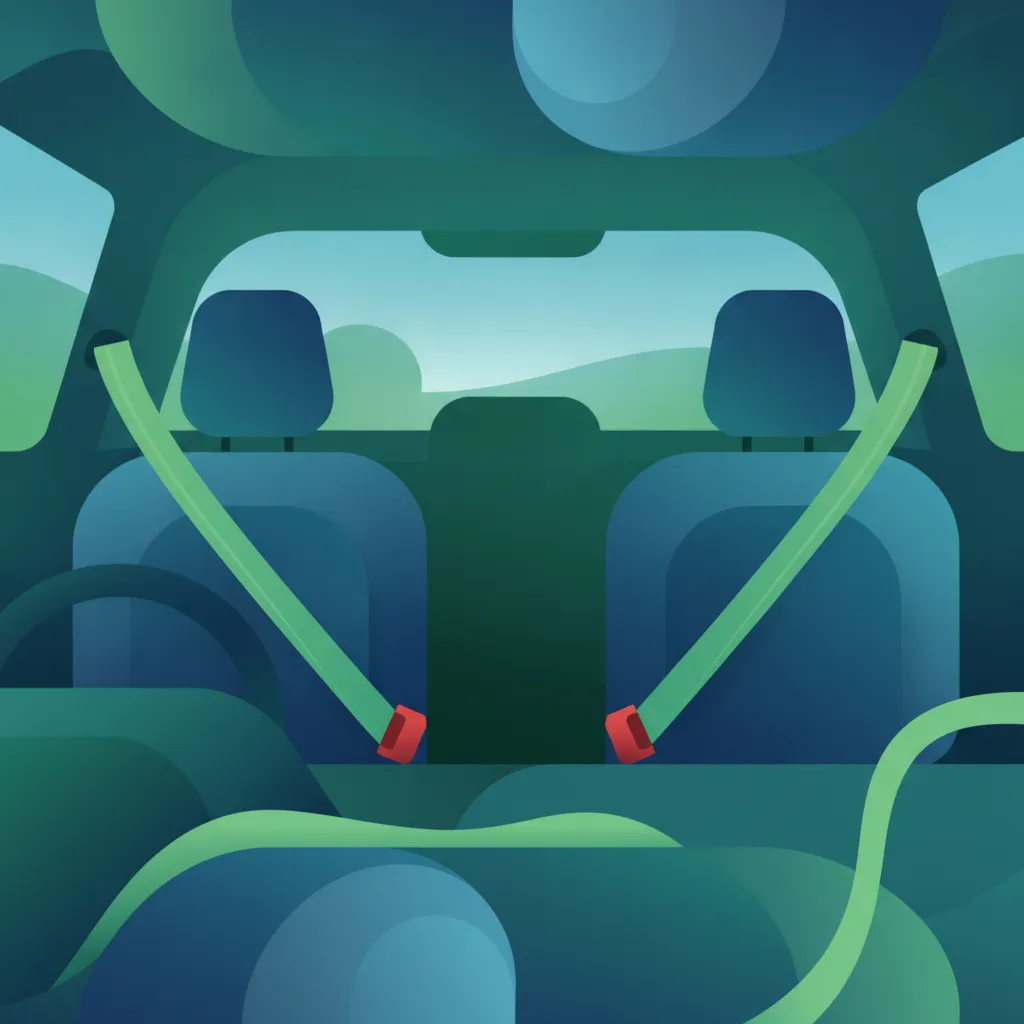
Seat belts are the most effective safety device in vehicles, designed to restrain occupants and distribute impact forces during a crash. This page details their essential function, how they work to protect drivers and passengers, and the specific requirements for their use according to Turkish traffic regulations. Mastering these rules is fundamental for passing your driving exam and ensuring safety on Turkish roads.

Understanding when and how to use your vehicle's lights is a fundamental aspect of safe driving in Türkiye. This page clarifies the rules for headlights, fog lights, and other illumination systems, explaining their purpose in various visibility conditions such as night, rain, or fog, and their importance for your ehliyet sınavı.

The concept of safe speed goes beyond simply obeying posted speed limits. It requires drivers in Türkiye to continuously evaluate current road, traffic, and environmental conditions to determine the appropriate speed for maintaining full control. This principle is vital for preventing accidents, effectively responding to unexpected hazards, and is a core component of defensive driving emphasized in the ehliyet sınavı.
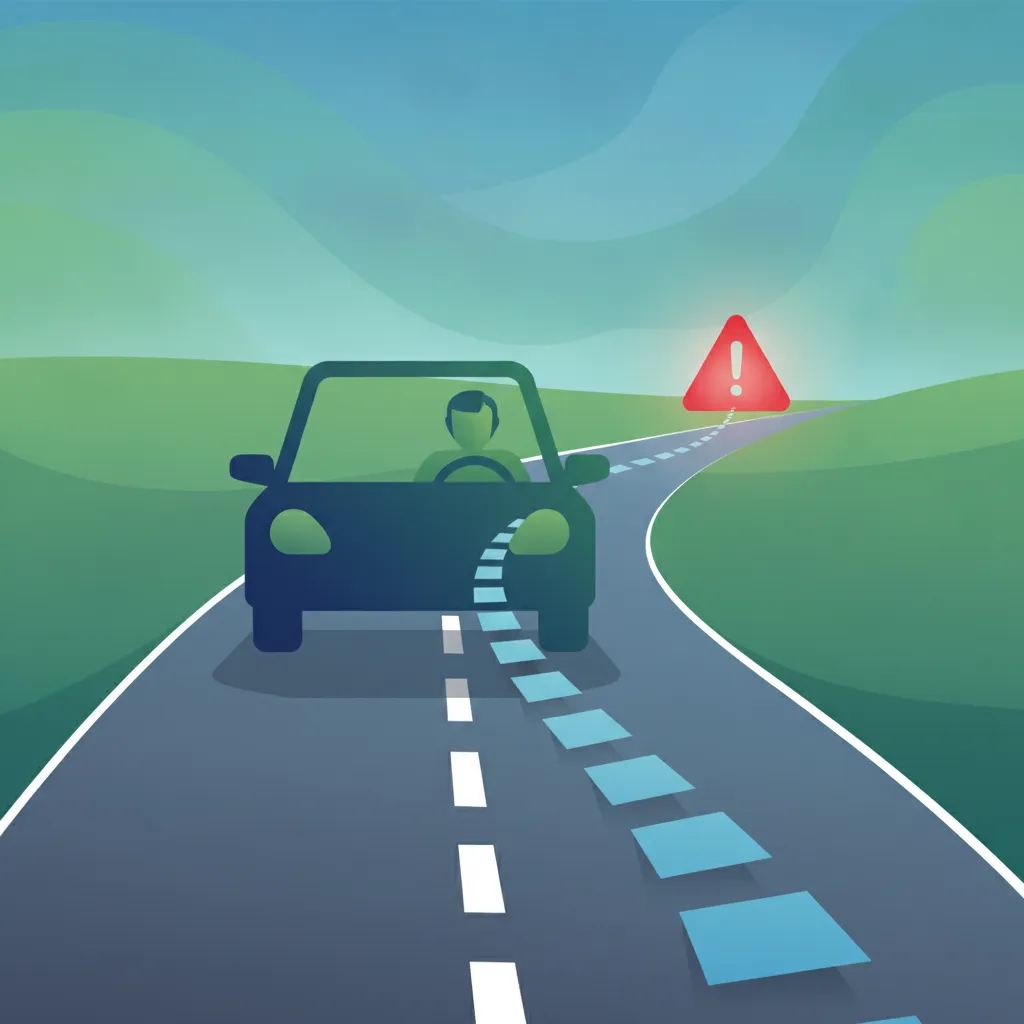
Reaction distance is the distance your vehicle travels from the moment you detect a hazard until you physically begin to apply the brakes. It's a crucial part of your total stopping distance and is directly influenced by your speed, alertness, and various environmental factors. Understanding this concept is fundamental for safe driving and excelling in your Turkish driving theory exam.
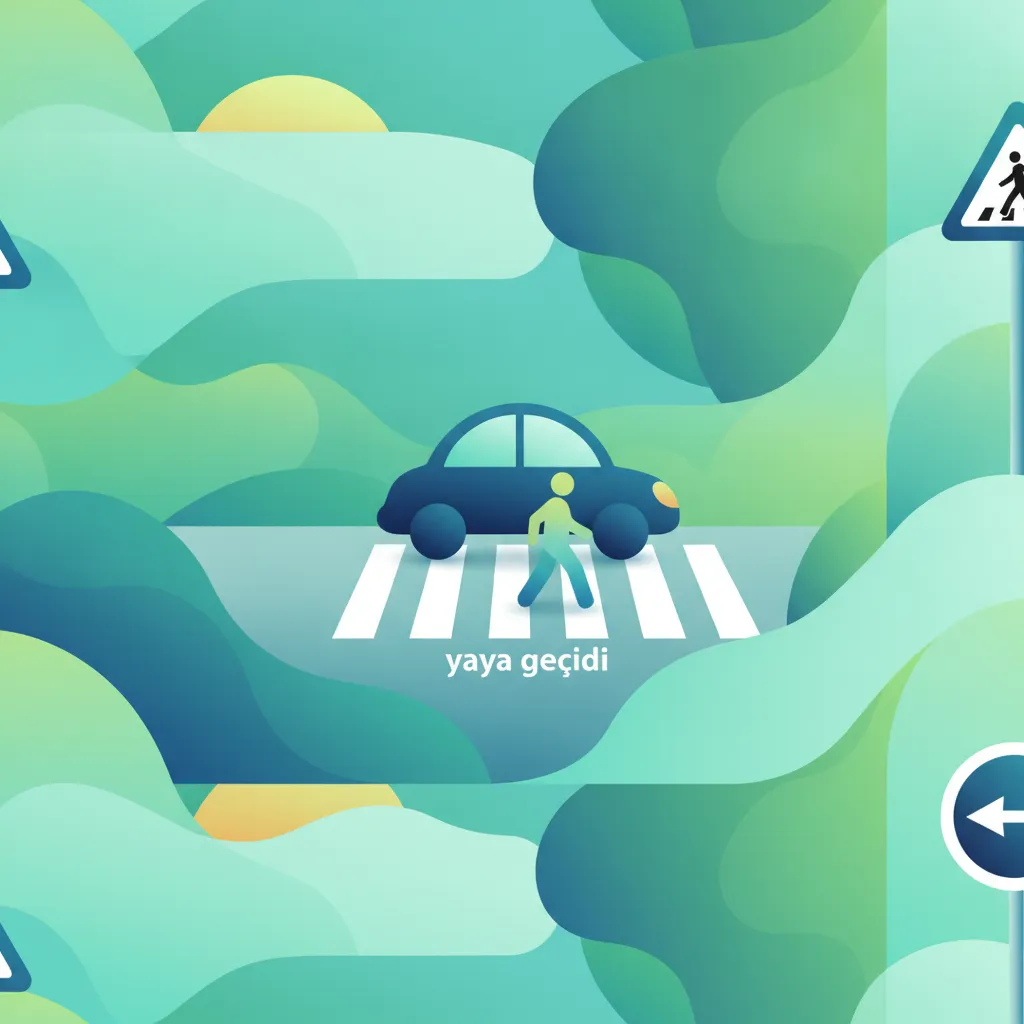
Pedestrian priority defines specific situations where drivers are legally required to yield to people on foot. This section clarifies when and where pedestrians have the right-of-way in Turkish traffic, including designated crossings and various intersection scenarios. Paying close attention to these rules ensures driver compliance, minimizes risks to pedestrians, and is essential for safe driving practices and success in your ehliyet sınavı.
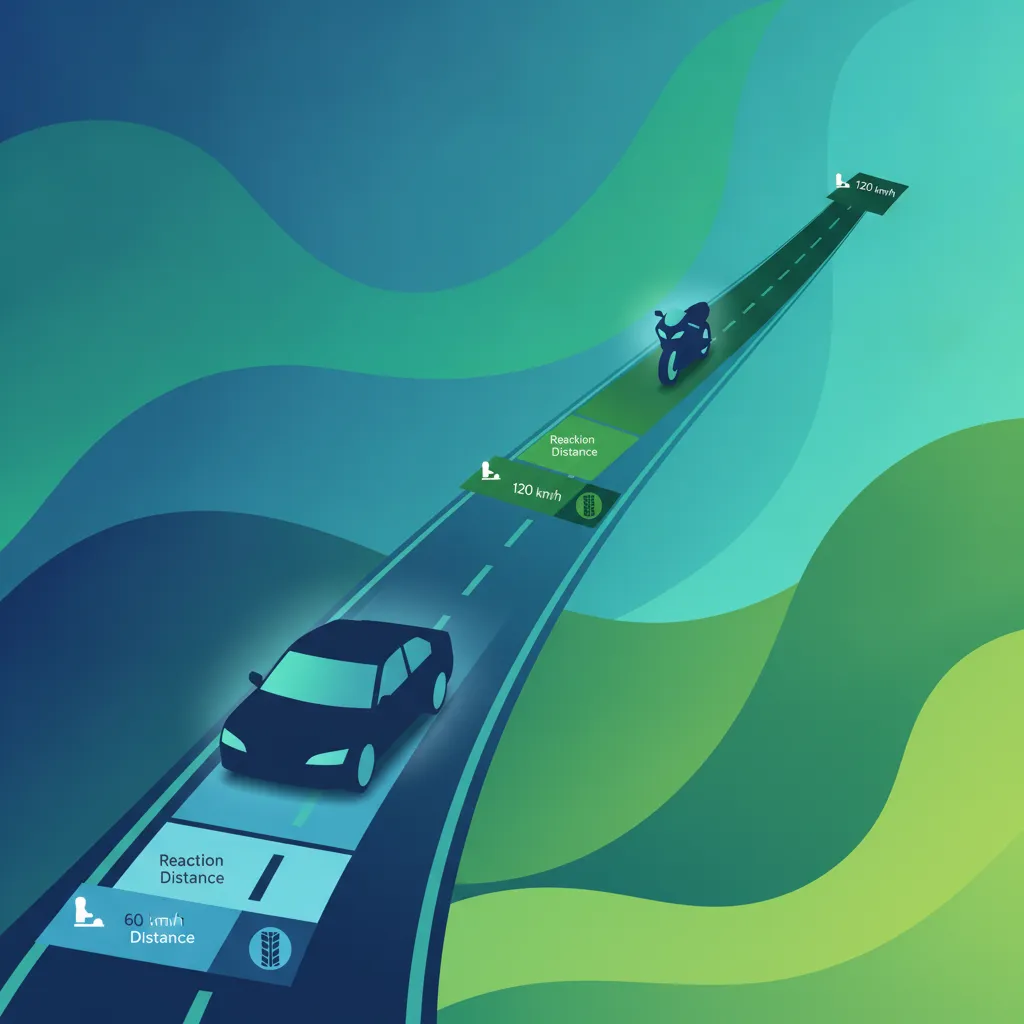
Stopping distance is the total distance your vehicle travels from the moment you identify a hazard until you come to a complete stop. It consists of two parts: your reaction distance and your braking distance. Higher speeds disproportionately increase this total distance, significantly impacting your ability to react safely to unexpected situations in Türkiye's traffic.
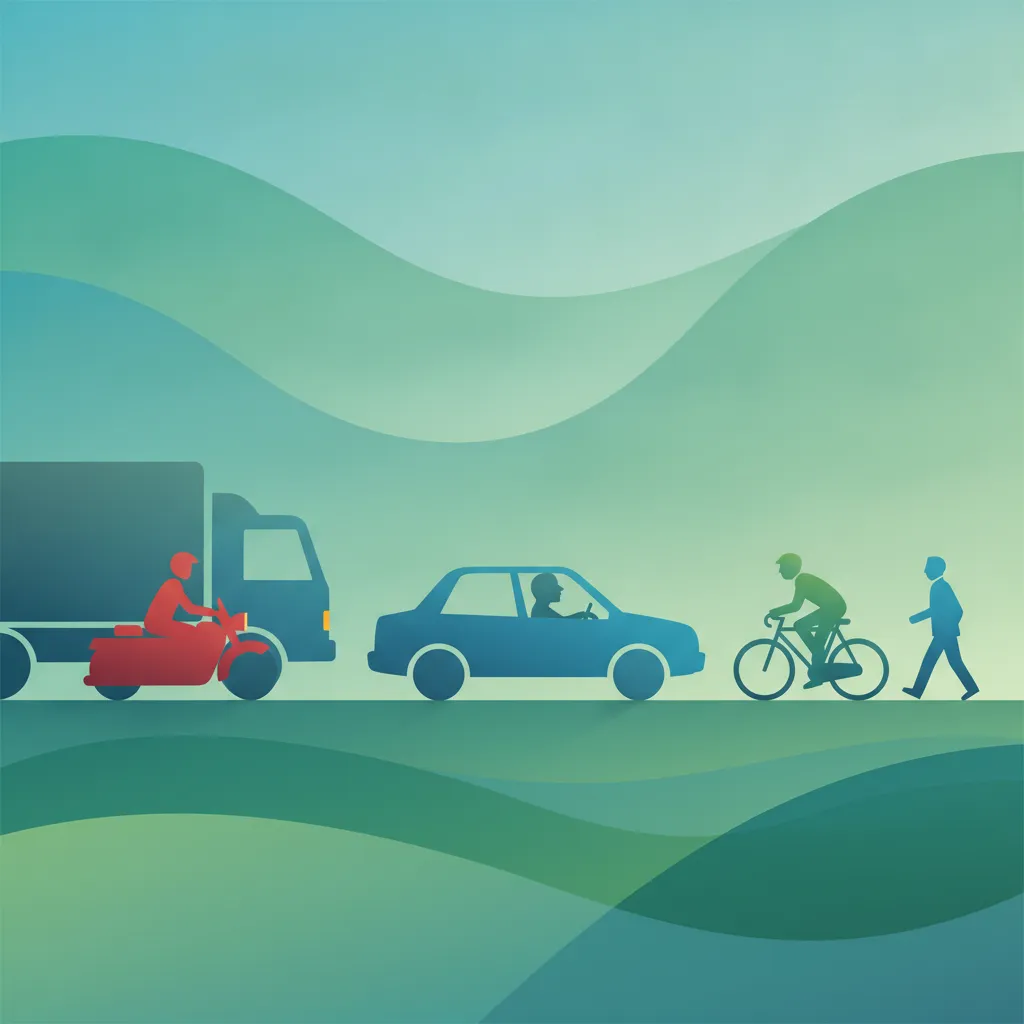
Roads are dynamic shared spaces. This section explains how drivers in Türkiye must adjust their behavior when encountering pedestrians, cyclists, motorcyclists, and larger vehicles. Learn to identify vulnerabilities, maintain safe distances, and anticipate actions to ensure everyone's safety. Mastering these interactions is key to safe driving and success in your driving theory exam.
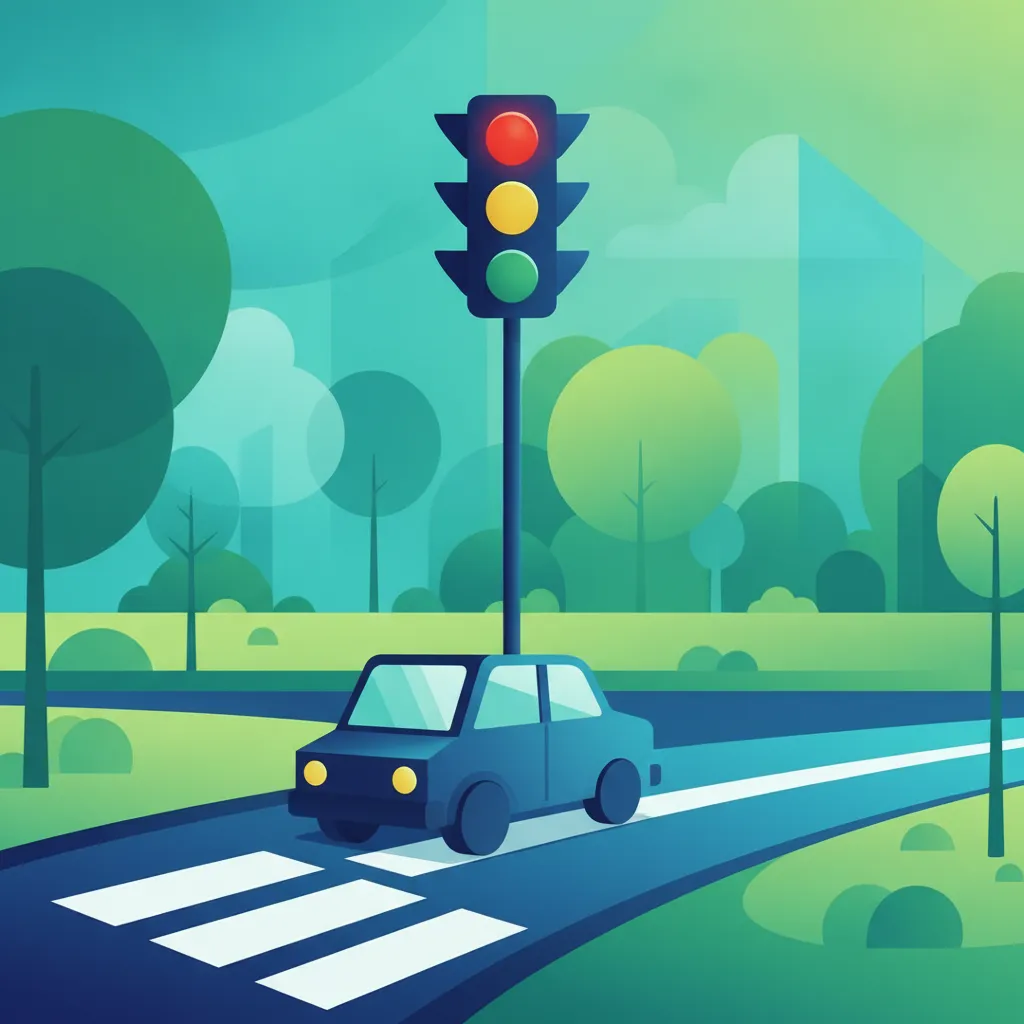
Traffic lights are fundamental to orderly and safe traffic flow, especially at busy intersections in Türkiye. This guide breaks down the meaning of each signal – red, yellow, and green – and explains the precise actions drivers must take. Understanding these rules is crucial to prevent collisions, manage congestion, and pass your Turkish driving theory test with confidence.
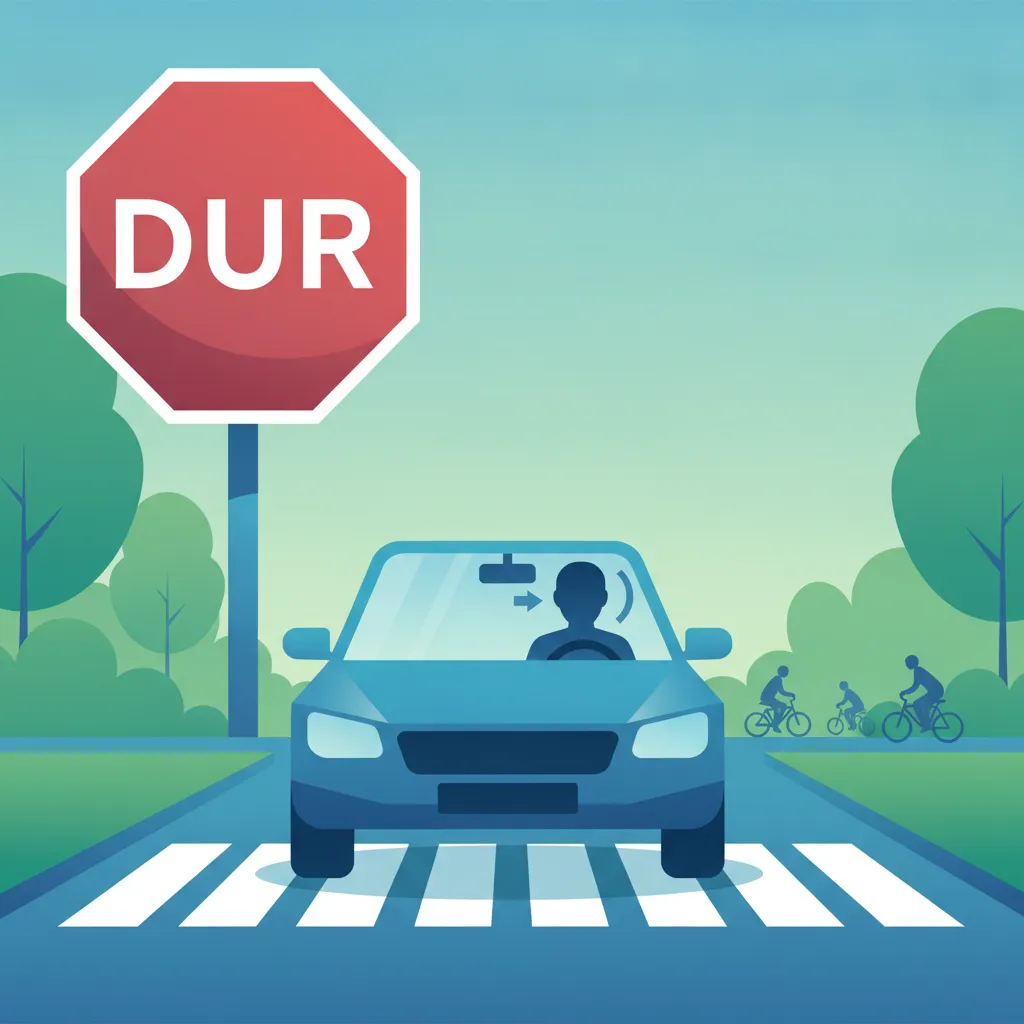
The stop sign, known as 'Dur Levhası' in Turkish, is a crucial regulatory sign that requires drivers to bring their vehicle to a full and complete stop. This page explains exactly what a driver must do at a stop sign, how to safely assess traffic before proceeding, and why this rule is fundamental for road safety and your ehliyet sınavı.
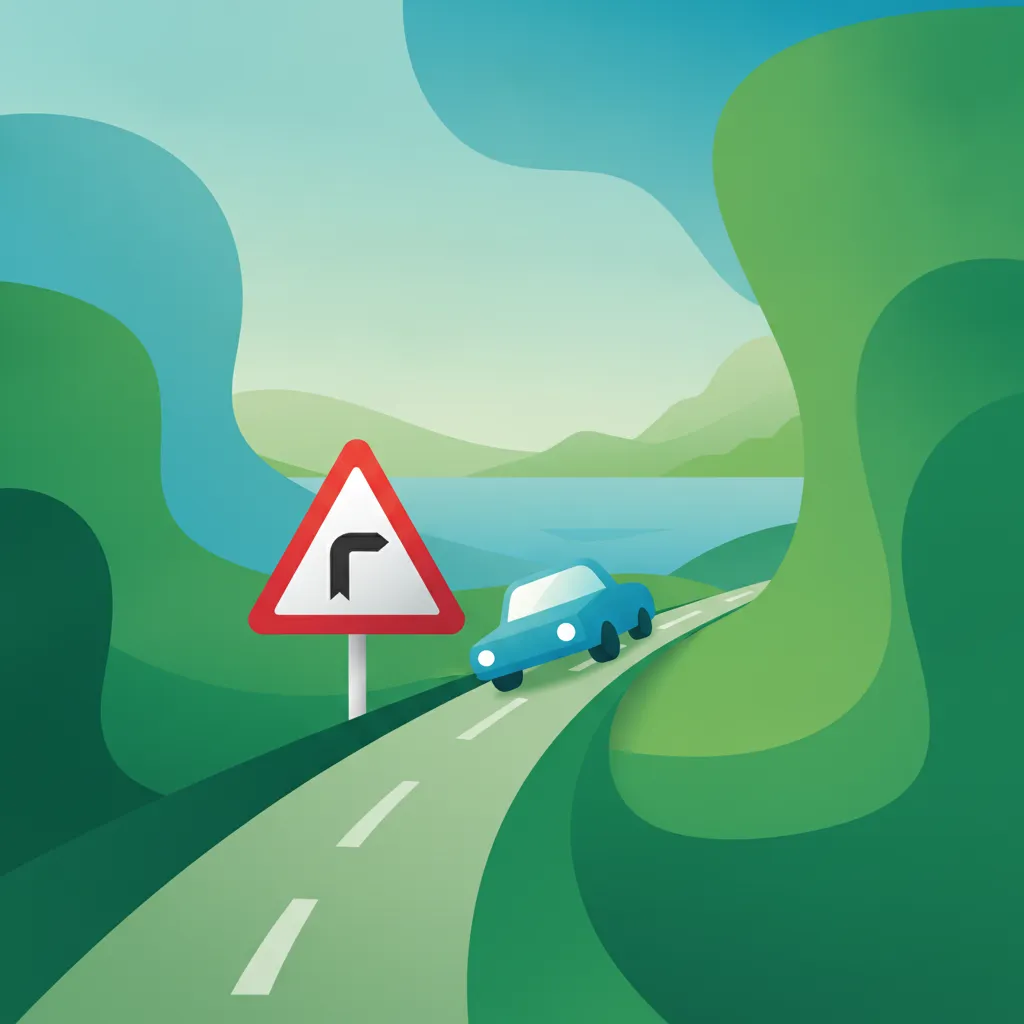
Traffic warning signs are designed to alert drivers to potential dangers or shifts in road conditions ahead. They provide critical foresight, allowing you to modify your speed, position, or attention before encountering the hazard. Recognizing and correctly interpreting these signs is a fundamental skill for both your ehliyet (driving license) exam and safe, proactive driving in Türkiye.

Fog is one of the most hazardous weather conditions for drivers due to its severe impact on visibility. This guide outlines how to adapt your speed, maintain safe distances, and properly use your vehicle's lighting to reduce risk. Understanding these principles is key to preventing accidents and confidently handling challenging conditions in Türkiye.
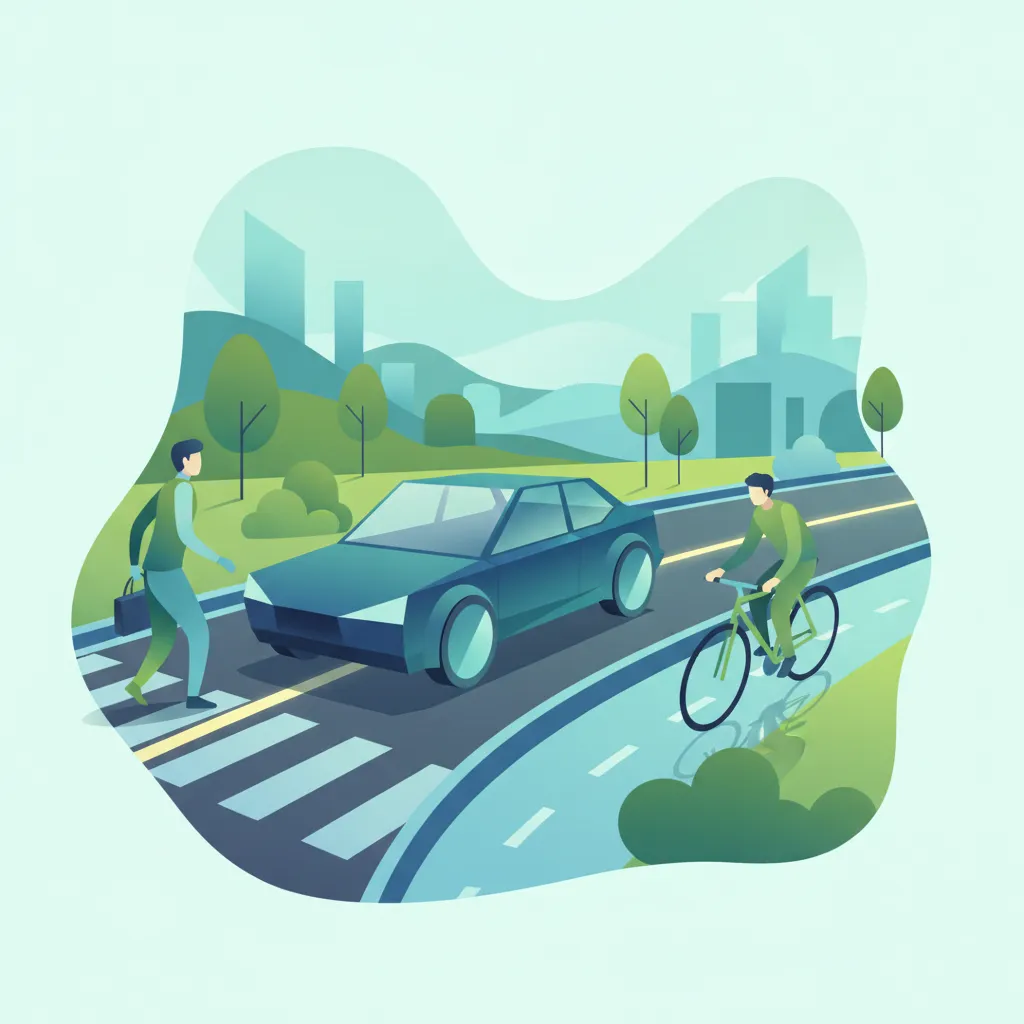
Hazard perception is the critical ability to observe your surroundings, identify potential dangers, and predict how situations might develop on the road. It goes beyond simply seeing what's in front of you; it involves active scanning, continuous assessment, and anticipating the actions of other road users. Developing strong hazard perception skills gives you more time to react, helping you avoid sudden braking or swerving and significantly reducing your risk of an accident.
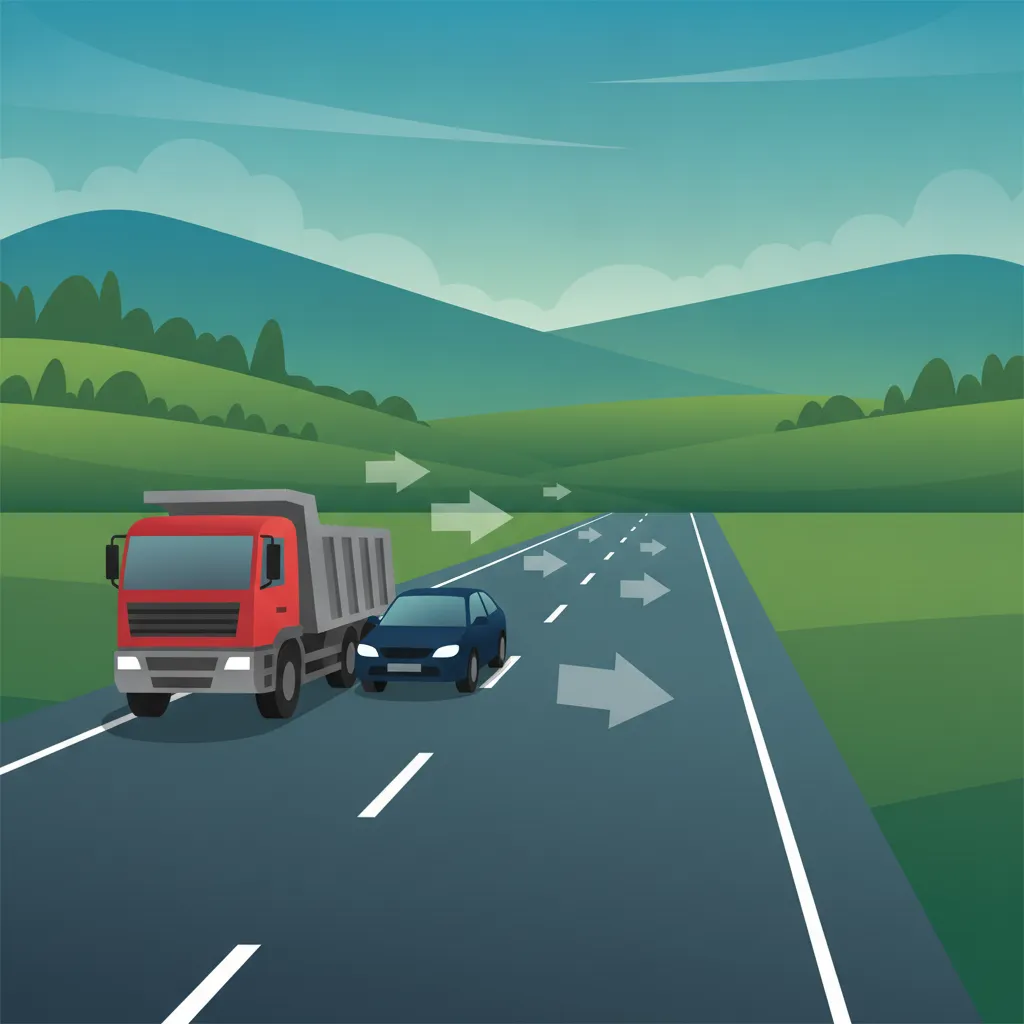
Tailgating occurs when a driver follows another vehicle too closely, leaving insufficient space to react safely. This dangerous practice significantly increases the risk of rear-end collisions. Understanding the relationship between speed, reaction time, and braking distance is fundamental to safe driving in Türkiye and for passing your ehliyet sınavı.

Overtaking is a fundamental driving maneuver that requires precision, judgment, and strict adherence to traffic rules. In Türkiye, specific regulations govern when and how you can safely pass another vehicle, ensuring the safety of all road users. This page details the process, identifies prohibited situations, and highlights key considerations for responsible overtaking.

Trams and specific public transport vehicles often have special priority on Turkish roads due to their fixed routes and limited maneuverability. As a driver, you must understand these rules to ensure safety, avoid dangerous situations, and maintain smooth traffic flow in urban environments. Pay close attention to intersections, tram stops, and situations where tracks cross your path.
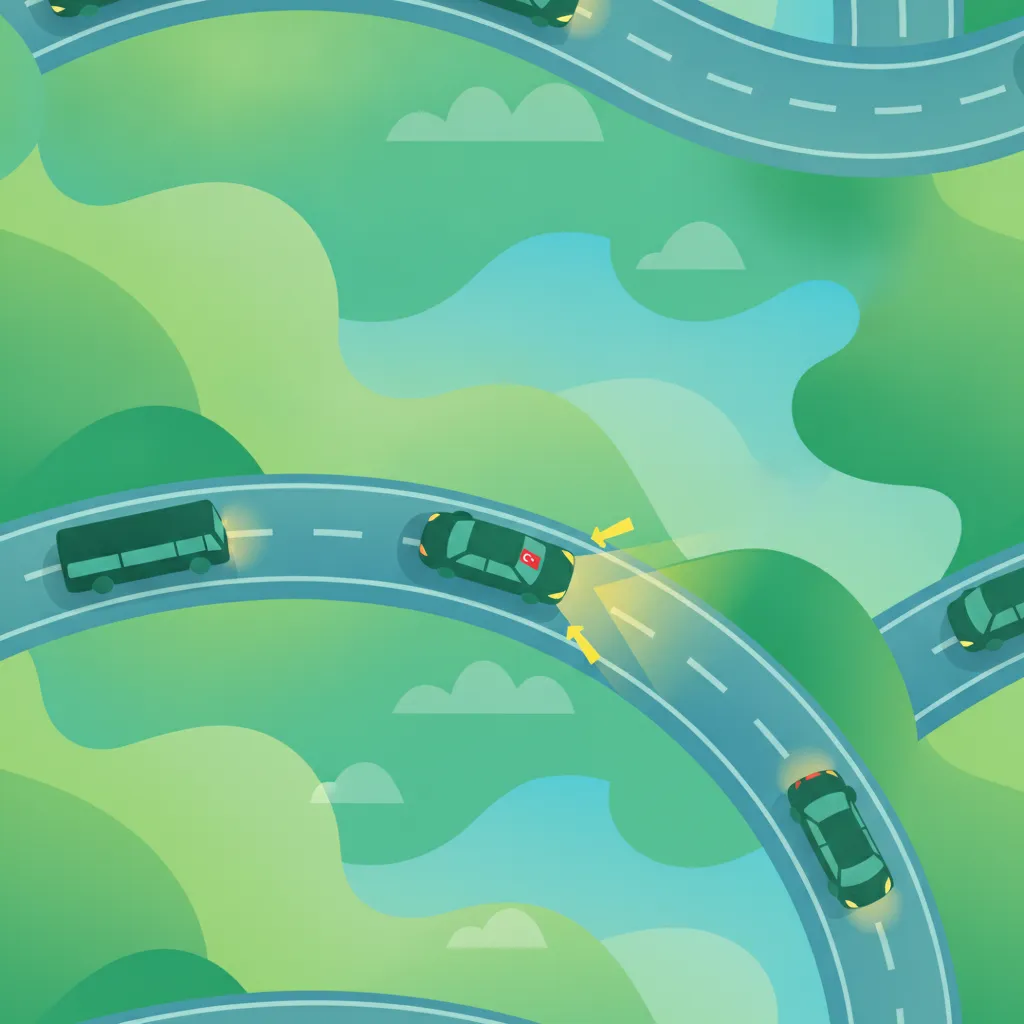
Signalling is how you communicate your intentions to other drivers and road users. In Türkiye, using your turn signals correctly is not just a legal requirement but a crucial aspect of proactive driving, helping to prevent misunderstandings and collisions. This guide will clarify when and how to activate your indicators for various maneuvers, ensuring you drive safely and confidently. Pay close attention to timing and duration for the Turkish test.

Mirror checks are a cornerstone of defensive driving, enabling you to stay informed about what’s happening behind and beside your vehicle. In Turkey, as everywhere, proper mirror use is not just a recommendation but a vital observation routine. This guide details the different types of mirrors, the critical moments for checking them, and how to integrate them into your driving routine to enhance safety and pass your theory and practical exams.
Page 1 of 3
Continue your Ehliyet Sınavı preparation by exploring our full library of articles. Gain detailed insights into specific traffic rules, road signs, and advanced driving concepts. Use these guides to reinforce your knowledge and prepare confidently for your exam.
Explore Driving Theory Articles