
This lesson introduces the critical pre-ride safety checks required for moped and light quadricycle riders under the Austrian Category AM license. By mastering these inspections, you will ensure your vehicle is safe for all seasonal conditions and meet a key requirement for your theoretical exam success.

Lesson content overview
Ensuring your moped, small scooter, or light quadricycle is in optimal condition before every ride is not merely a recommendation; it is a fundamental aspect of safe riding and a legal requirement under Austrian road traffic law. This importance is amplified when considering seasonal changes, as varying weather conditions impose specific stresses on vehicle components and significantly alter road hazards. A systematic pre-ride inspection helps identify potential issues before they escalate into dangerous situations on the road.
This lesson delves into the crucial pre-ride vehicle checks, emphasizing how to adapt them for diverse seasonal conditions like rain, fog, snow, ice, and low temperatures. By diligently performing these checks, riders can prevent equipment failures, improve vehicle handling, and dramatically reduce the risk of accidents, thereby enhancing safety for themselves and other road users.
In Austria, the responsibility for maintaining a roadworthy vehicle rests squarely on the rider. Austrian road traffic law (StVO) explicitly outlines the requirements for vehicle condition and equipment use, particularly under challenging environmental circumstances.
This section of the Austrian Road Traffic Act mandates that all vehicles must be equipped with functioning safety devices, be roadworthy, and must not pose a danger to road users.
Under StVO § 31, every vehicle, including mopeds, small scooters, and light quadricycles, must always be in a condition that guarantees safe operation. This means all safety-relevant components—such as brakes, tires, lighting, steering, and mirrors—must be fully functional and properly adjusted. Failing to comply with this regulation can lead to significant fines, liability for accidents, and potentially invalid insurance coverage. Regular pre-ride checks are your primary tool for fulfilling this legal obligation.
This section specifies that dipped beams must be used when visibility is reduced (e.g., rain, fog, dusk, night). High beams are prohibited when there are oncoming vehicles or when visibility is reduced due to weather.
Visibility is paramount for safety, especially when riding a smaller vehicle like a moped or scooter. StVO § 39 mandates the correct use of lighting devices. During periods of reduced visibility, such as rain, fog, dusk, or at night, the dipped beam (Abblendlicht) must be used. High beams (Fernlicht) are generally reserved for clear roads without oncoming traffic or other road users that could be dazzled. Misusing high beams in adverse weather like dense fog can create glare, paradoxically reducing both your own visibility and that of others.
While general winter tire requirements in Austria primarily focus on heavier vehicles, there are specific provisions that can apply to mopeds and scooters, especially in certain geographical areas.
Alpine Regions and Winter Tires: In designated mountain passes and other specific road sections, particularly during winter months (typically November 1st to April 15th), vehicles may be required to be equipped with winter tires or snow chains. For mopeds and small scooters, this often means considering special winter tires designed for two-wheeled vehicles or, where permissible and necessary, tire chains.
These regulations are crucial for maintaining traction on snow and ice, significantly reducing the risk of skidding and loss of control. Always check local ordinances for mountain passes or specific roads if you plan to ride in such areas during winter.
A systematic approach to your pre-ride checks ensures no critical component is overlooked. While some checks are universal, their emphasis often shifts with the season.
Tires are your vehicle's only contact with the road, making their condition fundamental to safety, especially in varying weather.
The tread on your tires is vital for channeling water away from the contact patch, preventing hydroplaning, and providing grip on loose surfaces. In Austria, the minimum legal tread depth for mopeds and scooters is 1.6 mm.
Seasonal Tread Depth: For significantly enhanced safety in wet, snowy, or icy conditions, a tread depth of at least 3 mm is highly recommended. This provides a greater margin of safety by allowing more efficient water displacement and better grip on slippery roads.
Before each ride, visually inspect your tires for any signs of damage, cuts, bulges, or embedded objects. Use a tread depth gauge to confirm you meet the legal minimums and, more importantly, the recommended depths for the prevailing conditions.
Correct tire pressure is critical for optimal handling, braking, and tire longevity. Temperature significantly affects tire pressure. As air gets colder, it contracts, causing pressure to drop.
Tire pressure measured when the tire has been at ambient temperature for at least three hours, ensuring an accurate baseline reading unaffected by heat generated from riding.
During colder months, it's common for tire pressure to decrease by approximately 0.07 bar (1 psi) for every 5.5°C (10°F) drop in ambient temperature. Therefore, it is essential to check tire pressure frequently during colder periods and always when the tires are cold. Refer to your vehicle manufacturer's specifications for the recommended cold tire pressure.
While not universally mandatory for all mopeds and scooters across Austria, winter tires (M+S tires) or even tire chains can be crucial, and sometimes legally required, in specific regions or during severe winter conditions. Winter tires feature special rubber compounds that remain flexible in low temperatures and tread patterns designed to bite into snow and ice, offering superior grip compared to standard summer tires. Tire chains provide maximum traction on heavily snow-covered or icy roads. Always check the specific requirements for your planned route.
Your brakes are your primary safety mechanism for controlling speed and stopping. Their reliable function is non-negotiable, particularly on slippery surfaces.
For hydraulic brake systems, regularly check the brake fluid level in the reservoir, typically visible through a small window on the handlebars. The fluid level should always be between the "minimum" and "maximum" marks.
Low brake fluid could indicate a leak or severely worn brake pads, both requiring immediate attention. Brake fluid also absorbs moisture over time, which can reduce its effectiveness and lead to "spongy" brakes. It should be changed periodically according to the manufacturer's schedule.
Disc brakes use pads that clamp onto a rotor, while drum brakes use shoes that press against the inside of a drum. Both types have wear limits. Visually inspect your brake pads (if visible) for their thickness; typically, a minimum of around 1.5 mm of friction material is recommended. For drum brakes, this check often requires removal of the wheel or a special inspection hole. Listen for any squealing or grinding noises, which are common indicators of worn pads or shoes.
When brakes get wet, their initial performance can be temporarily reduced. Water acts as a lubricant, reducing friction between pads/shoes and the braking surface. It's a good practice to gently apply the brakes a few times after riding through water to help them dry out and regain full effectiveness. This also allows you to gauge their response before needing them in an emergency.
Good lighting ensures you can see and, more importantly, be seen by others, which is crucial in low light or adverse weather conditions.
Before each ride, verify that all your lights are working correctly. This includes your:
Also, make sure all light lenses are clean and free from dirt, mud, snow, or condensation. A dirty headlight can significantly reduce illumination, while a dirty taillight or indicator can make your intentions unclear to other drivers.
As per StVO § 39, the dipped beam is mandatory when visibility is reduced. In fog, using your dipped beam is crucial as high beams will reflect off the fog, creating glare and worsening your visibility. Some mopeds and scooters may also be equipped with dedicated fog lights, which should be used in very dense fog. At night, always ensure your taillight is functional and visible from a distance.
The functionality and feel of your vehicle's controls directly impact your ability to react safely and effectively.
Cold temperatures significantly reduce battery efficiency and output. A weak battery may struggle to start the engine, especially on a cold morning. Before riding in cold weather, it's wise to check your battery's voltage or ensure it has been trickle-charged if the vehicle has been stored for a while. A fully charged battery typically reads around 12.6 volts or higher when the engine is off.
Just like larger vehicles, mopeds and scooters rely on various fluids for proper operation.
As mentioned earlier, regularly check brake fluid levels. It's a critical safety fluid, and low levels can compromise braking performance.
How your vehicle is loaded significantly impacts its handling, stability, and braking performance, particularly on challenging surfaces.
The maximum total weight a vehicle can safely carry, as defined by the manufacturer. This includes the weight of the vehicle itself, the rider, any passenger(s), and all cargo.
Never exceed your moped's or scooter's Maximum Permissible Mass (MAM), also known as Maximum Authorized Mass (StVO § 10). Overloading a small vehicle can severely compromise its structural integrity, handling, and braking effectiveness, making it unstable and difficult to control, especially on slippery roads or during emergency maneuvers.
Any cargo you carry must be properly secured to prevent it from shifting during transit. Loose items can alter weight distribution unexpectedly, leading to instability, especially when cornering or braking. Use appropriate straps, bungees, or dedicated cargo compartments. Ensure cargo does not obstruct your view, interfere with controls, or protrude dangerously.
Different seasons present unique challenges for riders. Tailoring your pre-ride checks to current weather conditions is a mark of a responsible and safe rider.
Rain significantly reduces tire grip and visibility.
Fog dramatically reduces visibility, making it difficult for you to see and be seen.
Snow and ice are perhaps the most challenging conditions for mopeds and scooters due to extremely low traction.
Beyond just snow and ice, extreme cold itself can impact vehicle performance.
Neglecting pre-ride checks can have serious ramifications. Here are some common oversights and their potential outcomes:
Ignoring Tire Pressure in Cold Weather:
Riding with Insufficient Tread on Wet Roads:
Using High Beams in Fog:
Skipping Brake Fluid Checks after Winter Storage:
Overloading the Vehicle:
Riding with Faulty Indicator Lights in Low Light:
Neglecting Battery Health in Extreme Cold:
Riding with Unsecured Cargo:
Performing a thorough pre-ride inspection before every journey, with careful consideration for seasonal conditions, is a critical habit for every moped and scooter rider. This diligence not only ensures your personal safety but also helps you comply with Austrian road traffic law, particularly StVO § 31 on vehicle readiness and StVO § 39 on lighting.
Here’s a practical step-by-step guide to your seasonal pre-ride checks:
Tires: Visually inspect for wear, damage, and embedded objects. Measure tread depth, ensuring it meets at least 1.6 mm (and preferably ≥3 mm for wet/icy conditions). Check and adjust tire pressure when cold, compensating for temperature variations. Consider winter tires or chains if riding in snow/ice or designated areas.
Brakes: Verify that both front and rear brake levers provide a firm and immediate response. Check the brake fluid level in the reservoir. Listen for any unusual noises (squealing, grinding). Gently test brakes after passing through water to dry them.
Lights & Signals: Confirm all lights are operational (headlights, taillights, brake lights, indicators, hazard lights). Clean all lenses of dirt, snow, or condensation. Use dipped beam in reduced visibility (rain, fog, dusk, night) as per StVO § 39.
Controls & Instruments: Test the throttle for smooth operation and immediate return. Check brake and clutch levers for proper function and freedom of movement. Ensure steering turns smoothly from lock to lock without binding.
Fluid Levels: Check engine oil level (when cold) and coolant level (if liquid-cooled), ensuring the correct antifreeze mixture in cold weather. Re-check brake fluid.
Battery Health (Seasonal): In cold weather, verify battery voltage or ensure it has been trickle-charged. A strong battery is crucial for reliable starting.
Load & Weight Distribution: Ensure total weight (rider + passenger + cargo) does not exceed the Maximum Authorized Mass (MAM). Secure all cargo properly and distribute weight evenly to maintain stability.
Seasonal Specifics: Remember to tailor checks based on current weather: higher tread depth for rain, careful lighting in fog, and specialized tires/chains for snow/ice.
By consistently performing these comprehensive checks, you build a foundation of safety that allows you to ride confidently, legally, and responsibly through all of Austria's diverse seasons.
This lesson covers essential pre-ride vehicle inspections for Austrian Category AM riders, emphasizing tires, brakes, lighting, controls, fluids, and battery checks. It details specific legal requirements under StVO § 31 and § 39, including mandatory dipped beam use in reduced visibility and minimum tread depth of 1.6 mm. The content provides seasonal guidance for rain, fog, snow, and extreme cold, explaining how each condition requires adjusted inspection priorities. Eight common mistakes are outlined with their consequences, helping learners avoid dangerous oversights. A systematic step-by-step checklist enables riders to perform consistent, thorough inspections before every journey.
A short set of high-value points that capture the most important learning from this lesson.
StVO § 31 mandates that all mopeds must be roadworthy with fully functional safety components before every ride.
Minimum legal tread depth in Austria is 1.6 mm, but at least 3 mm is recommended for wet or icy conditions to prevent hydroplaning.
Dipped beam is mandatory under StVO § 39 whenever visibility is reduced, including rain, fog, dusk, and night.
Tire pressure drops approximately 0.07 bar for every 5.5°C decrease in temperature, requiring frequent checks during cold weather.
Total load including rider, passenger, and cargo must never exceed the vehicle's Maximum Authorized Mass (MAM).
Explore all units and lessons included in this driving theory course.
Check cold tire pressure with tires at ambient temperature for at least three hours for accurate readings.
In fog, use dipped beam only; high beams create glare by reflecting off fog particles.
Winter tires (M+S) or chains may be legally required on certain mountain passes from November 1st to April 15th.
Brake fluid absorbs moisture over time and should be changed periodically to maintain effectiveness.
In cold weather, ensure battery voltage is at least 12.6 volts before attempting to start the vehicle.
Not adjusting tire pressure after temperature drops, leading to under-inflation and poor handling on slippery surfaces.
Using tires with insufficient tread depth in rain, which dramatically increases hydroplaning risk.
Activating high beams in fog, which paradoxically worsens visibility for both the rider and oncoming traffic.
Skipping brake fluid checks after winter storage, risking spongy brakes or reduced stopping power.
Overloading the vehicle beyond MAM, compromising stability, braking effectiveness, and structural integrity.
Lesson content overview
A short set of high-value points that capture the most important learning from this lesson.
StVO § 31 mandates that all mopeds must be roadworthy with fully functional safety components before every ride.
Minimum legal tread depth in Austria is 1.6 mm, but at least 3 mm is recommended for wet or icy conditions to prevent hydroplaning.
Dipped beam is mandatory under StVO § 39 whenever visibility is reduced, including rain, fog, dusk, and night.
Tire pressure drops approximately 0.07 bar for every 5.5°C decrease in temperature, requiring frequent checks during cold weather.
Total load including rider, passenger, and cargo must never exceed the vehicle's Maximum Authorized Mass (MAM).
Explore all units and lessons included in this driving theory course.
Check cold tire pressure with tires at ambient temperature for at least three hours for accurate readings.
In fog, use dipped beam only; high beams create glare by reflecting off fog particles.
Winter tires (M+S) or chains may be legally required on certain mountain passes from November 1st to April 15th.
Brake fluid absorbs moisture over time and should be changed periodically to maintain effectiveness.
In cold weather, ensure battery voltage is at least 12.6 volts before attempting to start the vehicle.
Not adjusting tire pressure after temperature drops, leading to under-inflation and poor handling on slippery surfaces.
Using tires with insufficient tread depth in rain, which dramatically increases hydroplaning risk.
Activating high beams in fog, which paradoxically worsens visibility for both the rider and oncoming traffic.
Skipping brake fluid checks after winter storage, risking spongy brakes or reduced stopping power.
Overloading the vehicle beyond MAM, compromising stability, braking effectiveness, and structural integrity.
Explore search topics learners often look for when studying Pre‑Ride Vehicle Checks for Seasonal Conditions. These topics reflect common questions about road rules, driving situations, safety guidance, and lesson level theory preparation for learners in Austria.
Browse additional driving theory lessons that cover connected traffic rules, road signs, and common driving situations related to this topic. Improve your understanding of how different rules interact across everyday traffic scenarios.
Learn essential pre-ride vehicle inspections for mopeds and scooters in Austria. This lesson covers adapting checks for rain, fog, snow, and ice, ensuring roadworthiness and compliance with StVO regulations throughout the year.
This lesson details the essential legal and administrative requirements for operating an AM vehicle in Austria. It covers the processes for vehicle registration, the obligation for licence plates, and the necessity of third-party liability insurance. Furthermore, it explains the importance of regular technical inspections to ensure the vehicle remains roadworthy and compliant with national standards.
This lesson outlines the legal speed limits for Category AM vehicles in Austria, covering urban, residential, and rural areas. It explains how to identify different speed zones through signage and the importance of adjusting speed based on traffic, weather, and road conditions. Adherence to these limits is a fundamental aspect of both legal compliance and safety.

This lesson focuses on the rider's primary responsibility: ensuring they are visible and their actions are predictable to other road users. It explains effective strategies such as using proper lighting, wearing reflective clothing, and adopting a safe road position. The content also emphasizes how clear signaling and anticipating the actions of others can significantly reduce the risk of collisions.

This lesson provides a detailed definition of the vehicles covered by the Category AM license in Austria, including mopeds, small scooters, and light quadricycles. It clarifies the legal limitations on engine capacity, maximum design speed, and vehicle weight. The content also outlines the basic equipment requirements and eligibility criteria for young riders.

This lesson identifies and analyzes common risk-taking behaviors prevalent among young and inexperienced riders. It covers the dangers of distractions like mobile phone use, the influence of peer pressure, and the false sense of security from overconfidence. The goal is to foster a mature and responsible approach to riding.

This lesson outlines the critical pre-ride inspection process, often remembered by the acronym T-CLOCS (Tires, Controls, Lights, Oil, Chassis, Stands). It guides learners through checking tyre pressure and tread, verifying brake and control functionality, and confirming all lights are operational. Performing these systematic checks before every ride is fundamental to preventing equipment failure and ensuring safety on the road.

This lesson details the mandatory lighting and reflector requirements for Category AM vehicles in Austria. It explains the functions of different light settings, including daytime running lights, and their importance for being seen. Additionally, it covers the legal standards for protective helmets, a critical component of rider safety.

This lesson focuses on strategies for riding safely in conditions of poor visibility, such as rain, fog, and low sun glare. It explains how to use lights effectively, increase following distances, and moderate speed to maintain control. The content also addresses braking techniques on wet surfaces to prevent skidding and hydroplaning.
This lesson provides guidance on tailoring riding practices to the season. For colder months, it emphasizes the importance of layered clothing and awareness of icy patches, especially in shaded areas. For spring, it highlights hazards like leftover road salt and gravel from winter maintenance, as well as slippery wet leaves, requiring heightened caution.

This lesson provides guidance on selecting the appropriate road position to maximize visibility and safety. It covers strategies for riding in different parts of a lane based on traffic, road conditions, and potential hazards like parked cars. The goal is to establish a defensive position that allows for adequate reaction time and makes the rider predictable to others.
Understand the critical vehicle systems including tires, brakes, lights, and controls. This lesson details how to perform vital safety checks for your AM category vehicle, ensuring optimal function and rider safety in all Austrian traffic conditions.
This lesson introduces the fundamentals of regular vehicle inspection and preventive maintenance. Learners will understand how to perform essential pre-drive checks, including verifying fluid levels (oil, coolant, washer fluid), testing brakes, and checking the responsiveness of the steering. Adhering to a basic maintenance schedule is presented as a critical habit for ensuring long-term vehicle safety and roadworthiness, helping to prevent mechanical failures.
This lesson details the essential legal and administrative requirements for operating an AM vehicle in Austria. It covers the processes for vehicle registration, the obligation for licence plates, and the necessity of third-party liability insurance. Furthermore, it explains the importance of regular technical inspections to ensure the vehicle remains roadworthy and compliant with national standards.
This lesson details the mandatory lighting and reflector requirements for Category AM vehicles in Austria. It explains the functions of different light settings, including daytime running lights, and their importance for being seen. Additionally, it covers the legal standards for protective helmets, a critical component of rider safety.
This lesson outlines the critical pre-ride inspection process, often remembered by the acronym T-CLOCS (Tires, Controls, Lights, Oil, Chassis, Stands). It guides learners through checking tyre pressure and tread, verifying brake and control functionality, and confirming all lights are operational. Performing these systematic checks before every ride is fundamental to preventing equipment failure and ensuring safety on the road.
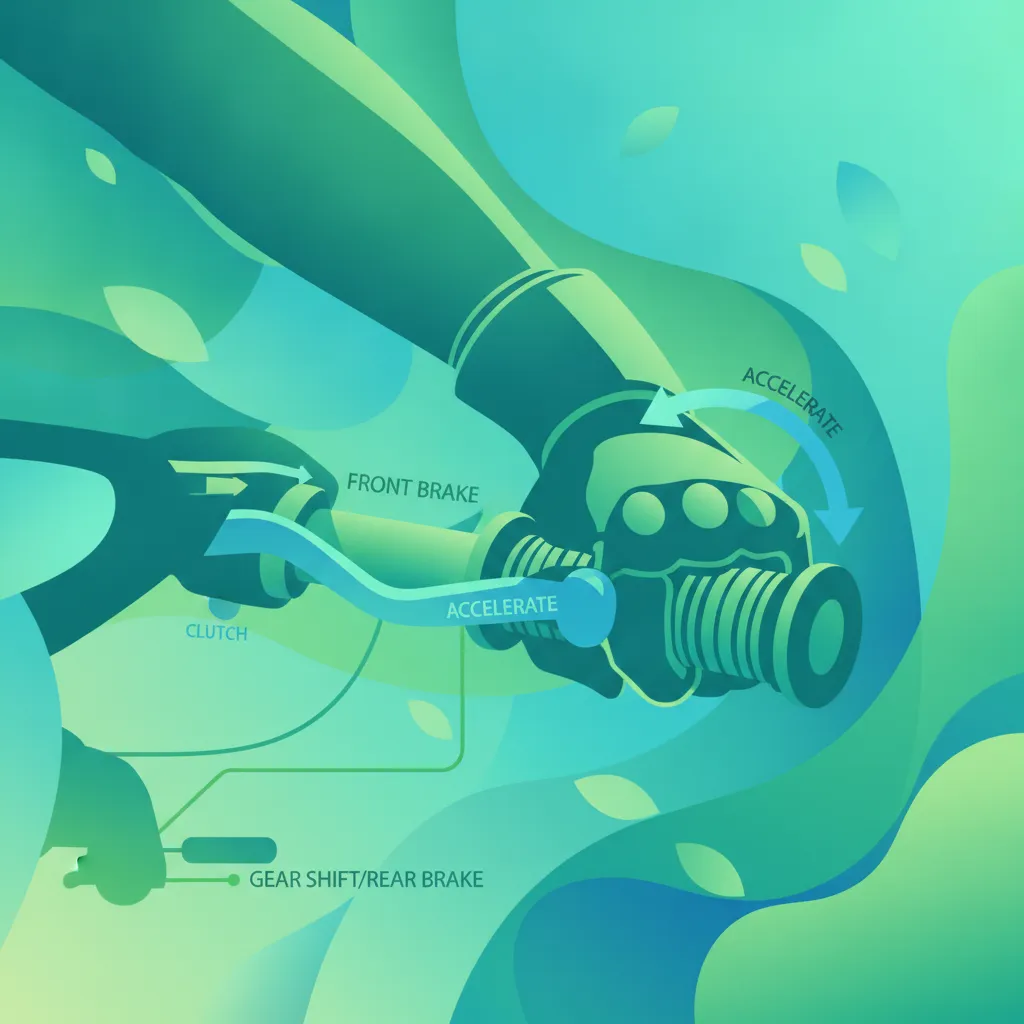
This lesson provides a functional overview of a motorcycle's essential controls, explaining the operation of the throttle, clutch, and gear selector. It differentiates between the front and rear braking systems and their roles in effective stopping. Learners will also identify handlebar switches for lights, indicators, and the horn, ensuring complete familiarity with the vehicle's interface for safe operation.
This lesson focuses specifically on motorcycle tyre maintenance, a critical safety component. It explains how to accurately measure tyre pressure, inspect for adequate tread depth, and identify uneven wear patterns that may indicate other issues. Understanding how tyre condition affects grip, handling, and braking performance is essential for every rider to maintain control.
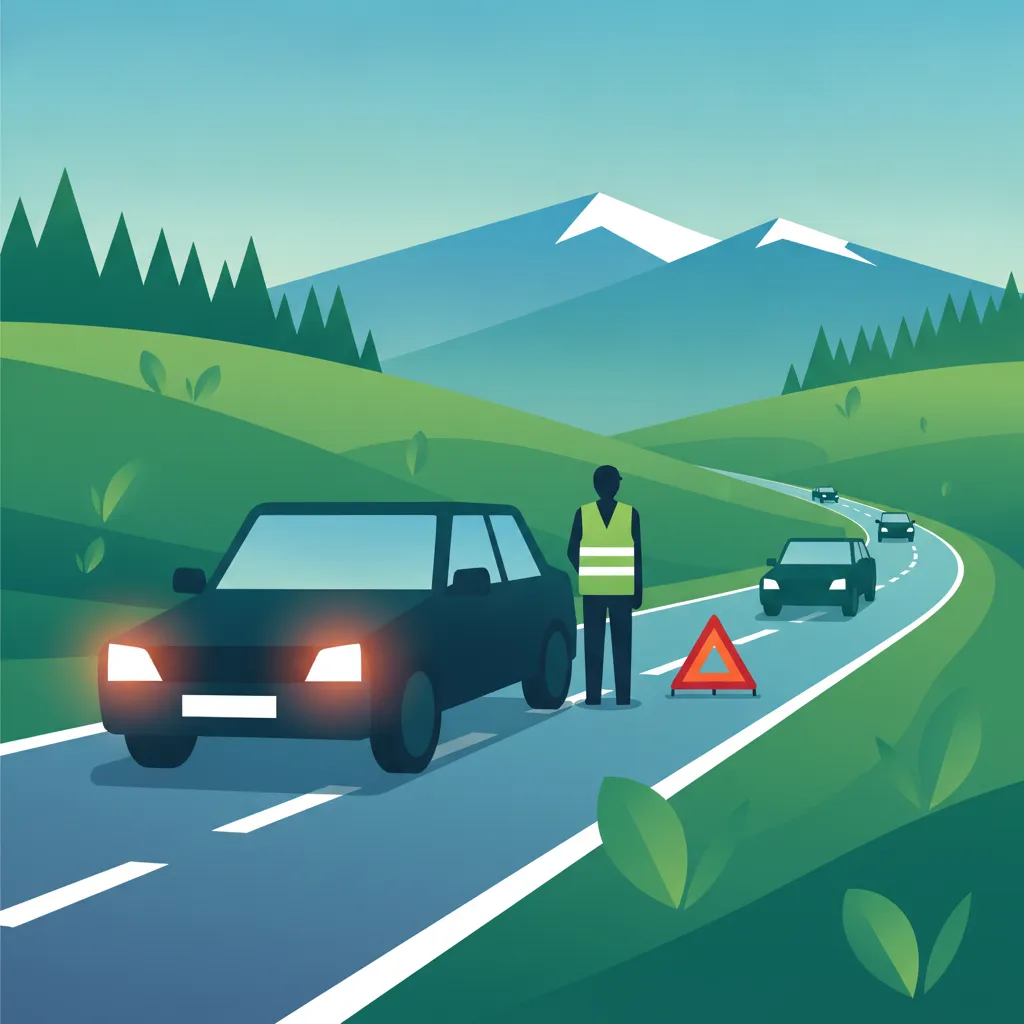
This lesson equips riders with the knowledge to manage an unexpected breakdown or accident. It outlines the steps for securing the vehicle and scene safely, including the use of hazard lights and a reflective vest. It also covers the procedure for contacting emergency services and providing essential information.
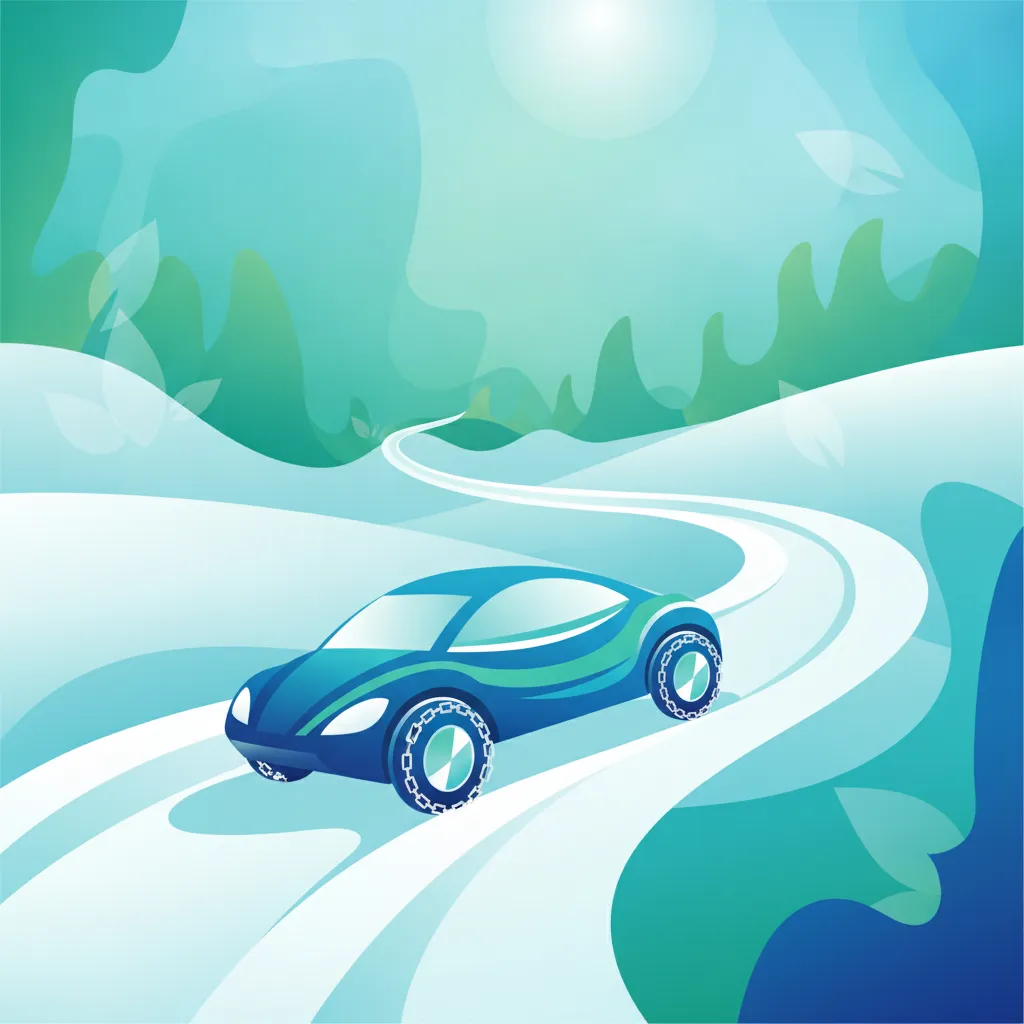
This lesson provides practical information on the use of winter equipment for AM vehicles. It explains the legal requirements for winter tires and snow chains in Austria under specific conditions. The content includes guidance on how to correctly install and remove snow chains to ensure they are effective and safe.

This lesson explains the correct techniques for using mirrors to maintain awareness of surrounding traffic and for checking blind spots. It details the proper timing and use of indicators to signal turns and lane changes effectively. The content reinforces that clear, early communication is key to preventing misunderstandings with other drivers.
This lesson focuses on the rider's primary responsibility: ensuring they are visible and their actions are predictable to other road users. It explains effective strategies such as using proper lighting, wearing reflective clothing, and adopting a safe road position. The content also emphasizes how clear signaling and anticipating the actions of others can significantly reduce the risk of collisions.
Find clear answers to common questions learners have about Pre‑Ride Vehicle Checks for Seasonal Conditions. Learn how the lesson is structured, which driving theory objectives it supports, and how it fits into the overall learning path of units and curriculum progression in Austria. These explanations help you understand key concepts, lesson flow, and exam focused study goals.
Tires are your only contact with the road. Checking them ensures they have the correct pressure and sufficient tread, which is critical for maintaining grip in wet or cold Austrian conditions.
You must ensure that your headlight, taillight, brake light, and indicators are functional. Exam questions often test your knowledge on whether a vehicle is fit for the road if one of these is non-operational.
Yes, in winter conditions, you must ensure your tires are appropriate for snow and ice, and that all control systems are free from frost or obstruction to ensure safe handling.
Many riders skip checking their brake fluid or brake lever play. If the lever feels 'spongy' or has too much travel, it indicates a mechanical issue that must be addressed immediately before riding.
Refine your study plan by searching for specific Austrian driving theory practice sets. Pinpoint questions related to particular road rules, signs, or challenge levels, and begin practicing immediately to reinforce your knowledge and excel in your official exam with confidence. Get started with focused revision today.