
This lesson teaches you how to perform vital tyre checks to ensure your motorcycle remains roadworthy and safe. Understanding tyre condition is essential for your A, A1, and A2 theory exam, as it directly impacts your vehicle's handling, grip, and braking efficiency on Austrian roads.
Lesson content overview
Maintaining your motorcycle's tyres is not just a recommendation; it is a critical safety practice and a legal requirement for all riders holding an Austrian A, A1, or A2 licence. As the sole point of contact between your motorcycle and the road, tyres directly influence every aspect of your ride, from handling and braking to stability and fuel efficiency. Neglecting tyre health is a significant factor in loss-of-control accidents, making thorough inspection and proactive maintenance indispensable for every responsible rider.
This comprehensive lesson will guide you through the essential steps of inspecting and maintaining your motorcycle tyres. We will cover how to accurately measure tyre pressure and tread depth, identify common wear patterns, understand critical tyre specifications, and recognise when tyres need replacement due to age. By mastering these maintenance routines, you will significantly enhance your safety, ensure compliance with Austrian traffic regulations, and extend the lifespan of your tyres.
Motorcycle tyres are complex, engineered components designed to provide grip, absorb road irregularities, and transmit forces for acceleration, braking, and steering. Their condition is paramount to road safety. Optimal tyre performance ensures your motorcycle responds predictably, maintains stability in varying conditions, and achieves the shortest possible stopping distances. A well-maintained tyre directly translates to a safer, more confident ride.
Conversely, worn, under-inflated, over-inflated, or damaged tyres compromise these critical functions, leading to unpredictable handling, reduced grip, increased stopping distances, and a heightened risk of accidents. Understanding the fundamental principles of tyre performance and maintenance is therefore a cornerstone of safe riding practice for Austrian roads and beyond.
Accurate tyre pressure is the single most important aspect of tyre maintenance. It affects the tyre's contact patch, which is the area of the tyre that is in contact with the road surface at any given moment. The correct contact patch ensures optimal grip, even wear, and predictable handling.
Tyre pressure must always be measured when the tyres are "cold."
Tyre pressure measured when the tyre has been stationary for at least three hours or after less than 3 km of riding. This ensures an accurate reading before heat from friction and compression causes the air inside to expand.
As you ride, the friction between the tyre and the road, along with the compression and flexion of the tyre's structure, generates heat. This heat causes the air inside the tyre to expand, increasing the internal pressure. This is known as "dynamic pressure" or "hot pressure." While dynamic pressure is a natural phenomenon, it is not used for setting specifications. Always refer to the manufacturer's recommended cold pressure, which is usually found in your motorcycle's owner's manual or on a sticker on the swingarm or frame.
Measuring tyre pressure when the tyres are hot will provide an inaccurately high reading. If you then deflate the tyre to the recommended pressure based on this hot reading, the tyre will be significantly under-inflated once it cools down. This can lead to serious safety issues.
Measuring your tyre pressure is a straightforward process that should be performed regularly, ideally before every major ride or at least weekly.
Gather Your Tools: You will need a reliable, calibrated tyre pressure gauge. Digital gauges are generally more accurate and easier to read than pencil-style gauges.
Ensure Tyres Are Cold: Park your motorcycle and allow the tyres to cool for at least three hours. If you must ride to a service station, keep the distance under 3 km and ride at low speeds.
Check Manufacturer Specifications: Consult your motorcycle's owner's manual for the exact recommended cold tyre pressure for both the front and rear tyres. These specifications may vary depending on whether you are riding solo or with a passenger and luggage.
Remove Valve Cap: Unscrew the valve cap from the tyre valve stem.
Attach Pressure Gauge: Firmly press the gauge onto the valve stem until the hissing sound of escaping air stops and the gauge displays a reading.
Read the Pressure: Note the reading. If it is too low, add air using a suitable compressor until the correct pressure is reached. If it is too high, gently press the metal pin in the centre of the valve stem to release air until the correct pressure is achieved.
Recheck and Replace Cap: Always recheck the pressure after adjusting. Once the correct pressure is set, replace the valve cap to prevent dirt and moisture from entering the valve.
The tread on your motorcycle tyres is crucial for grip, particularly in wet conditions. The grooves are designed to channel water away from the contact patch, preventing hydroplaning (aquaplaning) – a dangerous condition where the tyre loses contact with the road surface due to a layer of water.
Austrian road traffic regulations stipulate a minimum tread depth requirement for motorcycle tyres.
Typically, the minimum legal tread depth for motorcycle tyres in Austria, and across most of Europe, is 1.6 millimetres across the central three-quarters of the tread. However, for optimum safety, especially in wet conditions, many manufacturers recommend replacing tyres when the tread depth falls below 2-3 mm. It's important to remember that this minimum depth applies to all tyres used on public roads.
You can assess tread depth using a specialised gauge or, in a pinch, with a coin.
Use a Tread Depth Gauge: This is the most accurate method. Insert the gauge's probe into the main tread grooves at several points around the tyre's circumference. Avoid measuring on wear bars or areas without full tread.
Check Wear Indicators (TWI): Most modern tyres have Tread Wear Indicators (TWIs). These are small raised bars moulded into the main grooves of the tyre tread. When the tyre tread is worn down to the level of these bars, it means the tread depth has reached the legal minimum (usually 1.6 mm) and the tyre needs replacing.
The Coin Test (Less Accurate): While less precise than a gauge, a coin can offer a quick visual check. If you insert a 1-Euro coin into the main tread grooves, the outer gold rim of the coin should be fully covered. If it's visible, your tread depth might be too shallow. This is not a substitute for a proper gauge but can be a useful preliminary check.
Regularly checking the tread depth on both your front and rear tyres is crucial. The rear tyre often wears faster due to transmitting power and carrying more weight, but the front tyre's condition is equally critical for steering and braking.
Tyres should ideally wear evenly across their tread surface. Any deviation from this uniform wear can indicate an underlying mechanical issue with your motorcycle's suspension, wheel balance, or alignment. Recognising these patterns early can prevent further damage to your tyres and avert potential safety hazards.
An irregular, wave-like wear pattern on the tyre surface, creating distinct dips and high spots. It often indicates issues with suspension components (worn shock absorbers, incorrect damping), unbalanced wheels, or loose wheel bearings.
A condition where the tread ribs or blocks are worn smoother on one side and sharper on the other, creating a 'feathered' edge if you run your hand across the tread. This is typically a sign of improper wheel alignment, incorrect toe-in/toe-out, or excessive camber.
Excessive wear concentrated on the inner or outer edges (shoulders) of the tyre tread, while the centre remains relatively unworn.
If you notice any of these uneven wear patterns, it's essential to have your motorcycle inspected by a qualified mechanic. Addressing the root cause will not only extend the life of your tyres but, more importantly, restore your motorcycle's optimal handling and safety.
Every motorcycle tyre has specific markings on its sidewall that convey crucial information about its capabilities. Among the most important are the Load Index and Speed Rating, which are legally mandated to match or exceed your motorcycle manufacturer's specifications.
A numeric code stamped on the tyre sidewall that indicates the maximum load capacity a single tyre can safely carry at the speed indicated by its speed rating.
For example, a load index of "66" corresponds to a maximum load of 300 kg. Exceeding this load capacity can cause the tyre to overheat, deform, and potentially fail catastrophically. Always ensure your tyres have a load index suitable for your motorcycle's Gross Vehicle Weight Rating (GVWR), including the weight of the rider, passenger, and any luggage.
An alphabetic code (sometimes followed by a number) stamped on the tyre sidewall, indicating the maximum speed at which the tyre can safely carry its rated load under specified conditions.
For instance, an "H" speed rating indicates a maximum speed of 210 km/h, while a "V" rating goes up to 240 km/h. It is legally mandatory for your motorcycle's tyres to have a speed rating that meets or exceeds the motorcycle's top speed capabilities. Fitting tyres with a lower speed rating is illegal in Austria and extremely dangerous, as the tyre may not be able to withstand the heat and forces generated at high speeds.
Never fit a tyre with a lower load index or speed rating than that specified by your motorcycle manufacturer. Doing so compromises safety and is illegal under Austrian vehicle regulations.
Tyres are not just about tread depth; their structural integrity and chemical composition degrade over time, even if they appear to have plenty of tread remaining. Rubber compounds harden, become brittle, and lose their elastic properties due to exposure to UV light, oxygen, temperature fluctuations, and stress.
Every tyre carries a DOT code (Department of Transportation), a series of letters and numbers on its sidewall. The last four digits of this code indicate the week and year of manufacture. For example, "2619" means the tyre was manufactured in the 26th week of 2019.
While the exact legal limits can vary, a widely accepted guideline and strong recommendation in Austria and by tyre manufacturers is to replace motorcycle tyres when they are 5 to 6 years old, regardless of how much tread they have or how frequently they've been used. Beyond this age, the rubber degrades significantly, increasing the risk of sudden failure, such as tread separation or sidewall cracking, even if the tyre looks fine visually. Always check the DOT code when purchasing new tyres to ensure they are not already old stock.
Austrian road safety regulations (primarily the Kraftfahrzeuggesetz – KfzG, and Straßenverkehrsordnung – StVO) are clear about the condition and specifications of tyres used on public roads. Non-compliance can lead to fines, points on your licence, and rejection during mandatory technical inspections (Pickerl).
Adhering to these regulations is not merely about avoiding penalties; it's about ensuring your safety and the safety of other road users.
Even experienced riders can sometimes overlook crucial aspects of tyre maintenance. Being aware of these common pitfalls can help you maintain your tyres correctly.
Tyre maintenance isn't static; it must adapt to dynamic riding conditions.
Understanding and implementing proper tyre maintenance is directly linked to several other critical aspects of your motorcycle theory and practical riding.
By prioritising tyre inspection and maintenance, you are not just performing a chore; you are actively contributing to your safety, extending the life of your motorcycle, and fulfilling your legal responsibilities as an Austrian rider. Make it a regular habit, and you'll ride with greater confidence and control.
This lesson covers the essential maintenance practices for motorcycle tyres required for Austrian licence exams. You must always measure cold tyre pressure using a calibrated gauge and adjust for load conditions (passenger/luggage) using manufacturer specifications. The legal minimum tread depth is 1.6 mm, but replacement is recommended at 2-3 mm for wet safety; watch for Tread Wear Indicators to know when replacement is required. Recognising wear patterns like cupping, feathering, and shoulder wear helps identify mechanical issues early. Finally, tyre age is critical—rubber degrades over time, so replace tyres at 5-6 years old regardless of tread remaining, and always ensure load index and speed rating meet or exceed manufacturer requirements, which is mandatory under Austrian vehicle regulations.
A short set of high-value points that capture the most important learning from this lesson.
Tyre pressure must always be measured when tyres are cold (stationary for 3+ hours or after less than 3 km riding) to get an accurate reading
Austrian law requires a minimum tread depth of 1.6 mm across the central three-quarters of motorcycle tyres to prevent hydroplaning
Uneven wear patterns like cupping, feathering, or shoulder wear indicate underlying mechanical problems with suspension, alignment, or wheel balance
Tyre age matters: replace motorcycle tyres after 5-6 years regardless of tread depth, as rubber compounds degrade and become brittle
Load index and speed rating must meet or exceed manufacturer specifications—this is a legal requirement in Austria
Explore all units and lessons included in this driving theory course.
Under-inflated tyres cause excessive sidewall flexing, heat buildup, and increased risk of blowout at higher speeds
Over-inflated tyres reduce the contact patch, decreasing grip and causing a harsh, uncomfortable ride
The DOT code's last four digits indicate the week and year of manufacture (e.g., 2619 = 26th week of 2019)
Front and rear tyres often have different recommended pressures, especially when carrying a passenger or luggage
Tyre Wear Indicators (TWI) are small raised bars that signal when tread has reached the legal minimum depth
Checking tyre pressure when tyres are hot, which gives an inaccurately high reading and leads to under-inflation after cooling
Assuming a tyre with adequate tread depth is safe—tyres over 6 years old may be dangerously degraded despite appearing fine
Neglecting the rear tyre while focusing only on the front, ignoring that the rear often wears faster from power transmission
Relying solely on visual inspection instead of using a calibrated pressure gauge and tread depth tool
Ignoring early signs of uneven wear, which are warnings of suspension or alignment problems that will worsen if left unchecked
Lesson content overview
A short set of high-value points that capture the most important learning from this lesson.
Tyre pressure must always be measured when tyres are cold (stationary for 3+ hours or after less than 3 km riding) to get an accurate reading
Austrian law requires a minimum tread depth of 1.6 mm across the central three-quarters of motorcycle tyres to prevent hydroplaning
Uneven wear patterns like cupping, feathering, or shoulder wear indicate underlying mechanical problems with suspension, alignment, or wheel balance
Tyre age matters: replace motorcycle tyres after 5-6 years regardless of tread depth, as rubber compounds degrade and become brittle
Load index and speed rating must meet or exceed manufacturer specifications—this is a legal requirement in Austria
Explore all units and lessons included in this driving theory course.
Under-inflated tyres cause excessive sidewall flexing, heat buildup, and increased risk of blowout at higher speeds
Over-inflated tyres reduce the contact patch, decreasing grip and causing a harsh, uncomfortable ride
The DOT code's last four digits indicate the week and year of manufacture (e.g., 2619 = 26th week of 2019)
Front and rear tyres often have different recommended pressures, especially when carrying a passenger or luggage
Tyre Wear Indicators (TWI) are small raised bars that signal when tread has reached the legal minimum depth
Checking tyre pressure when tyres are hot, which gives an inaccurately high reading and leads to under-inflation after cooling
Assuming a tyre with adequate tread depth is safe—tyres over 6 years old may be dangerously degraded despite appearing fine
Neglecting the rear tyre while focusing only on the front, ignoring that the rear often wears faster from power transmission
Relying solely on visual inspection instead of using a calibrated pressure gauge and tread depth tool
Ignoring early signs of uneven wear, which are warnings of suspension or alignment problems that will worsen if left unchecked
Explore search topics learners often look for when studying Tyre Inspection and Maintenance. These topics reflect common questions about road rules, driving situations, safety guidance, and lesson level theory preparation for learners in Austria.
Browse additional driving theory lessons that cover connected traffic rules, road signs, and common driving situations related to this topic. Improve your understanding of how different rules interact across everyday traffic scenarios.
Learn essential motorcycle tyre inspection and maintenance procedures. Understand how to check tyre pressure, assess tread depth, identify wear patterns, and recognise the importance of tyre age for safety on Austrian roads.
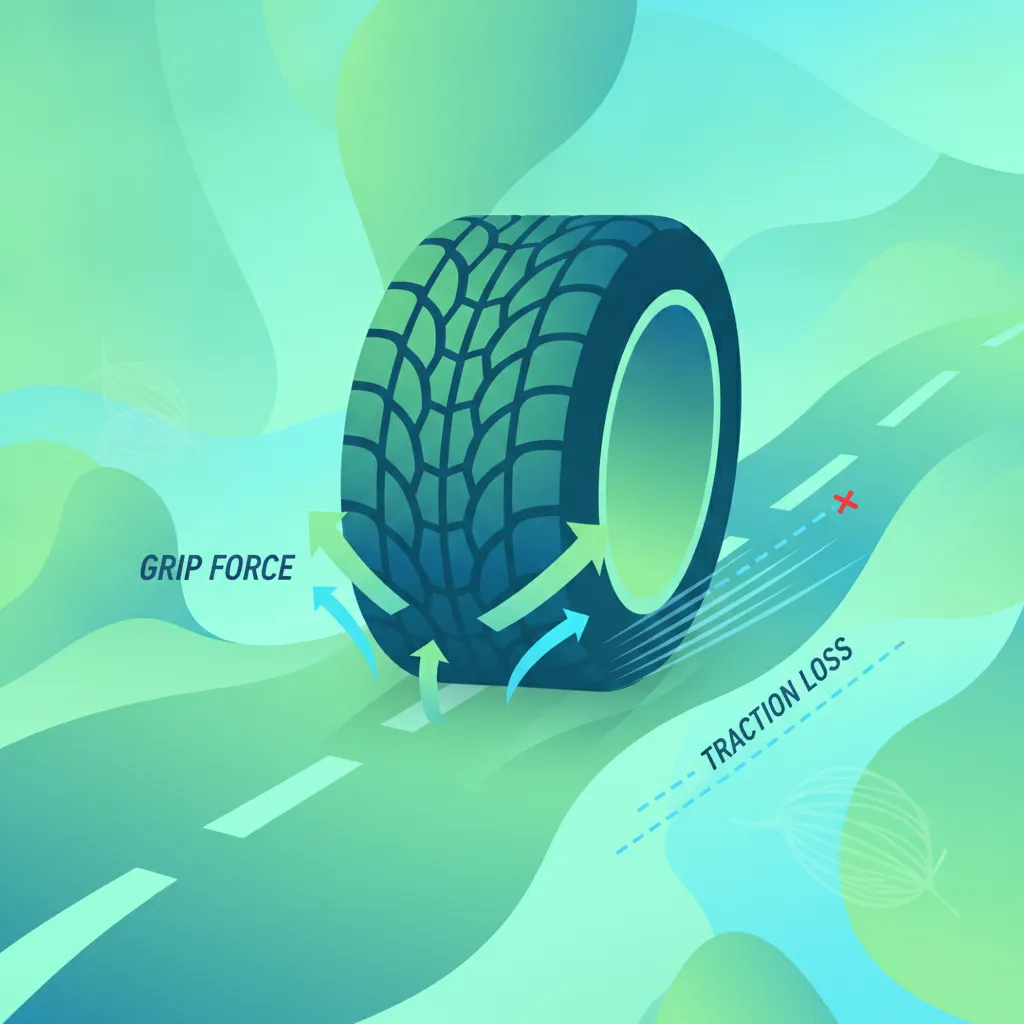
This lesson delves into the science of tyre traction, explaining how the small contact patch is critical for control. It examines how factors like tyre pressure, temperature, and road surface conditions (wet, dry, gravel) affect the available grip. Understanding the limits of traction is essential for knowing how hard a rider can safely brake or corner in any given situation.
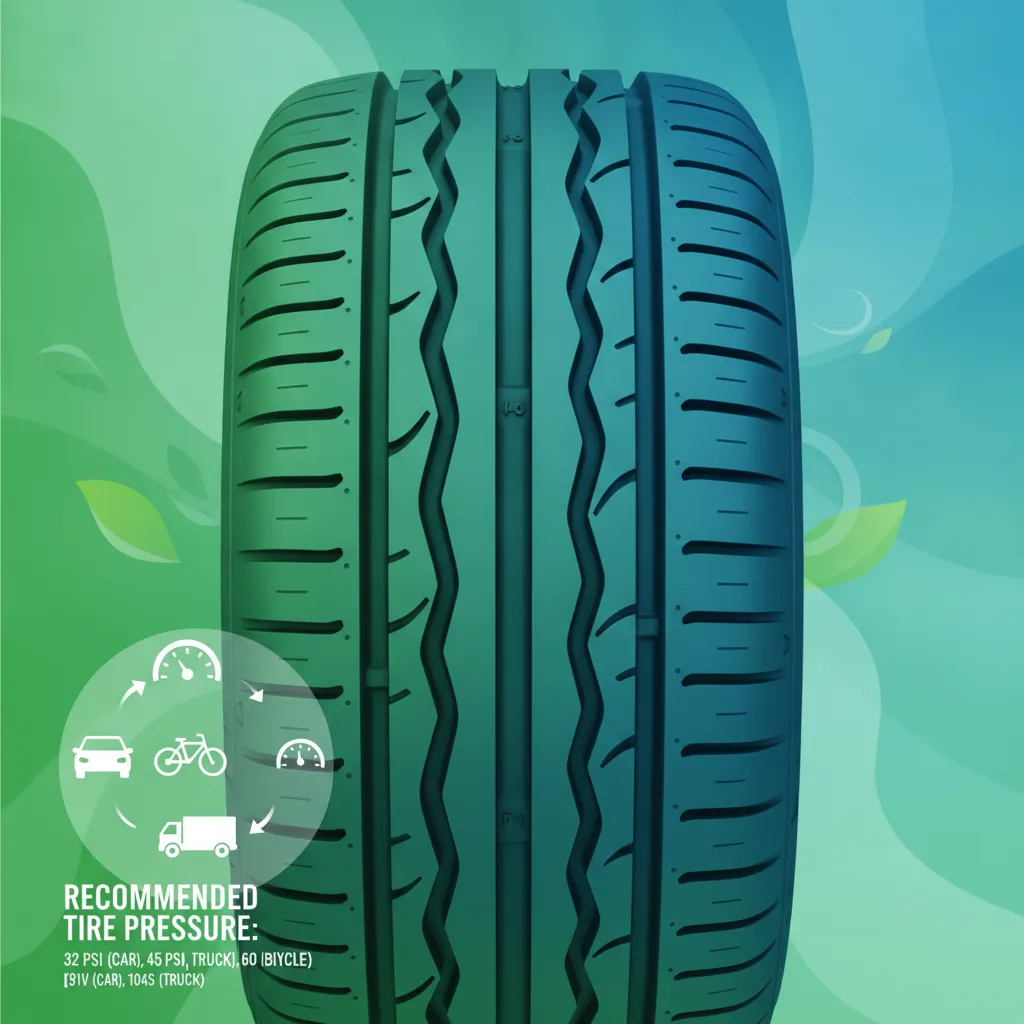
This lesson provides detailed information on heavy vehicle tyres, covering topics such as correct inflation pressures, legal tread depth requirements, and understanding the load index. It explains how to identify signs of abnormal wear or damage that could compromise safety. Proper tyre maintenance is crucial for optimal handling, braking, and overall vehicle safety.
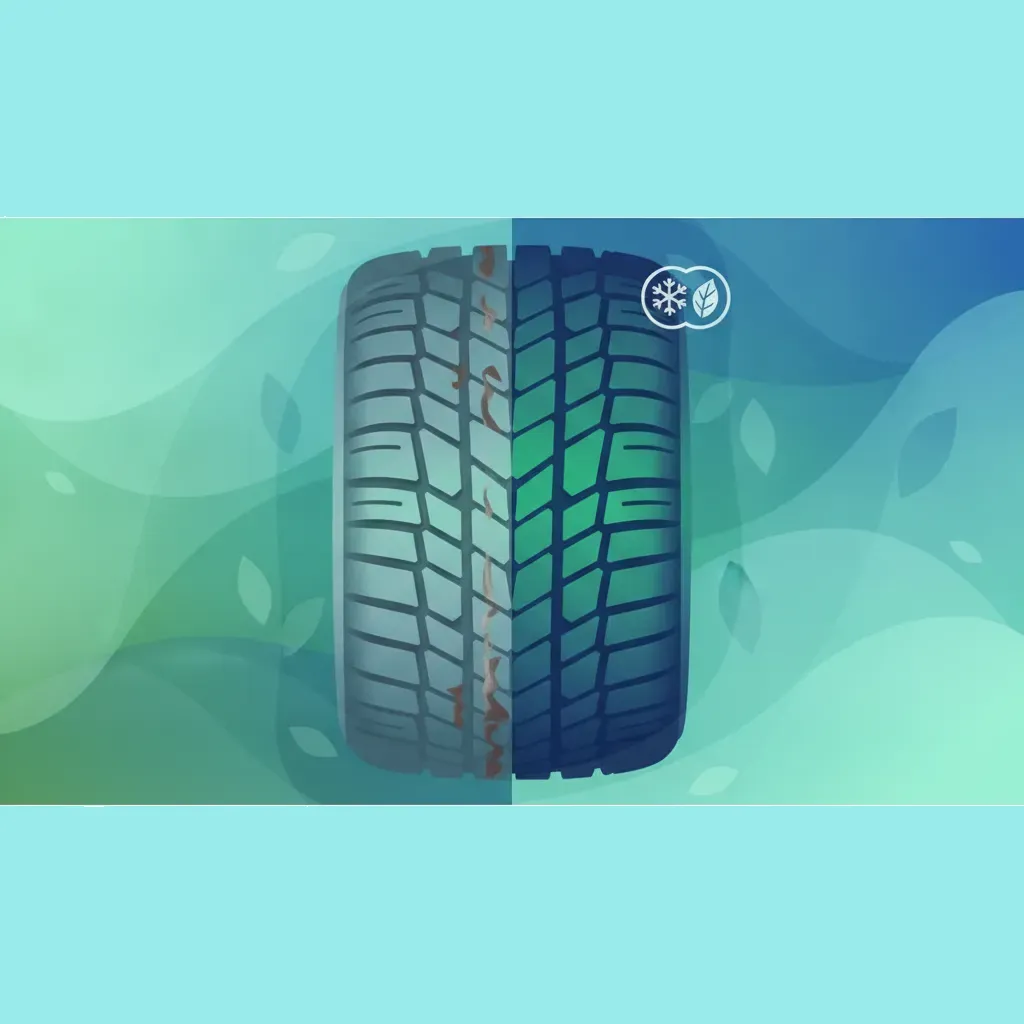
This lesson details the critical role tyres play in vehicle safety, focusing on Austrian regulations for seasonal use. Learners will understand the mandatory period for winter tyres, the legal minimum for tread depth, and the importance of maintaining correct tyre pressure for optimal grip and fuel efficiency. The content explains how tyre condition directly affects braking distance and the risk of aquaplaning, making it a key safety component.

This lesson examines how adverse weather directly affects motorcycle safety. It explains how water on the road reduces tyre grip, increasing braking distances and the risk of aquaplaning. Strategies for riding in fog, dealing with reduced visibility from road spray, and identifying potential ice patches are covered to help riders manage weather-related risks.

This lesson outlines the critical pre-ride inspection process, often remembered by the acronym T-CLOCS (Tires, Controls, Lights, Oil, Chassis, Stands). It guides learners through checking tyre pressure and tread, verifying brake and control functionality, and confirming all lights are operational. Performing these systematic checks before every ride is fundamental to preventing equipment failure and ensuring safety on the road.
This lesson introduces the fundamentals of regular vehicle inspection and preventive maintenance. Learners will understand how to perform essential pre-drive checks, including verifying fluid levels (oil, coolant, washer fluid), testing brakes, and checking the responsiveness of the steering. Adhering to a basic maintenance schedule is presented as a critical habit for ensuring long-term vehicle safety and roadworthiness, helping to prevent mechanical failures.

This lesson details the mandatory personal and vehicle documentation required for motorcyclists in Austria. It covers the necessity of carrying a valid licence card, vehicle registration papers, and proof of insurance at all times. Understanding these legal requirements ensures full compliance with Austrian traffic law and facilitates smooth interactions with law enforcement.

This lesson explores the critical relationship between tire grip and different road surfaces. It provides strategies for identifying and navigating hazards such as wet leaves, gravel, and potential black ice. The importance of maintaining correct tire pressure and monitoring tread wear for optimal traction is also emphasized.

This lesson covers the essential personal protective equipment (PPE) required for motorcycling in Austria. It details the safety standards for helmets, including fit and certification, and explains the benefits of armored jackets, gloves, and sturdy boots. The importance of high-visibility and weather-appropriate gear is also discussed to enhance rider protection in all conditions.
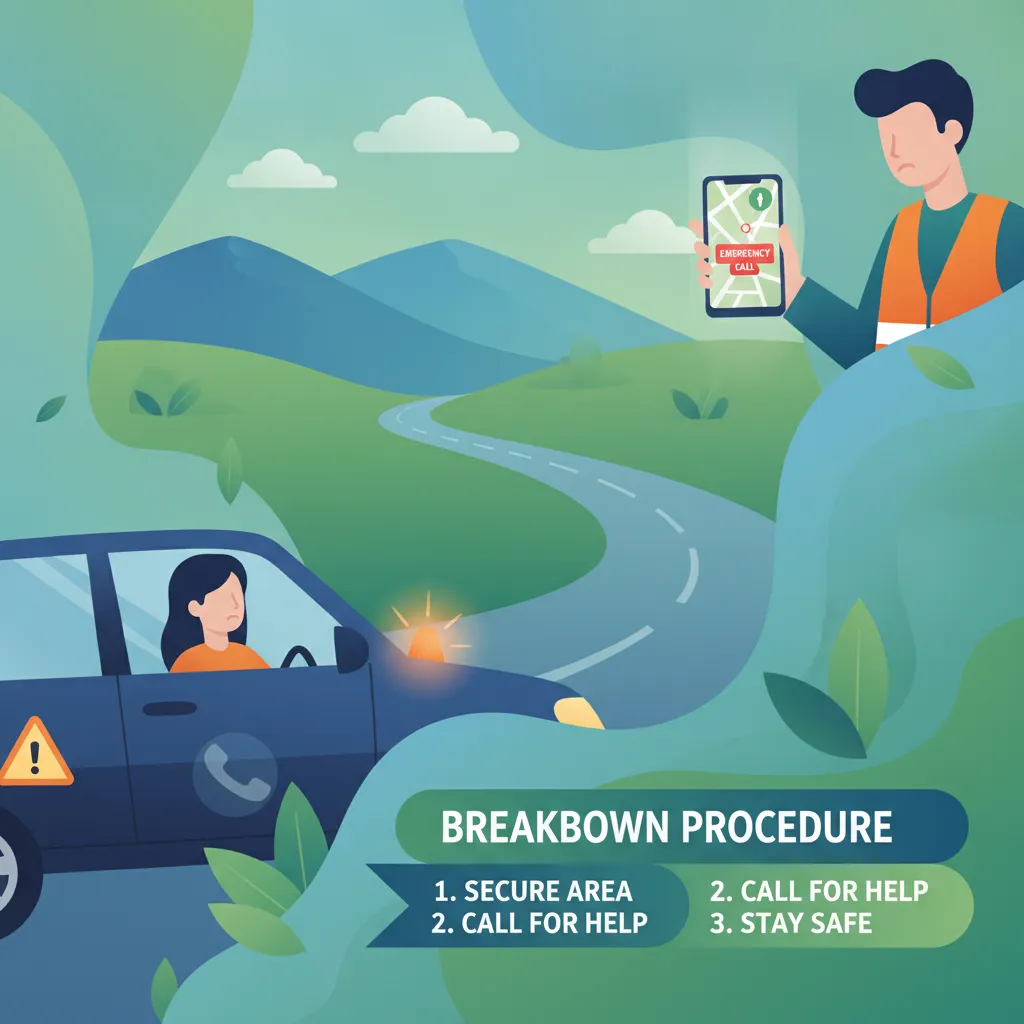
This lesson outlines the step-by-step safety protocol for a vehicle breakdown. It instructs the rider to move the motorcycle to the safest possible location, activate hazard lights, and put on a high-visibility vest. The proper placement of a warning triangle and the procedure for making an emergency call to 112 or a roadside assistance service are also detailed.
Understand critical motorcycle tyre specifications like load index and speed rating. Learn to decode the DOT code to check tyre age and ensure compliance with Austrian regulations for safe and legal riding.
This lesson provides detailed information on heavy vehicle tyres, covering topics such as correct inflation pressures, legal tread depth requirements, and understanding the load index. It explains how to identify signs of abnormal wear or damage that could compromise safety. Proper tyre maintenance is crucial for optimal handling, braking, and overall vehicle safety.
This lesson delves into the science of tyre traction, explaining how the small contact patch is critical for control. It examines how factors like tyre pressure, temperature, and road surface conditions (wet, dry, gravel) affect the available grip. Understanding the limits of traction is essential for knowing how hard a rider can safely brake or corner in any given situation.
This lesson details the critical role tyres play in vehicle safety, focusing on Austrian regulations for seasonal use. Learners will understand the mandatory period for winter tyres, the legal minimum for tread depth, and the importance of maintaining correct tyre pressure for optimal grip and fuel efficiency. The content explains how tyre condition directly affects braking distance and the risk of aquaplaning, making it a key safety component.

This lesson provides essential knowledge for using Austria's high-speed road network. It covers the correct procedure for entering via acceleration lanes, maintaining strict lane discipline (keeping right, passing left), and understanding the digital or physical Vignette (toll sticker) requirement. The formation of the 'Rettungsgasse' (emergency corridor) during traffic jams is also a key topic.
This lesson details the mandatory personal and vehicle documentation required for motorcyclists in Austria. It covers the necessity of carrying a valid licence card, vehicle registration papers, and proof of insurance at all times. Understanding these legal requirements ensures full compliance with Austrian traffic law and facilitates smooth interactions with law enforcement.

This lesson explains the significant impact of extra weight from a passenger or luggage on a motorcycle's dynamics. It covers how to properly secure loads to maintain a low center of gravity and the importance of instructing a passenger on how to lean with the bike. Riders will learn to adjust their braking, acceleration, and cornering techniques to compensate for the altered handling characteristics.

This lesson details the technical specifications for each Austrian motorcycle licence category: A1, A2, and A. It clarifies the legal limits on engine capacity and power output, alongside the minimum age requirements for each stage. By outlining the clear progression path, learners will grasp the necessary steps and training phases to advance their riding qualifications according to Austrian law.
Find clear answers to common questions learners have about Tyre Inspection and Maintenance. Learn how the lesson is structured, which driving theory objectives it supports, and how it fits into the overall learning path of units and curriculum progression in Austria. These explanations help you understand key concepts, lesson flow, and exam focused study goals.
In Austria, the minimum tread depth for motorcycles is 1.6 mm across the entire tread surface. However, for your safety and improved grip on wet alpine roads, it is highly recommended to replace tyres well before they reach this legal limit.
You should check your tyre pressure before every long ride and at least once a week for daily commuters. Always check the pressure when the tyres are cold, as heat from riding increases internal pressure, which can give you an inaccurate reading.
Uneven wear patterns, such as cupping or flat spots, often indicate issues like incorrect tyre pressure, worn-out suspension components, or wheel imbalance. If you notice these, they must be addressed immediately as they significantly reduce your control and cornering stability.
Correct tyre pressure ensures the tyre maintains the designed contact patch with the road. If the pressure is too low, the tyre wall can deform, causing sluggish steering and unpredictable handling, which is extremely dangerous when navigating tight bends on alpine routes.
Refine your study plan by searching for specific Austrian driving theory practice sets. Pinpoint questions related to particular road rules, signs, or challenge levels, and begin practicing immediately to reinforce your knowledge and excel in your official exam with confidence. Get started with focused revision today.