
This lesson teaches you the fundamental vehicle checks required for every Category B driver in Austria. By mastering these routine inspections, you ensure your car remains safe, legal, and reliable, building the core technical competence expected in the theory exam.
Lesson content overview
Understanding the fundamental principles of vehicle inspection and preventive maintenance is crucial for every driver seeking an Austrian Category B driver's license. This comprehensive guide will equip you with the knowledge to ensure your vehicle is always safe, reliable, and legally roadworthy on Austria's diverse road network. Regular checks not only prevent unexpected mechanical failures but also significantly enhance your safety and the safety of other road users.
The condition of your vehicle directly impacts its safety and legality. A systematic approach to vehicle inspection and maintenance helps mitigate hazards caused by mechanical failures, ensuring you can stop, steer, and be seen effectively. This lesson is fundamental, linking to broader topics such as vehicle safety systems, proper load security, and your overarching responsibility as a driver. By adhering to a basic maintenance schedule, you build confidence and contribute to overall road safety.
Preventive maintenance is the cornerstone of safe and reliable vehicle operation. It involves routine actions designed to sustain optimal vehicle performance and proactively avert breakdowns. Understanding its principles, along with inspection frequencies, safety-critical systems, and legal compliance, forms the bedrock of responsible vehicle ownership.
Different parts of your vehicle require inspection at varying intervals, aligning with typical wear rates and legal obligations. Establishing a consistent inspection schedule is vital for maintaining roadworthiness.
Certain vehicle systems are designated as "safety-critical" because their failure could directly lead to a loss of control or a significantly increased risk of an accident. These systems include the brakes, steering, tires, and lights. Their flawless operation is non-negotiable for safe driving. It is imperative that these components are inspected before each journey and maintained meticulously according to manufacturer guidelines and legal requirements. Any indication of a fault in these systems warrants immediate attention and repair.
As a driver in Austria, you are legally obligated to ensure your vehicle is in a roadworthy condition before operating it on public roads. This commitment is enshrined in Austrian traffic law, specifically the Straßenverkehrsordnung (StVO). Failure to comply with these statutory requirements can result in fines, penalties, or even the removal of your vehicle from traffic. This includes maintaining proper functionality of all safety-critical systems, adhering to minimum tire tread depths, and ensuring your vehicle passes mandatory periodic technical inspections. You must always keep proof of inspection and ensure all components remain within legal operational limits.
A pre-drive inspection is a quick, systematic visual and functional check performed before every trip. Its purpose is to detect immediate safety issues that could compromise your journey. By incorporating these checks into your daily routine, you proactively ensure your vehicle's roadworthiness.
Begin your pre-drive check with a walk-around inspection of your vehicle. This quick visual scan can reveal many potential problems.
Maintaining correct fluid levels is critical for your vehicle's health and operational safety. Low levels of essential fluids can lead to engine damage, overheating, or even brake failure.
Engine Oil: Check the engine oil level using the dipstick, typically when the engine is cold and the vehicle is on level ground. The level should be between the "MIN" and "MAX" marks. Engine oil lubricates moving parts and helps regulate temperature.
Coolant: Verify the coolant level in the expansion tank when the engine is cold. Coolant prevents the engine from overheating and freezing.
Windshield Washer Fluid: Ensure the washer fluid reservoir is adequately filled. This is vital for maintaining clear visibility, especially in adverse weather conditions.
Brake Fluid: Check the brake fluid level in its reservoir. A low level can indicate worn brake pads or a leak in the brake system, both of which severely compromise braking effectiveness. Never ignore low brake fluid; it's a critical safety concern.
Your tires are the sole point of contact between your vehicle and the road. Their condition and pressure profoundly affect grip, braking distance, fuel efficiency, and overall handling.
The brake system is arguably the most critical safety system in your vehicle. Its reliable operation is paramount for safe driving.
Accurate steering control is fundamental to vehicle safety. A healthy steering system provides predictable and responsive handling.
Properly functioning lighting systems are essential for you to see the road and for other road users to see your vehicle and understand your intentions.
Headlights: Check both dipped/low beam and high beam headlights.
Taillights: Ensure both rear taillights are working.
Brake Lights: Have someone stand behind your vehicle (or reverse up to a reflective surface) to confirm all three brake lights (two main, one high-mounted) illuminate when the brake pedal is pressed.
Indicator Lights (Turn Signals): Check all four indicator lights (front and rear, left and right) flash at a regular rate. A fast-flashing indicator usually signals a blown bulb on that side.
Hazard Warning Lights: Activate your hazard lights to ensure all indicators flash simultaneously. These are used when your vehicle is stationary and poses a traffic hazard, not while moving.
Fog Lights: If equipped, check front and rear fog lights.
Number Plate Lights: Ensure the lights illuminating your rear number plate are working.
Austrian StVO (§ 41) regulates the usage and functionality of all lights. Ensure they are clean and free from obstructions.
Properly securing any load, whether in the boot, on a roof rack, or when towing a trailer, is critical for vehicle stability and safety. Unsecured loads can shift, affecting your vehicle's handling, braking, and steering. In extreme cases, they can even fall off, creating a severe hazard for other drivers.
Beyond daily checks, a structured maintenance schedule is vital for your vehicle's long-term health and to comply with legal requirements.
Your vehicle's owner's manual contains detailed information on recommended service intervals. These are typically based on mileage (e.g., every 15,000 km) or time (e.g., annually), whichever comes first. Following these schedules ensures that components like engine oil, filters, spark plugs, and brake pads are replaced before they wear out, preventing more serious and expensive damage. Ignoring service reminders can void warranties and lead to premature component failure.
In Austria, private vehicles are subject to mandatory periodic technical inspections, known as "Pickerl" inspections. These inspections are carried out by authorized service centers and garages and certify your vehicle's roadworthiness. The frequency of these inspections varies, but for new private cars, it's typically an initial inspection after 3 years, then after 2 years, and subsequently annually. The sticker on your windshield indicates the next inspection due date. Failure to have your vehicle inspected on time, or driving with a "Pickerl" that has expired, is illegal and can result in significant fines. This inspection covers crucial areas like brakes, steering, suspension, lights, emissions, and chassis integrity.
Being aware of common issues and how to prevent them can save you trouble and ensure safer driving.
The environment and specific driving conditions demand variations in your inspection routine and an increased focus on certain aspects.
The relationship between proper vehicle maintenance and driving outcomes is a clear cause-and-effect.
By prioritizing vehicle inspection and maintenance, you are not only ensuring your own safety but also fulfilling your responsibilities as a driver under Austrian law.
This lesson covers essential pre-drive vehicle inspections and long-term maintenance practices required for Austrian Category B drivers. Key checks include verifying fluid levels (oil, coolant, brake fluid, washer fluid), testing brake pedal and parking brake responsiveness, assessing steering free play, and confirming all lighting systems function correctly. Austrian drivers must comply with StVO requirements and maintain mandatory periodic technical inspections (Pickerl). Safety-critical systems—brakes, steering, tires, and lights—demand the highest attention, as their failure directly compromises vehicle control. Regular preventive maintenance and adherence to manufacturer service intervals prevent breakdowns and ensure legal roadworthiness on Austria's diverse roads, including motorways and alpine routes.
A short set of high-value points that capture the most important learning from this lesson.
Pre-drive inspections should verify fluid levels, tire condition, brake responsiveness, steering play, and all lighting systems before every journey.
Safety-critical systems (brakes, steering, tires, lights) require the most attention as their failure directly causes loss of control or accidents.
Austria mandates periodic technical inspections ('Pickerl') with specific intervals: initially after 3 years for new cars, then every 2 years, then annually.
Tire tread depth must meet legal minimums (typically 1.6 mm, with winter tires recommended at 4 mm for alpine conditions) to prevent hydroplaning and maintain grip.
Neglecting fluid levels, particularly engine oil and brake fluid, can lead to catastrophic failures including engine seizure or complete brake loss.
Explore all units and lessons included in this driving theory course.
Brake pedal free travel should be minimal; excessive travel or a spongy feel indicates a serious brake system fault requiring immediate professional inspection.
Check tire pressure when tires are cold and inflate to manufacturer specifications found on the driver's door jamb or in the owner's manual.
Hazard warning lights are for stationary vehicles posing a traffic hazard only—never use them while driving.
The ABS warning light must extinguish after starting the engine; if it stays on, anti-lock function is disabled even though regular brakes may still work.
Keep proof of your latest technical inspection in the vehicle as authorities may request it.
Driving with low tire pressure, which increases fuel consumption, causes uneven wear, reduces grip, and raises blowout risk.
Ignoring non-functional brake lights, which prevents following drivers from seeing your braking intentions and increases rear-end collision risk.
Skipping or delaying the mandatory Pickerl technical inspection, which is illegal and can result in significant fines.
Using hazard lights while the vehicle is moving, which confuses other road users about your intentions.
Neglecting to check fluid levels before long trips, particularly engine oil and coolant, leading to potential engine damage or overheating.
Lesson content overview
A short set of high-value points that capture the most important learning from this lesson.
Pre-drive inspections should verify fluid levels, tire condition, brake responsiveness, steering play, and all lighting systems before every journey.
Safety-critical systems (brakes, steering, tires, lights) require the most attention as their failure directly causes loss of control or accidents.
Austria mandates periodic technical inspections ('Pickerl') with specific intervals: initially after 3 years for new cars, then every 2 years, then annually.
Tire tread depth must meet legal minimums (typically 1.6 mm, with winter tires recommended at 4 mm for alpine conditions) to prevent hydroplaning and maintain grip.
Neglecting fluid levels, particularly engine oil and brake fluid, can lead to catastrophic failures including engine seizure or complete brake loss.
Explore all units and lessons included in this driving theory course.
Brake pedal free travel should be minimal; excessive travel or a spongy feel indicates a serious brake system fault requiring immediate professional inspection.
Check tire pressure when tires are cold and inflate to manufacturer specifications found on the driver's door jamb or in the owner's manual.
Hazard warning lights are for stationary vehicles posing a traffic hazard only—never use them while driving.
The ABS warning light must extinguish after starting the engine; if it stays on, anti-lock function is disabled even though regular brakes may still work.
Keep proof of your latest technical inspection in the vehicle as authorities may request it.
Driving with low tire pressure, which increases fuel consumption, causes uneven wear, reduces grip, and raises blowout risk.
Ignoring non-functional brake lights, which prevents following drivers from seeing your braking intentions and increases rear-end collision risk.
Skipping or delaying the mandatory Pickerl technical inspection, which is illegal and can result in significant fines.
Using hazard lights while the vehicle is moving, which confuses other road users about your intentions.
Neglecting to check fluid levels before long trips, particularly engine oil and coolant, leading to potential engine damage or overheating.
Explore search topics learners often look for when studying Vehicle Inspection and Maintenance Basics. These topics reflect common questions about road rules, driving situations, safety guidance, and lesson level theory preparation for learners in Austria.
Browse additional driving theory lessons that cover connected traffic rules, road signs, and common driving situations related to this topic. Improve your understanding of how different rules interact across everyday traffic scenarios.
Understand critical vehicle safety systems like ABS and ESP, and their maintenance. Learn how tyre condition, lights, and brakes ensure roadworthiness and legal compliance in Austria.

This lesson provides an overview of the modern active and passive safety systems found in vehicles. It explains the function of technologies like the Anti-lock Braking System (ABS), Electronic Stability Program (ESP), and airbags, clarifying how they assist the driver in emergency situations. Learners will also gain an awareness of other driver assistance systems, such as collision warnings and lane departure alerts, and understand their role in preventing accidents.
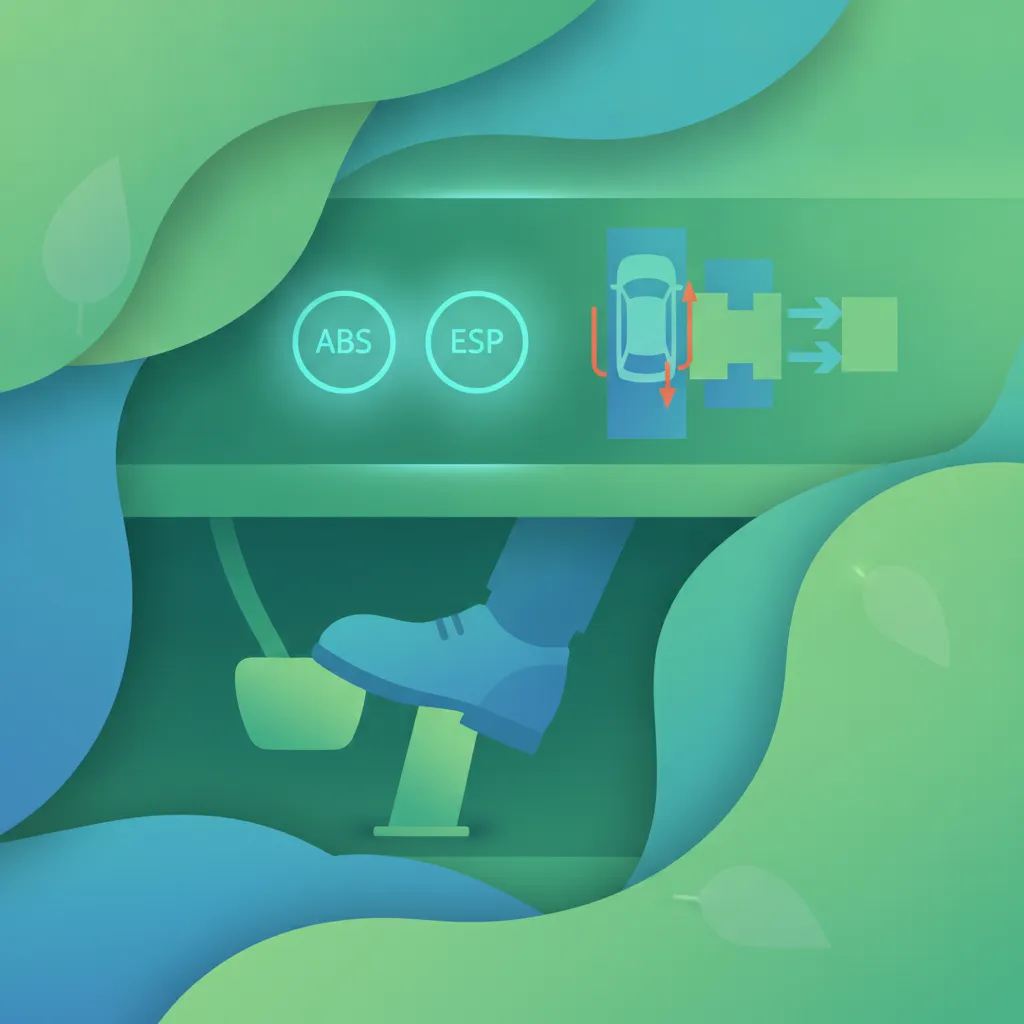
Modern passenger vehicles are equipped with advanced technology to improve safety. This lesson explains the function of systems like the Anti-lock Braking System (ABS) and Electronic Stability Program (ESP), detailing how they help prevent skidding and loss of control. It also provides an overview of other driver aids, such as retarders and engine brakes, which assist in managing speed on long descents.
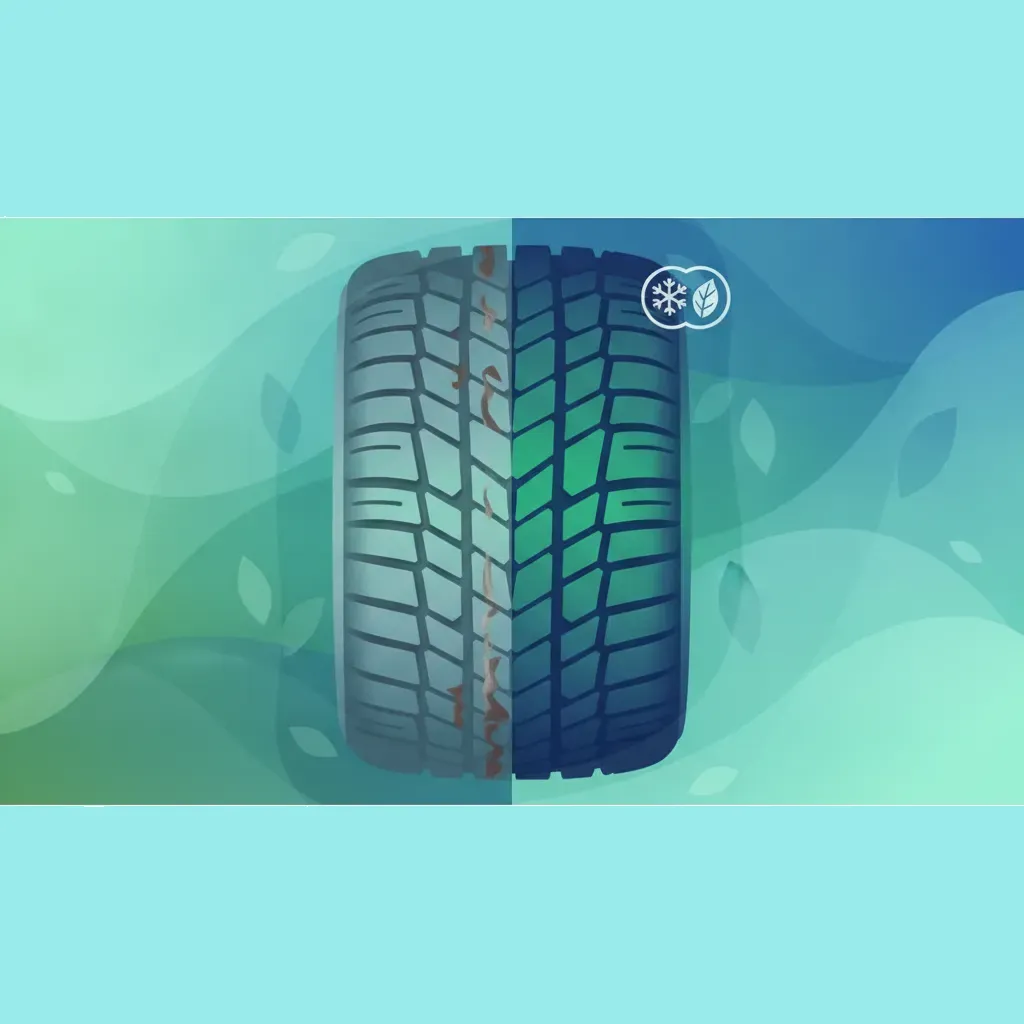
This lesson details the critical role tyres play in vehicle safety, focusing on Austrian regulations for seasonal use. Learners will understand the mandatory period for winter tyres, the legal minimum for tread depth, and the importance of maintaining correct tyre pressure for optimal grip and fuel efficiency. The content explains how tyre condition directly affects braking distance and the risk of aquaplaning, making it a key safety component.
This lesson focuses specifically on motorcycle tyre maintenance, a critical safety component. It explains how to accurately measure tyre pressure, inspect for adequate tread depth, and identify uneven wear patterns that may indicate other issues. Understanding how tyre condition affects grip, handling, and braking performance is essential for every rider to maintain control.
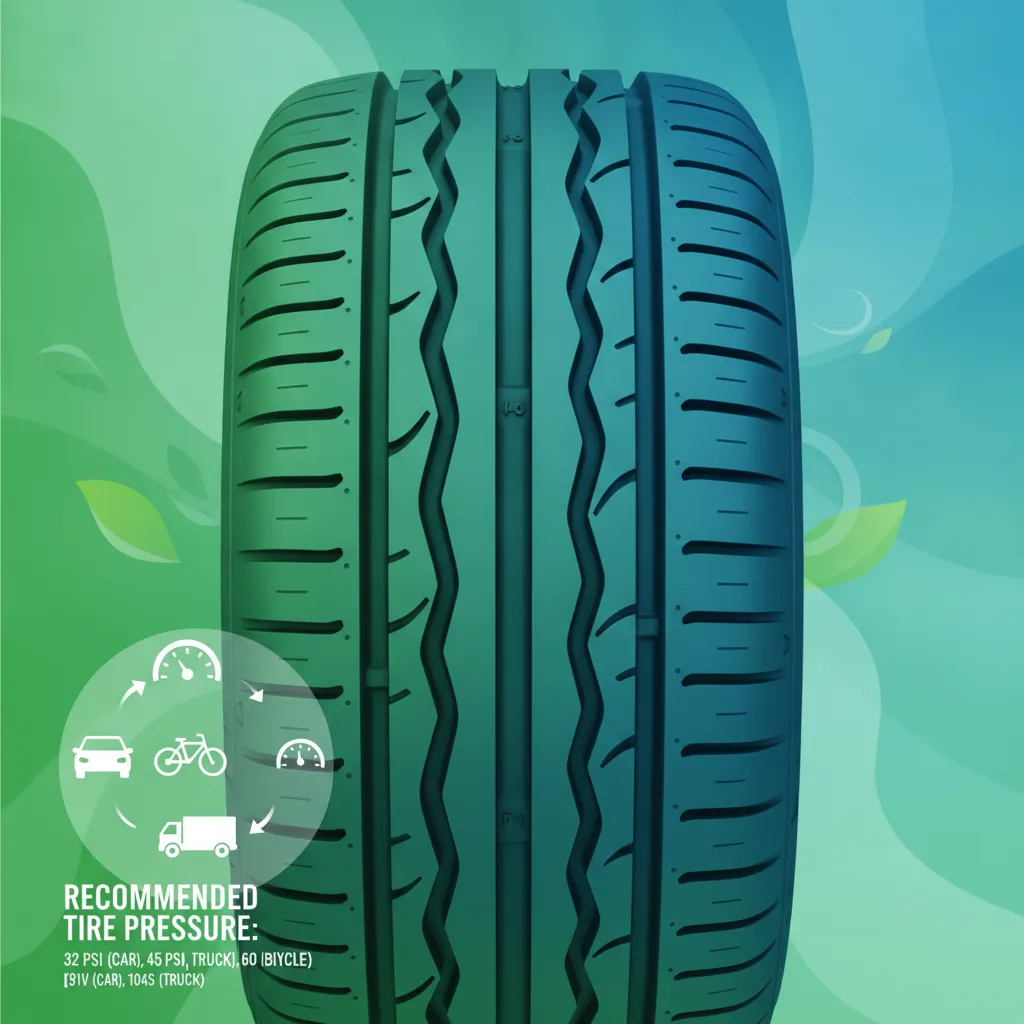
This lesson provides detailed information on heavy vehicle tyres, covering topics such as correct inflation pressures, legal tread depth requirements, and understanding the load index. It explains how to identify signs of abnormal wear or damage that could compromise safety. Proper tyre maintenance is crucial for optimal handling, braking, and overall vehicle safety.

This lesson provides a step-by-step guide for safely managing a vehicle breakdown on the road. It covers the correct procedure for pulling over to a safe location, activating hazard lights, and wearing a high-visibility vest. Learners will understand the legal requirement and correct placement of the warning triangle to alert oncoming traffic, as well as the necessary information to provide when contacting roadside assistance services.

This lesson explains the procedures for checking the functionality of a heavy vehicle's braking systems, with a focus on air brakes. It covers how to monitor air pressure gauges and conduct tests to ensure both the service and parking brakes are operating correctly. These daily checks are essential for confirming the vehicle's stopping capability.

This lesson outlines the standardized procedure for handling a vehicle breakdown safely. It covers pulling over to a safe location, activating hazard lights, deploying the warning triangle, and wearing a high-visibility vest. It also explains when and how to contact roadside assistance or emergency services.

This lesson provides practical information on the use of winter equipment for AM vehicles. It explains the legal requirements for winter tires and snow chains in Austria under specific conditions. The content includes guidance on how to correctly install and remove snow chains to ensure they are effective and safe.
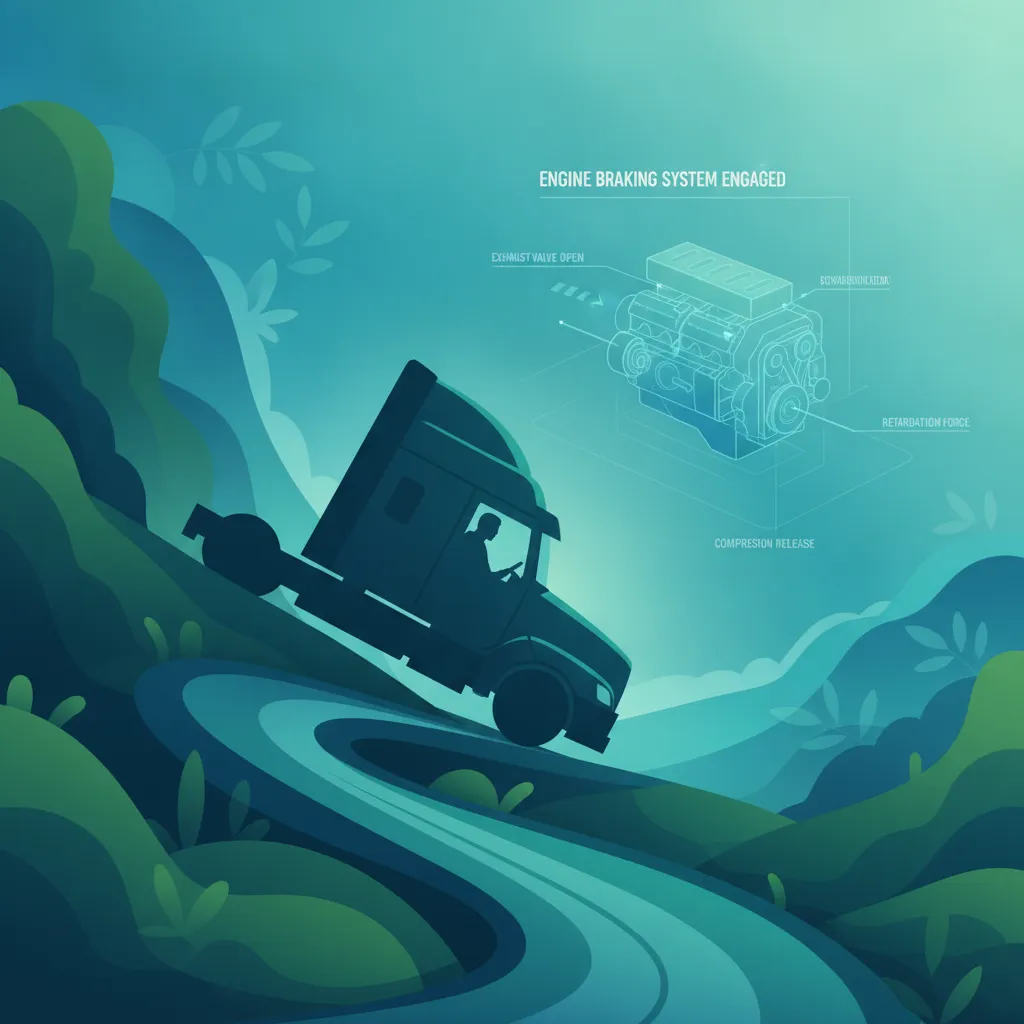
This lesson introduces auxiliary braking systems, such as engine brakes and retarders, which are designed to help control vehicle speed without using the service brakes. It explains how these systems function to slow the vehicle, especially on long downhill gradients. Using them effectively reduces service brake wear and prevents overheating.
Explore the legal obligations for vehicle roadworthiness in Austria, covering mandatory technical inspections, StVO regulations for pre-drive checks, and consequences of non-compliance for drivers.
This lesson covers the legal requirements for regular maintenance and periodic roadworthiness certification (known as the 'Pickerl' or TÜV inspection) in Austria. It explains the importance of adhering to manufacturer-recommended service intervals. Maintaining a certified, roadworthy vehicle is a core legal responsibility for any operator or driver.
This lesson details the essential legal and administrative requirements for operating an AM vehicle in Austria. It covers the processes for vehicle registration, the obligation for licence plates, and the necessity of third-party liability insurance. Furthermore, it explains the importance of regular technical inspections to ensure the vehicle remains roadworthy and compliant with national standards.
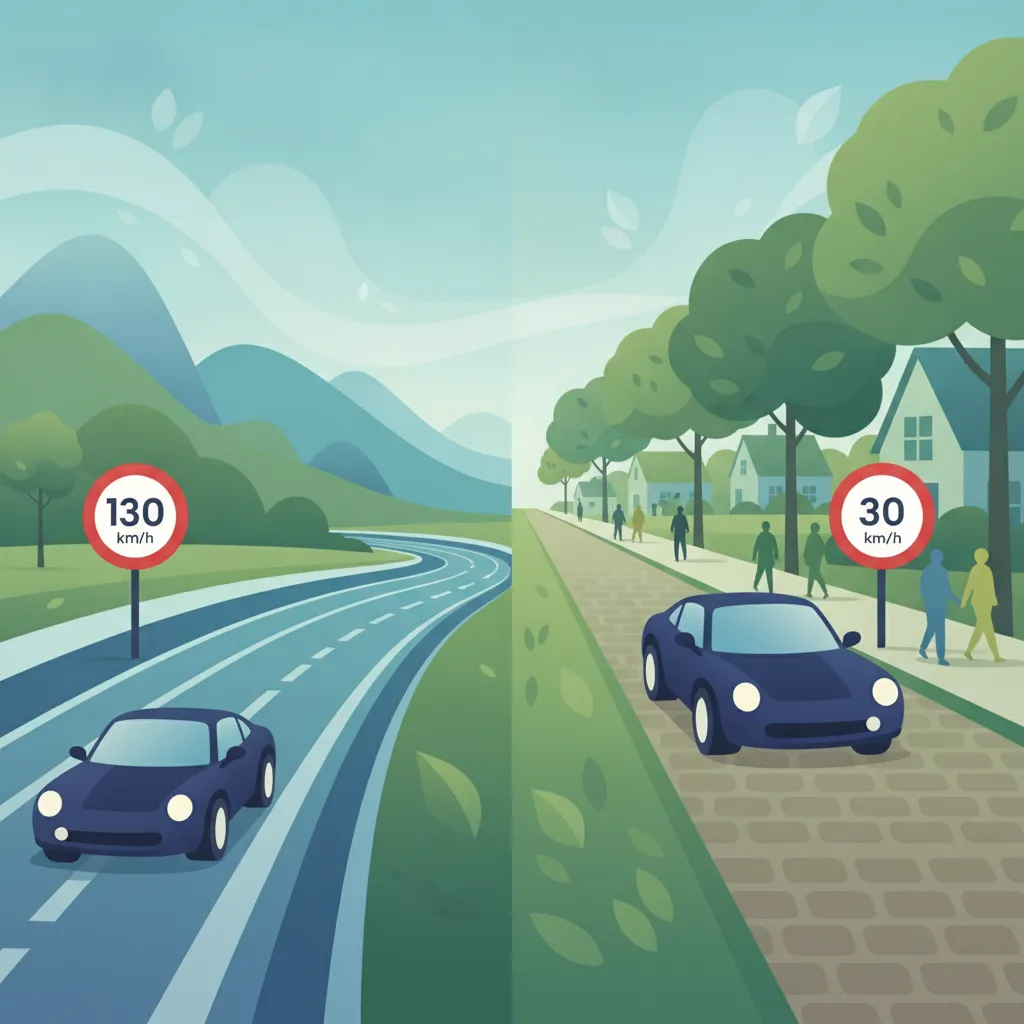
This lesson details the legally prescribed speed limits across Austria's road network, including the specific limits for urban areas (Ortsgebiet), rural roads (Landstraßen), motorways (Autobahnen), and expressways (Schnellstraßen). Learners will understand how to interpret speed limit signs, including those with supplementary conditions. Adherence to these legal requirements is a fundamental aspect of road safety and compliance with the Austrian road traffic act (StVO).

This lesson teaches the systematic procedure for conducting a thorough pre-trip walk-around inspection. It provides a checklist of critical components to examine, including tyres, lights, braking systems, and load security. Performing this daily check is a legal requirement and a fundamental practice for preventing mechanical failures and ensuring safety.

This lesson guides learners through the essential documentation required for legally operating a vehicle in Austria, including the registration certificate, proof of insurance, and the driver's license (Führerschein). It explains the Austrian Vignette system for using motorways (Autobahnen) and expressways (Schnellstraßen), covering how to purchase, affix, and comply with the regulations. The content also provides awareness of specific toll roads and their payment systems to ensure full legal conformity.

This lesson emphasizes the importance of conducting a thorough pre-ride inspection to ensure vehicle safety. It provides a simple checklist covering critical components such as tires, brakes, lights, and controls. Performing these checks regularly helps identify potential issues before they become dangerous on the road.

This lesson details the mandatory personal and vehicle documentation required for motorcyclists in Austria. It covers the necessity of carrying a valid licence card, vehicle registration papers, and proof of insurance at all times. Understanding these legal requirements ensures full compliance with Austrian traffic law and facilitates smooth interactions with law enforcement.

This lesson outlines the legal speed limits for Category AM vehicles in Austria, covering urban, residential, and rural areas. It explains how to identify different speed zones through signage and the importance of adjusting speed based on traffic, weather, and road conditions. Adherence to these limits is a fundamental aspect of both legal compliance and safety.
Find clear answers to common questions learners have about Vehicle Inspection and Maintenance Basics. Learn how the lesson is structured, which driving theory objectives it supports, and how it fits into the overall learning path of units and curriculum progression in Austria. These explanations help you understand key concepts, lesson flow, and exam focused study goals.
Checking levels like engine oil and coolant prevents engine overheating and mechanical failure. Keeping these fluids at the correct level is a basic driver responsibility that ensures vehicle reliability and safety on the road.
You must ensure the tread depth meets the legal minimum, check for visible damage like cracks or bulges, and verify that the tire pressure matches the manufacturer's recommended settings for your vehicle load.
You should check your lights, including headlights, indicators, and brake lights, periodically. Functional lighting is crucial for visibility and communication with other road users, and faulty lights can lead to fines.
Yes, the theory exam often includes questions regarding vehicle safety systems and the driver's role in maintaining the vehicle's roadworthiness. Understanding these basics is essential to answering these questions correctly.
Refine your study plan by searching for specific Austrian driving theory practice sets. Pinpoint questions related to particular road rules, signs, or challenge levels, and begin practicing immediately to reinforce your knowledge and excel in your official exam with confidence. Get started with focused revision today.