Belgian road sign A39 is a warning sign indicating that you are approaching a section of road with traffic travelling in both directions. As part of the Belgian warning signs group, its primary purpose is to alert drivers to a potential hazard ahead. You should proactively reduce your speed, scan further down the road for emerging traffic, and maintain a safe distance, especially considering potential supplementary panels that may refine the sign's application.
Master the 'Two-way traffic' sign (A39) to navigate Belgian roads safely and confidently, crucial for passing your theory exam. This essential warning sign demands careful observation of upcoming traffic patterns and potential hazards, aiding your overall road sign interpretation skills.
Belgian road sign A39, titled "Two-way traffic", belongs to the belgian warning signs group. It is used to communicate two-way traffic in a form that drivers can recognise quickly during Belgian theory study and real traffic. The practical task is to look farther ahead, reduce speed smoothly, and leave more space for errors by other road users, because the legal effect of a road sign starts from its placement and can be refined by panels, lane markings, traffic lights, or zone signs. For learners, the safest approach is to identify the sign early, say what road users or manoeuvres it affects, and then choose speed, position, and priority behaviour that match the displayed instruction.
Belgian road sign A39 means "Two-way traffic". In practice, it tells drivers to prepare for the hazard before you reach it, while checking the exact road layout, markings, and any supplementary panels before acting.
Get clear, practical answers to the most common questions about the A39 - Two-way traffic road sign. Learn how the sign works, what rules it represents, and how it affects real driving situations. This FAQ strengthens your understanding and supports accurate decision making for the Belgian driving theory exam in Belgium.
The A39 sign in Belgium warns drivers that they are about to enter a road where traffic will be coming from both directions. It's a heads-up to be more vigilant and anticipate oncoming vehicles.
Upon seeing the A39 sign, you should immediately adjust your driving. This means reducing your speed smoothly, increasing your following distance, and scanning ahead for any oncoming traffic or potential hazards. Always be prepared to adapt your position or speed.
While the A39 sign doesn't prohibit specific actions like overtaking directly, it implicitly discourages risky behaviour. You must not ignore the warning, maintain excessive speed, or overtake without a clear view of oncoming traffic and a safe margin for error. Treat it as a clear instruction to be cautious.
A common trap is treating the A39 sign as purely informational without adjusting speed or awareness. Learners might also forget to check for supplementary panels, which could modify the warning's applicability. Always remember that warning signs require a change in driving behaviour.
Yes, Belgian road signs, including the A39, are often accompanied by supplementary panels. These panels can provide crucial additional information, such as the distance to the hazard, the duration of the two-way traffic section, or specific vehicle types affected. Always read these panels carefully.
A clear reference image of the A39 - Two-way traffic road sign used in Belgium.
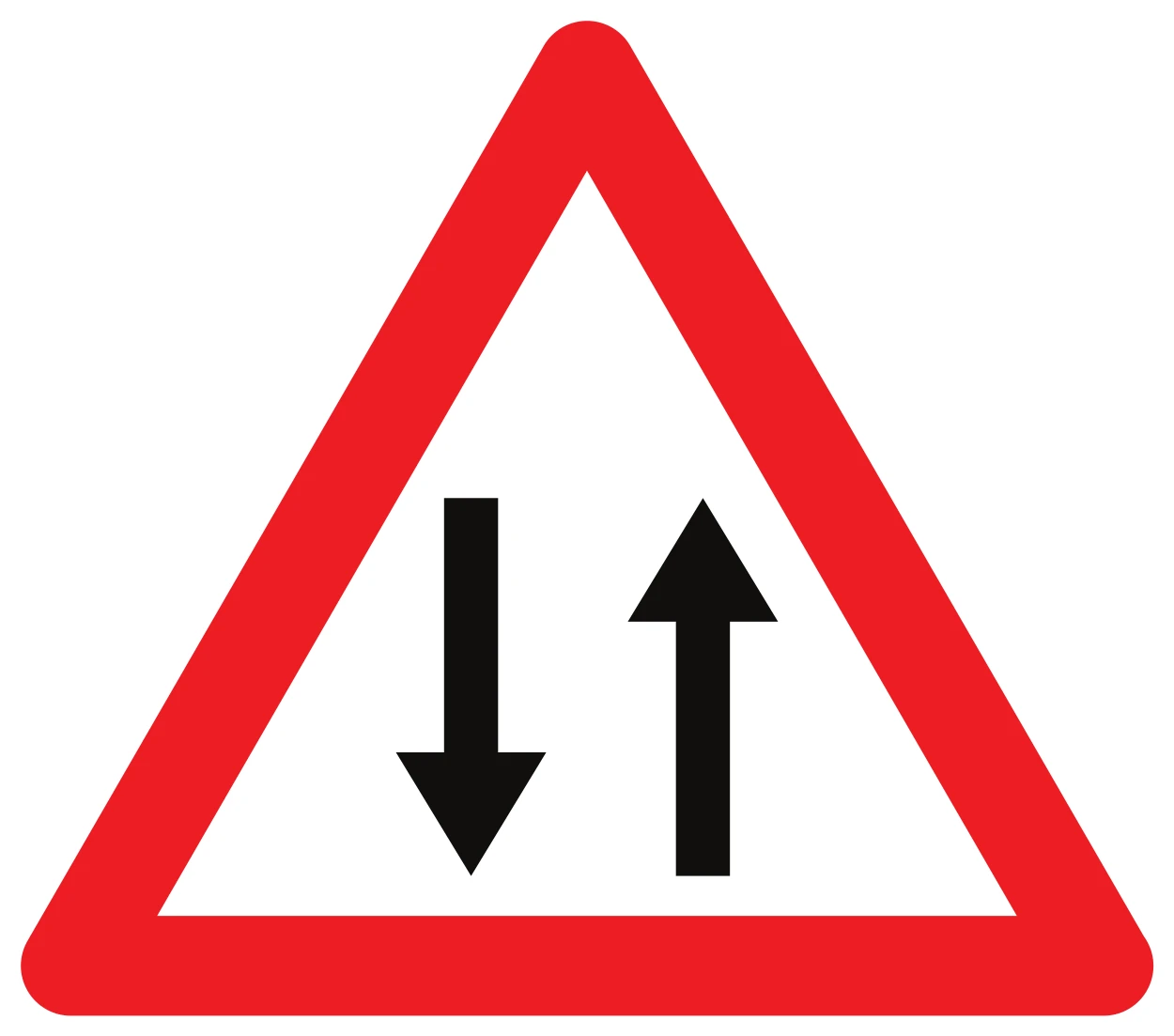
The A39 - Two-way traffic road sign may also be known by these alternative names or terms.
The A39 - Two-way traffic road sign is part of the Belgian Warning Signs category, which groups together signs with similar rules and functions.
Reviewing related road signs like this 'Two-way traffic' sign helps solidify your understanding and reduce exam mistakes. Sharpen your sign recognition skills through effective traffic sign comparison for your theory test revision.
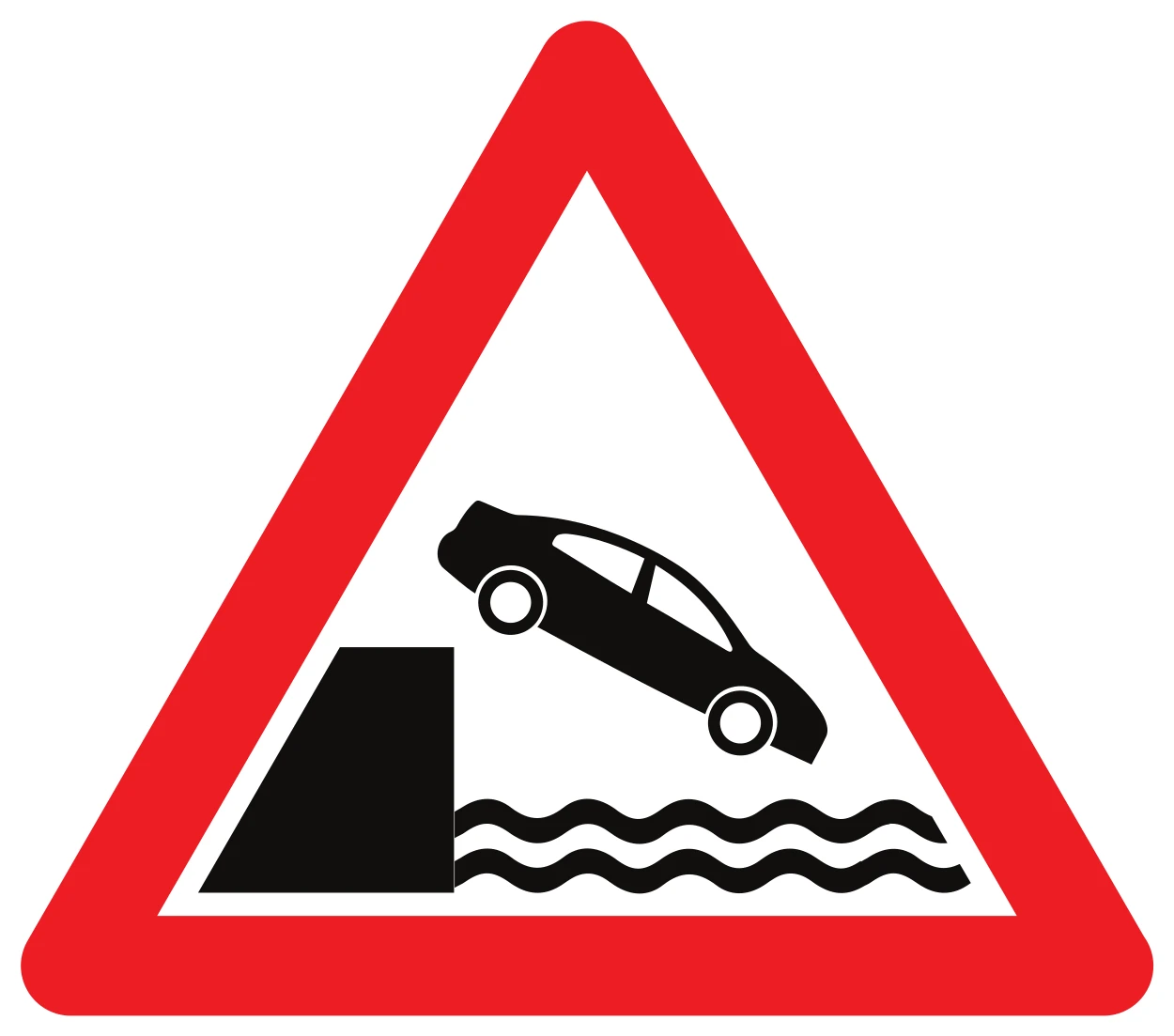
Warning: Prepare for Quayside or Riverbank with Belgian Sign A11
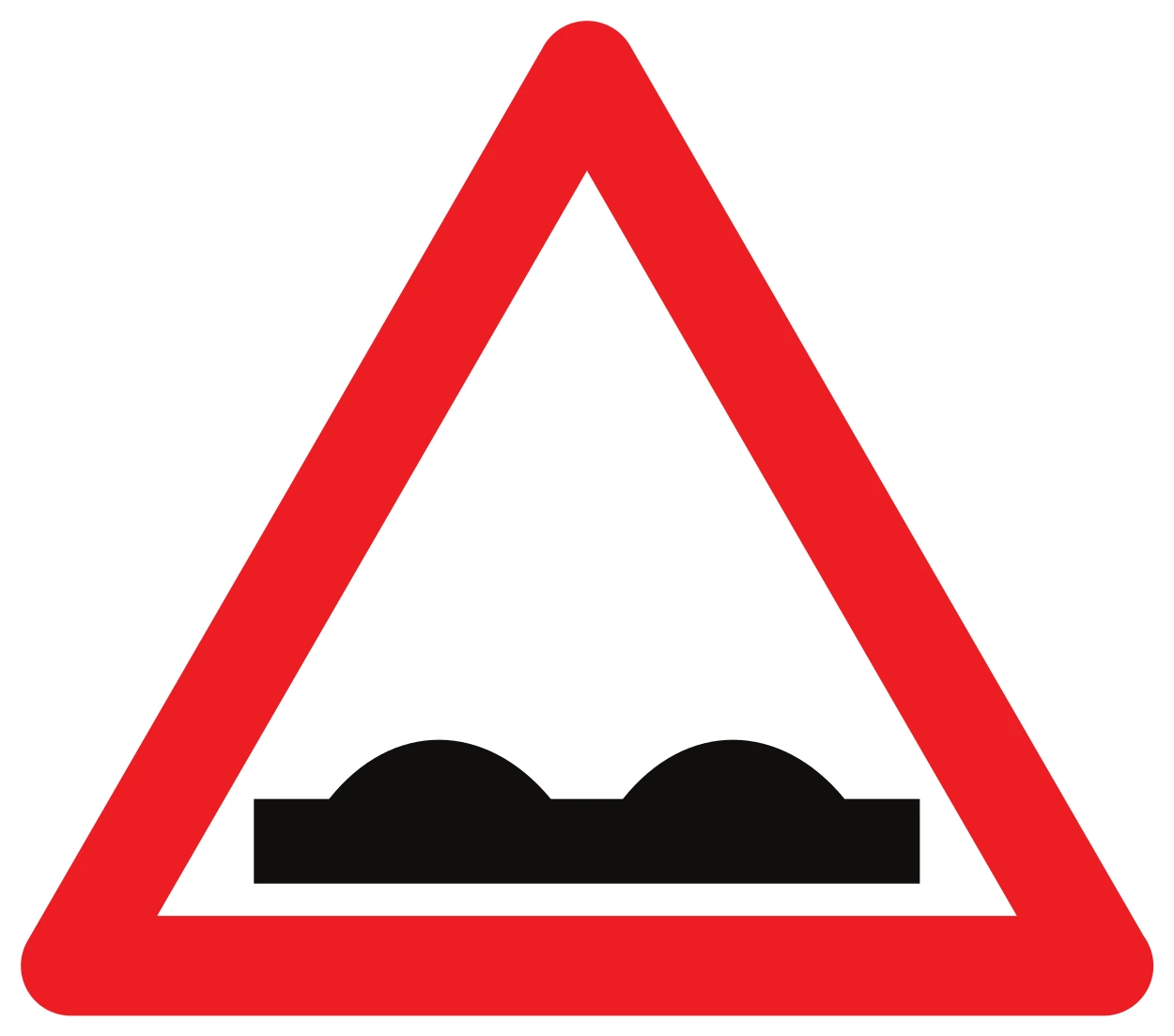
Prepare for an uneven road surface with the Belgian A13 warning sign.
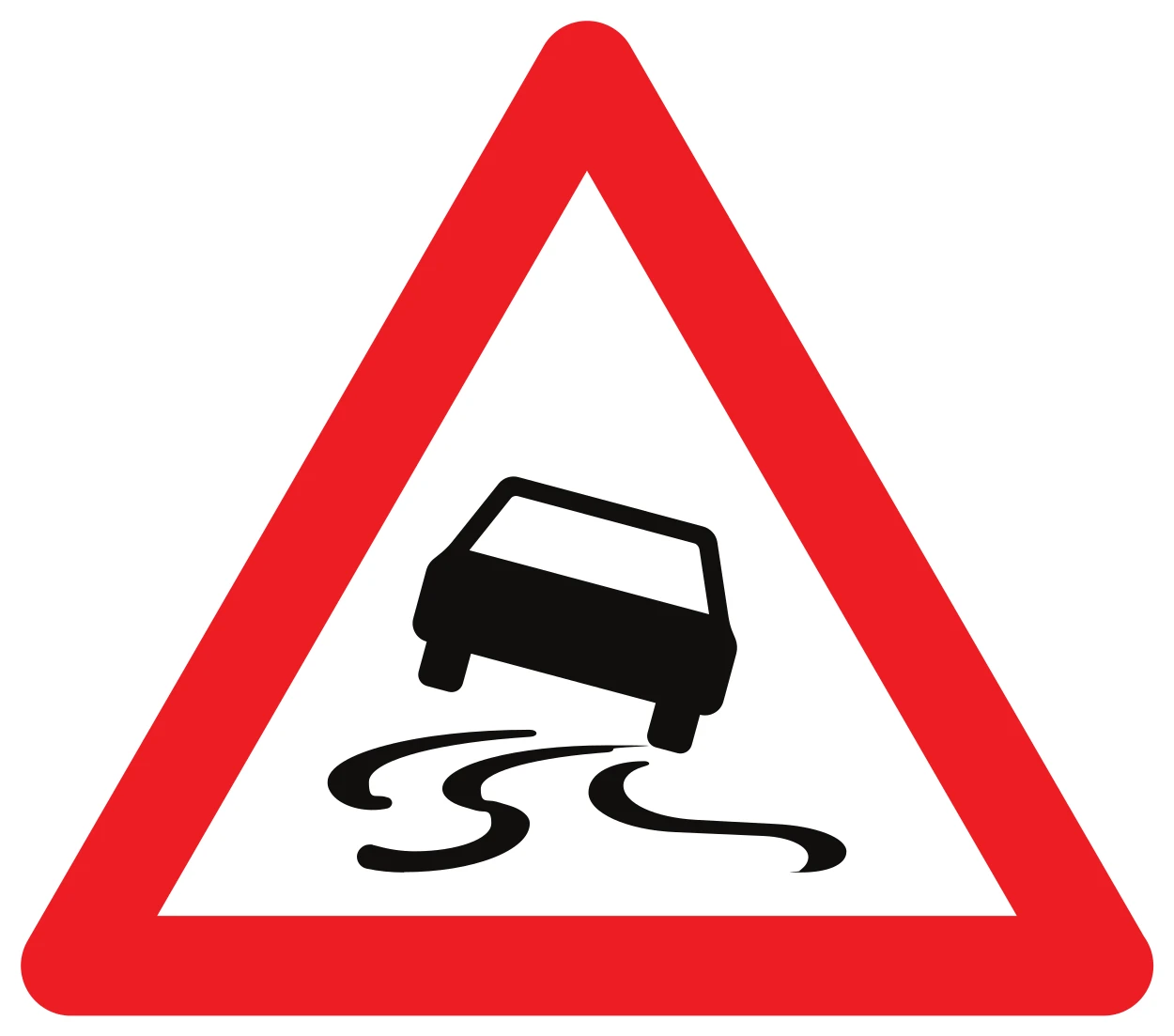
Beware of slippery roads ahead with the Belgian A15 warning sign!
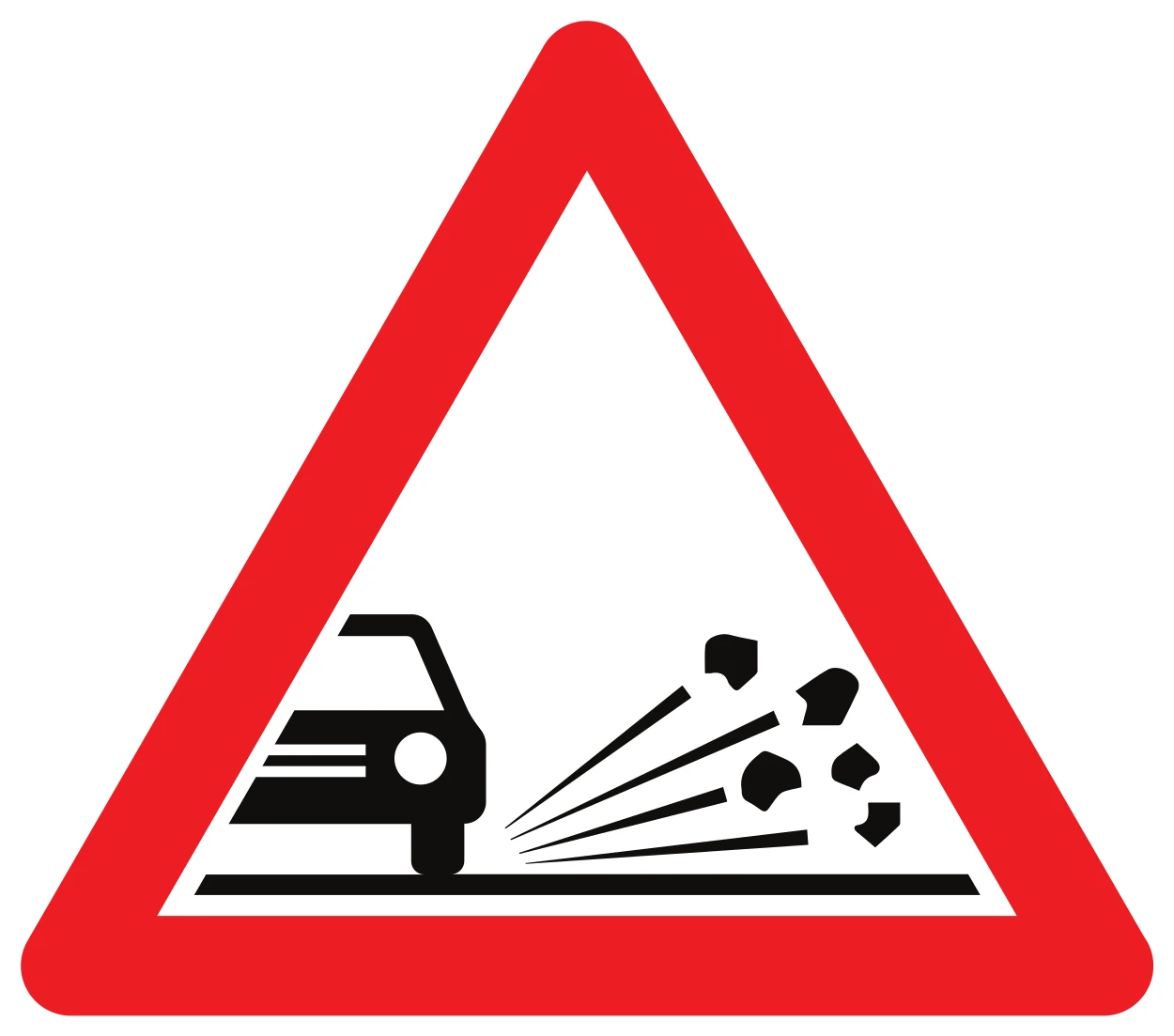
Prepare for Loose Surfaces with Belgian Warning Sign A17
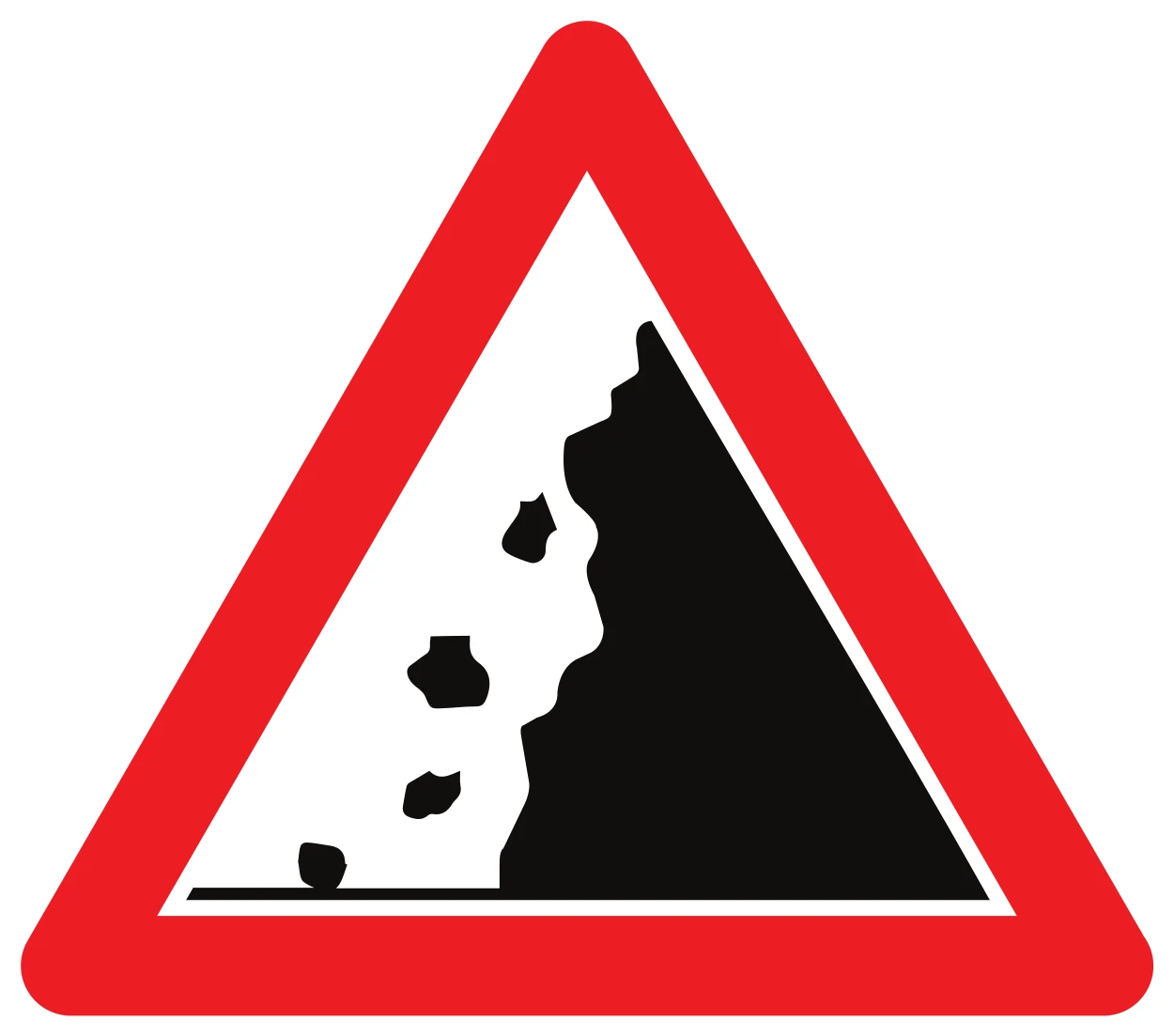
Prepare for falling rocks with Belgian warning sign A19.
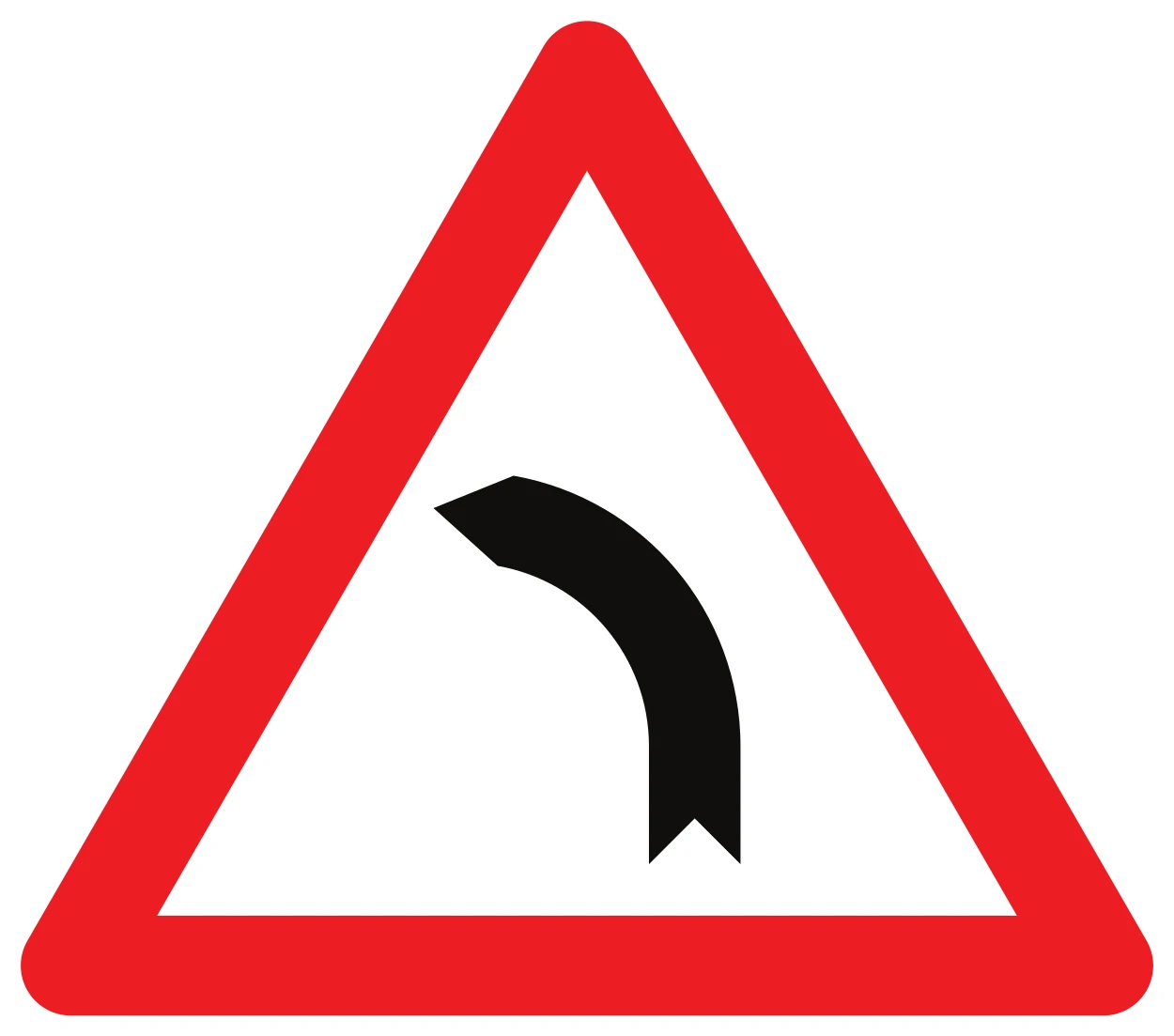
Warning: Prepare for a Bend to the Left with Sign A1a!
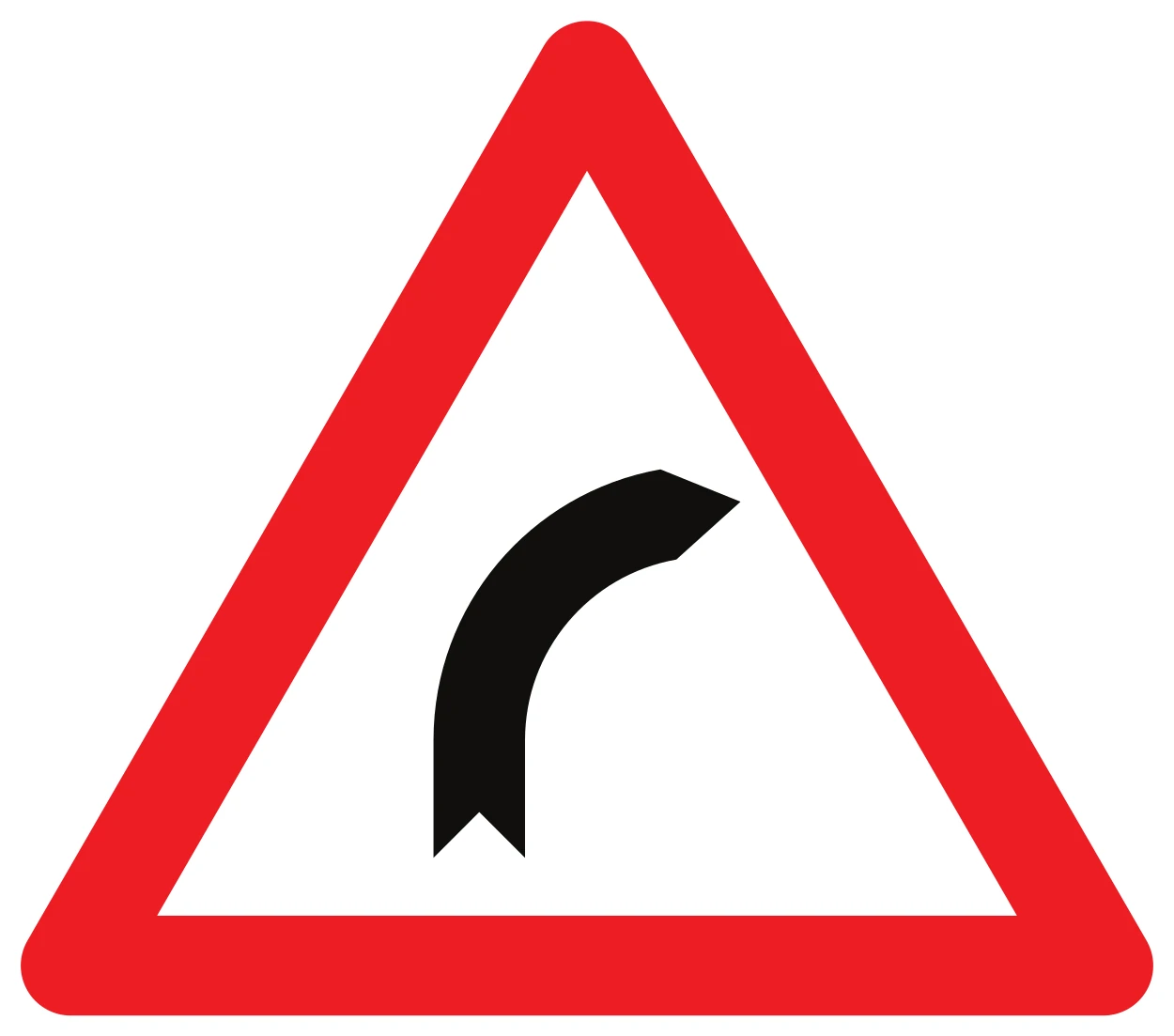
Prepare for a Bend to the Right with Belgian Warning Sign A1b
After reviewing all Belgian road signs, deepen your understanding by exploring specific categories such as warning, regulatory, or prohibitory signs. Practice recognition with targeted quizzes to reinforce learning for a successful theory test.
All Belgian Road Signs List