
The Belgian A15 road sign warns drivers of a potentially slippery road surface. This sign, belonging to the Belgian warning signs group, indicates a hazard that requires immediate attention and a change in driving behaviour. You should prepare to reduce your speed smoothly, increase your following distance, and scan the road ahead for specific details or supplementary panels that might affect how the warning applies to you.
Master the meaning of the A15 'Slippery Road' sign for your Belgian theory test revision, crucial for safe driving and hazard perception. This explanation helps you recognize this critical warning and adjust your driving behaviour accordingly to avoid skidding.
Belgian road sign A15, titled "Slippery road", belongs to the belgian warning signs group. It is used to communicate slippery road in a form that drivers can recognise quickly during Belgian theory study and real traffic. The practical task is to look farther ahead, reduce speed smoothly, and leave more space for errors by other road users, because the legal effect of a road sign starts from its placement and can be refined by panels, lane markings, traffic lights, or zone signs. For learners, the safest approach is to identify the sign early, say what road users or manoeuvres it affects, and then choose speed, position, and priority behaviour that match the displayed instruction.
Belgian road sign A15 means "Slippery road". In practice, it tells drivers to prepare for the hazard before you reach it, while checking the exact road layout, markings, and any supplementary panels before acting.
Get clear, practical answers to the most common questions about the A15 - Slippery road road sign. Learn how the sign works, what rules it represents, and how it affects real driving situations. This FAQ strengthens your understanding and supports accurate decision making for the Belgian driving theory exam in Belgium.
The A15 road sign in Belgium means 'Slippery road'. It's a warning sign alerting you to a potentially hazardous road surface that could reduce tyre grip, such as due to ice, rain, oil, or loose gravel.
Upon seeing the A15 sign, you must anticipate the hazard. This means reducing your speed in advance, increasing the distance between your vehicle and the one in front, and being prepared to brake or steer more gently. Always check for supplementary panels that might provide more specific information about the location or duration of the slippery condition.
Yes, you must avoid ignoring the warning until the slippery section is directly in front of you. Maintaining a speed that leaves no margin for error, or overtaking or changing lanes abruptly without considering the slippery surface, are dangerous actions that should be avoided.
A common trap is assuming the slippery condition extends indefinitely or applies only in specific weather. Learners might also fail to consider that supplementary panels can alter the sign's application. Remember to always react proactively to the warning and check for additional information before the hazard point.
No, the A15 sign warns of any condition that makes the road slippery. This can include rain, frost, ice, snow, oil spills, or even loose gravel. The key is reduced tyre grip, so adjust your driving accordingly regardless of the specific cause.
Supplementary panels are crucial. They might indicate the distance to the slippery section, its duration, or which vehicles it applies to. You must always read and understand these panels in conjunction with the A15 sign to know exactly how the warning affects your driving situation.
A clear reference image of the A15 - Slippery road road sign used in Belgium.

The A15 - Slippery road road sign may also be known by these alternative names or terms.
The A15 - Slippery road road sign is part of the Belgian Warning Signs category, which groups together signs with similar rules and functions.
Master Belgian traffic rules by comparing similar road signs. Understanding subtle differences aids sign recognition and reduces mistakes, crucial for your theory test revision.

Warning: Prepare for Quayside or Riverbank with Belgian Sign A11

Prepare for an uneven road surface with the Belgian A13 warning sign.

A14 Road Bump Sign: Slow Down for Uneven Surfaces
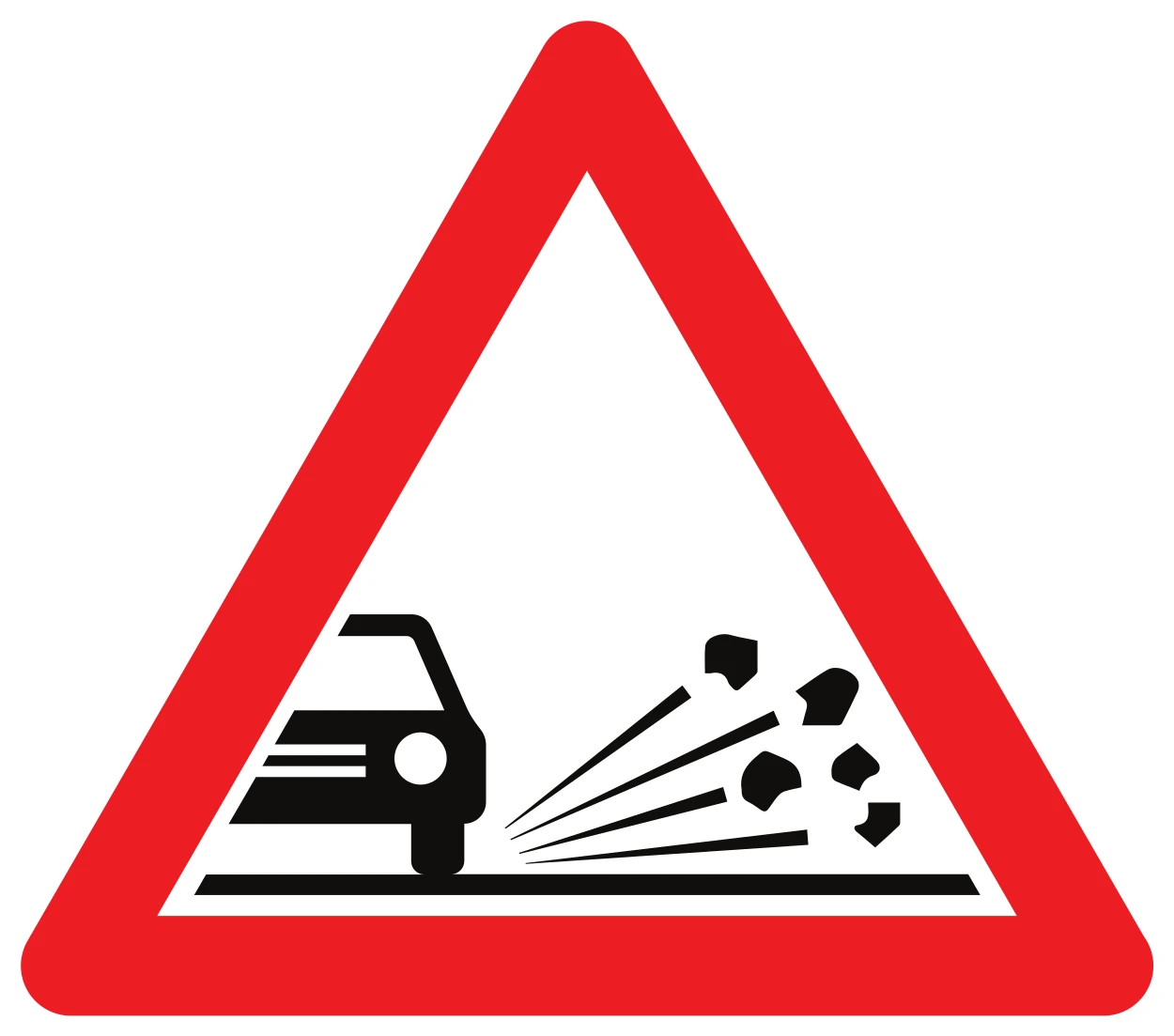
Prepare for Loose Surfaces with Belgian Warning Sign A17
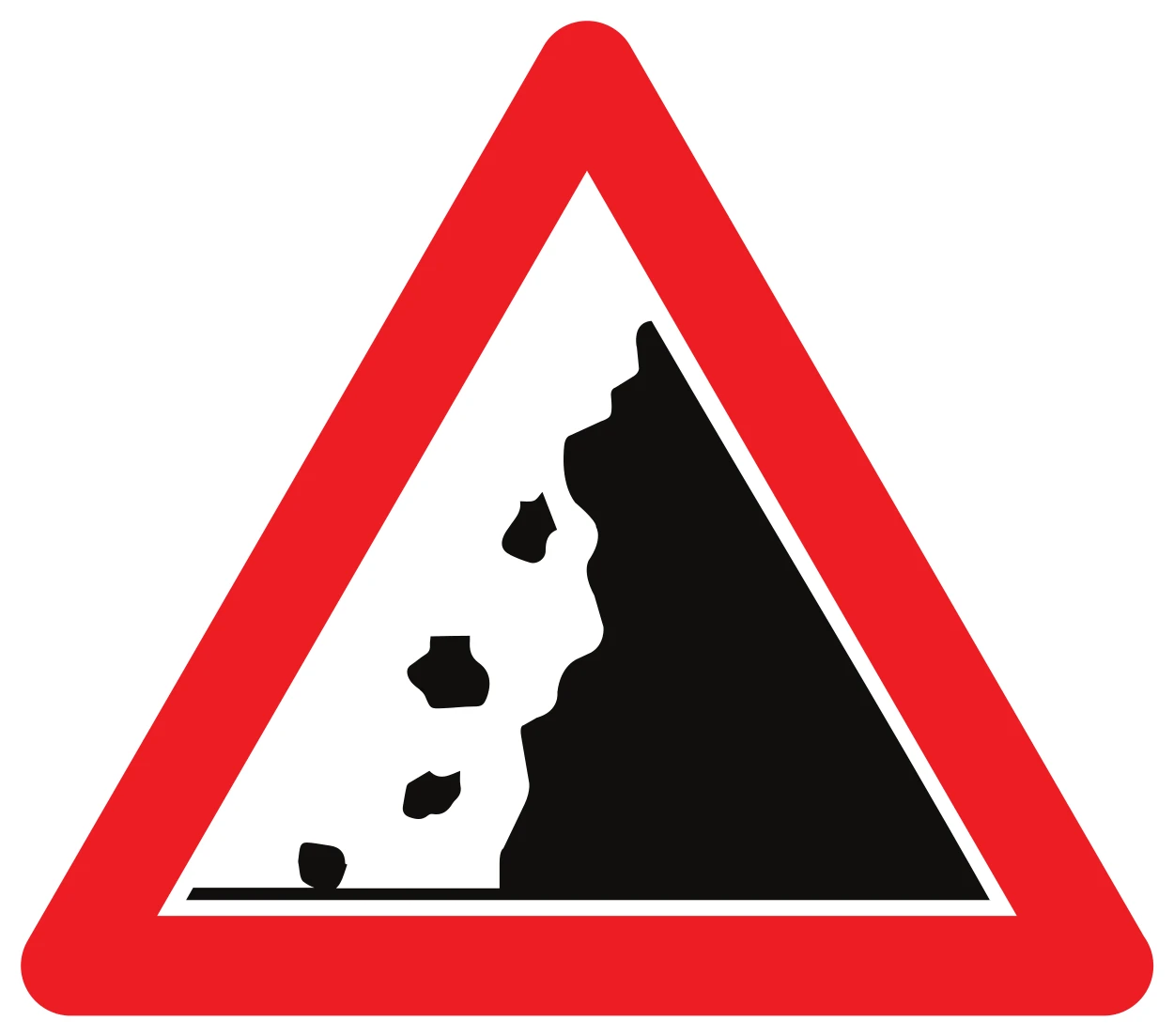
Prepare for falling rocks with Belgian warning sign A19.
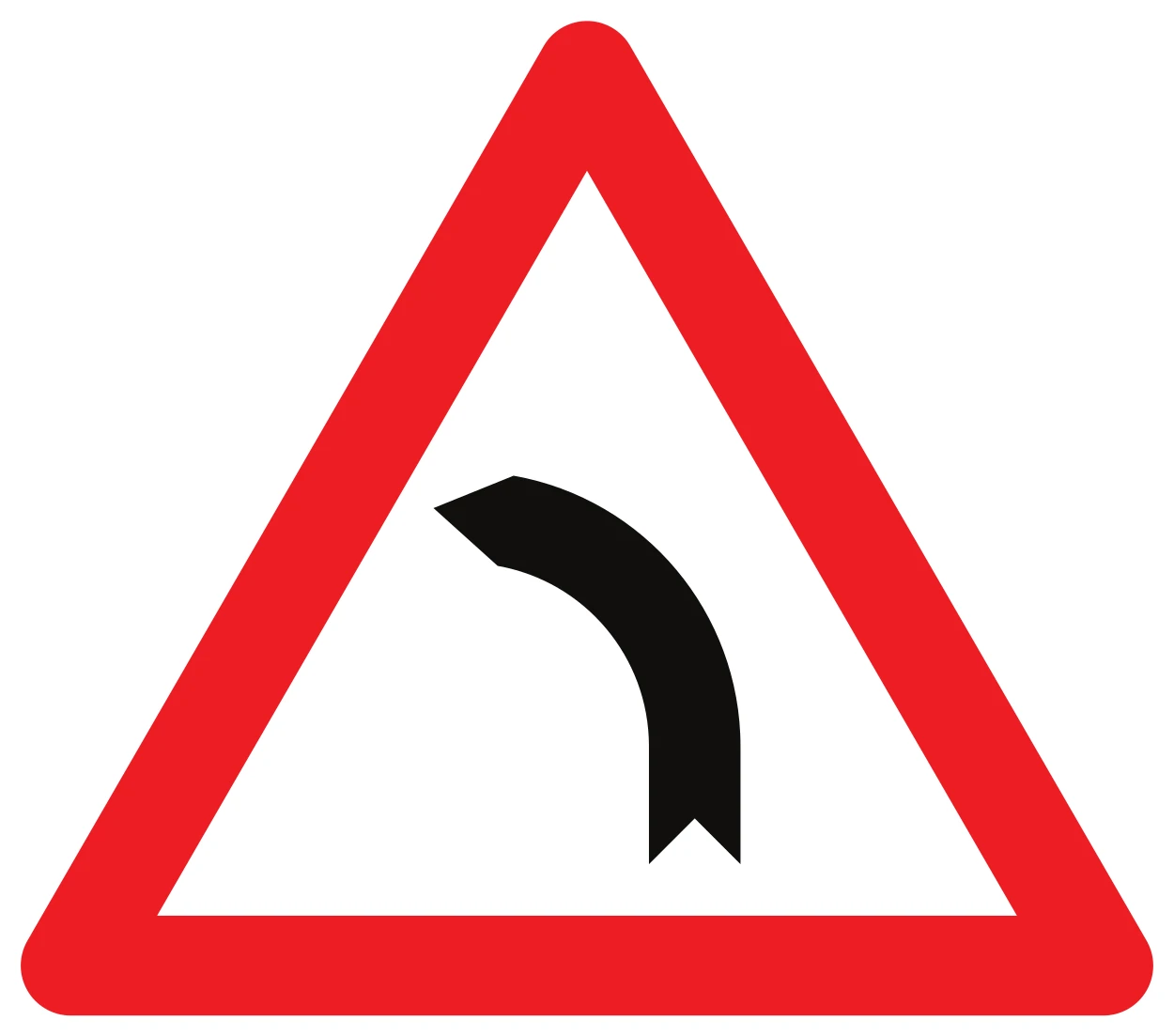
Warning: Prepare for a Bend to the Left with Sign A1a!
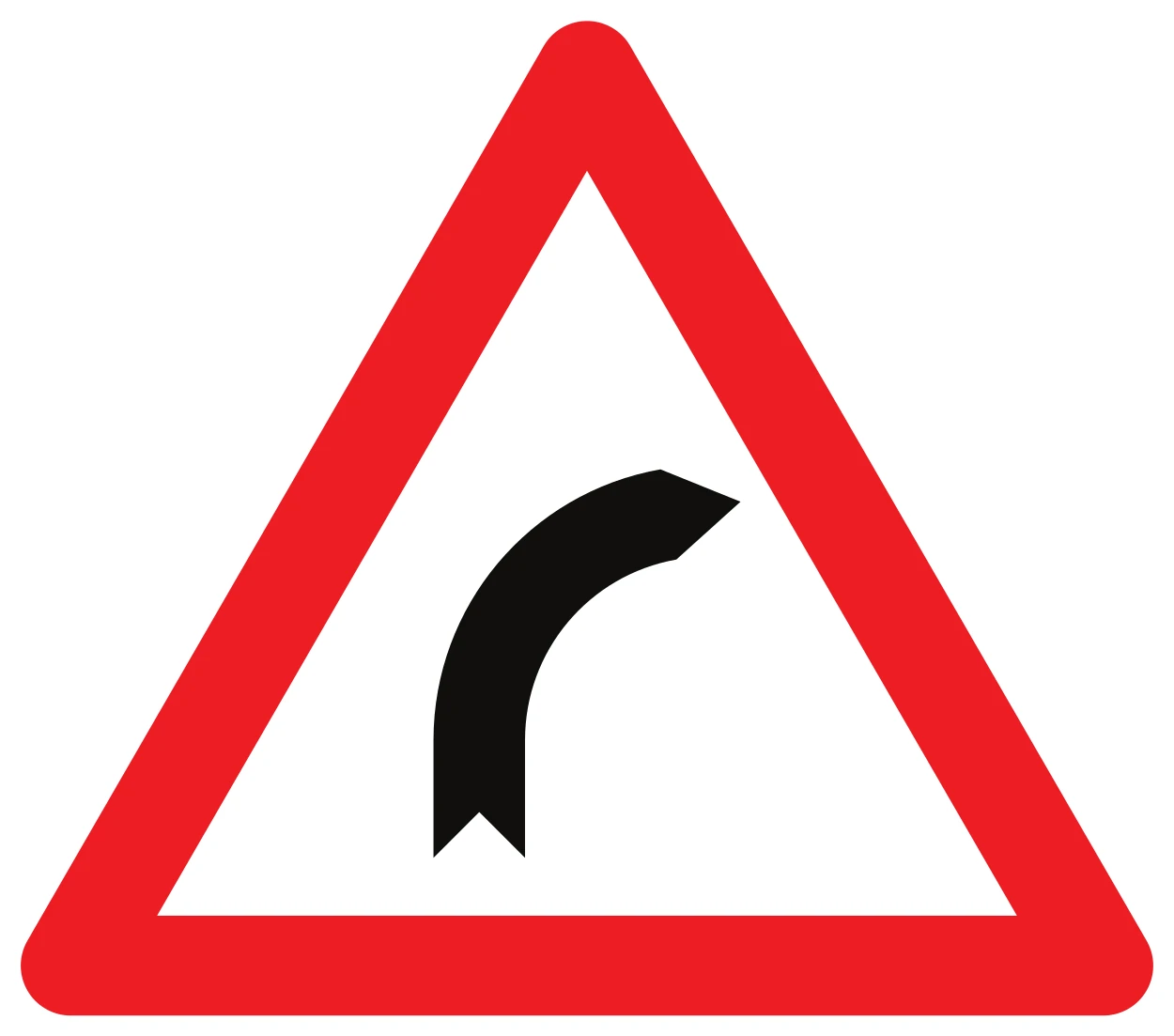
Prepare for a Bend to the Right with Belgian Warning Sign A1b
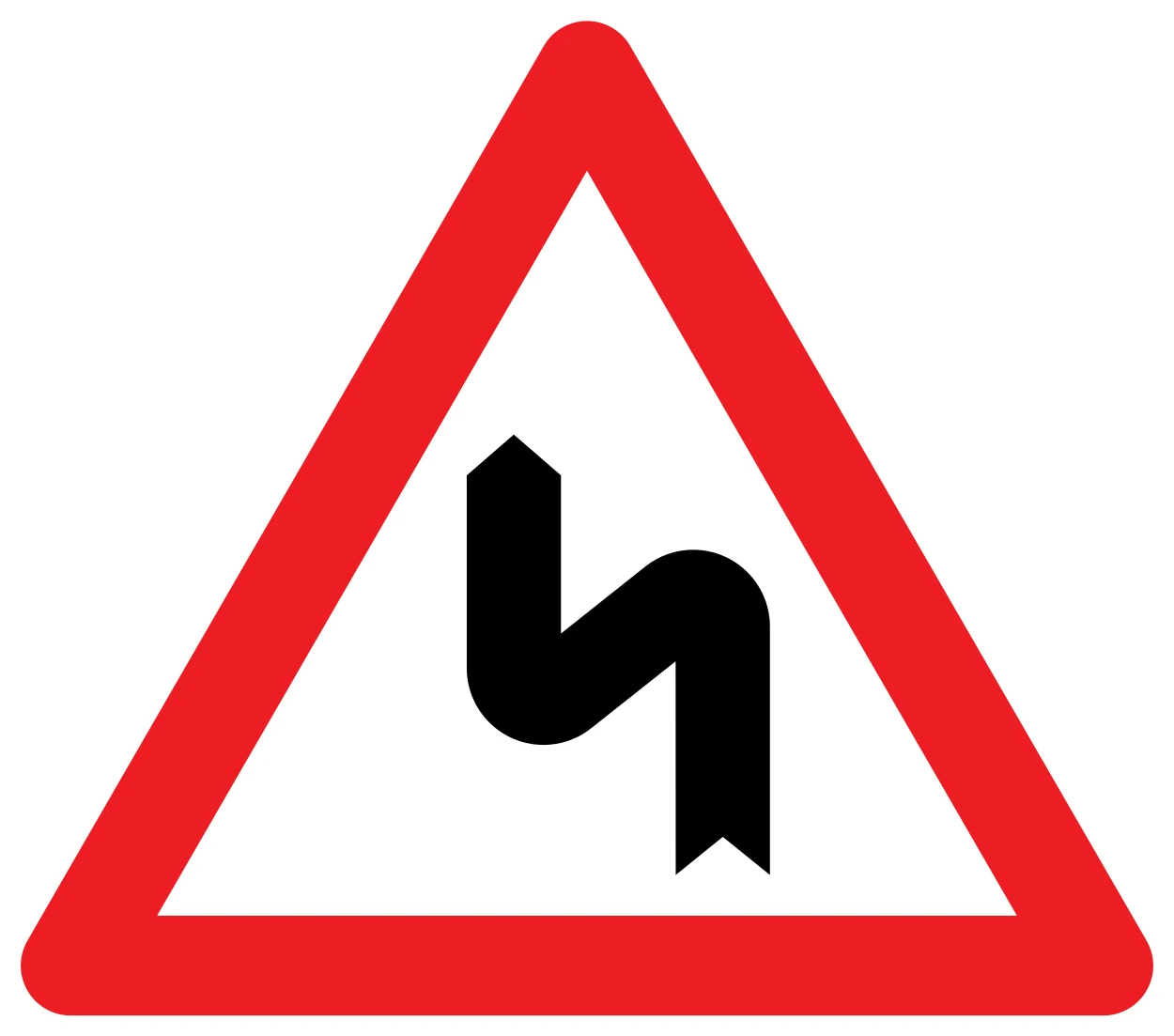
Beware of the double bend, starting with a turn to the left (A1c)
Deepen your understanding by exploring how specific road signs dictate right-of-way, speed limits, and safety obligations across Belgian roads. Review these related theory modules to ensure you can confidently identify and apply each sign correctly.
Towing a trailer in Belgium comes with specific rules tied to weight limits that often confuse drivers. This article breaks down exactly when your standard Category B licence is sufficient and when you must obtain a Category BE licence, explaining the critical Masses Authorisées (MAM) for both the trailer and the combined vehicle. Understanding these distinctions is vital for legal compliance and safe driving on Belgian roads.
Belgian turbo roundabouts, known as 'turborotondes', have a distinct design that enhances safety. This article will guide you through the essential rules, emphasizing the non-negotiable need to select your lane upon approach. Understanding this concept is crucial for both safe driving in Belgium and for passing your theory test.
Master Belgian End-of-Restriction Signs for a Confident Drive and Exam Success
Be prepared for unexpected breakdowns on Belgian roads.
Belgian road sign A41, titled "Railroad crossing ahead with gates or barriers", belongs to the belgian warning signs group. It is used to communicate railroad crossing ahead with gates or barriers in a form that drivers can recognise quickly during Belgian theory study and real traffic. The practical task is to look farther ahead, reduce speed smoothly, and leave more space for errors by other road users, because the legal effect of a road sign starts from its placement and can be refined by panels, lane markings, traffic lights, or zone signs. For learners, the safest approach is to identify the sign early, say what road users or manoeuvres it affects, and then choose speed, position, and priority behaviour that match the displayed instruction.
Belgian road sign A43, titled "Railroad crossing ahead without gates or barriers", belongs to the belgian warning signs group. It is used to communicate railroad crossing ahead without gates or barriers in a form that drivers can recognise quickly during Belgian theory study and real traffic. The practical task is to look farther ahead, reduce speed smoothly, and leave more space for errors by other road users, because the legal effect of a road sign starts from its placement and can be refined by panels, lane markings, traffic lights, or zone signs. For learners, the safest approach is to identify the sign early, say what road users or manoeuvres it affects, and then choose speed, position, and priority behaviour that match the displayed instruction.
After reviewing all Belgian road signs, deepen your understanding by exploring specific categories such as warning, regulatory, or prohibitory signs. Practice recognition with targeted quizzes to reinforce learning for a successful theory test.
All Belgian Road Signs List