
This lesson guides you through the essential rules for navigating roundabouts safely and legally in Austria. You will learn the correct priority protocols, lane positioning, and signaling requirements vital for riders holding or training for A1, A2, and A motorcycle licences. Mastering these procedures is crucial for both passing your theory exam and safely managing urban traffic environments.
Lesson content overview
Navigating roundabouts in Austria requires yielding to circulating traffic, selecting the correct lane before entry based on your intended exit, and using indicators correctly throughout. In single-lane roundabouts, signal right on entry and before your exit; in multi-lane roundabouts, signal right on entry, stay in your chosen lane without changing lanes inside, and use left indicator before exits requiring inner-to-outer lane changes. Always watch for vulnerable road users at exits and adjust your speed and approach for weather and traffic conditions.
A short set of high-value points that capture the most important learning from this lesson.
Traffic already circulating in a roundabout has priority over vehicles entering; always yield to traffic approaching from your left.
Select your lane before entering based on your intended exit: outer lane for right turns, inner lane for left turns in multi-lane roundabouts.
Changing lanes inside a multi-lane roundabout is generally prohibited and dangerous; plan your lane choice in advance.
Signal right when entering any roundabout, then use left indicator before exits requiring inner-to-outer lane changes for left turns.
Always yield to pedestrians and cyclists at roundabout exit crossings, as they often have priority.
Explore all units and lessons included in this driving theory course.
Roundabouts in Austria operate counter-clockwise; circulating traffic has priority unless specific signs indicate otherwise.
On multi-lane roundabouts, use left indicator before a left exit to signal your lane change from inner to outer lane, then switch to right indicator when actually exiting.
For single-lane roundabouts, maintain right indicator on entry and signal right before your chosen exit.
Reduce speed significantly on approach (typically to around 30 km/h in urban areas) and never force entry without a safe gap.
The Vorfahrt gewähren (Give Way) sign is standard at nearly all Austrian roundabout entries.
Entering a roundabout without yielding to circulating traffic, which is the most common and dangerous violation.
Failing to signal on entry, creating uncertainty for drivers behind you and within the roundabout.
Changing lanes inside the roundabout when it is not explicitly permitted by road markings.
Not signaling left before exiting from an inner lane in a multi-lane roundabout, misleading other drivers about your intentions.
Exiting without checking for pedestrians or cyclists at crossing points, especially in urban roundabouts.
Lesson content overview
A short set of high-value points that capture the most important learning from this lesson.
Traffic already circulating in a roundabout has priority over vehicles entering; always yield to traffic approaching from your left.
Select your lane before entering based on your intended exit: outer lane for right turns, inner lane for left turns in multi-lane roundabouts.
Changing lanes inside a multi-lane roundabout is generally prohibited and dangerous; plan your lane choice in advance.
Signal right when entering any roundabout, then use left indicator before exits requiring inner-to-outer lane changes for left turns.
Always yield to pedestrians and cyclists at roundabout exit crossings, as they often have priority.
Explore all units and lessons included in this driving theory course.
Roundabouts in Austria operate counter-clockwise; circulating traffic has priority unless specific signs indicate otherwise.
On multi-lane roundabouts, use left indicator before a left exit to signal your lane change from inner to outer lane, then switch to right indicator when actually exiting.
For single-lane roundabouts, maintain right indicator on entry and signal right before your chosen exit.
Reduce speed significantly on approach (typically to around 30 km/h in urban areas) and never force entry without a safe gap.
The Vorfahrt gewähren (Give Way) sign is standard at nearly all Austrian roundabout entries.
Entering a roundabout without yielding to circulating traffic, which is the most common and dangerous violation.
Failing to signal on entry, creating uncertainty for drivers behind you and within the roundabout.
Changing lanes inside the roundabout when it is not explicitly permitted by road markings.
Not signaling left before exiting from an inner lane in a multi-lane roundabout, misleading other drivers about your intentions.
Exiting without checking for pedestrians or cyclists at crossing points, especially in urban roundabouts.
Explore search topics learners often look for when studying Navigating Roundabouts. These topics reflect common questions about road rules, driving situations, safety guidance, and lesson level theory preparation for learners in Austria.
Browse additional driving theory lessons that cover connected traffic rules, road signs, and common driving situations related to this topic. Improve your understanding of how different rules interact across everyday traffic scenarios.
Explore complex multi-lane roundabout navigation for Austrian motorcycle theory. Covers advanced lane selection, signaling for multiple exits, and priority nuances beyond basic rules.
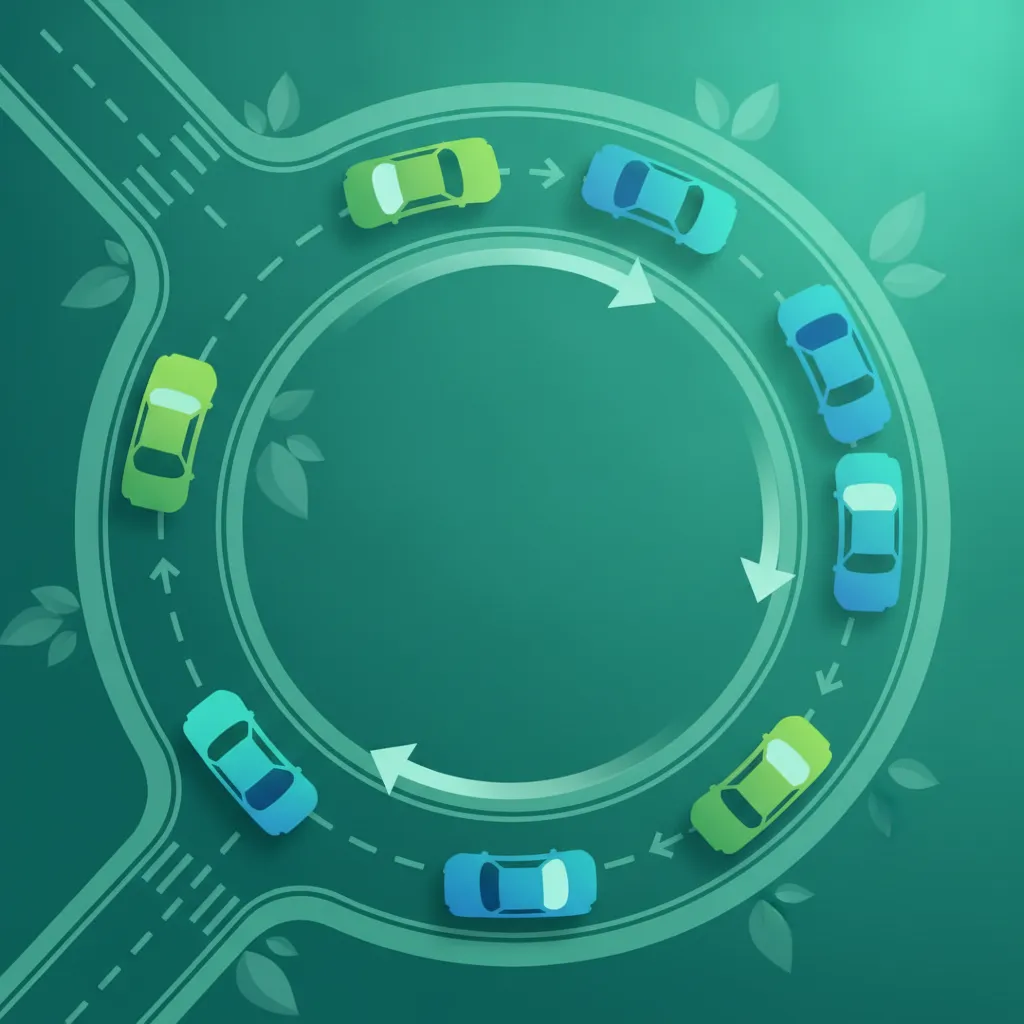
This lesson focuses on the rules for navigating roundabouts (Kreisverkehr) in Austria. It highlights the fundamental give-way rule, where traffic entering the roundabout must yield to traffic already circulating within it. Learners will understand the correct procedures for lane selection, signaling intent to exit, and maintaining safe traffic flow, supported by explanations of specific Austrian roundabout signage.
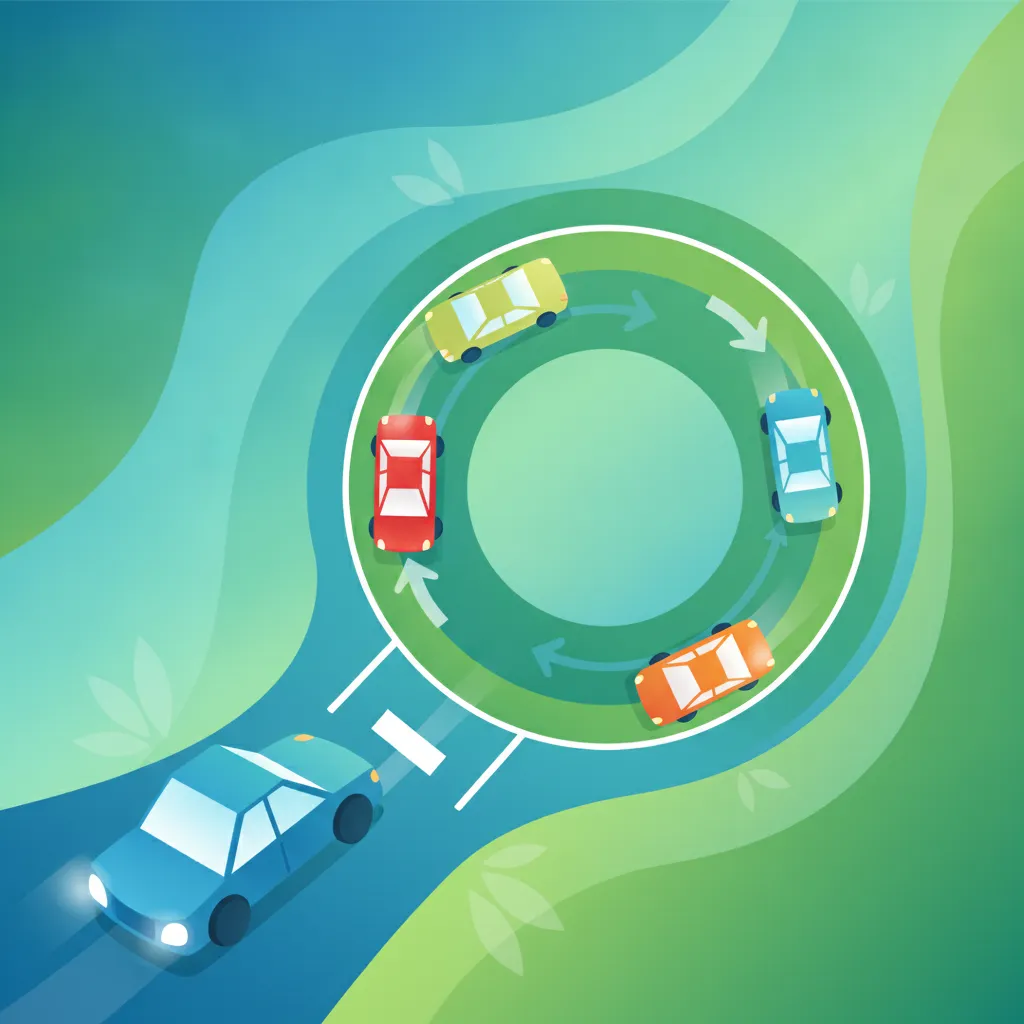
This lesson provides clear instructions on how to safely navigate roundabouts. It explains the critical rule of yielding to traffic already circulating and how to choose the correct lane based on the intended exit. The content also covers proper signaling procedures for entering and exiting the roundabout to communicate intentions clearly.

This lesson provides a comprehensive explanation of Austria's right-of-way laws, which are fundamental to intersection safety. It covers the meaning of different priority signs and clarifies the 'Rechts vor Links' (priority to the right) rule that applies at unmarked junctions. A clear understanding of these rules is essential to prevent conflicts and collisions in urban and rural settings.

This lesson provides a detailed guide to executing turning manoeuvres safely and correctly at both intersections and roundabouts. It explains the importance of proper lane positioning well in advance of the turn, the correct timing for signaling, and the necessity of checking for pedestrians and cyclists. The content also reinforces priority rules that apply when turning, particularly when crossing the path of oncoming traffic during a left turn.

This lesson teaches a safe, methodical process for navigating intersections. It stresses the importance of proper lane positioning on approach, comprehensive visual scans for cross-traffic, pedestrians, and cyclists, and clear communication of intent. Special attention is given to the increased risks associated with left turns across oncoming traffic.

This lesson provides essential knowledge for using Austria's high-speed road network. It covers the correct procedure for entering via acceleration lanes, maintaining strict lane discipline (keeping right, passing left), and understanding the digital or physical Vignette (toll sticker) requirement. The formation of the 'Rettungsgasse' (emergency corridor) during traffic jams is also a key topic.
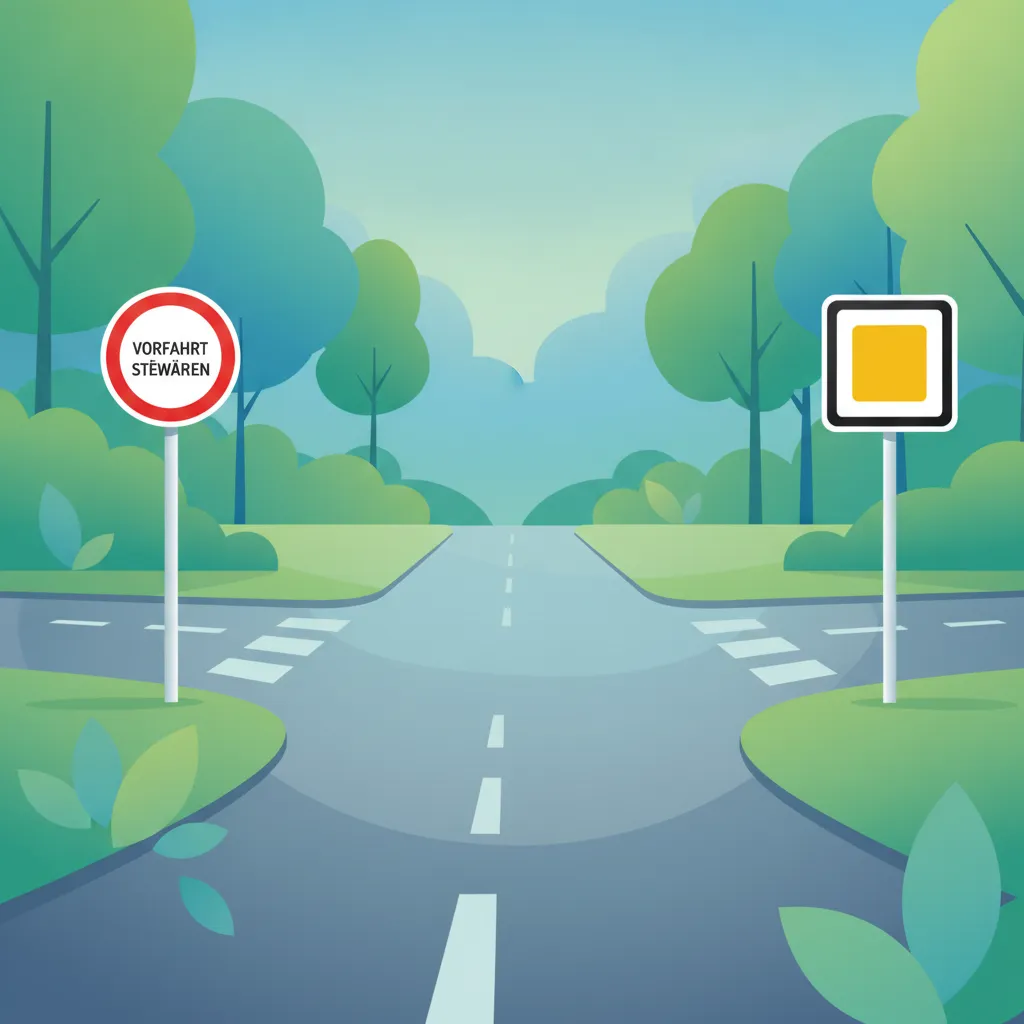
This lesson explains the fundamental concepts of priority that govern traffic at Austrian junctions. It differentiates between having priority ('Vorfahrt') and the duty to yield ('Nachrang'), detailing the signs that establish these rules. Correct application of these principles is critical for preventing collisions at intersections and roundabouts.
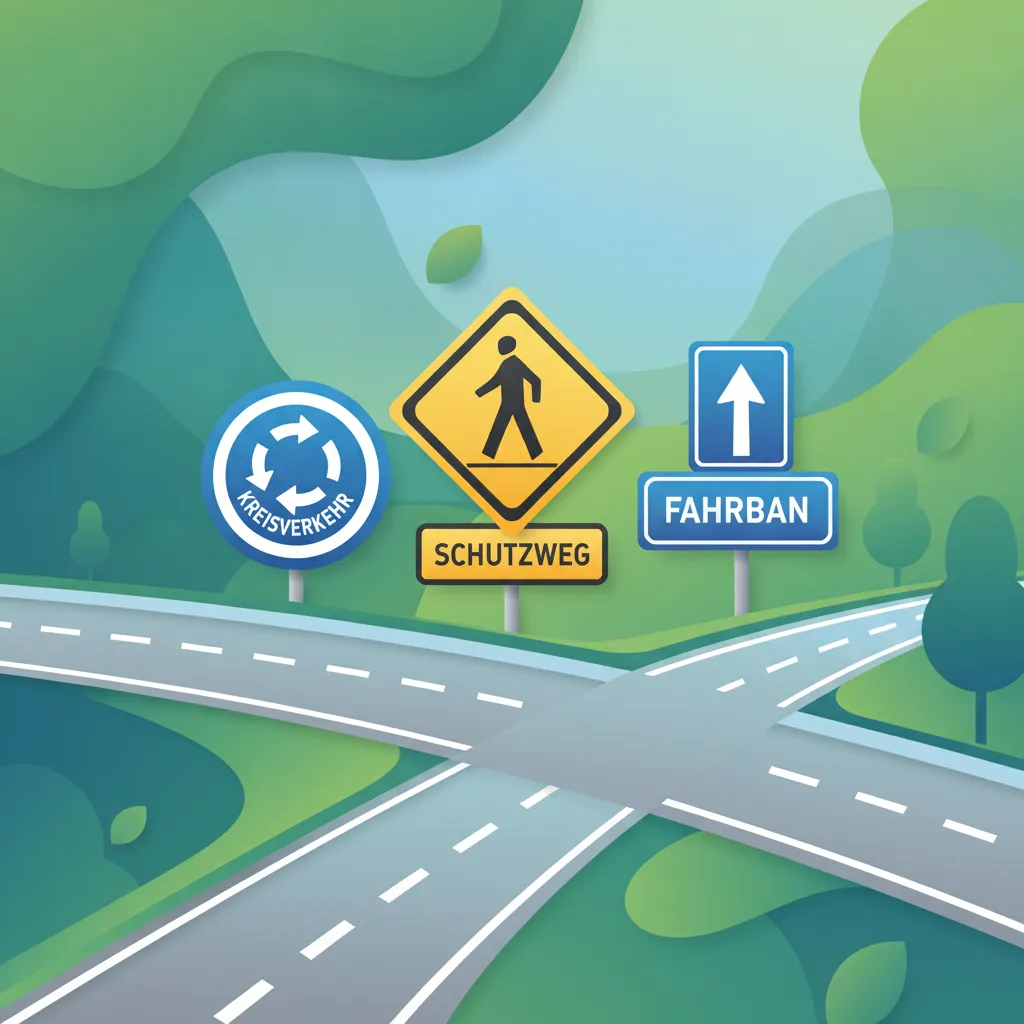
This lesson covers the specific regulations associated with special Austrian road signs and areas. It details the rules for 'Schutzweg' (protected pedestrian crossings), 'Kreisverkehr' (roundabouts), and the distinction between 'Fahrbahn' (road) and 'Fahrstreifen' (lane). Understanding these specific contexts is essential for safe navigation in urban and suburban environments.

This lesson covers the principles of proper lane discipline, including maintaining a correct and steady position within a lane and adhering to the 'keep right' rule on multi-lane roads. It details the safe and systematic protocol for changing lanes, which involves checking mirrors, signaling intention, performing a blind spot check, and then smoothly executing the manoeuvre. Correct lane usage is essential for maintaining predictable and safe traffic flow.

This lesson teaches a safe and systematic process for approaching and crossing intersections. It covers how to correctly assess priority based on signs and general rules, adjust speed appropriately, and perform thorough visual checks. Emphasis is placed on anticipating the actions of other road users to prevent conflicts at junctions.
Understand common errors and real-world scenarios faced by motorcyclists in Austrian roundabouts. Learn to avoid dangerous situations and improve hazard perception for safer riding.
This lesson provides clear instructions on how to safely navigate roundabouts. It explains the critical rule of yielding to traffic already circulating and how to choose the correct lane based on the intended exit. The content also covers proper signaling procedures for entering and exiting the roundabout to communicate intentions clearly.
This lesson focuses on the rules for navigating roundabouts (Kreisverkehr) in Austria. It highlights the fundamental give-way rule, where traffic entering the roundabout must yield to traffic already circulating within it. Learners will understand the correct procedures for lane selection, signaling intent to exit, and maintaining safe traffic flow, supported by explanations of specific Austrian roundabout signage.
This lesson provides a detailed guide to executing turning manoeuvres safely and correctly at both intersections and roundabouts. It explains the importance of proper lane positioning well in advance of the turn, the correct timing for signaling, and the necessity of checking for pedestrians and cyclists. The content also reinforces priority rules that apply when turning, particularly when crossing the path of oncoming traffic during a left turn.
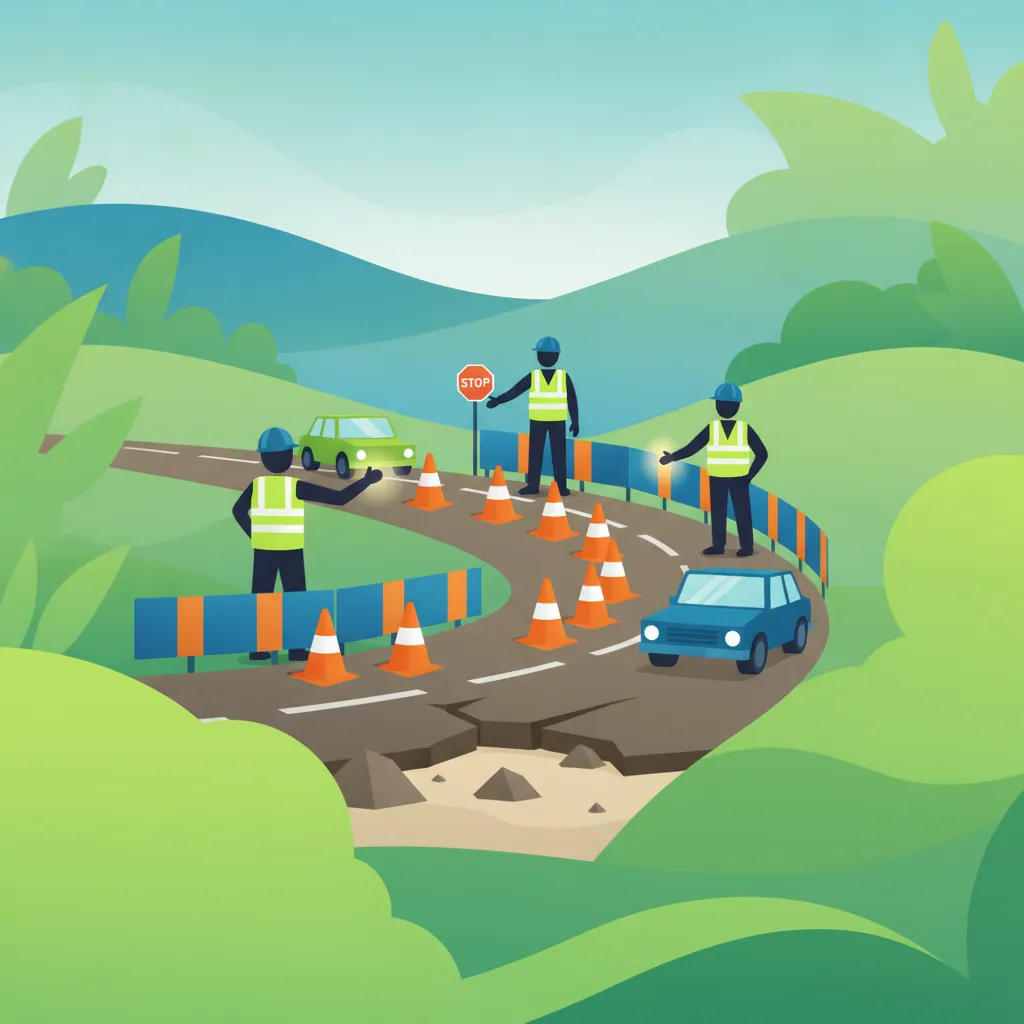
This lesson prepares riders for safely transiting through construction zones ('Baustellen'). It covers the interpretation of temporary signage, adherence to reduced speed limits, and awareness of hazards suchas altered lane markings, abrupt surface changes, and loose gravel. Respecting the safety of road workers and anticipating unpredictable traffic patterns are key themes.
This lesson teaches a safe, methodical process for navigating intersections. It stresses the importance of proper lane positioning on approach, comprehensive visual scans for cross-traffic, pedestrians, and cyclists, and clear communication of intent. Special attention is given to the increased risks associated with left turns across oncoming traffic.

This lesson highlights the specific hazards of riding on countryside roads in Austria. It teaches riders to be vigilant for wildlife crossing signs, especially at dawn and dusk, and how to safely approach and overtake slow-moving agricultural machinery. Awareness of potential surface hazards like mud, gravel, or manure from farm access points is also crucial for maintaining traction.
This lesson provides advice for navigating popular scenic routes, which often feature heavy traffic, cyclists, and distracted drivers. It emphasizes maintaining focus on the road despite beautiful scenery and anticipating unpredictable actions from other tourists who may stop suddenly. Adopting a patient and defensive mindset is key to safely enjoying these remarkable roads.
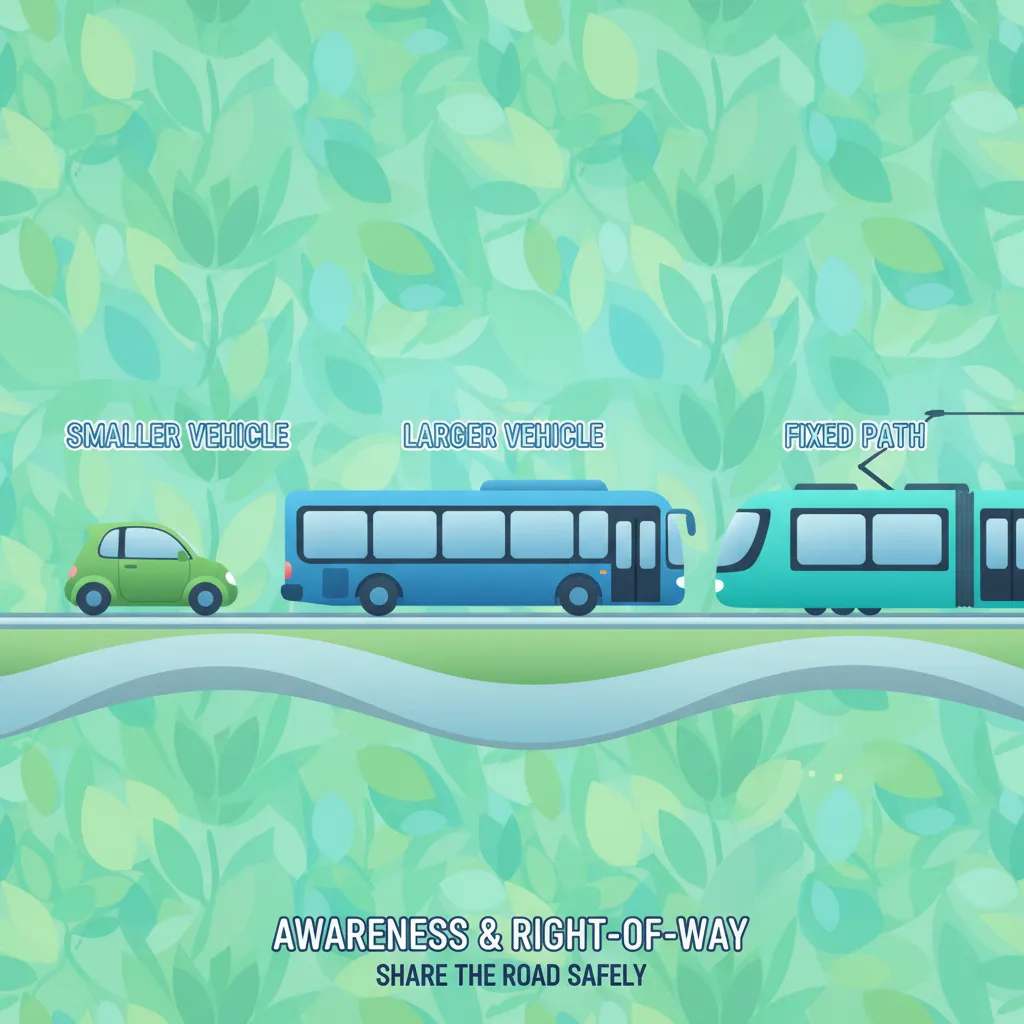
This lesson provides specific guidance for sharing the road with different types of vehicles in Austria. It covers the dangers of large vehicle blind spots, the rules for navigating near buses and dedicated tram tracks, and common conflict points at intersections. Understanding the behavior and limitations of other vehicles is key to safely navigating complex urban environments.

This lesson breaks down the overtaking maneuver into a safe, repeatable process: assess, signal, check, move, and return. It emphasizes the importance of ensuring a sufficient gap in oncoming traffic, checking mirrors and blind spots thoroughly, and maintaining a proper speed differential. Adherence to Austrian laws regarding where overtaking is prohibited is also covered in detail.
This lesson provides a comprehensive explanation of Austria's right-of-way laws, which are fundamental to intersection safety. It covers the meaning of different priority signs and clarifies the 'Rechts vor Links' (priority to the right) rule that applies at unmarked junctions. A clear understanding of these rules is essential to prevent conflicts and collisions in urban and rural settings.
Find clear answers to common questions learners have about Navigating Roundabouts. Learn how the lesson is structured, which driving theory objectives it supports, and how it fits into the overall learning path of units and curriculum progression in Austria. These explanations help you understand key concepts, lesson flow, and exam focused study goals.
In Austria, you generally do not signal when entering a roundabout unless you are taking the very first exit, in which case you should signal right upon approach. You must always signal right when exiting to notify other drivers and riders of your intention.
If there are no specific priority signs like 'Give Way', the standard right-before-left rule typically applies, but in practice, almost all modern roundabouts in Austria are signed to give priority to traffic already inside the circle.
Generally, use the right lane if you are taking the first or second exit. Use the left lane if you are turning left or performing a U-turn, ensuring you check your mirrors and blind spots carefully before switching lanes to exit.
The rules for roundabouts are the same for all motorcycle categories (A1, A2, and A). Examiners focus on your ability to correctly position your bike and communicate your intentions clearly, as motorcycles are smaller and harder for car drivers to see.
Refine your study plan by searching for specific Austrian driving theory practice sets. Pinpoint questions related to particular road rules, signs, or challenge levels, and begin practicing immediately to reinforce your knowledge and excel in your official exam with confidence. Get started with focused revision today.